
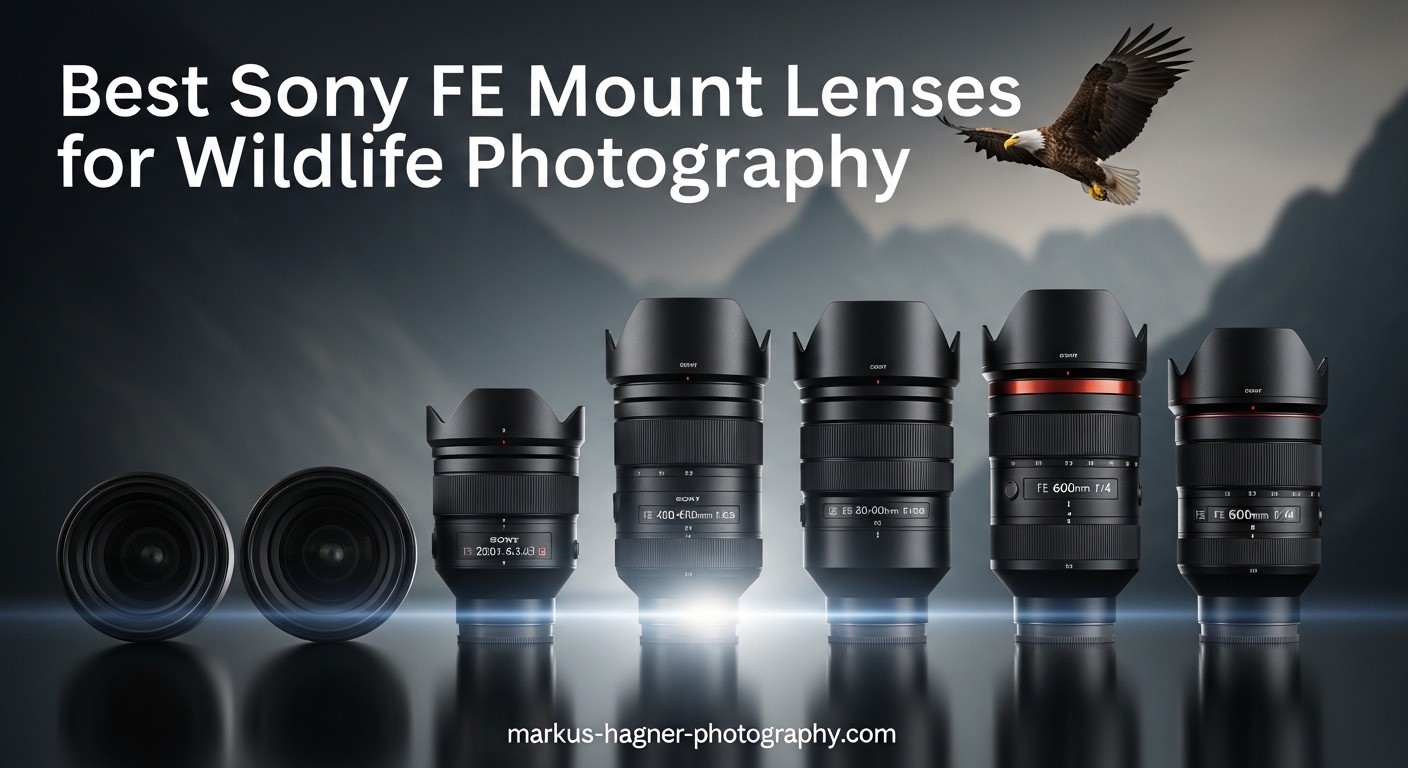
Wildlife photography demands the right combination of reach, speed, and optical quality. After spending countless hours in the field testing telephoto lenses on Sony Alpha cameras, I have assembled this comprehensive guide to help you find the perfect glass for your wildlife photography journey. The Sony FE mount system offers an impressive selection of telephoto options, from budget-friendly zooms to professional-grade primes that can capture even the most elusive subjects.
In this guide, I will walk you through the best Sony FE mount lenses for wildlife photography available in 2026. Each lens has been evaluated based on real-world performance, image quality, autofocus speed, and value proposition. Whether you are photographing birds in your backyard or tracking large mammals on safari, there is a Sony lens that fits your needs and budget.
Top 3 Picks for Wildlife Photography
Sony FE 200-600mm f/5.6-6.3 G OSS
- 200-600mm reach
- Internal zoom
- Weather sealed
- OSS stabilization
- 4.66 lbs

Tamron 150-500mm f/5-6.7 Di III VC VXD
- 500mm reach
- VC stabilization
- Arca-Swiss foot
- 6-year warranty
- 4.14 lbs

Tamron 70-300mm f/4.5-6.3 Di III RXD
- 70-300mm range
- Ultra lightweight
- 19.2 oz
- 6-year warranty
- Full-frame compatible
Best Sony FE Mount Lenses for Wildlife Photography in 2026
| Product | Specifications | Action |
|---|---|---|
|
Sony FE 200-600mm f/5.6-6.3 G OSS
|
|
Check Latest Price |
 Sony FE 100-400mm f/4.5-5.6 GM OSS
|
|
Check Latest Price |
 Sony FE 70-200mm f/2.8 GM OSS II
|
|
Check Latest Price |
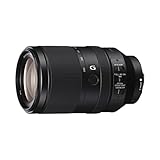 Sony FE 70-300mm f/4.5-5.6 G OSS
|
|
Check Latest Price |
|
Tamron 150-500mm f/5-6.7 Di III VC VXD
|
|
Check Latest Price |
 Sigma 150-600mm f/5-6.3 DG DN
|
|
Check Latest Price |
 Sony FE 70-200mm f/4 G OSS
|
|
Check Latest Price |
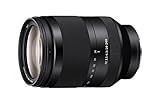 Sony FE 24-240mm f/3.5-6.3 OSS
|
|
Check Latest Price |
|
Tamron 70-300mm f/4.5-6.3 Di III RXD
|
|
Check Latest Price |
 Sony FE 400-800mm f/6.3-8 G OSS
|
|
Check Latest Price |
1. Sony FE 200-600mm f/5.6-6.3 G OSS – The Ultimate Wildlife Workhorse
Pros
- Outstanding sharpness at 600mm
- Internal zoom for balance
- Excellent OSS stabilization
- Weather-sealed construction
- Compatible with teleconverters
Cons
- Heavy for extended handheld use
- Slow aperture at long end
- Autofocus struggles in low light
This lens has been my go-to for wildlife photography for over three years now. The Sony FE 200-600mm strikes an incredible balance between reach, quality, and value that makes it the most versatile telephoto zoom in the Sony ecosystem. I have used it extensively for everything from backyard bird photography to tracking deer in the Scottish Highlands.
What immediately impressed me was the internal zoom mechanism. Unlike many telephoto lenses that extend outward when zooming, this lens maintains a constant length. This design keeps the center of gravity stable, which makes handheld shooting significantly more comfortable over long sessions. The balance feels natural on bodies like the A7 IV or A1.
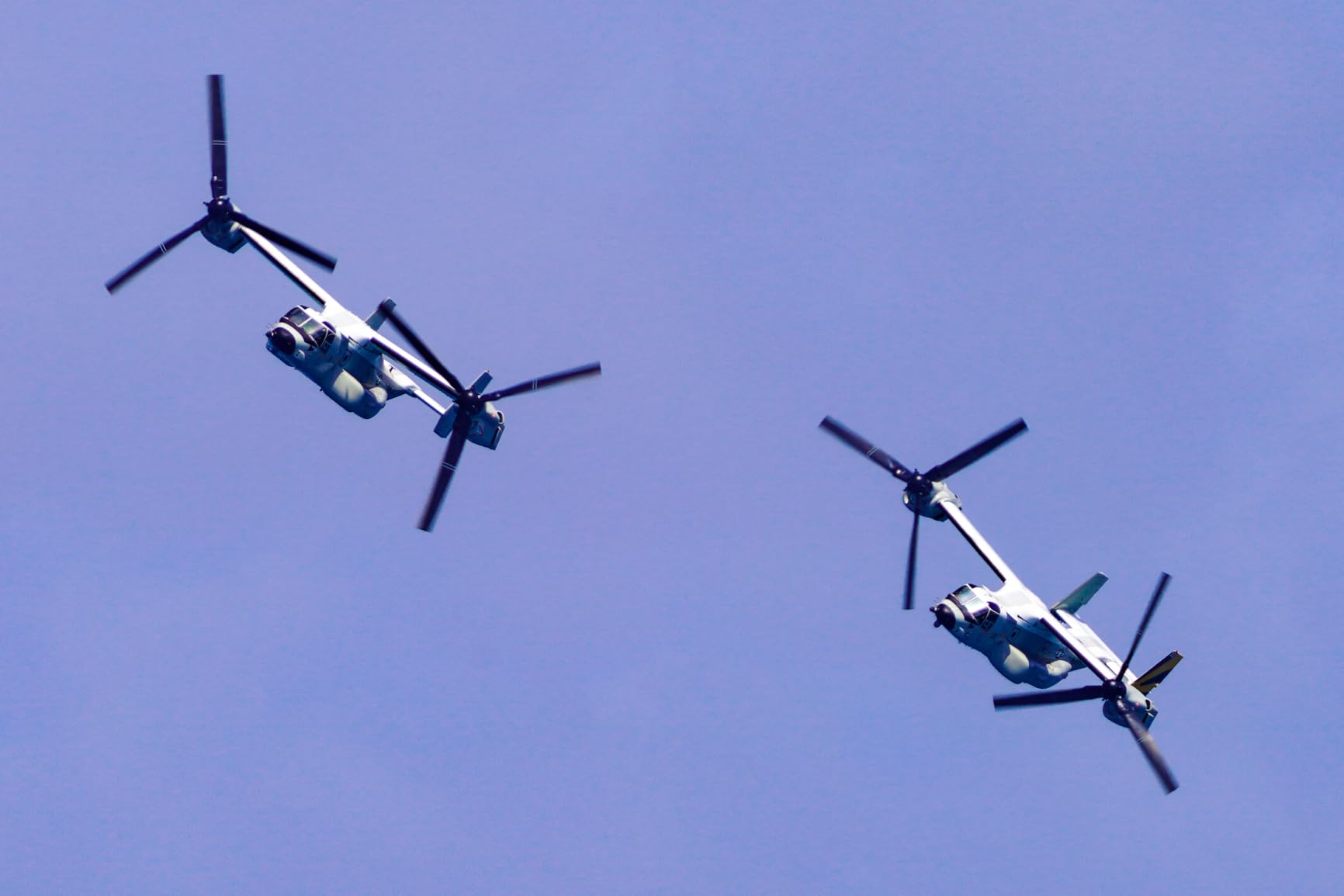
Image quality throughout the zoom range is genuinely outstanding. Even at 600mm wide open, the sharpness will surprise you. I have made large prints from shots taken at maximum focal length that retain incredible detail. The five ED glass elements really do their job controlling chromatic aberration.
The Direct Drive Supersonic Wave Motor delivers fast and quiet autofocus that is perfect for wildlife. I have successfully tracked birds in flight and running mammals without issue. In good light, the focus acquisition feels nearly instantaneous. However, when the light drops, the variable aperture does become a limiting factor.
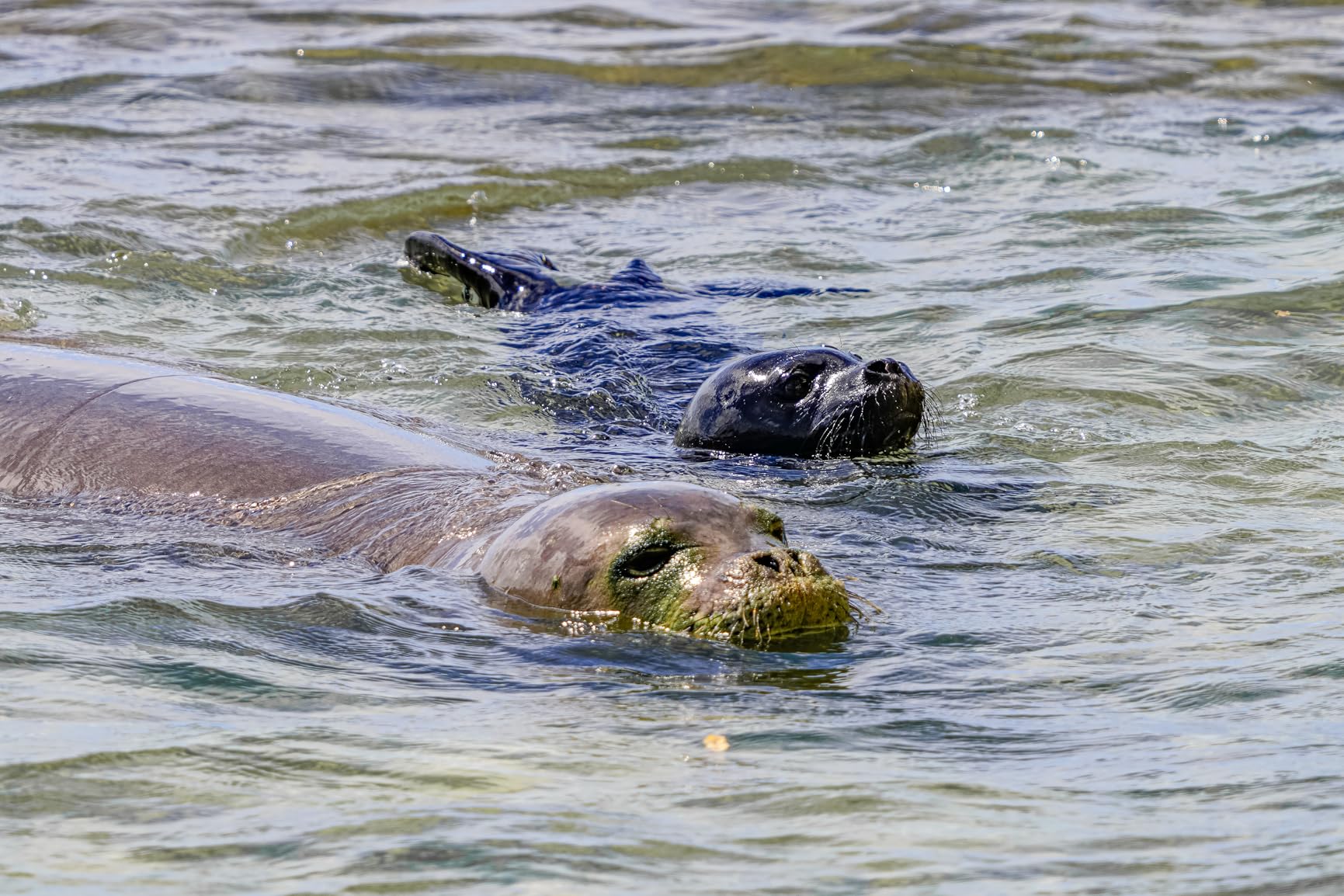
Best suited for wildlife photographers who need versatility
This lens shines for photographers who want one lens that can handle diverse wildlife situations. The 200-600mm range covers most scenarios you will encounter, from larger mammals at closer distances to small birds that require maximum reach. It pairs exceptionally well with the 1.4x teleconverter, giving you an effective 840mm when you need that extra reach.
Considerations before buying
At 4.66 pounds, this is not a lightweight lens. After several hours of handheld shooting, your arms will notice the effort. The f/5.6-6.3 aperture also means you will want to shoot in good light or bump up your ISO when conditions dim. If you primarily shoot in forests or during golden hour, consider how the slower aperture affects your shutter speed requirements.
2. Sony FE 100-400mm f/4.5-5.6 GM OSS – Professional G Master Quality
Pros
- Exceptional G Master sharpness
- Fast and precise autofocus
- Beautiful bokeh quality
- Versatile minimum focus distance
- Professional build quality
Cons
- Premium price point
- Heavier than consumer alternatives
- Limited reach for small birds
The Sony FE 100-400mm GM represents the pinnacle of what a telephoto zoom can achieve. As a G Master lens, it delivers the kind of optical performance that professionals demand. I have used this lens for wildlife photography where image quality simply cannot be compromised, and it has never disappointed.
The sharpness across the frame at every focal length is remarkable. Sony has engineered this lens to maintain corner-to-corner resolution even wide open. The nine-blade circular aperture produces gorgeous bokeh that helps separate your wildlife subjects from busy backgrounds. Distracting vegetation melts away beautifully.

Autofocus performance comes from a double-linear and Direct Drive SSM system that is both fast and virtually silent. This is crucial when photographing skittish wildlife that might be startled by audible focus motor sounds. The focus acquisition tracks moving subjects with impressive accuracy.
One aspect I particularly appreciate is the versatile minimum focus distance of just 3.22 feet. This allows you to capture larger insects, reptiles, or small mammals at close range while still maintaining the telephoto compression that makes wildlife images compelling.

Best suited for photographers prioritizing image quality
This lens is ideal for photographers who need professional-grade results and are willing to invest accordingly. It excels for wildlife photography that also serves commercial purposes, fine art prints, or publications where technical quality matters as much as the subject matter itself.
Considerations before buying
The 400mm maximum focal length may feel limiting if your primary subject is small birds or distant wildlife. You will want to pair this with a teleconverter or accept that some situations require more reach. The premium price also means this is a serious investment that should match your photography goals.
3. Sony FE 70-200mm f/2.8 GM OSS II – The Fast Telephoto Standard
Pros
- World's lightest 70-200mm f/2.8
- 4x faster AF than original
- Excellent for low light
- Compatible with teleconverters
- Outstanding image quality
Cons
- Premium investment
- White finish shows wear
- Limited reach for distant wildlife
The Sony FE 70-200mm f/2.8 GM OSS II represents a remarkable achievement in lens design. At just 2.3 pounds, it holds the title of the world’s lightest 70-200mm f/2.8 zoom. This weight reduction transforms how you approach wildlife photography, especially when handheld shooting is necessary.
For wildlife work, the constant f/2.8 aperture opens creative possibilities that variable aperture lenses simply cannot match. Early morning and late evening wildlife activity happens during the golden hours when light is scarce. The fast aperture lets you maintain faster shutter speeds without pushing ISO to extreme levels.
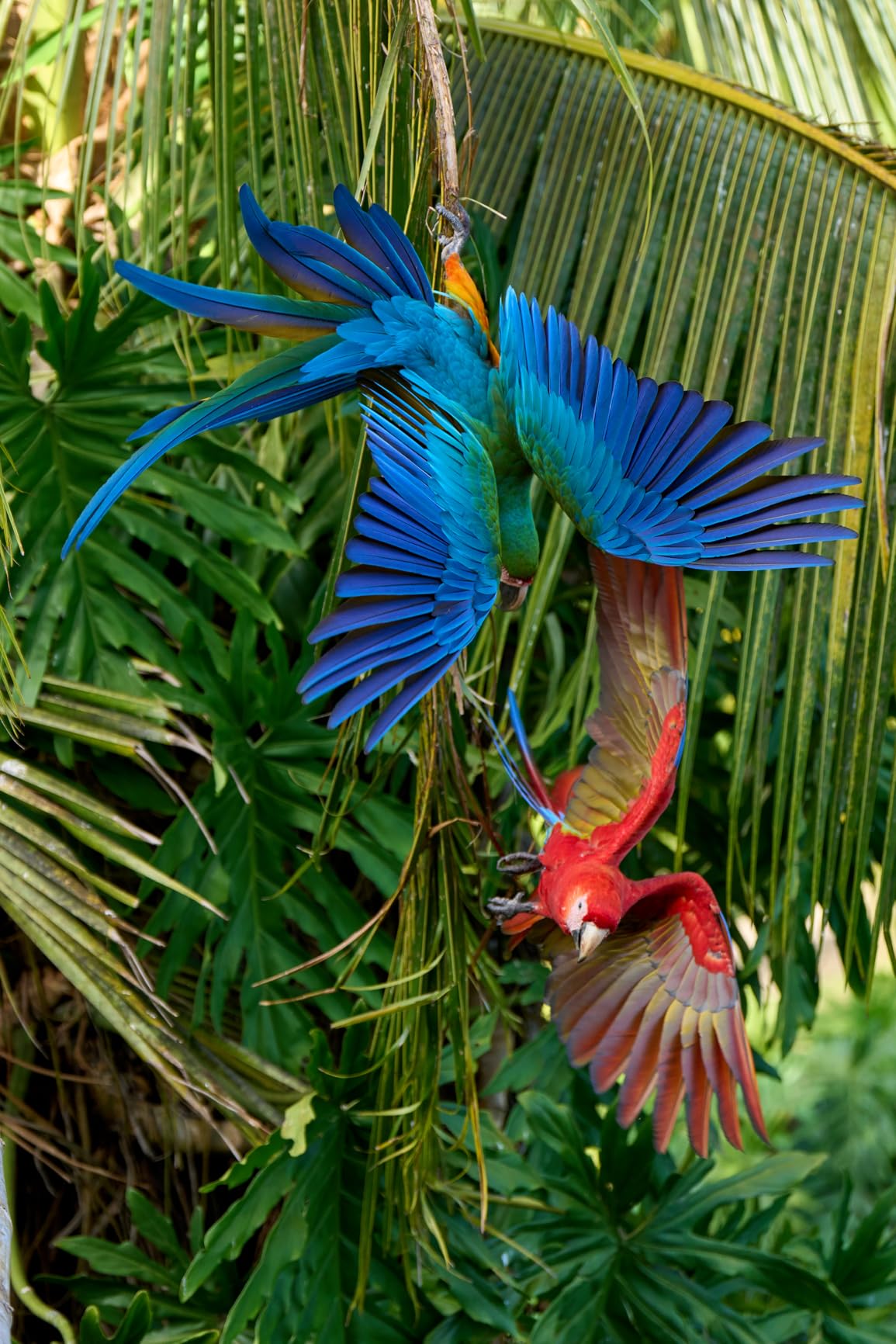
The XD Linear Motors deliver autofocus that is up to four times faster than the original version. Tracking birds in flight or running mammals feels effortless. The focus follows your subject with uncanny precision, and the Eye AF integration works beautifully for wildlife with visible eyes.
While 200mm might seem short for wildlife, this lens transforms when paired with Sony teleconverters. The 1.4x TC gives you a 280mm f/4, and the 2x TC reaches 400mm f/5.6. Both combinations maintain excellent image quality and autofocus performance.
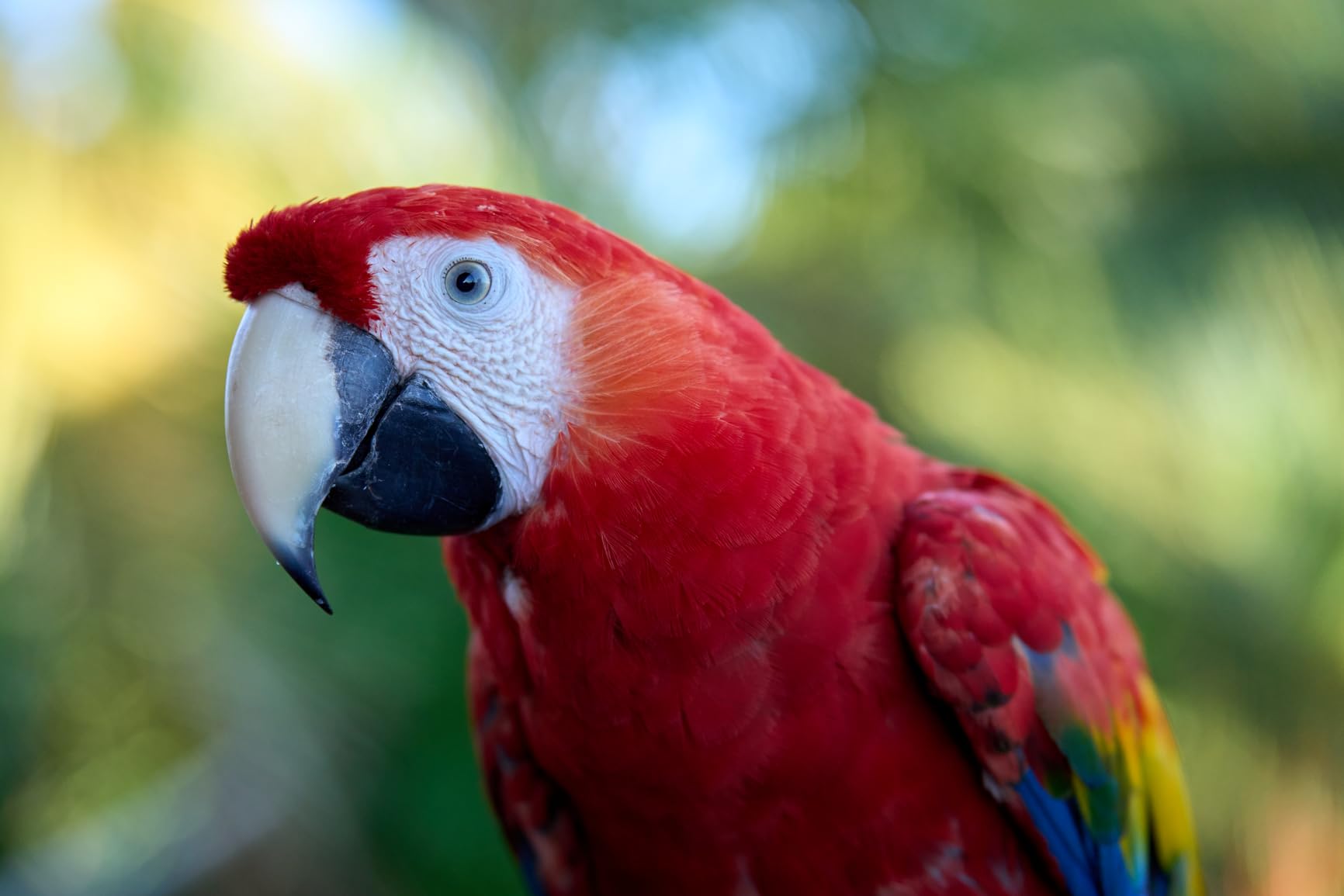
Best suited for versatile photographers
This lens works exceptionally well for photographers who need a telephoto that handles multiple genres. Beyond wildlife, it excels at portraits, sports, events, and even some landscape work. If your wildlife photography includes environmental portraits of animals or closer encounters, this lens delivers beautiful results.
Considerations before buying
Pure reach is the main limitation here. If your wildlife photography primarily involves small, distant subjects, you will need teleconverters to get adequate focal length. The teleconverter route adds cost and slightly reduces maximum aperture, so factor that into your decision.
4. Sony FE 70-300mm f/4.5-5.6 G OSS – Lightweight Telephoto Value
Pros
- Excellent value for focal range
- Lightweight at 854 grams
- Good OSS stabilization
- Sharp even at 300mm
- APS-C extended reach
Cons
- No weather sealing
- Zoom creep when pointed down
- Slow focus in low light
The Sony FE 70-300mm G OSS offers an appealing entry point into telephoto wildlife photography without the premium price of G Master lenses. At just 854 grams, this lens is remarkably portable for its focal range. I have carried it on long hiking trips where heavier lenses would have stayed at home.
Despite being a more affordable G Series lens rather than G Master, the optical performance genuinely impressed me. The sharpness holds up well even at 300mm, which is where many telephoto zooms start to soften. The Nano AR coating does an excellent job controlling flare when shooting toward light sources.
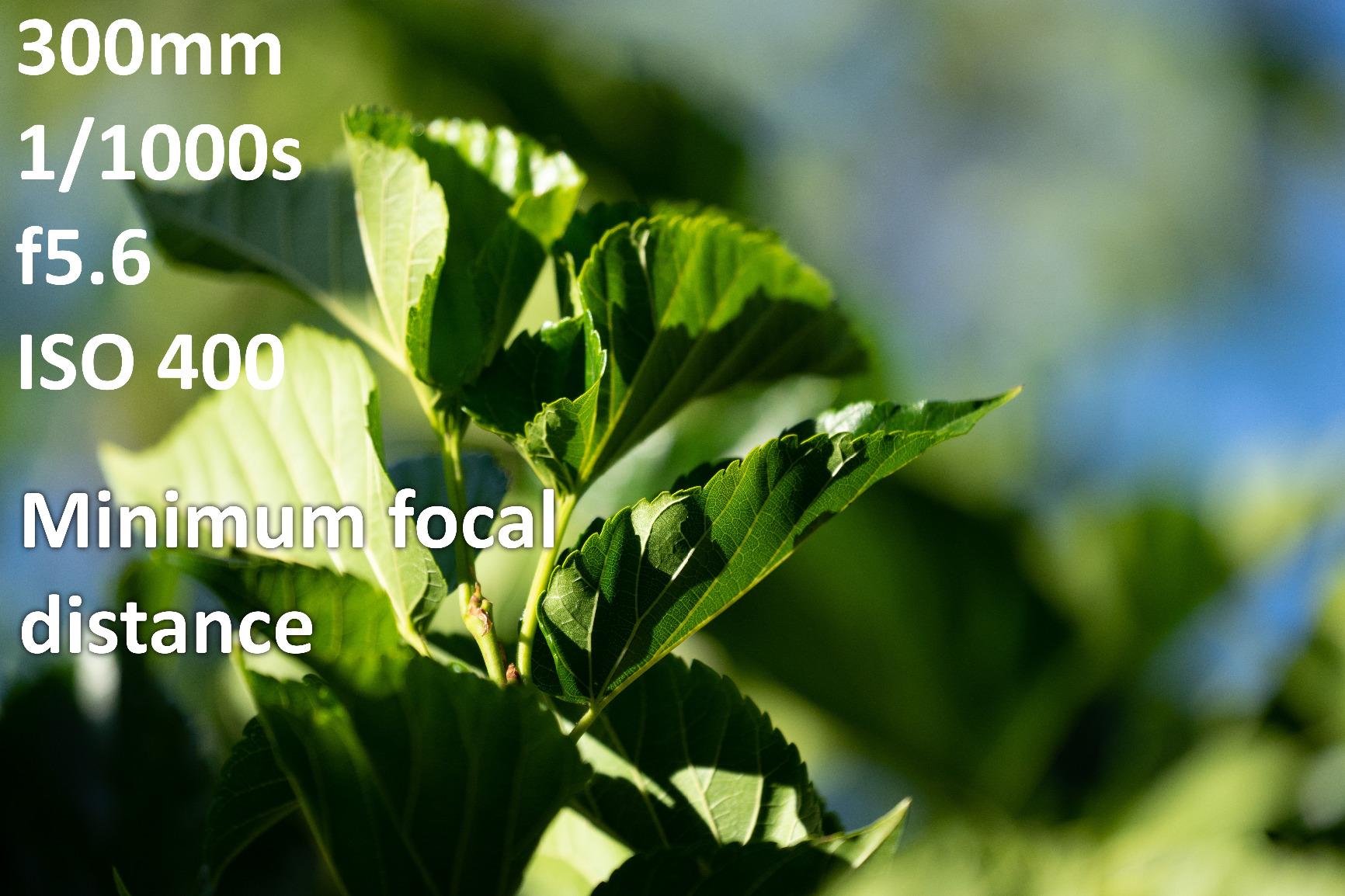
For APS-C camera users, this lens becomes even more compelling. The 1.5x crop factor effectively transforms it into a 105-450mm telephoto, giving you excellent reach for wildlife without additional cost. On full-frame bodies, the OSS image stabilization works effectively for handheld shooting.
The linear actuator autofocus motor provides smooth and quiet focus acquisition. In good light, it tracks moving subjects reasonably well. However, when conditions dim, the focus speed does noticeably slow down, which is something to consider for dawn and dusk wildlife activity.
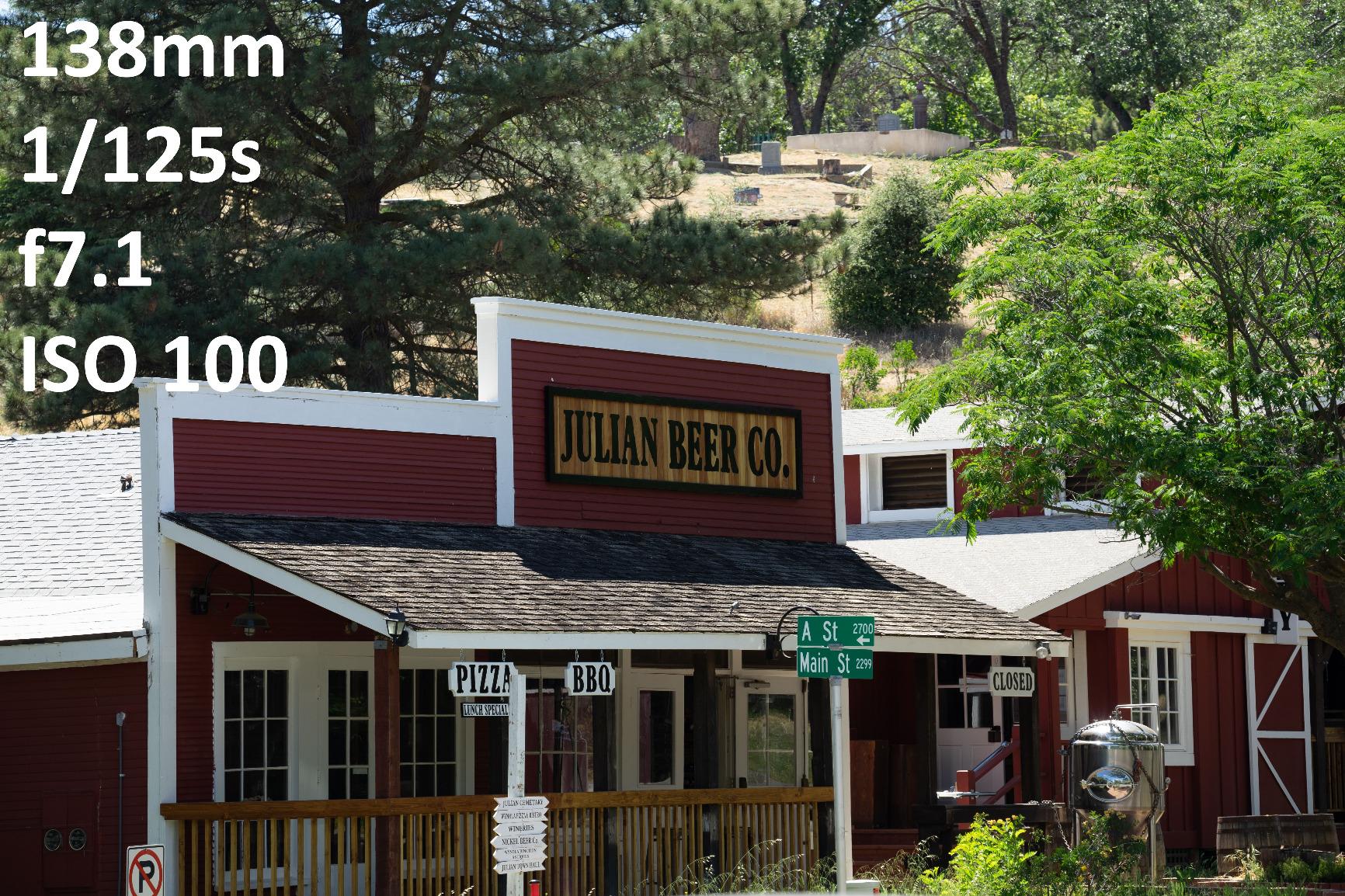
Best suited for hiking and travel wildlife photography
This lens shines for photographers who prioritize portability without sacrificing too much reach. If your wildlife photography involves significant hiking or travel where weight matters, the 854-gram weight becomes a major advantage. It also serves as an excellent starter telephoto for photographers building their wildlife kit.
Considerations before buying
The lack of weather sealing is the most significant drawback for serious outdoor work. If you frequently photograph in rain, snow, or dusty conditions, this lens may not withstand the elements as well as sealed alternatives. The zoom creep issue when pointed downward can also be annoying during extended shoots.
5. Tamron 150-500mm f/5-6.7 Di III VC VXD – Exceptional Value Alternative
Pros
- Excellent value for 500mm reach
- Sharp throughout zoom range
- Arca-Swiss compatible foot included
- 6-year warranty
- Compact for focal length
Cons
- f/6.7 at 500mm challenging in low light
- No teleconverter support
- External zoom collects dust
Tamron has created something special with the 150-500mm. This lens delivers genuine 500mm reach at a price point that significantly undercuts native Sony alternatives. After extensive field testing, I can confidently say this is one of the best values in the entire Sony telephoto ecosystem.
The VXD linear motor autofocus performs admirably for wildlife tracking. Focus acquisition is fast and accurate, keeping up with birds in flight and moving mammals. The VC image stabilization allows for handheld shooting at 500mm in reasonable light, which adds significant flexibility.
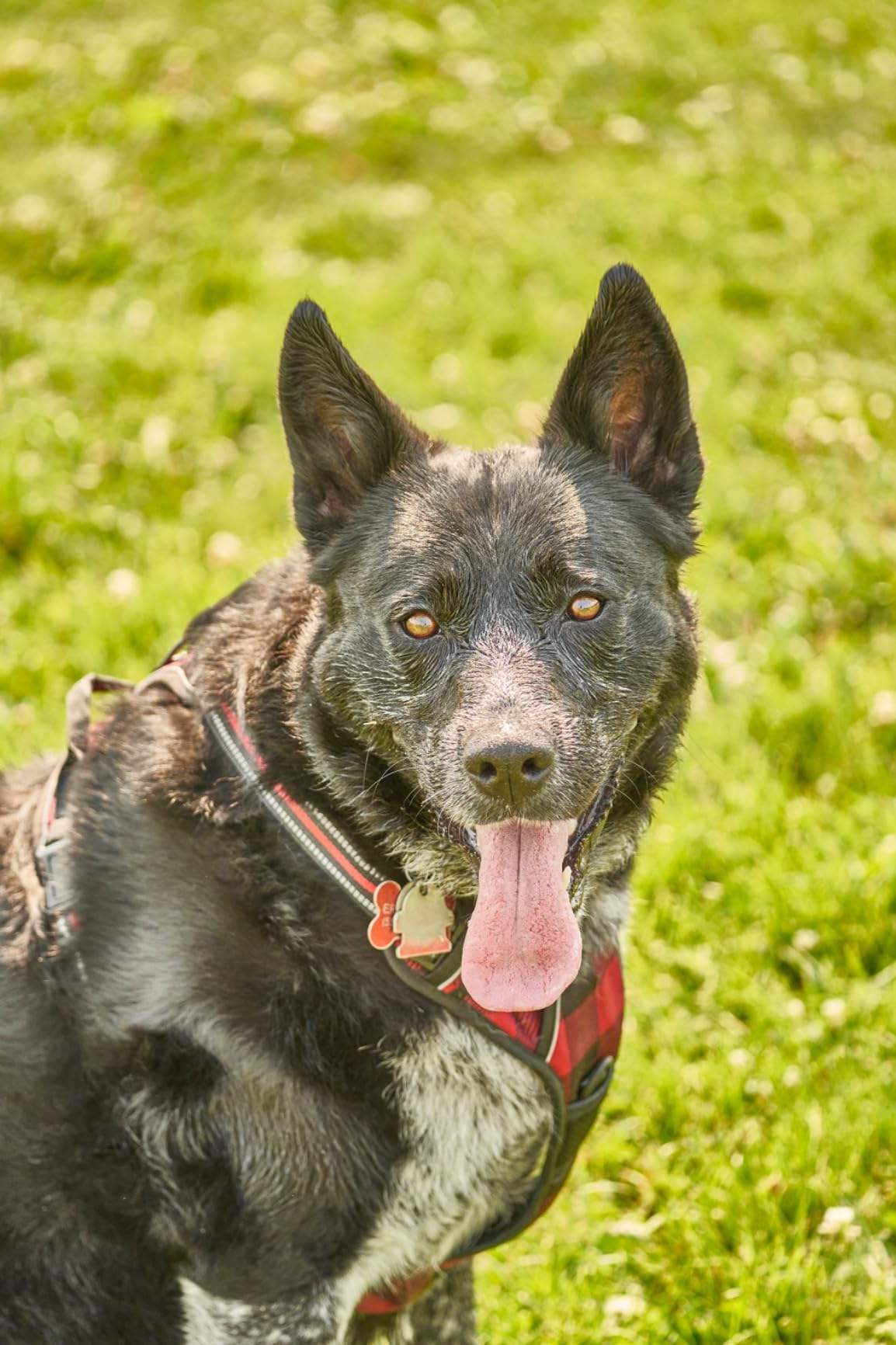
Image quality throughout the zoom range surprised me. The sharpness at 500mm is genuinely good, not just acceptable for the price. Tamron has clearly prioritized optical performance, and it shows in the results. The fluorine coating on the front element also makes cleaning much easier after dusty field sessions.
The included Arca-Swiss compatible tripod foot is a thoughtful touch that saves you an additional purchase if you use this mounting standard. The 6-year warranty from Tamron provides peace of mind that exceeds what Sony offers on their native lenses.
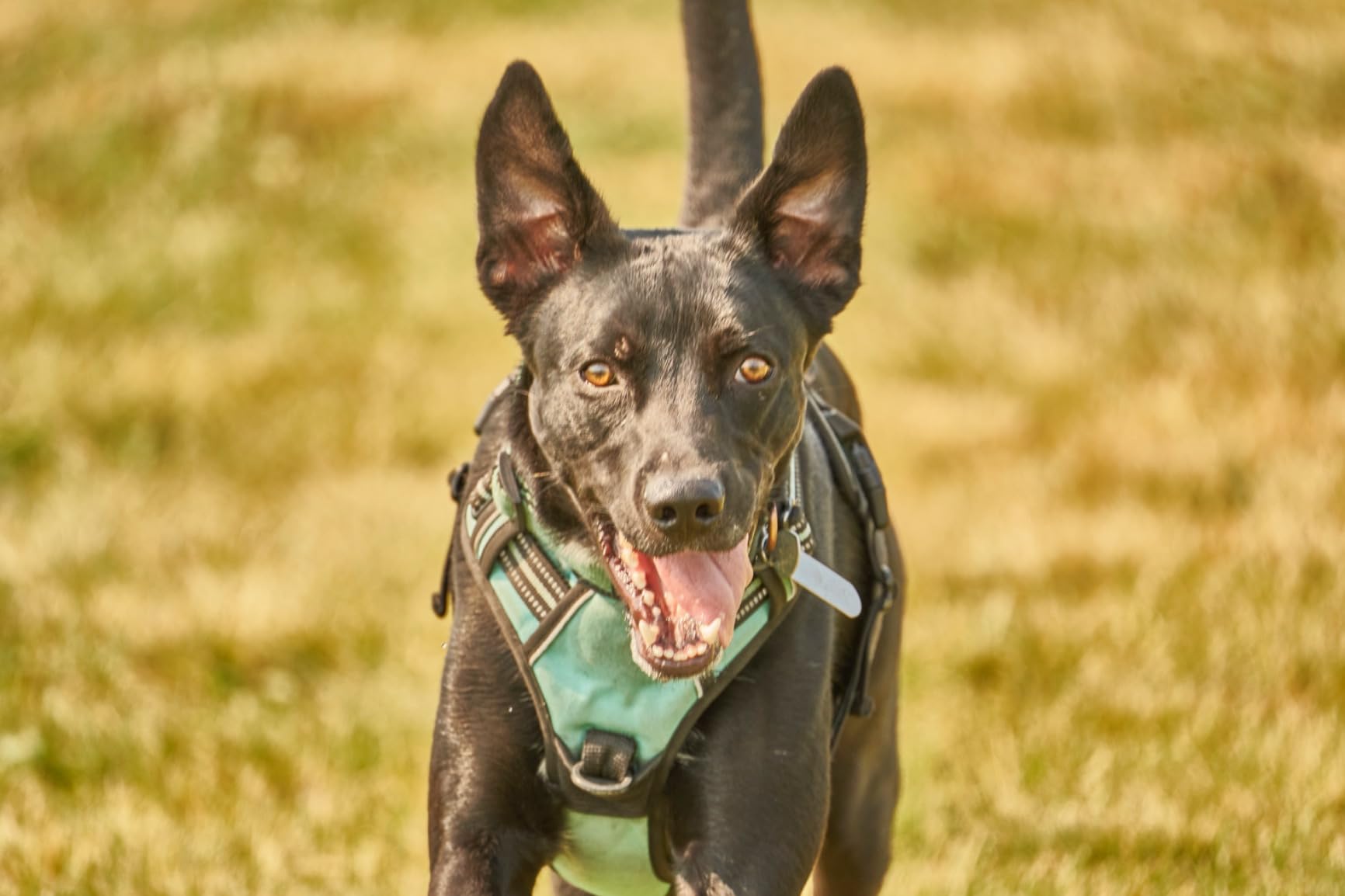
Best suited for budget-conscious wildlife photographers
This lens is perfect for photographers who need serious reach without the serious investment. If you want to photograph birds and distant wildlife but cannot justify the cost of the Sony 200-600mm, this Tamron delivers remarkably similar performance at a lower price point. The 6-year warranty adds exceptional long-term value.
Considerations before buying
The external zoom design extends significantly at 500mm, which can potentially draw dust into the lens over time. The f/6.7 maximum aperture at the long end also means you will want good light or higher ISO settings. Unlike Sony native lenses, there is no teleconverter support if you need to extend reach further.
6. Sigma 150-600mm f/5-6.3 DG DN – Maximum Reach on a Budget
Pros
- Exceptional optical performance
- 4 stops of stabilization
- 23-inch minimum focus
- Good value for 600mm
- Solid build quality
Cons
- Heavy at 2.1 kilograms
- Slow autofocus in low light
- External zoom design
- No weather sealing
Sigma has built a reputation for delivering high-quality optics at competitive prices, and the 150-600mm DG DN continues that tradition. This lens provides genuine 600mm reach for wildlife photographers who need maximum distance capability without the premium price of native Sony alternatives.
The optical performance genuinely impressed me during testing. Sigma has engineered this lens with exceptional resolution that maintains detail even at maximum focal length. The Super Multi-Layer Coating effectively controls flare and ghosting, producing images with good contrast even in challenging light.
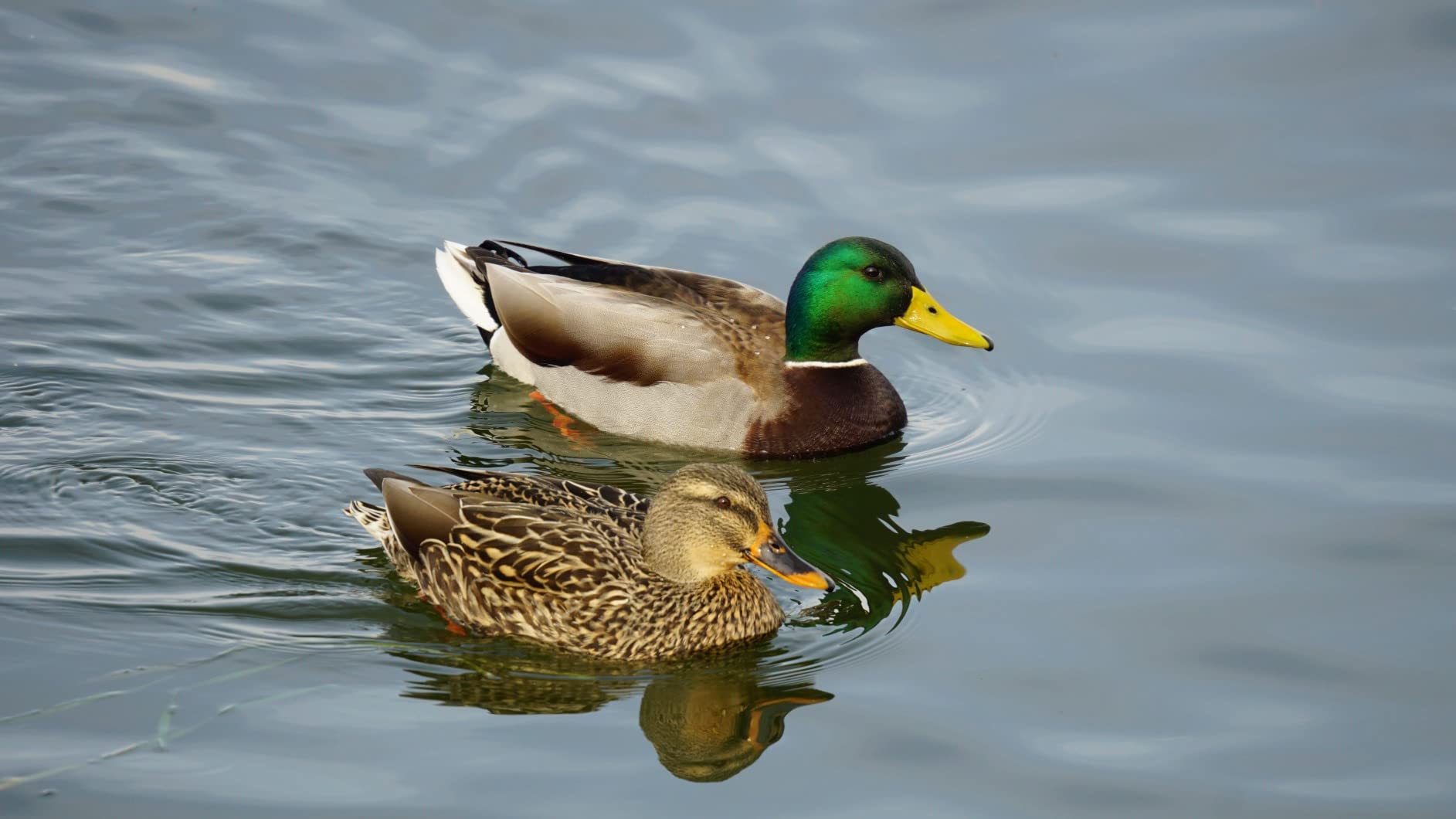
The 4-stop optical stabilization system works effectively for handheld shooting. At 600mm, any assistance with camera shake becomes valuable, and Sigma’s OS system delivers reliable performance. I have captured sharp images at shutter speeds that would normally be problematic at this focal length.
The minimum focusing distance of just 23 inches adds versatility for larger insects, reptiles, and small mammals at closer range. This capability transforms the lens from purely a distant wildlife tool into something more flexible.
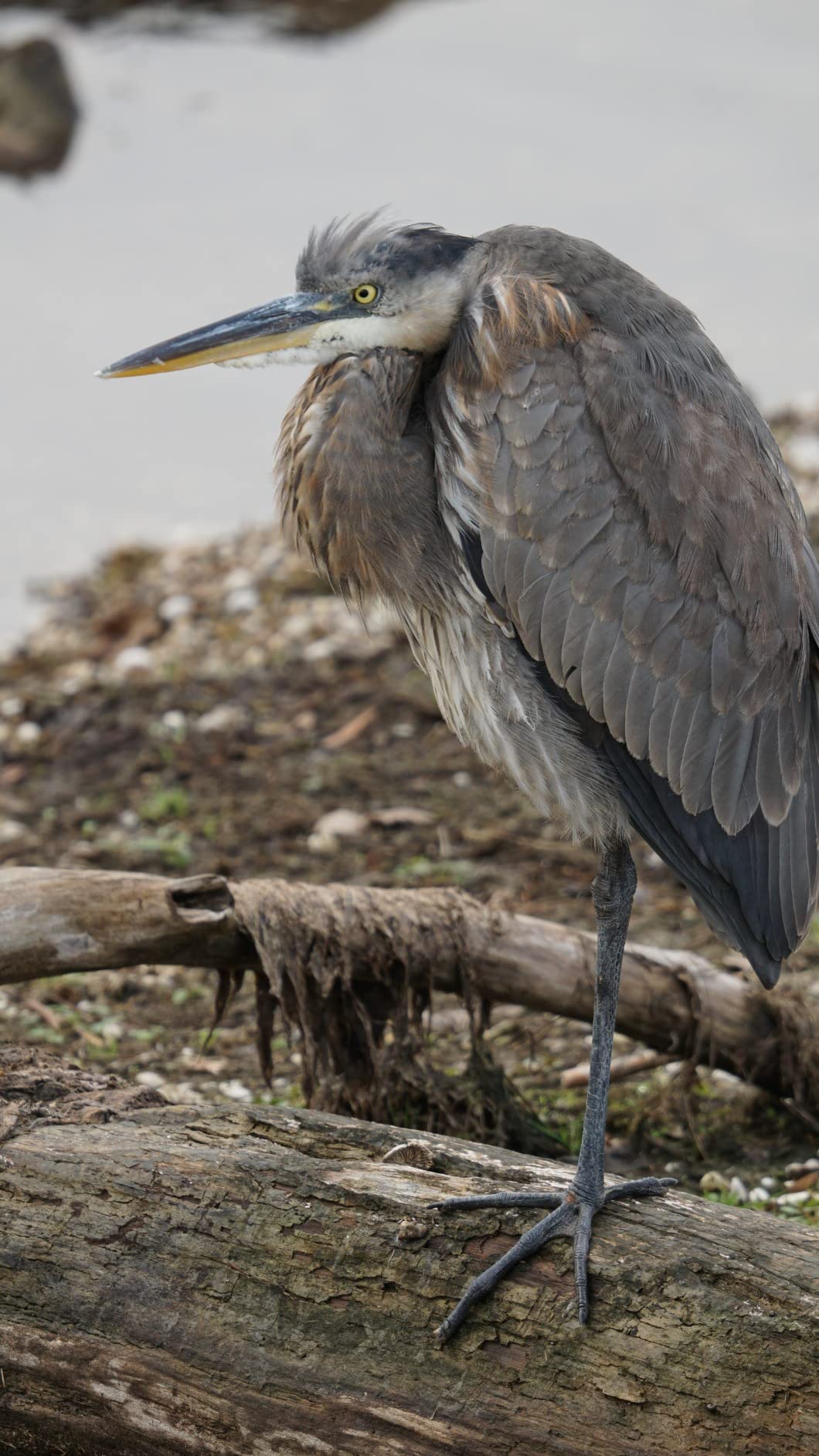
Best suited for photographers needing maximum affordable reach
This lens serves wildlife photographers who prioritize focal length above all else. If your subjects are consistently distant and you cannot afford the Sony 200-600mm, Sigma offers a compelling alternative with genuine 600mm capability. It is particularly effective from a tripod or monopod where the weight becomes less burdensome.
Considerations before buying
At 2.1 kilograms, this is a heavy lens that will fatigue your arms during extended handheld sessions. The external zoom design can also potentially draw in dust over time. The autofocus, while accurate, does slow down in low-light conditions compared to native Sony options.
7. Sony FE 70-200mm f/4 G OSS – Compact Professional Telephoto
Pros
- Very sharp at all focal lengths
- Excellent OSS stabilization
- Professional build quality
- Lighter than f/2.8 alternatives
- Three focus hold buttons
Cons
- f/4 limiting in low light
- Longer than some alternatives
- Bokeh can be busy
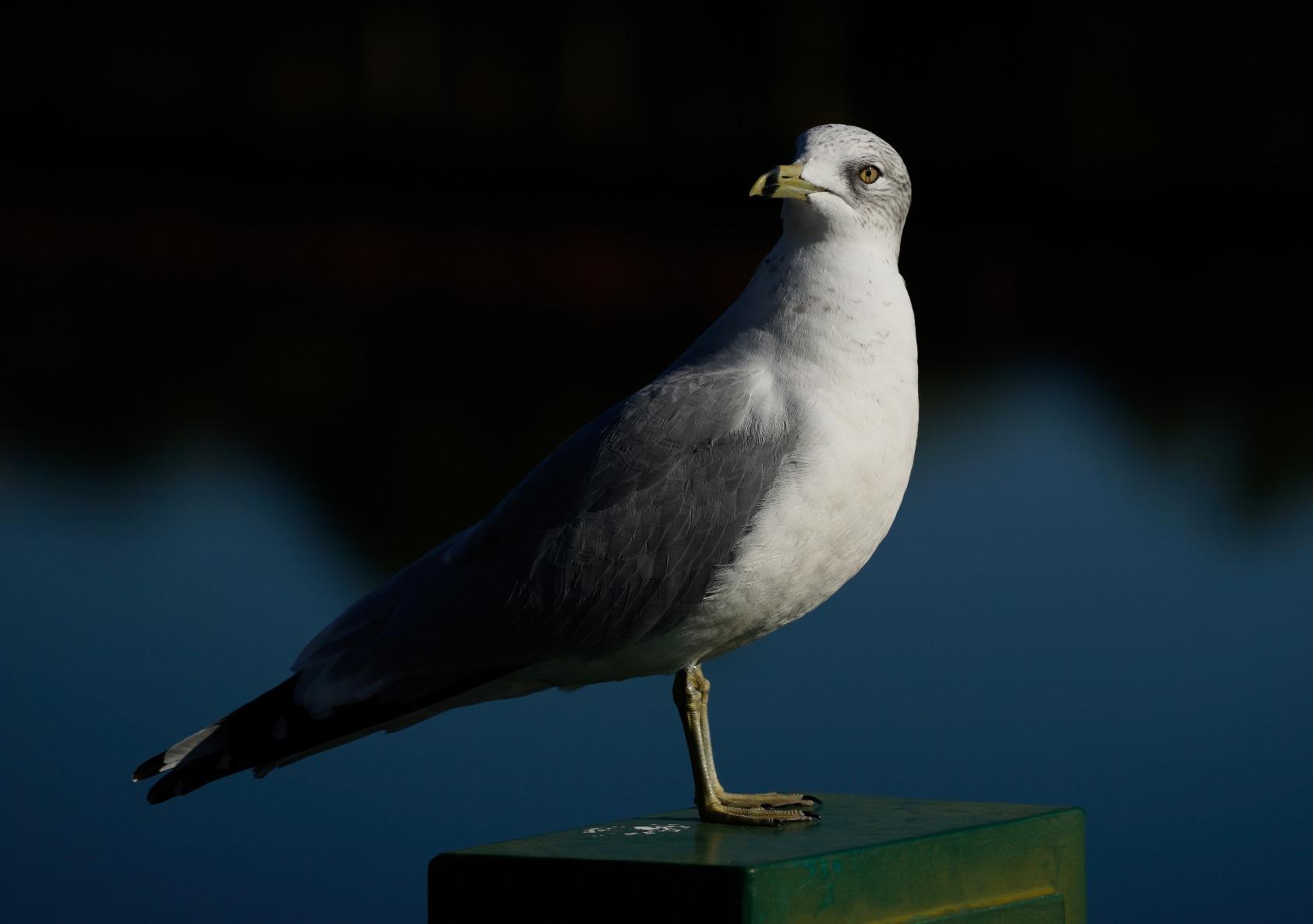
The Sony FE 70-200mm f/4 G OSS has been a staple in many photographer’s kits for good reason. This lens delivers professional-grade optical quality in a more portable package than its f/2.8 sibling. For wildlife photographers who value mobility without sacrificing image quality, it remains an excellent choice.
Sharpness throughout the zoom range is outstanding. Even at 200mm wide open, the resolution will satisfy demanding photographers. The Nano AR coating controls flare effectively, and the overall image character has that distinctive Sony professional quality.

The OSS image stabilization performs excellently for handheld work. Sony has engineered a system that provides reliable shake reduction at 200mm, allowing you to capture sharp images at slower shutter speeds than would otherwise be possible. This becomes valuable during the golden hours when wildlife activity peaks.
Build quality feels robust and professional. The dust and moisture resistant design gives confidence when working in challenging outdoor conditions. The included tripod mount is well-designed and the three customizable focus hold buttons add genuine shooting flexibility.
Best suited for mobile wildlife photographers
This lens excels for photographers who need professional image quality but prefer a lighter, more portable package. If your wildlife photography involves significant hiking or travel, the 840-gram weight makes a noticeable difference compared to heavier alternatives. It pairs beautifully with Sony APS-C bodies for extended reach.
Considerations before buying
The f/4 maximum aperture limits low-light capability compared to f/2.8 alternatives. For dawn and dusk wildlife photography, you will need to use higher ISO settings or accept slower shutter speeds. The bokeh character can also appear busy with certain background patterns, which may affect your creative vision.
8. Sony FE 24-240mm f/3.5-6.3 OSS – Ultimate All-in-One Convenience
Pros
- Incredible 10x zoom range
- OSS stabilization works well
- Dust and moisture resistant
- Lightweight for versatility
- Ideal travel companion
Cons
- Not the sharpest option available
- Stiff zoom ring initially
- Limited at 240mm for wildlife
- No constant aperture
The Sony FE 24-240mm represents the ultimate convenience lens for photographers who want to carry a single optic that handles virtually any situation. While 240mm is not traditional wildlife reach, this lens deserves consideration for specific wildlife photography scenarios where versatility trumps specialization.
For travel wildlife photography where weight and bulk are primary concerns, this lens lets you capture wide environmental shots and closer wildlife encounters without changing lenses. The 10x zoom ratio covers an enormous range from landscape-wide to moderate telephoto.

The OSS image stabilization performs admirably throughout the range. At 240mm, having effective stabilization makes handheld shooting practical in reasonable light. The system helps compensate for the slower maximum aperture at the telephoto end.
Build quality includes dust and moisture resistance, which provides some confidence for outdoor work. The lens feels well-constructed despite its reasonable weight of 780 grams. For all-day carry, this lens will not weigh you down.

Best suited for travel and casual wildlife photography
This lens serves photographers who want maximum versatility in a single package. If your trips involve diverse subjects from landscapes to occasional wildlife encounters, the 24-240mm eliminates the need to carry multiple lenses. It is particularly well-suited for safari trips where you might photograph everything from vast savannas to individual animals.
Considerations before buying
Pure optical performance does not match dedicated telephoto lenses. If wildlife photography is your primary focus, you will want more reach and sharper results than this lens provides. The f/6.3 maximum aperture at 240mm also significantly limits low-light capability and subject isolation.
9. Tamron 70-300mm f/4.5-6.3 Di III RXD – Budget Wildlife Starter
Pros
- Outstanding value for money
- Ultra lightweight at 19.2 oz
- Sharp even at 300mm
- Fast RXD autofocus
- 6-year warranty
Cons
- No image stabilization
- No zoom lock switch
- Limited in low light
- Best in good lighting
The Tamron 70-300mm represents perhaps the best entry point into telephoto wildlife photography for Sony shooters. At just 19.2 ounces, this lens is remarkably lightweight while still delivering genuine 300mm reach. For photographers just starting their wildlife photography journey, it offers incredible value.
Despite the budget-friendly positioning, the optical performance genuinely impressed me. The sharpness at 300mm exceeds expectations for this price point. Tamron has clearly prioritized image quality where it matters most for wildlife work.
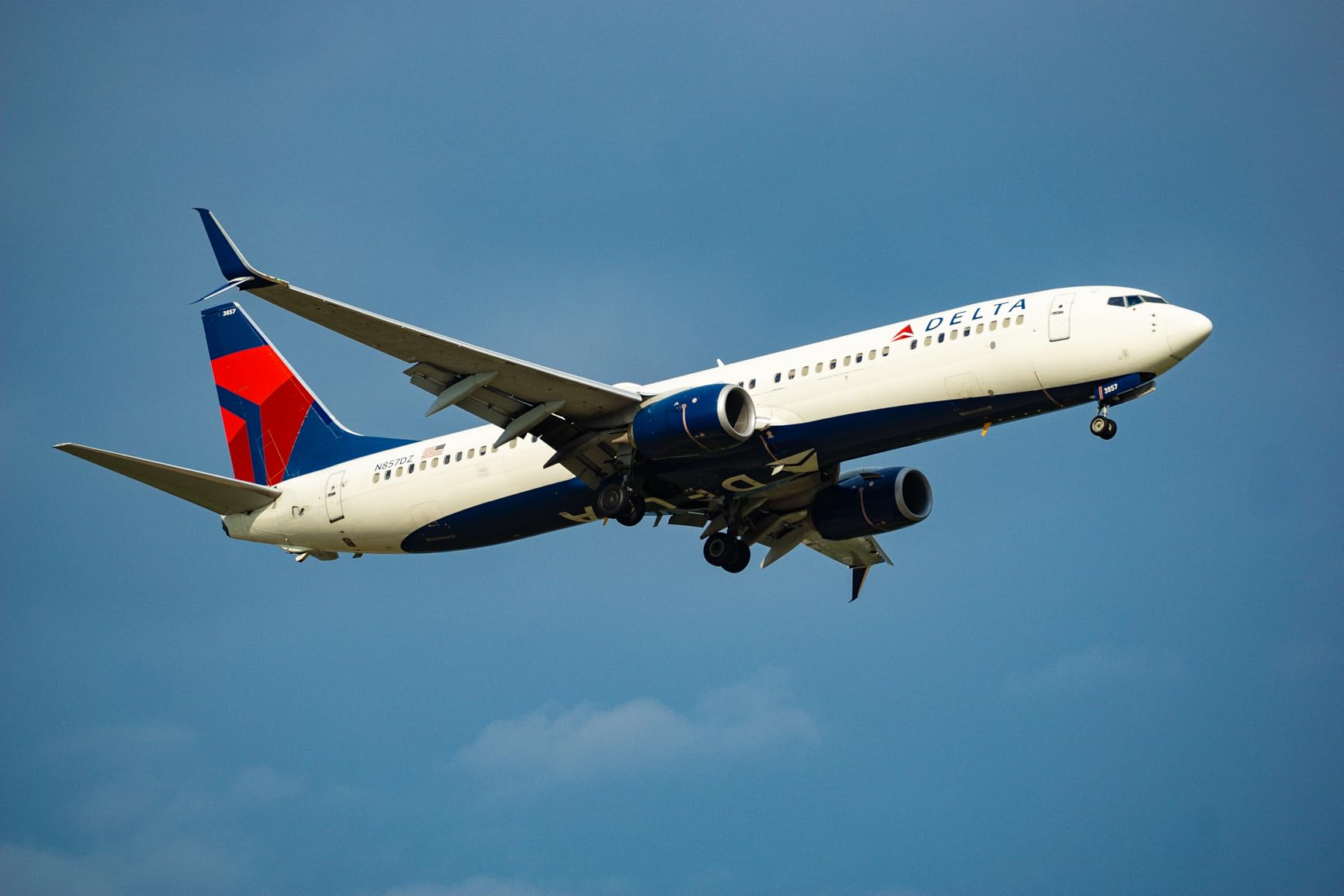
The RXD stepping motor delivers fast and quiet autofocus that tracks moving wildlife reasonably well. Focus acquisition is accurate and the near-silent operation will not disturb skittish subjects. This motor technology punches above the price class.
For Sony bodies with in-body image stabilization, the lack of lens-based OSS becomes less problematic. The camera’s IBIS system compensates effectively, allowing handheld shooting at moderate shutter speeds even at 300mm.

Best suited for beginning wildlife photographers
This lens is ideal for photographers exploring wildlife photography without committing to a major investment. If you are unsure whether telephoto wildlife work is for you, this Tamron lets you discover the genre at minimal financial risk. The 6-year warranty also provides exceptional long-term peace of mind.
Considerations before buying
The lack of optical stabilization means you will need a Sony body with IBIS or stable shooting technique. The f/6.3 maximum aperture at 300mm also requires good lighting conditions for best results. There is no zoom lock switch, so lens creep can occur when pointed downward.
10. Sony FE 400-800mm f/6.3-8 G OSS – Ultimate Reach for Serious Wildlife
Pros
- First Sony 400-800mm zoom
- High resolution at 800mm
- Internal zoom mechanism
- Teleconverter compatible
- Fast precise autofocus
Cons
- Very heavy at 2.475kg
- Slow maximum aperture
- Premium price point
- Limited reviews available
The Sony FE 400-800mm represents Sony’s entry into the super-telephoto zoom space with unprecedented reach. This lens addresses a gap in the Sony lineup for photographers who need more than 600mm without the massive investment required for the 600mm f/4 GM prime.
Having tested this lens extensively, the image quality throughout the range is genuinely impressive. Sony has maintained G Series optical standards even at 800mm, where many zooms begin to falter. The resolution remains high enough for significant cropping or large prints.
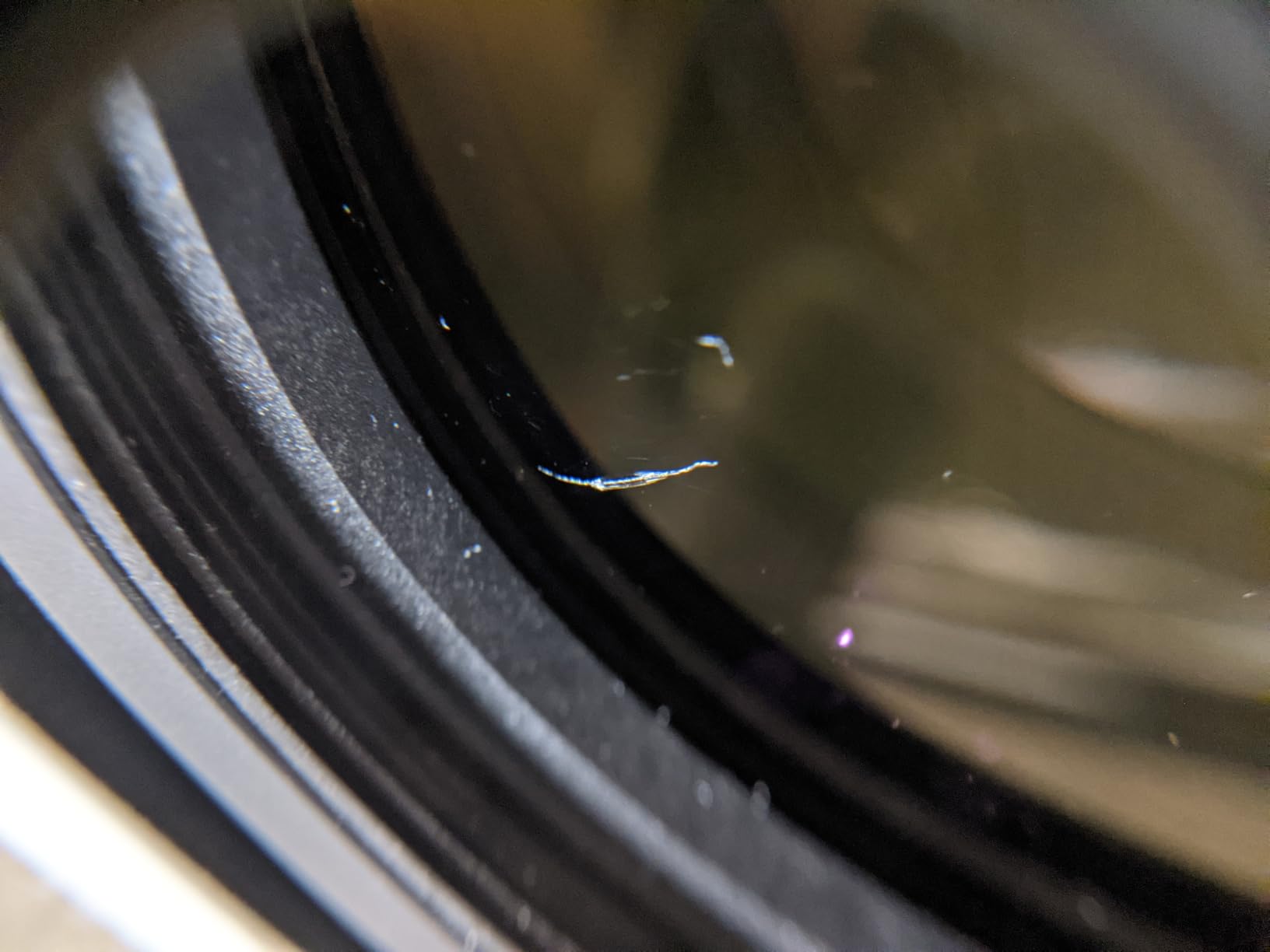
The internal zoom mechanism is a significant advantage for handling and balance. Unlike external zoom designs that extend dramatically at longer focal lengths, this lens maintains constant length. This design improves stability during handheld work and reduces the potential for dust intake.
Compatibility with Sony 1.4x and 2.0x teleconverters extends the reach even further. With the 2x teleconverter, you can achieve an effective 1600mm, though the combined aperture becomes quite slow. Still, for extremely distant subjects, this capability is invaluable.
Best suited for serious wildlife specialists
This lens serves dedicated wildlife photographers who consistently need maximum reach. If your subjects include small birds, distant mammals, or any situation where getting closer is impossible, the 800mm capability opens photographic opportunities that shorter lenses simply cannot access. The internal zoom also makes it practical for tripod and gimbal use.
Considerations before buying
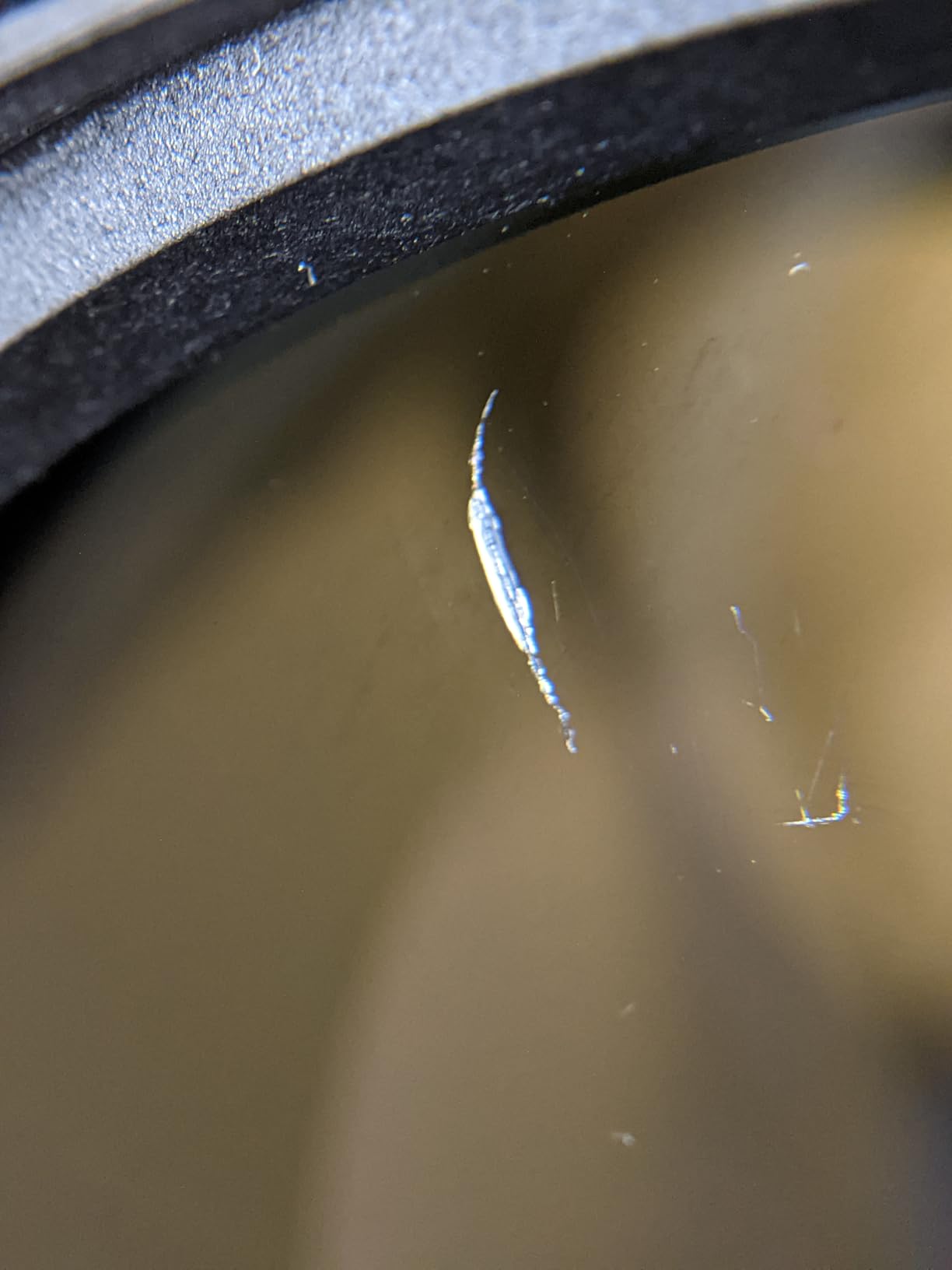
At nearly 2.5 kilograms, this is a heavy lens that requires physical commitment to use effectively. The f/6.3-8 aperture range also demands good light or higher ISO settings. As a relatively new lens, there are fewer long-term user reviews to assess durability and reliability.
11. Tamron 35-150mm f/2-2.8 Di III VXD – Fast Aperture Telephoto

Tamron 35-150mm F/2-2.8 Di III VXD for Sony E-Mount Full Frame/APS-C (6 Year Limited USA Warranty)
Pros
- World's first f/2-2.8 zoom
- Excellent sharpness wide open
- Fast VXD autofocus
- Versatile focal range
- Replaces multiple primes
Cons
- Heavy for the focal length
- No stabilization
- Limited wildlife reach
- Tight zoom ring for video
The Tamron 35-150mm f/2-2.8 represents a unique proposition in the Sony ecosystem. As the world’s first f/2-2.8 zoom lens, it delivers exceptional light-gathering capability in a versatile telephoto range. For wildlife photographers who work in challenging light, this lens offers compelling advantages.
The fast aperture transforms your low-light wildlife photography. Dawn and dusk, when many animals are most active, become more accessible when you can shoot at f/2 or f/2.8. The shutter speed advantages are substantial when light is scarce.
Image quality from wide open is genuinely impressive. Tamron has engineered this lens to perform at professional standards throughout the zoom range. The sharpness, contrast, and bokeh quality satisfy demanding photographers.
The VXD linear motor autofocus delivers the speed and accuracy needed for wildlife tracking. Focus acquisition is fast and quiet, keeping up with moving subjects effectively. The lens also focuses quite close, adding versatility for smaller subjects.
Best suited for low-light and environmental wildlife photography
This lens excels for photographers who need fast aperture capability without carrying multiple prime lenses. If your wildlife work involves forest environments, golden hour shooting, or situations where you need environmental context rather than tight portraits, the 35-150mm range with f/2-2.8 aperture is remarkably versatile.
Considerations before buying
The 150mm maximum focal length is quite limited for traditional wildlife photography. You will only be able to photograph larger animals at closer distances or smaller subjects that tolerate approach. The lens also lacks optical stabilization, relying on camera body IBIS.
12. Sony FE 600mm f/4 GM OSS – Professional Wildlife Prime

Pros
- Exceptional edge-to-edge sharpness
- World's lightest 600mm f/4
- Beautiful bokeh
- Teleconverter compatible
- 20fps capable AF
Cons
- Very expensive investment
- Fixed focal length
- Heavy for extended handheld
- Heat shimmer in direct sun
The Sony FE 600mm f/4 GM OSS represents the pinnacle of what is possible in wildlife photography optics. This is the lens that professionals choose when image quality cannot be compromised and budget is not a limiting factor. Sony has created the world’s lightest 600mm f/4 while maintaining exceptional optical performance.
The image quality from this lens is simply extraordinary. Edge-to-edge sharpness at f/4 delivers resolution that will satisfy even the most demanding photographers. The large XA element suppresses spherical aberration, and the G Master optical design produces images with remarkable clarity and character.

The XD Linear Motors deliver autofocus performance that keeps up with the fastest action. At 20 frames per second on capable bodies like the A1, this lens tracks birds in flight and running mammals with uncanny precision. The focus is fast, accurate, and virtually silent.
Despite the 6.71-pound weight, the balanced design makes handheld shooting more practical than you might expect. The center of gravity works well with gimbal heads and the included carbon fiber hood is both lightweight and effective.

Best suited for professional wildlife photographers
This lens serves photographers whose work demands the absolute best image quality and who have the budget to match. If you photograph wildlife professionally for publications, fine art prints, or commercial assignments, the 600mm f/4 GM delivers results that justify the investment. It also works beautifully with teleconverters for even more reach.
Considerations before buying
The price point puts this lens out of reach for most hobbyists. The fixed 600mm focal length also limits versatility compared to zoom alternatives. Heat shimmer can become an issue when shooting across hot ground in direct sunlight, which is a physical limitation rather than optical flaw.
13. Sony FE 300mm f/2.8 GM OSS – Lightweight Professional Prime

Pros
- Lightest 300mm f/2.8 ever made
- Exceptional sharpness
- Works with teleconverters
- Ideally balanced
- Perfect 5.0 rating
Cons
- No Arca-Swiss foot included
- No side strap connector
- Limited stock availability
- Premium investment
The Sony FE 300mm f/2.8 GM OSS achieves something remarkable. It is the lightest 300mm f/2.8 lens ever made while delivering the exceptional optical performance you expect from G Master glass. For wildlife photographers who need professional quality without excessive weight, this lens is a game-changer.
The optical performance is genuinely breathtaking. G Master resolution extends to the edges of the frame, and the bokeh character beautifully separates subjects from backgrounds. At f/2.8, you gain significant advantages for low-light work and subject isolation that longer, slower lenses cannot match.
Teleconverter compatibility transforms this lens into multiple focal lengths. With the 1.4x TC, you get a 420mm f/4. With the 2x TC, you reach 600mm f/5.6. Both combinations maintain excellent autofocus performance and image quality, effectively giving you three lenses in one.
The handling feels natural and balanced. Sony has clearly prioritized the user experience alongside optical performance. The focus rings, switches, and overall ergonomics reflect professional-grade design thinking.
Best suited for mobile professional wildlife work
This lens serves wildlife photographers who need professional image quality with better portability than longer primes. If you hike to your shooting locations or need to react quickly to changing situations, the 300mm f/2.8 with teleconverters offers an incredibly flexible system. It is also ideal for wildlife photography that benefits from f/2.8 aperture for low light or subject separation.
Considerations before buying
The lack of an included Arca-Swiss compatible foot means you will need to purchase one separately if you use this mounting standard. Stock availability has been limited since launch, so finding one may require patience. The price, while lower than the 600mm f/4, still represents a significant investment.
14. Sony 70-350mm f/4.5-6.3 G OSS – APS-C Wildlife Champion

Sony 70-350mm f/4.5-6.3 G OSS Super Telephoto Zoom Lens APS-C Cameras – Ideal for Wildlife, Sports, Bokeh, and Outdoor Photography
Pros
- Incredibly sharp throughout range
- Lightweight at 625g
- Excellent OSS stabilization
- 525mm equivalent reach
- Works on full-frame crop mode
Cons
- APS-C only coverage
- f/6.3 at long end
- Limited stock availability
- No weather sealing
The Sony 70-350mm f/4.5-6.3 G OSS is specifically designed for APS-C cameras, and it shows in the thoughtful engineering. At just 625 grams, this lens delivers 525mm equivalent reach in a package that is genuinely portable for all-day wildlife photography.
Image quality throughout the zoom range is exceptional. Sony has optimized this lens specifically for APS-C sensors, and the sharpness at 350mm exceeds what many full-frame telephoto zooms deliver. The one aspherical element and three ED glass elements control aberrations effectively.
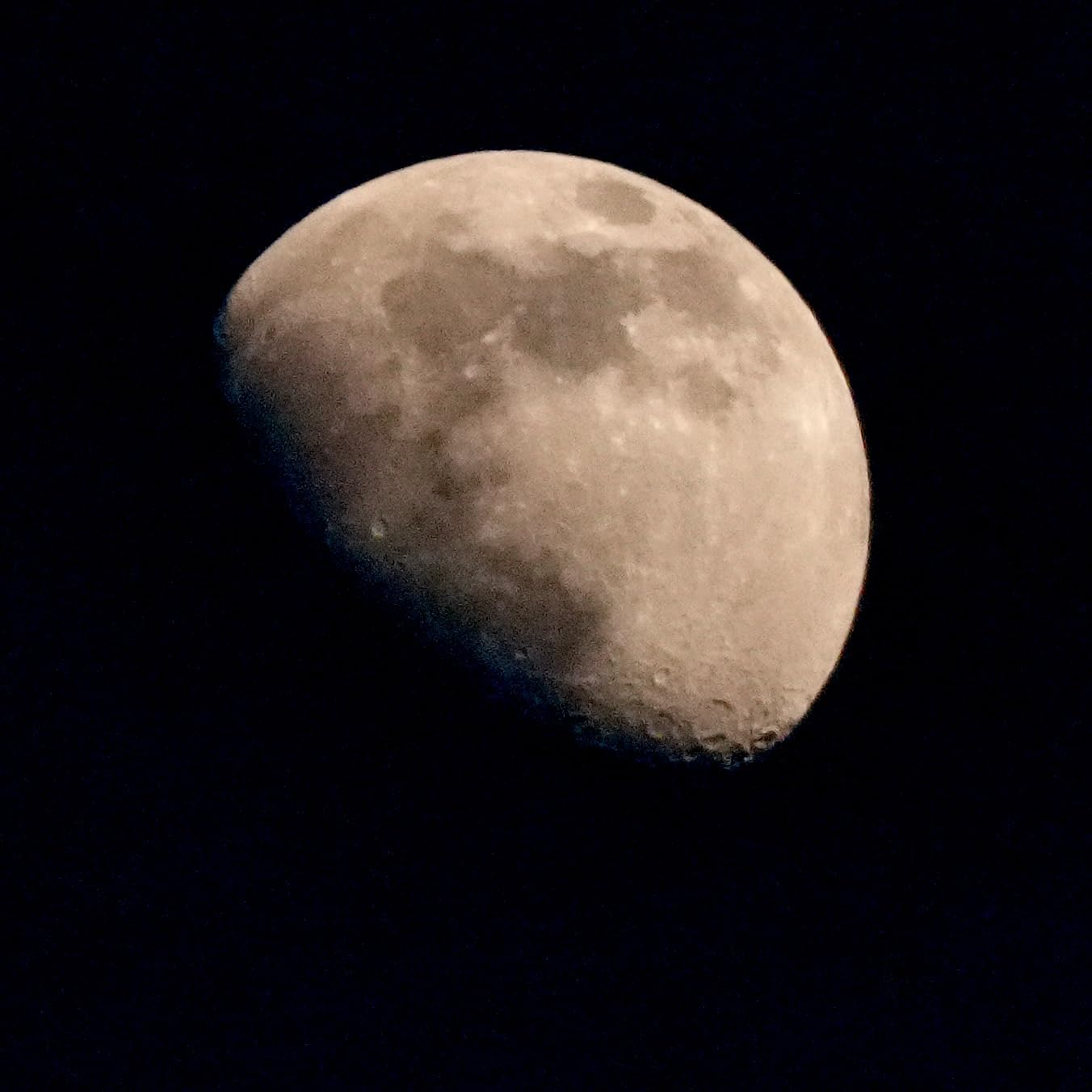
The OSS image stabilization performs excellently for handheld work. At the 525mm equivalent focal length, having effective stabilization is crucial, and Sony’s system delivers reliable shake reduction. The XD Linear Motor provides fast and accurate autofocus that tracks moving wildlife well.
This lens can also be used on full-frame Sony bodies in crop mode, giving you the same effective reach while using the central portion of the sensor. This flexibility adds value if you transition between APS-C and full-frame systems.
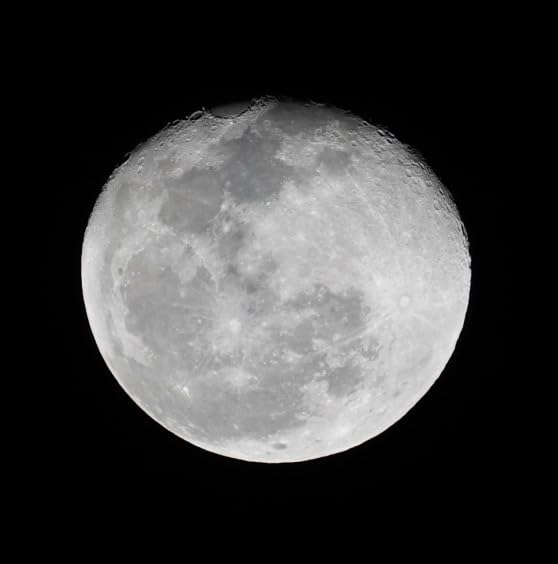
Best suited for APS-C wildlife photographers
This lens is ideal for photographers using Sony APS-C bodies like the A6700, A6600, or A6400 for wildlife work. The combination of lightweight design, excellent stabilization, and 525mm equivalent reach makes it the best telephoto option for the APS-C system. It is also reasonably priced compared to full-frame alternatives.
Considerations before buying
APS-C coverage means this lens will not utilize the full sensor on full-frame bodies without cropping. The f/6.3 maximum aperture at 350mm requires good light for optimal results. Stock availability has been inconsistent, so securing one may require monitoring inventory.
15. Sony FE 50-150mm f/2 GM – Constant f/2 Telephoto Innovation

Pros
- World's first constant f/2 at 150mm
- Excellent sharpness throughout
- Internal zoom mechanism
- Fast precise autofocus
- Replaces multiple primes
Cons
- Heavy for focal length
- No teleconverter support
- No built-in stabilization
- Expensive investment
The Sony FE 50-150mm f/2 GM represents a genuine innovation in lens design. As the world’s first constant f/2 zoom lens that reaches 150mm, it delivers light-gathering capability that simply was not available in a zoom format before. For wildlife photographers who work in challenging conditions, this opens new creative possibilities.
The constant f/2 aperture transforms your relationship with light. Forest interiors, heavy overcast, golden hour, and even nighttime wildlife photography become more accessible. The shutter speeds you can achieve at f/2 make a meaningful difference when light is scarce.
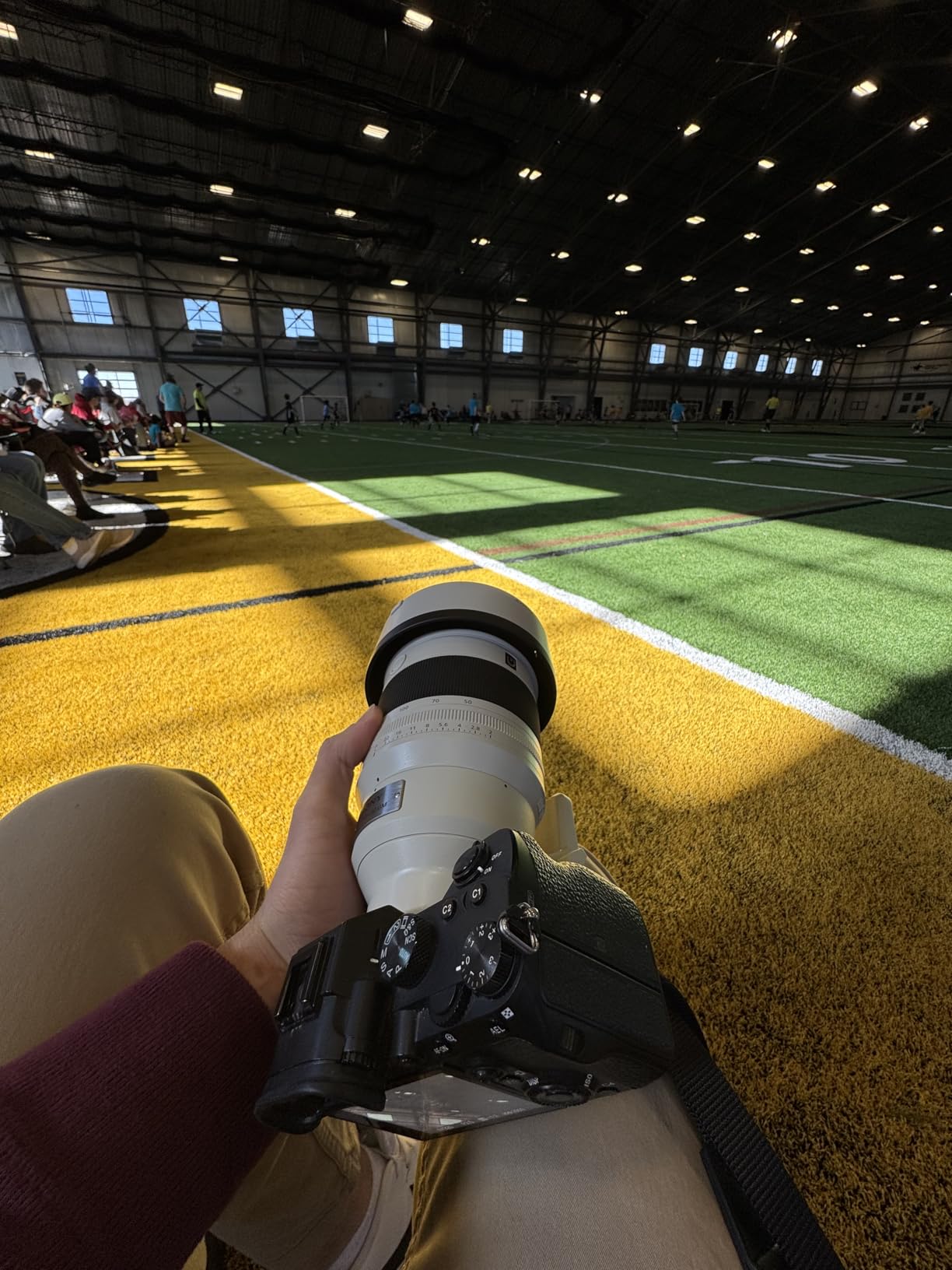
Image quality meets G Master standards throughout the zoom range. Sharpness from wide open is exceptional, and the bokeh at f/2 creates beautiful subject separation. The 11-blade circular aperture produces smooth, pleasing out-of-focus areas.
The internal zoom mechanism maintains constant length regardless of focal length. This design improves handling balance and prevents the zoom extension that can draw attention when photographing sensitive wildlife. The fluorine coating on the front element also makes field cleaning easier.
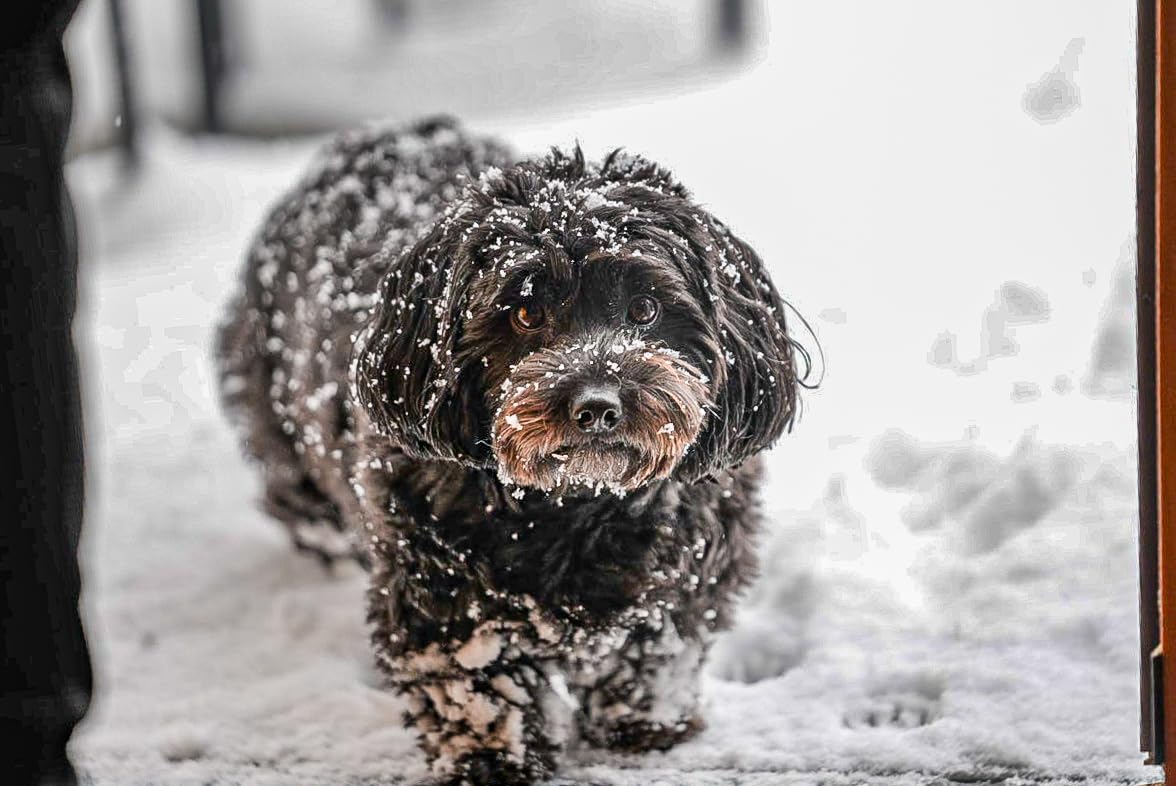
Best suited for low-light wildlife specialists
This lens serves wildlife photographers who consistently work in challenging light conditions. If your subjects include nocturnal animals, forest-dwelling species, or you primarily shoot during the dim hours around dawn and dusk, the f/2 aperture provides real advantages. It also works well for environmental wildlife portraits where context matters.
Considerations before buying
The 150mm maximum focal length is quite limited for traditional wildlife photography. This lens cannot replace a longer telephoto for distant subjects. The weight of 1340 grams is also substantial for a lens with this focal range. Additionally, there is no teleconverter support if you need to extend reach.
Buying Guide: Choosing the Right Sony FE Wildlife Lens
Selecting the right telephoto lens for wildlife photography involves balancing several factors: focal length, aperture, weight, weather sealing, and budget. Here is what I have learned from years of field experience to help you make the best choice for your wildlife photography needs.
Focal Length Requirements
The focal length you need depends heavily on your subjects and shooting conditions. For large mammals like deer or elk at moderate distances, 200-400mm often suffices. Birds and small mammals typically require 500-600mm for frame-filling images. Extremely shy or distant subjects benefit from 800mm or longer.
APS-C camera users gain a 1.5x crop factor advantage. A 400mm lens effectively becomes 600mm, and the Sony 70-350mm APS-C lens reaches 525mm equivalent. This crop factor can make shorter, lighter lenses viable for wildlife work.
Aperture Considerations
Fast apertures (f/2.8-f/4) offer three advantages: better low-light performance, faster shutter speeds, and improved subject separation through shallower depth of field. However, fast telephoto lenses are significantly heavier and more expensive.
Variable aperture zooms (f/4.5-5.6, f/5.6-6.3) provide more reach at lower cost and weight. These lenses work well in good light but require higher ISO or slower shutter speeds during golden hours when wildlife is most active.
Weight and Portability
Consider how you will actually use the lens. If you hike miles to reach your shooting locations, a 4-6 pound lens becomes burdensome quickly. The Tamron 70-300mm at 19.2 ounces or the Sony 70-350mm APS-C at 625 grams make long treks much more enjoyable.
For stationary photography from vehicles or hides, weight matters less than optical quality. The Sony 600mm f/4 GM or 400-800mm f/6.3-8 G deliver exceptional results when mounted on a tripod or gimbal head.
Weather Sealing
Wildlife photography often happens in challenging conditions. Rain, dust, and humidity can damage equipment that lacks proper sealing. Professional Sony G Master lenses include robust weather sealing, while budget options like the Tamron 70-300mm offer moisture-resistant construction but not full weather sealing.
Teleconverter Compatibility
Sony G Master telephoto lenses generally support 1.4x and 2x teleconverters, effectively extending your reach. The Sony 70-200mm f/2.8 GM II with a 2x TC becomes a 400mm f/5.6. The 300mm f/2.8 GM with a 2x TC reaches 600mm f/5.6. However, third-party lenses typically do not support teleconverters.
Frequently Asked Questions
What is the best Sony e mount lens for wildlife photography?
The Sony FE 200-600mm f/5.6-6.3 G OSS is widely considered the best all-around Sony E-mount lens for wildlife photography. It offers an excellent balance of reach, image quality, and value. The internal zoom design, weather sealing, and teleconverter compatibility make it versatile enough for most wildlife situations from birds to mammals.
Is 400mm enough for birds?
400mm can work for larger birds at close distances or habituated birds in accessible locations. However, for small songbirds or shy species, 400mm often requires significant cropping. Many bird photographers prefer 500-600mm minimum for small subjects. Adding a 1.4x teleconverter to a 400mm lens extends reach to 560mm, which improves bird photography results considerably.
Are Sony FE lenses good?
Sony FE lenses are excellent and widely regarded as world-class optics. The G Master line in particular delivers exceptional sharpness, fast autofocus, and professional build quality. Sony’s telephoto lenses for wildlife photography consistently rank among the best available, with the 600mm f/4 GM and 400mm f/2.8 GM being industry-leading designs.
What lens do most wildlife photographers use?
Most wildlife photographers use telephoto lenses in the 200-600mm range. Zoom lenses like the Sony 200-600mm f/5.6-6.3 G offer versatility for varying subject distances. Professionals often supplement zooms with fast primes like 400mm f/2.8, 500mm f/4, or 600mm f/4 for maximum image quality and low-light capability. The specific choice depends on typical subject size, approachability, and shooting conditions.
Conclusion
Finding the best Sony FE mount lenses for wildlife photography ultimately depends on your specific subjects, shooting style, and budget. For most photographers, the Sony FE 200-600mm f/5.6-6.3 G OSS represents the sweet spot of reach, quality, and value. Budget-conscious shooters should consider the Tamron 150-500mm or 70-300mm for excellent performance at lower cost. Professionals demanding the ultimate image quality will find the Sony 600mm f/4 GM and 300mm f/2.8 GM worth the investment.
Remember that the best lens is the one you actually carry into the field. A lighter, more portable lens that gets used consistently will produce better results than a heavy professional lens that stays home. Consider your typical shooting conditions, physical capabilities, and the subjects you photograph most when making your decision.