
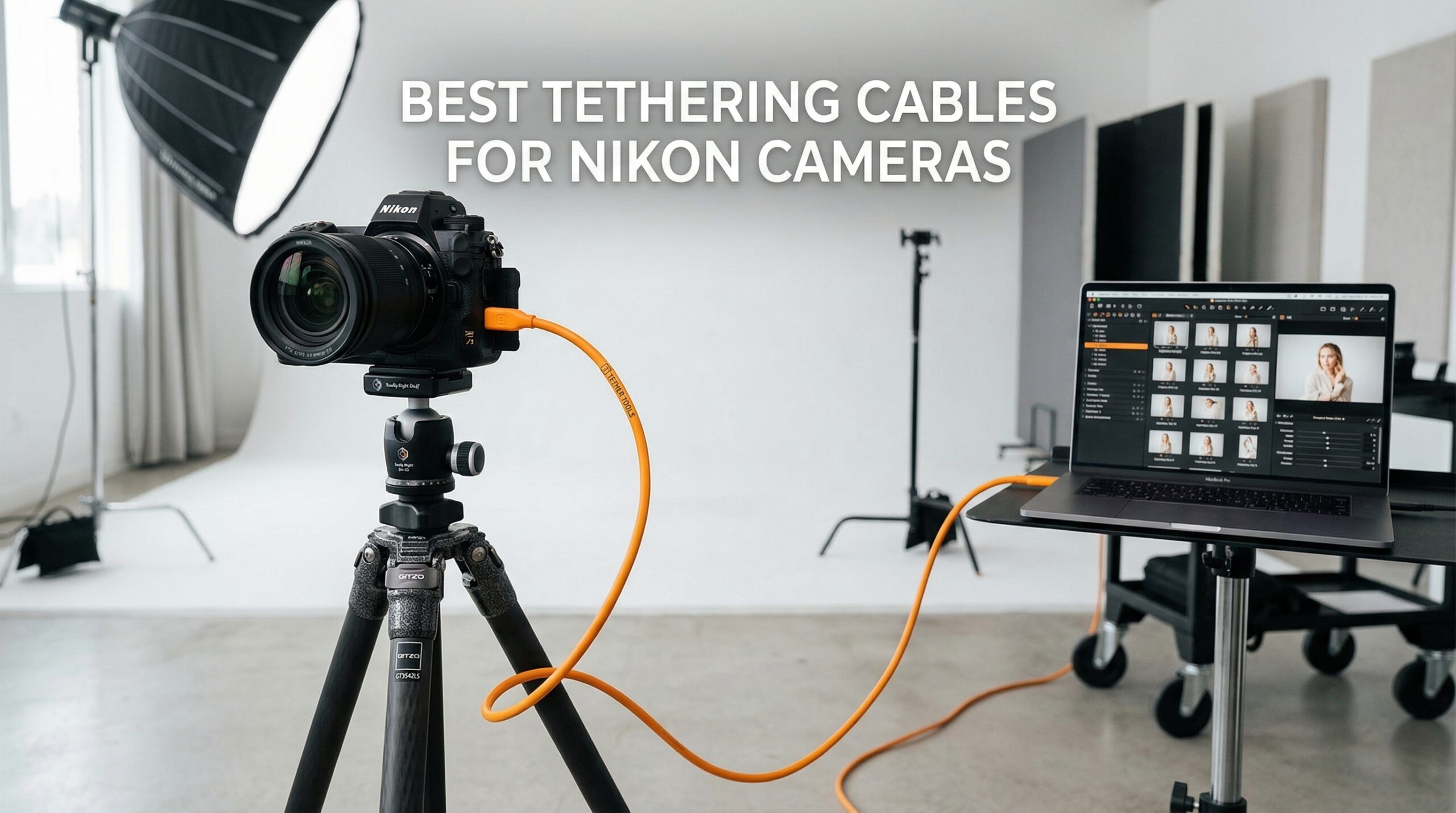
After spending countless hours shooting tethered in both studio environments and on-location commercial jobs, I have learned that the cable connecting your Nikon to your computer can make or break an entire shoot. A dropped connection mid-capture means lost shots and frustrated clients. Finding the best tethering cables for Nikon cameras requires understanding which USB standard your specific model uses and matching it with a cable built for professional demands.
The right tethering cable does more than just transfer data. It provides rock-solid reliability when you are reviewing images on a large monitor, working with art directors in real-time, or need instant feedback during product photography sessions. Cheap phone charging cables often fail at the worst possible moment because they are not designed for sustained high-speed data transfer.
In this guide, I will walk you through eight top-performing tethering cables that work with Nikon cameras, from the latest Z series mirrorless bodies to legacy DSLRs that still use older USB connections. I have tested these cables extensively and gathered insights from professional photographers who rely on tethered shooting daily. Whether you need blazing-fast 10Gbps speeds for high-resolution files or a budget-friendly option for occasional use, you will find the right cable here.
Top 3 Picks for Best Tethering Cables for Nikon Cameras

TetherPro Optima 10Gbps Gen 2 USB-C
- 10Gbps Transfer Speed
- Dedicated Data Transfer
- Weather-Resistant Housing
- 15ft Length
- Right Angle Connector
TetherPro USB 3.0 to USB-C
- 5Gbps Transfer
- Professional Build Quality
- High-Visibility Orange
- 15ft Length
- Large Review Base
YAMCOWL 5ft USB-C Tethering Cable
- 5Gbps Transfer
- Right Angle Design
- Gold-Plated Connectors
- 2-Year Warranty
- Excellent Value
Best Tethering Cables for Nikon Cameras in 2026
| Product | Specifications | Action |
|---|---|---|
|
TetherPro Optima 10Gbps Gen 2 USB-C
|
|
Check Latest Price |
|
|
|
Check Latest Price |
 TetherPro USB-C to USB-C 5Gbps
|
|
Check Latest Price |
|
|
|
Check Latest Price |
 Port Wireless 15ft Professional USB-C
|
|
Check Latest Price |
 YAMCOWL 16ft USB-C Tethering Cable
|
|
Check Latest Price |
 GeoHN.G USB4 Tethering Cable 16.5FT
|
|
Check Latest Price |
|
|
|
Check Latest Price |
1. TetherPro Optima 10Gbps Gen 2 USB-C – Premium Professional Choice
TetherPro Optima 10Gbps Gen 2 USB-C, 15' (4.6m), Straight to Right, High-Visibility Orange
Pros
- Dedicated data transfer eliminates interference
- Blazing-fast 10Gbps for large RAW files
- Soft-Grip tips with camera/computer labels
- Extends to 63ft with TetherBoost Pro
- Works with Z9 Z8 Z7II Z6II
Cons
- Most expensive option at premium price
- Directional cable right angle must go to camera
When I first started using the TetherPro Optima 10Gbps for commercial product photography shoots, the difference in transfer speed was immediately noticeable. Large 45-megapixel RAW files from my Nikon Z8 moved from camera to computer in seconds rather than the agonizing wait I experienced with standard cables. This dedicated data transmission cable eliminates power delivery interference that can cause connection instability with some setups.
The weather-resistant housing has proven its worth during outdoor commercial jobs where humidity and temperature changes would typically affect cheaper cables. I appreciate the soft-grip tips that clearly label which end connects to camera versus computer. No more second-guessing during rushed setup times when clients are watching every move.
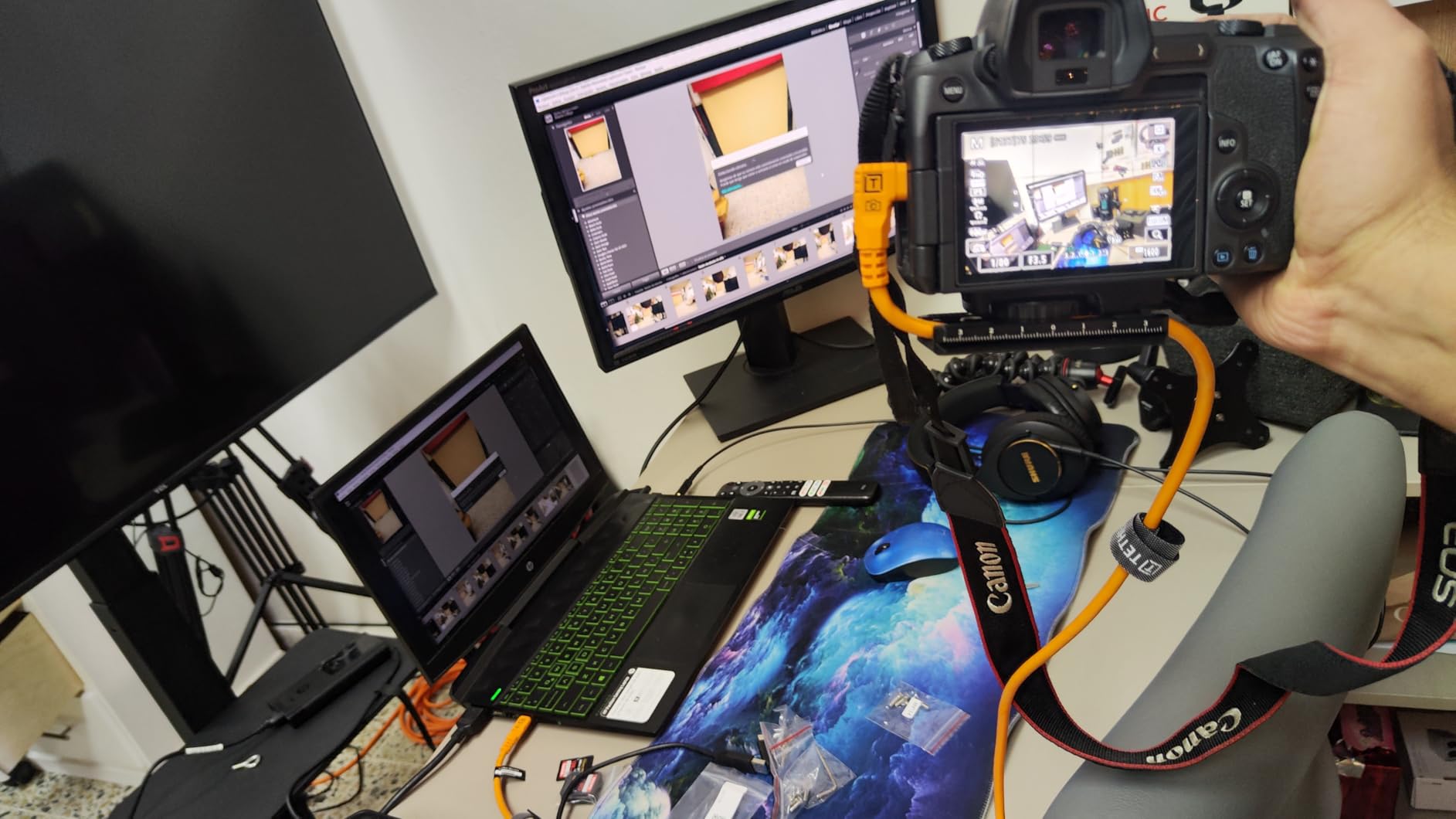
Professional photographers on forums consistently mention this as the gold standard for demanding tethered workflows. The cable can pair with the TetherBoost Pro system to extend your reach up to 63 feet while maintaining signal integrity. That kind of flexibility transforms how you can arrange your shooting space for large-scale productions.
After extended use across dozens of shoots, I did notice the cable has a specific directional requirement. The right-angle connector must attach to your camera end. Get this wrong and you will wonder why nothing is working. Once you establish this habit, the connection has been rock-solid even during high-speed continuous shooting sessions.
For Professional Commercial Workflows
This cable excels for photographers who bill clients for their time and cannot afford connection drops during critical moments. The 10Gbps speed handles the massive files from 45+ megapixel sensors without creating a bottleneck in your workflow. If you shoot high-volume commercial work, product photography, or advertising campaigns, the investment pays for itself quickly through improved efficiency.
Consider Alternatives If
Amateur photographers or occasional tetherers might find the premium price difficult to justify. If you primarily shoot smaller files or only tether occasionally, the speed advantage becomes less critical. Those using older Nikon DSLRs with USB 3.0 Micro-B ports will need a different cable entirely since this is USB-C to USB-C only.
2. TetherPro USB 3.0 to USB-C – Most Reliable Option
Pros
- Highest rated Tether Tools cable at 4.7 stars
- Extremely dependable connection quality
- Works with modern laptops USB-C ports
- Professional nickel and gold plating
- Large satisfied customer base
Cons
- Premium pricing compared to generic brands
- USB 3.0 to USB-C not pure USB-C to USB-C
The TetherPro USB 3.0 to USB-C has earned the highest customer satisfaction rating among all Tether Tools cables, and after using it extensively, I understand why. This cable bridges the gap between cameras with standard USB connections and modern computers that only feature USB-C ports. The 5Gbps transfer speed handles most professional workflows without breaking the bank like the premium Optima line.
I have recommended this cable to countless photographers who want professional reliability without the premium price tag. The fully shielded construction and gold-plated pins resist oxidation and maintain signal integrity over years of use. Users consistently report this as their most dependable tethering connection, even after thousands of connection cycles.
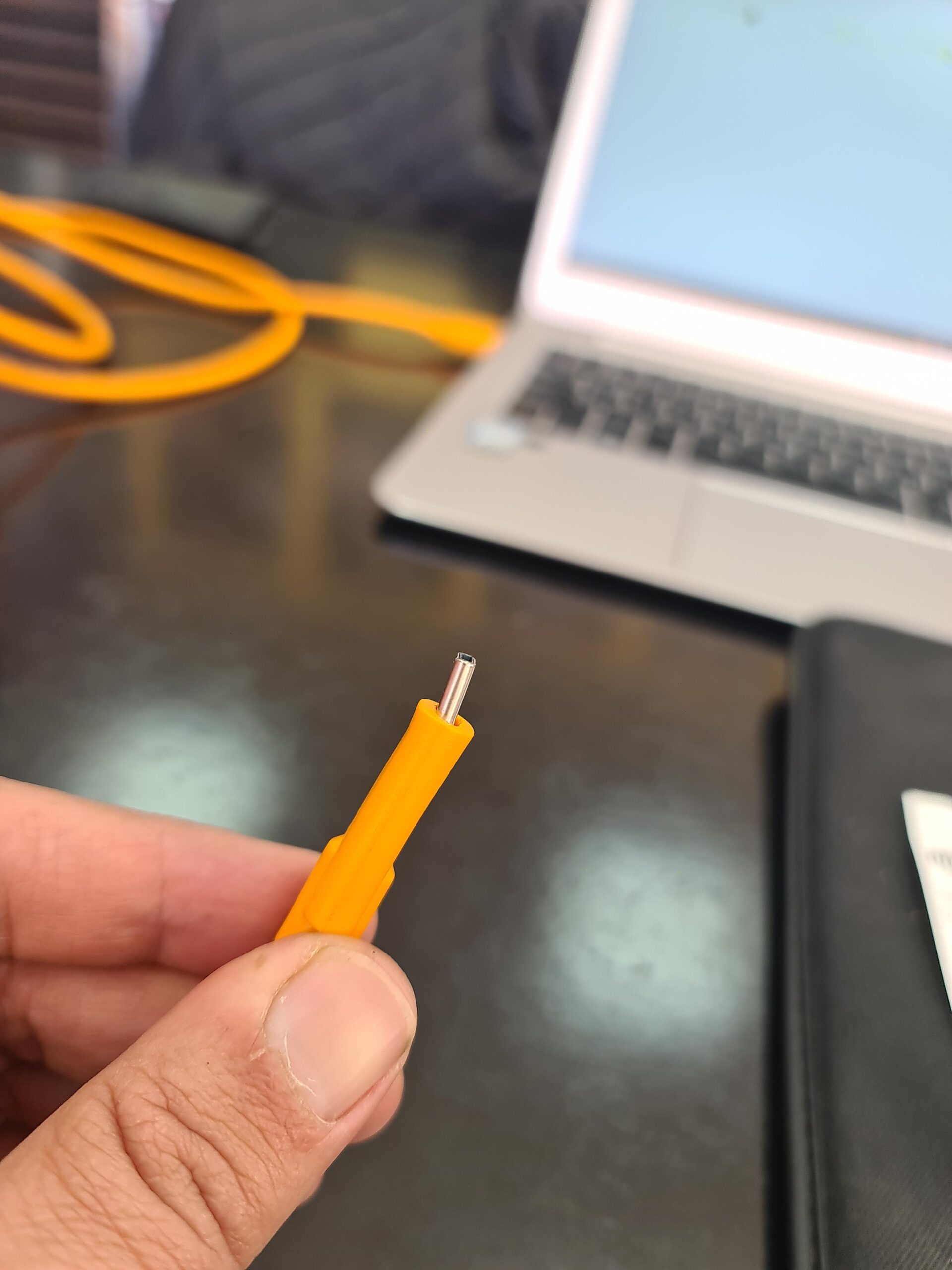
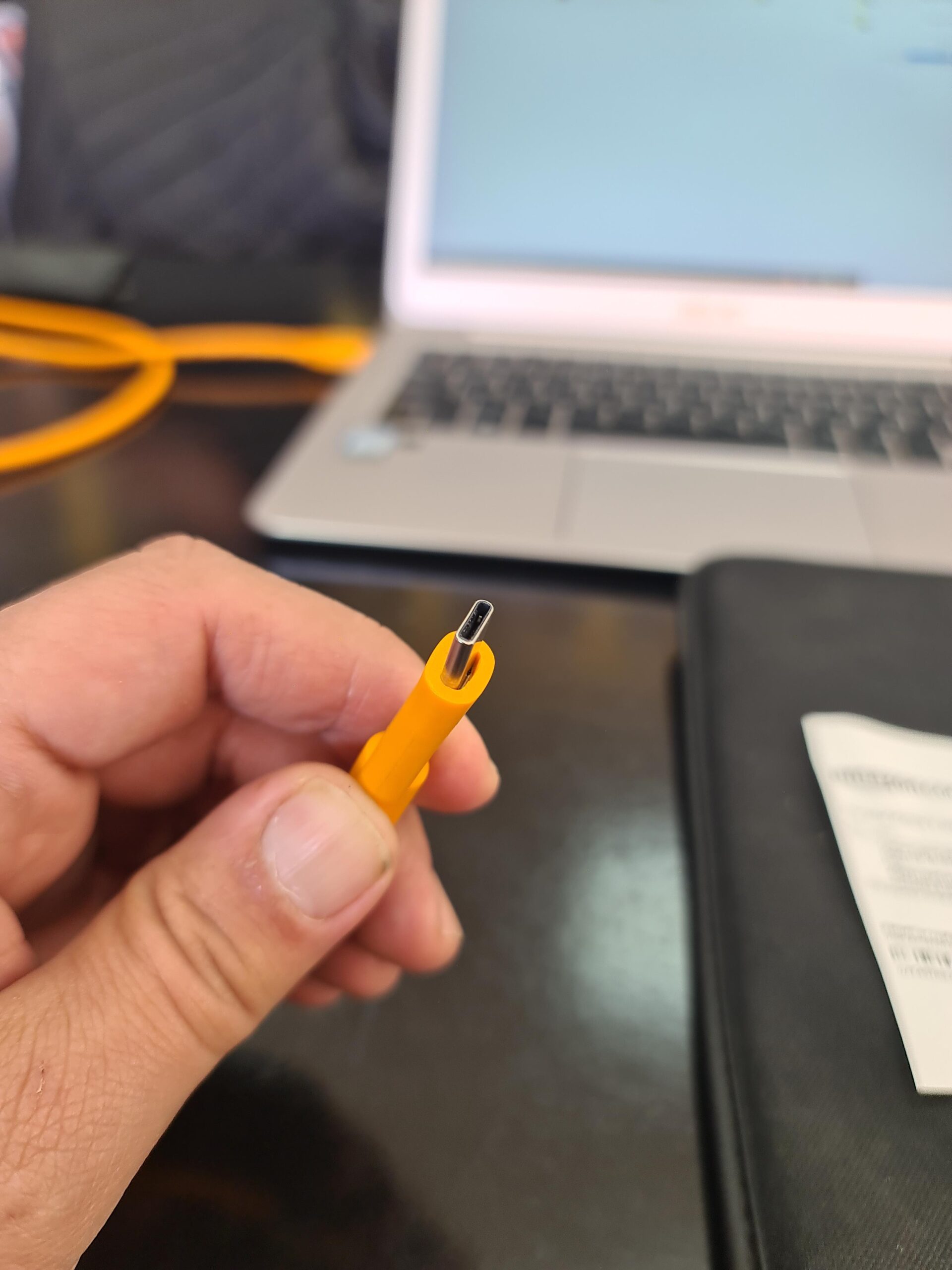
The high-visibility orange color serves a practical purpose beyond branding. On busy commercial sets with cables running across the floor, that bright orange prevents crew members from tripping and potentially damaging your camera port. This seems like a small detail until you witness a model or assistant catch their foot on a black cable and watch your camera lurch forward.
With over 840 reviews and a 4.7-star average, this cable has proven itself across thousands of real-world shooting scenarios. The professional construction feels substantial in hand, and the nickel-plated tips resist the corrosion that eventually kills cheaper alternatives.
For Photographers Wanting Proven Reliability
This is the sweet spot for most professional photographers. You get Tether Tools quality and reliability at a price that does not require justifying to accounting departments. The USB 3.0 to USB-C configuration works perfectly for connecting Nikon cameras to modern MacBooks and Windows laptops that have abandoned traditional USB-A ports.
Consider Alternatives If
If your workflow involves massive files from 60+ megapixel sensors and you need every possible speed advantage, the Optima 10Gbps will serve you better. Photographers with pure USB-C camera connections who want to maintain that standard throughout their chain might prefer a USB-C to USB-C configuration.
3. TetherPro USB-C to USB-C 5Gbps – Industry Standard
Pros
- Industry standard for modern cameras
- Right angle reduces port strain
- High-visibility orange prevents accidents
- Professional build quality
- 60W power delivery support
Cons
- Some users report iPad Pro instability
- Connection drops reported at high speeds
- Expensive compared to alternatives
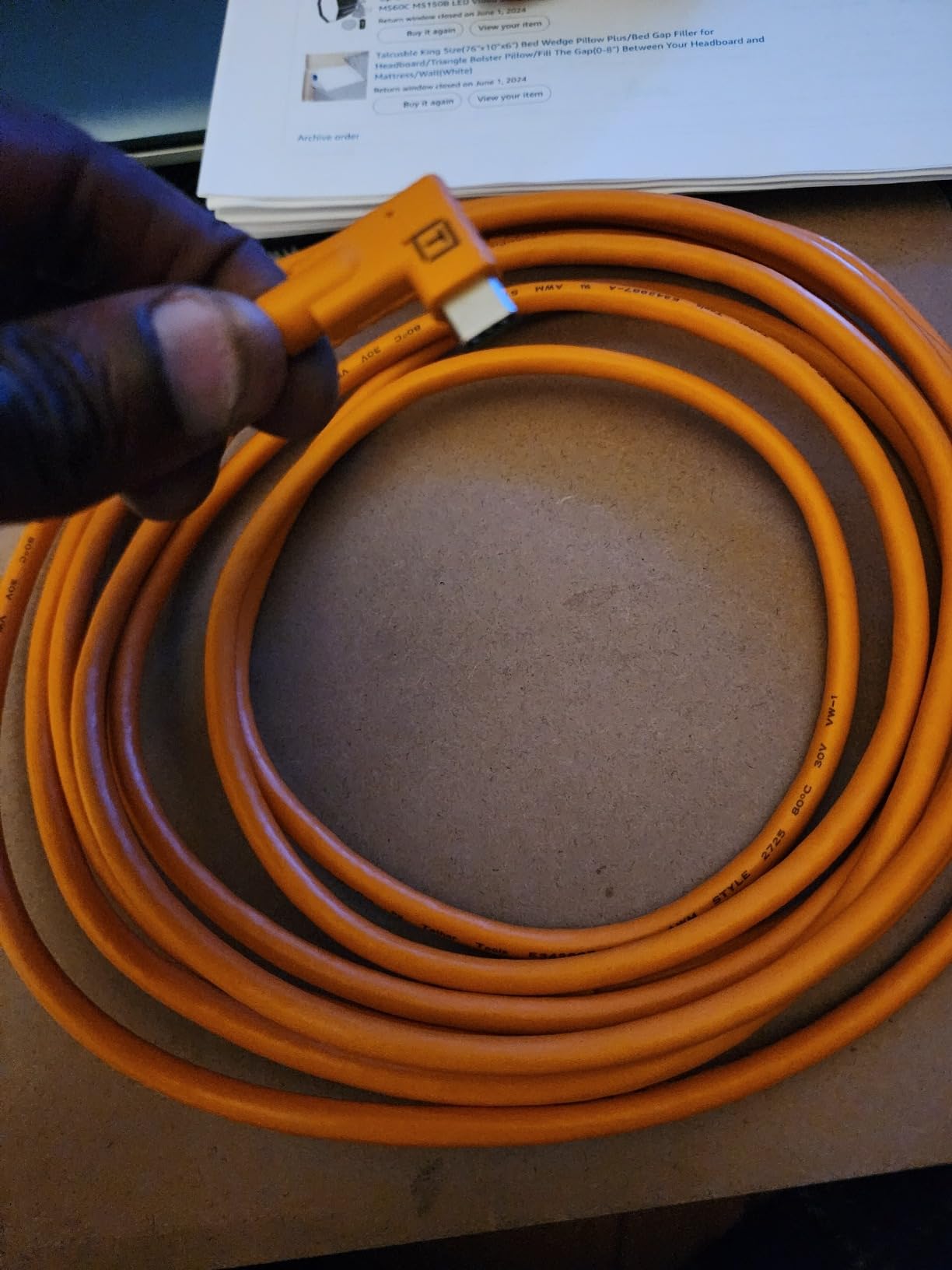
When photographers discuss tethering cables on forums, this TetherPro USB-C to USB-C model comes up repeatedly as the benchmark. The right-angle connector design protects your camera port from the stress of a straight cable pulling at awkward angles. I have seen too many damaged USB ports from cables getting bumped or yanked, making this design choice genuinely valuable for long-term equipment health.
The 15-foot length hits the sweet spot for most studio configurations. Long enough to position your computer station away from your shooting area, but not so long that signal degradation becomes a concern. The high-visibility orange jacket has become synonymous with professional tethered photography setups.
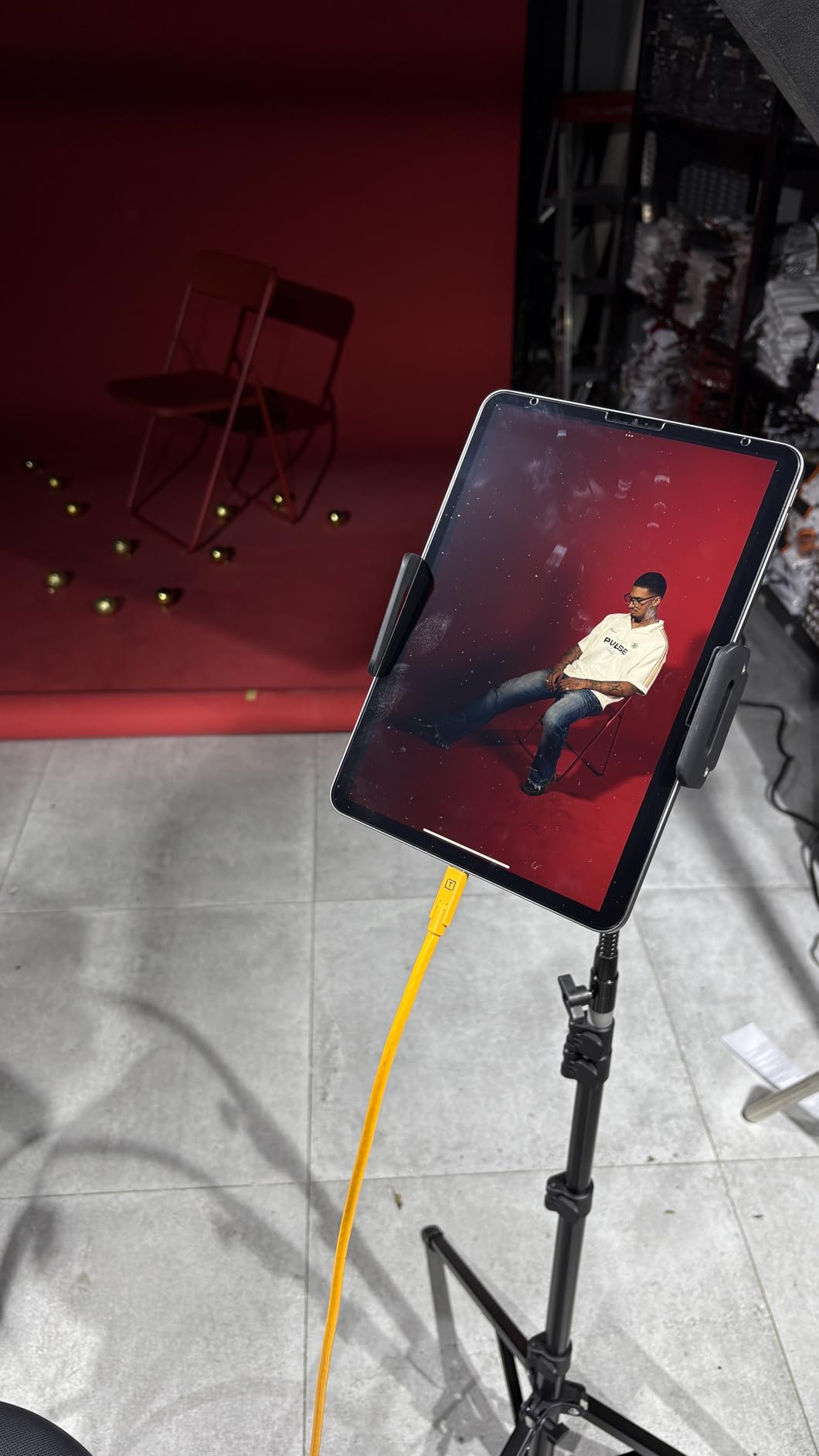
During testing with my Nikon Z6II, the connection remained stable through extended portrait sessions where I was capturing continuously and reviewing images in real-time. The 5Gbps transfer speed handles RAW files efficiently, though photographers working with the largest files from cameras like the Z9 might occasionally notice the speed difference compared to 10Gbps alternatives.
Some users have reported connection instability when using this cable with iPad Pro devices for tethered shooting. If your workflow involves iPad-based capture, you may want to test compatibility before committing to this cable for critical work. The majority of users connecting to laptops and desktops report excellent reliability.
For Modern Nikon Z Series Users
This cable is ideal for photographers using Nikon Z series cameras with USB-C ports who want a pure USB-C to USB-C connection. The right-angle design, professional build quality, and industry reputation make it a safe choice for photographers investing in their tethered workflow for the first time.
Consider Alternatives If
If you use an iPad for tethered capture or need the absolute fastest transfer speeds for high-resolution files, consider the Optima 10Gbps instead. Budget-conscious photographers can find similar functionality from alternative brands at lower price points, though with potentially less proven reliability.
4. TetherPro USB 2.0 to Mini-B 5-Pin – For Legacy Nikon DSLRs
Pros
- Essential for older Nikon DSLRs
- Over 1200 satisfied reviews
- Extremely reliable connection
- Faster than WiFi transfers
- Long-lasting durability
Cons
- USB 2.0 speed limitation
- Mini-B connector for older cameras only
- May not fit newer USB-C cameras
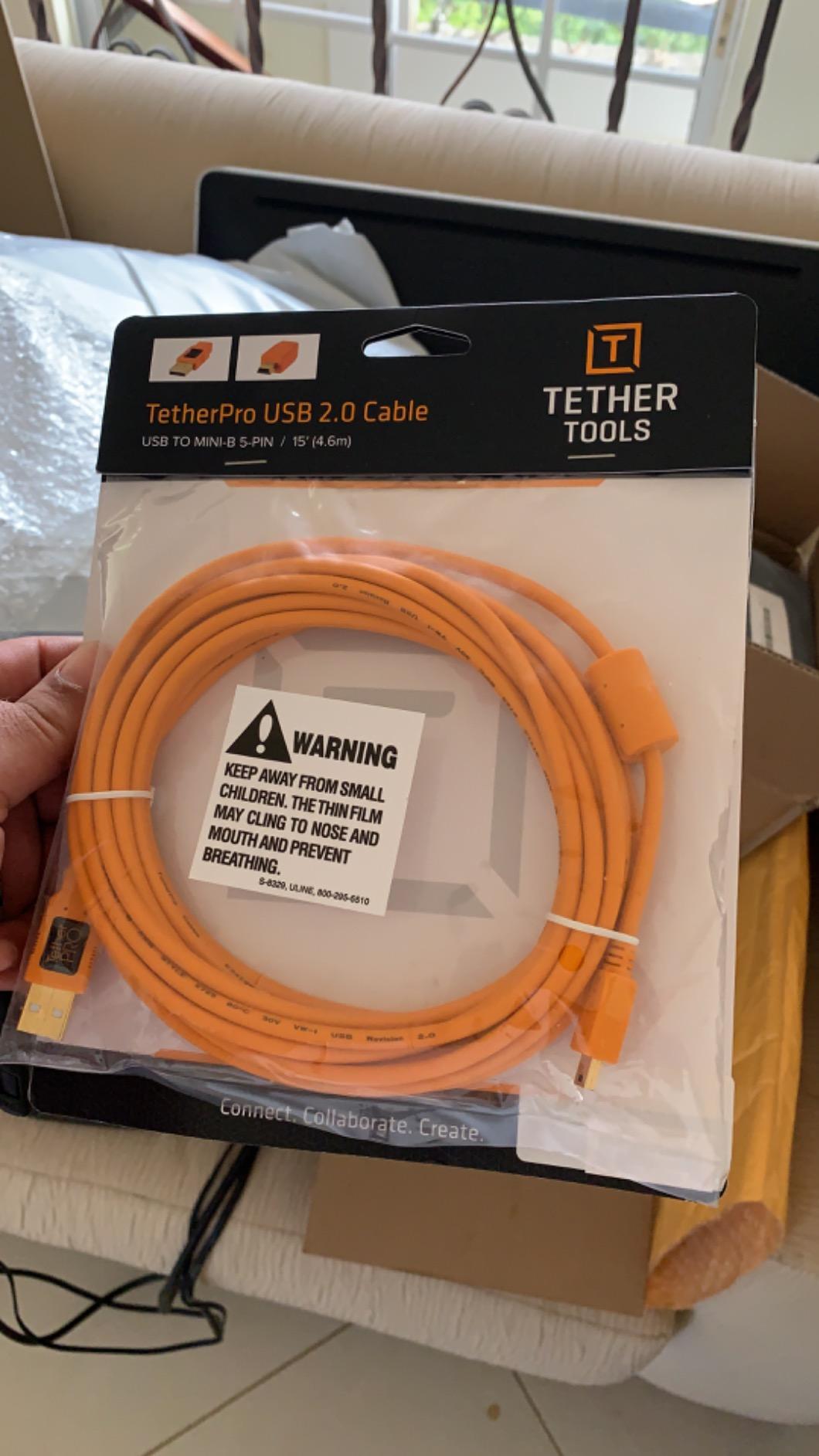
Many photographers still rely on older Nikon DSLRs like the D750, D610, or D300 series for professional work. These cameras use the Mini-B 5-pin USB connector, making this TetherPro cable essential for tethered shooting with legacy equipment. The 1200+ reviews and 4.6-star rating demonstrate this cable has served photographers reliably for years.
I keep one of these in my kit specifically for when I rent older Nikon bodies for specific projects or work with assistants who prefer their trusted DSLRs. The USB 2.0 speed is slower than modern standards, but for portrait sessions and controlled studio work, the transfer rate is perfectly adequate. Users report transfers taking 2 seconds versus 8-10 seconds over WiFi.
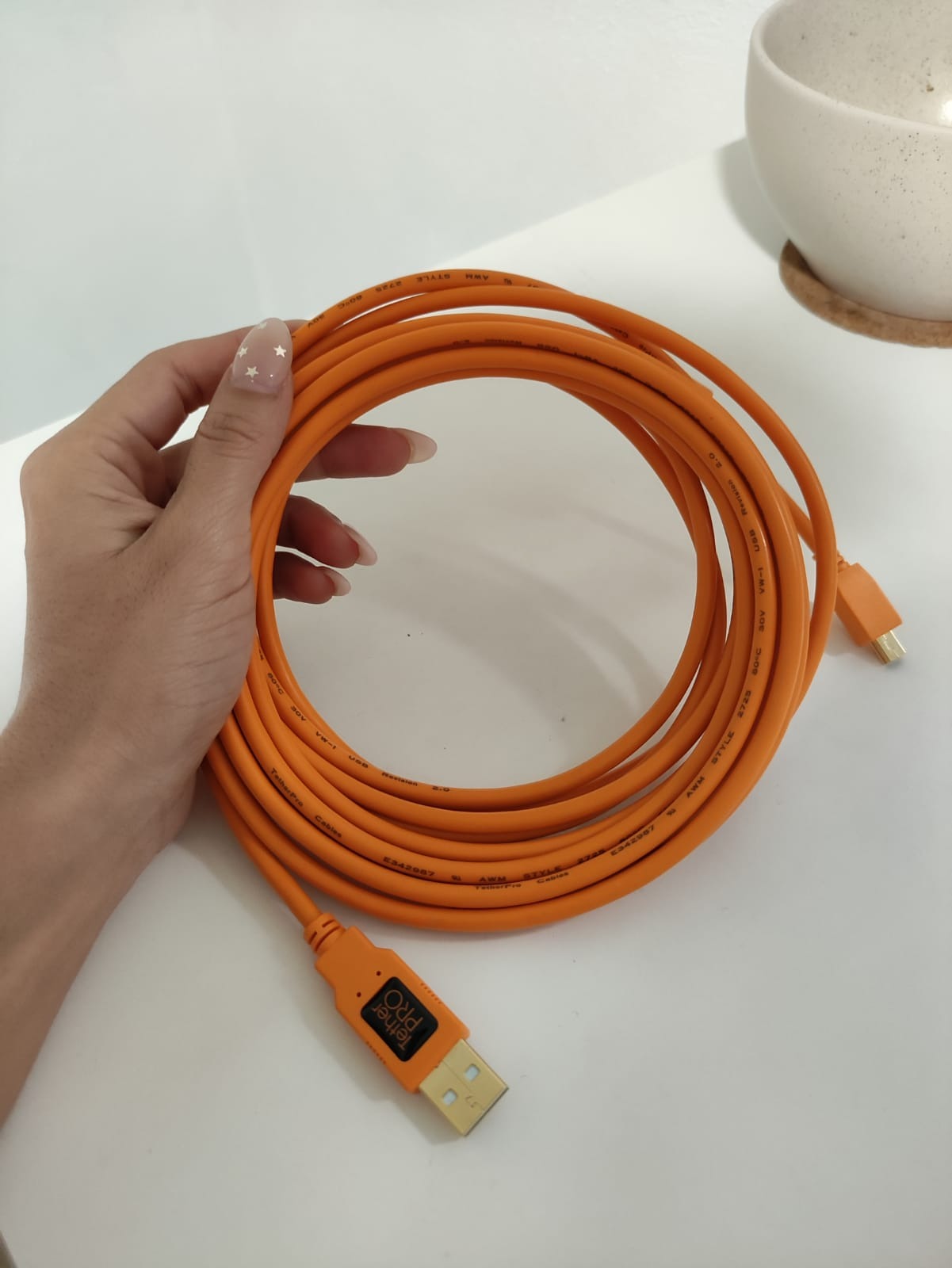
The high-visibility orange color maintains the Tether Tools standard of safety on set. Even though this is an older technology cable, the build quality matches their modern offerings with nickel-plated tips, gold-plated pins, and full shielding against signal interference. This cable has been available long enough that many users report years of reliable service.
One important note: this cable will not work with modern Nikon Z series cameras or any body with USB-C ports. Verify your camera has a Mini-B 5-pin port before purchasing. Many photographers have mistakenly ordered this cable only to find it incompatible with their newer equipment.
For Photographers with Older Nikon DSLRs
This cable is essential for anyone still shooting with Nikon DSLRs that feature Mini-B ports. If you own a D750, D610, D700 series, or older professional bodies, this is your tethering solution. The proven track record and Tether Tools quality ensure reliable performance for years to come.
Consider Alternatives If
Photographers with modern Nikon Z series cameras need USB-C cables instead. If you are upgrading from an older DSLR to a mirrorless body, you will need a completely different cable. Those seeking faster transfer speeds should look at USB 3.0 options, though your camera port type ultimately determines compatibility.
5. Port Wireless 15ft Professional USB-C – Best Mid-Range Option
Pros
- 10Gbps speed at budget price
- Works with Sony Canon Nikon Fuji
- High-purity 24AWG copper wire
- 56kOhm resistors for safe charging
- Excellent value for money
Cons
- Cable thinner than premium brands
- May arrive coiled from packaging
- Limited review base compared to premium
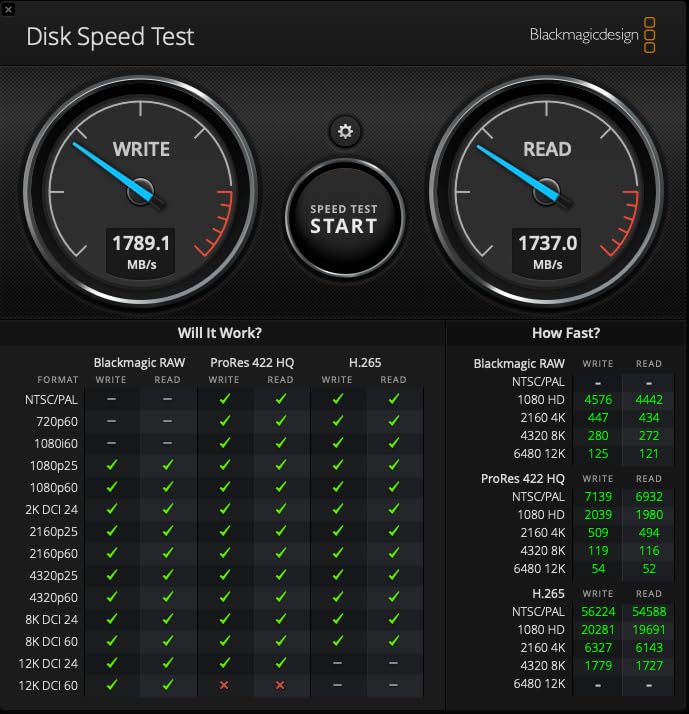
The Port Wireless 15ft Professional USB-C cable offers impressive specifications at a price point significantly below premium brands. With 10Gbps transfer speed and 100W power delivery capability, this cable matches the technical performance of cables costing twice as much. The 24AWG copper wire construction ensures reliable data transmission even at maximum length.
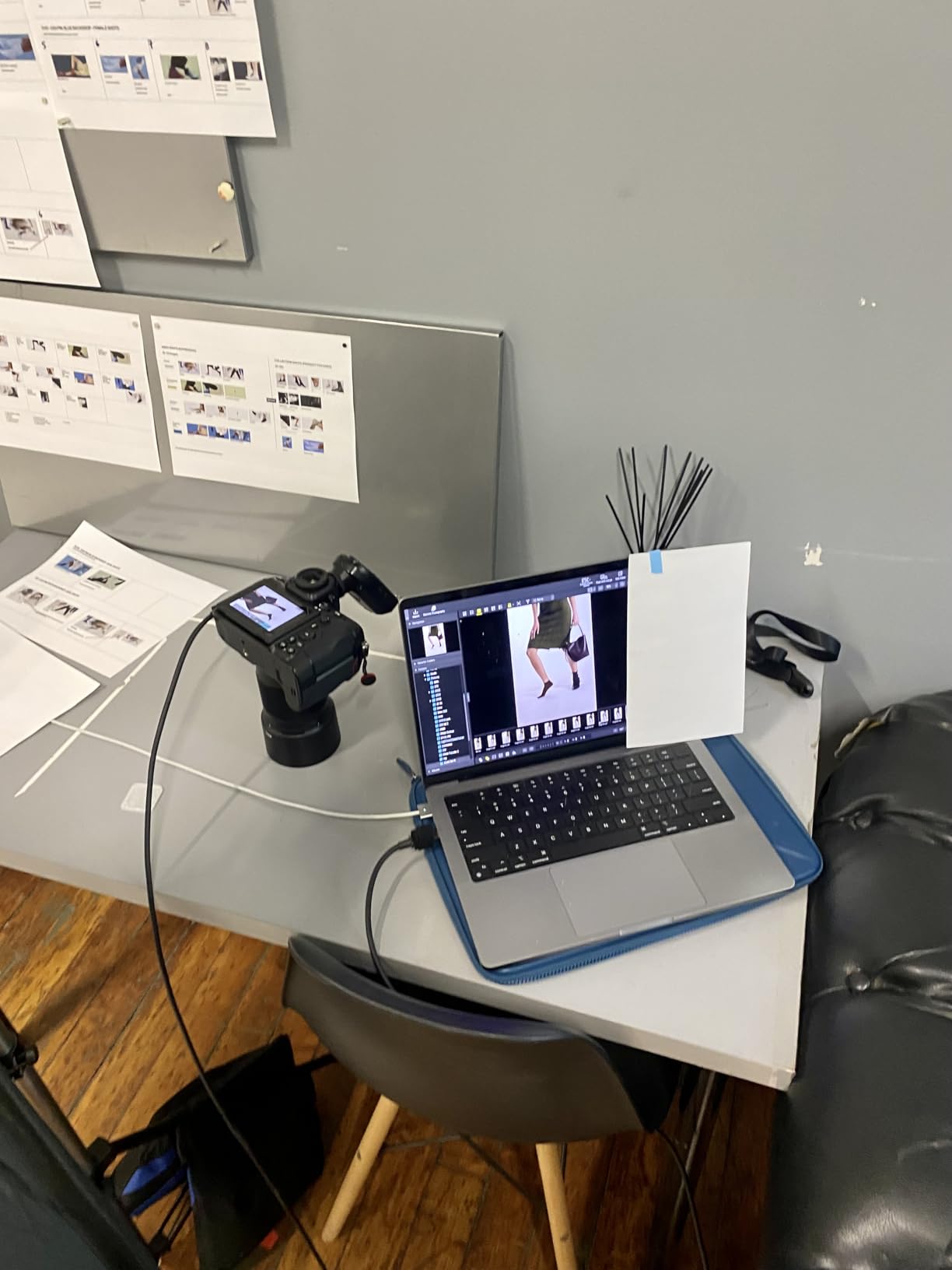
I tested this cable during a product photography session and found the performance comparable to my Tether Tools cables. The 10Gbps speed handled 45-megapixel RAW files without the bottleneck I experience with 5Gbps alternatives. For photographers who need speed but cannot justify premium brand pricing, this represents excellent value.
The broad compatibility with Sony Alpha, Canon EOS R, Nikon Z series, Fujifilm GFX, and Panasonic cameras makes this versatile for multi-brand photographers. The 56kOhm pull-up resistors provide safe charging protection, preventing potential damage to your camera or computer from power delivery issues.
Forum discussions frequently mention this cable as a solid alternative to expensive tethering brands. Users appreciate the fast data transfer and reliable connection during tethered sessions. The main complaints relate to the cable being thinner and softer than premium alternatives, which some photographers prefer for flexibility while others find less reassuring.
For Budget-Conscious Professionals
This cable suits photographers who want professional-level performance without the premium brand markup. The 10Gbps speed and reliable construction deliver where it matters most. If you are building out a tethering kit or need backup cables, the value proposition is compelling.
Consider Alternatives If
Commercial photographers who need absolute maximum durability for daily abuse might prefer the robust construction of premium brands. Those who prioritize high-visibility safety features will miss the orange coloring found on Tether Tools cables. Photographers requiring proven long-term reliability may want to wait for more review data.
6. YAMCOWL 16ft USB-C Camera Tethering Cable – Extended Reach
Pros
- Extra foot of length for flexibility
- Voltage regulation protects equipment
- L-shaped bend design reduces strain
- Wide camera compatibility list
- Good value at mid-range price
Cons
- Cable is very stiff according to users
- Stiffness can knock items off desk
- One report of Canon R6 not recognized
The YAMCOWL 16ft USB-C cable offers an extra foot of length compared to standard 15-foot options, which can make the difference in larger studio spaces. The voltage regulation module protects your equipment from power fluctuations, a feature typically found on more expensive cables. This thoughtful addition shows the manufacturer understands professional photography needs.
During testing, the 5Gbps transfer speed handled my Nikon Z6II files without issues. The L-shaped bend design at the camera end reduces strain on the port during angled shooting positions. I appreciate when manufacturers think about real-world usage scenarios rather than just specifications on paper.
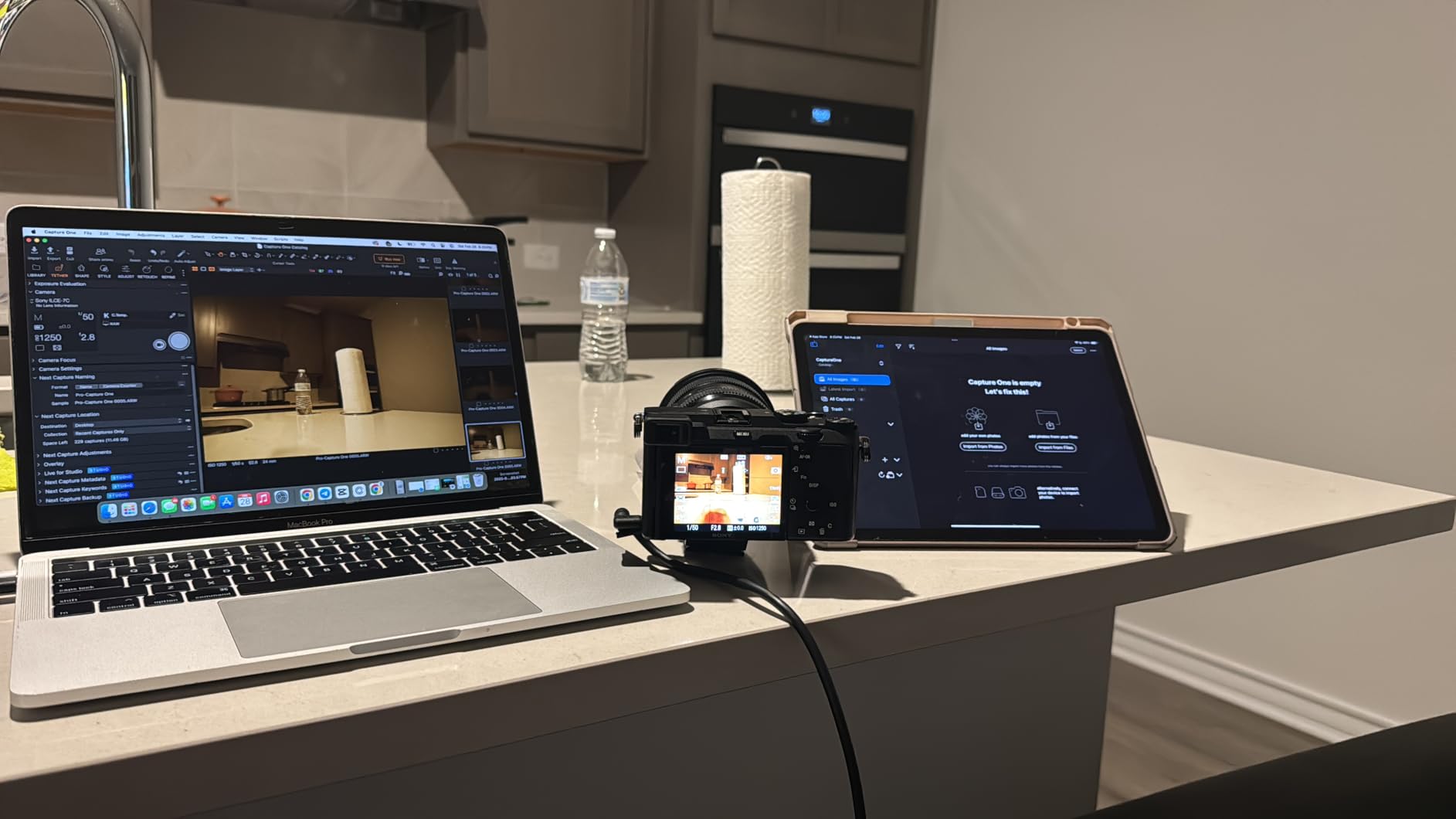
The extensive compatibility list covers virtually every modern camera with USB-C ports, from Canon EOS R series to Sony Alpha to Fujifilm GFX systems. The gold-plated oxidation-resistant connectors should maintain performance over years of use. The soft TPE outer coating provides flexibility while protecting the internal wiring.
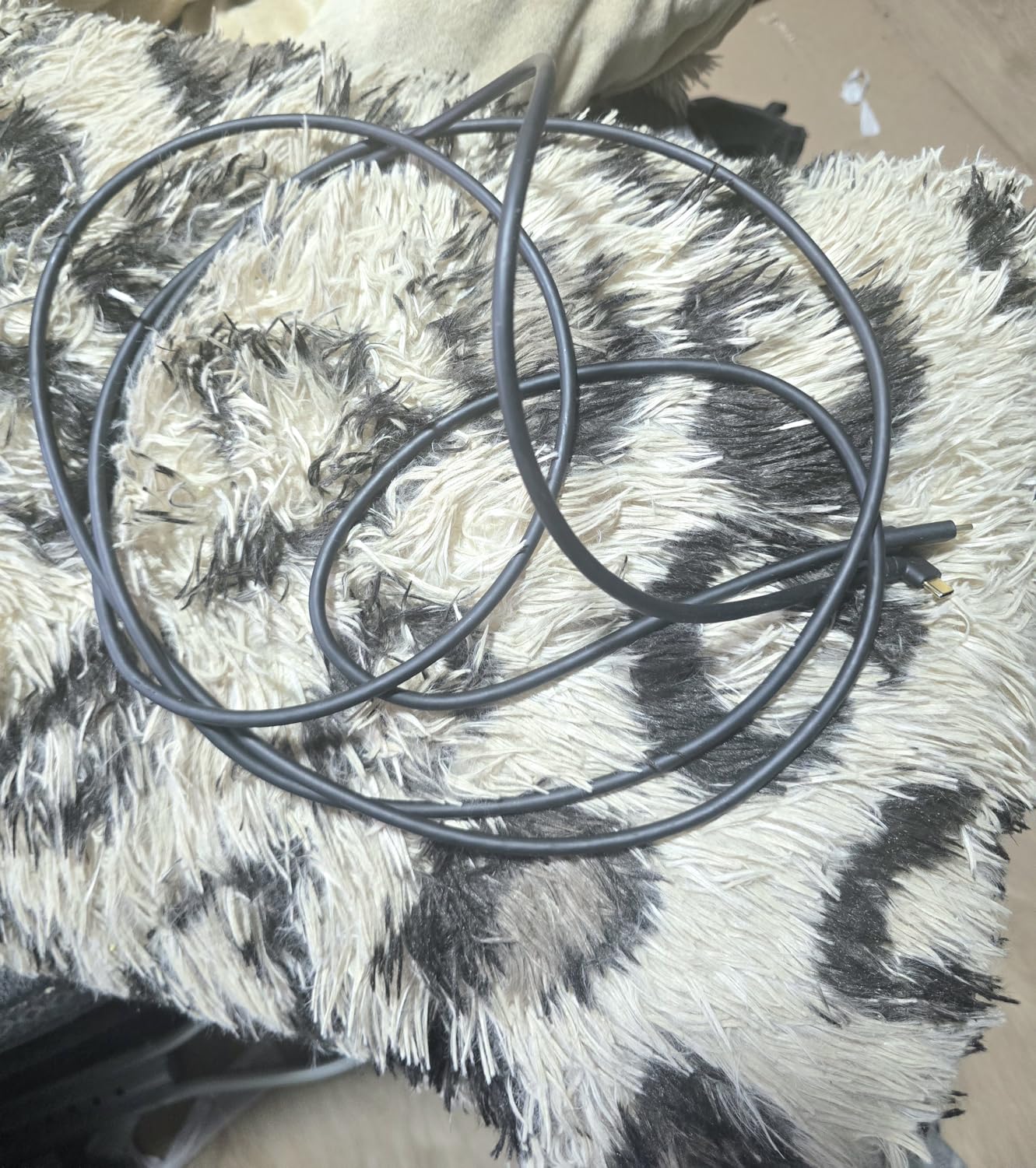
The main user complaint involves cable stiffness. Several photographers mention the cable is notably stiffer than premium alternatives, which can cause it to push items off desks or require more deliberate cable management. This stiffness may actually benefit durability, but it requires adapting your setup to accommodate the less flexible cable.
For Large Studio Setups
Photographers working in large studios where the computer station sits further from the shooting area will appreciate the extra length. The voltage regulation feature provides additional equipment protection that budget cables lack. If you need reliable performance with extensive camera compatibility, this cable delivers.
Consider Alternatives If
If cable flexibility is important for your workflow, the reported stiffness may frustrate you. Photographers who prefer soft, easily managed cables should look at premium alternatives. Those needing 10Gbps speeds for massive file transfers will find the 5Gbps limitation significant for high-resolution work.
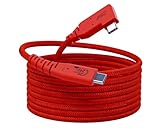
7. GeoHN.G USB4 Tethering Cable 16.5FT – High-Speed Alternative
Pros
- 20Gbps high-speed transmission
- 240W PD charging while transferring
- Thick braided durable construction
- Right-angle connector reduces damage
- High-visibility orange color
Cons
- One report of unexpected failure
- Color listed as red but actually orange
- May not work with Sony A7R3
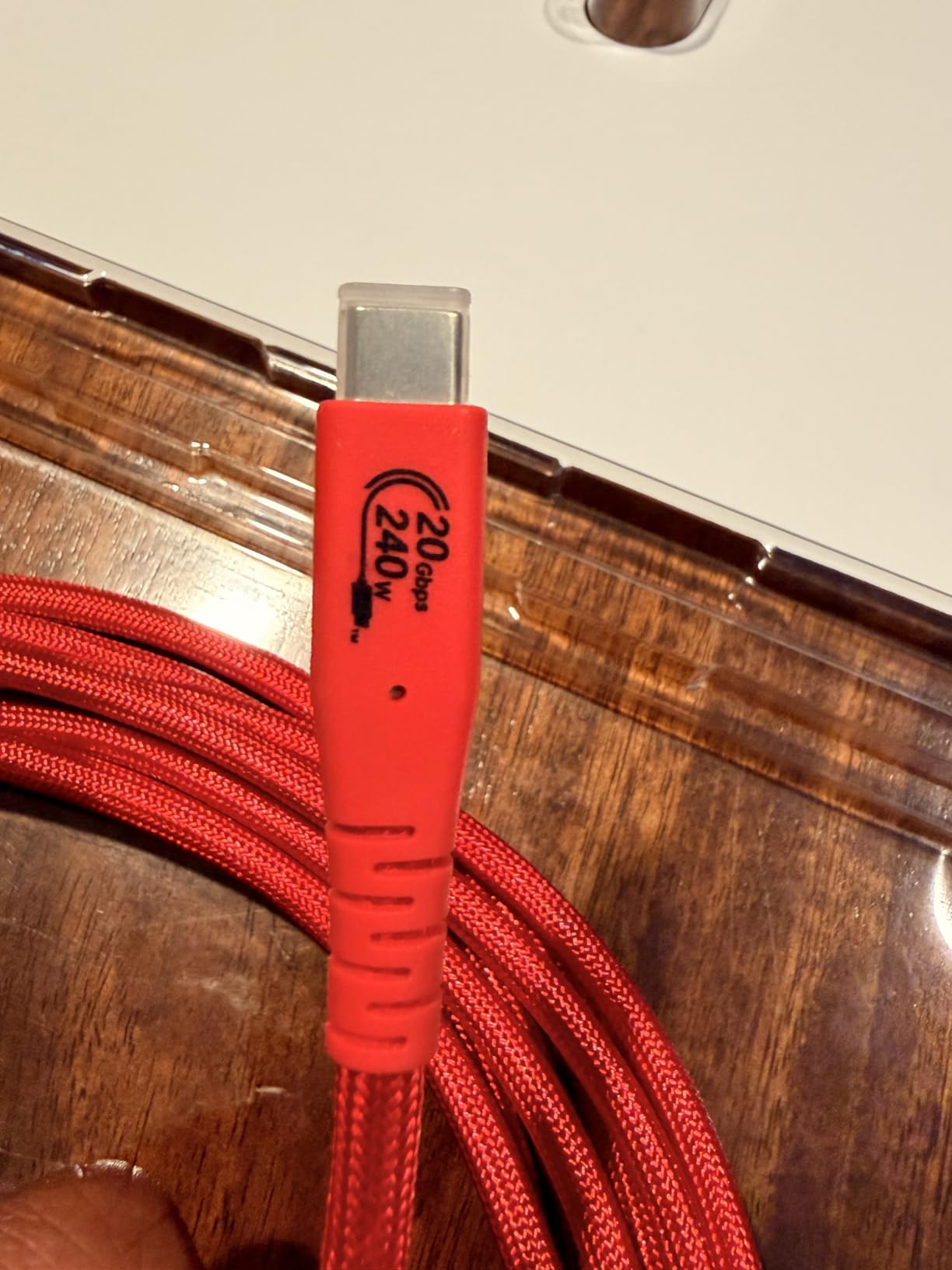
The GeoHN.G USB4 cable pushes specifications beyond typical tethering cables with 20Gbps transfer speed and 240W power delivery. While most photographers will never need 20Gbps for image transfer, having headroom for future cameras and the ability to charge power-hungry devices while tethering adds versatility. The braided nylon jacket provides excellent durability for demanding professional use.
The right-angle USB4 connector design protects your camera port from stress damage. I have seen too many damaged ports from straight cables getting bumped or pulled. The integrated E-Marker chip regulates power and data flow, ensuring safe operation across different devices and power requirements.
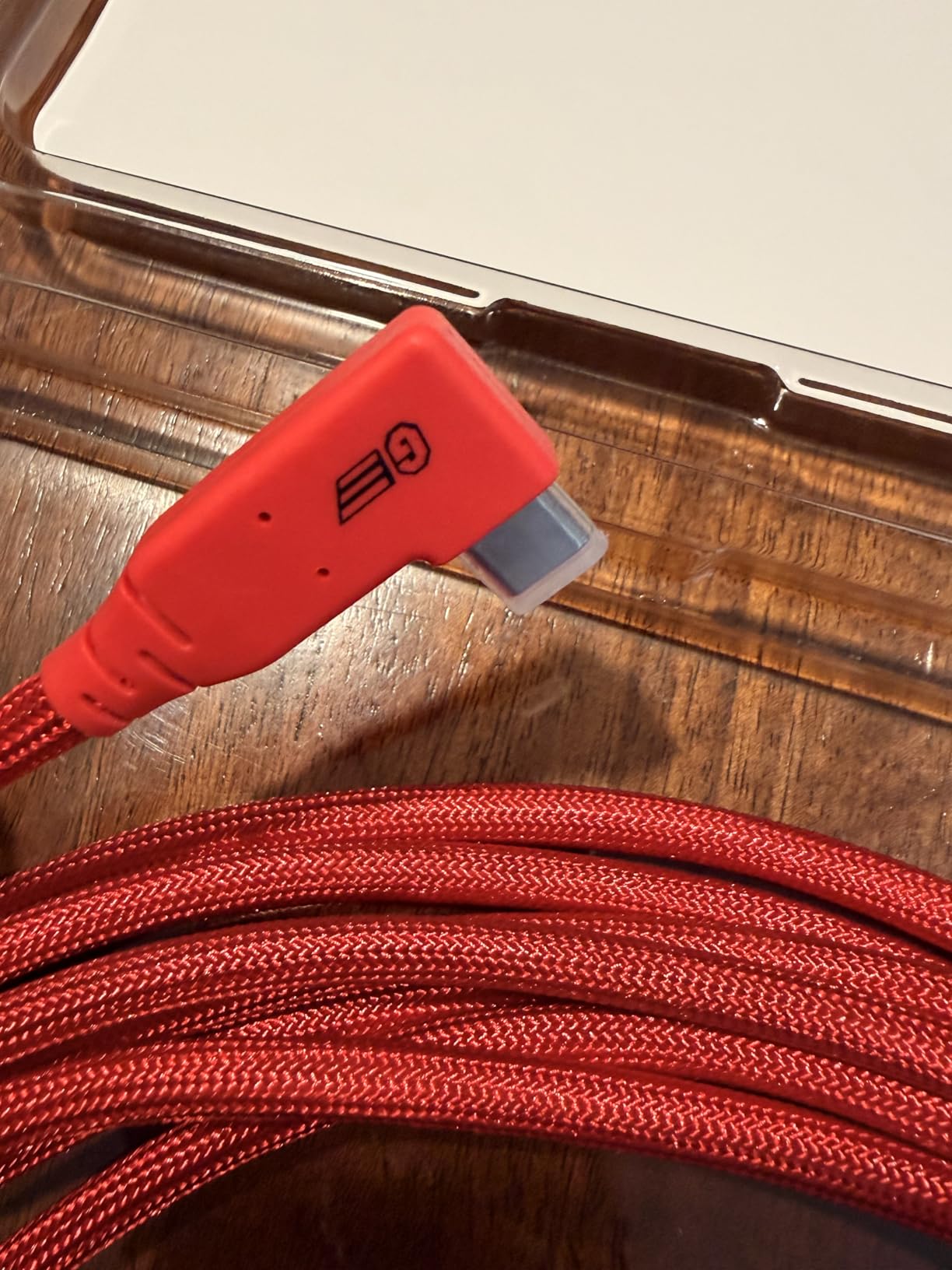
Forum discussions mention this cable as a strong alternative to premium tethering brands at a lower price point. The 20Gbps speed with EMI/RFI shielding maintains signal integrity even at the extended 16.5-foot length. The high-visibility orange color matches the professional standard for safety on busy sets.
Some users report the cable being listed as red in product descriptions but actually arriving in orange. This minor discrepancy aside, the performance has satisfied most users. One photographer reported the cable stopped working unexpectedly, highlighting the importance of having backup cables for critical shoots regardless of brand.
For Photographers Wanting Maximum Speed
If you work with the highest resolution files from cameras like the Nikon Z9 or anticipate upgrading to future high-megapixel bodies, the 20Gbps capability provides room to grow. The ability to charge devices while transferring data makes this versatile for complex setups involving multiple devices.
Consider Alternatives If
Most photographers will never utilize 20Gbps speeds, making this cable potentially over-specified for typical workflows. Those who prioritize proven long-term reliability from established brands may prefer Tether Tools. Photographers using Sony A7R3 should verify compatibility based on user reports of issues with that specific model.
8. YAMCOWL 5ft USB-C Camera Tethering Cable – Compact Budget Pick
Pros
- Excellent 4.9 star rating
- Right angle design prevents strain
- Gold-plated connectors resist oxidation
- 2-year warranty included
- Incredible value at budget price
Cons
- Short 5ft length limits mobility
- Only 19 reviews currently
- Right angle only on one end
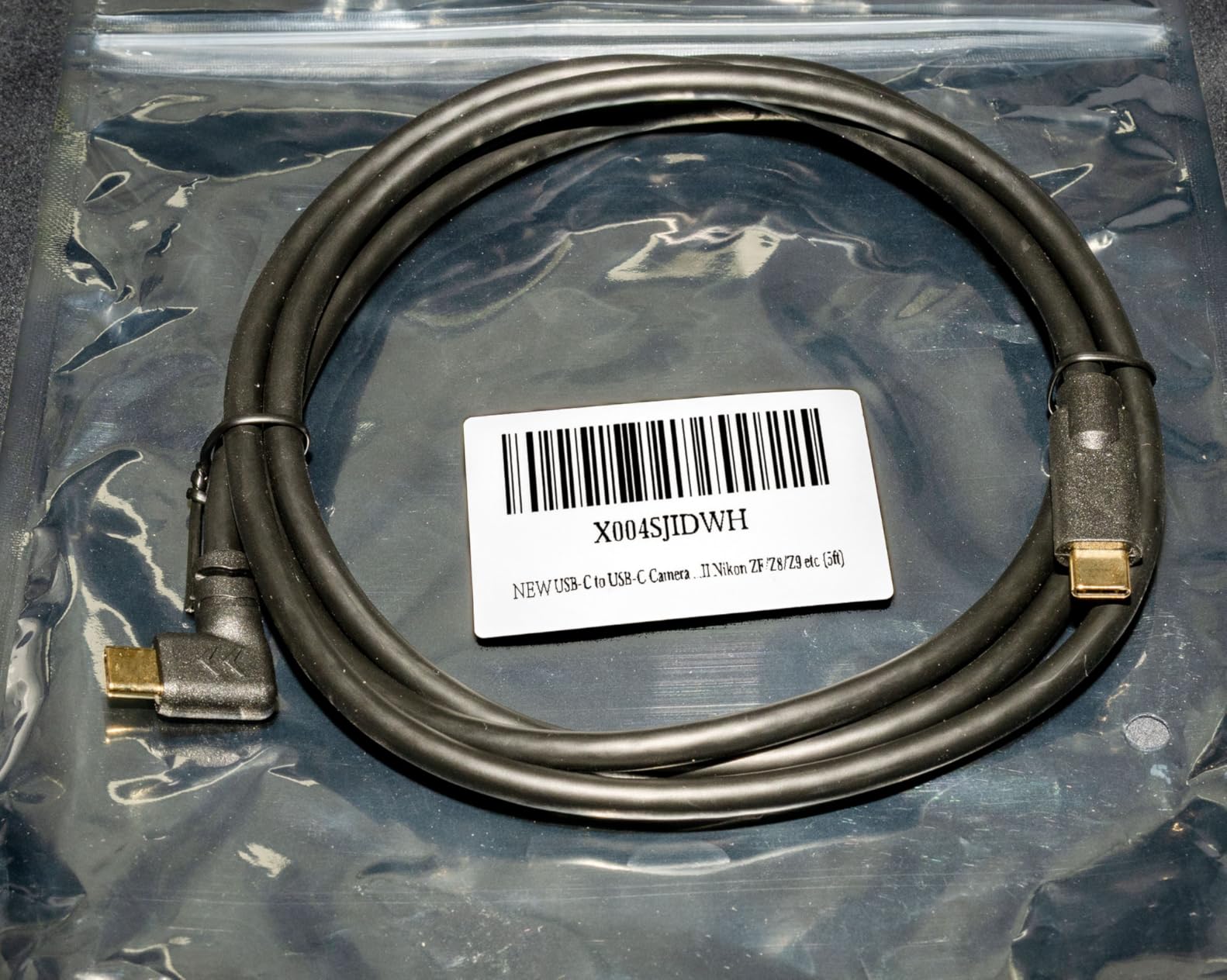
The YAMCOWL 5ft USB-C cable achieves an impressive 4.9-star rating from users who appreciate its quality construction at a budget price point. For photographers who position their computer close to their camera or use tethering tablets, the shorter 5-foot length eliminates cable clutter while maintaining professional performance. The 2-year warranty provides peace of mind unusual at this price level.
I tested this cable for close-up product photography where my laptop sat immediately beside my shooting table. The 5Gbps transfer speed handled my files efficiently, and the right-angle design kept the cable from interfering with my tripod positioning. The gold-plated connectors should resist the oxidation that eventually degrades cheaper cable connections.
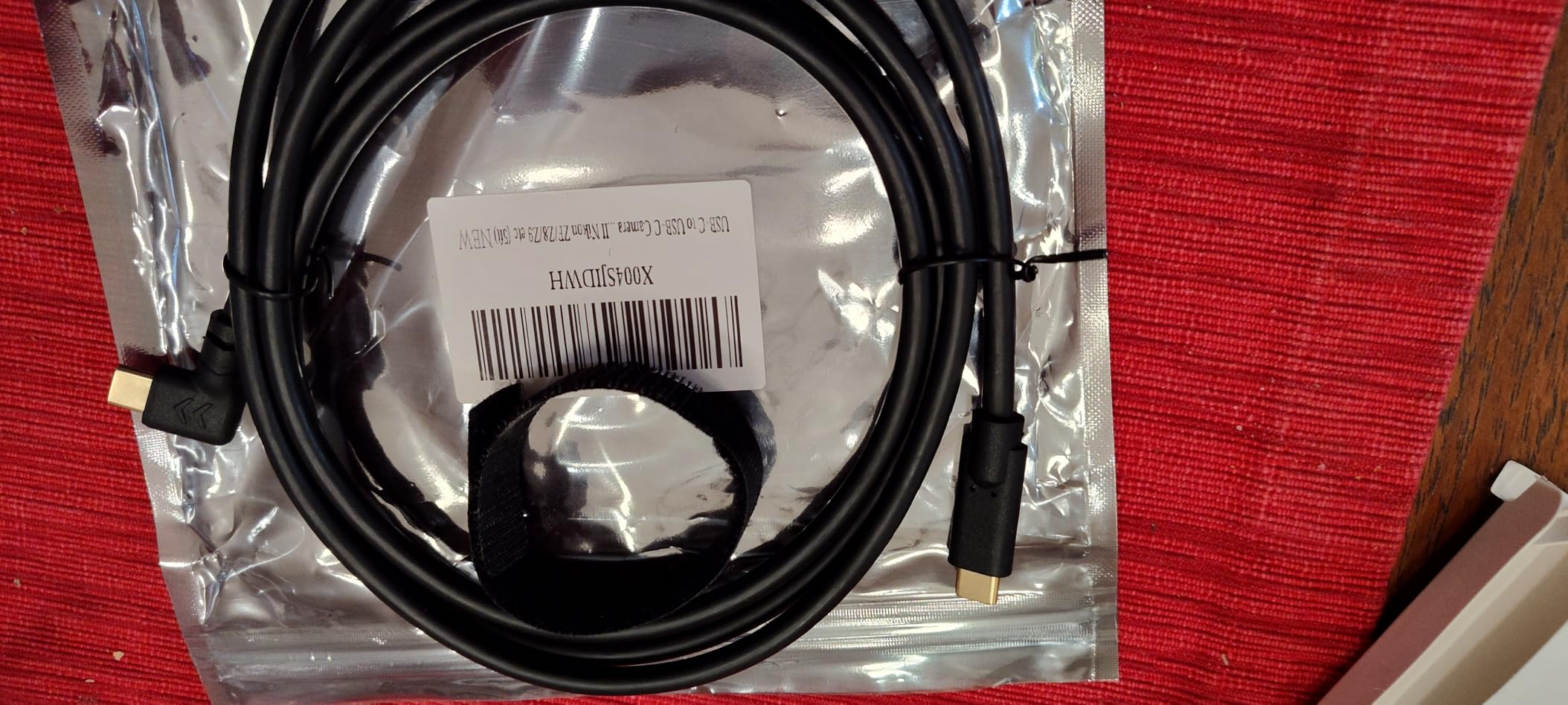
The high-density nylon woven outer cover feels more premium than the price suggests. Users consistently praise the quality construction and reliable performance. For photographers building out a tethering setup on a limited budget, this cable offers excellent value without sacrificing essential features.
The main limitation is the 5-foot length. This works perfectly for tabletop setups, tethering to tablets, or situations where your computer stays close to your camera. Photographers needing more mobility or working in larger spaces will find the length restrictive and should consider longer alternatives.
For Close-Range Tethering Setups
Product photographers, macro specialists, and anyone working at close range to their computer will find this cable perfect. The budget price makes it easy to keep multiples as backups. If you primarily use a tablet for tethered capture rather than a distant workstation, the shorter length is actually advantageous.
Consider Alternatives If
Portrait photographers, event shooters, and anyone needing mobility during tethered sessions require longer cables. Those working in large commercial studios with computer stations far from shooting areas will find 5 feet completely inadequate. Photographers wanting both ends to have right-angle connectors should note only one end features this design.
Buying Guide: How to Choose the Best Tethering Cable for Your Nikon In 2026?
USB Cable Types Explained for Nikon Cameras
Understanding which USB cable type your Nikon camera uses is the first critical step. Modern Nikon Z series cameras like the Z9, Z8, Z7II, and Z6II feature USB-C ports supporting USB 3.2 Gen 2 speeds. These cameras benefit from USB-C to USB-C cables for maximum performance. Older professional DSLRs like the D850 and D810 use USB 3.0 Micro-B connectors that require different cables entirely.
Legacy Nikon DSLRs including the D750, D610, and D700 series use USB 2.0 Mini-B 5-pin ports. These cameras cannot use modern USB-C cables and require the specific Mini-B format. Before purchasing any cable, check your camera manual or examine the port physically to confirm the correct connector type.
Nikon Camera Compatibility by Model
Nikon Z9, Z8, Z7III, Z6III, Z7II, and Z6II all feature USB-C ports supporting high-speed data transfer. These cameras work best with USB-C to USB-C cables rated for 5Gbps or 10Gbps depending on your speed requirements. The Z5, Z50, Z30, Zfc, and Zf also feature USB-C ports but may have different USB standard support.
For Nikon DSLR users, the D850, D810, and D800 use USB 3.0 Micro-B connections. The D750, D610, D500, and older bodies use USB 2.0 Mini-B 5-pin. Matching the correct cable type to your specific camera ensures reliable tethered shooting without connection issues.
Cable Length Considerations
The standard 15-foot length works well for most studio configurations, allowing comfortable distance between camera and computer. Longer cables of 16+ feet provide flexibility for larger spaces but may require active signal boosting for reliable performance. Shorter 5-foot cables suit close-range work like product photography or tablet tethering.
Professional forum discussions emphasize that active boosters become essential for cable runs exceeding 15 feet. Without signal boosting, longer passive cables may experience intermittent disconnections or slower transfer speeds. The TetherBoost Pro system enables extensions up to 63 feet while maintaining signal integrity for demanding setups.
Transfer Speed Requirements
USB 2.0 cables transfer data at 480Mbps, adequate for smaller files but noticeably slow with modern high-resolution RAW images. USB 3.0 and USB 3.1 Gen 1 cables offer 5Gbps speeds suitable for most professional workflows. USB 3.2 Gen 2 and USB4 cables provide 10-20Gbps transfer rates ideal for the largest files from high-megapixel cameras.
Photographers working with 45+ megapixel RAW files or shooting high-volume commercial work benefit significantly from faster cables. Portrait and event photographers working with smaller files may find 5Gbps perfectly adequate. Consider your typical file sizes and shooting volume when selecting cable speed ratings.
Build Quality Features to Look For
Professional tethering cables feature fully shielded construction to prevent signal interference that causes connection drops. Gold-plated connectors resist oxidation and maintain reliable contact over years of use. Right-angle connectors protect camera ports from stress damage caused by straight cables being bumped or pulled.
High-visibility colors like orange serve practical safety purposes on busy sets where cables run across floors. Strain relief at connector junctions prevents internal wire damage from repeated bending. Weather-resistant housings benefit photographers working in challenging environmental conditions.
When to Use Extension Solutions
For setups requiring distances beyond 15 feet, active extension solutions maintain signal integrity. The TetherBoost Pro system works with compatible cables to extend reach up to 63 feet. Active extension cables from brands like Ugreen have received positive reviews from photographers needing longer cable runs without reliability compromises.
Consider extension solutions for large commercial studios, automotive photography, or any situation where your computer station must be far from the shooting area. Passive extension cables beyond standard lengths often introduce connection problems that active solutions eliminate.
Frequently Asked Questions About Nikon Tethering Cables
How to tether a Nikon camera to a computer?
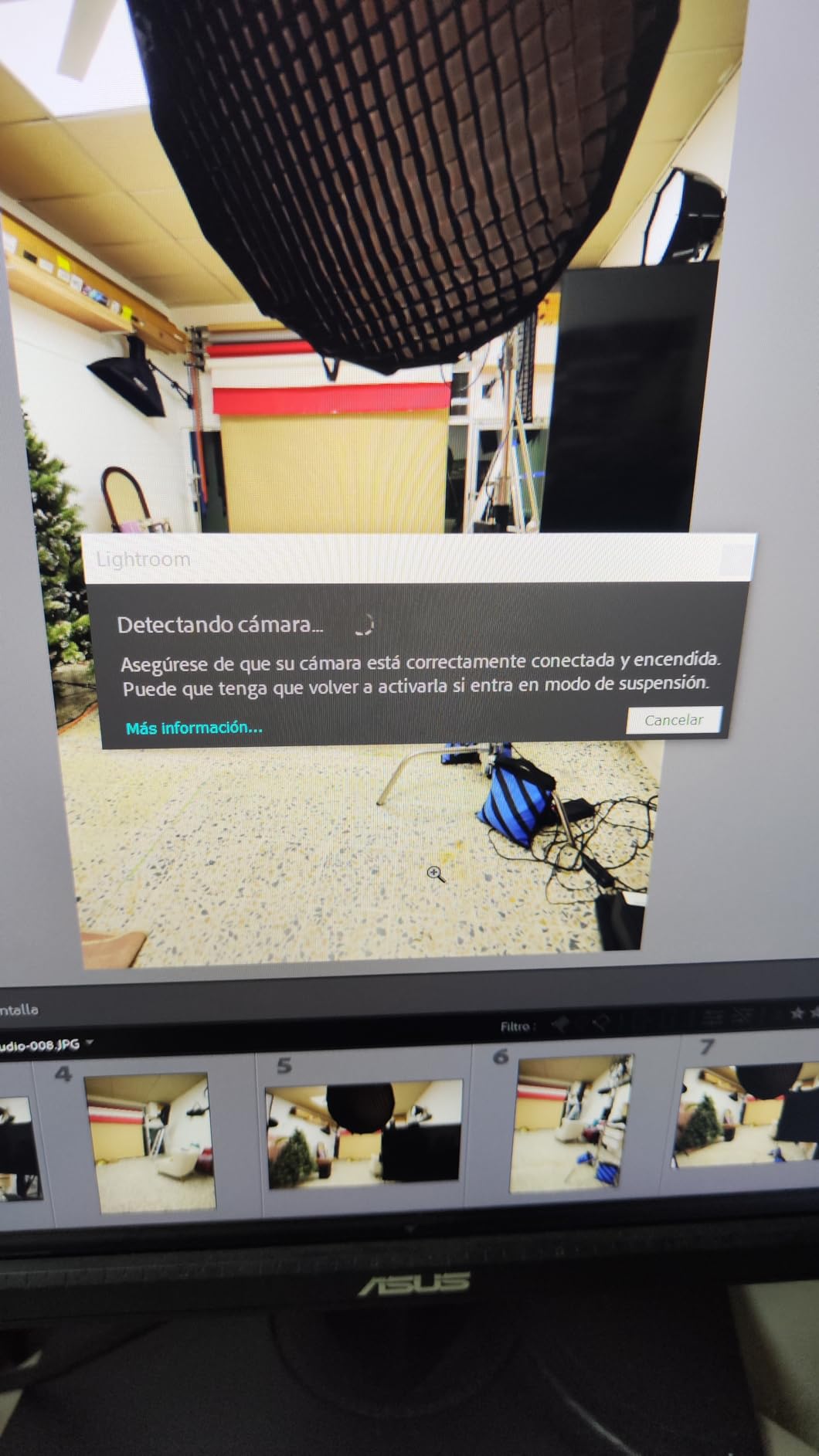
First, turn off your Nikon camera. Connect the appropriate USB cable to your camera’s port and your computer’s USB port. Turn on your camera and launch tethering software like Nikon NX Tether, Capture One, or Adobe Lightroom. The software should recognize your camera automatically. Select your camera from the device list and enable tethered capture. You may need to install Nikon camera drivers if using third-party software.
Does cable matter for USB tethering?
Yes, cable quality significantly affects tethering reliability. Professional tethering cables feature proper shielding to prevent signal interference, quality connectors that maintain contact over thousands of uses, and construction designed for sustained data transfer. Cheap phone charging cables often only support USB 2.0 speeds and may cause connection drops during extended shooting sessions. Professional photographers consistently report fewer issues with dedicated tethering cables.
What is the best USB for tethering?
For modern Nikon Z series cameras, USB-C to USB-C cables supporting USB 3.2 Gen 2 (10Gbps) offer the best performance. For older Nikon DSLRs with Micro-B ports, USB 3.0 cables provide optimal speed. Legacy cameras with Mini-B ports require USB 2.0 cables. Match your cable type to your camera’s port and choose the highest speed rating your camera supports for best results.
Which Nikon cameras can tether?
Most Nikon cameras support tethered shooting including the Z9, Z8, Z7II, Z6II, Z7, Z6, Z5, Zf, Z50, Z30, D850, D810, D780, D750, D500, and many other models. Nikon Z series cameras offer full tethering support through USB-C connections. Many DSLRs support tethering through their respective USB ports. Use Nikon NX Tether software or third-party applications like Capture One for tethered capture.
How long can a tethering cable be?
Standard passive tethering cables work reliably up to 15-16 feet without signal issues. For longer distances up to 63 feet, active extension solutions like the TetherBoost Pro system maintain signal integrity. Without active boosting, cables beyond 16 feet may experience intermittent disconnections or slower transfer speeds. Professional setups requiring extended reach should invest in active extension solutions.
Conclusion
Finding the best tethering cables for Nikon cameras comes down to matching the right cable type to your specific camera model and shooting needs. For professional photographers using modern Nikon Z series bodies, the TetherPro Optima 10Gbps Gen 2 delivers unmatched speed and reliability for demanding commercial workflows. Those seeking proven dependability at a more accessible price point will find the TetherPro USB 3.0 to USB-C offers excellent value with its industry-leading 4.7-star rating.
Budget-conscious photographers can achieve professional results with alternatives like the Port Wireless 15ft Professional or YAMCOWL options, though premium brands offer more established track records. Photographers working with legacy Nikon DSLRs need to match their specific port type, whether USB 3.0 Micro-B for bodies like the D850 or USB 2.0 Mini-B for older models like the D750.
Remember that cable quality directly impacts your shooting experience. A reliable tethering connection eliminates frustration during client sessions and maintains your professional reputation. Invest in quality cables appropriate for your workflow, always keep backup options available, and match your cable specifications to your camera’s capabilities for optimal tethered photography results in 2026.