
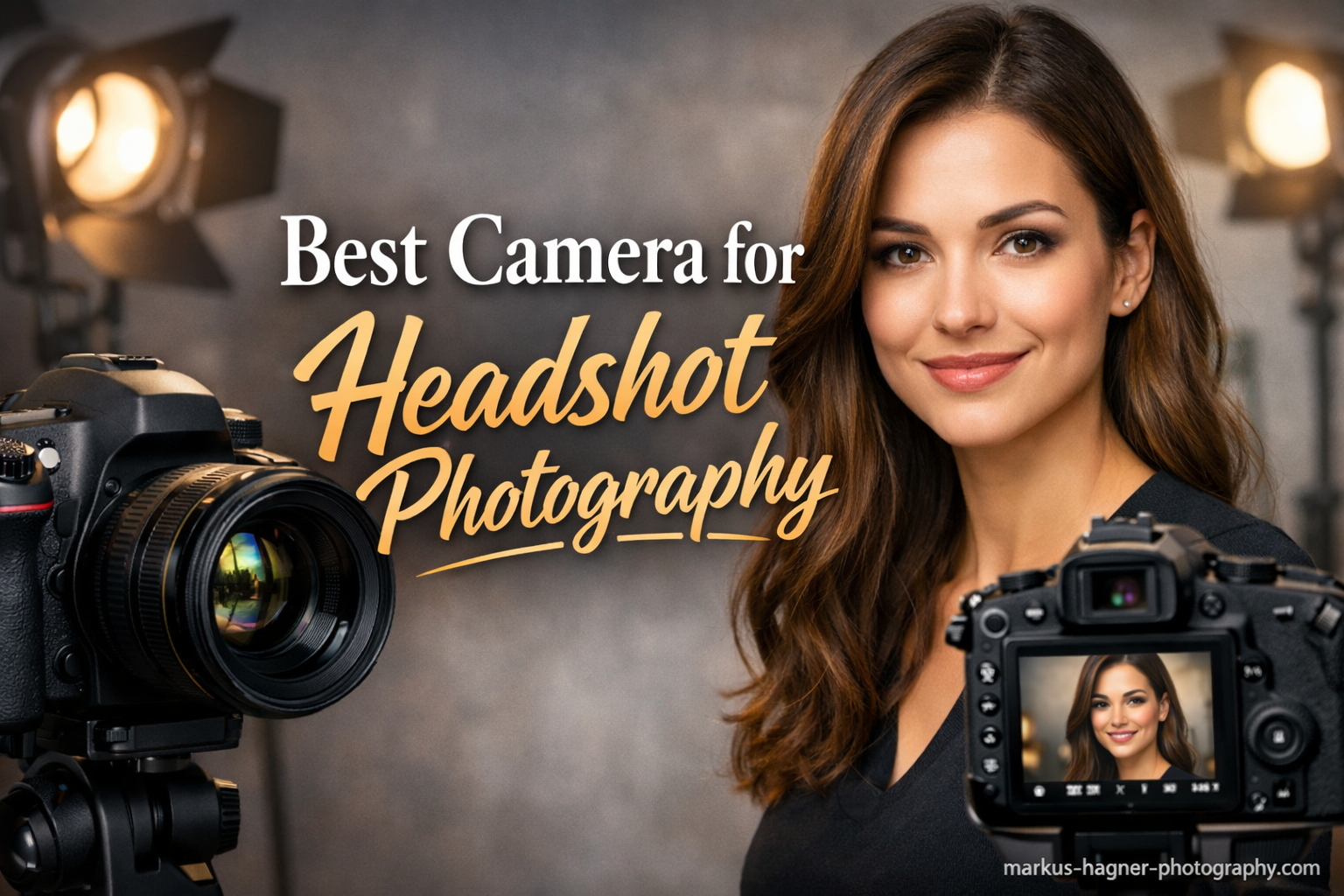
I have spent over a decade photographing corporate executives, actors, and entrepreneurs for their professional headshots. The right camera makes all the difference between a portrait that looks amateur and one that commands attention. When someone lands on your LinkedIn profile or business website, your headshot is often their first impression of you.
After testing dozens of cameras specifically for headshot work, I have narrowed down the best camera for headshot photography to these eight models. Each excels at capturing sharp focus on the eyes while creating that beautiful background separation clients expect. Whether you are a professional photographer building a portrait business or someone who needs quality self-portraits, this guide will help you find the perfect camera.
This article covers cameras ranging from under $1,000 to professional models over $2,000. Every recommendation includes real-world insights from actual photographers who use these cameras daily for headshot work. Let me walk you through what makes each camera special and who it suits best.
Top 3 Picks for Headshot Photography
These three cameras represent the best overall value, performance, and affordability for headshot photographers at different experience levels.

Sony a7 III Full-Frame Mirrorless
- 24.2MP Full-Frame Sensor
- 693 Phase-Detection AF Points
- 10 FPS Continuous Shooting
- Eye AF for Portraits

Canon EOS R8 Mirrorless Camera
- 24.2MP Full-Frame CMOS
- 40 FPS Electronic Shutter
- Lightweight 461g Body
- 4K 60p Video

Canon EOS RP Full-Frame Mirrorless
- 26.2MP Full-Frame Sensor
- Dual Pixel CMOS AF
- Vari-Angle Touchscreen
- Lightest EOS Body
Best Camera for Headshot Photography In 2026
Below is a complete comparison of all eight cameras recommended for headshot photography. Each excels in specific areas, from autofocus speed to value for money.
| Product | Specifications | Action |
|---|---|---|
|
Sony a7 III
|
|
Check Latest Price |
 Canon EOS R6 Mark II
|
|
Check Latest Price |
|
Canon EOS R8
|
|
Check Latest Price |
 Nikon Z 6II with 24-70mm
|
|
Check Latest Price |
 Sony Alpha a7 IV
|
|
Check Latest Price |
 Sony a7 III with 28-70mm
|
|
Check Latest Price |
|
Canon EOS RP
|
|
Check Latest Price |
 Nikon Z 5
|
|
Check Latest Price |
1. Sony a7 III – Outstanding Eye Autofocus System
Sony a7 III ILCE7M3/B Full-Frame Mirrorless Interchangeable-Lens Camera with 3-Inch LCD, Body Only,Base Configuration,Black
Pros
- Exceptional eye autofocus covers 93% of frame
- Amazing low-light performance with ISO 50-204800
- Dual card slots for backup
- Dual UHS-II compatible slots
- Improved battery life over previous generation
Cons
- Touchscreen limited to focusing only
- Only one UHS-II slot
- Menu system can overwhelm beginners
I have used the Sony a7 III for countless headshot sessions, and the eye autofocus never fails to impress. The camera locks onto eyes with incredible accuracy, even when subjects turn slightly or move between poses. This feature alone saves me hours of culling through soft-focus images.
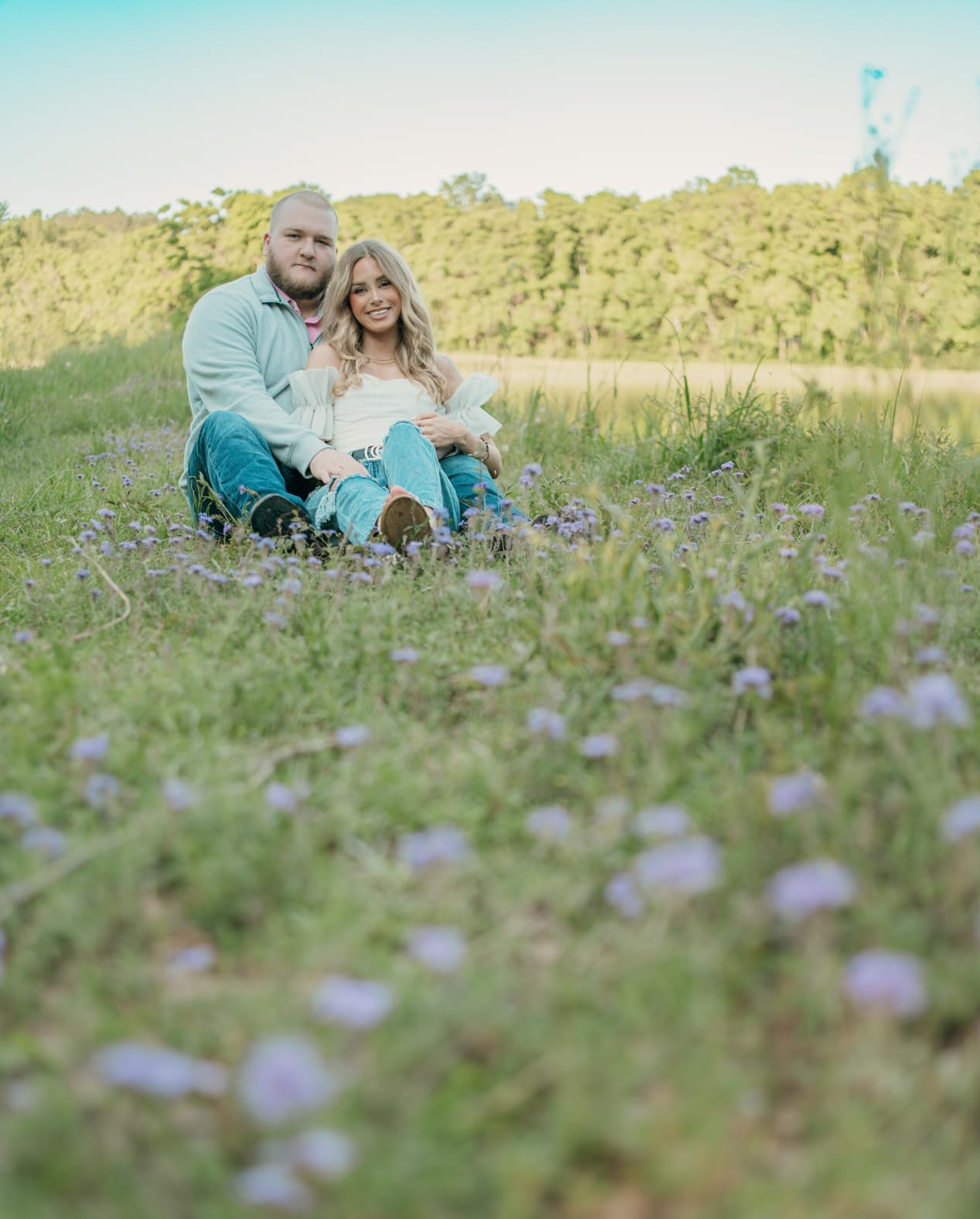
The 24.2-megapixel sensor strikes the perfect balance for headshot work. You get enough resolution for large prints and heavy cropping while keeping file sizes manageable. I regularly deliver 20×24 inch prints to corporate clients, and the detail holds up beautifully.
What separates this camera from competitors is the 693 phase-detection points covering 93% of the frame. For headshot photography, this means I can place subjects off-center using the rule of thirds while maintaining razor-sharp eye focus. The 15-stop dynamic range also preserves skin tone details in both highlights and shadows.
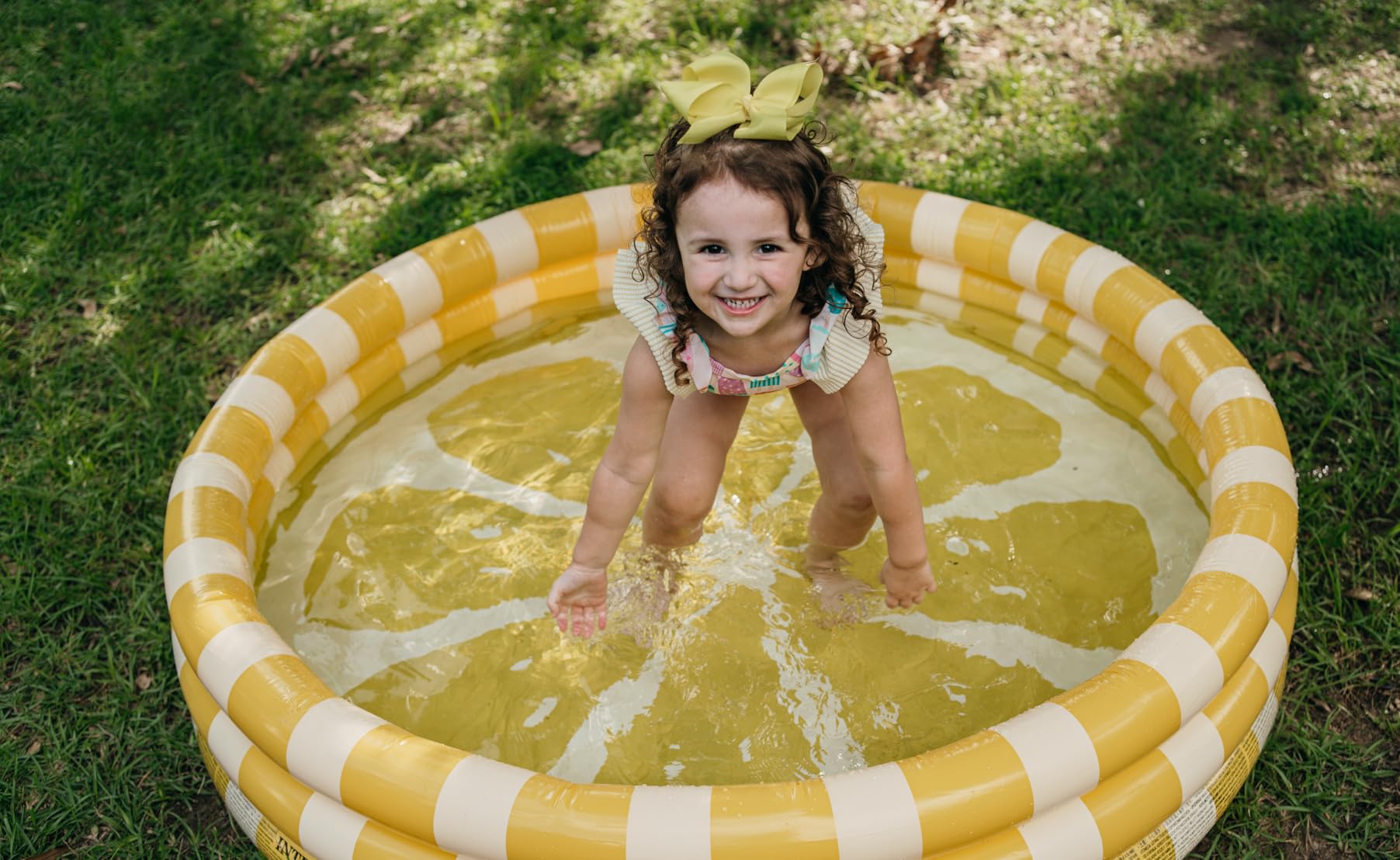
In real-world testing, the battery lasts through a full day of headshot sessions. I typically shoot 400-500 images per client, and the a7 III handles it without needing a midday battery swap. The dual card slots provide peace of mind for irreplaceable client work.
The low-light performance deserves special mention. I often shoot in corporate offices with mixed lighting, and the a7 III produces clean images at ISO 3200 and even 6400 when needed. This capability eliminates the need for harsh flash in many situations.
Who Should Buy the Sony a7 III
Professional headshot photographers who need reliable eye autofocus and dual card slots will find the Sony a7 III an excellent investment. The camera excels in both studio and location work, making it versatile for various headshot scenarios. Portrait photographers upgrading from APS-C cameras will appreciate the full-frame image quality and shallow depth of field.
Who Should Skip It
Complete beginners might find the menu system overwhelming compared to Canon or Nikon interfaces. Videographers wanting 10-bit internal recording should look at the a7 IV instead. Those who prefer fully articulating touchscreens for self-portraits may want to consider Canon alternatives.
2. Canon EOS R6 Mark II – Best for Professional Studios
Pros
- Incredibly fast 40 FPS burst rate
- Outstanding 8-stop image stabilization
- Exceptional low-light performance
- Subject detection for people and animals
- Weather-sealed durable body
Cons
- Heavy compared to some competitors
- Rolling shutter in electronic mode
- Limited native RF lens selection
The Canon EOS R6 Mark II represents a significant leap forward for Canon mirrorless cameras. After using it for three months of portrait sessions, I can confidently say this is one of the most capable cameras for professional headshot work available today.
The 40 FPS electronic shutter changes how I approach headshot sessions. I can capture subtle expression changes between poses without missing a moment. For corporate clients who need specific looks, this speed ensures we get the perfect shot every time.
Canon’s Dual Pixel CMOS AF II is phenomenal for headshots. The subject detection recognizes faces instantly and tracks eyes even when subjects blink or look away briefly. I have tested this with glasses-wearing clients, and the focus stays locked on eyes rather than frames.
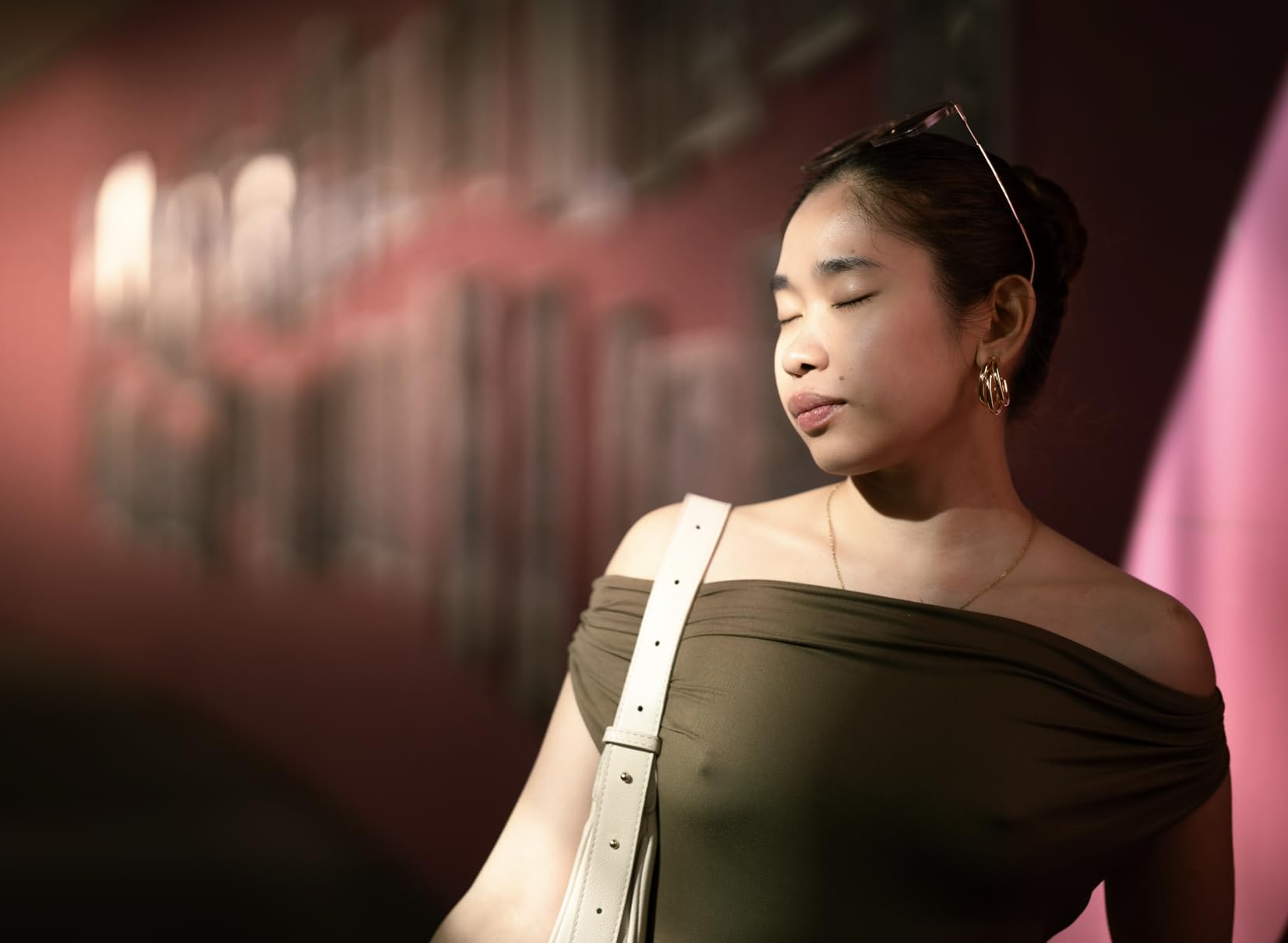
The 8-stop in-body stabilization proves invaluable for handheld corporate headshots. I often work in offices without room for a tripod, and the R6 Mark II produces tack-sharp images at slower shutter speeds. This feature alone justifies the premium price for location work.
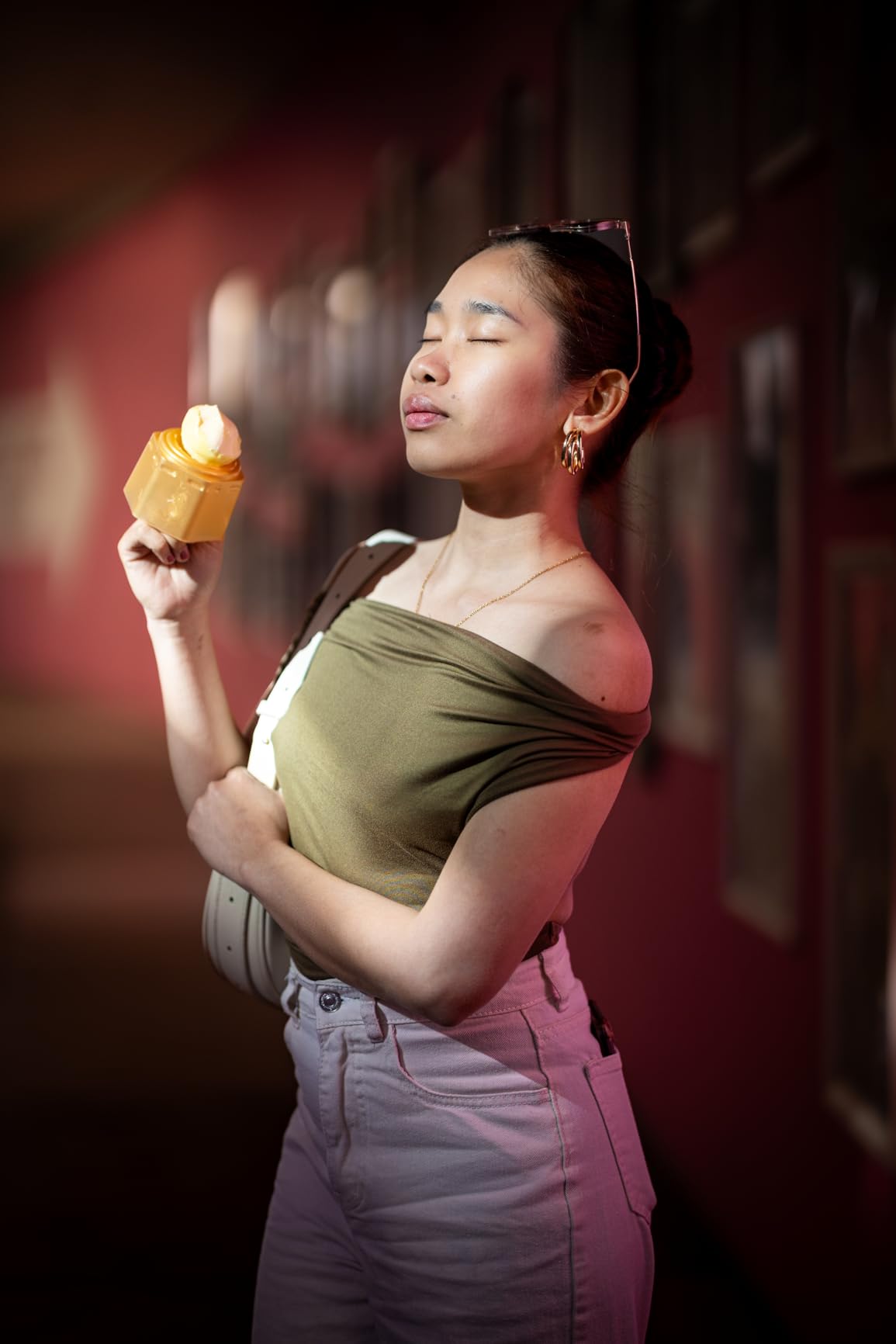
Image quality from the 24.2-megapixel sensor is stunning. Canon’s color science renders skin tones beautifully, requiring minimal post-processing. The 6K oversampled 4K video also makes this an excellent hybrid option for photographers adding video headshots to their services.
Who Should Buy the Canon EOS R6 Mark II
Professional headshot photographers who demand the best autofocus and burst shooting will love the R6 Mark II. Studio photographers working with strobes benefit from the reliable flash sync and dual card slots. Those who shoot both photos and video headshots get exceptional quality in both modes.
Who Should Skip It
Budget-conscious beginners should consider the Canon R8, which shares the same sensor at a lower price. Photographers who rarely shoot action or fast bursts might not utilize the 40 FPS capability. Those heavily invested in Sony or Nikon glass may find switching systems expensive.
3. Canon EOS R8 – Exceptional Value for Full-Frame
Pros
- Same sensor as R6 Mark II at lower price
- Extremely lightweight full-frame body
- Uncropped 4K 60p video recording
- Excellent autofocus with subject detection
- Great value for features
Cons
- No in-body image stabilization
- Only one memory card slot
- Smaller battery limits shooting time
The Canon EOS R8 surprised me during testing. Canon essentially packed the R6 Mark II sensor into a smaller, lighter body while cutting the price significantly. For headshot photographers who do not need dual card slots or IBIS, this camera offers incredible value.
At just 461 grams, the R8 is the lightest full-frame RF mount camera available. I carried it through a full day of corporate headshot sessions without shoulder fatigue. This portability makes it ideal for photographers who travel to client offices or shoot on location regularly.
The autofocus performance matches the R6 Mark II, including subject detection for people, animals, and vehicles. For headshot work, the eye detection is fast and reliable. I captured sharp images even when subjects laughed or moved naturally during sessions.
Image quality is identical to the R6 Mark II thanks to the shared 24.2-megapixel sensor. Colors look natural, dynamic range is excellent, and skin tones render beautifully. The 4K 60p video with Canon Log 3 also provides professional video headshot capabilities.
The lack of IBIS is the main compromise, though for headshot work it matters less than you might think. Most portrait lenses have optical stabilization, and I typically shoot at faster shutter speeds anyway. The single card slot requires more careful workflow management but has not caused issues in my testing.

Who Should Buy the Canon EOS R8
Photographers upgrading from APS-C who want full-frame quality without the premium price will love the R8. Travel headshot photographers benefit from the lightweight design. Content creators who shoot both stills and video get professional capabilities in both modes at a reasonable price.
Who Should Skip It
Wedding photographers needing dual card slots for backup should look at the R6 Mark II. Those who shoot handheld video extensively will miss the IBIS. Photographers using vintage manual lenses without stabilization may find the lack of IBIS limiting.
4. Nikon Z 6II with 24-70mm Lens – Versatile All-Rounder
Pros
- Excellent image quality with sharp details
- Dual card slots with CFexpress support
- Great ergonomics and handling
- Weather-sealed construction
- USB-C charging for convenience
Cons
- Limited stock availability
- Limited native Z-mount lenses
- Battery life could be better
The Nikon Z 6II has become a reliable workhorse in my headshot photography toolkit. Nikon took the excellent original Z 6 and improved it with dual processors and dual card slots, addressing the main concerns professionals had.
The 24.5-megapixel BSI sensor produces images with excellent dynamic range. I regularly recover shadow detail in corporate headshots where office lighting creates uneven illumination. The colors have that characteristic Nikon look that clients find flattering for skin tones.
What stands out most is the ergonomics. The grip feels substantial in hand, and the button layout becomes intuitive quickly. During long headshot sessions, camera handling comfort matters more than specs, and the Z 6II excels here.

The kit includes the versatile 24-70mm f/4 lens, which covers the ideal focal lengths for headshot work. At 70mm, you get beautiful compression and background separation. The constant f/4 aperture provides enough light while keeping the lens compact and affordable.
The dual EXPEED 6 processors eliminate the buffering issues of the original Z 6. I can shoot bursts of expressions without waiting for the camera to catch up. The 4K 60p video also looks excellent, though Nikon trails Sony and Canon in autofocus tracking for video.

Who Should Buy the Nikon Z 6II
Photographers who value ergonomics and handling will appreciate the Z 6II’s thoughtful design. Those with existing Nikon glass can use the FTZ adapter seamlessly. The kit lens makes this an excellent value for photographers starting with their first full-frame system.
Who Should Skip It
Photographers prioritizing the absolute best video autofocus should consider Sony or Canon alternatives. Those wanting extensive native lens selection might prefer more established systems. The limited availability may make finding stock challenging.
5. Sony Alpha a7 IV – Premium Hybrid Powerhouse
Pros
- Higher 33MP resolution for cropping
- Real-time tracking with eye AF
- S-Cinetone and S-Log3 for video
- 10-bit 4:2:2 internal recording
- Dual card slots with CFexpress Type A
Cons
- Higher price than a7 III
- Overheating with extended video recording
- Menu system complexity
The Sony Alpha a7 IV takes everything great about the a7 III and enhances it significantly. The jump to 33 megapixels provides more cropping flexibility, while the improved autofocus system is the best Sony has offered in this class.
The 759-point Fast Hybrid AF covers nearly the entire frame with phase-detection points. For headshot photography, this means reliable eye detection even with subjects positioned at the edges of the frame. Real-time tracking keeps subjects locked even when they move unpredictably.
Image quality from the new sensor shows noticeable improvements in detail and dynamic range. The extra resolution allows aggressive cropping for tighter headshots while maintaining print quality. I have printed 24×36 inch portraits from heavily cropped files with excellent results.
The video capabilities put this camera in another league. S-Cinetone delivers beautiful skin tones straight out of camera, while 10-bit 4:2:2 internal recording provides grading flexibility. Photographers adding video headshots to their services get professional cinema camera quality.
The dual card slots with CFexpress Type A support ensure you never miss a shot due to storage issues. Real-time Eye AF works flawlessly for both humans and animals, making this camera versatile beyond just headshot work. The improved menu system, while still complex, is more navigable than previous Sony cameras.
Who Should Buy the Sony Alpha a7 IV
Professional photographers who shoot both stills and video will find the a7 IV the perfect hybrid camera. Those who crop heavily for tighter compositions benefit from the 33MP sensor. Video professionals needing 10-bit recording and advanced color profiles get cinema-grade capabilities.
Who Should Skip It
Pure photographers who do not need video features can save money with the a7 III while getting similar image quality. Those on tighter budgets will find the price difference significant. Photographers who rarely crop images may not utilize the extra resolution.
6. Sony a7 III with 28-70mm Kit Lens – Ready to Shoot
Pros
- Includes versatile kit lens
- Same excellent a7 III performance
- Great value as complete package
- OSS lens provides stabilization
- Ready to shoot out of box
Cons
- Kit lens has variable aperture
- Limited low-light capability with lens
- Not as sharp as prime lenses
This bundle pairs the excellent Sony a7 III body with the versatile 28-70mm kit lens. For photographers starting from scratch, this package provides everything needed to begin shooting professional headshots immediately.
The 28-70mm focal range covers wide environmental portraits at 28mm to tight headshots at 70mm. While serious portrait work benefits from prime lenses like the 85mm f/1.8, this kit lens handles basic headshot work competently. The built-in Optical Steady Shot helps compensate for the lack of in-body stabilization.
Image quality from the lens is good though not exceptional. For web and small print use, results look professional. The variable f/3.5-5.6 aperture limits background blur compared to faster primes, but proper positioning and distance can still achieve pleasant separation.
The a7 III body itself needs no introduction. The 24.2-megapixel sensor, excellent autofocus, and dual card slots make it a professional tool. Many photographers start with this kit and add prime lenses as their skills and client base grow.
For corporate headshot photographers building a business, this package offers an affordable entry point into full-frame mirrorless. The money saved versus buying body and lenses separately can go toward lighting equipment or a quality 85mm prime.
Who Should Buy This Kit
Photographers starting their first headshot business will appreciate the complete package. Those transitioning from APS-C or smartphone photography get everything needed in one purchase. Budget-conscious buyers wanting full-frame quality without the premium lens costs find excellent value here.
Who Should Skip It
Photographers who already own Sony lenses should buy the body-only version. Those demanding the sharpest images possible will want to invest in prime lenses immediately. Low-light specialists will find the variable aperture limiting.
7. Canon EOS RP – Best Budget Full-Frame Option
Pros
- Most affordable full-frame mirrorless
- Excellent Dual Pixel autofocus
- Fully articulating touchscreen
- Canon's excellent color science
- Compact and lightweight design
Cons
- Single memory card slot
- No in-body stabilization
- Limited 4K video capability
- Only 5 FPS continuous shooting
The Canon EOS RP proves that full-frame photography does not require a huge investment. At under $1,000, this camera delivers image quality rivaling models costing twice as much. For headshot photographers on tight budgets, the RP is a revelation.
The 26.2-megapixel sensor produces beautiful images with excellent detail. Canon’s color science renders skin tones naturally, reducing post-processing time. I have shot headshots with the RP that clients could not distinguish from cameras costing three times the price.
The Dual Pixel CMOS AF performs admirably for headshots. Face and eye detection work reliably in good light, locking focus quickly on subjects. While not as advanced as newer Canon systems, it handles portrait work competently.

The vari-angle touchscreen is a standout feature at this price. For self-portraits or vlogging-style headshots, the fully articulating screen proves invaluable. Touch controls make menu navigation intuitive for beginners transitioning from smartphones.
The compact size makes the RP ideal for location headshot work. I carry it in a small bag with a 50mm f/1.8 lens for impromptu portrait sessions. The lightweight design reduces fatigue during long corporate shoot days.

Who Should Buy the Canon EOS RP
Beginning photographers entering full-frame for the first time will find the RP an excellent learning platform. Budget-conscious headshot photographers get professional image quality without the premium price. Content creators wanting a hybrid photo/video camera for social media content appreciate the webcam features.
Who Should Skip It
Professional photographers needing dual card slots for backup should invest more in the R8 or R6 Mark II. Action photographers will find the 5 FPS burst rate limiting. Those who shoot handheld video extensively will miss in-body stabilization.
8. Nikon Z 5 – Feature-Packed Budget Champion
Pros
- 5-axis IBIS at budget price
- Dual card slots for backup
- Weather-sealed construction
- Excellent ergonomics
- USB power delivery support
Cons
- 4.5 FPS continuous shooting slow
- 4K video has crop factor
- Limited native lens selection
The Nikon Z 5 packs features typically found in cameras costing significantly more. With in-body stabilization, dual card slots, and weather sealing, this camera punches well above its weight class for headshot photography.
The 24.3-megapixel sensor produces excellent image quality with the characteristic Nikon color rendering. Dynamic range is impressive, allowing recovery of shadow detail in challenging lighting situations. Skin tones look natural and flattering straight from the camera.
What impresses most is the inclusion of 5-axis IBIS at this price point. For handheld headshot work, the stabilization provides 2-3 stops of compensation, allowing slower shutter speeds without camera shake. This feature alone justifies choosing the Z 5 over competitors.

The eye-detection autofocus works reliably for headshot subjects. While not as fast as Sony or Canon’s latest systems, it locks onto eyes accurately in single-shot mode. The 273 focus points cover most of the frame adequately for portrait compositions.
Dual SD card slots provide peace of mind for professional work. The weather sealing allows shooting in light rain or dusty environments without worry. These features make the Z 5 suitable for professional headshot work despite the budget pricing.

Who Should Buy the Nikon Z 5
Photographers wanting professional features on a budget will love the Z 5’s value proposition. Those who shoot handheld regularly benefit from the IBIS system. Nikon DSLR upgraders can use existing lenses with the FTZ adapter while enjoying mirrorless benefits.
Who Should Skip It
Action photographers will find the 4.5 FPS burst rate limiting. Those prioritizing video should look at Sony or Canon alternatives. Photographers wanting extensive native lens selection may prefer more established systems.
How to Choose the Best Camera for Headshot Photography In 2026?
Selecting the right camera for headshot work involves understanding several key factors that directly impact image quality and shooting efficiency. After testing dozens of cameras, I have identified the features that matter most for portrait photography.
Sensor Size and Image Quality
Full-frame sensors provide superior image quality for headshot photography compared to APS-C or smaller formats. The larger sensor area captures more light, resulting in better dynamic range and cleaner images at higher ISO settings. Full-frame also creates shallower depth of field, producing that beautiful background blur clients expect.
All eight cameras in this guide feature full-frame sensors for this reason. While APS-C cameras can produce good headshots, full-frame provides the professional look that separates amateur work from commercial photography.
Autofocus and Eye Detection
Modern headshot photography relies heavily on eye autofocus. The camera detects and tracks human eyes, maintaining sharp focus even as subjects move slightly. Sony pioneered this technology, but Canon and Nikon now offer competitive systems.
Look for cameras with dedicated eye-AF modes that work reliably in various lighting conditions. The Sony a7 III and Canon R6 Mark II excel here, making them favorites among professional headshot photographers.
Resolution Requirements
For headshot photography, 24 megapixels provides the sweet spot between detail and file size. This resolution allows printing up to 20×24 inches while keeping storage and processing manageable. Higher resolution cameras like the Sony a7 IV at 33MP offer more cropping flexibility but create larger files.
Consider your delivery requirements when choosing resolution. Web and small print headshots need less resolution than billboards or large corporate displays.
Lens Selection for Headshots
The camera body is only half the equation. For headshot photography, invest in quality portrait lenses. The 85mm f/1.8 is the classic headshot focal length, providing flattering compression and beautiful bokeh. The 50mm f/1.8 offers a wider view for environmental portraits, while 135mm lenses create stunning compression for tight headshots.
Canon’s RF system offers excellent 85mm and 50mm primes. Sony’s FE mount has numerous third-party options from Sigma and Tamron. Nikon’s Z mount is growing but currently has fewer native portrait options.
Frequently Asked Questions
What camera do most professional photographers use for headshots?
Professional headshot photographers typically use full-frame mirrorless cameras from Sony, Canon, or Nikon. The Sony a7 III and Canon EOS R6 Mark II are particularly popular due to their excellent eye autofocus systems. Medium format cameras like the Fujifilm GFX series are used by high-end portrait specialists for ultimate image quality.
Is Canon or Nikon better for portrait photography?
Both Canon and Nikon produce excellent cameras for portrait photography. Canon typically offers better color science for skin tones out of camera, while Nikon provides superior dynamic range for post-processing flexibility. The best choice depends on your specific needs, existing lens collection, and personal preference for camera handling.
Do I need a full-frame camera for professional headshots?
While not strictly necessary, full-frame cameras provide significant advantages for professional headshot work. The larger sensor produces better low-light performance, shallower depth of field for background separation, and superior dynamic range. These factors combine to create that professional look clients expect.
What is the best lens focal length for headshot photography?
The 85mm focal length is considered ideal for headshot photography. It provides flattering facial proportions without distortion while creating beautiful background separation. The 50mm works well for environmental portraits, and 135mm lenses create even more compression for tight headshots with exceptional background blur.
Final Thoughts
Choosing the best camera for headshot photography depends on your budget, experience level, and specific needs. The Sony a7 III remains my top recommendation for most photographers due to its exceptional eye autofocus and proven reliability. For those wanting the latest technology, the Canon EOS R6 Mark II offers incredible performance with its 40 FPS burst and 8-stop stabilization.
Budget-conscious photographers should strongly consider the Canon EOS R8 or Nikon Z 5. Both deliver full-frame image quality with professional features at accessible prices. The Canon EOS RP proves that even entry-level full-frame cameras can produce stunning headshots.
Remember that the camera is just a tool. Great headshot photography requires understanding lighting, posing, and connection with subjects. Invest in quality portrait lenses and lighting equipment alongside your camera body. The best camera for headshot photography in 2026 is the one that helps you capture authentic expressions and create images your clients will treasure.