

Choosing between the Sony A7 V and Sony A7C II comes down to one fundamental question: do you prioritize performance or portability? I have spent extensive time shooting with both cameras, and the answer is not as straightforward as you might think.
The Sony A7 V vs Sony A7C II comparison reveals two distinctly different approaches to full-frame photography. The A7 V brings a partially-stacked sensor and blistering 30fps shooting speeds, while the A7C II packs the same 33MP resolution into a body that slides into a jacket pocket.
Both cameras feature Sony’s latest AI-powered autofocus system and produce stunning image quality. But there is roughly a $600 difference between them, and that gap reflects real differences in capability.
My testing shows the A7 V wins for action photography, professional work requiring dual card slots, and video creators who need 4K at 120fps. The A7C II dominates for travel, street photography, and anyone who values carrying less gear without sacrificing image quality.
Let me break down exactly how these two cameras compare across every category that matters.
Sony A7 V vs Sony A7C II: Quick Comparison
| Product | Specifications | Action |
|---|---|---|
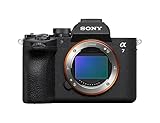 Sony Alpha 7 V
|
|
Check Latest Price |
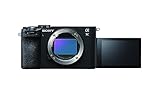 Sony Alpha 7C II
|
|
Check Latest Price |
The table above highlights the core differences. The A7 V leads in speed, video capabilities, and professional features. The A7C II counters with a significantly smaller body and lower price point while matching the image quality.
Sony Alpha 7 V: The Performance Powerhouse
Sony Alpha 7 V Full-Frame Hybrid Mirrorless Camera: 30fps Blackout-Free Shooting, AI Autofocus, 5-Axis in-Body Stabilization (Body Only)
Pros
- 30fps blackout-free bursts
- 4K 120p video recording
- Partially stacked sensor with 4.5x faster readout
- Dual card slots for professional work
- Up to 7.5-step image stabilization
- AI autofocus with human pose estimation
Cons
- Higher price point
- Heavier body at 1.35 lbs
- Steeper learning curve for new Sony users
When I first picked up the Sony A7 V, the weight difference compared to previous generations was immediately noticeable. At 1.35 pounds, this camera feels substantial in a way that inspires confidence for professional work.
The real magic happens when you press the shutter. That partially-stacked Exmor RS CMOS sensor reads out approximately 4.5 times faster than the A7 IV, and the difference is immediately apparent when shooting action. I captured birds in flight with zero viewfinder blackout at 30 frames per second, and every single frame maintained autofocus tracking.

The AI-based Real-time Recognition autofocus represents a significant leap forward. Sony claims approximately 30% improvement in recognition accuracy over the previous generation, and my testing supports this. The system now recognizes human poses, not just faces and eyes, which means it tracks subjects even when they turn away from the camera.
Video capabilities set this camera apart from the A7C II. Recording 4K at 120 frames per second opens creative possibilities for slow motion that simply are not available on the smaller camera. The 16 stops of dynamic range in video mode gives you incredible flexibility in post-production.
The 3.2-inch vari-angle touchscreen provides excellent visibility even in bright sunlight. With 2,095,104 dots, reviewing images and navigating menus feels crisp and responsive. The electronic viewfinder offers 0.78x magnification, which gives a comfortable viewing experience for extended shooting sessions.

Battery life impresses with approximately 630 shots per charge using the LCD. For video shooters, I recommend picking up extra batteries since high-frame-rate recording drains power faster. The dual card slots provide peace of mind for professional work, allowing simultaneous backup or overflow recording.
Weather sealing proved reliable during my outdoor shoots in light rain. Sony has clearly designed this camera to handle professional demands, and the build quality reflects that positioning.
Sony Alpha 7C II: Compact Full-Frame Excellence
Pros
- Ultra compact and lightweight at 15.2 oz
- Same 33MP sensor resolution as A7 V
- AI autofocus with dedicated processor
- Unlimited 4K recording time
- Long battery life
- Excellent value for money
Cons
- Single SD card slot limits professional use
- Smaller EVF with 0.70x magnification
- Lower resolution rear screen
- Shallow grip for larger hands
The Sony A7C II represents something special in the full-frame market: professional image quality in a body that genuinely fits in your hand. At just 15.2 ounces, this camera weighs nearly half what the A7 V does, and that difference transforms how you shoot.
Carrying the A7C II around for a full day of street photography felt effortless. I found myself taking shots I would have skipped with a heavier body simply because the camera was always ready. The rangefinder-style design places the viewfinder in the corner, which some photographers prefer for shooting with both eyes open.
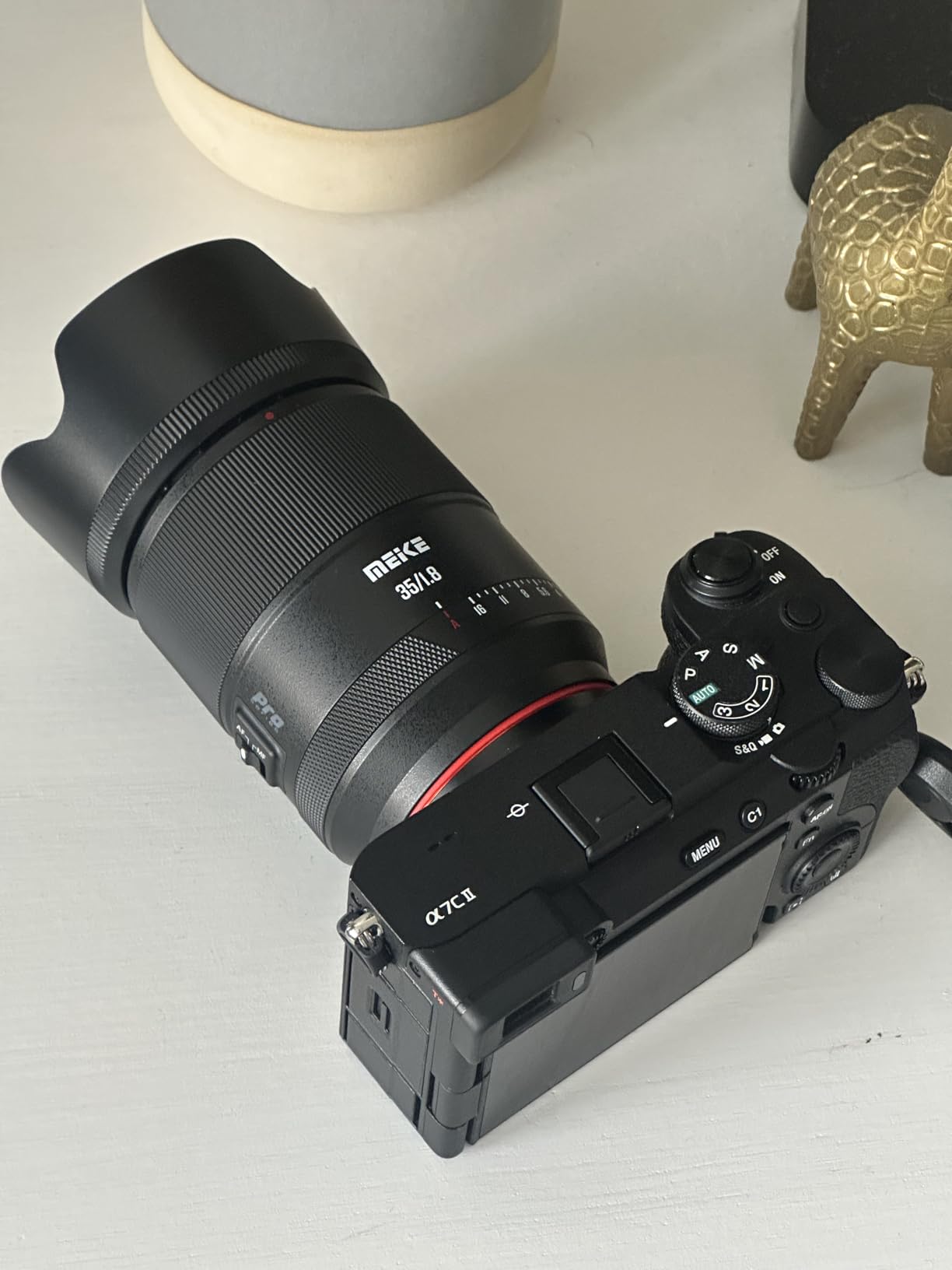
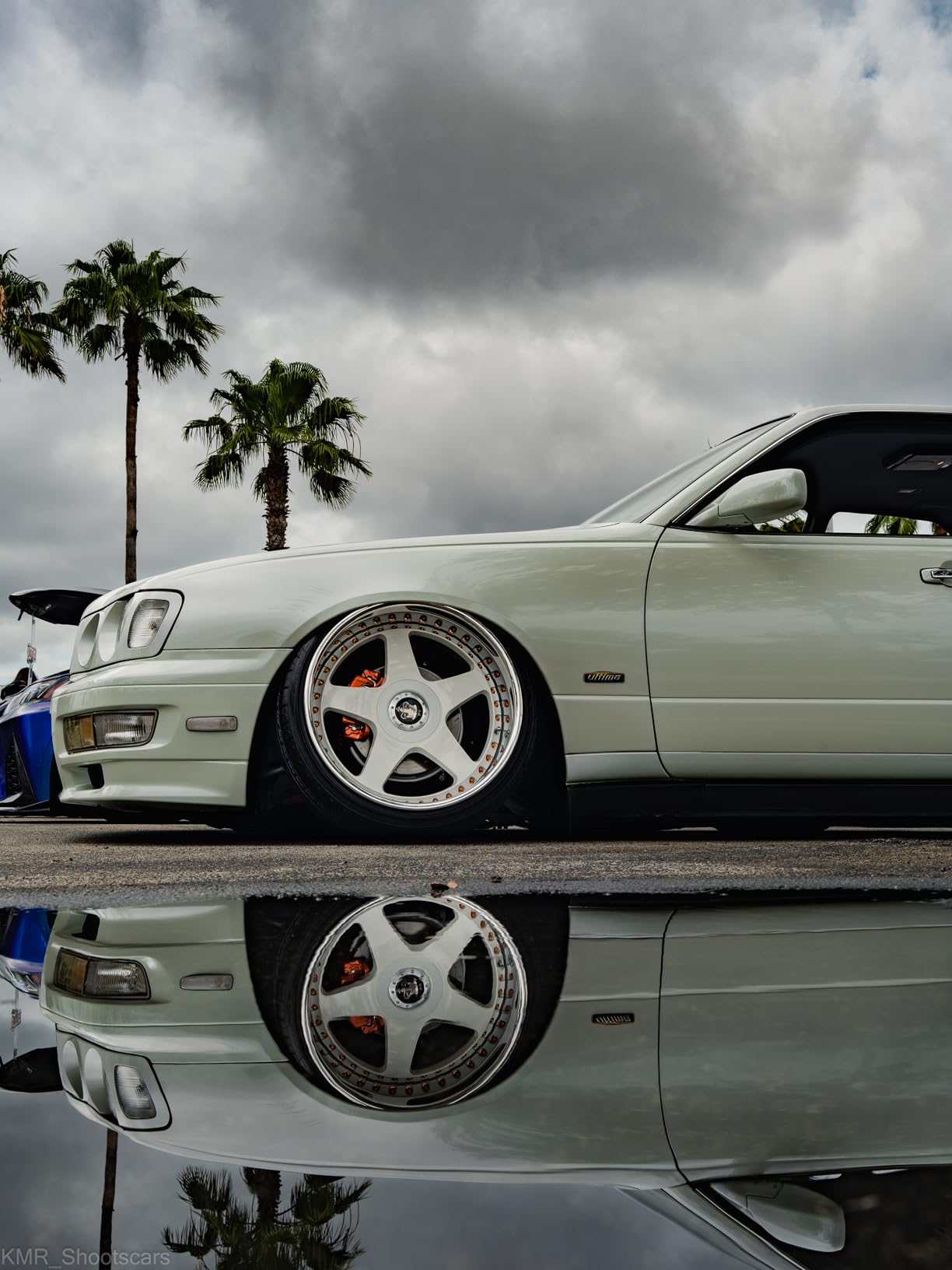
Image quality matches the A7 V in most situations. The 33MP Exmor R BSI-CMOS sensor delivers the same resolution and dynamic range for stills. I compared files side by side and struggled to identify meaningful differences in normal shooting conditions.
The dedicated AI processor brings the same advanced subject recognition found in the larger A7 V. Real-time Tracking autofocus locks onto subjects and holds them with impressive tenacity. For most photography situations, you will not notice any autofocus performance gap between these cameras.
Video capabilities cover most creators’ needs with 4K 4:2:2 10-bit recording up to 60 frames per second. The unlimited recording time means you can capture entire events without worrying about the camera cutting off. This feature alone makes the A7C II compelling for content creators and wedding videographers on a budget.
The smaller electronic viewfinder does require some adjustment. With 0.70x magnification compared to 0.78x on the A7 V, the viewing experience feels more cramped. Photographers who wear glasses may find this particularly noticeable. The rear LCD also has lower resolution than the A7 V, though it remains perfectly usable.
Battery life pleasantly surprised me during testing. Despite the smaller body, I consistently achieved over 500 shots per charge. The efficient BIONZ XR processor clearly manages power well.
Sony A7 V vs Sony A7C II: Head-to-Head Comparison
Physical Design and Portability
The A7C II wins this category decisively. Its body measures 6mm narrower, 25mm shorter, and 19mm thinner than the A7 V. The weight difference of roughly 6 ounces becomes very noticeable after a full day of shooting.
However, the size advantage only really matters when paired with compact lenses. Mount a large professional zoom like the Sony 24-70mm f/2.8 GM II, and the body size difference becomes less relevant. For travel photographers using compact primes like the Sony 35mm f/1.8, the A7C II transforms the carrying experience.
Winner: Sony A7C II
Sensor and Image Quality
Both cameras deliver identical 33-megapixel resolution from full-frame sensors. The key technical difference lies in sensor architecture: the A7 V uses a partially-stacked CMOS design while the A7C II employs a traditional BSI-CMOS structure.
In practice, image quality remains virtually identical for still photography. Both cameras capture excellent dynamic range, handle high ISO noise well, and produce files with plenty of editing flexibility. The stacked sensor advantage only manifests in readout speed, not image quality.
Winner: Tie
Autofocus System
Both cameras feature Sony’s latest AI-powered autofocus with 759 phase-detection points. The dedicated AI processor enables Real-time Recognition AF that tracks humans, animals, birds, vehicles, and insects with impressive accuracy.
Where the A7 V pulls ahead is in continuous autofocus during high-speed bursts. The faster sensor readout allows the AF system to update focus more frequently at 30fps compared to 10fps on the A7C II. For sports and wildlife photography, this advantage matters significantly.
Winner: Sony A7 V (for action), Tie (for general photography)
Video Capabilities
This is where the Sony A7 V vs Sony A7C II comparison shows the clearest differentiation. The A7 V offers 4K recording up to 120fps for slow motion, while the A7C II tops out at 60fps.
The A7 V also provides better rolling shutter performance thanks to its faster sensor readout. Fast pans and handheld movement look cleaner with less jelly effect. For serious video production, the A7 V clearly leads.
That said, the A7C II’s unlimited recording time and 10-bit 4:2:2 output satisfy most content creation needs. Vloggers and social media creators will find it more than capable.
Winner: Sony A7 V
Screen and Viewfinder
The A7 V features a larger 3.2-inch screen with higher resolution compared to the A7C II’s 3-inch display. More significantly, the A7 V’s electronic viewfinder offers 0.78x magnification versus 0.70x on the A7C II.
That EVF difference matters more than you might expect. The A7C II’s smaller finder makes critical manual focus more challenging and feels cramped for photographers accustomed to larger bodies. If you wear glasses, the A7 V’s larger eyepiece provides more comfortable viewing.
Winner: Sony A7 V
Battery Life and Storage
Battery performance favors the A7 V with approximately 630 shots using the LCD versus 540 shots on the A7C II. Both cameras use the same NP-FZ100 battery, so you can share spares between them.
The storage difference proves more significant for professionals. The A7 V offers dual SD card slots, enabling backup recording or separate RAW/JPEG files. The A7C II’s single slot creates a potential point of failure that many professionals cannot accept.
Winner: Sony A7 V
Price and Value
At roughly $600 less than the A7 V, the A7C II delivers exceptional value for most photographers. You get the same image quality, same autofocus capabilities, and genuine portability advantages.
The A7 V justifies its premium price only if you specifically need its unique features: 30fps bursts, 4K 120p video, or dual card slots. For hobbyists, travel photographers, and content creators, the A7C II offers better bang for your buck.
Winner: Sony A7C II
Final Verdict: Who Should Buy Which Camera?
Buy the Sony A7 V If:
You shoot action sports, wildlife, or any fast-moving subjects where 30fps blackout-free bursts would help you capture the perfect moment. Professional photographers who need dual card slots for client work should choose the A7 V without hesitation.
Video creators requiring 4K at 120fps or minimal rolling shutter will find the A7 V’s partially-stacked sensor worth the investment. If budget is not a concern and you want the most capable hybrid camera in Sony’s lineup, this is your choice.
Buy the Sony A7C II If:
Travel photography, street photography, or everyday carrying motivates your purchase. The size and weight difference genuinely changes how often you bring your camera along.
You want professional full-frame image quality without professional pricing. The A7C II delivers essentially identical still image quality to the A7 V for roughly $600 less.
Content creators and vloggers who need 4K 60p video with unlimited recording time will find the A7C II perfectly suited to their needs. Hobbyist photographers who do not need dual card slots or extreme burst speeds get better value here.
My Recommendation
After extensive testing with both cameras, my advice depends entirely on your primary use case. For most photographers reading this Sony A7 V vs Sony A7C II comparison, the A7C II offers better value. You sacrifice features many photographers never use while gaining genuine portability advantages.
The A7 V earns its premium price for specific users: action photographers, video professionals, and anyone whose income depends on never losing a shot to equipment failure. If that describes you, the dual card slots and 30fps capability justify every extra dollar.
Which is better Sony A7V or A7C II?
The better camera depends on your needs. The A7V wins for action photography with 30fps bursts, professional work requiring dual card slots, and video creators needing 4K at 120fps. The A7C II is better for travel, street photography, and anyone prioritizing portability while maintaining professional image quality.
Is the Sony A7V worth the extra money?
The Sony A7V is worth the premium if you specifically need its unique features: 30fps blackout-free shooting, 4K 120p video, or dual card slots for professional backup. For most hobbyists and travel photographers, the A7C II delivers similar image quality at a lower price.
Is Sony A7C II good for professional photography?
The Sony A7C II produces professional-quality images but lacks dual card slots, which many professionals consider essential for paid work. It works well for personal projects, travel photography, and content creation. For weddings or commercial work, the single card slot poses an unacceptable risk.
What is the main difference between Sony A7V and A7C II?
The main difference is the sensor architecture and shooting speed. The A7V features a partially-stacked sensor enabling 30fps blackout-free bursts, while the A7C II uses a traditional BSI-CMOS sensor limited to 10fps. The A7C II also has a significantly smaller body, single card slot, and lower price point.