
Three things end a pair of earbuds for most runners, and none of them is sound quality. The first is a bud that leaves your ear canal at the top of an interval rep. The second is a driver that gives up after two months of sweat. The third is a sealed fit that blocks the sound of a car crossing the driveway behind you. I have logged enough miles with enough pairs of sport earbuds to know that the best earbuds for running solve those three problems before they worry about frequency response.
That is why this guide covers twelve models with completely different architectures. Two use bone conduction and never touch your ear canal. Three clip onto the outside of your ear. Six seal the canal with a hook or wing that survives impact. One carries a heart rate sensor that removes the need for a chest strap. Every one of them is rated for sweat, and every one of them is rated differently, which is a detail most buying guides gloss over.
We also drew on what owners report after months rather than days. The durability conversation in running communities is blunt: threads on r/Runners about losing three pairs in two months have shaped the IP rating advice below. Owners running 30k a week on the Wahoo forum talk about fit and battery endurance far more than sound signature. We weighted that experience heavily, because a two-week review never catches a corroding charging contact.
Over the next few minutes you will get a ranked list, a full comparison table, and a buying guide that answers the questions runners actually ask us. If you want a shortcut, our picks for the best earbuds for running in 2026 are the Shokz OpenRun Pro, the Soundcore V20i, and the Beats Powerbeats Pro 2. We also link our broader guides to running earbuds deals and workout earbuds deals if you want the gym-side shortlist too.
Top 3 Picks for Best Earbuds for Running in 2026
These are the three pairs we would hand to a runner with different priorities. The OpenRun Pro wins on comfort and durability, the V20i wins on awareness at a price that undercuts most sport buds, and the Powerbeats Pro 2 wins on training data. If you only buy one, buy the first one.


Best Earbuds for Running (October 2026)
This table lists every pair in the guide with the specs that decide whether it survives a run. Ratings and review counts are the current Amazon figures, which shift as owners keep logging long-term wear.
| Product | Specifications | Action |
|---|---|---|
| SHOKZ OpenRun Pro |
|
Check Latest Price |
 Soundcore V20i Soundcore V20i |
|
Check Latest Price |
| Beats Powerbeats Pro 2 |
|
Check Latest Price |
 SHOKZ OpenRun Pro 2 SHOKZ OpenRun Pro 2 |
|
Check Latest Price |
 Soundcore Sport X20 Soundcore Sport X20 |
|
Check Latest Price |
 Aptkdoe 75H Sport Earbuds Aptkdoe 75H Sport Earbuds |
|
Check Latest Price |
 bmani T16 Earbuds bmani T16 Earbuds |
|
Check Latest Price |
 JLab Go Sport+ JLab Go Sport+ |
|
Check Latest Price |
 Ordtop Sport 70H Ordtop Sport 70H |
|
Check Latest Price |
 kurdene Secure Earhook kurdene Secure Earhook |
|
Check Latest Price |
 Csasan V90 Sport Csasan V90 Sport |
|
Check Latest Price |
 Soundcore C50i Soundcore C50i |
|
Check Latest Price |
1. SHOKZ OpenRun Pro — The Most Comfortable Running Earbuds You Can Buy
Pros
- Zero ear pressure or heat over long runs
- Never falls out or needs repositioning
- Works with helmets caps and glasses
- Owners report the same pair lasting 4-5 years
- Silent to bystanders on trains and in offices
Cons
- Less bass than sealed in-ear headphones
- Audio washes out beside busy roads
- Proprietary magnetic charging cable
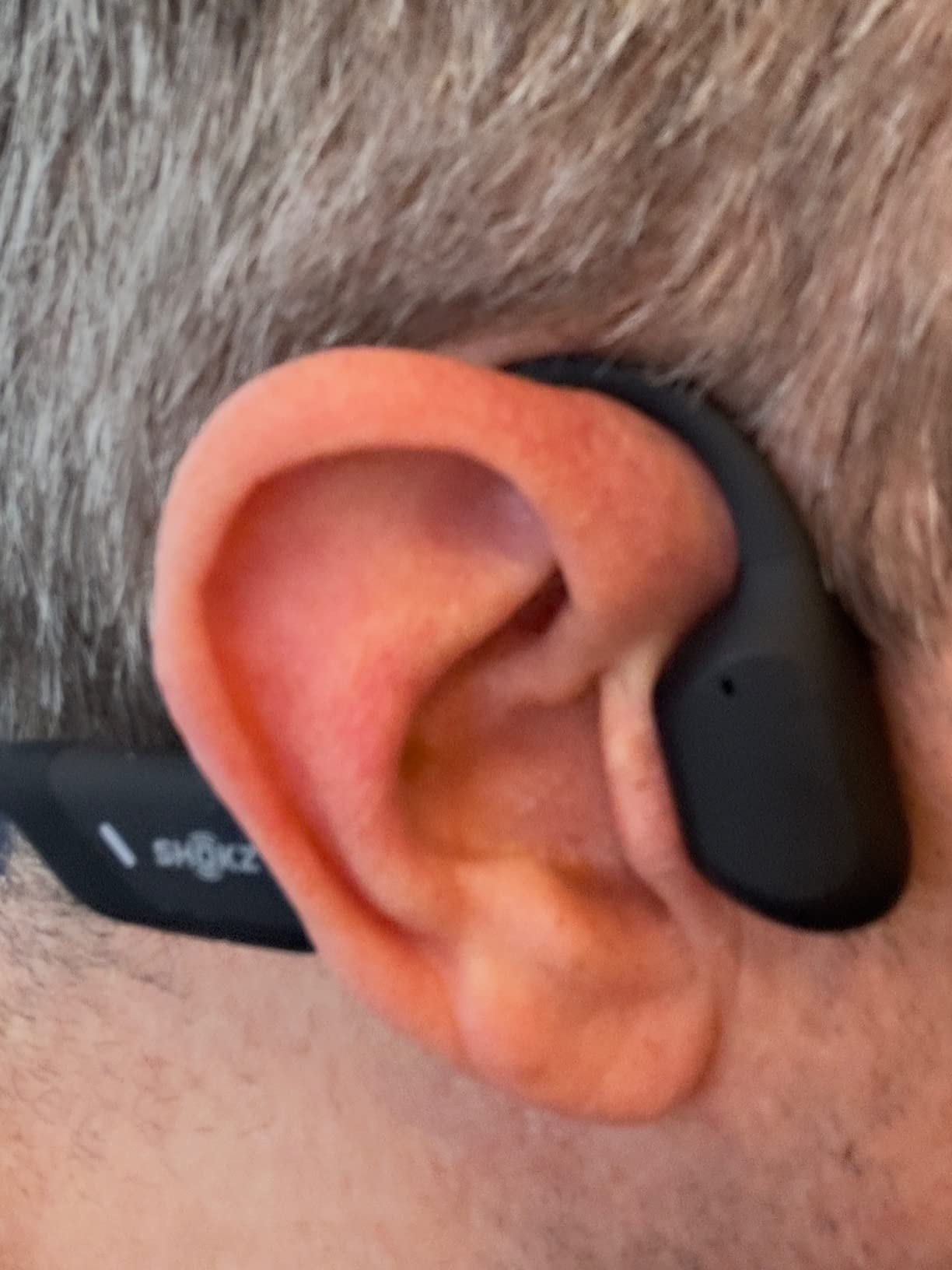
I put these in first because they solve the comfort problem better than anything else I have tested. The frame wraps behind your head and rests on your cheekbone, so nothing sits in the ear canal at all. On a two-hour run my ears stay completely cool, and I genuinely forget I am wearing them by the second mile.
The secure fit claim is not marketing. The titanium frame has no hinge or swivel point to break, which is why owners report keeping the same pair for four to five years. A Wahoo forum user who runs 30k a week including hill repeats says they have no hesitation recommending them on both long and fast sessions. That is the kind of repeat use that separates a training tool from a gadget.
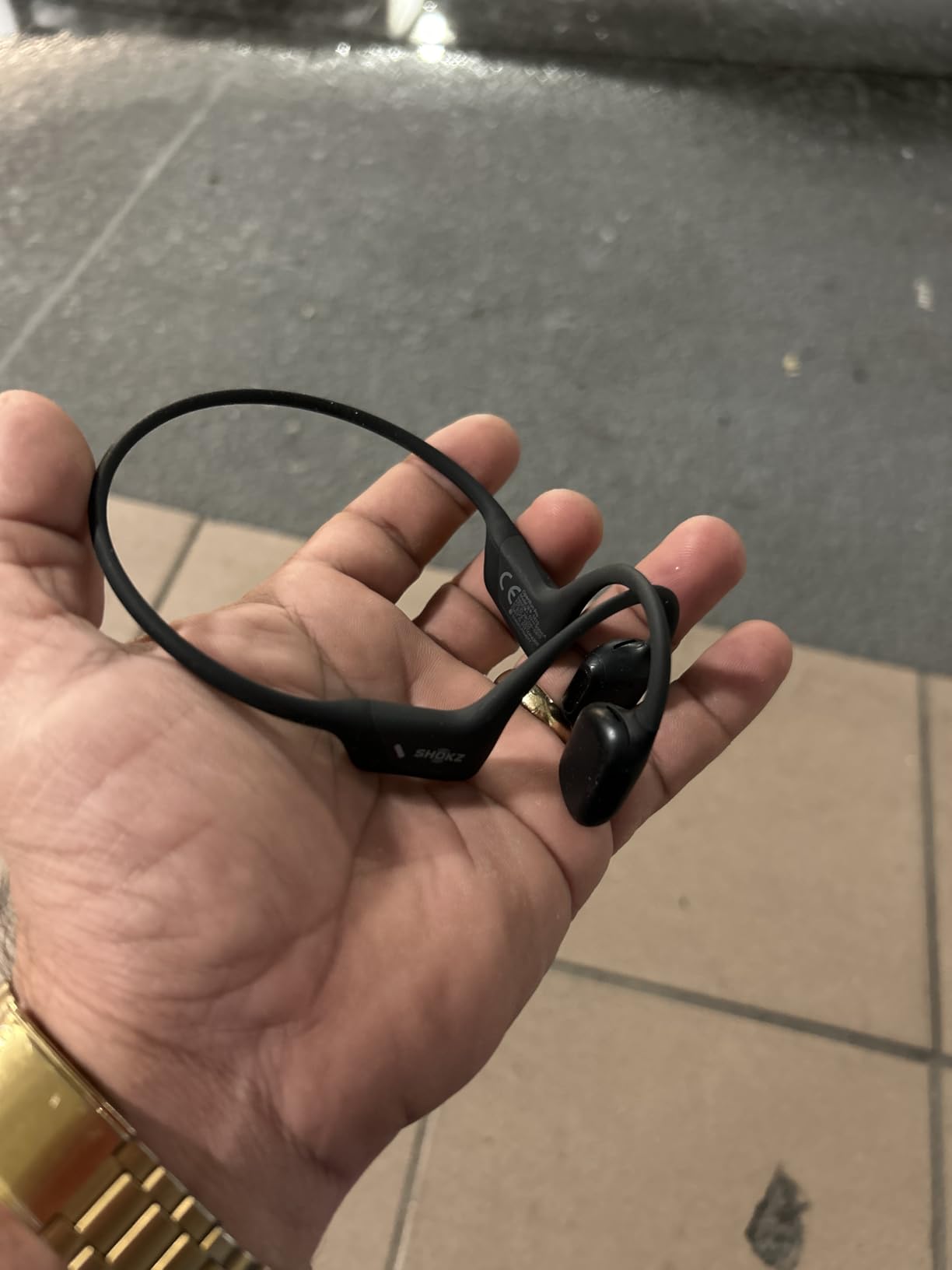
Battery life is 10 hours, with a 5-minute quick charge returning about 1.5 hours. That covers a long run or a full cycle ride with room to spare, though it is short of a full day of calls. The included sport headband helps on windy days when the frame can shift, and the hard shell case is the one bit of protection you should not leave in a shorts pocket.
Sound is the trade you accept. TurboPitch technology keeps voices and podcasts clear, and the bass is present enough to keep pace with, but it will never match a sealed in-ear driver. Next to a main road you will find yourself turning it up, and some listeners report a tingle on the cheekbone at maximum volume with bass-heavy tracks.
Who this fits best
Long-run and marathon-block runners who finish with tender ears on sealed buds. Trail runners and cyclists who wear a helmet or a cap will find the wraparound frame more forgiving than any in-ear hook. Anyone running near traffic or on shared paths gets awareness that no ANC-equipped earbud can match, because the canal is never blocked.
Where it falls short
Buy something else if bass is your main motivation, or if you run beside major roads where wind and engine noise dominate. The proprietary magnetic charger is the most common practical complaint in reviews, and the standard size can leave a gap at the back of your head that interferes with close-fitting caps. The Mini size solves that for many people, so check which size ships with the pair you are buying.
2. Soundcore V20i — Best Awareness Per Dollar
Pros
- Open-ear comfort with no canal pressure
- Four positions let you dial in a stable fit
- 16mm drivers deliver real bass for an open design
- IP55 handles sweat and dust
- App EQ and tune-synced lights
Cons
- No isolation means traffic and gym noise leak in
- Bass is gentler than clip-on designs with bigger drivers
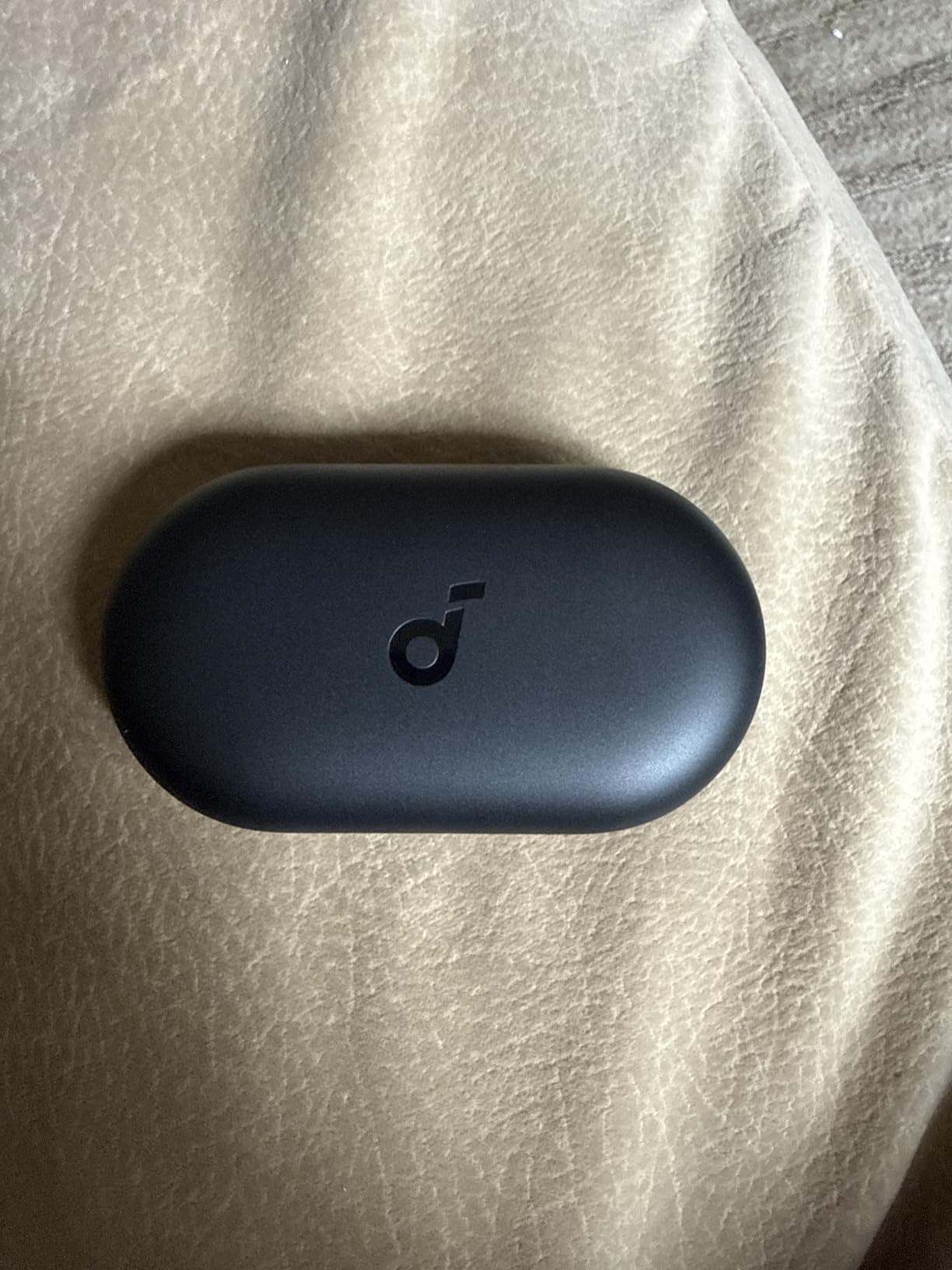
This is the pair I recommend when a runner wants an open-ear feel without paying premium-brand money. The bud rests outside the canal entirely, and the housing rotates through four positions so you can angle it toward the front of your ear for a firmer seal during sprints. That adjustability is the difference between a bud that survives intervals and one that does not.
Soundcore put 16mm titanium-coated drivers in here, which is generous for an open-ear design, and BassUp adds a low-end lift that genuinely carries on an easy run. It will not isolate you from a treadmill’s motor hum or a gym’s music, but for road running where ambient sound is a feature rather than a flaw, that is exactly what you want.
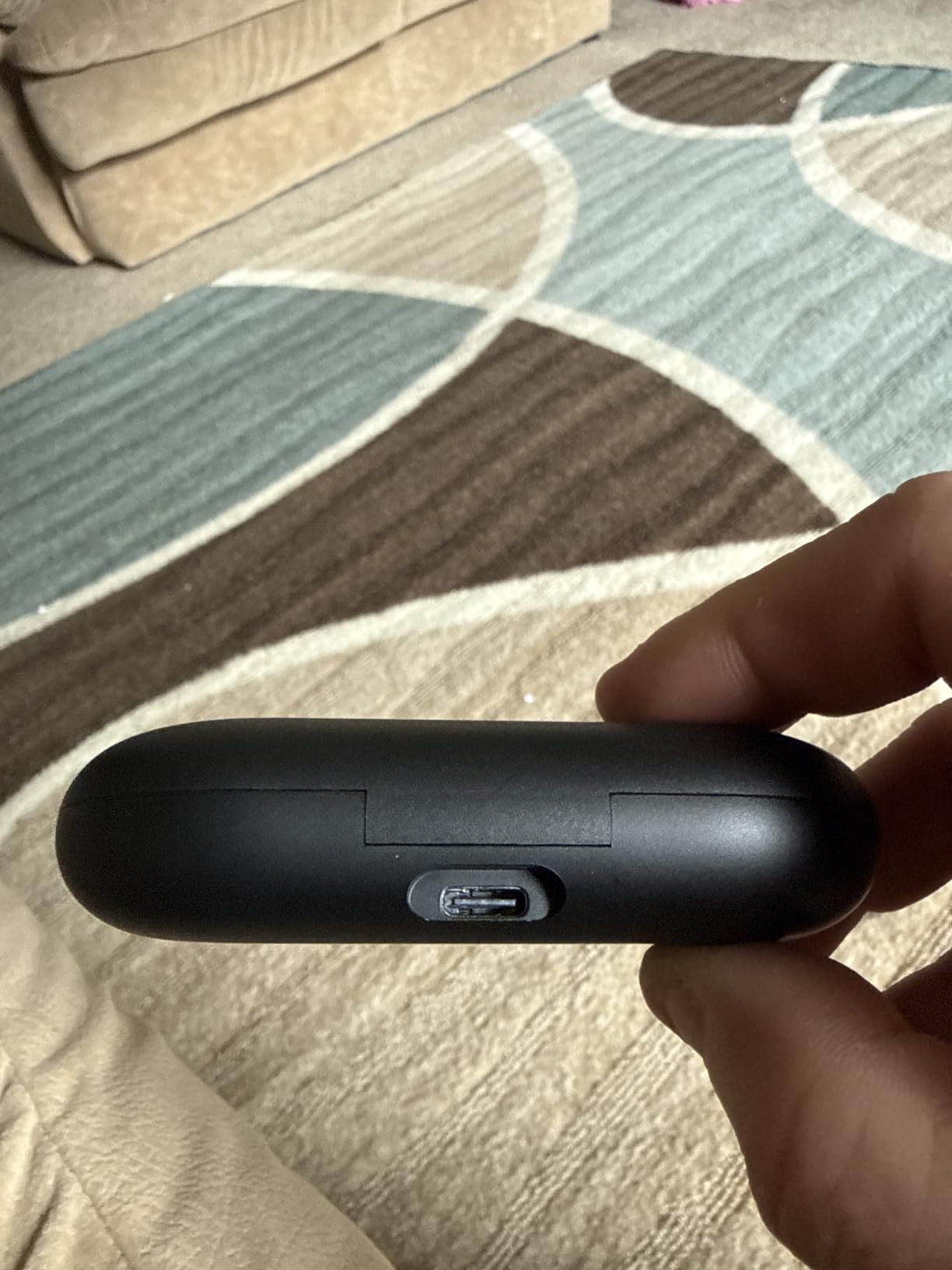
Battery figures are 8 hours per earbud and 36 hours with the 700mAh case, and a full case charge takes about 1.5 hours. Four microphones with AI noise reduction keep calls clear on a windy pavement, and Bluetooth 5.4 handles a crowded race start without drama. The 18-month warranty is longer than most competitors offer at this level.
There is no fit hardware to break because there is nothing wrapping your ear. That is a genuine durability advantage over hook designs, and it also means the 76.4g total weight mostly sits in the case rather than on your head. The tune-synced lights are a small extra that some runners use as a pace cue.
Who this fits best
Road runners and treadmill users who want traffic awareness and an open, pressure-free fit for a fraction of the cost of a bone conduction frame. It is also a good first open-ear pair if you are transitioning from sealed buds, because the sound is fuller than most bone conduction models. Glasses wearers have no conflict with this format at all.
Where it falls short
The honest limit is bass and the absence of any isolation. If you train in a loud commercial gym or run with a bus route alongside you, you will find yourself competing with the environment for attention. Because there is no ear canal seal, there is also no passive attenuation, so do not expect these to protect your hearing in a noisy room the way sealed buds do.
3. Beats Powerbeats Pro 2 — Built for Interval Work and Heart Rate Tracking
Pros
- Earhook holds through sprints lifts and classes
- Heart rate tracking removes the chest strap
- 45-hour total battery with wireless Qi case
- Six microphones for clear calls on the move
Cons
- IPX4 is lighter protection than IPX7 or IPX8 rivals
- Heavier and bulkier than open-ear designs
- USB-C to USB-C cable sold separately
The single most talked-about feature here is the heart rate sensor. It pulses over 100 times per second and reads directly from your ear, so if you were training with a chest strap only for pace data, you can now leave it behind. It syncs to the Beats app and to Apple Watch, which is where the polish lives.
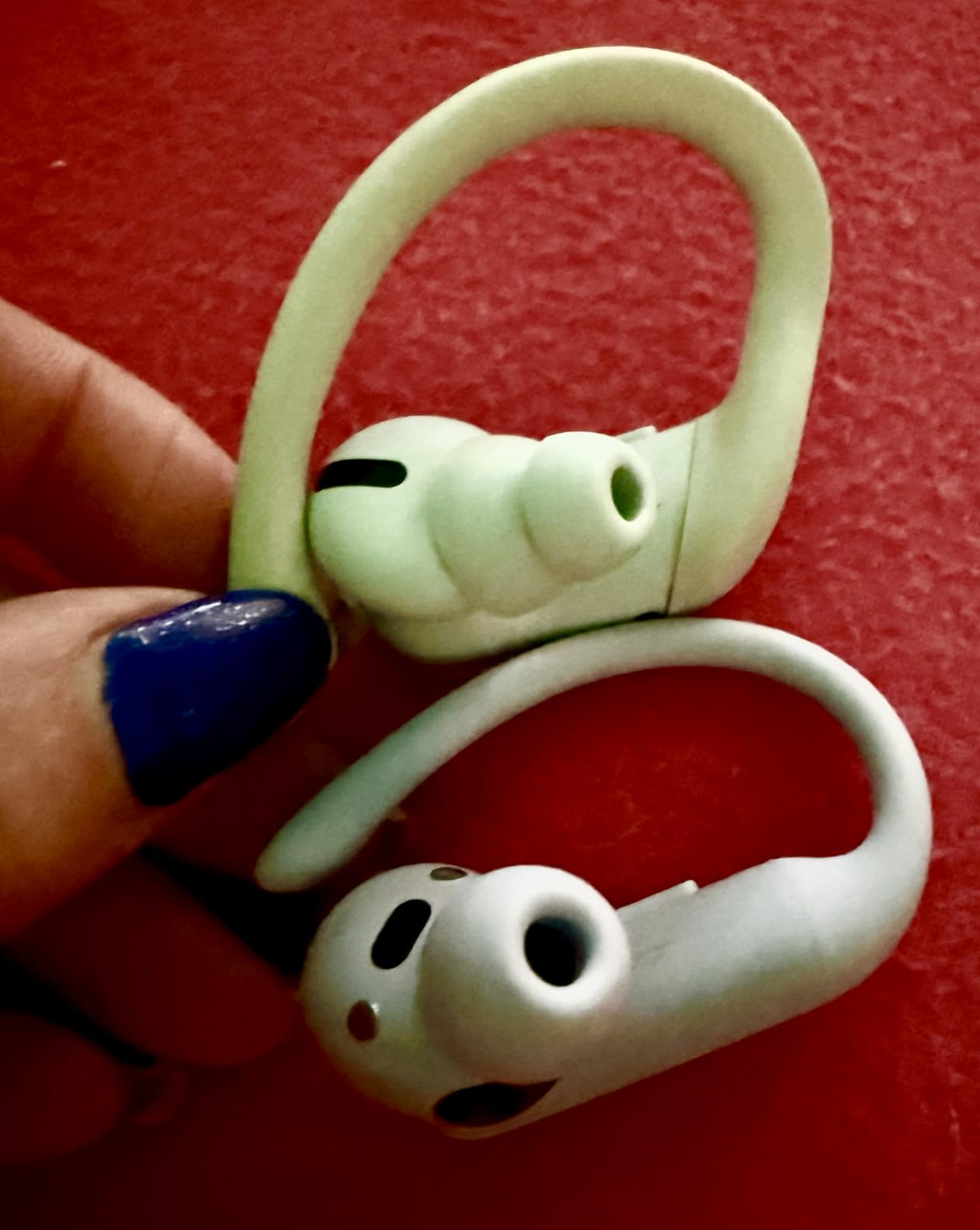
Fit is the second story. Beats validated the secure-fit earhook across 1500 hours of athlete testing, and the nickel titanium alloy frame gives it real spring tension rather than a rigid plastic arm. On sprint work and box jumps the buds stayed put for me where lighter plastic hooks have slipped. The frame is 20% lighter than the previous generation, and five ear tip sizes help with seal.
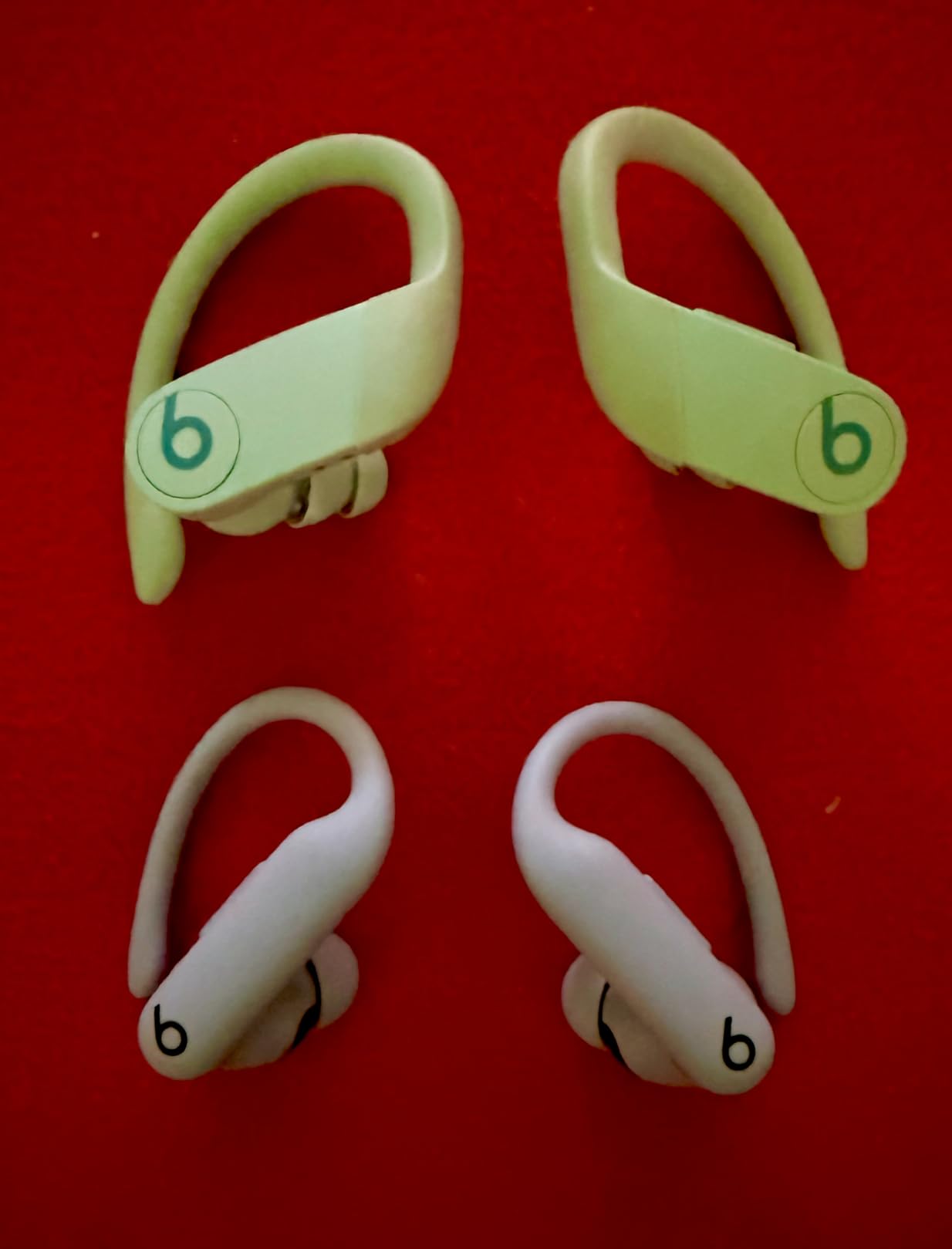
Battery is the standout spec: up to 45 hours total with the Qi charging case, and Fast Fuel gives 1.5 hours of playback from a 5-minute charge. Active Noise Cancelling handles gym and transit noise, while Transparency mode lets traffic in when you step outside. On-ear buttons and tactile volume rockers mean you can change tracks without looking at a phone.
Adaptive EQ and Personalized Spatial Audio with head tracking work best on Apple hardware, and on Android you get full access through the Beats app. The Apple H2 chip handles one-touch pairing, automatic device switching, and hands-free Siri, so this sits firmly inside the Apple ecosystem.
Who this fits best
Runners training with structured intervals who want zone data without a strap, and anyone whose watch battery runs out at mile 18. It is also the pick for strength and hybrid athletes since the hook survives lifting and rope work. Apple users get meaningfully more from the chip features than Android users will.
Where it falls short
The IPX4 rating covers sweat and water resistance but stops short of the IPX7 and IPX8 ratings on several cheaper rivals. If you run in heavy rain or snow often, that gap matters. The hook and tips add bulk, and at 77.7g these are among the heavier pairs here, which shows up on a very long run. The USB-C to USB-C cable is not in the box.
4. SHOKZ OpenRun Pro 2 — The Long Trail and Ultra Pick
Pros
- Air conduction driver adds bass missing from older bone conduction
- 12 hours covers ultra-distance efforts
- Physical buttons work with gloves and sweat
- Zero ear fatigue over very long outings
Cons
- Bass still trails sealed in-ear headphones
- Standard size can conflict with caps and helmets
- No noise cancelling for loud environments
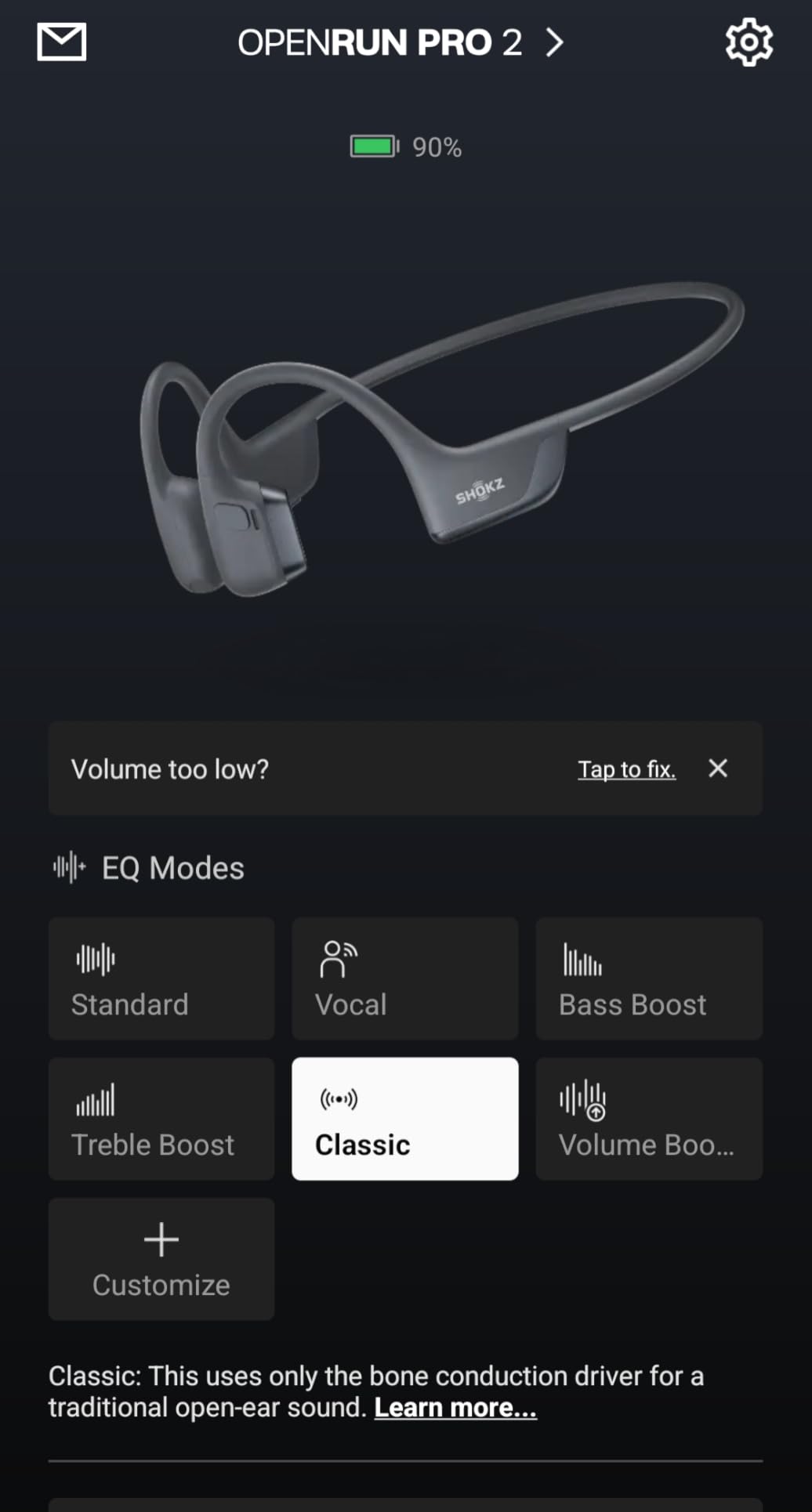
The headline change from the first generation is the dual driver setup. Bone conduction handles the highs and midrange while an air conduction driver handles the bass, which closes most of the gap that made bone conduction sound thin. Voices and podcasts came through clearly in my testing, and the app offers a Classic bone-conduction mode plus Volume Boost when you need more push.
Battery life is 12 hours, up from 10, and a fast charge covers a long effort without a mid-run top-up. A Wahoo forum runner describes using the OpenRun Pro 2 on six runs a week up to 30k including hill and speed work, and that is the durability profile you want before signing up for a fifty-miler.
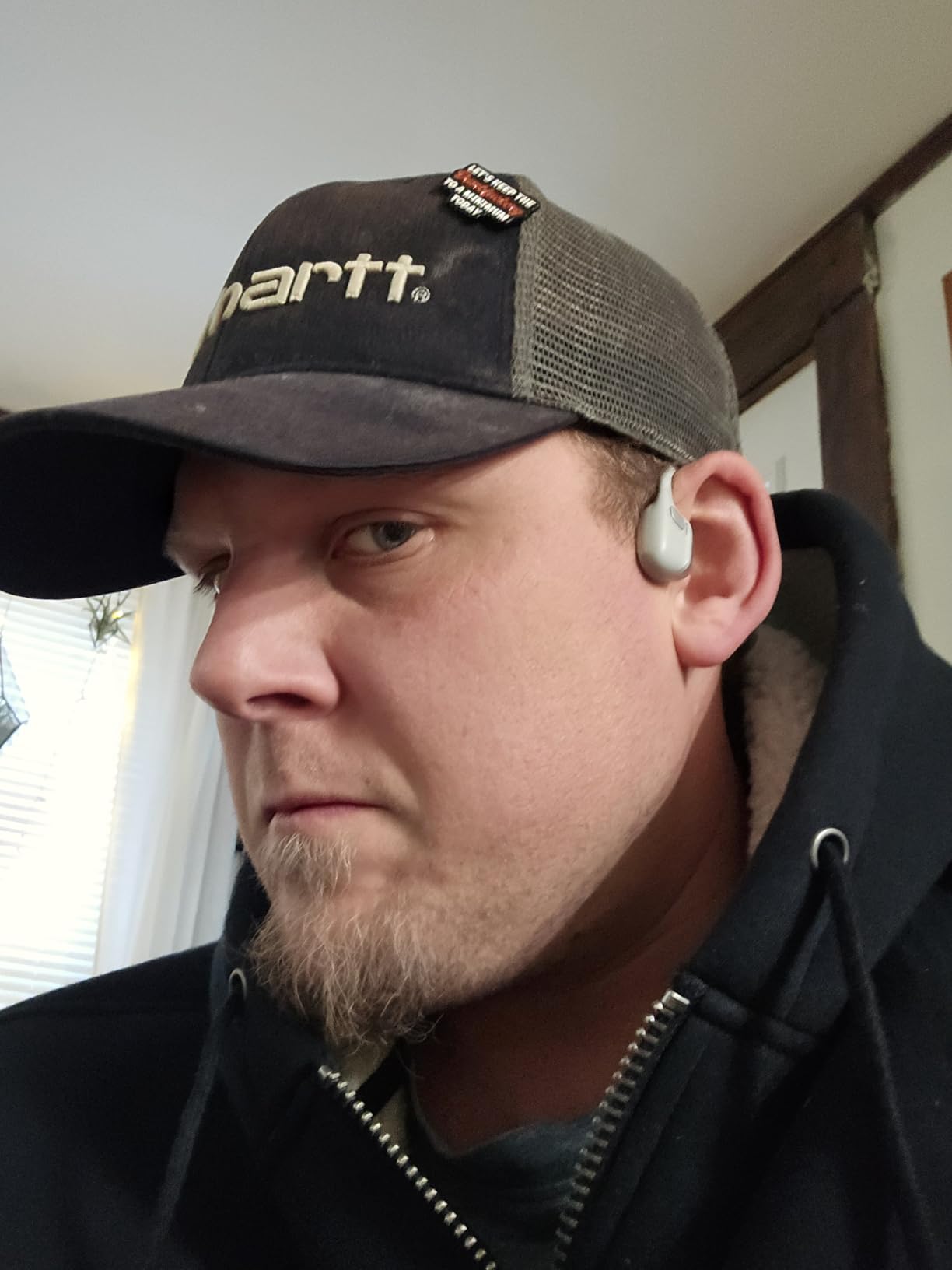
Call quality is genuinely better than most open-ear rivals. Dual wind-resistant microphones with AI noise reduction filter 96.5% of background noise and hold up up to 15 mph, which matters if you take work calls from a windy trail. Bluetooth 5.3 with a 33-foot range means you can leave the phone in a vest pocket.
The Ni-Ti alloy memory wire unibody frame is what gives this its pressure points, and for a few people that is a negative. The frame itself weighs 30.3g, and both standard and Mini sizes ship, which matters because a tight standard size can leave a gap behind the head. Check that before you commit to a long run.
Who this fits best
Ultra and marathon-block runners who want a single charge to last the whole effort, and anyone whose phone stays in a pocket or vest. It handles cold mornings and wet weather runs better than most, since there is no canal to trap water. Glasses wearers are fine, and the frame clears a bike helmet.
Where it falls short
There is no noise cancelling at all, so a busy gym or a road with heavy traffic will overpower it. The maximum volume ceiling on some ears is a common note, and the case does not charge the device, so you are planning around a cable. Apple ecosystem integration is weaker than the H2 chip rivals.
5. Soundcore Sport X20 — The Best Value Earhook With Real ANC
Pros
- Ear hook extends and rotates 30 degrees for a locked fit
- Effective ANC cuts gym noise and even a drill
- IP68 protection survives sweat and rain
- Works with glasses and stays comfortable for hours
Cons
- Bass-heavy tuning that needs EQ adjustment
- Included silicone tips are basic
- Some owners report charging and connectivity issues over time
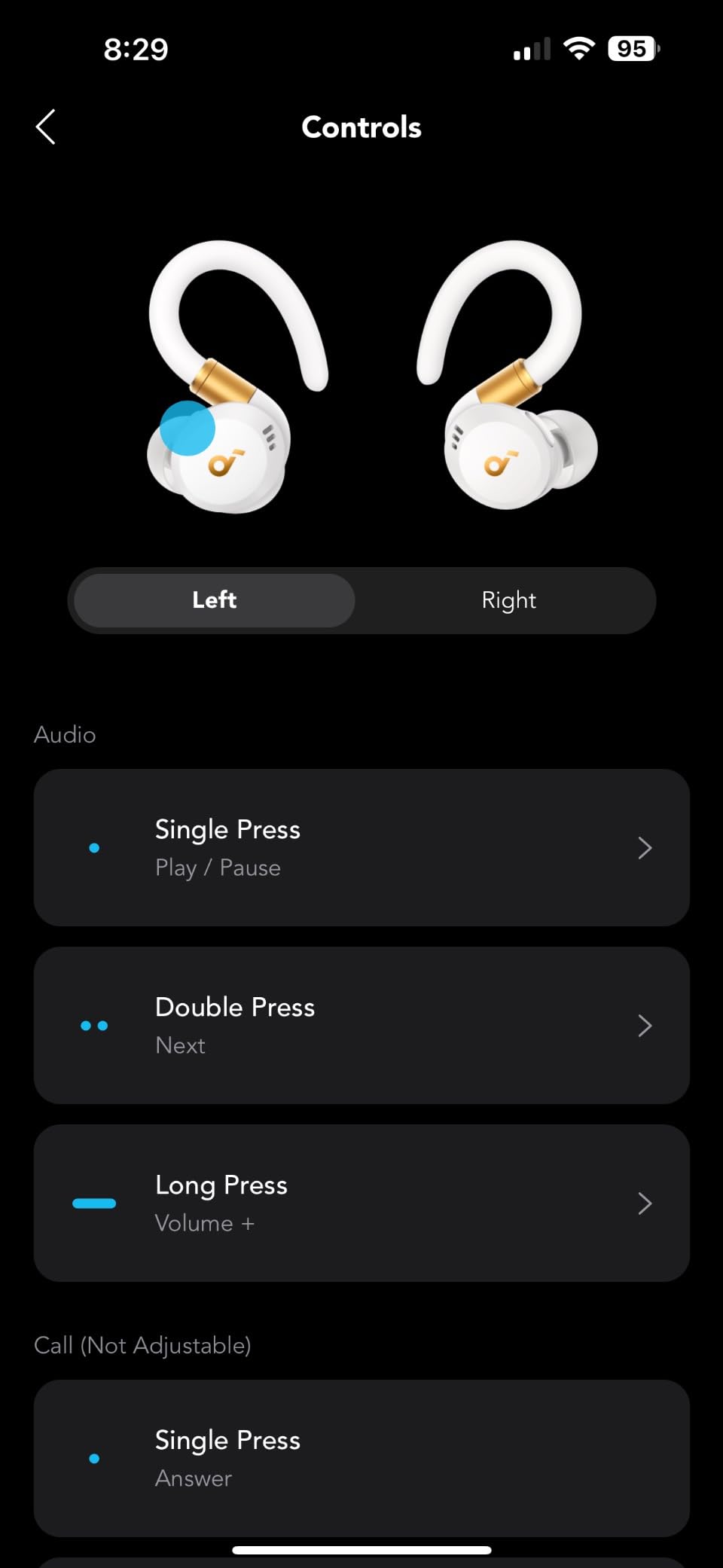
This is the pair that punches above its class on hardware. The ear hooks extend and rotate up to 30 degrees and 4mm, which is a real adjustment range rather than a decorative swivel, and it is the reason the fit holds through hard running. A Reddit runner described the hooks as circling the ears and staying in place, adding the fair caveat that fit and sweat tolerance vary person to person.
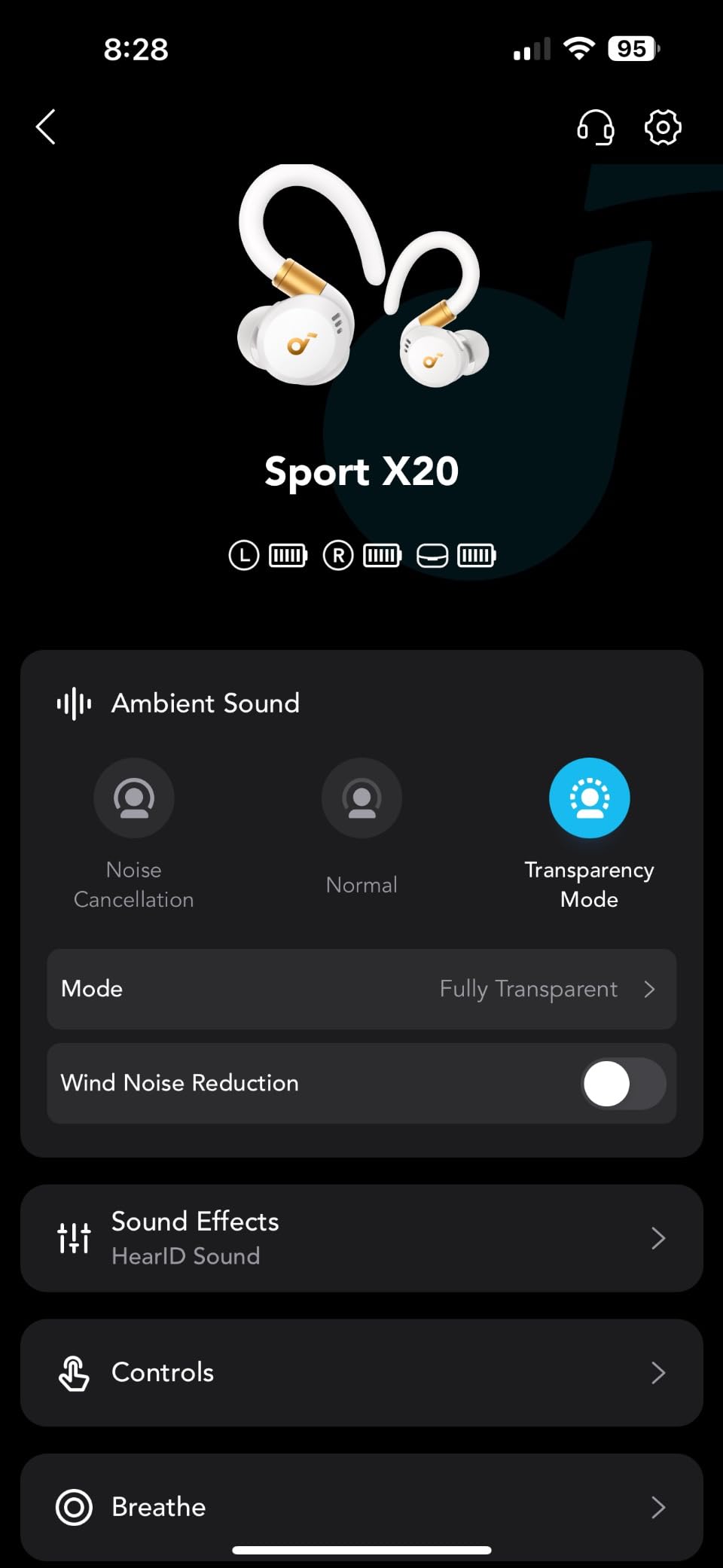
Active noise cancelling with manual adjustment and an adaptive mode is unusual at this level, and it handled a noisy gym floor better than expected. The 11mm dynamic drivers with BassUp give a genuinely punchy low end, though the signature is bass-heavy enough that I pulled it back a few notches in the app EQ.
Water protection is the standout: an IP68 rating with SweatGuard and a cavity design rated against water, sweat, and dust. That is the highest rating in this guide, and for a runner who sweats heavily or trains in the rain it removes the biggest durability risk. Battery is 12 hours per charge and 48 hours from the 580mAh case, with an 18-month warranty.
The recurring complaint in reviews is long-term reliability of the case and the Bluetooth link rather than the audio. Some owners report dropouts or buds that will not dock properly after several months, so it is worth keeping the case in a dry bag and cleaning the contacts periodically.
Who this fits best
Runners who want a sealed, bassy fit with genuine noise cancelling and the highest water rating available here. It also works with glasses, which rules out many rigid hooks, and the 2.08-ounce weight keeps it from feeling heavy over distance. Gym and indoor athletes get the most from the ANC.
Where it falls short
The included silicone tips are basic, and swapping in foam or third-party tips changes the sound and the isolation noticeably. Owners who listen to acoustic or vocal material usually want to fix the EQ first. If you already own a pair that has started failing, be aware of the reported case and dropout issues before you settle in.
6. Aptkdoe 75H Sport Earbuds — For Runners Who Hate Charging Mid-Week
Pros
- TPU ear hooks stay put during jogging and gym work
- 75-hour total battery with dual LED display
- IPX7 coating handles sweat and rain
- Button controls work with gloves and wet hands
Cons
- Bass-leaning sound rather than balanced
- No active noise cancelling for calls only ENC
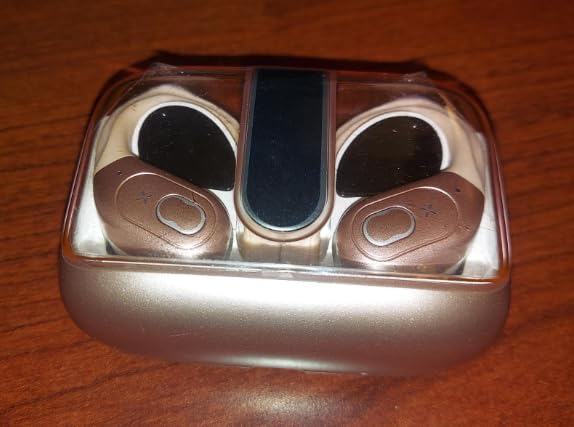
Flexible TPU ear hooks do the retention work here, and three eartip sizes are included so you can find a seal. The hook material is softer than the nickel titanium on premium models, which reduces pressure behind the ear on long runs and makes the pair easier to sleep in if you like.
The dual LED display case is the feature I appreciate most. It shows remaining battery for the case and the buds, which removes the guessing game that sends people out on a long run with one bud at 4%. A 15-hour per charge figure means most runners will touch the case once a week rather than daily.
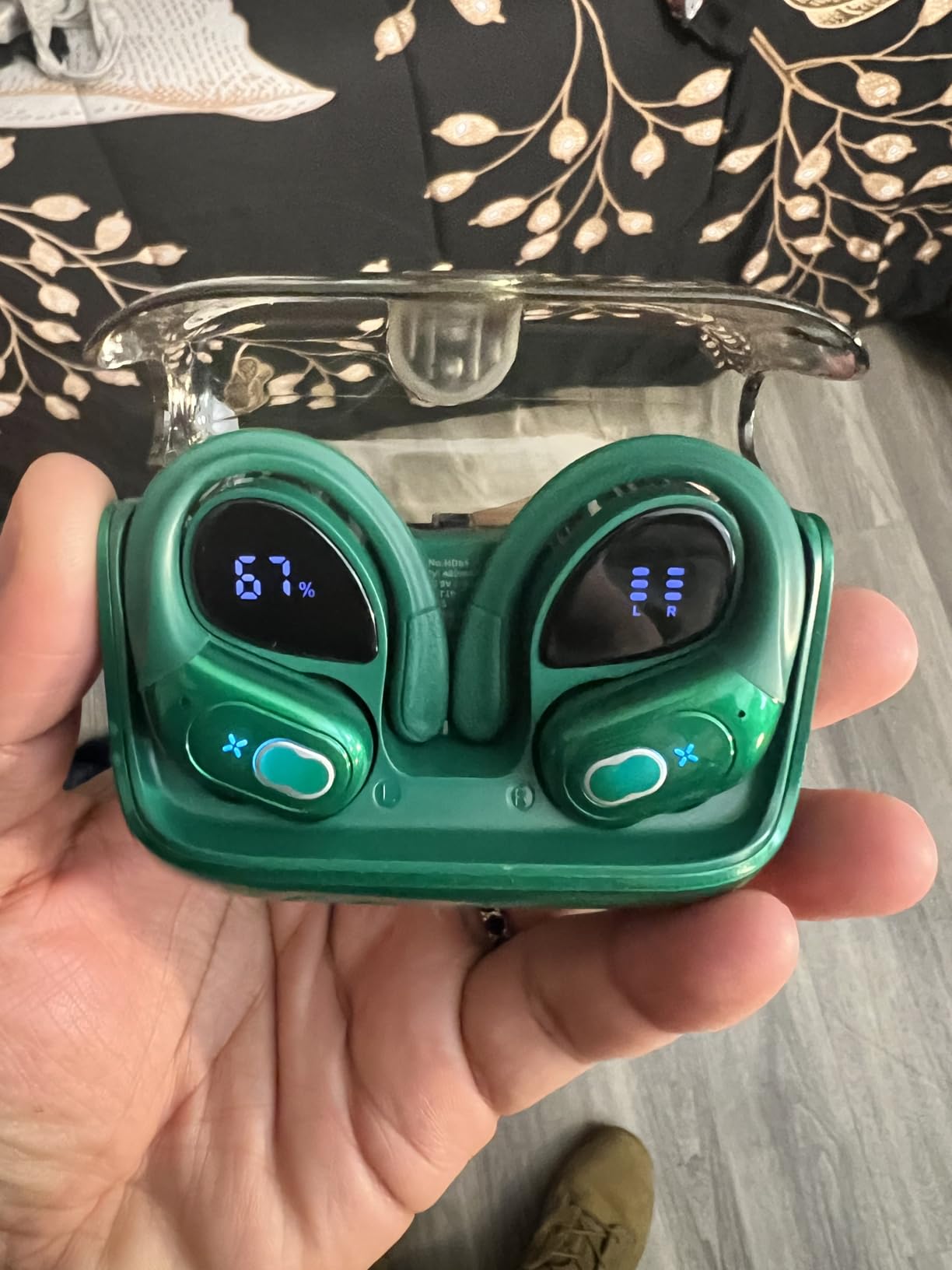
IPX7 nano-coating takes sweat, rain, and dust without complaint, and the 14.2mm drivers produce a bass-leaning but lively sound. Bluetooth 5.4 with instant auto-pairing maintains a stable connection up to 33 feet, which is enough range to keep the phone in a belt or a jacket pocket.
Physical button controls are a genuine advantage for running. Wet hands, winter gloves, and sweat on the temple all defeat touch sensors, and buttons just work. The 2-year warranty is shorter than the 5 years on the bmani pair below but longer than most budget rivals offer.
Who this fits best
Long-run and multi-day training blocks where recharging is a nuisance. Winter runners benefit most from the physical buttons, since gloves rule out capacitive controls. It is a solid pick for anyone whose previous pairs died from sweat, given the IPX7 sealing.
Where it falls short
Sound is decent rather than hi-fi, with a bass tilt that some listeners find tiring over hours. There is no active noise cancelling, only environmental noise cancellation for calls, so a loud gym will get through. If you care about call clarity on a windy road, look elsewhere.
7. bmani T16 Earbuds — The Longest Claimed Battery in This Guide
Pros
- Very secure over-ear hook fit through high-movement workouts
- LED percentage display removes charging guesswork
- Physical buttons are easier to use mid-run than touch
- Clear vocal reproduction for podcasts and audiobooks
Cons
- Some owners find the silicone ear fin detaches
- Case slots are reversed which is awkward in the dark
- Bluetooth range drops off through walls
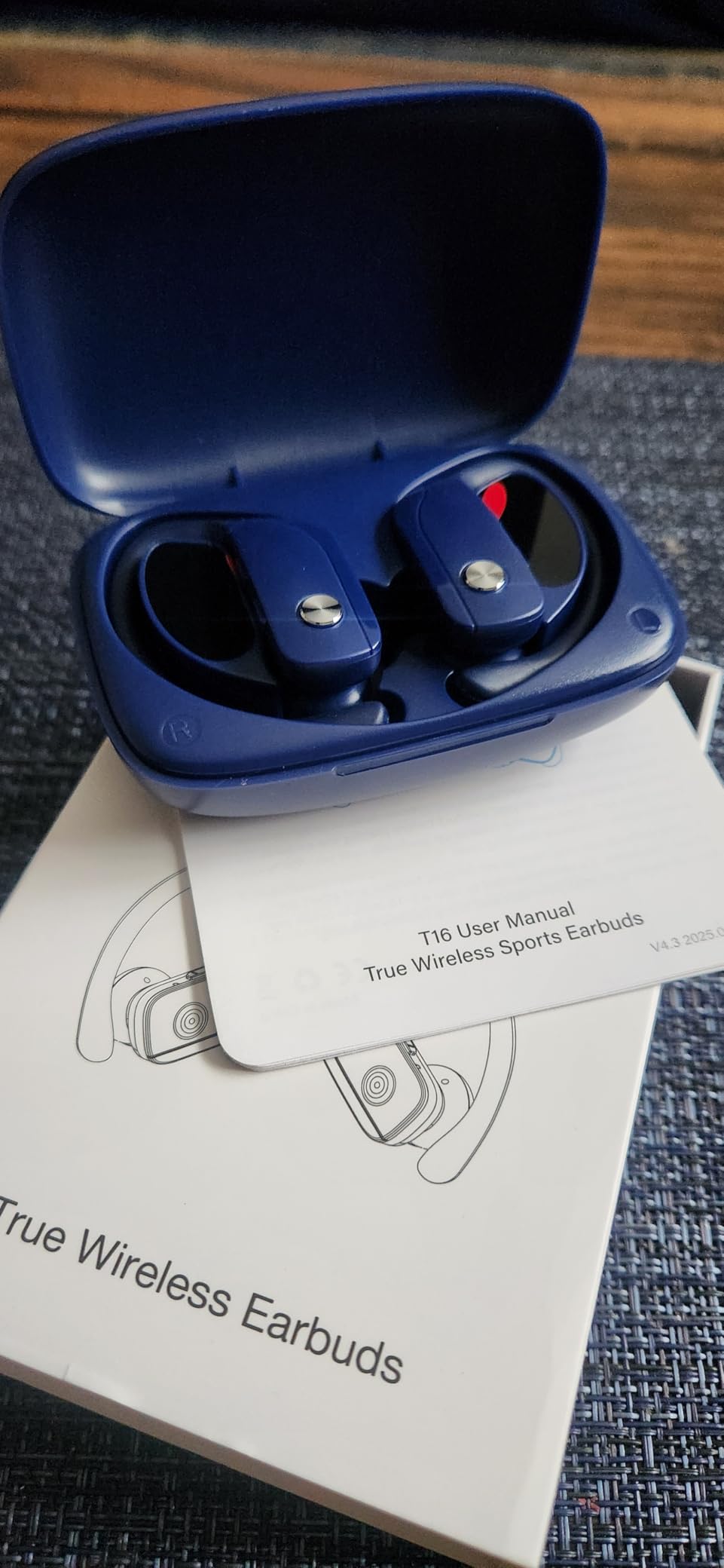
This is the highest-volume pair in the guide by review count, and the reason is straightforward: the numbers on the box are extraordinary and the fit genuinely works. The over-ear hook sits around the ear rather than hooking a small plastic fin, which spreads pressure and reduces the failure mode where the fin snaps off.
Eight hours per earbud and a case rated for 80 hours total is the biggest claim here. The dual LED display shows exact percentages, and a fingerprint-free surface means a sweaty hand does not smear the readout. Physical dual buttons handle playback, volume, and calls without any touch sensitivity to fight.
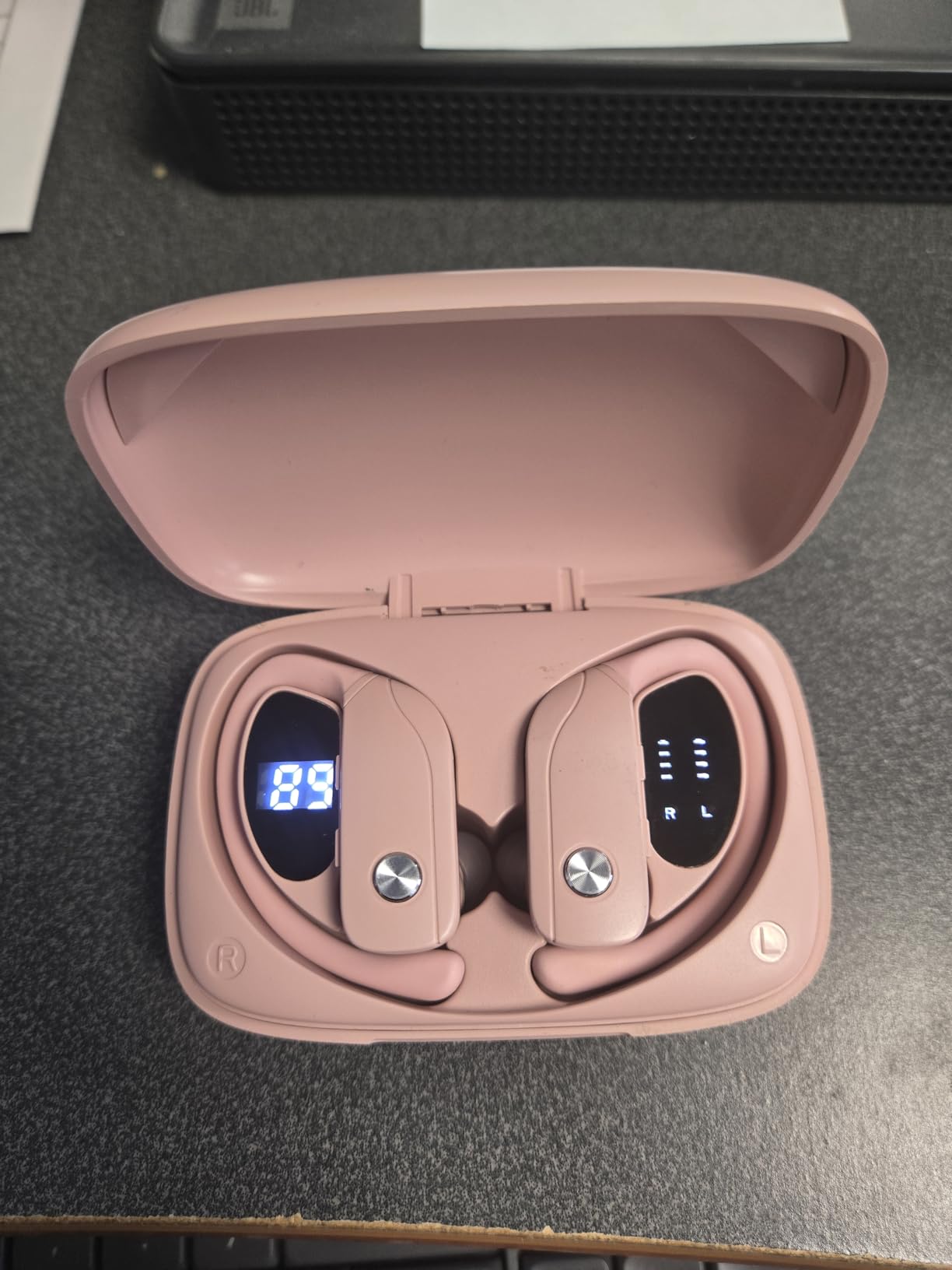
Water and dust resistance is listed without an IP code, which is a real gap for a running earbud. For heavy sweaters that matters, and it is the main reason this pair sits below the IPX7 and IPX8 options on wet-weather suitability. The 5-year manufacturer warranty is the longest in the group, which partly compensates for early-life failures.
Sound is clear and vocal-forward rather than bass-heavy, which makes it a good podcast and audiobook partner on recovery runs. The 6 cm by 4 cm case is genuinely pocketable, and the listed 35ms audio latency keeps video reasonably in sync.
Who this fits best
Runners who want one pair to last a training week without a charger, and anyone who prefers physical buttons to touch controls. Clear voice reproduction makes it a strong pick for audiobooks, podcasts, and interval work where a metronome app needs to be audible.
Where it falls short
Some owners report the silicone ear fin detaching from the bud, and the case layout puts one bud in the opposite slot, which is genuinely confusing in the dark. A minority dispute the 80-hour figure, and Bluetooth range falls off if the phone is in another room. No IP rating means I would not choose it for heavy rain runs.
8. JLab Go Sport+ — Built Specifically for Smaller Ears
JLab, Go Sport+, True Wireless Workout Earbuds, Bluetooth Sport Earbuds, Clear Calling, Graphite
Pros
- Earhook is proportioned for small ears and stays locked in
- USB cable is built into the case
- Be Aware Audio lets traffic through while running
- Multipoint and Dual Connect are genuinely useful
Cons
- Sound quality is basic for the money
- Be Aware Audio does let outside sound in
Most sport earhooks are scaled for average adult ears, which is why a lot of runners with smaller ears give up on them. JLab explicitly sizes this earhook for small ears, and the angular in-ear shape keeps the canal opening narrow so the seal survives without a large wing. For runners who have never found a hook that fits, this is the one to try first.
Be Aware Audio is app-controlled and gives you a dial rather than a fixed mode, so you can pull more or less outside sound in. It is a compromise between the open and sealed formats: the canal still has a tip in it, so awareness is partial rather than total.
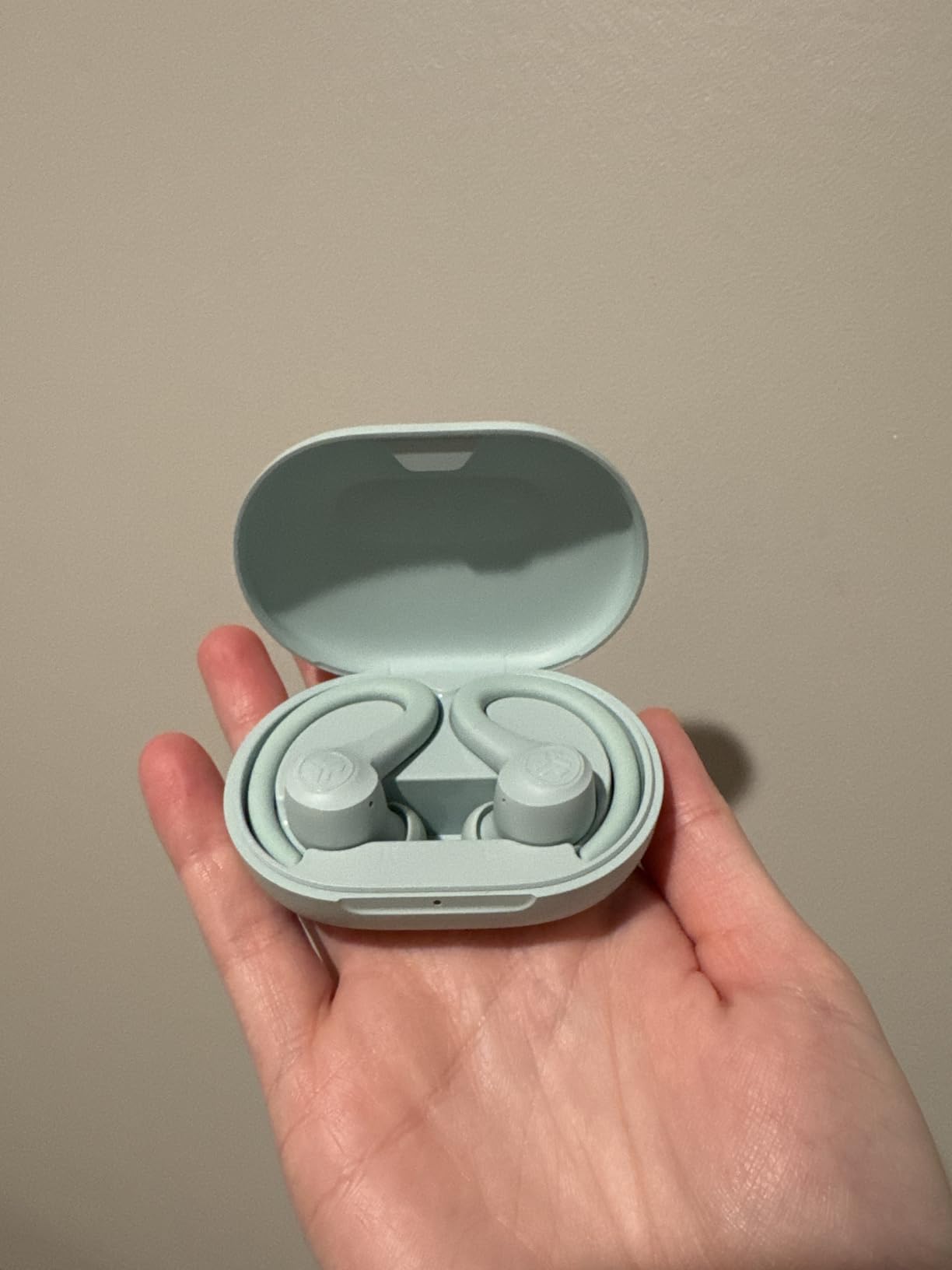
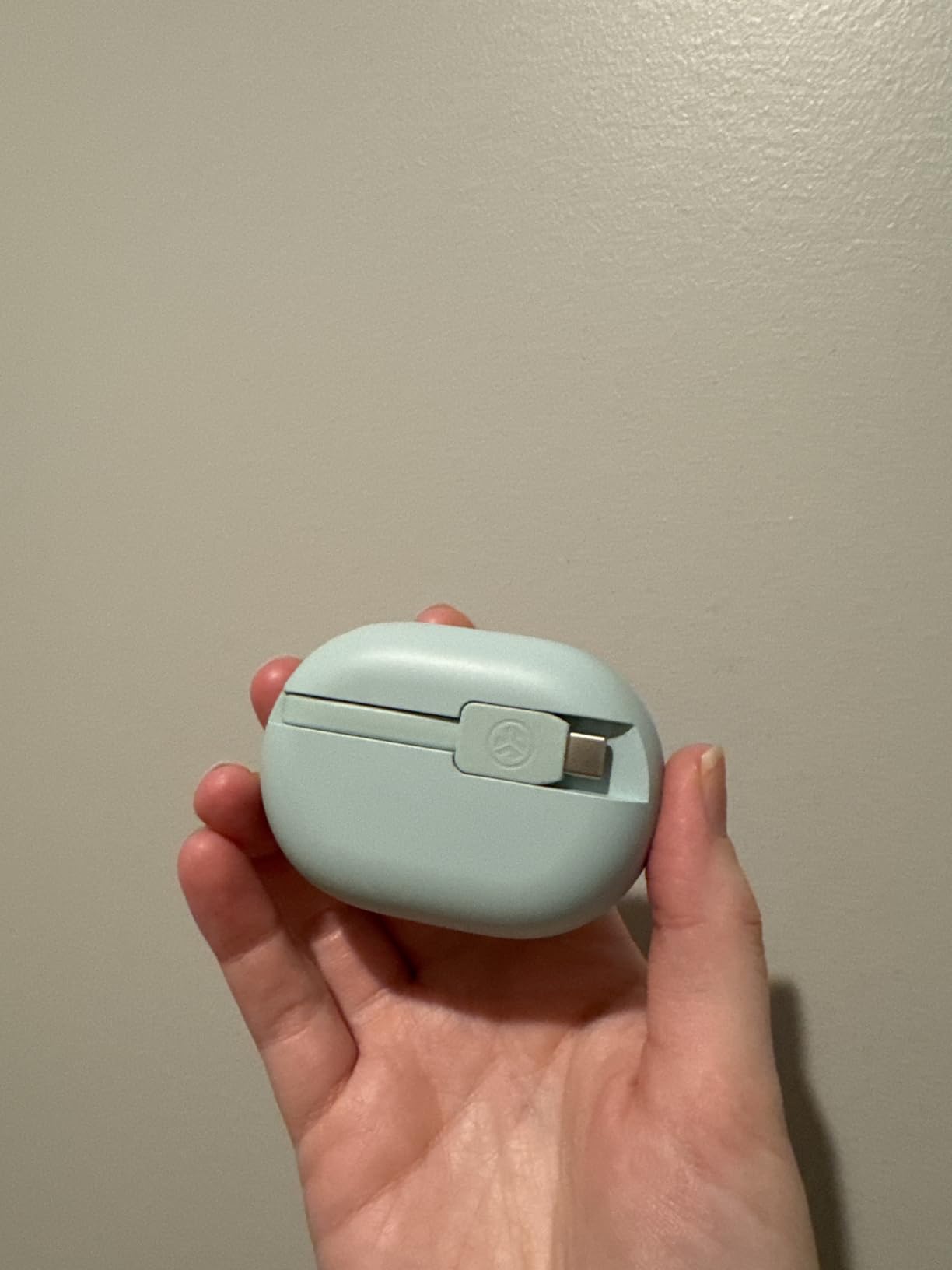
Battery is 9 hours per earbud plus 26 more from the case, 35 hours total, and the case has a built-in USB cable so you are not hunting for a lead. Multipoint pairing to two devices plus Dual Connect for single-bud use makes it easy to move between a phone and a laptop without re-pairing.
EQ3 sound modes cover JLab Signature, Balanced, and Bass Boost, and C3 Clear Calling uses dual MEMS microphones. The app also lets you remap the touch controls, which matters because the default mapping is not always what you want on a run. The 2-year JLab warranty is solid.
Who this fits best
Runners with smaller ear canals who keep losing earhooks to the wrong size, and anyone who wants partial awareness without going fully open-ear. Multipoint makes it a good gym companion for people who take calls on a laptop between sessions. IP55 handles sweat and dust for indoor and fair-weather running.
Where it falls short
Sound is the honest weak point. It is perfectly adequate for runs and podcasts but has the least detail in this group, and it carries the lowest average rating here. Be Aware Audio will not protect your hearing in a loud space, because it deliberately lets sound in.
9. Ordtop Sport 70H — The Best Pick for Rain, Snow, and Pool-Side Recovery
Pros
- Dual-lock hook and 45-degree tilt tips hold through running
- IPX8 coating is the strongest water sealing here
- 70 hours total with real-time battery readout
- Button control avoids accidental touches while moving
Cons
- Bass-forward tuning can mask midrange detail
- No active noise cancelling only ENC for calls
The dual-lock fit system is the interesting part. A 45-degree tilt-angle liquid silicone tip seats in the concha while the over-ear hook holds the housing against the outer ear, and together they resist the vertical bounce of foot strike far better than a hook alone. Running on rough ground, this is the pair I would trust most.
IPX8 is the highest water figure in this guide and the one that matters most for anyone training outdoors year-round. Snow, slush, and rain are non-events with this sealing, and a 15-minute charge returning 2 hours of playback is useful on a cold day when battery sags.
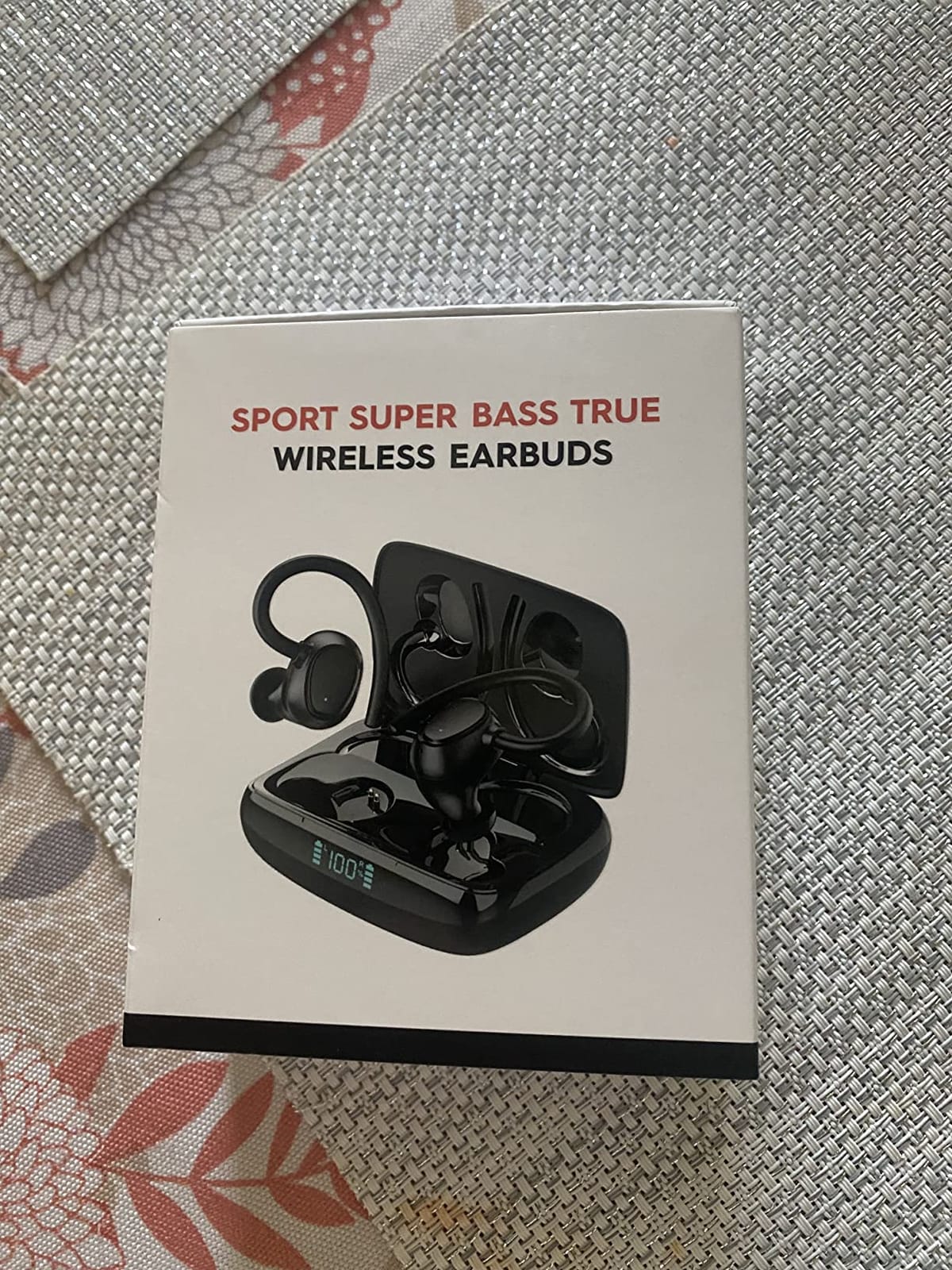
Total playback is 70 hours with 14 per charge, and the dual LED display shows case and earbud levels in real time. Bluetooth 5.4 pairs faster than 5.3 and holds signal through walls and crowded areas, which matters at a mass start. A 2-year repairment commitment is included alongside a 30-day refund window.
The 14.2mm drivers have a sound guide architecture that pushes air efficiently, and the result is a warm, bass-forward signature. I would pull the low end back for anything with vocals, but for interval work with driving music it is motivating rather than fatiguing.

Who this fits best
Cold-weather and wet-weather runners, and anyone who swims or cycles in the same pair. The physical button control is the one to choose if you run in gloves. Trail runners on loose ground benefit from the dual-lock retention more than road runners do.
Where it falls short
Bass-forward tuning can smother midrange detail on podcasts and acoustic music. There is no active noise cancelling, only environmental noise cancellation for phone calls, so a busy gym is not the environment. The brand is less established, which is worth factoring in if you want long service support.
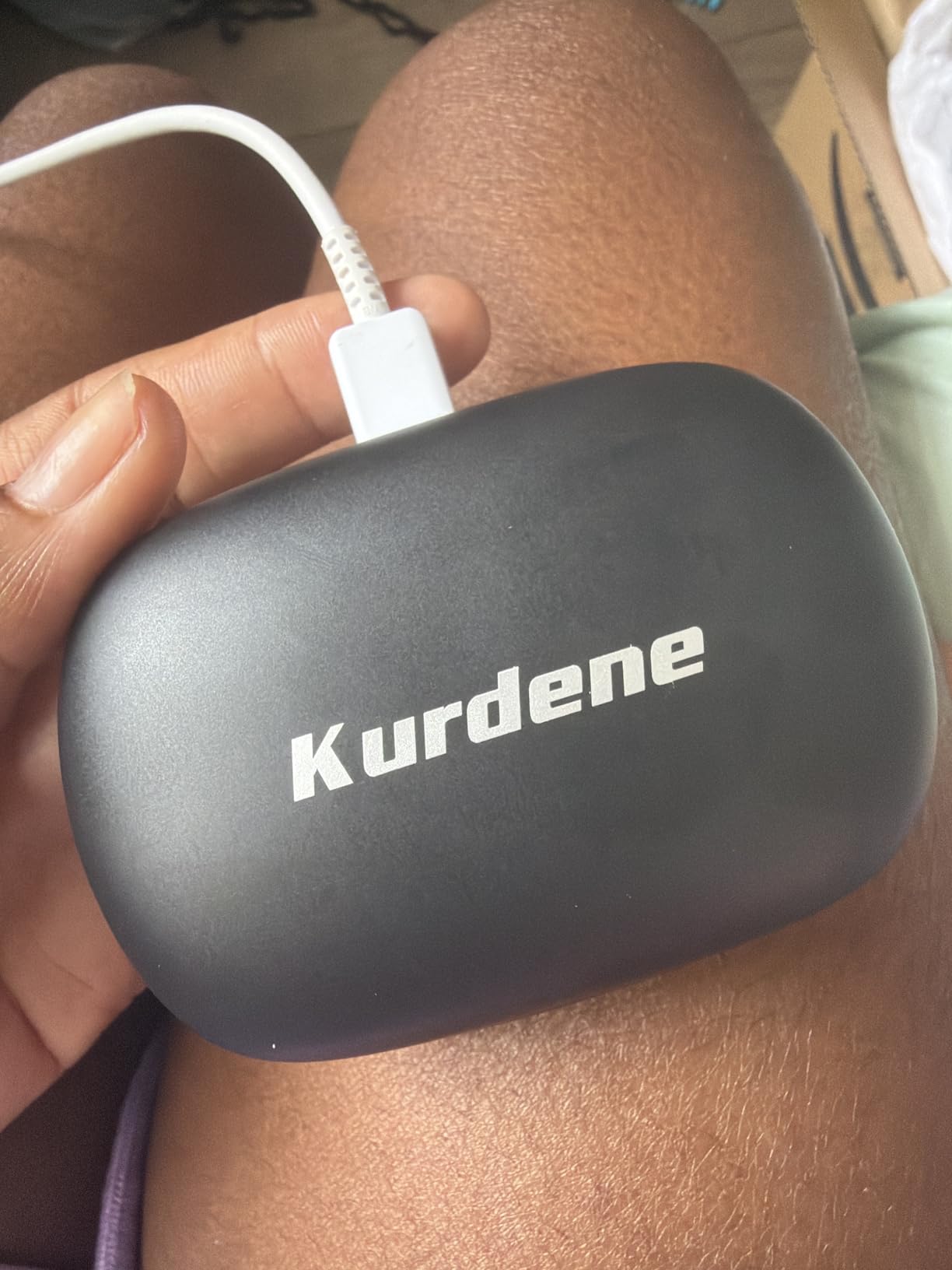
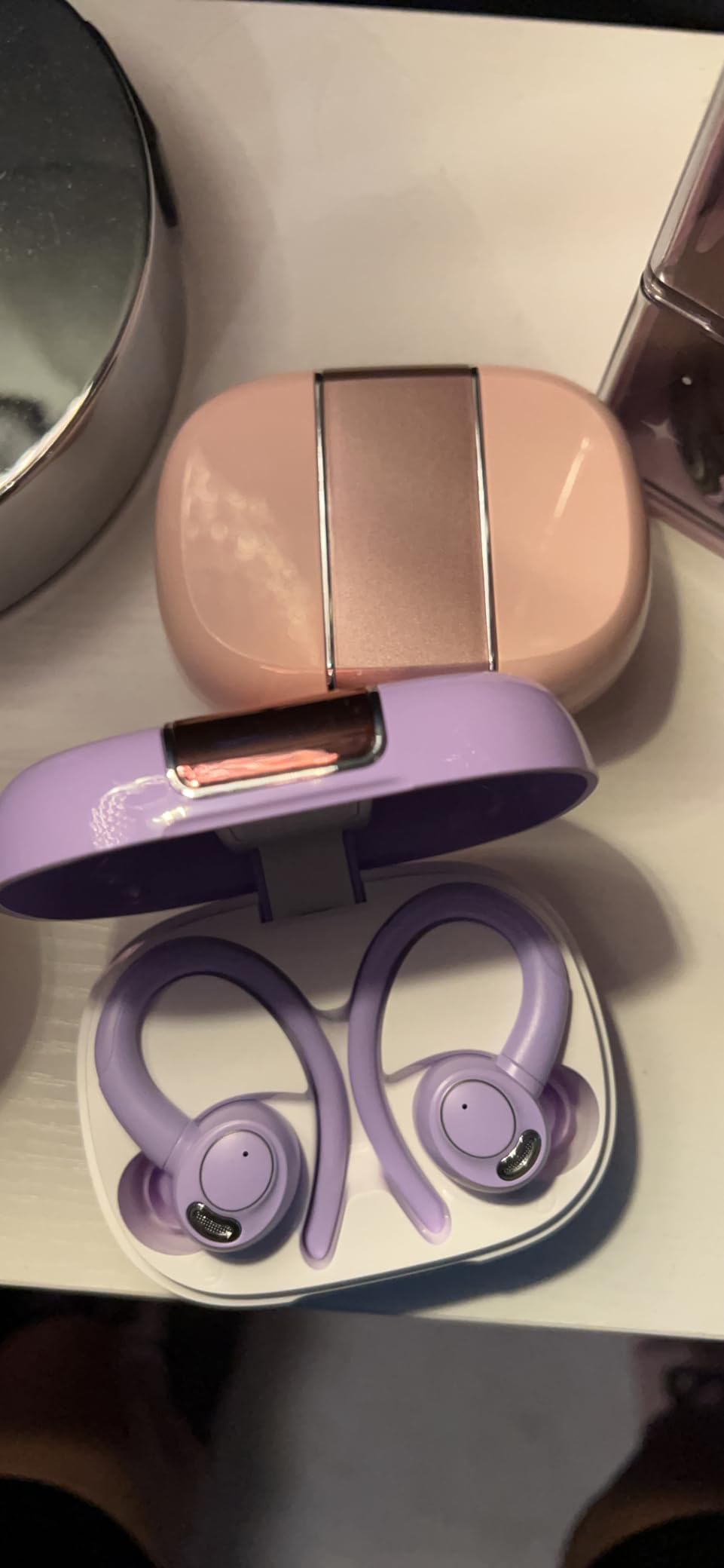
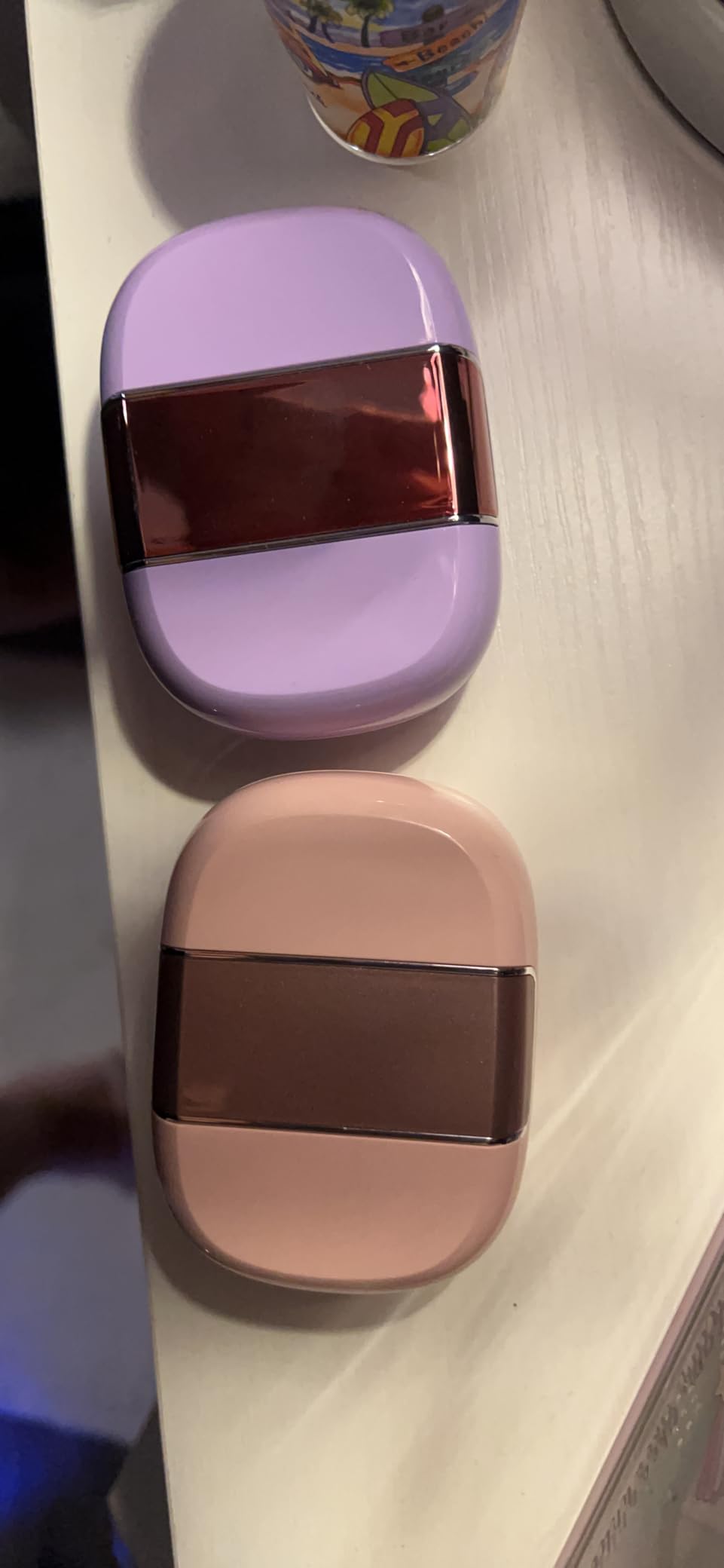
10. kurdene Secure Earhook — The Comfortable Pair for Recovery Runs and Sleep
Pros
- Over-ear hooks stay in during yard work and gym sessions
- Comfortable enough to sleep in
- Good sound and mic clarity for the price
- Fast charging refills a bud in about 10-15 minutes
Cons
- Voice prompts are loud and cannot be lowered
- Touch controls trigger when brushing hair
- Some pairs stop working or charging after a few months
The over-ear design rests on top of the ear rather than hooking into it, which is why this is the pair I can comfortably sleep in. If you wear earbuds for sleep, insomnia runs, or long recovery walks, that pressure distribution matters more than any spec on the sheet.
Sound comes from 16.1mm vibrating diaphragm drivers with a mid-focused signature rather than a heavy bass tilt. That makes it a good all-rounder for runs where you want vocals and podcasts as much as music, and the built-in microphones handle calls clearly for the price.
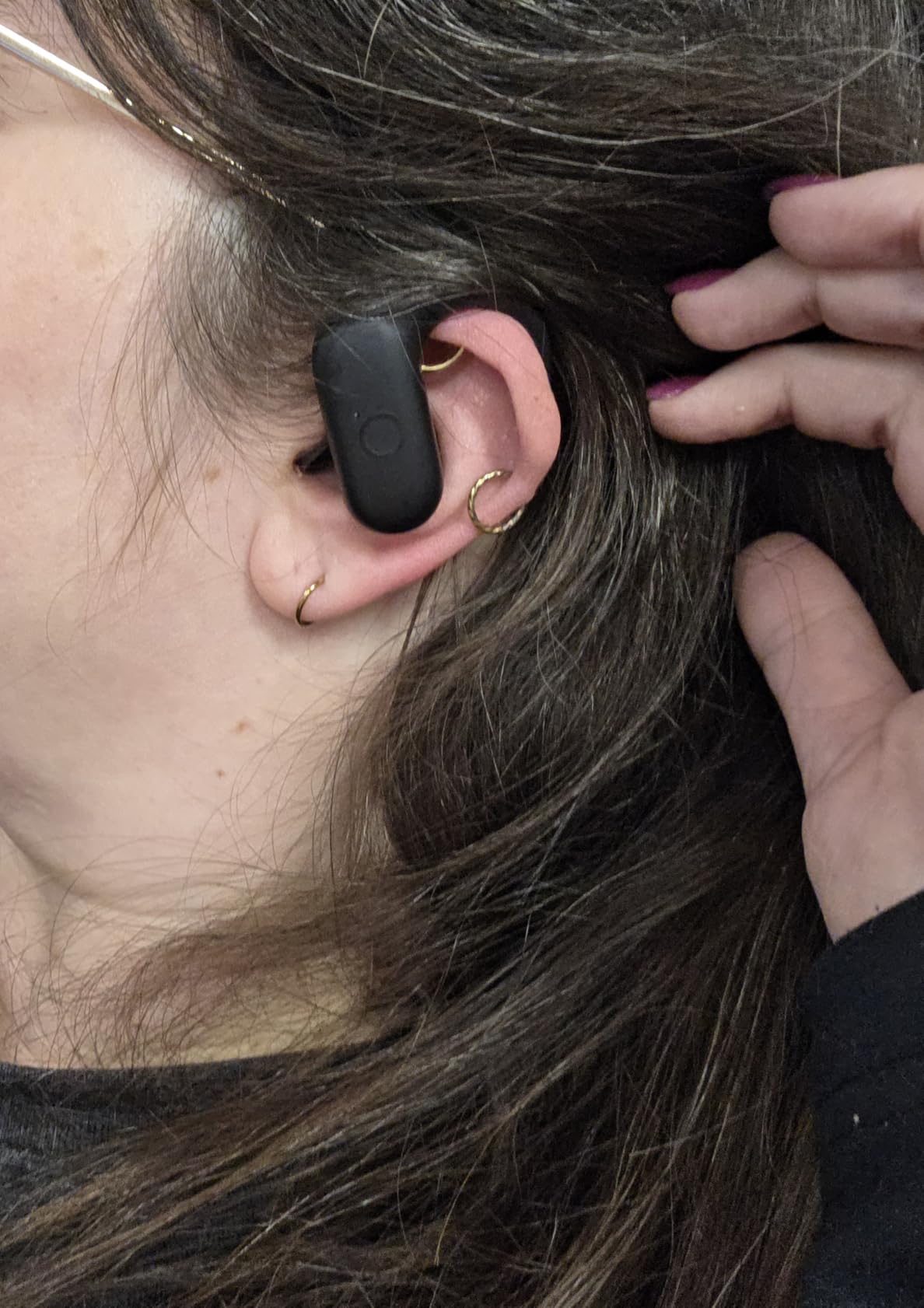
Battery is up to 12 hours per charge with 60 hours total, and a one-hour full charge is quick. A 10-15 minute top-up gets you most of the way through a run, which is handy when you forgot to charge overnight. Bluetooth 5.4 holds a stable 33-foot connection.
Two issues recur often enough to mention. The spoken voice prompts for connect and power state are fixed at a very high volume and cannot be lowered, which is genuinely irritating on a run. The touch controls are also hypersensitive and fire when your hair or a hat brushes the ear.
Who this fits best
Runners who wear earbuds for sleep or long recovery days, and anyone in a hat or with longer hair who wants to avoid accidental pause. The three included eartip sizes cover most canal shapes, and the mid-focused sound suits spoken content.
Where it falls short
The uncontrollable voice prompts are the most-cited complaint and there is no setting to fix them. The touch sensitivity rules out this pair for anyone running in a beanie. A minority of owners report pairs dying or refusing to charge after a few months, and the 1-year warranty is the shortest here.
11. Csasan V90 Sport Earbuds — Punchy Bass at a Very Low Price
Pros
- Lightweight non-bulky earhooks hold through running and cycling
- Warm bassy sound that punches above the price
- Dual LED case shows exact battery percentage
- Pressure-distributing design suits small canals and glasses
Cons
- Call quality is only average
- Touch panels trigger in sleep or against the ear
- Battery runs closer to 6-7 hours than stated
The earhooks here are flexible silicone rather than rigid plastic, and they are adapted to the ear contour with a pressure-distributing shape. That is why the listing specifically calls out small ear canals and glasses wearers, two groups that usually struggle with hooks. The contact points spread rather than dig in over a long run.
13mm drivers deliver a warm, bassy signature that is heavier than the driver size suggests. It is an entry-level sound, not hi-fi, but for interval sessions with high-energy tracks it is more motivating than a flatter tuning. The dual LED display shows case and earbud battery percentages, which I wish more budget pairs included.
IPX7 protection covers sweat, rain, and dust, and Bluetooth 5.3 with a Hall sensor auto-reconnects when the case opens. The 2-year manufacturer warranty is longer than most pairs in this bracket, and the 48-hour total with 8 hours per charge means weekly charging at most.
Two things to know before buying. Call quality is average, and some callers cannot hear the user clearly, which matters if you take calls from the road. Real-world battery life lands closer to 6 to 7 hours per charge than the stated 8, and the touch panels are sensitive enough to fire when you sleep in them.
Who this fits best
Anyone who finds rigid earhooks uncomfortable, particularly runners with smaller ear canals and glasses wearers who need the contact points to spread. The IPX7 sealing suits sweat-heavy training, and the price point leaves room in the budget for a running belt.
Where it falls short
Call quality is the weakest link and the touch panels will fire against a pillow or a hat. Battery underperforms the stated figure, so plan on carrying the case for anything over an hour. Sound is entry-level and will not satisfy an ear trained on sealed metal drivers.
12. Soundcore C50i — The Open-Ear Clip That Fits Ears Buds Reject
Soundcore C50i by Anker Open Ear Earbuds, Clip On Earbuds, Clip Headphones
Pros
- Clip stays on through head shaking and running
- Works on small ears that reject in-ear buds
- Physical buttons avoid accidental touches
- Compact case and easy to wipe clean after sweat
Cons
- No wear detection so no auto-pause
- Microphones handle wind poorly on calls
- Volume may run quiet for some listeners
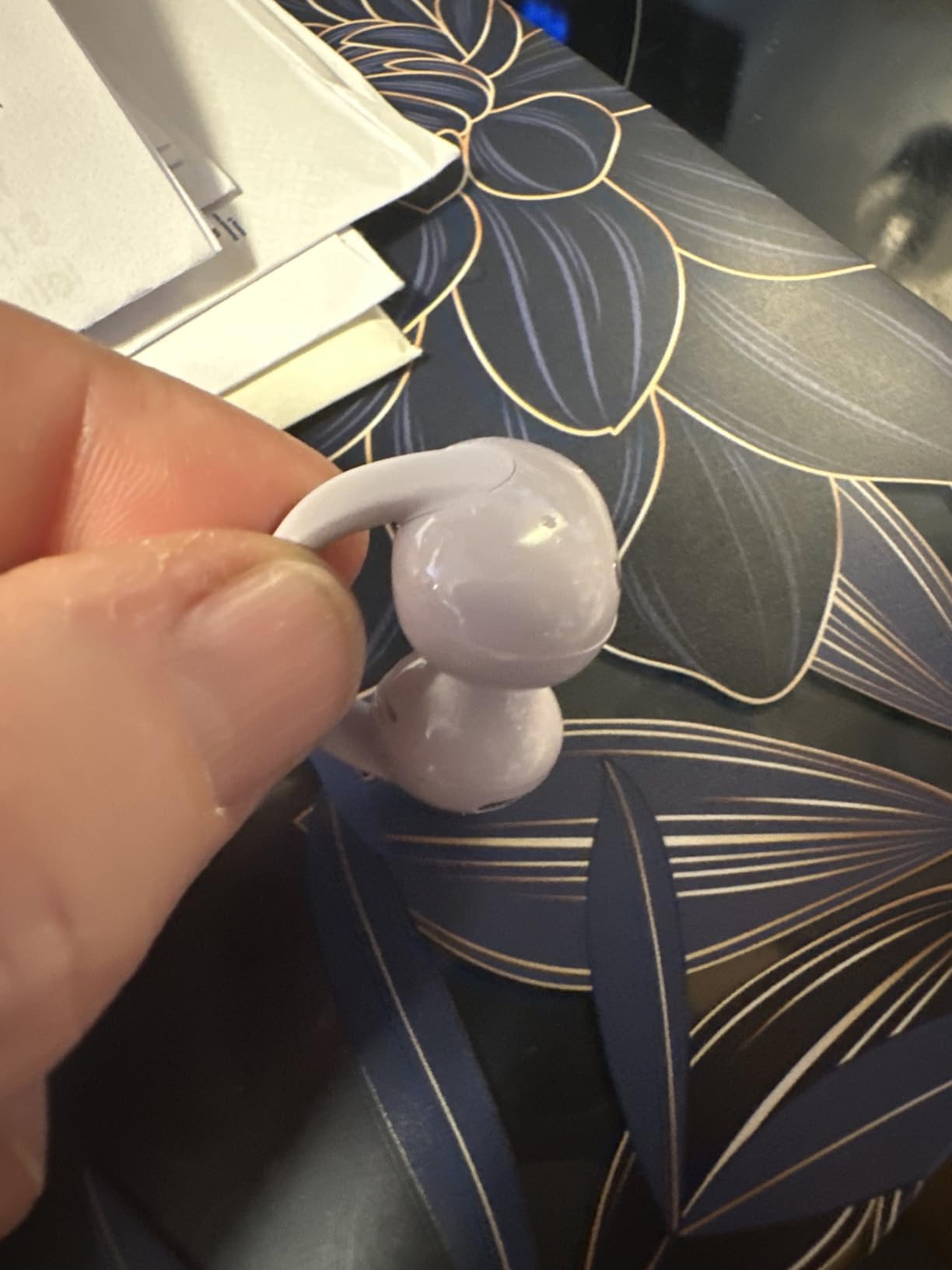
The clip format is the one people overlook. It loops around the outer ear and aims the driver at the canal without entering it, so there is no seal to lose and no tip to fall out. If in-ear buds have never stayed in your ears, this is a structural solution rather than a fit adjustment.
Memory titanium FlexiClip gives the arm real spring and enough tension to survive head shaking. Soundcore pairs it with 12mm custom drivers rated at 86dB max output, and the bass surprised me for an open design. Bluetooth 6.0, IP55 sealing, and physical buttons round out a spec list that reads like a pair costing much more.
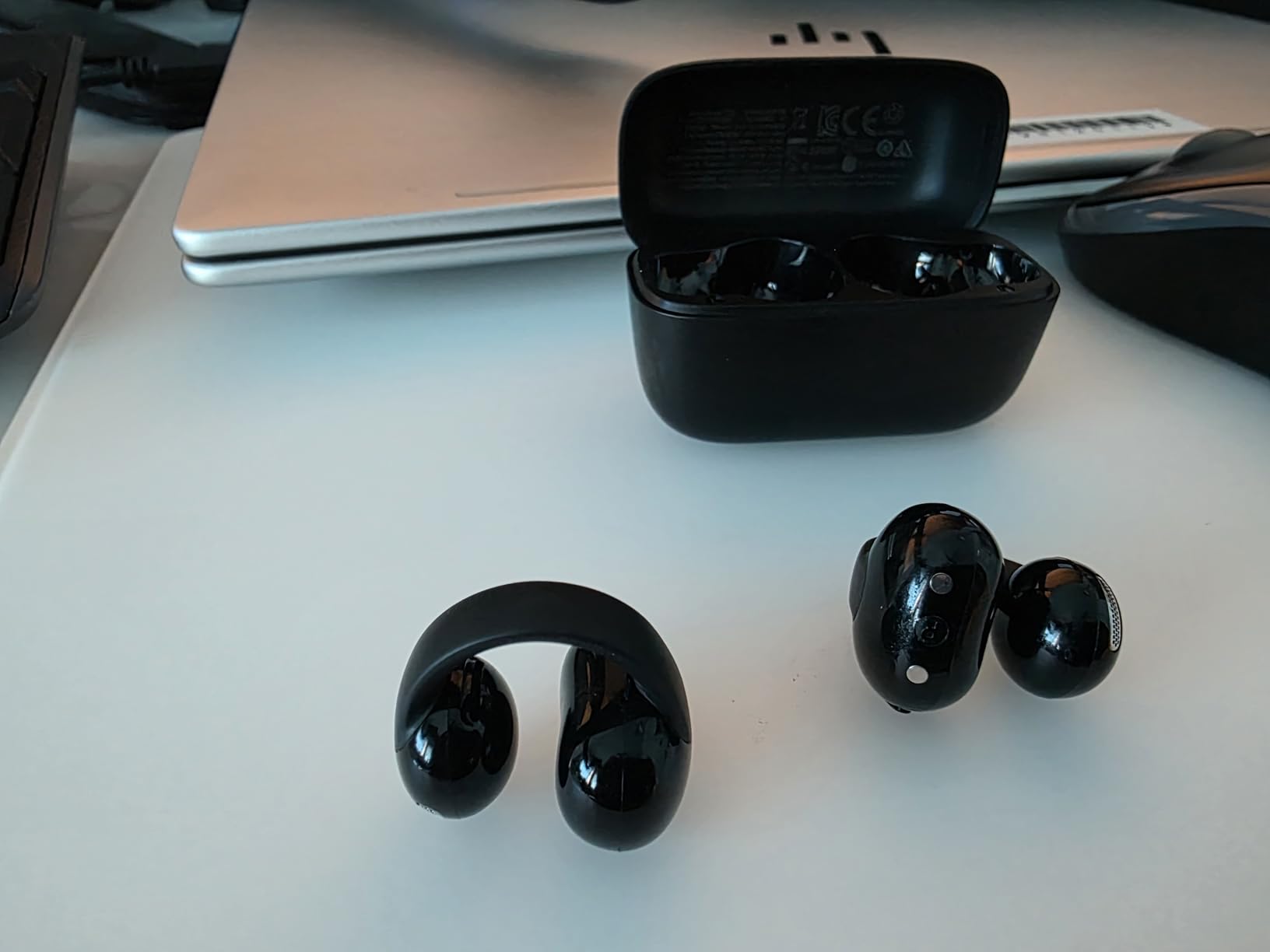
Battery is 8 hours per charge and 28 with the case, which is the shortest runtime here, though a full charge takes only 2 hours. The case measures about 6.2 by 4.15 by 3.1 cm, and the 44.5g weight is split between the clips and a 33.5g case, so the part on your head stays light.
Two things stand out as limitations. There is no in-ear detection, so removing a clip does not pause playback and you will rewind. And the microphones handle wind poorly, which makes calls difficult on a breezy route, something the wind-resistant dual mics on the Shokz pair handle much better.
Who this fits best
Runners with small or unusual ear shapes who cannot keep sealed buds in place, and anyone who wants awareness with a bit more bass than bone conduction delivers. The physical buttons work with gloves and sweat, and the small case fits a shorts pocket better than most sport cases.
Where it falls short
Missing auto-pause is the biggest daily annoyance here. Wind noise on calls is a real limitation for people who take calls mid-run, and 8 hours per charge is short for a full day. A few reviewers also read the build as cheap plastic, so treat it as a light-use pair rather than a permanent fixture.
How to Choose Running Earbuds That Actually Last
Fit security comes first, and it is the one factor no amount of audio quality compensates for. There are four architectures in this guide. Bone conduction frames wrap behind your head and never enter the canal. Open-ear air conduction designs rest outside the canal entirely. Earhook and wing designs seal the canal with a mechanical anchor. Clip designs loop the outer ear and aim inward without a seal. For intervals and sprints you want the third or fourth category, because impact forces are what dislodge a bud. For long easy runs and high-traffic routes the first two win on comfort and awareness.
Sweat resistance is where specs get misused. IPX4 handles sweat and light rain and nothing more. IPX7 means immersion in fresh water up to a meter for thirty minutes. IPX8 is dust-tight and rated for continuous immersion, and the SweatGuard version on the Soundcore Sport X20 is the one rated highest here. A thread on r/Runners about losing three pairs in two months is a good argument for buying the highest rating your budget allows rather than the cheapest. Ratings are also not interchangeable across brands, so compare the second digit carefully.
Controls matter more than runners expect. Touch panels fail with sweat, rain, and gloves, and forum complaints about accidental pauses are among the most common. If you run outdoors in any season, a pair with physical buttons is worth more than a pair with a slightly better driver. The Aptkdoe, bmani, and Soundcore C50i pairs all use real buttons.
Glasses compatibility is the detail most guides skip, and it is a genuine pain point. Rigid hooks that grip the top of the ear fight the temple arm of a glasses frame, and after 60 minutes you feel the pressure. A flexing earhook or a wraparound frame that sits behind the ear usually clears glasses without conflict, which is why the Shokz pair and the clip designs are the safe choices for glasses wearers.
Battery strategy depends on the length of your long run. Anything over two hours with no access to a case should start from a 10-hour or 12-hour single charge, which points to the Shokz frames. Between runs, a case that recharges five or six times means you will rarely think about it. Look for a case with a battery percentage readout, because a dark LED only tells you it has power, not how much.
Finally, cold weather and heavy sweaters deserve their own note. Battery output drops in freezing conditions, so a pair that barely covers your summer long run may fall short in January. Physical buttons beat capacitive ones under gloves. And an IPX7 or IPX8 rating stops being an over-spec when you are running through slush in February.
One more thing worth knowing: a long-term durability warning from a r/beginnerrunning poster who lost a pair to sweat is the single most common regret in this category. Clean the charging contacts monthly with a dry cloth, keep the case out of a soaked shorts pocket, and rotate between two pairs if you run daily. If you also need something for sleep rather than running, our sleep earbuds guide covers the criteria that matter at night.
Frequently Asked Questions
Which earbuds don’t fall out while running?
The pairs that stay in through intervals are the ones with mechanical retention rather than friction alone. Earhook models such as the Soundcore Sport X20, Beats Powerbeats Pro 2, Ordtop 70H, and Aptkdoe 75H use a hook that wraps over the ear, while clip designs like the Soundcore C50i loop the outer ear. Bone conduction frames such as the Shokz OpenRun Pro cannot fall out at all because nothing enters your ear canal.
Why do runners like Shokz headphones?
Runners choose them because the frame never enters the ear canal, so there is no pressure, heat, or fatigue over a long run. You keep full situational awareness for traffic and other athletes, the titanium frame bounces with your stride instead of staying put, and the pair works with helmets, caps, and glasses. Owners running high weekly mileage report using the same pair for years, with battery life of 10 to 12 hours covering a long effort.
Are headphones or AirPods better for running?
Standard earbuds without hooks or wings are the least reliable option for running because they rely on canal friction alone, which sweat defeats. Open-ear frames win for awareness and comfort, hook or wing designs win for bass and noise cancelling, and clip designs win for small or difficult ear shapes. The right choice depends on whether your priority is hearing traffic, blocking gym noise, or simply keeping audio in your ears.
What type of earphones are best for running?
For most runners a sealed earhook or wing design is the best all-round answer, because it combines retention with sound isolation. Choose an open-ear bone conduction frame for maximum awareness on busy roads, an open-ear air conduction design for awareness with more bass, a clip design for small ear shapes, and a sealed hook for intervals, lifting, and gym noise. Match the water rating to how much you sweat.
Are earbuds with ear hooks better for running?
Yes, ear hooks are the most reliable retention system in this category. A hook that wraps over the ear transmits foot-strike vibration into the anchor rather than relying on the ear tip staying in place, so the bud stays put through sprints and hills. The trade-off is pressure, and rigid plastic hooks can dig in after 60 minutes or conflict with glasses arms, so flexing TPU, silicone, or memory titanium designs are the comfortable options.
What IP rating do I need for running earbuds?
IPX4 is enough for indoor treadmill and gym training. IPX7 covers sweat, rain, and the occasional puddle, and it is the sensible minimum for outdoor road running year-round. IPX8 with a dust rating is the strongest protection and worth the money if you train in heavy sweat, rain, or snow, because moisture in the driver is what kills most sport earbuds within a few months.
Final Verdict
For most runners the Shokz OpenRun Pro is the right first purchase. It is the most comfortable pair here, it cannot fall out, it will not die in the rain, and owners keep them for years. Pick the Shokz OpenRun Pro 2 instead if your long runs push past two hours, since the extra two hours of battery and the added air conduction driver take the edge off the two weaknesses of the original.
Buy a sealed earhook model when you want bass and quiet, the Soundcore Sport X20 if you want noise cancelling and the strongest water protection at a fair price, and the Beats Powerbeats Pro 2 if heart rate data without a chest strap is worth the premium. Whatever you choose, match the water rating to your sweat and buy a second pair for sleep and travel rather than stretching one pair across every part of your day.