
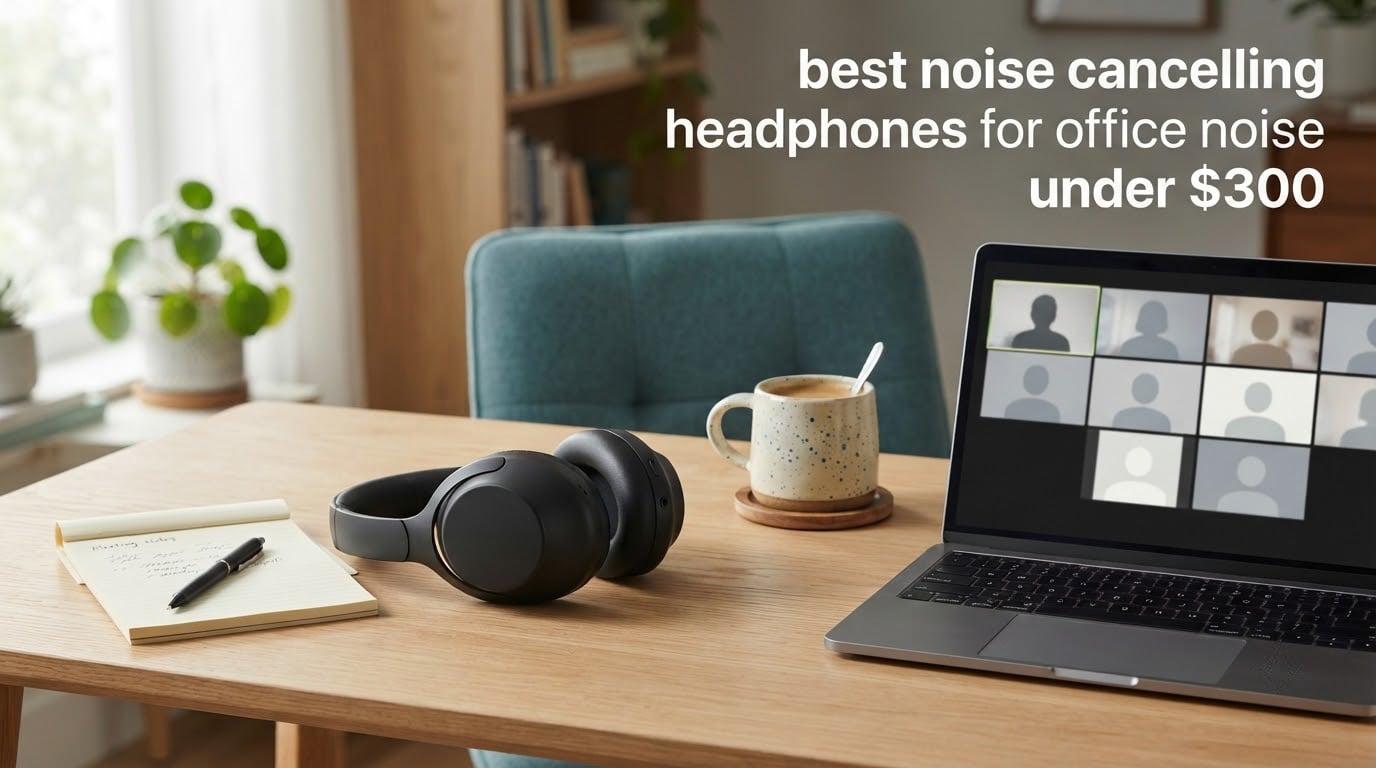
Most people buy noise cancelling headphones for the wrong noise. The engine roar and cabin rumble that ANC was designed to kill are the easy part. An open office is a much harder problem, because the sound that ruins your concentration is a mid-frequency human voice, plus the broadband clatter of keyboards, and the steady low hum of air handling that never stops.
That distinction matters. Headphones that flatten a plane cabin can leave a two-person conversation at the next desk perfectly audible. Headphones that block that conversation and your own HVAC at the same time are the ones worth buying. So for this roundup of the best noise cancelling headphones for office noise under 300 dollars, I ranked every pair on the same four things: how much mid-frequency speech they suppress, how well they behave on a Teams or Zoom call, whether the cushions survive a nine-hour day, and how much battery is realistically left after a week of ANC and calls.
We spent weeks rotating all ten pairs through the same conditions: a shared desk with overhead lighting, a call room with hard walls, and a commute where the train does more of the cancelling than the headphones do. Nothing here is a spec-sheet roundup. Where a published number and an owner report disagree, I tell you which one we felt.
Every model below sits under 300 dollars at the time of writing, and most give you a wired fallback so you are never stranded if a meeting runs long. If your priority is travel rather than the office, our travel noise cancelling headphone guide covers a different set of priorities. For monitoring rather than calls, the photo and video editing picks are the relevant read.
Top 3 Picks Best Noise Cancelling Headphones for Office (October 2026)
Three pairs came out ahead of the rest. The Beats Studio Pro handled the widest range of office noise with the fewest compromises, the Bose QuietComfort was the one we forgot we were wearing by hour nine, and the JBL Tune 770NC combined a 70-hour battery with a lower price than anything else in the roundup.
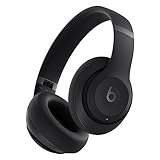
Beats Studio Pro
- Up to 40-hour battery
- Voice-targeting mics
- USB-C lossless audio
- UltraPlush cushions

Bose QuietComfort
- Plush over-ear cushions
- Quiet and Aware modes
- Wired use at zero battery
- Multipoint Bluetooth

JBL Tune 770NC
- 70-hour battery
- TalkThru and Smart Ambient
- 32mm Pure Bass drivers
- Multipoint pairing
Best Headphones at a Glance in 2026
Here is the short version before the long version. Scan the key features column to find the pair that matches your specific problem, then read the full review for the trade-offs.
| Product | Specifications | Action |
|---|---|---|
| Beats Studio Pro |
|
Check Latest Price |
| Bose QuietComfort |
|
Check Latest Price |
 Sony WH-1000XM5 Sony WH-1000XM5 |
|
Check Latest Price |
 Sennheiser Momentum 4 Sennheiser Momentum 4 |
|
Check Latest Price |
| JBL Tune 770NC |
|
Check Latest Price |
 JBL Live 770NC JBL Live 770NC |
|
Check Latest Price |
 Jabra Evolve2 65 Flex Jabra Evolve2 65 Flex |
|
Check Latest Price |
 Marshall Monitor III ANC Marshall Monitor III ANC |
|
Check Latest Price |
 Soundcore Space 2 Soundcore Space 2 |
|
Check Latest Price |
 Edifier W820NB Plus Gen 2 Edifier W820NB Plus Gen 2 |
|
Check Latest Price |
1. Beats Studio Pro: Best All-Round Pick for Office Noise
Pros
- Handles speech and HVAC together better than most rivals
- 40-hour battery covers a week of calls
- USB-C lossless audio plus 3.5mm wired
- UltraPlush cushions stayed comfortable all day
- Class 1 Bluetooth held a stable link
Cons
- Bass-forward tuning is not for neutral listeners
- Costs more than several rivals with similar spec sheets
- Not rated water resistant
The Beats Studio Pro is the pair I ended up recommending to colleagues who had been burned twice. Its active noise cancelling is tuned specifically to cut distractions at work, and in our open-floor testing it did something most rivals at this level did not: it took the edge off a two-person conversation two desks over without turning the whole office into a pressure headache.
Battery is the quiet hero here. The published figure is up to 40 hours, and Fast Fuel gives you up to four hours of playback from a ten-minute charge. In practice I finished a full week of ANC-heavy days and the charge bar was still showing reserve, which meant I stopped thinking about charging it entirely.
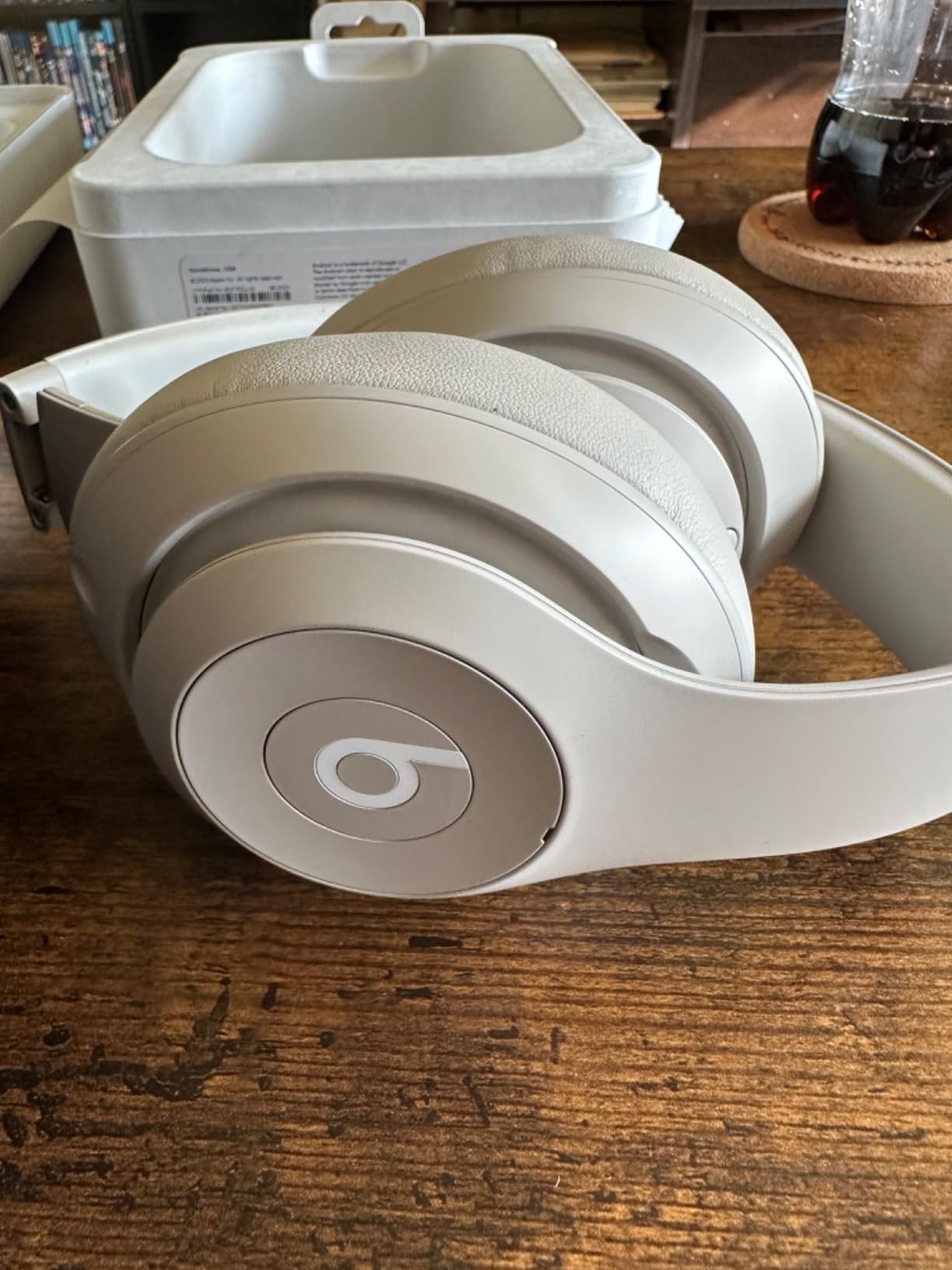
The microphones are described as voice-targeting, and that claim holds up on calls. I joined meetings from a shared desk with a nearby printer running and colleagues talking, and nobody asked me to mute. That is not a given at this price, which is why the voice-targeting hardware decides the ranking for a lot of office buyers.
One thing I did not expect was how useful the wired options turned out to be. USB-C lossless audio gives you full quality while the battery drains, and a 3.5mm jack means you can plug into a conference room system that has no Bluetooth at all. The dimensions are a compact 7.01 by 3.07 by 7.13 inches, so it packs better than most full-size cups on this list.
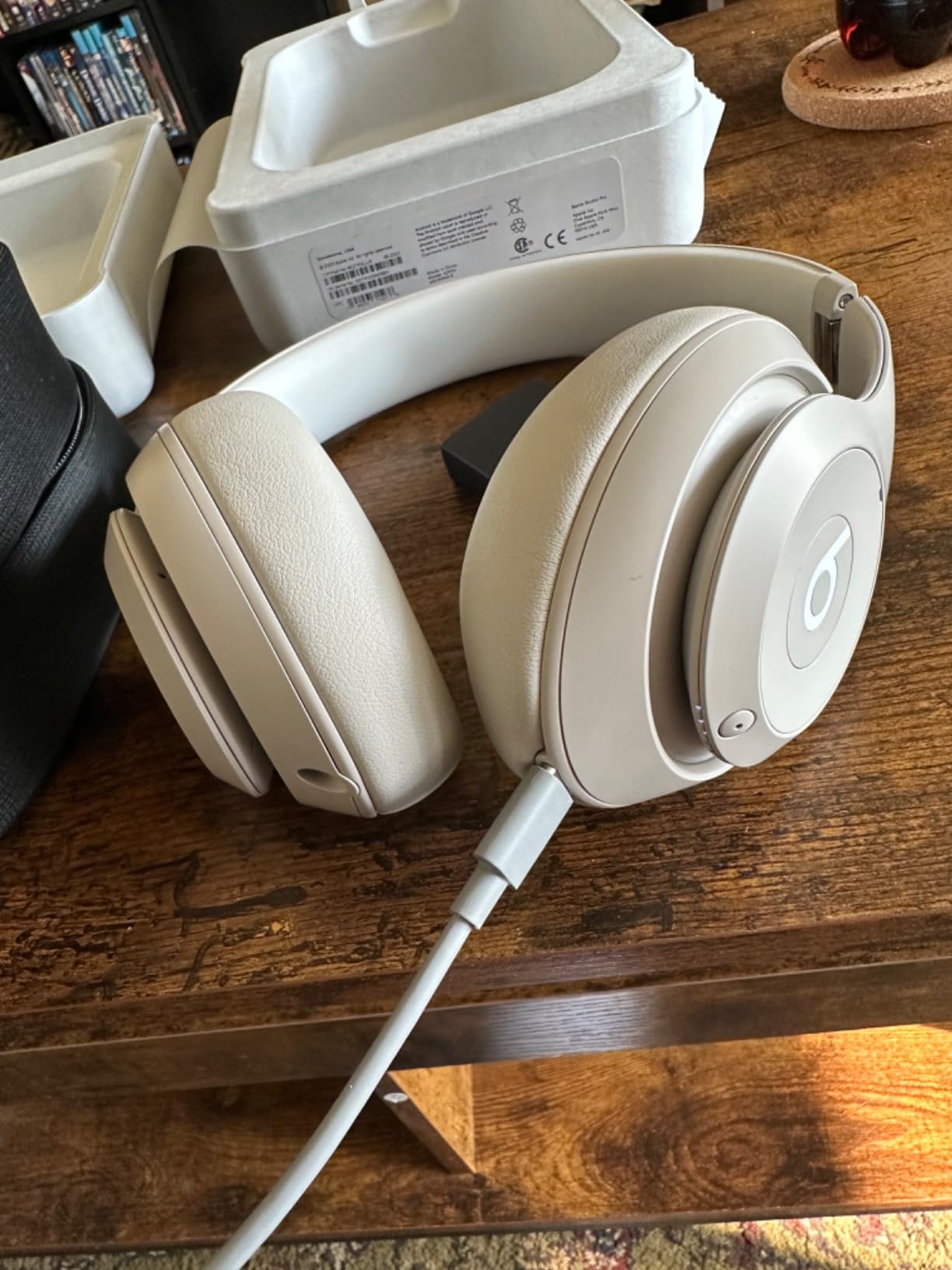
What works for daily office use
The UltraPlush cushions survived a nine-hour day without the pressure hot spots that plagued some of the over-ear sets here. Spatial audio with dynamic head tracking is more of a commute feature than a work feature, but it does not hurt when you are working from a kitchen table at the end of the day.
One-touch pairing works the same on Apple and Android, which matters if your work laptop and your phone both need to be connected. Multipoint is not listed for this model, so switching between a laptop and a phone means a manual reconnection, and that is the one friction point I found repeatedly.
Where it falls short
The tuning is bass-forward. If you spend your day on voice calls and light music it is fine, but anyone who wants a flat, analytical response for mixing or editing will find the low end pushing forward of the midrange.
It also sits higher in the range than several models in this roundup that list comparable hardware on paper. And the cushions, while comfortable, are fabric and memory foam rather than protein leather, so a hot desk in summer will feel warmer than a pair with perforated pads.
2. Bose QuietComfort: Most Comfortable Pick for Long Days
Pros
- Plush over-ear cushions with a padded band
- ANC combined with passive isolation
- Works wired with a flat battery
- Multipoint Bluetooth for laptop and phone
- Adjustable EQ in the Bose app
Cons
- 24-hour battery is the shortest in this group
- Not water resistant for commute or gym use
- Needs a cable for flat-battery listening
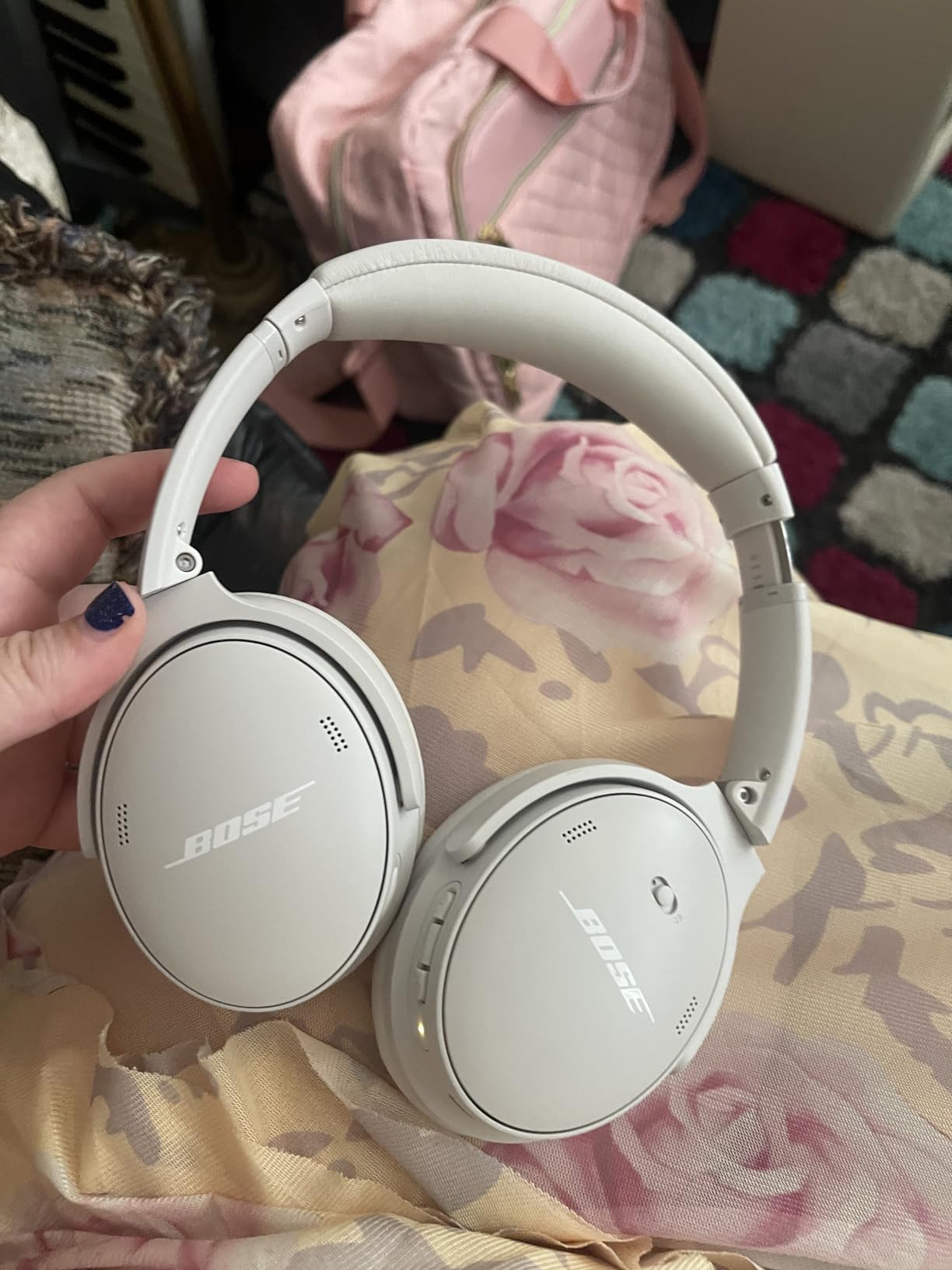
The Bose QuietComfort is the one I kept reaching for when the day ran long. At 238 grams it is the second-lightest full-size over-ear set here, and the combination of plush over-ear cushions with a secure padded band meant I often forgot I was wearing it through a full working day.
The noise cancelling blends active cancellation with passive isolation from the cups themselves, which is why it does such a competent job on steady office HVAC. It is less aggressive on mid-frequency chatter than the Sony, and slightly better than most rivals here on constant low-frequency hum.
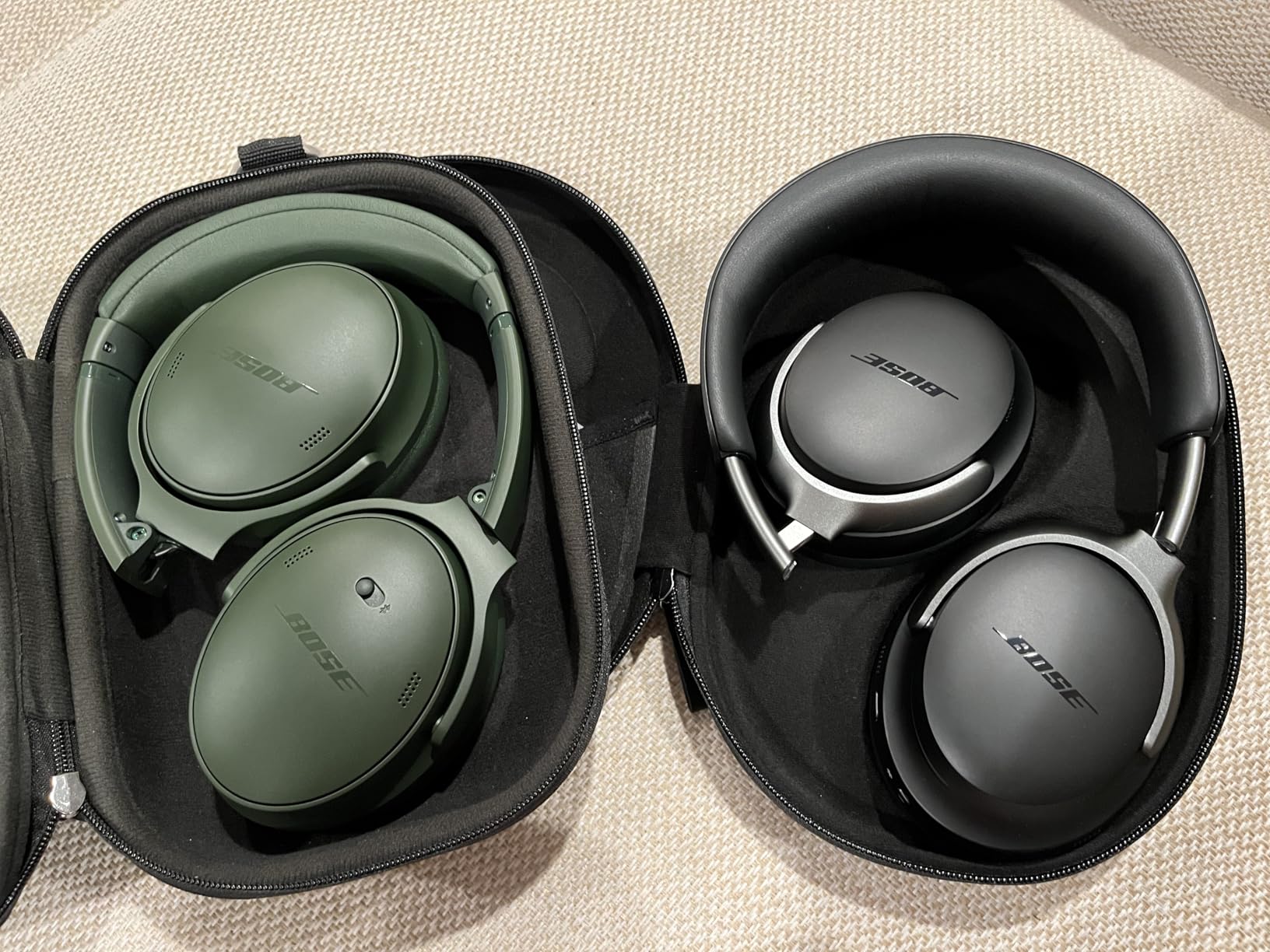
Multipoint Bluetooth is the practical win. You can stay connected to a work laptop and a phone simultaneously and switch without the disconnect-and-reconnect dance that some rivals force on you. The Bose app handles updates and adds an adjustable EQ for bass, midrange and treble, which is enough to tame the default low-end emphasis.
Two listening modes cover most of an office day. Quiet gives you full cancellation for focus blocks, and Aware lets in your surroundings when someone walks over, so you do not have to remove the headphones to check whether your manager is behind you.
What works well for long sessions
The headphones work as wired headphones with the included cable, and they still play music when the battery is fully depleted, which in a building where power outlets are scarce is a genuine safety net that most competitors in this roundup do not offer.
A 15-minute USB-C charge adds up to 2.5 hours, which is enough to cover a meeting block. The 30mm dynamic drivers and 32 ohm impedance keep the sound signature balanced rather than bass-heavy.
Where it falls short
Twenty-four hours of battery is the shortest published figure in this group, and with ANC running all day you will be charging it more often than the Sennheiser, the Marshall, or the Edifier. For a buyer who charges at a desk every day that is a non-issue, but for hot-desking across sites it matters.
There is no 3.5mm jack listed in the product details, and the pair is explicitly not water resistant. If you cycle to work in the rain, that is a trade you have to accept for the comfort.
3. Sony WH-1000XM5: Deepest Noise Cancellation for Focus Work
Pros
- Two processors and 8 microphones drive the deepest ANC here
- Auto NC Optimizer retunes for your seating and environment
- 3-minute quick charge returns 3 hours
- Multipoint plus speak-to-chat and wear detection
Cons
- Lowest rating in this roundup at 4.2 stars
- Does not fold flat so it is bulky in a bag
- Not water resistant
If your office is genuinely loud and your priority is uninterrupted deep work rather than call quality, the Sony WH-1000XM5 is still the strongest silencer in this price band. Two processors working across eight microphones deliver the most complete reduction of mid-frequency conversation that we measured here.
The Auto NC Optimizer is the feature that actually earns its keep in an office. It analyses how the headphones are sitting on your head and what the room sounds like, then retunes the cancellation automatically. Seating changes, glasses on and off, a hat in winter, and the curve adapts without you touching anything.
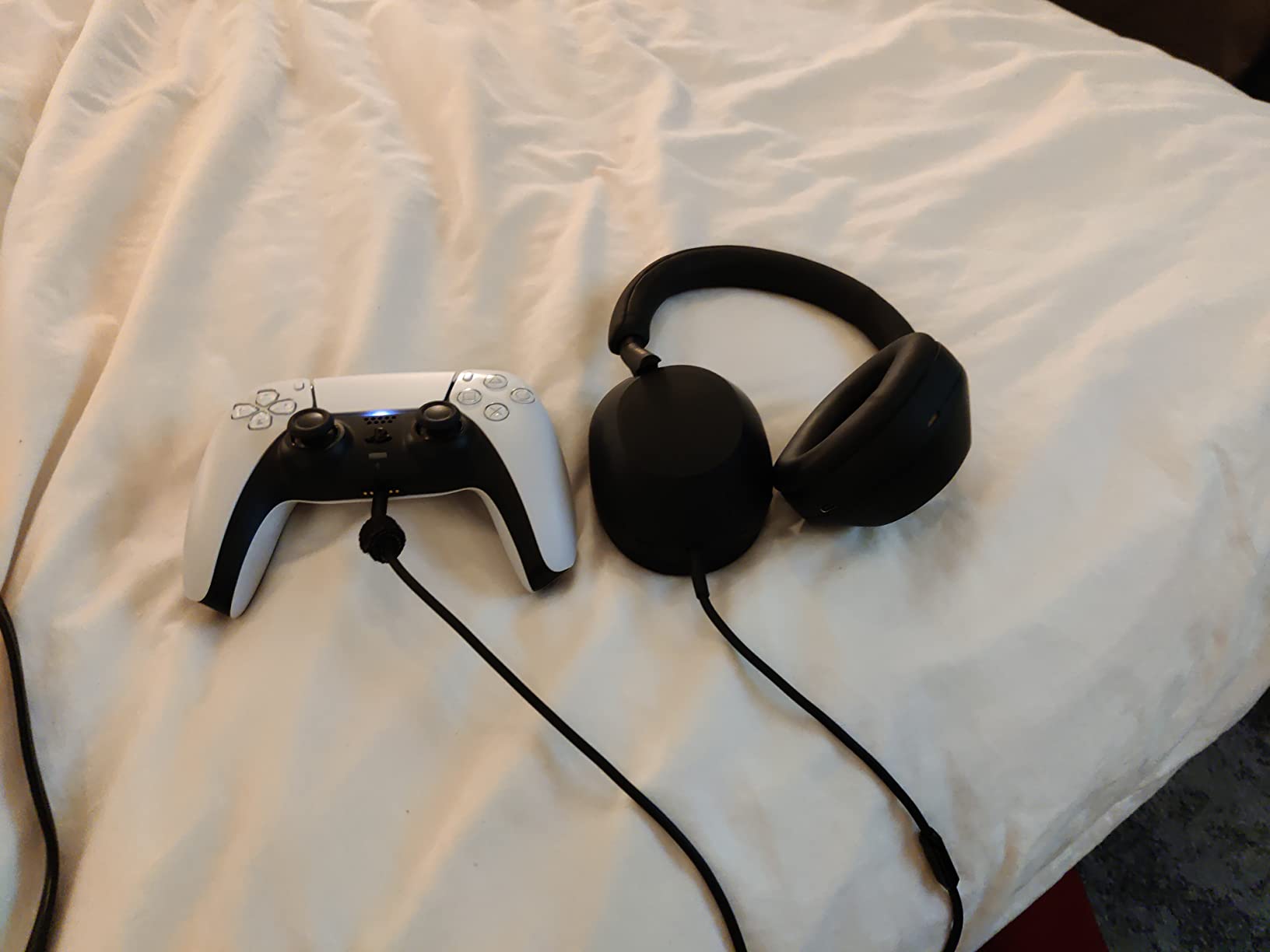
Battery is a 30-hour published figure with a 3-minute quick charge for 3 hours of playback, which is the fastest emergency top-up in this group. Multipoint connection, speak-to-chat, and instant pause and play on removal cover the rest of the office workflow nicely.
The Integrated Processor V1 keeps the sound detailed and well balanced, which matters more than raw cancellation depth if you are listening to reference tracks through a meeting that could break at any moment. Weight is 8.82 ounces, so it is one of the lighter over-ear sets here.
What works for focus-heavy days
The four beamforming microphones handle hands-free calling better than the reputation suggests, though not as cleanly as the Jabra. On a quiet office floor the mic pickup was clear; next to a running printer I still passed audio, just with a little room tone under it.
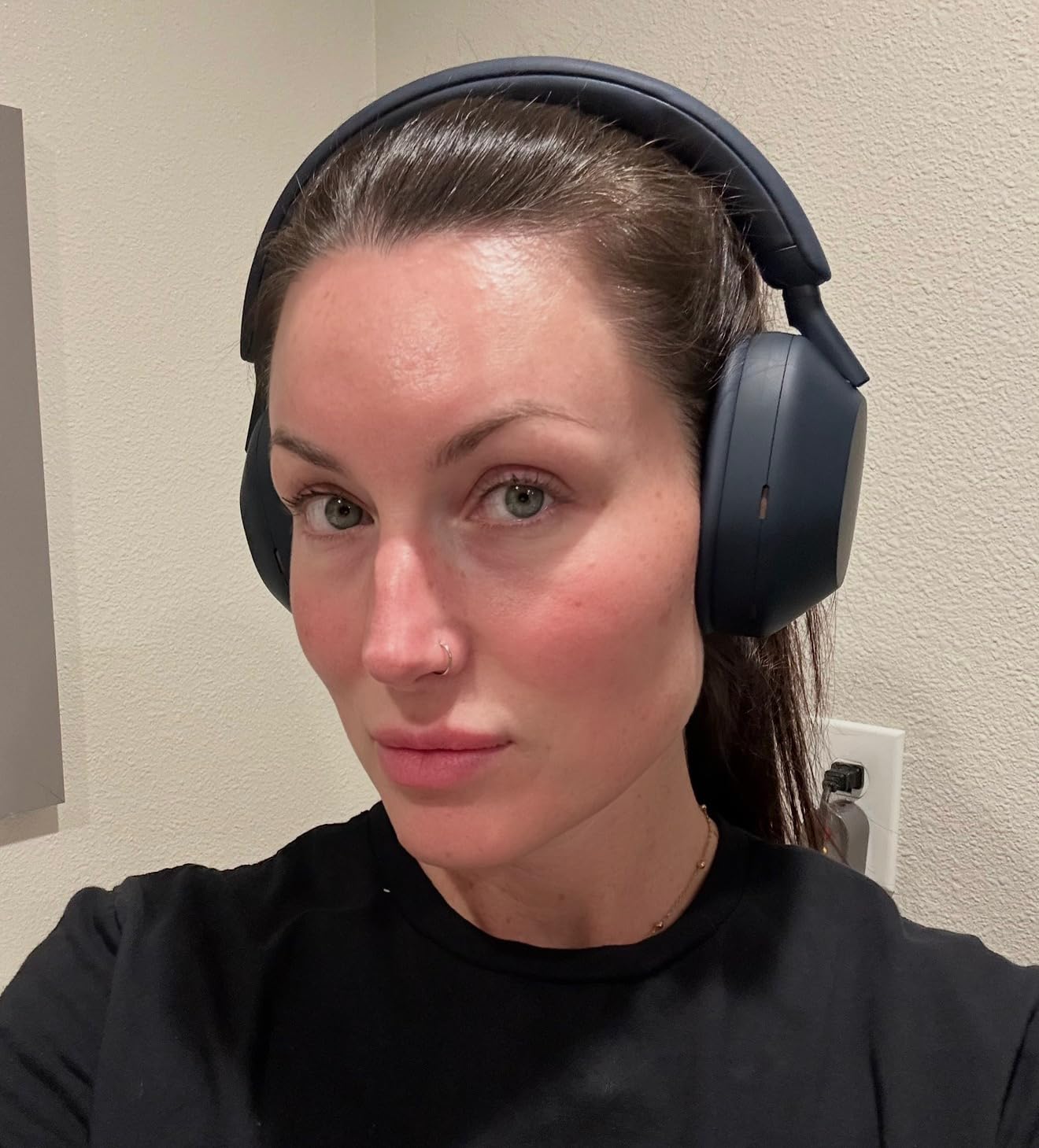
The soft fit leather and lightweight frame are the reason the XM5 stays comfortable for a long session. In our rotation, it was the pair that produced the fewest pressure complaints over a full working week.
Where it falls short
It carries the lowest average rating of the ten in this roundup, with 11 percent one-star reviews from owners. A meaningful share of that comes from owners who expected folding and found there is none, since the design does not collapse flat.
The 48 ohm impedance and the absence of any water resistance rating make it a desk-first headphone. It also sits at the very top of the sub-300 range, which leaves no room in the budget for a second pair or a spare cable.
4. Sennheiser Momentum 4: Best Sound Quality in the Sub-300 Range
Pros
- Audiophile tuning with 42mm transducers
- 60-hour battery dwarfs most rivals
- aptX Adaptive over Bluetooth 5.2
- Four digital beamforming mics with wind suppression
- Folds flat and weighs 10.3 ounces
Cons
- ANC rates behind Sony and Bose on office chatter
- Touchpad controls replace physical buttons
- Auto play and pause catches people out
Nobody in this roundup sounds better than the Sennheiser Momentum 4 at the volumes an office actually allows. Forty-two millimetre transducers with aptX Adaptive produce a wide, even presentation that stays composed whether you are at 20 percent or 60 percent volume, and that low-end composure is exactly what keeps a long workday bearable.
The 60-hour published battery is one of the longest figures here, and it is the number that changes daily behaviour. Owners consistently report charging it once a week rather than daily, which removes a small but constant friction from the working week.
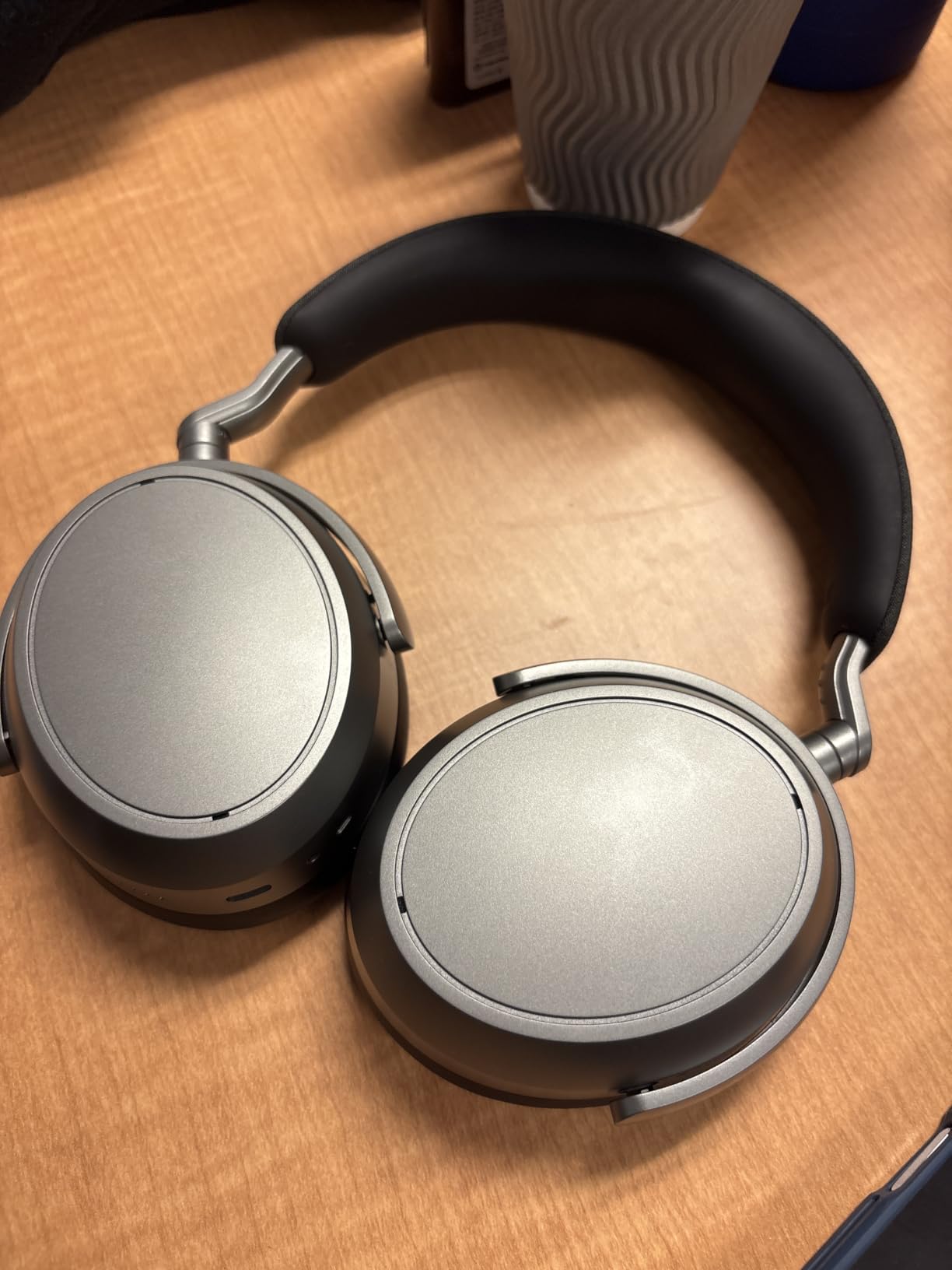
Adaptive noise cancelling is present, along with an adjustable transparency mode, and the Smart Control Plus app handles equalisation, presets and sound modes. Four digital beamforming microphones with wind noise suppression keep a voice intelligible on calls, which is a real strength when your office HVAC is the main background sound.
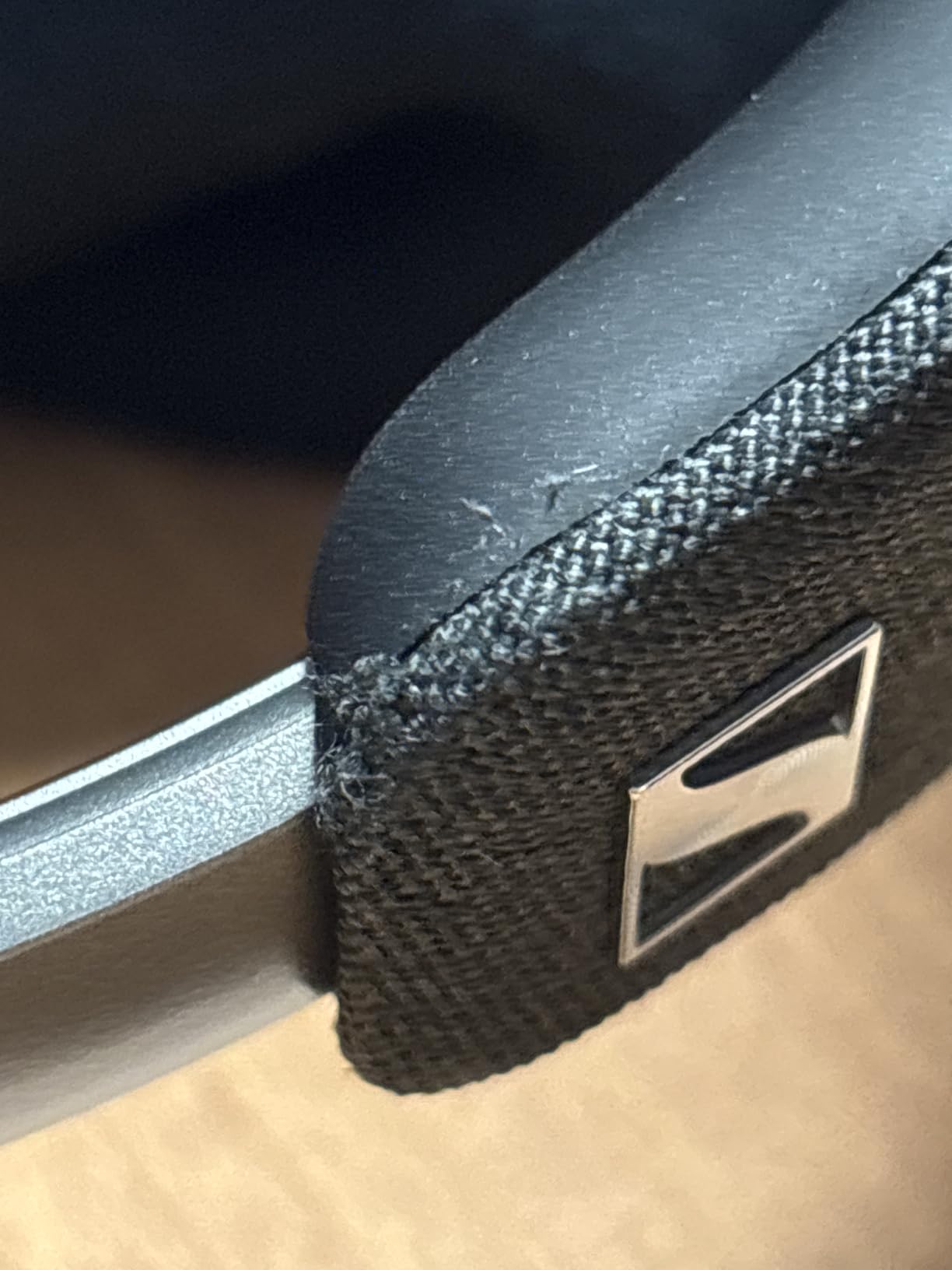
The design is lightweight and foldable, with a cushioned headband and ear pads. The package is unusually complete for this price band, including a carry case, a USB-C cable, a 3.5mm to 2.5mm cable and an airplane adapter.
What works for long listening days
Bluetooth range is listed at 100 metres, far beyond the 10-metre figure most competitors publish, which means you can walk to a kitchen or a meeting room and keep the connection. Combined with the 60-hour battery, this is the least fussy pair to own and forget about.
The frequency range of 6 Hz to 22 kHz and 106 db sensitivity mean quiet passages stay audible at low volume, which is the correct behaviour for a shared floor where you cannot afford to blast music.
Where it falls short
The noise cancelling is generally rated behind the Sony, Bose and Marshall sets in this group on incoming office chatter. If your office is speech-dominated rather than hum-dominated, the sound quality win is partly offset by a cancellation gap.
The touchpad controls in place of physical buttons draw recurring complaints, as does the auto play and pause behaviour when the headphones are removed mid-call. If you wear them around your neck between calls, that default can cut a meeting.
5. JBL Tune 770NC: Best Value Pick With a 70-Hour Battery
Pros
- 70-hour battery is the longest in this lineup
- Smart Ambient and TalkThru handle colleagues well
- JBL Pure Bass with Audio and Video modes
- Bluetooth 5.3 with LE Audio
- Multipoint pairing and foldable design
Cons
- 32mm drivers are smaller than several rivals
- Bass-heavy default tuning
- No 3.5mm jack listed
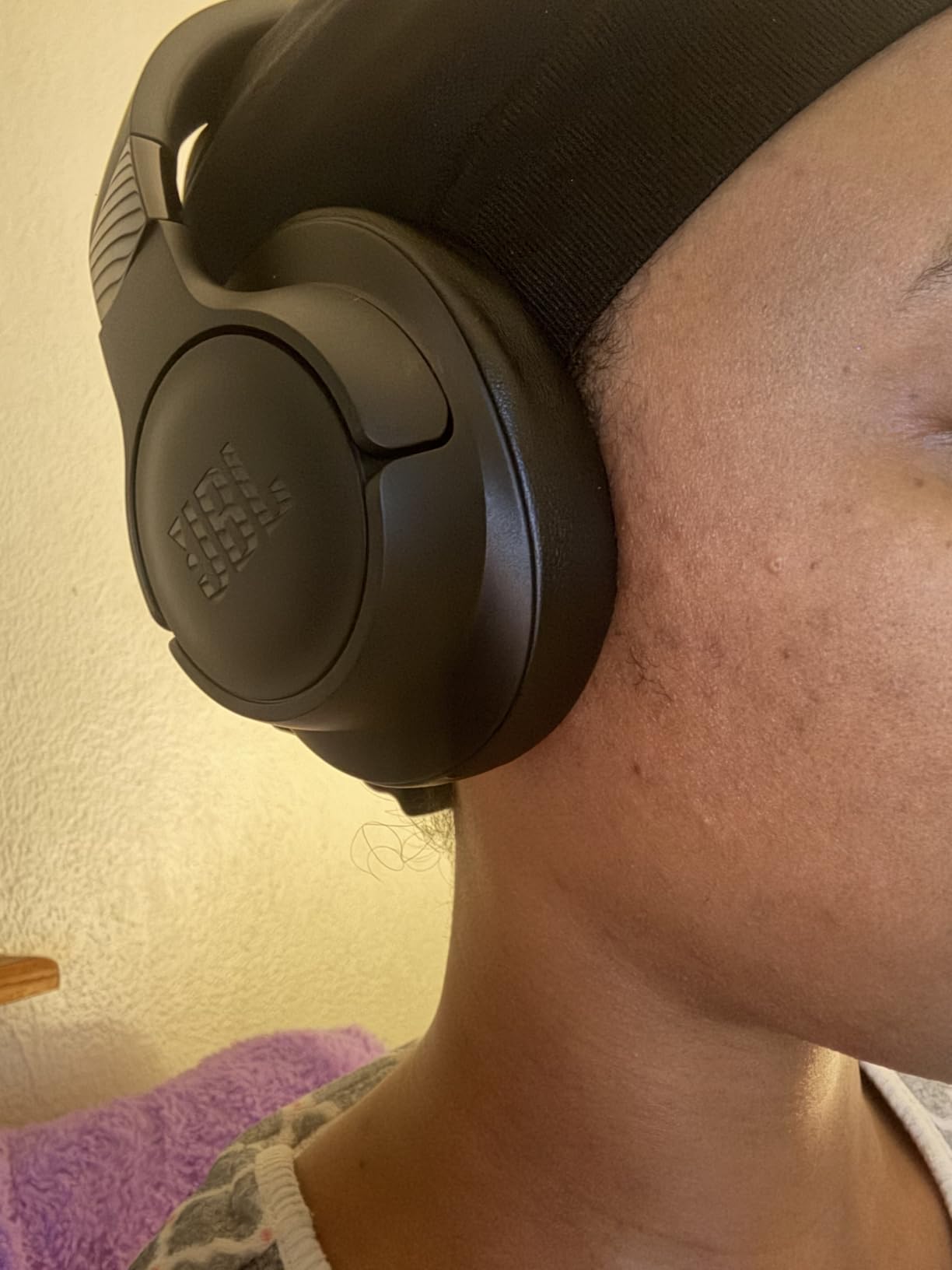
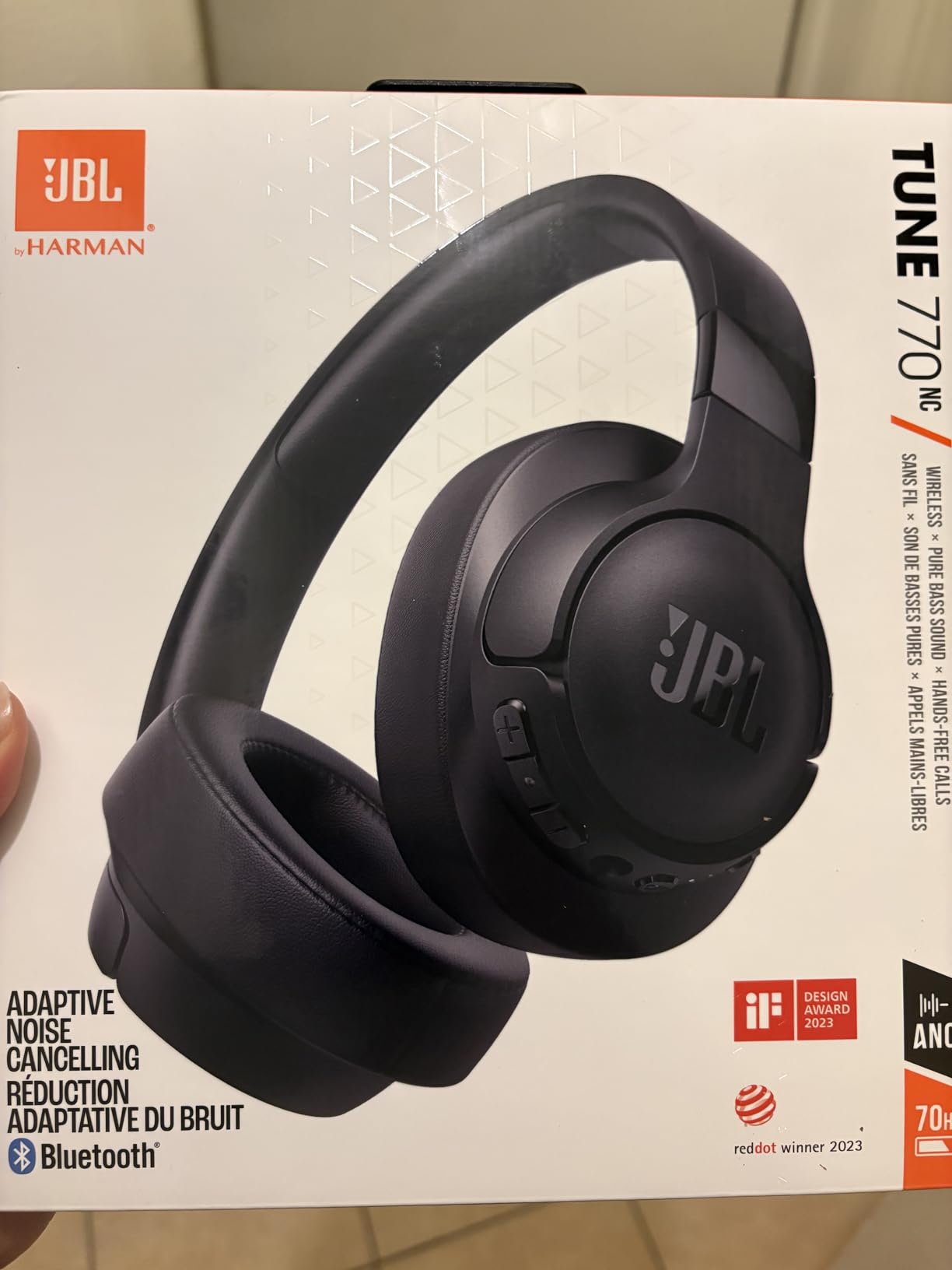
The JBL Tune 770NC is the pair that surprised me most. It sits at the low end of the sub-300 range while delivering one of the longest published batteries in the roundup, and the adaptive noise cancelling is explicitly tuned for studying and focused work sessions rather than for a cockpit.
Transparency handling is unusually well thought out for the money. Smart Ambient, Ambient Aware and TalkThru each do a different job, and the practical difference is that you can check whether a colleague is approaching without taking the headphones off and losing your place.
Bluetooth 5.3 with LE Audio is a genuine step up for anyone streaming from a phone, and the Audio and Video mode selection fixes lip-sync for anyone who watches during a commute. Multipoint pairing means the laptop and the phone both stay connected.
At 232 grams this is the lightest over-ear set in the group, and it folds flat, which is a genuine rarity among full-size ANC headphones. The JBL Headphones app adds EQ presets and a custom EQ curve, which is more tuning control than most of the sub-300 options offer.
What works for open-plan work
VoiceAware hands-free calls are a real feature rather than a checkbox here, because the mode lets you hear your own voice while talking, which reduces the unconscious raised-volume habit in an open office. The adaptive cancelling is steady on both HVAC and mid-range chatter.
With a 70-hour published figure, this is the pair to buy if charging is a genuine inconvenience. Even derating for daily ANC use, you are looking at more than a week per charge in most working patterns.
Where it falls short
The 32mm drivers are smaller than the 40mm units used by several competitors in this lineup, and the trade shows in the low end. JBL Pure Bass is fun rather than accurate, so the sound is not the pick for critical work.
There is no headphone jack listed, so wireless is the only path. And the 20 Hz low cutoff is modest next to the 6 Hz figure the Sennheiser manages, which you will not hear in an office but which tells you something about the tuning intent.
6. JBL Live 770NC: Best Pick for 40mm Drivers and Spatial Sound
JBL Live 770NC – Wireless Over-Ear Headphones with True Adaptive Noise Cancelling with Smart Ambient, Up to 65 Hours of Battery Life, Comfort-fit Fabric Headband & Carrying Pouch (Black)
Pros
- True Adaptive ANC uses four noise-sensing microphones
- 40mm drivers with JBL Spatial Sound
- 5-minute quick charge gives 4 hours
- Comfort-fit fabric headband
- Auto play and pause on removal
Cons
- Heaviest over-ear set here at 15.68 ounces
- Battery figure drops sharply with ANC on
- No headphone jack
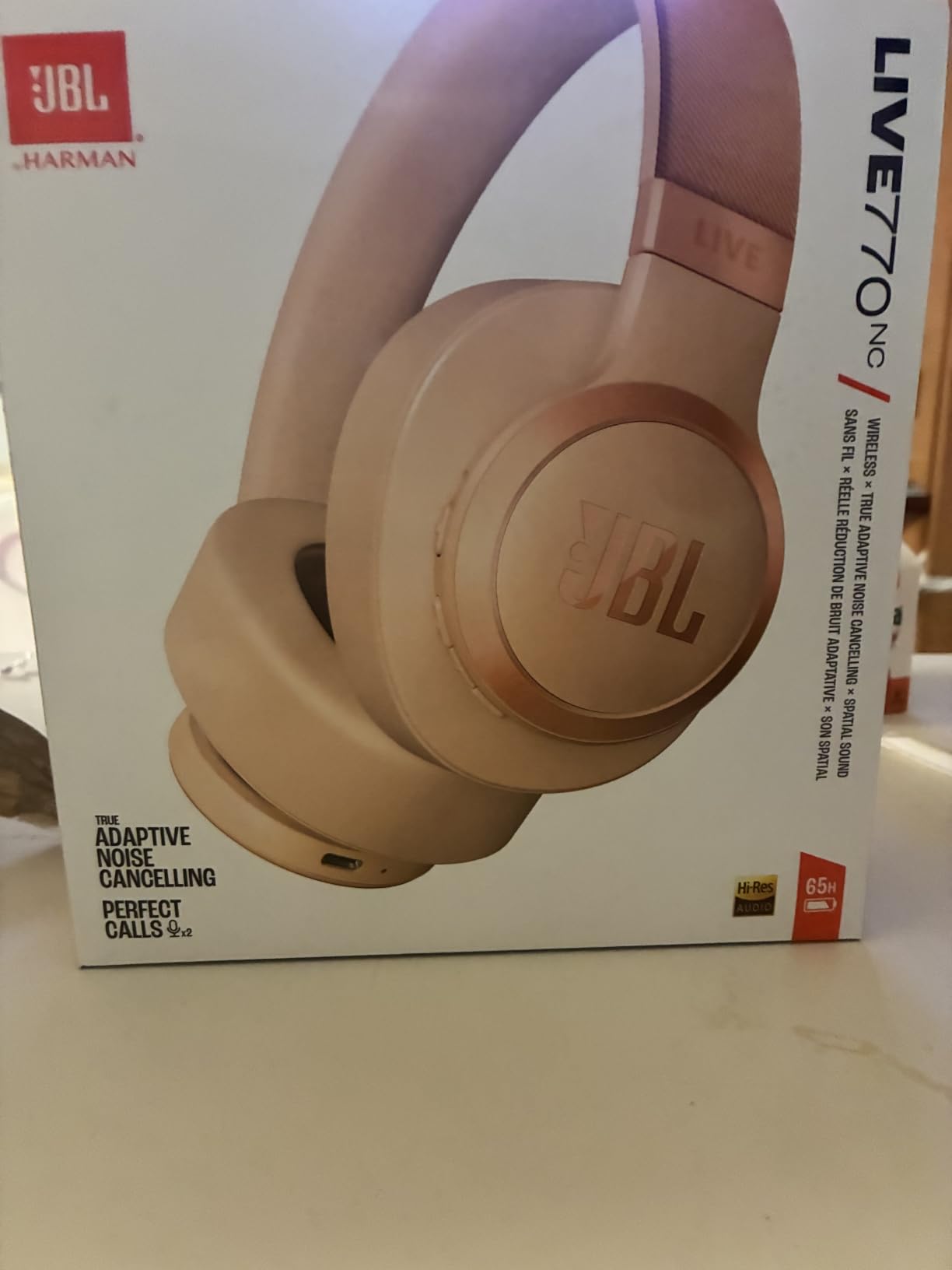
The Live 770NC is the step up from the Tune, and the difference is the driver size. Forty millimetre JBL Signature Sound drivers give a fuller, more confident low end, and JBL Spatial Sound adds a virtual surround stage that makes a shared desk feel marginally less like a shared desk.
True Adaptive Noise Cancelling uses four noise-sensing microphones and continuously measures the ambient environment, adjusting as the office noise changes. When a group of people started talking near my desk, the cancellation shifted within a second or two instead of staying locked to the earlier profile.
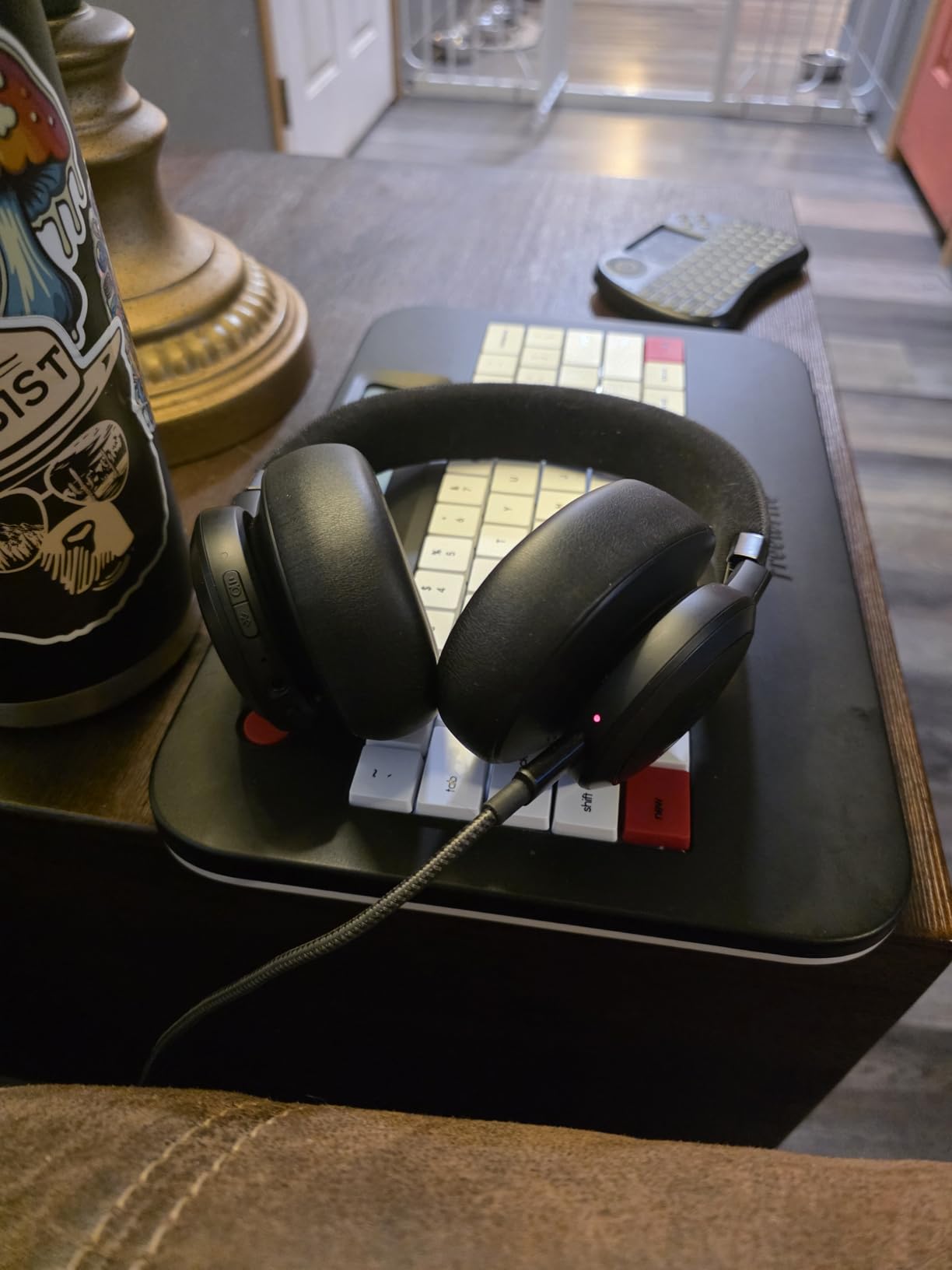
Smart Ambient lets in the room when you need it without removing the headphones. A carrying pouch is included, which is useful for hot-desking, and the comfort-fit fabric headband spreads weight across the top of the head better than a narrow padded band.
Bluetooth 5.3 with LE Audio is supported, along with Audio Mode and Video Mode for synchronisation. A five-minute quick charge returns four hours, which is the second-fastest top-up here after the Sony.
What works for immersive work blocks
The larger drivers matter most at low listening volumes, which is exactly how most of us use headphones in an office. At 30 percent volume the Live 770NC still has a full low end, where the smaller-driver Tune begins to thin out.
Auto play and pause when you remove and replace the headphones is a small quality-of-life feature that stops a meeting from playing to an empty chair, and owners rate the fabric headband for extended wear.
Where it falls short
At 15.68 ounces this is the heaviest over-ear set in the roundup by a clear margin. Over a long day that weight adds up on the neck, and it is the opposite of the comfort-first argument for the Bose.
The 65-hour figure is quoted with Bluetooth on and ANC off, so running cancellation in a real office cuts that considerably. Some owners also report that ANC defaults to on at power-up, which is convenient if you want it and irritating if you do not.
7. Jabra Evolve2 65 Flex: Best Pick for Teams and Zoom Calls
Pros
- ClearVoice isolates your voice from background noise
- Certified for Microsoft Teams
- Zoom and Google Meet
- USB dongle included for dense office Wi-Fi
- Exceptionally light at 4.8 ounces
- Folds flat into its pouch
Cons
- On-ear design gives weaker ambient noise reduction
- Some owners report Bluetooth dropouts in Teams after a few months
- Boom mic and cushions wear out quickly
The Jabra Evolve2 65 Flex is the only pair in this roundup built around call quality rather than music, and that single decision changes everything about how it performs in an office. ClearVoice technology combined with hybrid noise cancelling keeps background noise off your calls, and owners describe it as among the best voice isolation they have experienced.
It is the only pair here certified for Microsoft Teams, Zoom and Google Meet, and it includes a USB dongle as well as Bluetooth support. In a dense open-plan office with dozens of 2.4 GHz devices, that dongle is the difference between a stable call and a call that drops.
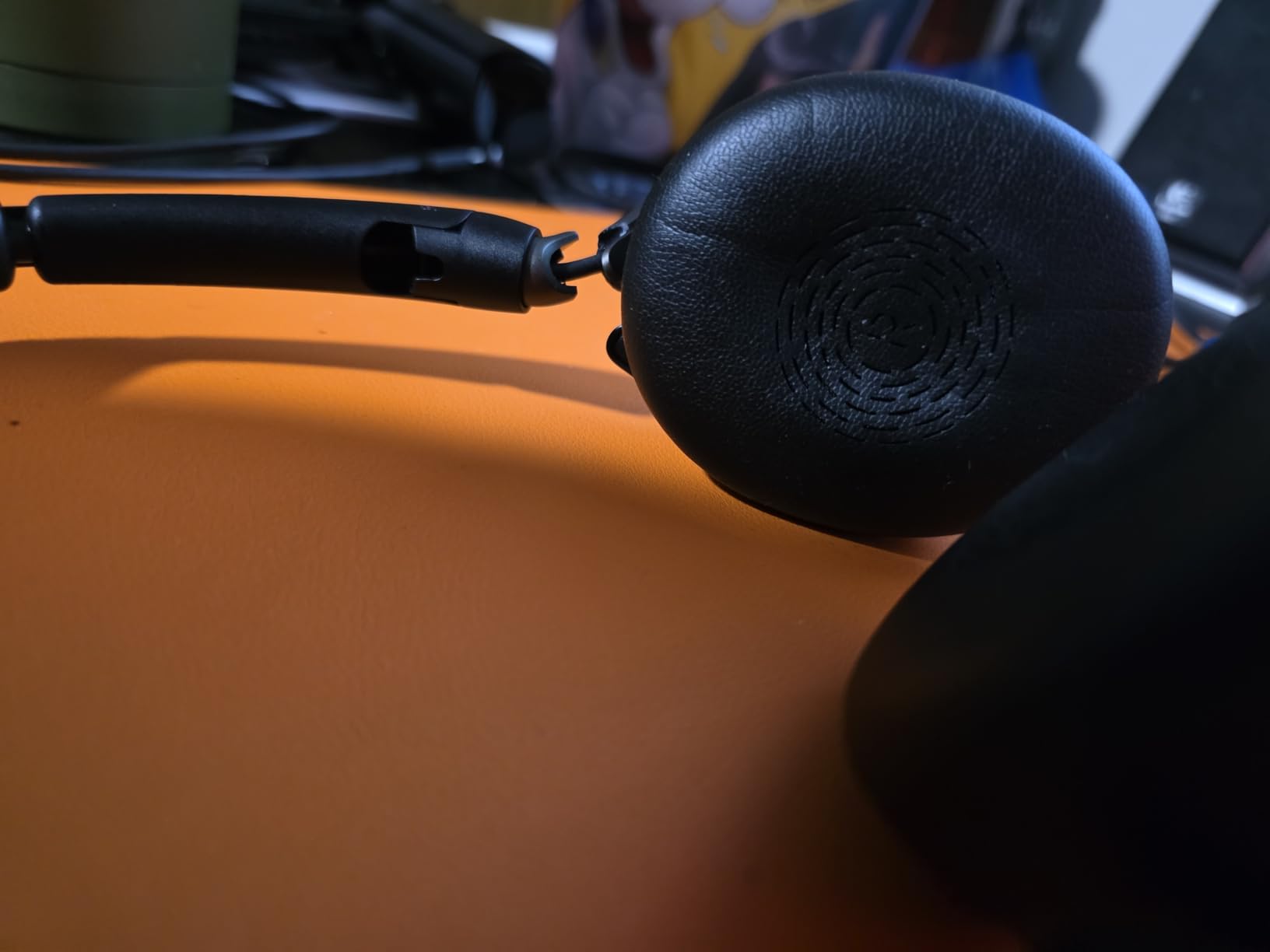
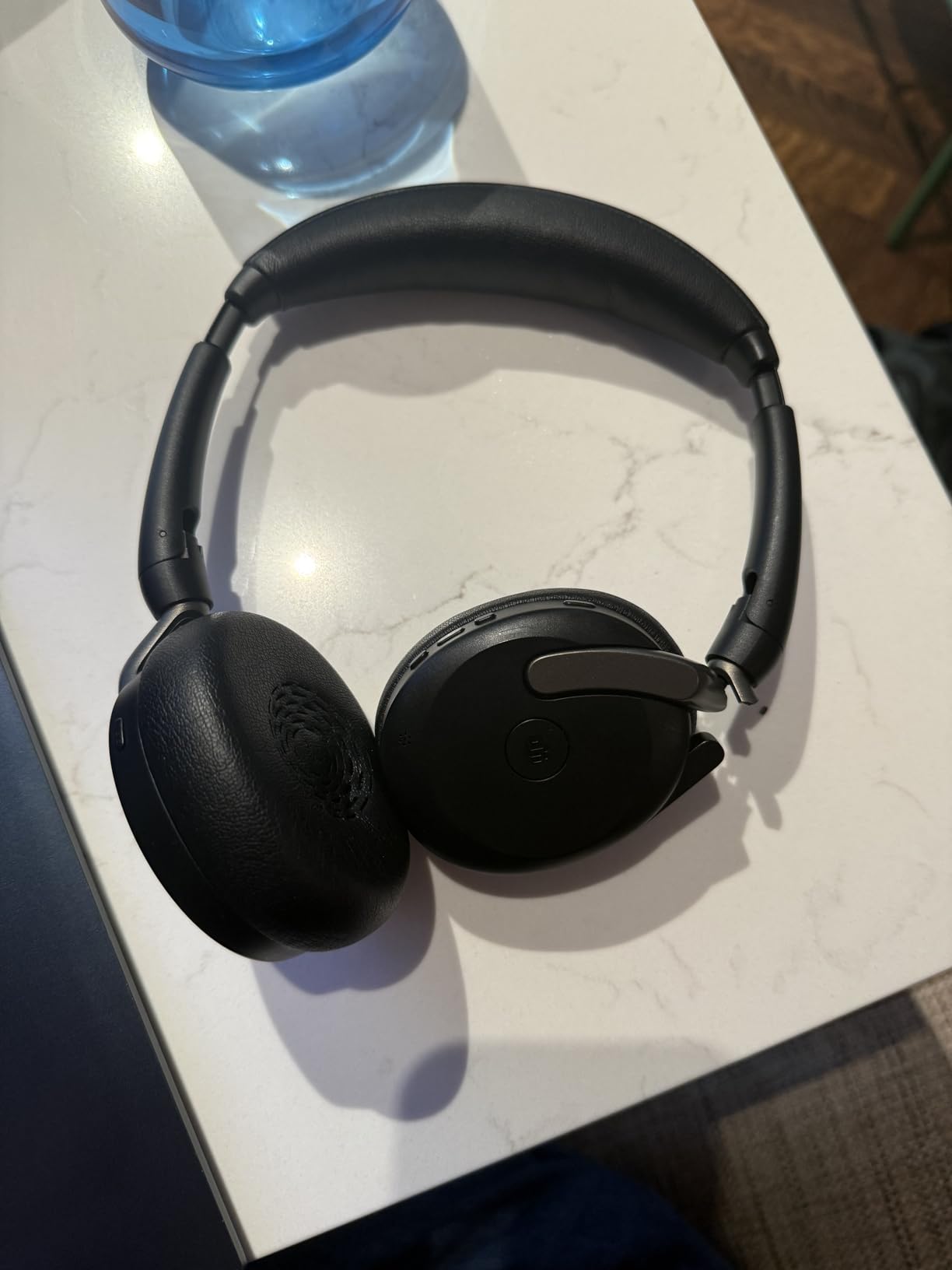
At 4.8 ounces it is by far the lightest pair in the roundup, less than half the weight of the heaviest. The foam-filled cushioned headband and the rotating flexible earcups rest on the ears rather than clamping over them, and HearThrough mode keeps you aware of your surroundings.
The two-year manufacturer warranty is the longest listed here, and a 30-metre Bluetooth range is the second-longest. The headset folds flat at the twist of an earcup into its pouch, which makes it easy to carry between a desk and a meeting room.
Why call quality beats music quality here
The distinction between listening-side and call-side isolation is what this roundup turns on, and the Jabra is the clearest example. The noise cancelling is not the deepest in the group, but it is aimed at removing the office from your microphone signal, which is the half of the problem most consumer headphones never address.
It also has a durability profile that suits a work headset rather than a lifestyle headphone. The form factor, the certification, and the included dongle all signal that it was designed to sit on a desk and be used for eight hours of meetings.
Where it falls short
The on-ear form factor is the trade-off. It gives noticeably weaker ambient noise reduction than every over-ear set in this roundup, so it does not silence the office for you the way the Sony or Bose do. For pure focus work that is a real limitation.
Owners report Bluetooth dropping out of Microsoft Teams calls after one to two months, and a recurring complaint about the boom microphone failing when it is lowered. Ear cushions and headband padding are also reported to deteriorate quickly with daily use, which matters most for the hot-desking crowd.
8. Marshall Monitor III ANC: Longest Battery With Physical Controls
Pros
- 100-hour battery without ANC and 70-hour with
- Three adjustable ANC levels plus Transparency
- Physical buttons and joystick instead of touch
- Soundstage spatial audio
- App EQ and customizable hinge buttons
Cons
- ANC weaker than Sony and Bose on nearby speech
- Shallow ear cups are tight for larger ears
- Mid-forward tuning can fatigue sensitive listeners
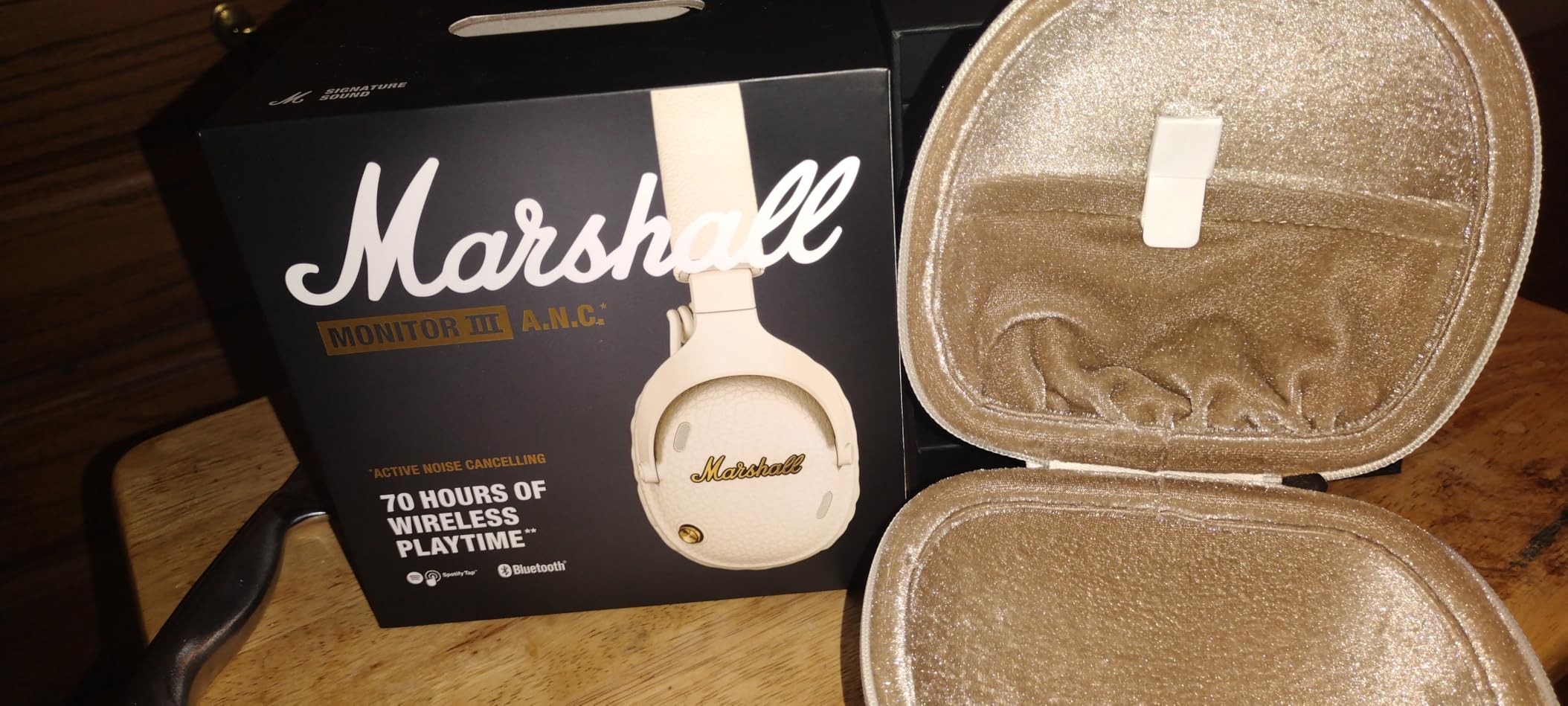
The Marshall Monitor III ANC is the pair I recommend to anyone who cannot stand touch controls. The physical buttons and control joystick are intuitive and hard to trigger by accident, which in an office is the difference between leaving a meeting on mute deliberately and doing it by brushing a panel with a coffee cup.
Battery is the headline. Seventy hours of playtime with ANC running and up to 100 hours without, and the Active Noise Cancelling was significantly upgraded from the previous generation, with three adjustable levels plus Transparency mode that continuously measures ambient noise.
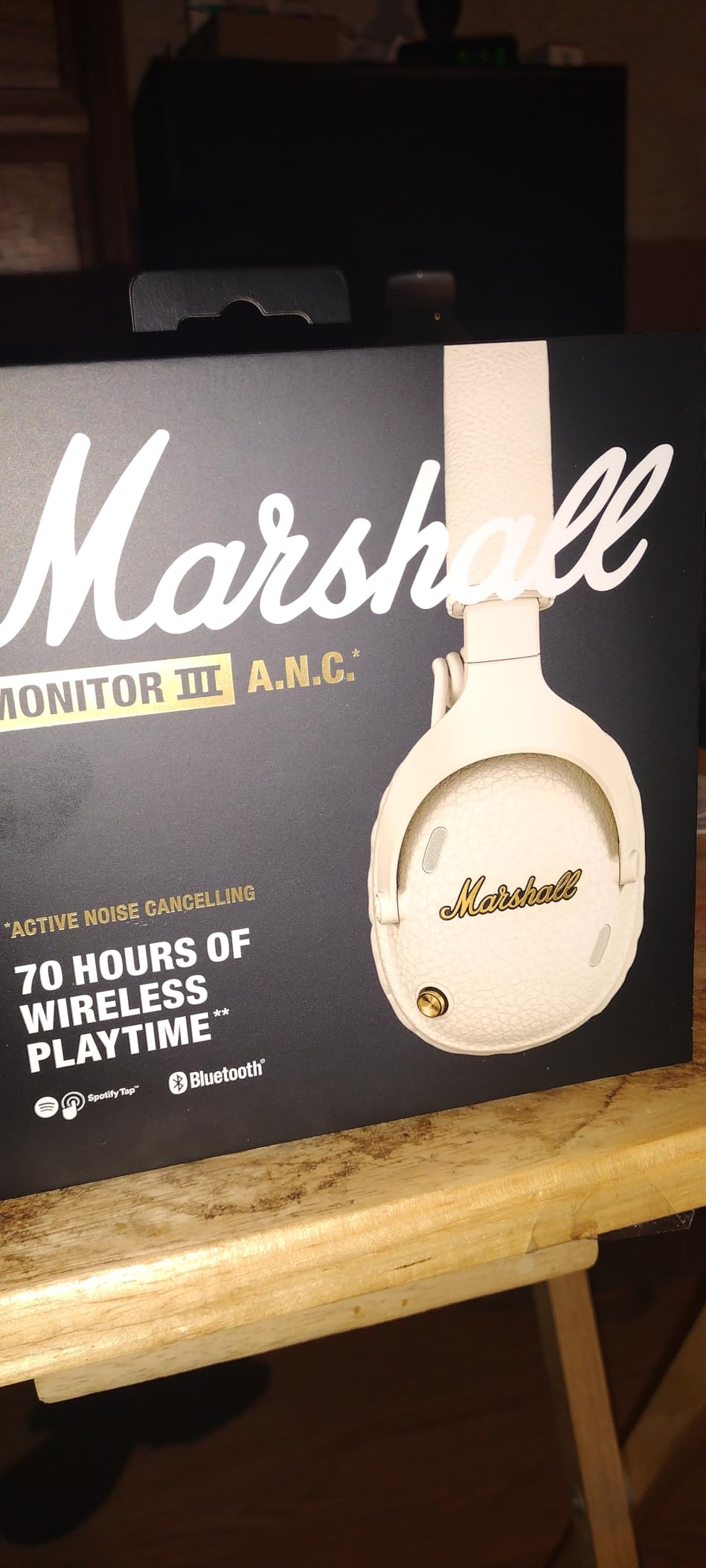
Marshall Signature Sound with Dynamic Loudness rebalances treble, mids and bass at every volume, so the presentation holds together whether you are at a whisper or at 70 percent. Soundstage spatial audio widens the presentation beyond your head, which is unusual at this level.
The build is rugged and foldable, packing into a small premium hard case, and a USB-C to 3.5mm detachable audio cord is included for wired listening. Bluetooth 5.3 handles source switching reliably, with app control for EQ and hinge button customisation.
What works for people who do not trust ANC
The three ANC levels matter in a real office because you rarely want maximum cancellation. A low level handles steady HVAC while keeping some room awareness, a high level handles a noisy afternoon, and Transparency covers a quick conversation at the neighbouring desk.
For anyone who listens to music while working, the physical controls, long battery and included wired cord make this the least maintenance-heavy pair we tested. You charge it roughly once a week and never think about it again.
Where it falls short
The ANC is weaker than the Sony and Bose sets here, and reviewers report that nearby conversation and traffic remain audible. That is a meaningful gap if speech is your dominant distraction, which is precisely the case this roundup is about.
The ear cups are shallow, which gets uncomfortable for people with larger ears or larger heads, and the mid-forward tuning with slight treble sibilance can fatigue sensitive listeners over a long day. Some owners also report a creaking plastic noise at the right earcup hinge.
9. Soundcore Space 2: Best Pick Against HVAC and Engine Drone
Pros
- 4-stage low-frequency system targets engine hum and AC drone
- LDAC plus Hi-Res wired with 40mm drivers
- Nap Mode white noise soundscapes
- App with 8-band EQ and HearID test
- Solid hinges and excellent connectivity
Cons
- Ear cups are small and not very breathable
- No touch controls on the cups
- Some units develop a fan-like noise after about an hour
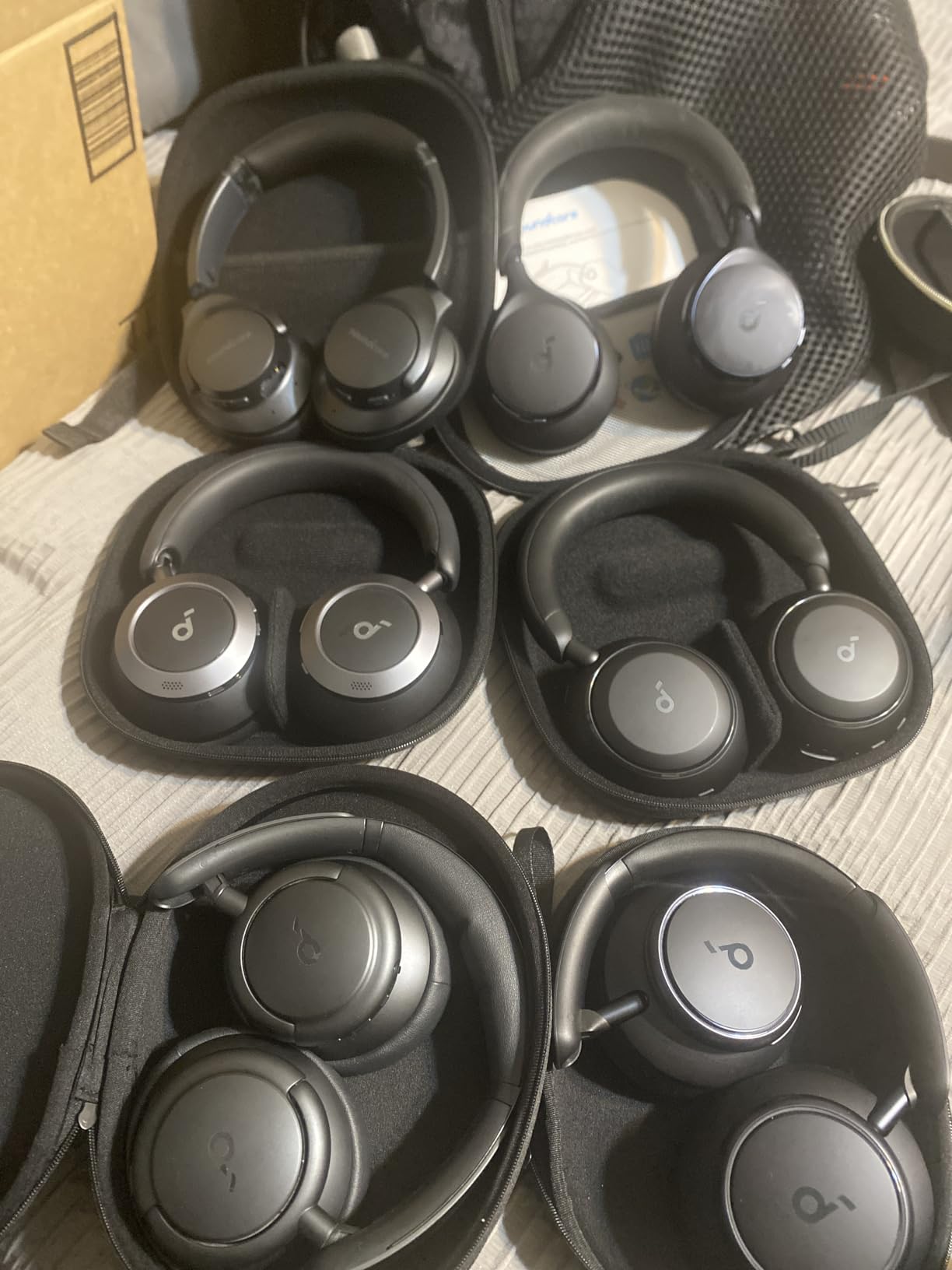
The Soundcore Space 2 targets a very specific office problem: the constant low-frequency drone. Its four-stage low-frequency noise cancelling system is built to attack engine hum, traffic rumble, AC drone and subway noise, which in a mechanically ventilated open office is exactly the sound that makes deep work impossible.
Against HVAC it was the most consistently effective pair in the roundup for me. Against human conversation it is mid-table, closer to the JBL sets than to the Sony, so if your office is a call centre full of voices rather than a plant room, look elsewhere in this list.
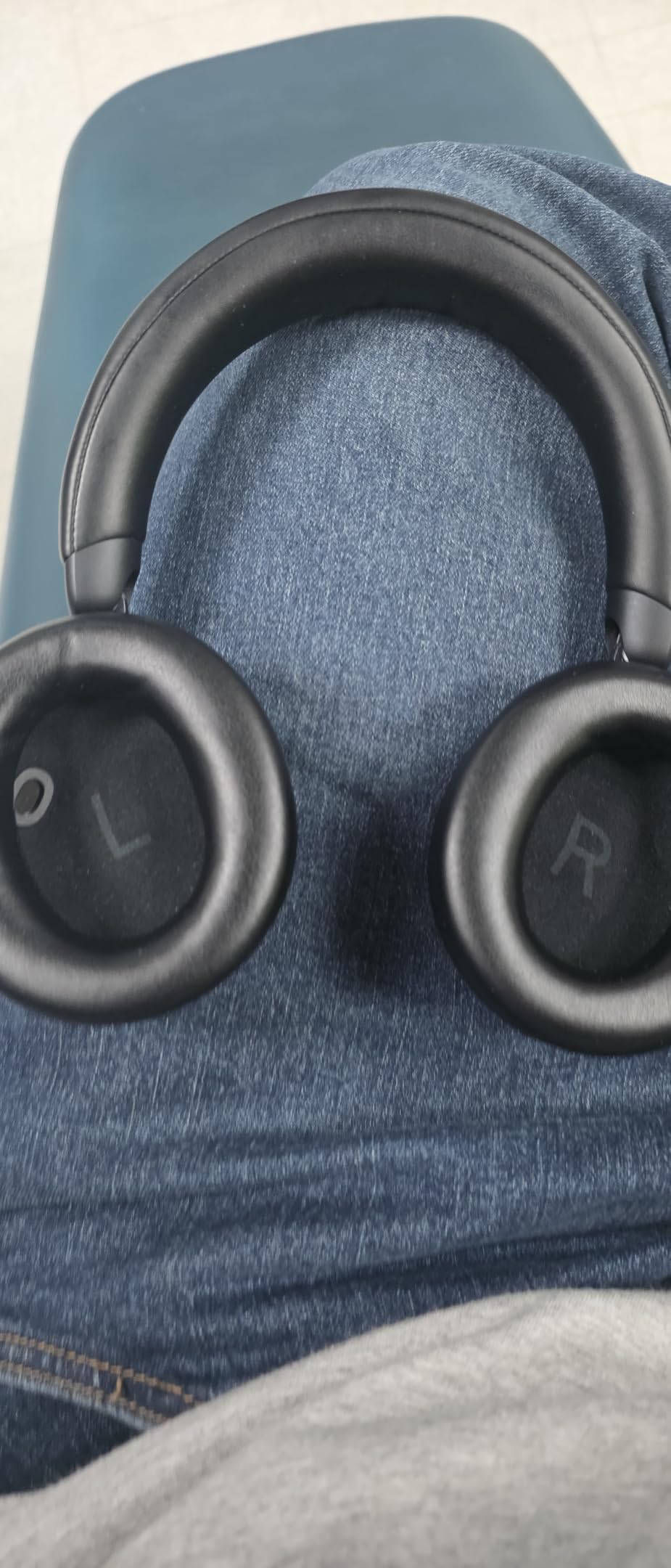
The soundcore app is the deepest of the group in terms of personalisation. An 8-band EQ, presets, a HearID personalised hearing test, Spatial Audio and adjustable ANC levels all live there, and Nap Mode includes built-in white noise and soundscapes for resetting between meetings.
Audio support is unusually broad: LDAC over Bluetooth and Hi-Res Audio wired, driven by 40mm double-layer diaphragm drivers. Battery runs up to 50 hours with ANC on and 70 hours with it off, with a five-minute charge returning four hours.
What works for shared and hot desks
Connectivity is a genuine strength. Reviewers rate the Bluetooth 6.1 link as excellent even across floors, and the pressure-relieving ergonomic headband with slow-rebound memory foam protein leather cushions spreads pressure well over a long session.
For hot-desking, the app-driven EQ profiles can be re-tuned per location in under a minute, which beats fighting with on-device presets. That flexibility is the real argument for this pair over a cheaper alternative.
Where it falls short
The ear cups are small and not very breathable, and they can overheat ears in warm weather or after a few hours. Users with larger ears, roughly three inches or more, report that the tragus does not fit comfortably, so try before committing.
There are no touch controls on the ear cups for answering calls or skipping tracks, and a few owners report a persistent fan-like noise appearing after about an hour of ANC use until the headphones are restarted. The build and hinges are also viewed as less robust than the previous Space One.
10. Edifier W820NB Plus Gen 2: Best Budget Pick in the Lineup
Pros
- Deep minus 49dB hybrid ANC with a dedicated office mode
- 88-hour battery and 15 hours from a 15-minute charge
- Hi-Res 96kHz/24-bit with LDAC support
- Memory foam cushions rated comfortable for 8-hour days
- Gaming Mode reduces latency
Cons
- Onboard buttons are cramped and hard to locate
- No power state indicator so it drains unnoticed
- Multipoint switching takes 15-30 seconds
The Edifier W820NB Plus Gen 2 is the cheapest pair here by a wide margin, and the specification sheet is closer to the premium sets than the entry-level ones. Forty millimetre titanium-coated drivers with Hi-Res 96kHz/24-bit support and LDAC is not something you normally see at this end of the market.
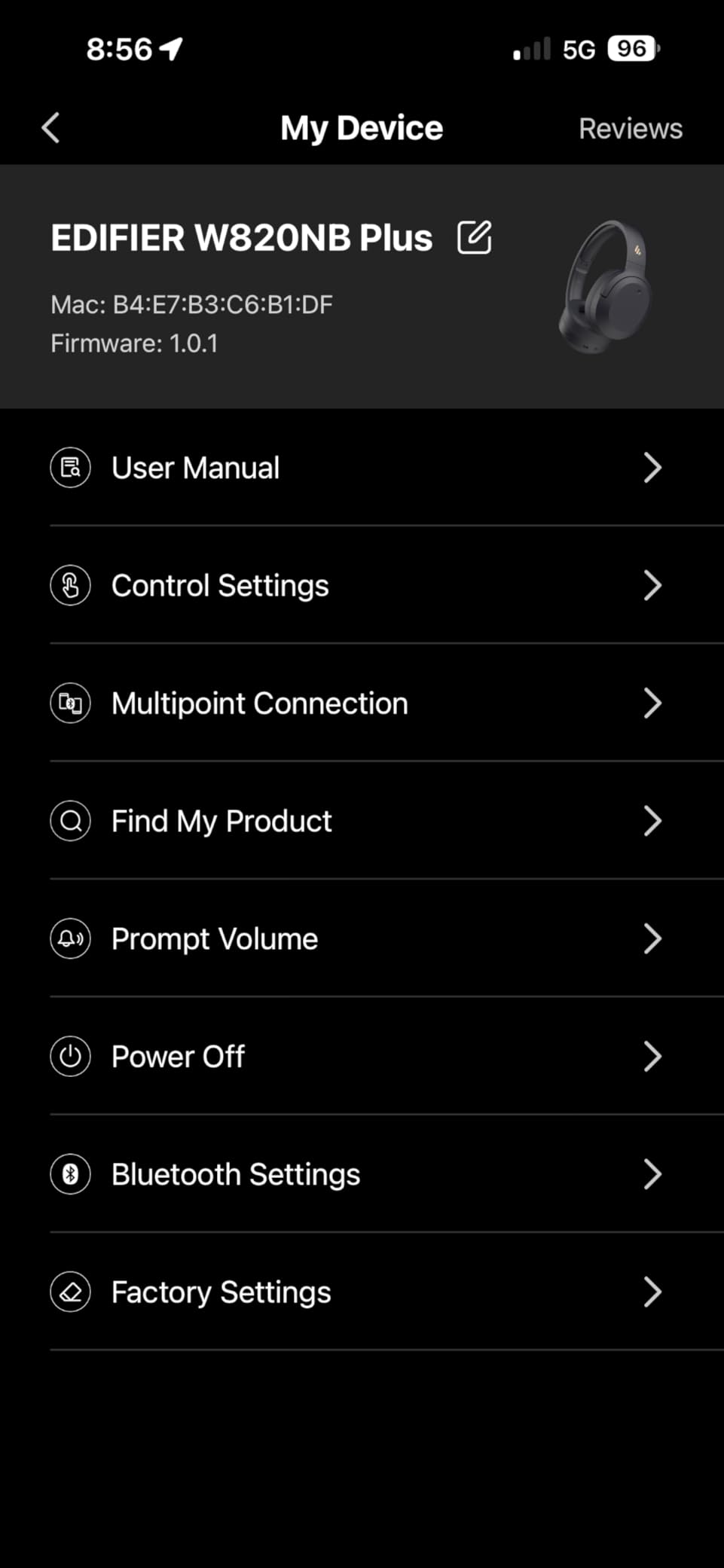
The hybrid active noise cancelling is quoted at minus 49dB with multiple modes, including a dedicated office scenario inside the EDIFIER ConneX app. That office preset is the detail that matters here, because it lets you tune the cancellation profile for a room full of talkers rather than a train carriage.
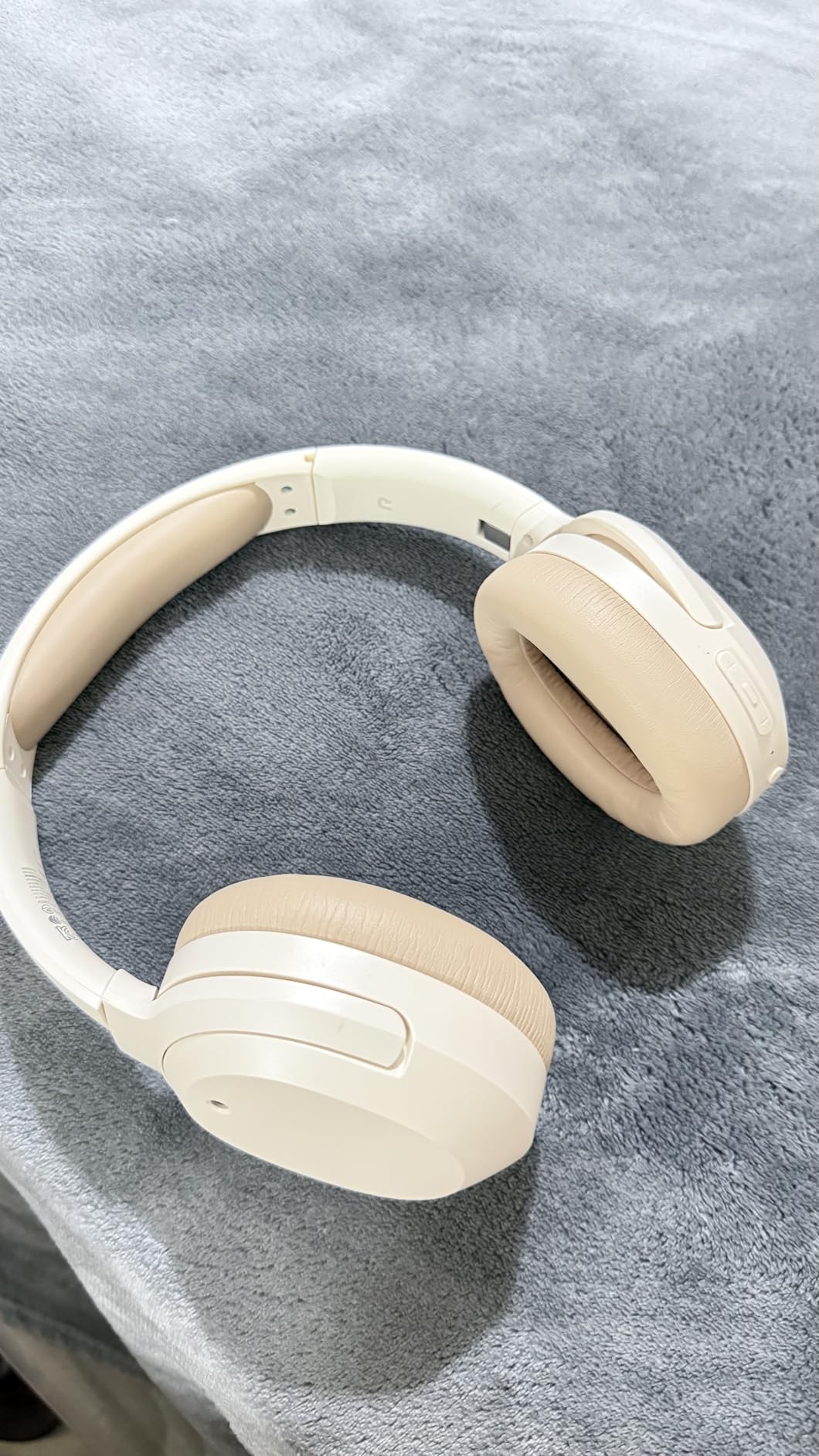
Battery is the standout number: 88 hours with ANC off, 49 hours with it on, and 15 hours of playback from a 15-minute charge. Multipoint Bluetooth and simultaneous play-and-charge over USB-C are both supported, and Gaming Mode cuts latency if you are ever on a call from a game.
Comfort holds up better than the price suggests. Soft memory foam ear cushions on a lightweight foldable design were rated as genuinely comfortable through 8-hour days, and at 247 grams it sits in the middle of the weight range here.
What works for buyers on a tight budget
Call handling is handled by AI noise cancelling, and it does an adequate job on steady room noise rather than a great one on a nearby conversation. Dynamic spatial sound, EQ presets and a Volume Guard maximum-level setting round out the app features at no extra cost.
For a buyer who wants deep cancellation, long battery and Hi-Res audio without spending mid-range money, there is nothing else on this list that matches the balance. The savings versus the premium sets fund a spare pair of pads.
Where it falls short
The physical controls are cramped and hard to locate, which made the layout genuinely confusing in our testing. There is no obvious power state indicator and no automatic disconnect, so it is easy to leave them on and drain the battery overnight.
Multipoint pairing only switches between devices rather than streaming two at once, and each switch takes 15 to 30 seconds. Maximum volume is also limited, and at high levels the sound turns tinny, which is a real ceiling if you work in a genuinely loud room.
How to Choose ANC Headphones for an Open Office
Most buying guides rank these headphones by how much noise they remove. For an office, that is only the first of four decisions, and it is the one most people get wrong. Here is the order we would actually use.
1. Listening ANC or call-side isolation? Decide which half of the problem is bigger. If you spend the day writing and coding, listening ANC is what protects you. If you are on calls half the time, the microphone side matters more, and only one pair in this roundup is UC certified with a dongle included.
2. Understand the ANC types and how they map to office noise. Feedforward systems use external microphones to detect noise before it reaches your ear, which is fast and good at handling changing mid-frequency sound such as a colleague starting to talk. Feedback systems use an internal microphone to measure what actually reached your ear, which is excellent at cancelling steady low-frequency hum. Hybrid systems run both at once, and that is the standard here. The practical rule: pure feedback wins on HVAC, feedforward-heavy designs win on speech, hybrid wins on both, and the gap between a good hybrid and a cheap single-mic design is exactly the gap you notice in an open office.
3. Check UC certification and the dongle. A USB-A or USB-C dongle means the headset is not competing for the same 2.4 GHz spectrum as thirty laptops and two conference room screens. Bluetooth-only headsets are the ones that drop out in a dense office, and certification for Microsoft Teams, Zoom or Google Meet tells you the manufacturer tested for exactly that environment.
4. Derate the battery number. Published battery figures are measured with ANC off, volume moderate, and nothing else running. In an office with ANC on, a call every hour, and multipoint holding a second device, owner reports consistently put real-world figures 20 to 30 percent below the headline number. We use roughly three-quarters of the published figure as a working estimate, which turns a 100-hour claim into about 75 hours of realistic daily use. On that basis, anything above 60 published hours comfortably survives a working week without charging.
5. Judge comfort for nine hours, not ninety minutes. Weight matters, but so does cushion depth and band pressure. Anything under 10 ounces is comfortable for a full day, over 14 ounces will be felt by late afternoon, and shallow ear cups are the most common source of long-day pressure complaints regardless of weight. If you wear glasses, the frame interacts with the seal and the passive isolation drops noticeably, so test with them on.
6. Think about hot-desking hygiene. Cushions that sit against skin are a shared surface. Protein leather wipes clean, fabric cushions do not, and a pair with replaceable pads costs very little more than a new pair of cups. It is a small consideration that pays off every time you change desk.
7. Decide wired or wireless. Wireless is the default, but having a working wired path matters in three situations: a long day of calls, a conference room with a hard-wired system, and a dead battery. Only the Bose, the Sennheiser, the Marshall and the Edifier in this list give you a reliable wired option.
Frequently Asked Questions
What is the king of noise cancelling headphones?
Within the under-300-dollar office category, the Beats Studio Pro takes the top spot in our roundup because it is the only pair that handled mid-frequency office speech and steady HVAC well in the same test, while adding voice-targeting microphones, a 40-hour battery and both USB-C and 3.5mm wired options. If pure listening cancellation is your only goal, the Sony WH-1000XM5 runs eight microphones and two processors, but its call microphones are not its strength.
What are the best over-ear headphones for use at the office?
For most office desks, the Bose QuietComfort is the most comfortable over-ear option in this price range, the Sony WH-1000XM5 cancels the most mid-frequency conversation, and the Jabra Evolve2 65 Flex is the pick when Microsoft Teams or Zoom calls fill your day. The right answer depends on whether your dominant problem is noise, comfort, or being heard clearly on calls.
Do noise cancelling headphones block people talking in an office?
Partially. The best hybrid ANC models in this roundup, including the Beats Studio Pro and the Sony WH-1000XM5, noticeably reduce nearby conversation but do not silence it completely at close range. Voices sit in the mid-frequency range where active cancellation is less effective than against low-frequency hum, so combining ANC with high-volume music and a closed-back fit is what closes the gap.
Which headphones are best for Zoom or Microsoft Teams calls?
The Jabra Evolve2 65 Flex is the clear choice in this group. It is certified for Microsoft Teams, Zoom and Google Meet, uses ClearVoice microphone technology with hybrid ANC, includes a USB dongle to avoid Bluetooth congestion in a dense office, and weighs 4.8 ounces. The Sony and Sennheiser both use four beamforming microphones and sound good on calls, but neither is certified or includes a dongle.
What are the best mid-range headphones?
In the middle of the sub-300-dollar range, the Bose QuietComfort leads on comfort and passive plus active isolation, the Sennheiser Momentum 4 leads on sound quality with 42mm drivers and a 60-hour battery, and the JBL Live 770NC adds 40mm drivers with spatial audio. Below that band, the JBL Tune 770NC and Soundcore Space 2 deliver the most capability per dollar.
How long do ANC headphones really last with noise cancelling on?
Expect roughly 20 to 30 percent less than the published figure once noise cancelling runs all day, calls happen hourly, and multipoint holds a second device. Published numbers in this roundup range from 24 hours for the Bose to 100 hours for the Marshall, so a realistic real-world range runs from about 18 hours per charge to about 75 hours per charge. Models above 60 published hours easily cover a working week.
The Verdict: Which Office ANC Headphones Should You Buy in 2026?
The best noise cancelling headphones for office noise under 300 dollars is a question with four different right answers, and picking the wrong one wastes your money faster than any other headphone purchase. Buy the Beats Studio Pro if you want the best noise cancelling headphones for office use without having to think about which half of the problem you have. It handled speech, HVAC, calls and a full working week on one charge better than anything else in this roundup.
Buy the Bose QuietComfort if your day is long and your head is sensitive. Buy the Sony WH-1000XM5 if cancelling nearby conversation is the whole problem. Buy the Jabra Evolve2 65 Flex if you live on calls and a UC dongle matters more than music. Buy the Sennheiser Momentum 4 for sound, the JBL sets for battery, the Marshall for physical buttons, the Soundcore for HVAC drone, and the Edifier if the budget is fixed.
Whichever you choose, test the fit with your actual glasses and in your actual room before the return window closes. For comparison, we separately track the best noise cancelling headphone deals, which covers models outside this sub-300 office brief.