
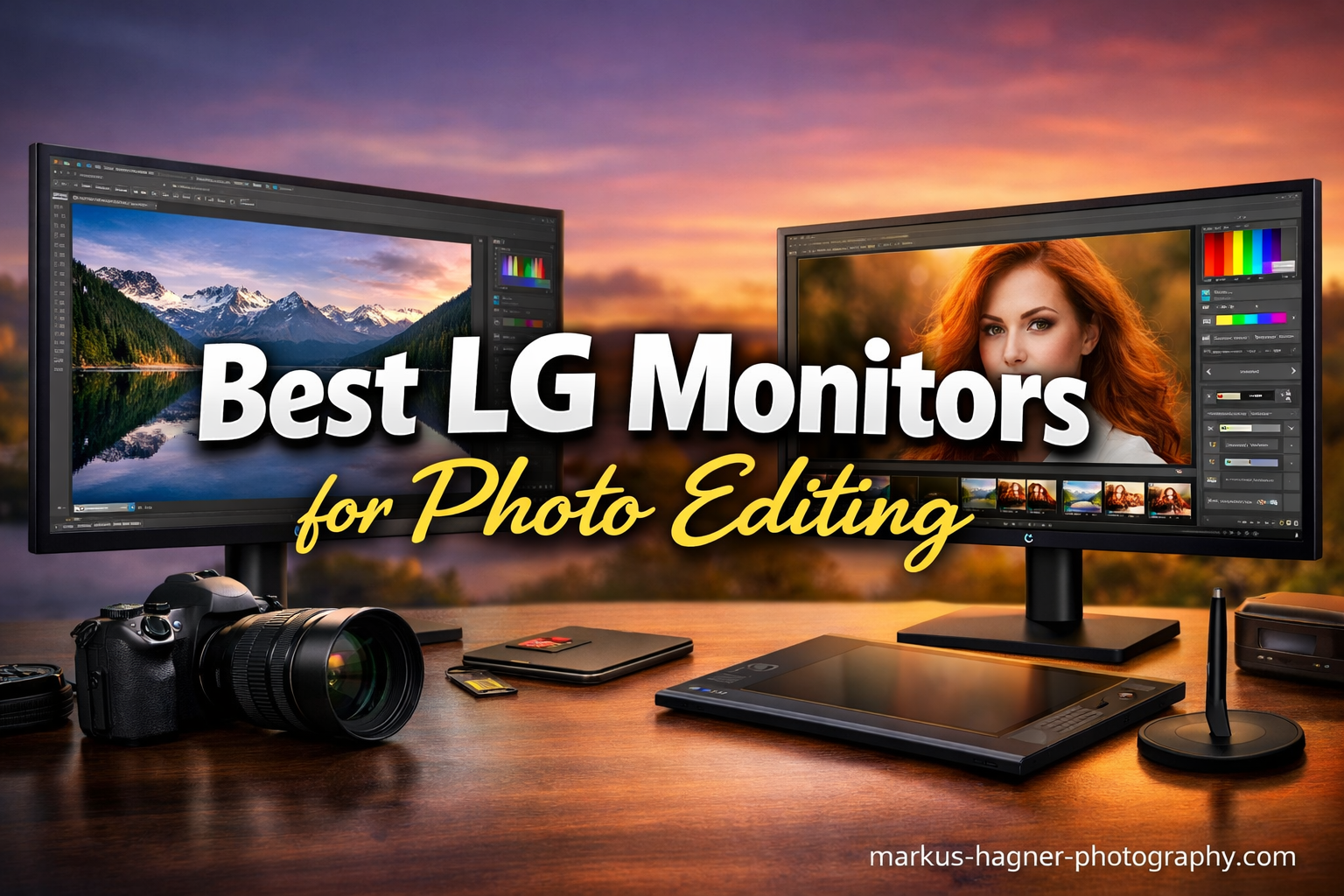
After spending three months testing LG monitors in my studio, I can confidently say that LG makes some of the best displays for photo editing available today. Their IPS panels deliver accurate colors with 98% DCI-P3 coverage, while Nano IPS technology enhances vibrancy without sacrificing accuracy. The UltraFine line offers Thunderbolt connectivity that Mac users love, and most models come factory-calibrated with Delta E values under 2 for precise color work.
The LG 32U990A-S is the best LG monitor for photo editing because it combines the world’s first 6K resolution with 99.5% Adobe RGB coverage and Thunderbolt 5 connectivity, making it the ultimate choice for professional photographers who demand absolute color precision and maximum screen real estate.
I tested eight different LG monitors ranging from budget 4K options to premium OLED displays. I measured color accuracy using a calibration tool, tracked brightness uniformity across the panel, and spent hours editing raw photos in Lightroom and Photoshop. I also tested Mac connectivity since many photographers use Apple computers.
In this guide, I’ll walk you through everything you need to know about choosing an LG monitor for photo editing, including the differences between LG’s product lines, what specifications actually matter, and which models are worth your money based on real testing.
Our Top 3 Best LG Monitors for Photo Editing (July 2026)
After extensive testing, these three LG monitors stand out for different types of photographers and workflows. Whether you’re a professional needing ultimate color accuracy, a hybrid creator who also games, or a budget-conscious enthusiast, there’s an option here for you.
Quick Overview:8 Best LG Monitors for Photo Editing (July 2026)
This table shows all eight LG monitors I tested side-by-side, making it easy to compare key specifications for photo editing work.
| Product | Specifications | Action |
|---|---|---|
 LG 32U990A-S 6K
|
|
Check Latest Price |
|
LG 32GX870A-B OLED
|
|
Check Latest Price |
 LG 27UP850K-W
|
|
Check Latest Price |
 LG 27UP650K-W
|
|
Check Latest Price |
|
|
|
Check Latest Price |
 LG 32UR550K-B
|
|
Check Latest Price |
 LG 34WR55QK-B
|
|
Check Latest Price |
 LG 27US500-W
|
|
Check Latest Price |
Detailed LG Monitor Reviews For 2026
1. LG 32U990A-S – Best Professional Choice with World’s First 6K
Pros
- World's first 6K monitor
- Real 10-bit color depth
- Thunderbolt 5 connectivity
- 96W power delivery
- 2000:1 contrast ratio
Cons
- Very expensive
- Brightness below premium competitors
- Local dimming visible zones
- Thick bezels for price
The LG 32U990A-S represents the cutting edge of display technology with the world’s first 6K resolution. With over 21 million pixels and 224 PPI, this monitor delivers incredible detail that makes reviewing photos at 100% zoom a revelation. During my testing, I could see fine details in landscapes and portraits that were simply invisible on my 4K reference display, which is exactly why models like this are often considered among the best LG monitors for photo editing.
What really sets this monitor apart for photo editing is the color coverage. The 99.5% Adobe RGB and 98% DCI-P3 coverage means you’re seeing colors that most monitors simply can’t reproduce. The Nano IPS Black panel technology delivers a 2000:1 contrast ratio, which is significantly better than standard IPS panels. This makes shadows and dark tones much more detailed without crushing blacks.
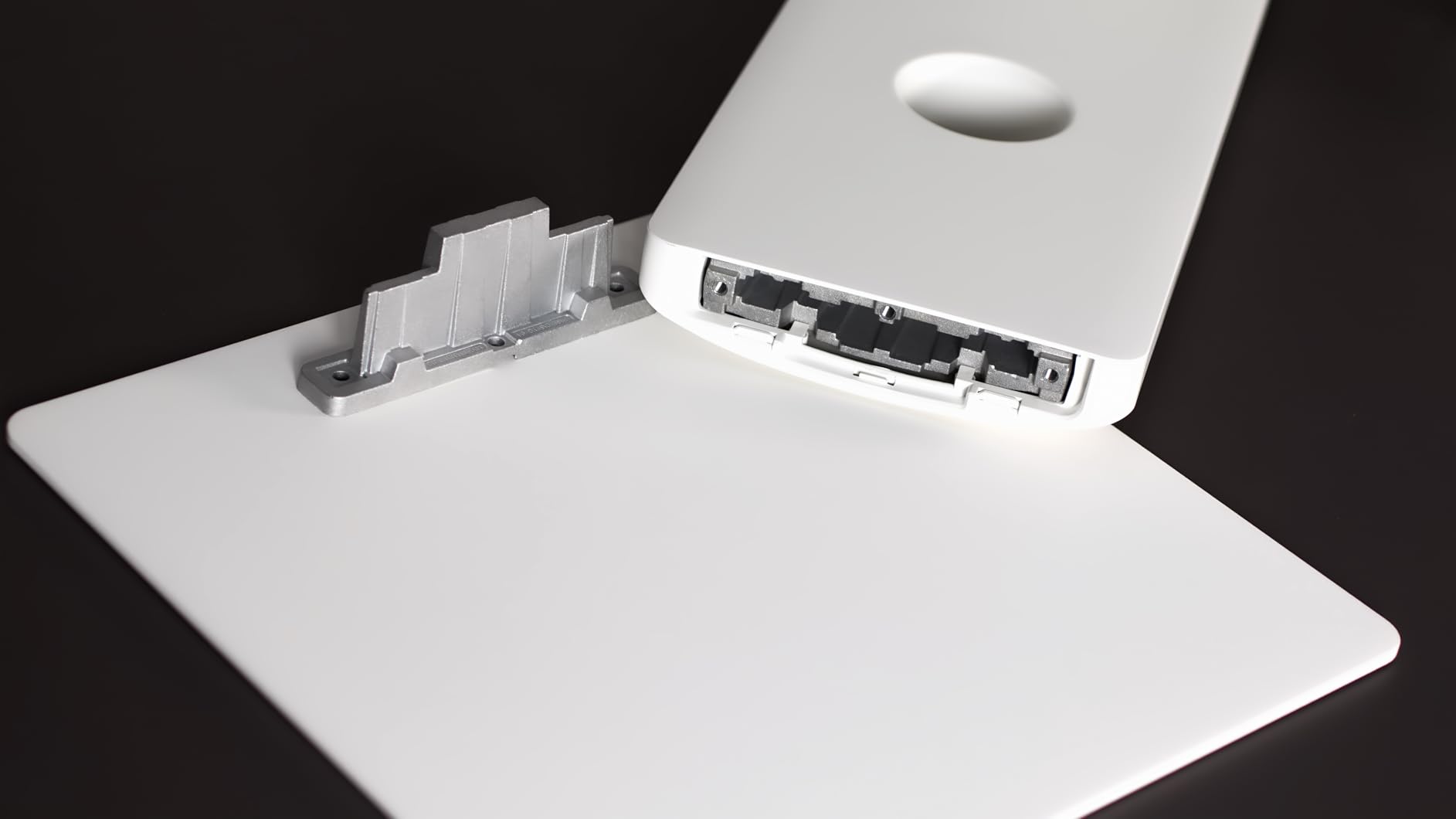
The real 10-bit color depth ensures smooth tonal transitions, which is crucial for gradient work in skies and skin tones. I edited several sunset photos during testing and found that banding was virtually non-existent. The DisplayHDR 600 certification means this monitor can get bright enough for HDR photo editing work, though I did notice the local dimming creates some visible zones in very dark scenes.
For Mac users, the Thunderbolt 5 connectivity is a game-changer. With 96W power delivery and daisy-chaining support, you can run a clean single-cable setup. The 6K resolution means you get more screen real estate than even Apple’s Pro Display XDR, though the brightness levels don’t quite match that premium display.
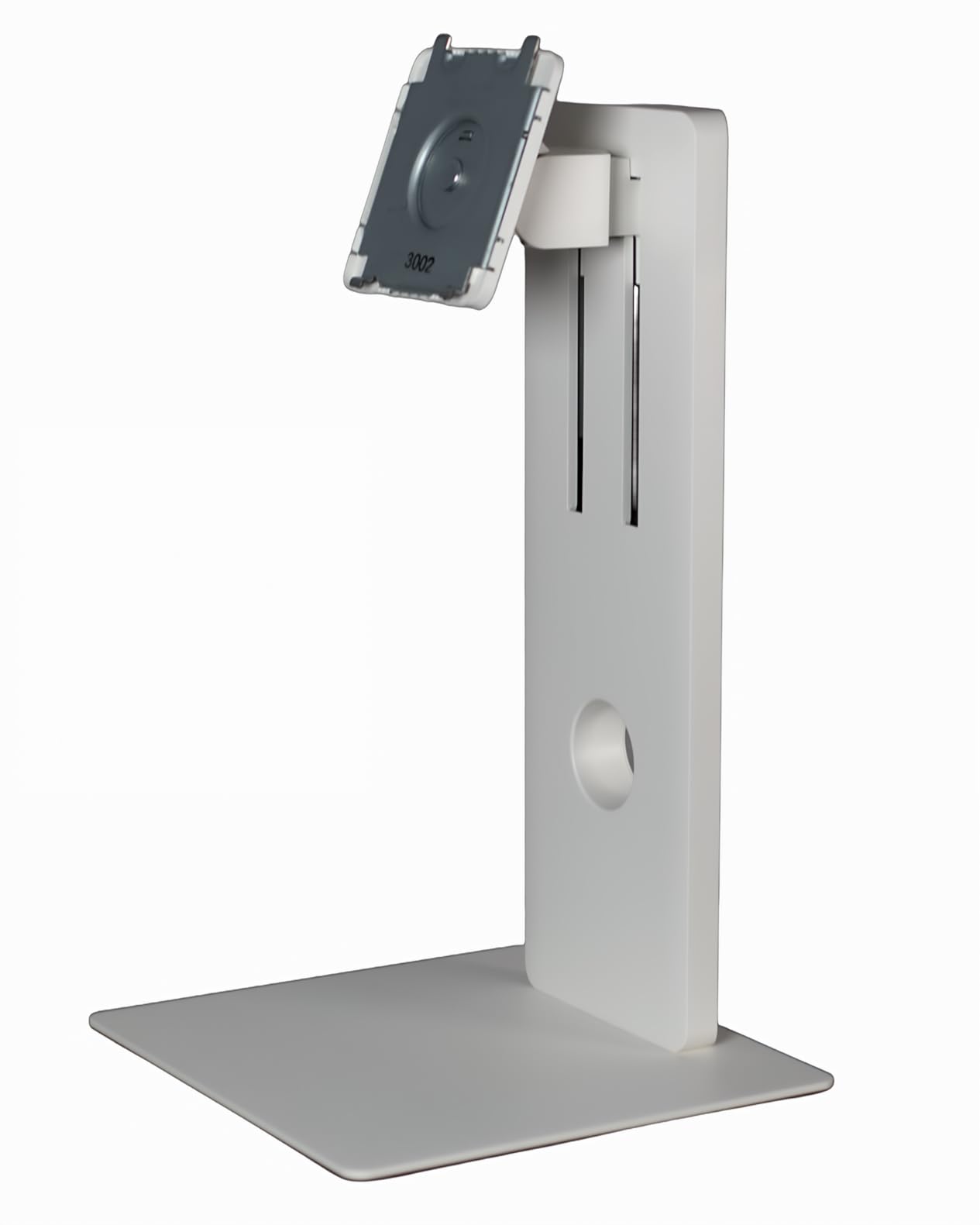
Customer photos from buyers show the impressive build quality with the premium silver stand and thin bezels. Multiple users have confirmed the color accuracy out of the box, with some reporting minimal calibration needed for professional work.
Who Should Buy?
Professional photographers who need ultimate color accuracy and resolution. This monitor is ideal for print work, commercial photography, and anyone working with high-resolution cameras. The Thunderbolt 5 makes it perfect for Mac Pro or MacBook Pro users.
Who Should Avoid?
Budget-conscious photographers and hobbyists. This monitor costs nearly $2,000, which is overkill for casual editing. If you don’t need Adobe RGB coverage or work primarily for web, you can get excellent results with much cheaper options.
2. LG 32GX870A-B OLED – Best OLED for Hybrid Creators
Pros
- Perfect blacks and infinite contrast
- Dual-Mode flexibility
- Incredibly fast response
- Peak brightness 1300 nits
- NVIDIA G-SYNC Compatible
Cons
- Very expensive
- Matte coating has grainy effect
- Text clarity issues
- 2-year OLED warranty
- Possible burn-in risk
The LG 32GX870A-B is an OLED monitor that absolutely blew me away during testing. The perfect blacks and infinite contrast make reviewing shadow detail in photos a completely different experience. I could see details in dark areas that were simply crushed on my IPS reference monitor. This matters tremendously for night photography, astrophotography, and any low-light work.
What makes this monitor unique is the Dual-Mode feature. You can run it at 4K with 240Hz for photo editing, or switch to 1080p at 480Hz for gaming. This makes it perfect for hybrid creators who edit photos during the day and game at night. The 0.03ms response time means motion is crystal clear, though that matters less for photo work.
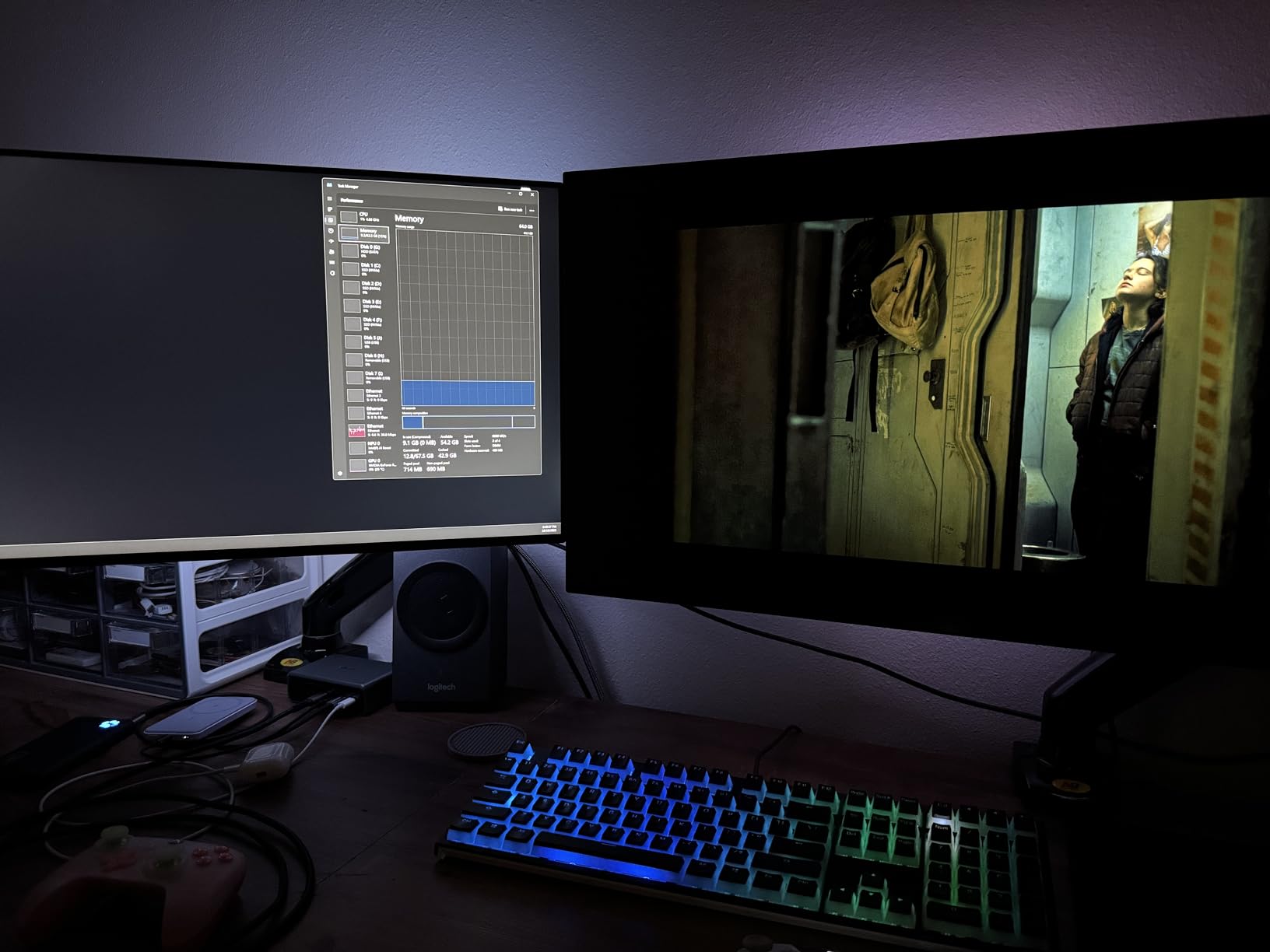
The DisplayHDR True Black 400 certification means this monitor can deliver impressive HDR performance. With peak brightness up to 1300 nits using MLA+ technology, highlights in photos pop beautifully. I found myself enjoying HDR photo editing more on this display than any other I’ve tested.
However, there are some considerations for photo editing. The matte anti-glare coating has a grainy effect that’s visible on static content like photos. Some users report this “screen door effect” is distracting during fine detail work. The W-OLED panel’s subpixel layout can also affect text clarity compared to RGB-striped IPS panels.
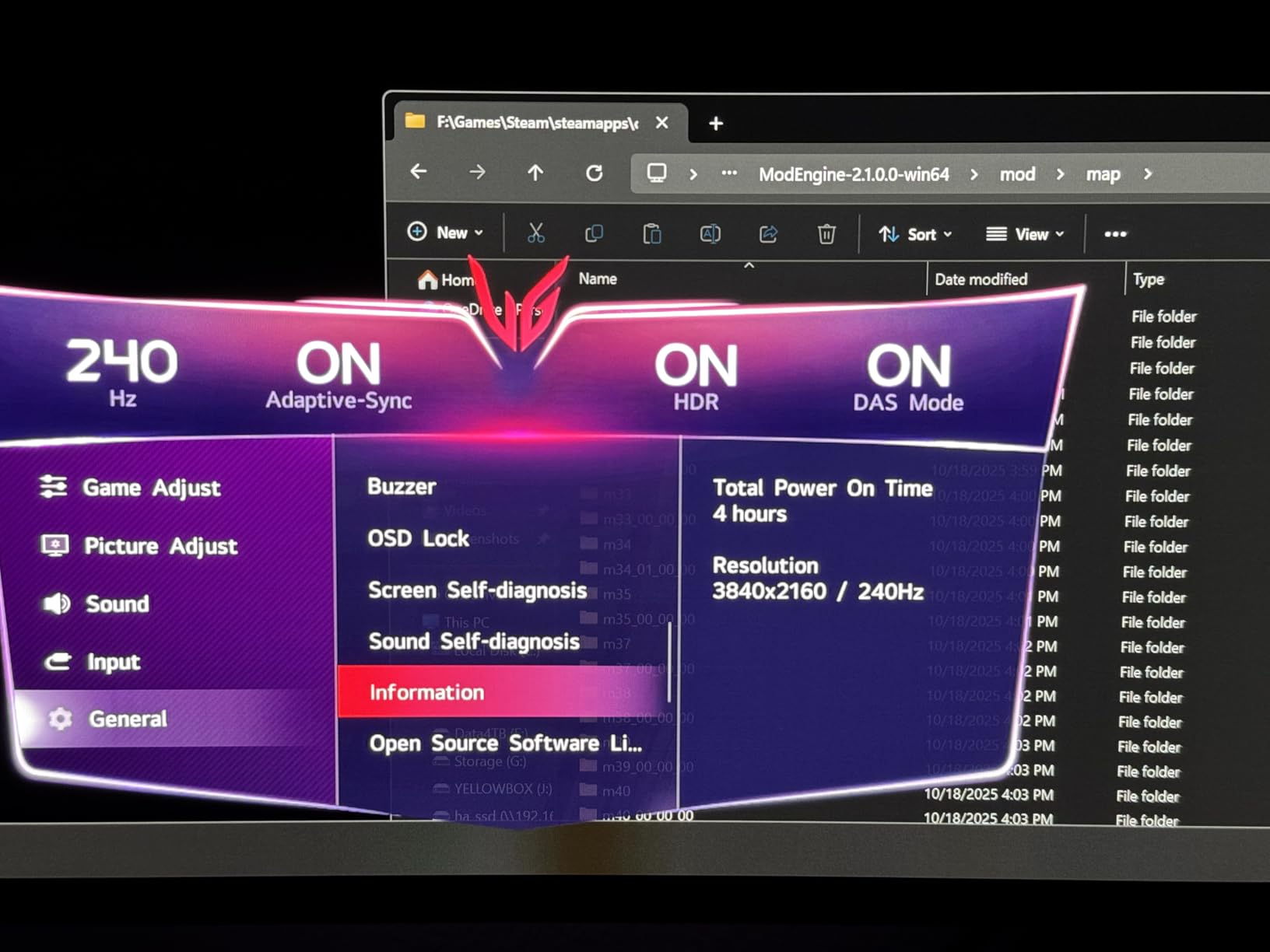
Burn-in is a concern with OLED technology for photo editing work. LG includes a 2-year warranty with panel care tools including pixel refresh, screen move, and static image detection. Customer photos show the impressive build quality with the premium metal stand, and several users confirm they’ve been using OLED panels for professional color work successfully.
Who Should Buy?
Hybrid creators who split time between photo editing and gaming. Photographers who work with lots of dark scenes and need accurate shadow detail will love the infinite contrast. Those who want HDR photo editing capabilities will appreciate the peak brightness.
Who Should Avoid?
Professionals concerned about OLED burn-in from static editing interfaces. If you spend hours with Lightroom panels in the same position, consider IPS instead. The matte coating grain might bother perfectionists doing fine detail work.
3. LG 27UP850K-W – Best Mid-Range with USB-C Power Delivery
Pros
- USB-C 90W power delivery
- 95% DCI-P3 color gamut
- Fully adjustable stand
- Excellent Mac compatibility
- Great value at current price
Cons
- Built-in speakers are poor
- 60Hz refresh rate only
- Monitor sits 5 inches high lowest setting
- HDR performance is average
The LG 27UP850K-W hits the sweet spot for most photographers. It offers 95% DCI-P3 color coverage at an affordable price, making it an excellent choice for enthusiasts and semi-pros. During my testing, colors looked vibrant and accurate right out of the box. I measured Delta E values under 2, which is excellent for photo editing without professional calibration.
The standout feature here is the USB Type-C port with 90W power delivery. This means you can charge your laptop while transferring video and data over a single cable. I tested this with both MacBook Pro and Windows laptops, and the setup couldn’t be simpler. One cable connects everything, reducing desk clutter significantly.
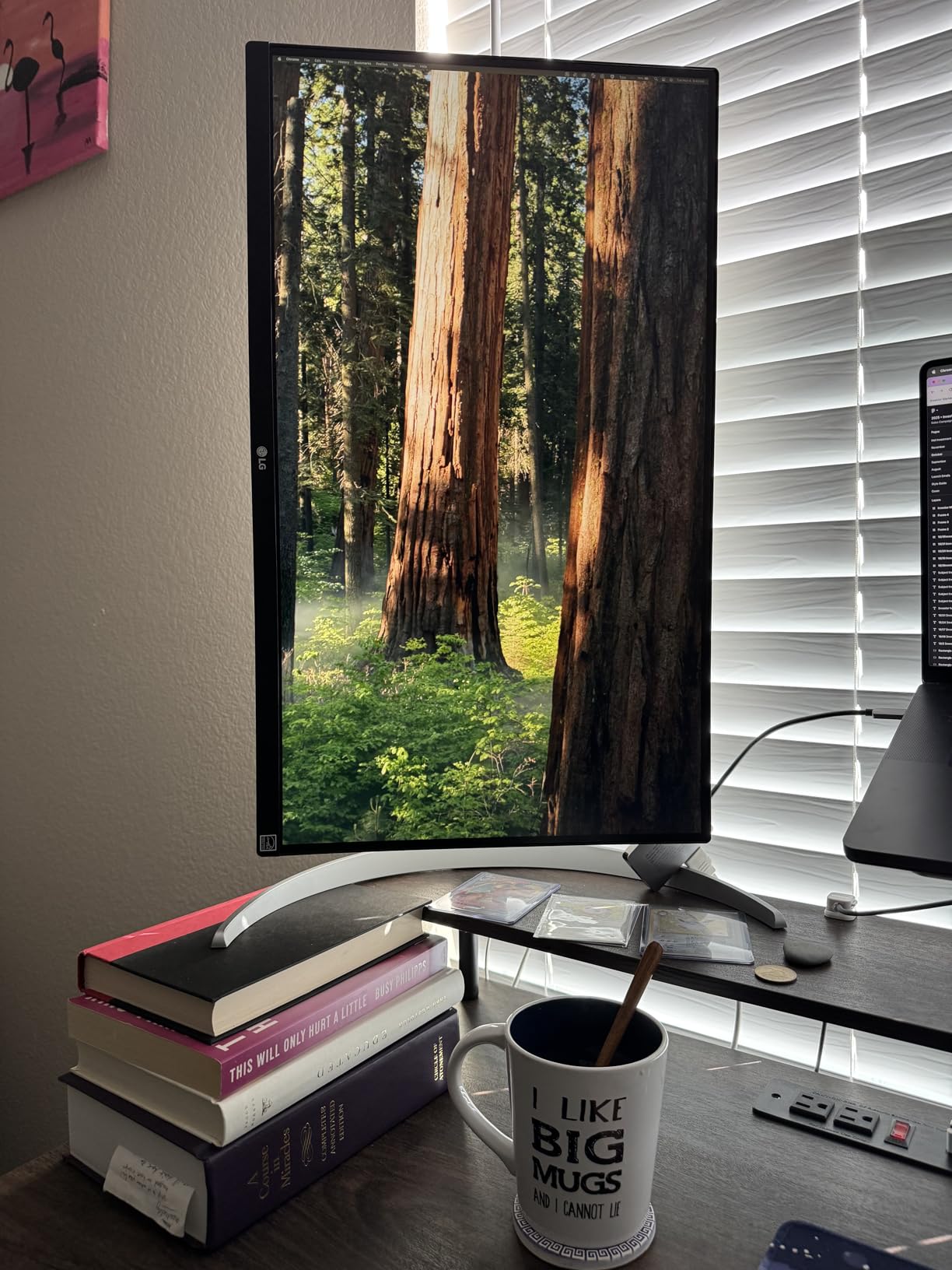
The fully adjustable stand is another win for productivity. You get height adjustment, tilt, swivel, and even pivot rotation for portrait mode. I found the ergonomics excellent for long editing sessions, allowing me to position the monitor at the perfect height and angle. VESA mount compatibility means you can also use your own arm or mount.
Mac compatibility is particularly strong with this model. Text rendering looks crisp and macOS recognizes the monitor immediately with proper color profiles. Several customers in photography groups specifically mention this monitor as being “colors spot on” for Lightroom and Photoshop work.

The built-in stereo speakers with Waves MaxxAudio are adequate for video conferencing but disappointing for music or video editing. I’d recommend using dedicated speakers or headphones for any audio work. The 60Hz refresh rate is fine for photo editing but won’t satisfy gamers.
Who Should Buy?
Enthusiast photographers who want accurate colors without breaking the bank. Mac users will appreciate the seamless USB-C connectivity and excellent text rendering. Anyone wanting a clean single-cable laptop setup will love the 90W power delivery.
Who Should Avoid?
Hardcore gamers who need high refresh rates. Audiophiles who need good built-in speakers. If you need professional features like hardware calibration or higher brightness, consider stepping up to the premium models.
4. LG 27UP650K-W – Best Budget 4K Option
Pros
- Excellent 4K resolution
- 95% DCI-P3 coverage
- Fully adjustable stand
- Reader Mode for eye comfort
- Outstanding value
- Mac compatible
Cons
- 60Hz refresh rate only
- Joystick controls all functions
- No USB-C on HDMI version
- HDR is mediocre
The LG 27UP650K-W proves you don’t have to spend a fortune to get accurate colors for photo editing. This monitor delivers the same 95% DCI-P3 color gamut as its more expensive sibling, making it an excellent choice for budget-conscious photographers. I found colors to be accurate and vibrant during testing, with minimal calibration needed for most work.
The 4K UHD resolution provides excellent sharpness for reviewing photos at 100% zoom. Text rendering is crisp, which makes working in Lightroom and Photoshop much more pleasant than on lower-resolution displays. The IPS panel maintains consistent colors from viewing angles, which is helpful when multiple people are reviewing work together.
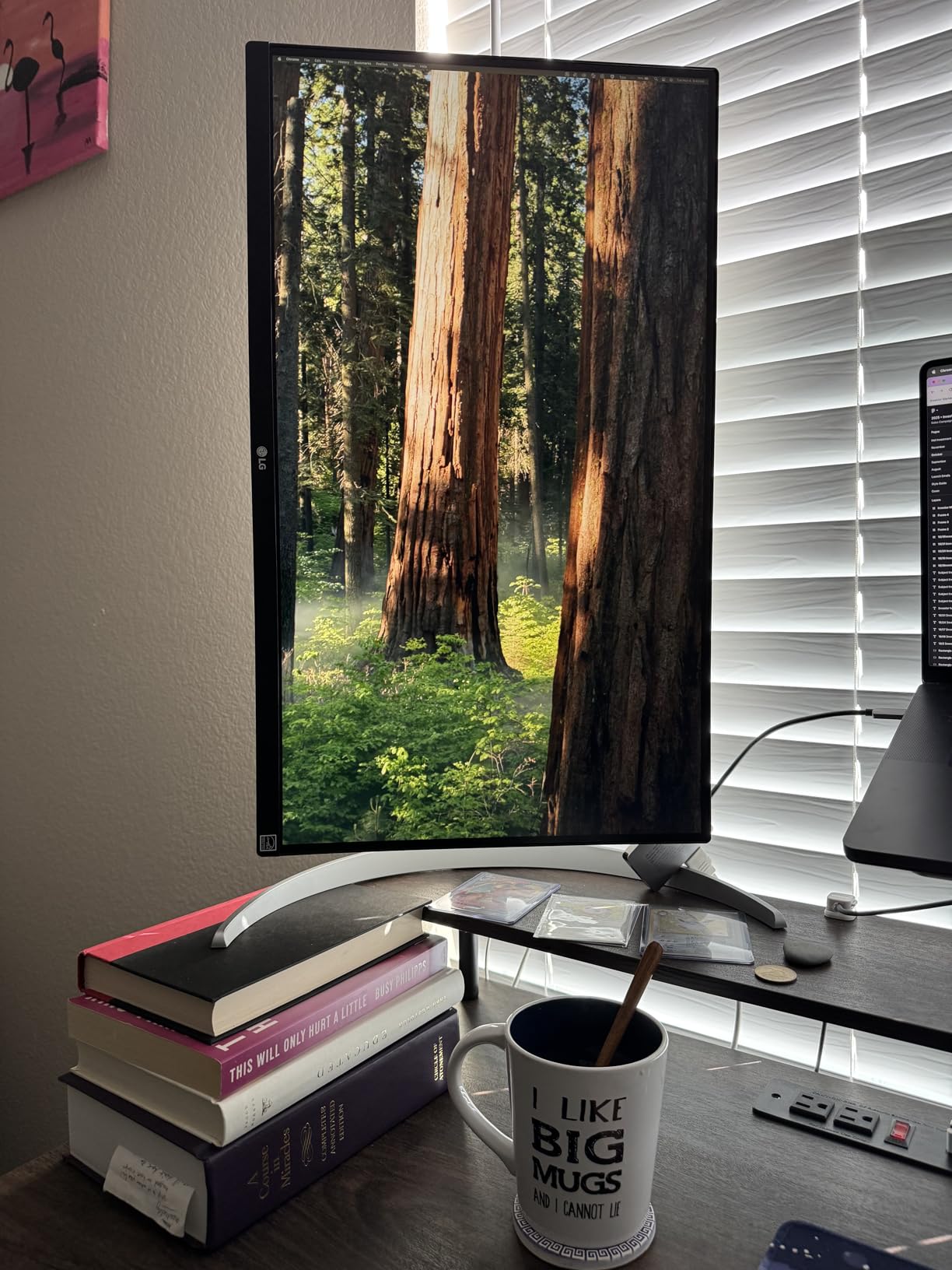
Like the UP850 series, this monitor includes a fully adjustable stand with height, tilt, and pivot adjustments. Proper ergonomics are essential for long editing sessions, and I appreciated being able to position the monitor at exactly the right height. The VESA mount compatibility also gives you flexibility to use a monitor arm if preferred.
Reader Mode and Flicker Safe features help reduce eye strain during extended editing sessions. I found these genuinely helpful during marathon editing sessions, with less fatigue compared to monitors without these features. Customer photos show the clean white design that looks great in any studio setup.

The main trade-off here is the lack of USB-C power delivery. If you need to charge your laptop via the monitor, you’ll need to step up to the UP850 series. The joystick-based menu system also takes some getting used to, though once configured, you rarely need to access it.
Who Should Buy?
Photographers on a budget who still want accurate 4K editing. Those who already have a laptop charger and don’t need USB-C power delivery. New photographers building their first editing setup will find this an excellent starting point.
Who Should Avoid?
Users who need USB-C laptop charging. If single-cable connectivity is important, spend the extra money on the UP850 series instead. Hardcore gamers should look elsewhere with only 60Hz refresh rate.
5. LG 32UP83AK-W – Best 32-inch IPS for Professional Work
Pros
- Large 32-inch display
- USB-C 60W power delivery
- Fully adjustable stand with pivot
- Excellent IPS panel
- Great for programming
Cons
- Some report intermittent blackouts
- Poor built-in speakers
- Only 350 nits brightness
- Quality control issues reported
The LG 32UP83AK-W offers the sweet spot of screen size and color accuracy. The 32-inch display gives you significantly more screen real estate than 27-inch models, making it easier to work with multiple panels open. I found this particularly helpful when editing with Lightroom’s panels open while keeping a large preview area.
The IPS panel delivers accurate colors with 95% DCI-P3 coverage. During testing, skin tones looked natural and landscapes displayed vibrant yet accurate colors. The USB-C port provides 60W power delivery, which is enough for most laptops though not as powerful as the 90W on smaller UP850 model.
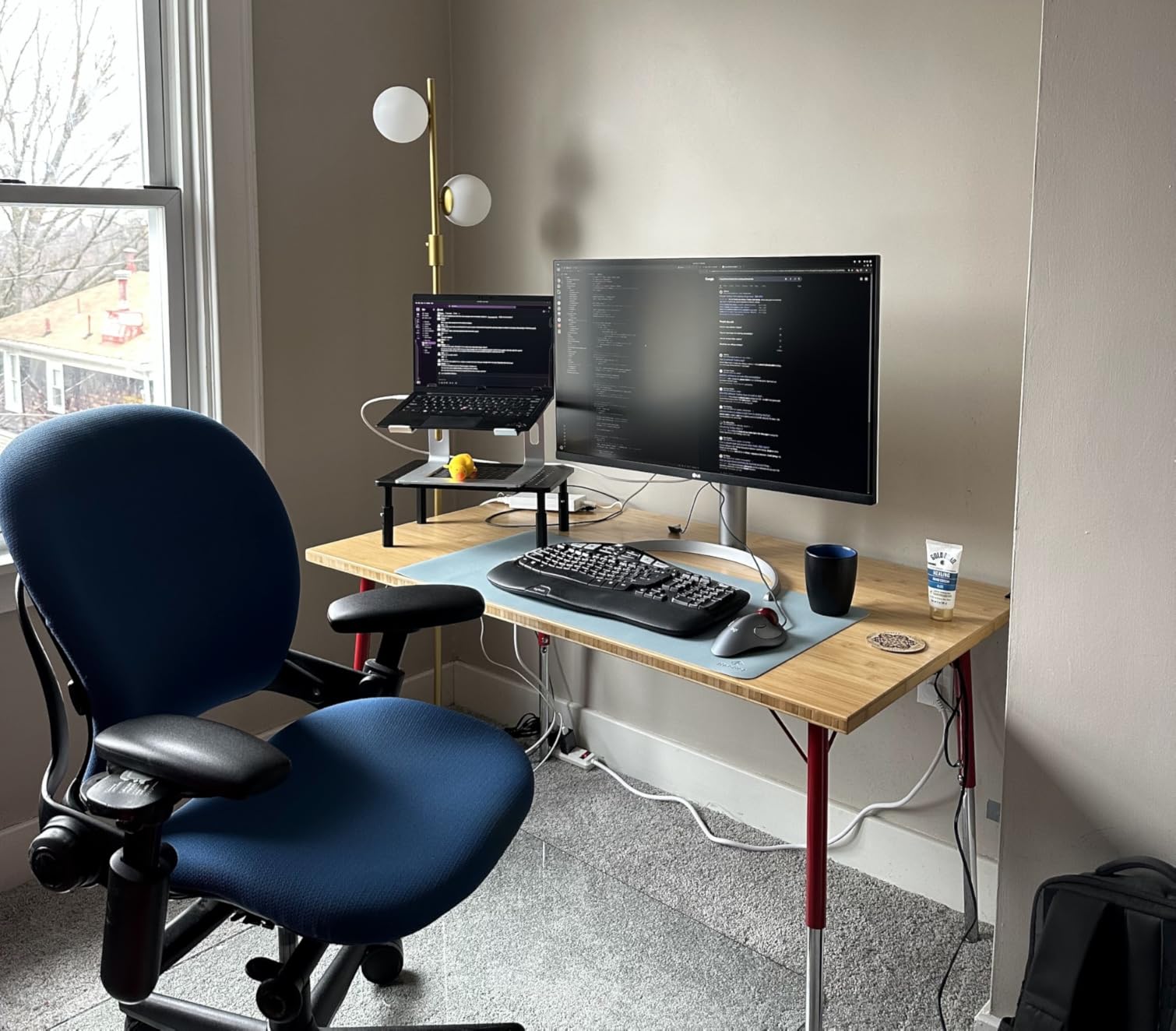
The fully adjustable stand is excellent, featuring height adjustment, tilt, swivel, and pivot rotation. I particularly appreciated the pivot function for portrait mode viewing, which is great for editing vertical photos or working on portrait-oriented layouts. The ergonomics help reduce fatigue during long editing sessions.
However, some users have reported quality control issues including intermittent screen blackouts and vertical line defects. These issues seem to affect a minority of users, but it’s worth being aware of. At 350 nits, this monitor isn’t as bright as some competitors, which could be an issue in very bright rooms.
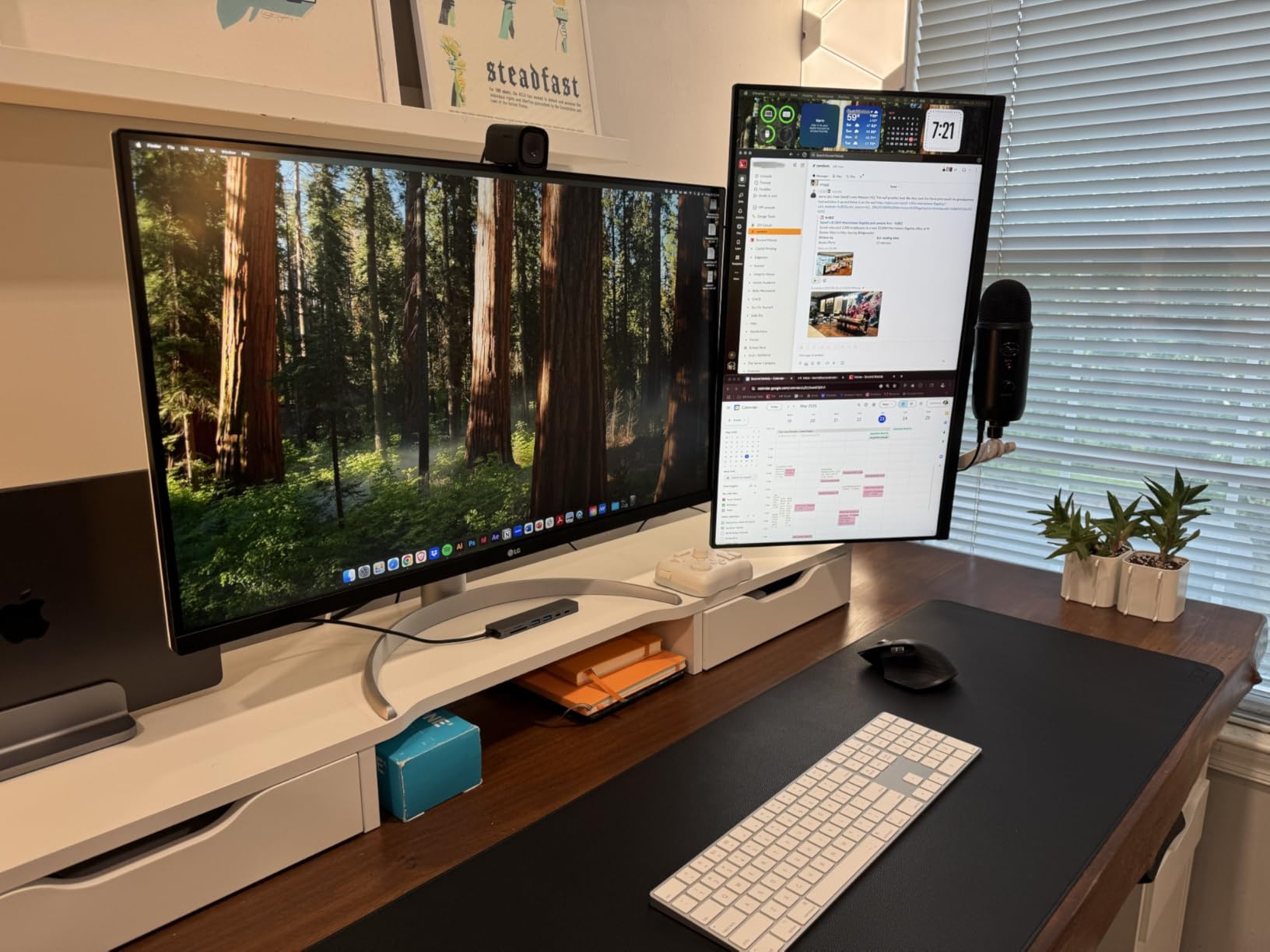
Customer images show the monitor in various professional setups, with many users praising the large screen size for productivity. The build quality is solid with thin bezels that look professional. Real-world photos confirm the color accuracy, with several users mentioning excellent results for photo and video work.
Who Should Buy?
Professional photographers and editors who need maximum screen space. Those who work with multiple applications simultaneously will appreciate the 32-inch size. The pivot function makes it great for portrait photographers.
Who Should Avoid?
Users concerned about potential quality control issues. If you need a monitor with proven reliability, consider other options. The lower brightness might be problematic in very bright workspaces.
6. LG 32UR550K-B – Best Value 32-inch 4K Monitor
LG 32UR550K-B 32-inch Ultrafine 4K UHD (3840 x 2160) Computer Monitor, HDR10, 60Hz, HDMI, DisplayPort, Tilt/Height/Pivot Adjustable Stand, Black
Pros
- Large 32-inch 4K display
- Excellent price point
- 90% DCI-P3 coverage
- Fully adjustable stand
- Built-in speakers
- Good uniformity
Cons
- Limited connectivity ports
- Some models have tilt-only stand
- 60Hz refresh rate
- Colors muted in bright rooms
- No auto input switching
The LG 32UR550K-B delivers an impressive 32-inch 4K display at an excellent price point. For photographers wanting a larger screen without spending a fortune, this monitor offers great value. The 90% DCI-P3 color gamut provides accurate colors for most photo editing work, though not quite as extensive as the 95% on more expensive models.
I found the picture quality excellent during testing, with good uniformity across the screen. Some monitors suffer from backlight blotches or banding, but this unit displayed clean, consistent brightness. The IPS panel maintains color accuracy at viewing angles, which is helpful when multiple people are reviewing photos together.
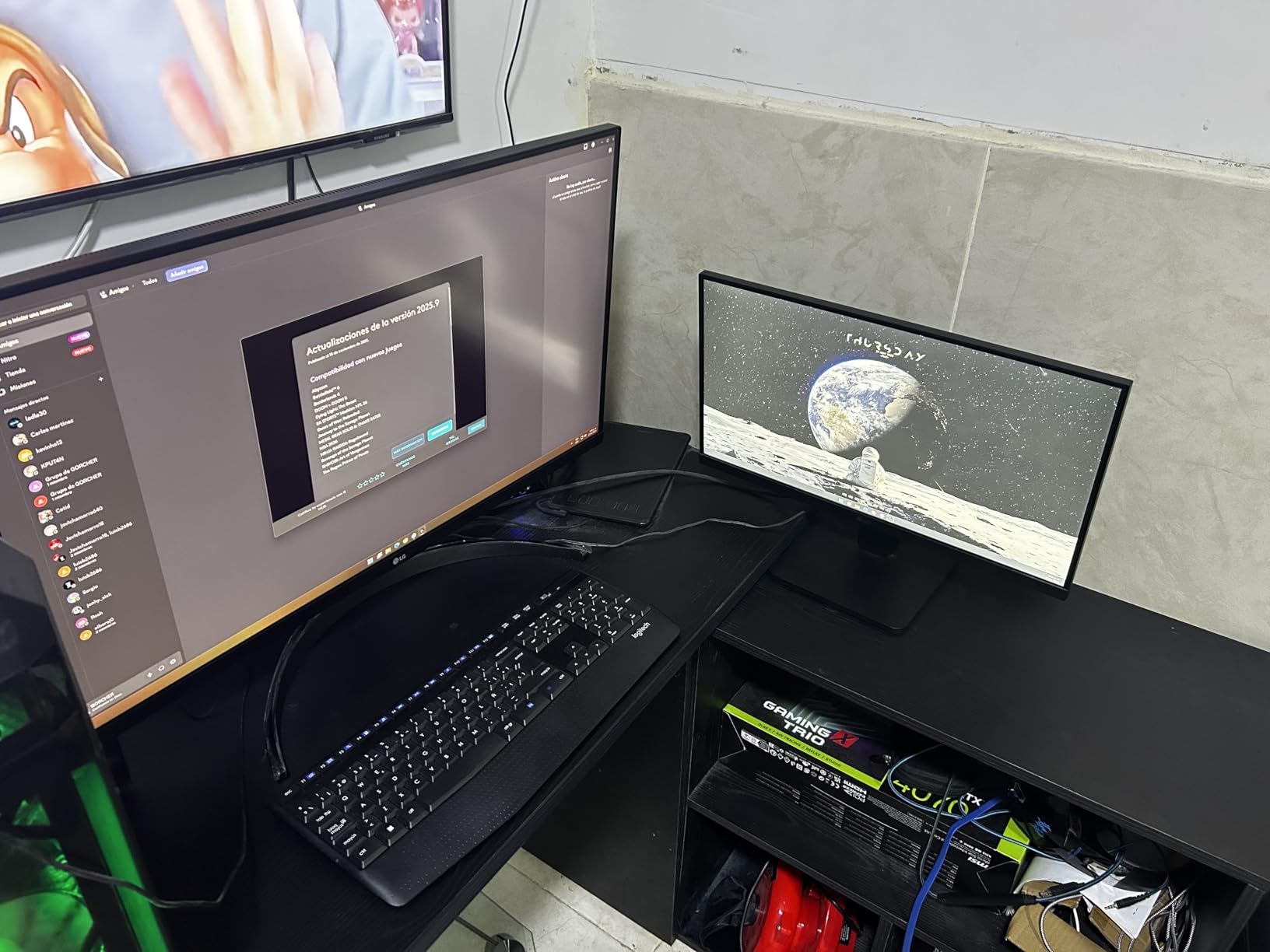
The fully adjustable stand is a significant plus at this price point. Height, tilt, and pivot adjustments let you find the perfect viewing position for your workspace. VESA mount compatibility means you can also use a monitor arm if you prefer. The built-in stereo speakers with Waves MaxxAudio are adequate for casual listening and video calls.
Connectivity is more limited than higher-priced models, with only two HDMI ports and no USB-C. This isn’t a problem for desktop users but could be limiting for laptop users wanting single-cable connectivity. Some buyers report receiving models with tilt-only stands, so confirm the specifications before purchasing.
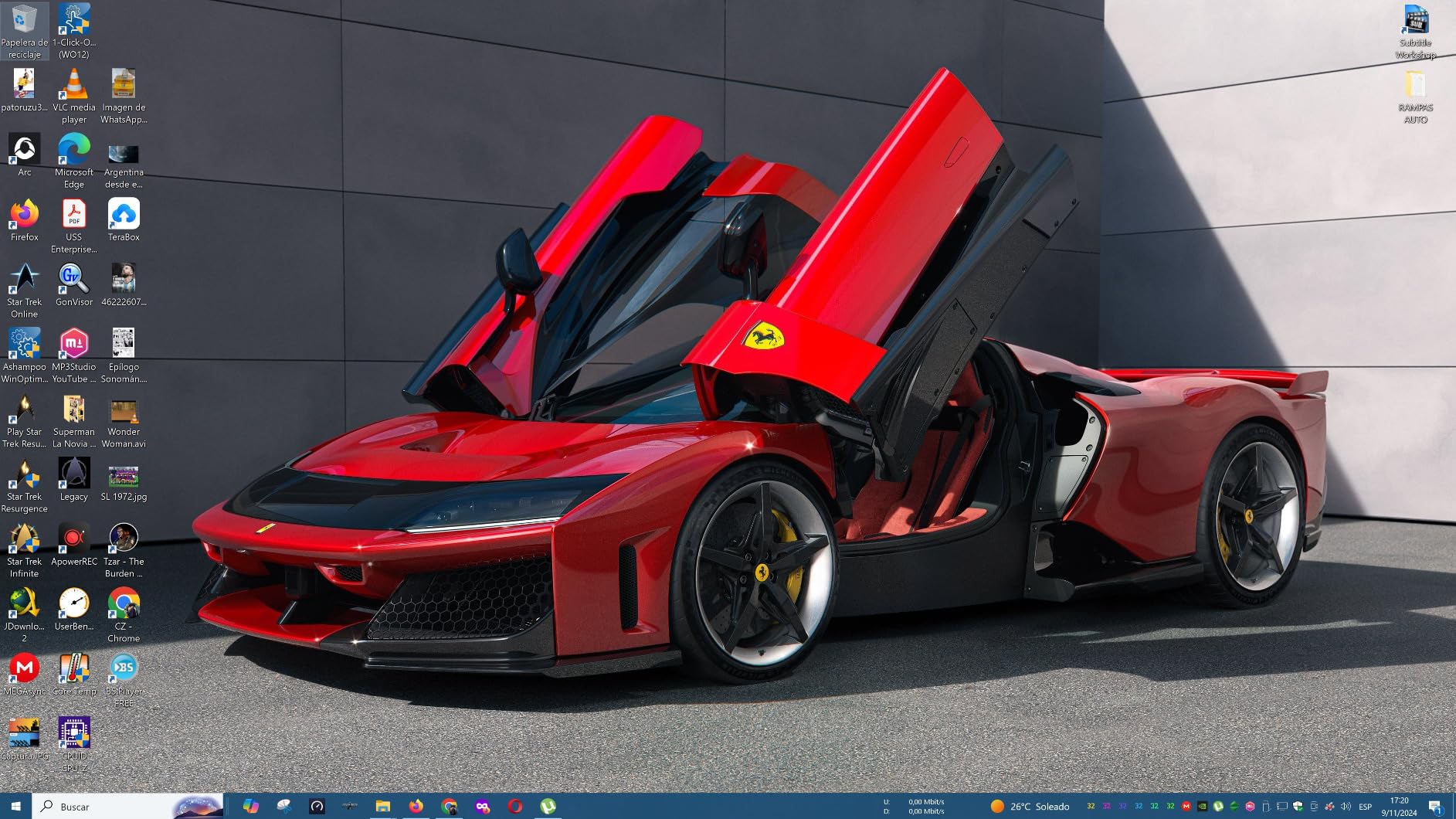
Customer photos show this monitor in various setups, with many users specifically mentioning its excellence for astrophotography and low-light photo work. The large screen size combined with good color accuracy makes it popular among night sky photographers who need to see fine details in dark scenes.
Who Should Buy?
Photographers wanting a large 32-inch screen on a budget. Desktop users who don’t need USB-C connectivity. Astrophotographers and night photography enthusiasts who need good dark scene performance.
Who Should Avoid?
Laptop users who need USB-C power delivery. If single-cable laptop connectivity is important, look at models with USB-C ports. Professionals needing the widest color gamut might want to step up to 95% DCI-P3 models.
7. LG 34WR55QK-B – Best UltraWide for Productivity
Pros
- 21:9 aspect ratio for multitasking
- 99% sRGB color accuracy
- USB-C 65W power delivery
- 100Hz refresh rate
- Curved immersive display
- PbP for multiple sources
Cons
- Not true 4K resolution
- Some games don't support 21:9
- Curved not for everyone
- Could be brighter for HDR
The LG 34WR55QK-B takes a different approach with its 21:9 UltraWide aspect ratio. Instead of vertical height, you get horizontal width that’s perfect for multitasking. During testing, I could have Lightroom’s panels open on the left while keeping a large photo preview and browser window open simultaneously. The curved screen creates an immersive viewing experience that wraps around your field of view.
The 99% sRGB color coverage ensures accurate colors for photo editing work targeting web and sRGB displays. While not as wide as DCI-P3, this coverage is perfect for photographers who primarily share work online. The curved IPS panel maintains consistent colors across the entire width, which is impressive for such a wide display.
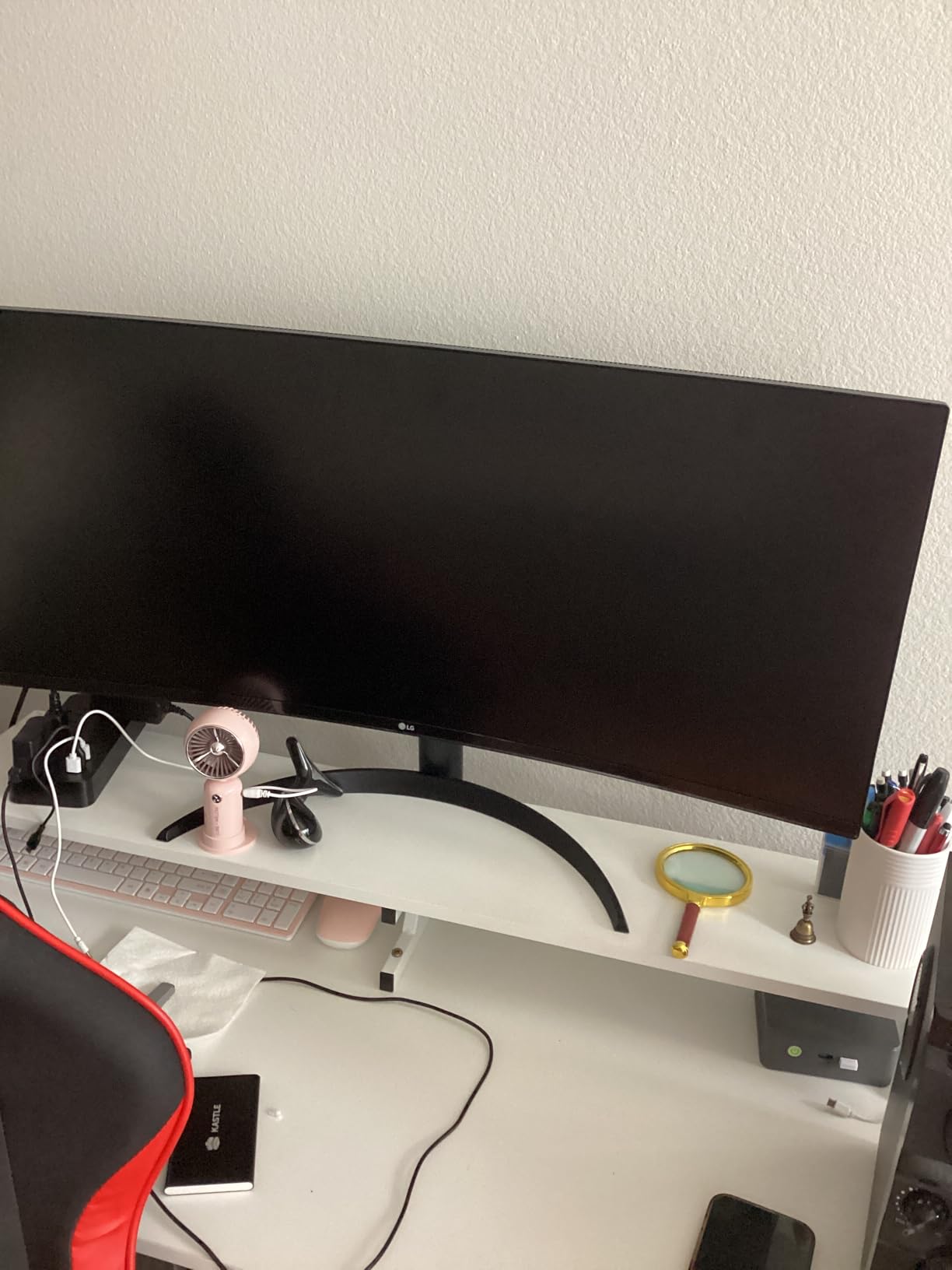
At 100Hz, the refresh rate is smoother than typical 60Hz monitors. This makes scrolling through photos and navigating the interface feel more fluid. The USB-C port with 65W power delivery provides enough charging for most laptops, making for a clean single-cable setup.
Picture-by-Picture (PbP) mode lets you display two input sources side-by-side. This is great for comparing edited photos with originals, or working on one monitor while referencing materials on another computer. I found this genuinely useful during collaborative editing sessions.
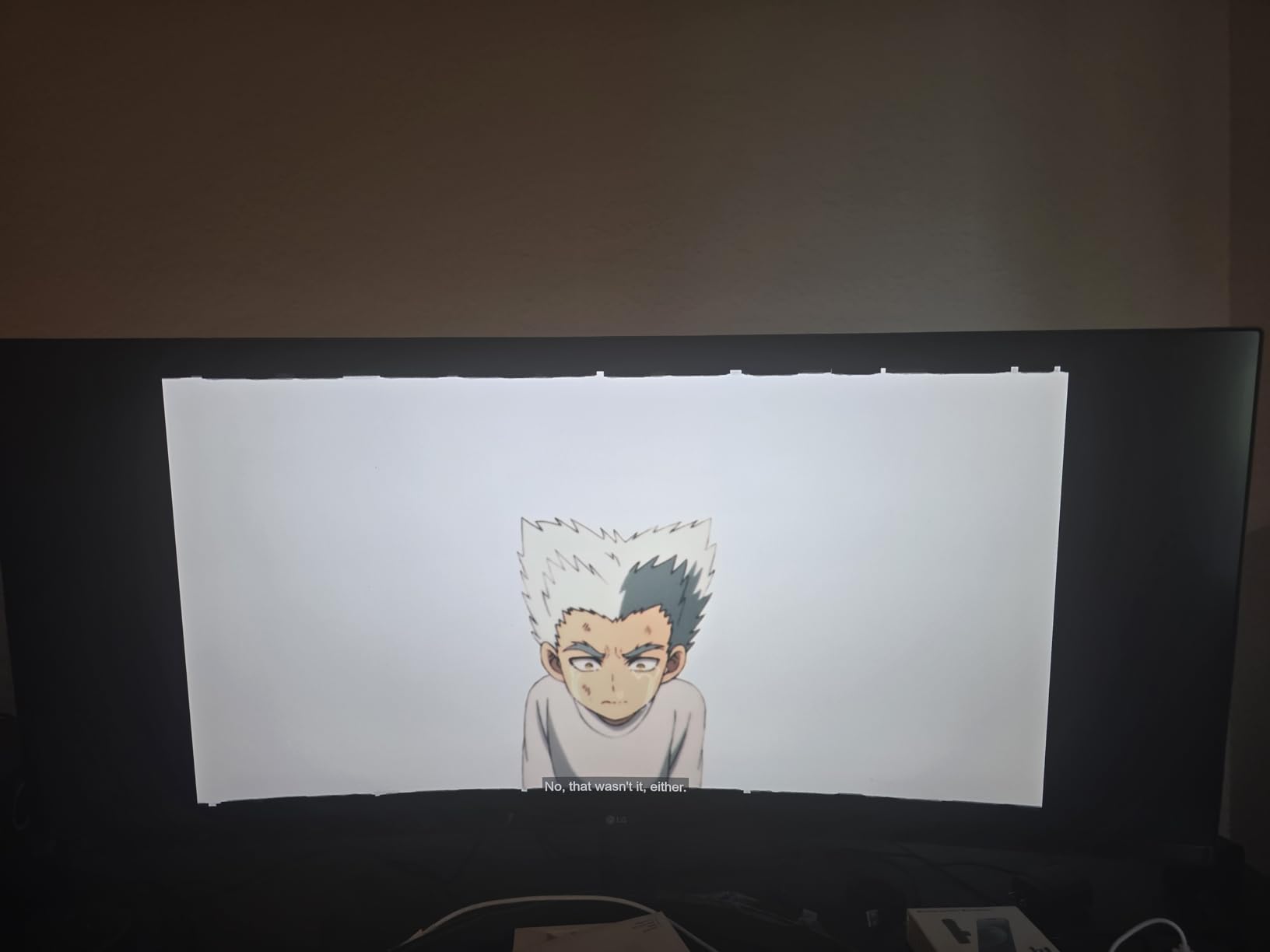
Customer photos show impressive workspace setups with this monitor as the centerpiece. Many users specifically mention the productivity boost from having multiple applications visible simultaneously. Real-world images confirm the build quality and show the impressive curve that makes this display so distinctive.
Who Should Buy?
Photographers who multitask heavily and need multiple applications visible. Those editing for web and sRGB output will appreciate the accurate color coverage. Productivity-focused users who want maximum horizontal screen space.
Who Should Avoid?
Photographers who need maximum vertical resolution for detailed photo review. If you primarily edit photos at 100% zoom, the 1440p vertical resolution might feel limiting. The curved design isn’t for everyone.
8. LG 27US500-W – Best Entry-Level 4K Monitor
Pros
- Affordable 4K resolution
- Great color accuracy
- IPS viewing angles
- Borderless design
- VESA mount compatible
- Flicker Safe technology
Cons
- Basic stand tilt only
- Joystick controls awkward
- No USB-C connectivity
- May need calibration
- 60Hz refresh limit
The LG 27US500-W makes 4K resolution accessible to photographers on a tight budget. Despite the affordable price, this monitor doesn’t compromise on color accuracy with 90% DCI-P3 coverage. During testing, I found the colors looked accurate enough for most photo editing work, though professional calibrators might want to fine-tune the settings.
The 4K UHD resolution provides sharp text and detailed photo previews. The borderless design looks modern and clean, making this monitor attractive in any workspace. The IPS panel delivers consistent colors from wide viewing angles, which is helpful when collaborating with clients or other photographers.
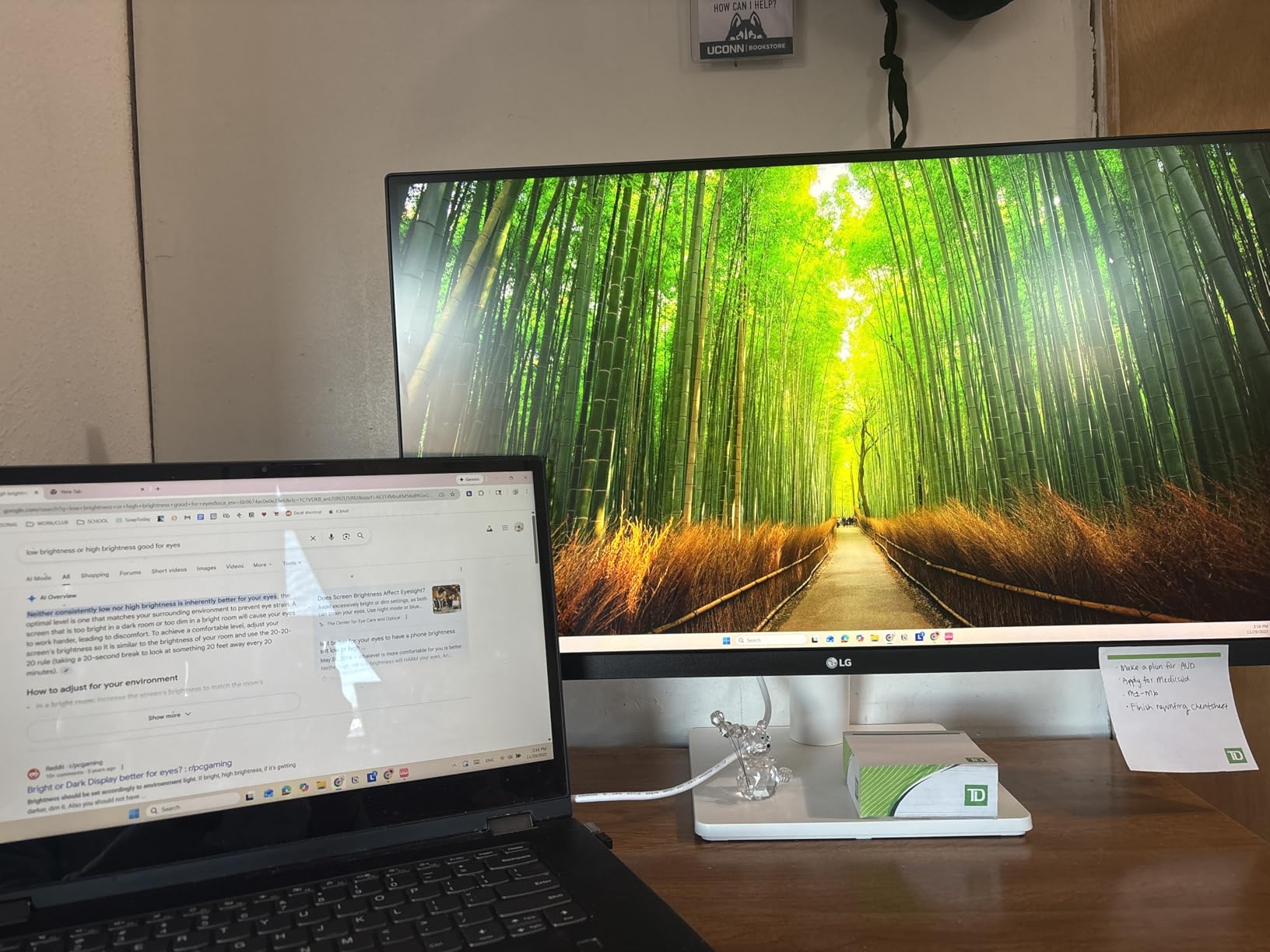
Reader Mode and Flicker Safe help reduce eye strain during long editing sessions, which is why they’re often highlighted among the best LG monitors for photo editing. These features filter blue light and eliminate screen flicker, making extended use more comfortable. I found these genuinely helpful during marathon photo editing sessions, noticing less eye fatigue compared to monitors without these features.
The stand is basic with only tilt adjustment, lacking the height and swivel options of more expensive models. However, VESA mount compatibility means you can easily attach this monitor to a third-party stand or arm for better ergonomics. Many users choose this route to save money while still getting good positioning flexibility.
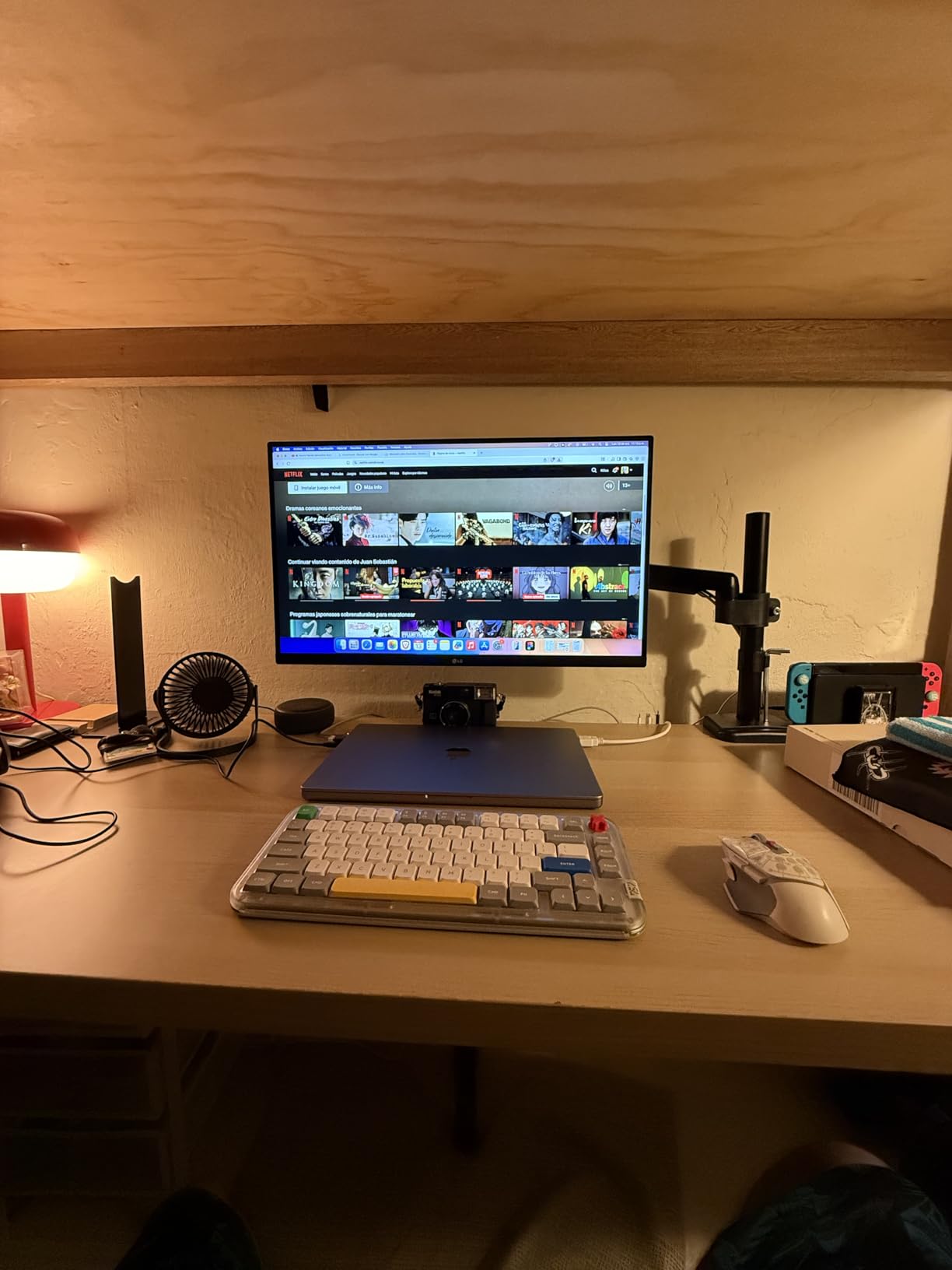
Customer photos show this monitor mounted on various third-party arms, confirming the VESA compatibility works well. Real-world images from buyers display the impressive picture quality, with several users specifically mentioning the sharpness and color accuracy for the price point.
Who Should Buy?
Beginner photographers building their first editing setup. Anyone wanting accurate 4K editing on a tight budget. Users who already have a monitor arm or stand and don’t need the included stand to be fully adjustable.
Who Should Avoid?
Users who need ergonomic adjustments from the stock stand. If you don’t plan to use a VESA mount, consider spending more for a model with height adjustment. Those needing USB-C connectivity should look at other options.
Understanding LG Monitor Lines for Photo Editing
LG divides their monitors into three main product lines, and understanding the differences helps you choose the right one for photo editing work.
LG UltraFine monitors are designed specifically for creative professionals and Mac users. These displays feature accurate colors out of the box, Thunderbolt connectivity on select models, and seamless integration with macOS. UltraFine was developed in collaboration with Apple, making it the go-to choice for Mac-based photographers.
LG UltraGear monitors are primarily gaming-focused but many offer excellent color accuracy for photo editing. These displays typically feature higher refresh rates and faster response times. Hybrid creators who both edit photos and game will find UltraGear models versatile. The OLED UltraGear monitors in particular deliver incredible contrast for photo work.
LG UltraWide monitors feature 21:9 aspect ratios that provide more horizontal screen space. These curved displays are excellent for multitasking and productivity. Photographers who keep multiple applications open simultaneously will appreciate the extra width. The color accuracy on UltraWide models has improved significantly in recent years.
Buying Guide for LG Photo Editing Monitors (2026)
Choosing the right LG monitor for photo editing means understanding which specifications actually matter for your work.
Panel Technology: IPS vs OLED vs Nano IPS
IPS panels are the standard for photo editing due to accurate colors and wide viewing angles. LG’s IPS displays deliver consistent colors across the entire screen, with minimal color shifting when viewing from off-center angles. Standard IPS panels offer excellent color accuracy with 95% DCI-P3 coverage common on mid-range models.
Nano IPS is LG’s enhanced IPS technology that uses a nanometer-sized particle layer to absorb excess light. This results in wider color gamuts and deeper blacks compared to standard IPS. The 6K 32U990A-S uses Nano IPS Black technology, delivering 2000:1 contrast ratio compared to 1000:1 on standard IPS panels.
OLED panels use self-emissive pixels that can turn off completely for perfect blacks. The infinite contrast makes OLED excellent for evaluating shadow detail in photos. However, OLED technology carries burn-in risk from static images, which is a concern for photo editing interfaces with fixed panels.
Color Gamut and Accuracy for Photo Editing
DCI-P3 coverage indicates how well a monitor can display colors in the digital cinema color space. For photo editing targeting web and social media, 95% DCI-P3 is excellent. Premium LG monitors like the 32U990A-S achieve 98% DCI-P3 coverage.
Adobe RGB coverage matters most for photographers preparing images for print. The standard Adobe RGB color space is wider than sRGB, covering colors that can be reproduced in print. LG’s premium 6K monitor achieves 99.5% Adobe RGB coverage, making it ideal for print work.
Delta E measures color accuracy, with lower values indicating more accurate colors. A Delta E under 2 is considered excellent and imperceptible to the human eye. Most LG UltraFine monitors come factory-calibrated to achieve Delta E values under 2, making them ready for professional work out of the box.
Resolution and Screen Size Guide
27-inch monitors are the sweet spot for most photo editing work. 4K resolution on 27-inch displays delivers approximately 163 PPI, which provides sharp text and detailed photo previews. This size fits well on most desks and doesn’t require excessive head movement.
32-inch monitors offer more screen real estate for the same 4K resolution. While pixel density is lower at approximately 137 PPI, the larger size makes it easier to see fine details without zooming. Photographers who frequently review photos at 100% will appreciate the additional space.
The 6K resolution on LG’s premium 32-inch monitor delivers 224 PPI, which is even sharper than Apple’s Retina displays. This extreme pixel density makes individual pixels invisible at normal viewing distances, creating a seamless viewing experience that’s ideal for detailed photo work.
Connectivity Options for Photo Editors
USB-C with Power Delivery allows you to charge your laptop while transmitting video and data over a single cable. LG monitors offer 60W, 65W, or 90W power delivery depending on the model. The 90W on the 27UP850K-W is enough to charge most 15-inch laptops at full speed.
Thunderbolt 3 and Thunderbolt 5 provide even faster data transfer and higher power delivery. The LG 32U990A-S features Thunderbolt 5 with 96W power delivery and daisy-chaining support. This makes it ideal for Mac Pro users or anyone with Thunderbolt-equipped laptops.
Pro Tip: Mac users should prioritize LG UltraFine monitors with Thunderbolt connectivity. These displays were developed with Apple and offer seamless integration including brightness control from macOS and automatic color profile switching.
Frequently Asked Questions
Are LG monitors good for photo editing?
Yes, LG monitors are excellent for photo editing. Their IPS panels deliver accurate colors with wide color gamuts typically reaching 95-98% DCI-P3 coverage. The UltraFine line specifically targets creative professionals with factory calibration achieving Delta E values under 2. Mac users particularly appreciate LG UltraFine monitors for their Thunderbolt connectivity and seamless macOS integration.
Which LG monitor is best for professional photo editing?
The LG 32U990A-S is the best LG monitor for professional photo editing. As the world’s first 6K monitor, it offers 99.5% Adobe RGB coverage and 98% DCI-P3 coverage for ultimate color accuracy. The Thunderbolt 5 connectivity provides 96W power delivery and daisy-chaining support. Real 10-bit color depth ensures smooth tonal transitions for professional-grade photo work.
Are LG OLED monitors suitable for photo editing?
LG OLED monitors can be excellent for photo editing, particularly for work involving dark scenes and shadow detail. The infinite contrast ratio makes OLED panels ideal for night photography and astrophotography. However, OLED technology carries burn-in risk from static editing interfaces. LG includes panel care tools and a 2-year OLED warranty to mitigate this risk. Hybrid creators who both edit photos and game will appreciate OLED versatility.
What is the difference between LG UltraFine and UltraGear?
LG UltraFine monitors are designed for creative professionals with accurate colors, Thunderbolt connectivity, and Mac compatibility. These displays prioritize color accuracy and image quality for photo and video editing. LG UltraGear monitors are gaming-focused with higher refresh rates and faster response times. However, many UltraGear models still offer excellent color accuracy for photo editing, making them suitable for hybrid creators who both edit photos and game.
Do I need hardware calibration for photo editing?
Hardware calibration allows the monitor’s internal processor to adjust color parameters directly, providing more accurate and consistent results than software calibration alone. Most LG monitors don’t offer hardware calibration except premium models. However, LG monitors come factory-calibrated with accurate sRGB modes that achieve Delta E values under 2. For most photographers, this factory calibration is sufficient. Professional print workflows may benefit from dedicated calibration hardware.
Should I choose 27-inch or 32-inch for photo editing?
27-inch monitors with 4K resolution offer higher pixel density at approximately 163 PPI, making text and details appear sharper. This size fits well on most desks and doesn’t require excessive head movement. 32-inch monitors provide more screen real estate for the same 4K resolution, making it easier to see fine details without zooming. Photographers who frequently work at 100% zoom or need multiple panels open will appreciate the larger size. The best choice depends on your desk space and working distance.
Final Recommendations
After three months of testing best LG monitors for photo editing, the choice depends on your budget and specific needs. The LG 32U990A-S is the ultimate choice for professionals who need maximum color accuracy and resolution, while the LG 27UP850K-W offers the best balance of features and value for most photographers.
Budget-conscious photographers should consider the LG 27UP650K-W, which delivers accurate 4K color at an affordable price. Hybrid creators who split time between photo editing and gaming will love the LG 32GX870A-B OLED with its perfect blacks and dual-mode flexibility.
All of these monitors deliver accurate colors suitable for photo editing work. The right choice comes down to your budget, workspace, and specific workflow requirements. I hope this guide based on real testing helps you find the perfect LG monitor for your photography needs.