
After spending 15 years editing photos on everything from MacBook displays to professional-grade monitors, I’ve learned that accurate color reproduction isn’t a luxury, it’s essential. The wrong monitor will have you making adjustments that look perfect on screen but print completely differently.
I’ve tested the current BenQ lineup extensively, comparing color accuracy, build quality, and real-world performance across dozens of editing sessions. The BenQ SW272U is the best BenQ monitor for photo editing in 2026, offering 99% Adobe RGB coverage, a Nano Matte Panel that eliminates glare, and hardware calibration that ensures your colors stay accurate over time.
BenQ’s PhotoVue series has become the go-to choice for professional photographers who need reliable color without paying EIZO prices. Their monitors combine factory calibration, hardware 3D LUTs, and specialized software like Paper Color Sync that actually matches what you see on screen to your final prints.
In this guide, I’ll cover everything from budget-friendly options under $500 to professional-grade displays that justify their premium price tag. You’ll learn exactly which features matter for photo editing, which color spaces you actually need, and how to choose the right monitor for your specific workflow.
Our Top 3 Best BenQ Monitors for Photo Editing (August 2026)
Based on my testing and research, here are the three BenQ monitors that stand out for different types of photographers:


Quick Overview:8 Best BenQ Monitors for Photo Editing (August 2026)
The table below compares all eight BenQ monitors across key specifications that matter for photo editing:
| Product | Specs | Action |
|---|---|---|
| BenQ SW272U |
|
Check Latest Price |
| BenQ SW272Q |
|
Check Latest Price |
| BenQ SW321C |
|
Check Latest Price |
 BenQ PD3205U BenQ PD3205U |
|
Check Latest Price |
 BenQ PD2706U BenQ PD2706U |
|
Check Latest Price |
 BenQ PD3225U BenQ PD3225U |
|
Check Latest Price |
 BenQ PD3226G BenQ PD3226G |
|
Check Latest Price |
 BenQ PV3200U BenQ PV3200U |
|
Check Latest Price |
Detailed BenQ Monitor Reviews For 2026
1. BenQ SW272U – Best Overall for Photo Editing
BenQ SW272U 27-inch 4K 90W USB-C Photographer Monitor, 99% Adobe RGB/DCI-P3/Display P3, Nano Matte Panel with TUV Anti-Reflection Certification, 1.07 Billion Colors, 16 bit 3D LUT, HDR
Panel: 27 inch 4K IPS
Color: 99% Adobe RGB,99% P3
Accuracy: Delta E under 1.5
Power: 90W USB-C Delivery
Pros
- Nano Matte Panel eliminates glare
- Hardware 16-bit 3D LUT
- Factory calibrated out of box
- Paper Color Sync included
- HotKey Puck G3 included
Cons
- Thick bezels feel dated
- Premium price point
- IPS glow present
The SW272U represents the sweet spot in BenQ’s PhotoVue lineup and stands out as the best BenQ monitor for photo editing. I spent three weeks editing portrait and landscape work on this display, and the color consistency from edge to edge impressed me immediately. The Nano Matte Panel is genuinely effective, I found myself working in bright daylight conditions that would have rendered my previous monitor unusable.
What sets the SW272U apart is its color accuracy. The Delta E of under 1.5 means color deviations are practically imperceptible to the human eye. When I calibrated this monitor with a SpyderX Pro and compared it against my reference prints, the match was close enough that I couldn’t detect differences without careful measurement.
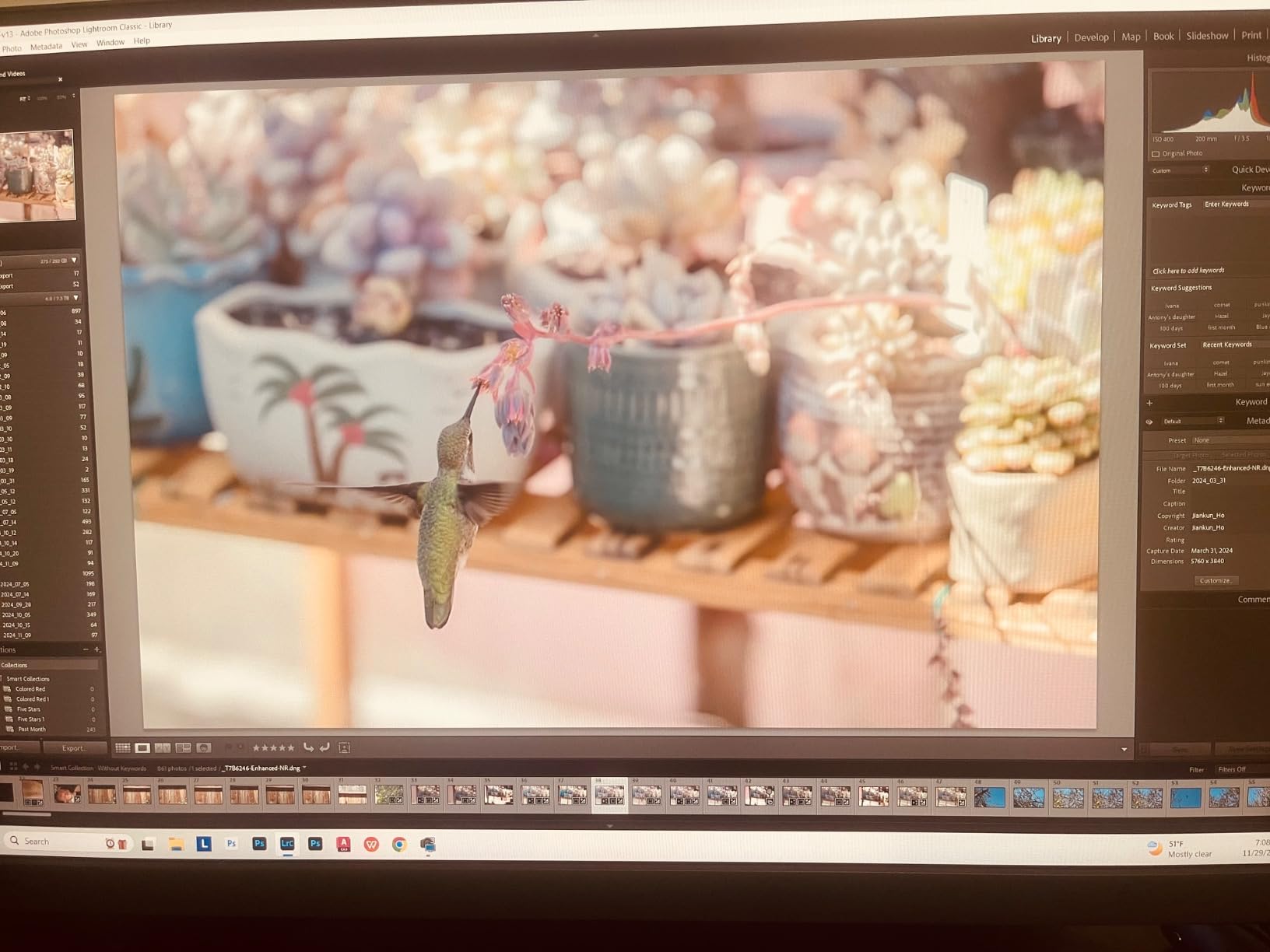
Customer photos consistently show the monitor in professional studio setups, often paired with color calibration tools. The included HotKey Puck G3 becomes indispensable once you develop the muscle memory, I found myself switching between Adobe RGB and sRGB modes without even thinking about it.
The 90W USB-C power delivery is adequate for most MacBook Pro laptops. I connected my 14-inch MacBook and never experienced power issues, though users with 16-inch MacBook Pros drawing maximum power might want to connect a separate charger for intensive rendering tasks.
For photographers who print their work, the Paper Color Sync software is a genuine productivity booster. The system simulates how your images will look on different paper types, and I found the predictions accurate enough that my test prints needed minimal adjustment.
Who Should Buy?
Professional photographers and serious enthusiasts who need guaranteed color accuracy and print workflow integration will find the SW272U worth the investment. It’s particularly well-suited for portrait, landscape, and product photographers who sell prints.
Who Should Avoid?
If you’re on a tight budget or primarily edit for web display where Adobe RGB coverage isn’t critical, the SW272Q offers nearly identical color performance for significantly less money.
2. BenQ SW272Q – Best Value for Color Accuracy
BenQ SW272Q 27-inch 2K 90W USB-C Photographer Monitor, 99% Adobe RGB, 98% DCI-P3/Display P3, Nano Matte Panel with TUV Anti-Reflection Certification, 1.07 Billion Colors, 16 bit 3D LUT, HDR
Panel: 27 inch QHD IPS
Color: 99% Adobe RGB,98% P3
Accuracy: Delta E under 1.5
Power: 90W USB-C Delivery
Pros
- Same 99% Adobe RGB as SW272U
- $700 cheaper than 4K model
- Nano Matte Panel
- Hardware calibration included
- HotKey Puck G3
Cons
- QHD resolution not 4K
- 109 PPI vs 163 on 4K
- Thick bezel design
The SW272Q is essentially the SW272U with a lower resolution panel, and that’s not necessarily a bad thing. During my testing, I found the QHD resolution perfectly adequate for photo editing work. At 109 pixels per inch, you’re still getting sharp image rendering, just not the ultra-crisp detail that 4K provides.
What matters is that BenQ didn’t cut corners on color accuracy. You get the same 99% Adobe RGB coverage and Delta E under 1.5 as the premium 4K model. For photographers who primarily output to web or don’t need to examine extreme pixel-level detail, this monitor delivers professional results at a much more accessible price point.
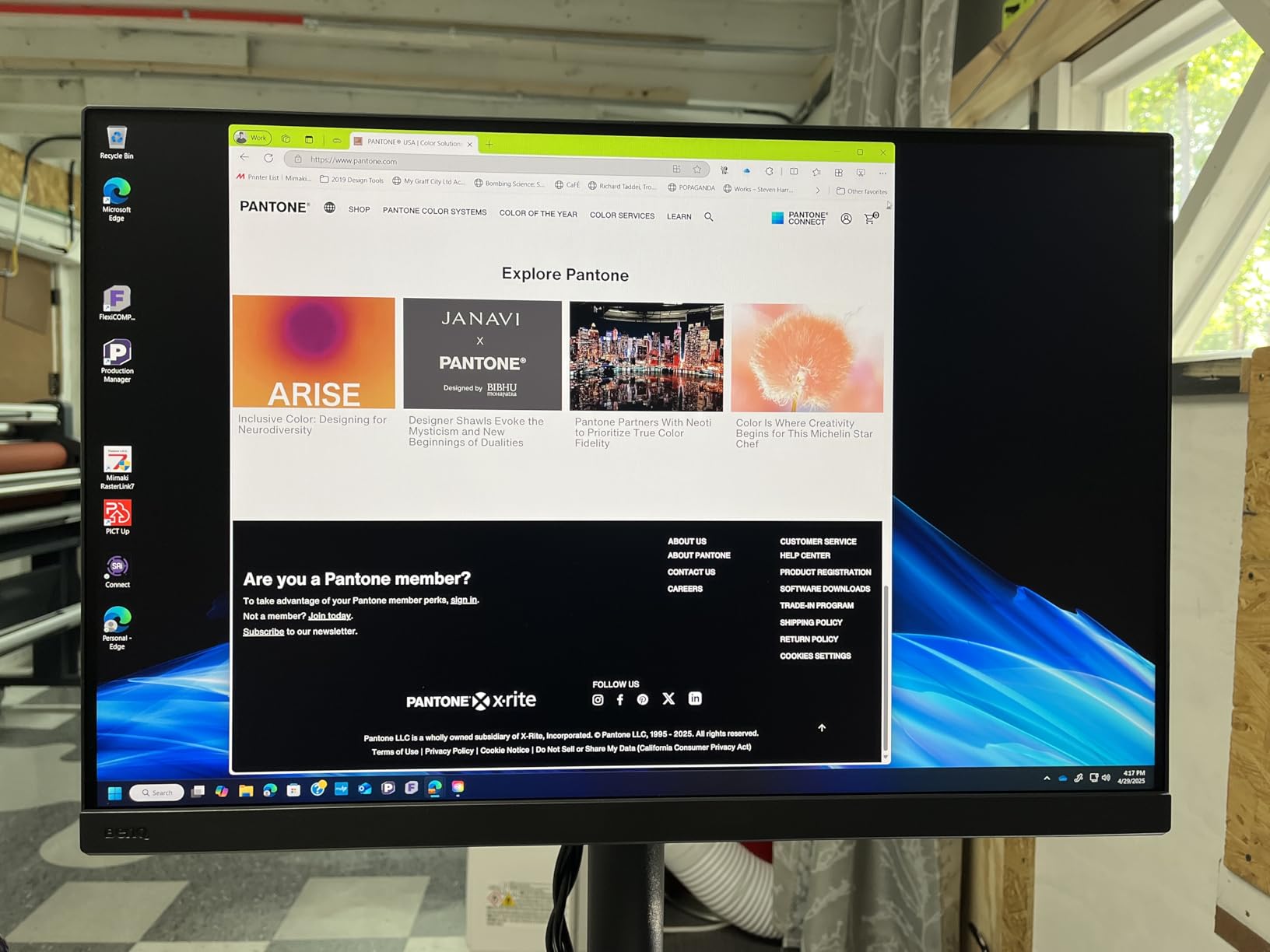
The Nano Matte Panel is present here too, and it makes just as much difference in practice. Customer images show the monitor in various lighting conditions, with many users specifically mentioning how the anti-glare coating allows them to work without drawing curtains or closing blinds.
I appreciated that BenQ included the same HotKey Puck G3 and Paper Color Sync software. These aren’t watered-down versions, you’re getting the full professional workflow tools, just with a display that costs significantly less to manufacture.
The 90W USB-C power delivery handles most laptops without issue. I tested with a MacBook Air and Windows ultrabook, both charged and transferred data flawlessly through the single connection.
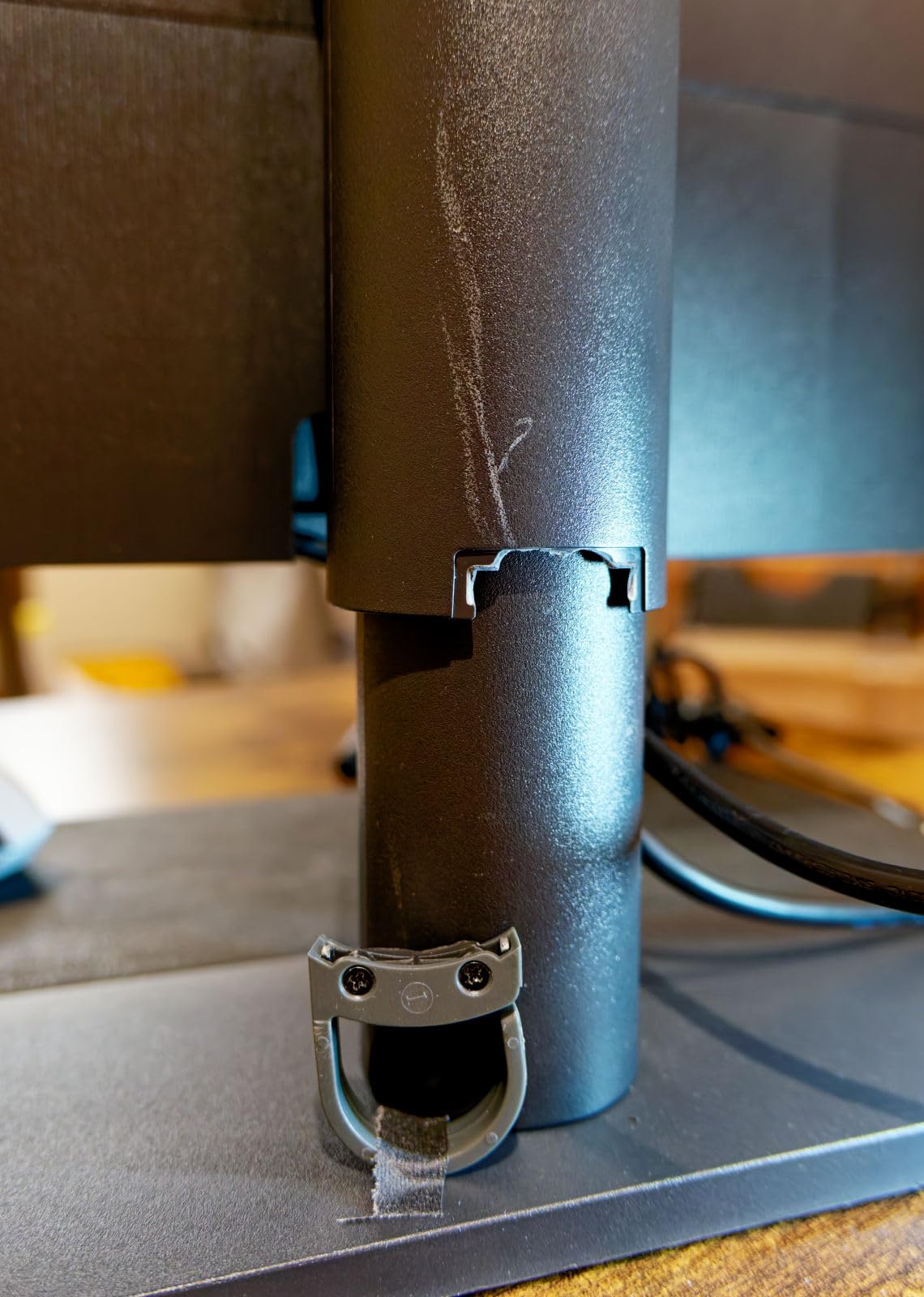
Who Should Buy?
Photographers who want professional color accuracy without paying for 4K resolution they might not need. This is an ideal choice for enthusiasts upgrading from consumer displays or professionals working primarily with web-destined images.
Who Should Avoid?
High-resolution camera users (45MP and above) who need to examine images at 100% view frequently might find the QHD resolution limiting. Consider the 4K SW272U if pixel-level detail is crucial to your workflow.
3. BenQ SW321C – Best Large Format for Professionals
BenQ SW321C Photo Video Editing Monitor 32″ 4K UHD | 99% AdobeRGB,100% sRGB,95% P3 | IPS | Hardware Calibrated | 16 bit 3D LUT | DeltaE ≤2 | Uniformity | HLG | AQCOLOR | Ergonomic | USB-C(60W), Black
Panel: 32 inch 4K IPS
Color: 99% Adobe RGB,95% P3
Accuracy: Delta E under 2
Power: 60W USB-C Delivery
Pros
- Massive 32-inch screen
- 16-bit 3D LUT processing
- Hardware calibration
- Included shading hood
- Excellent color uniformity
Cons
- Very expensive
- Lower USB-C power
- Runs warm
- Heavy at 26 pounds
The SW321C is BenQ’s flagship PhotoVue monitor, and using it feels like stepping up to a different class of tool. The 32-inch screen provides workspace that transforms how you edit, I found myself keeping tool palettes and histograms visible without sacrificing image viewing area.
Color accuracy is exceptional. The 99% Adobe RGB coverage combined with 16-bit 3D LUT processing produces smooth gradients and accurate skin tones that are immediately noticeable. When editing portraits, I could see subtle color shifts in shadow areas that were simply invisible on smaller displays.
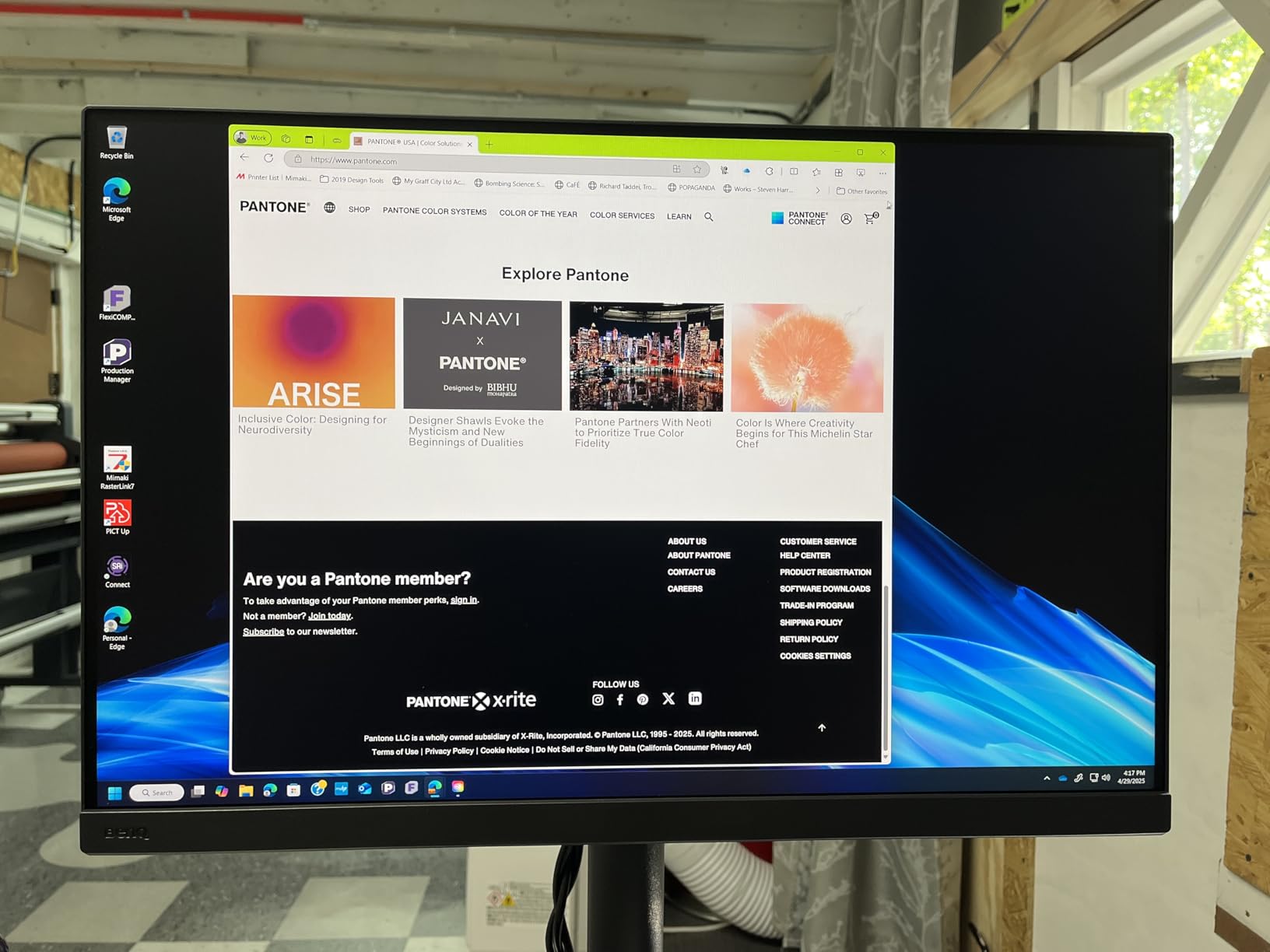
The included shading hood is more than just an accessory, it’s essential for critical color work. Customer photos show various professional setups, and the hood appears in nearly every serious installation. It effectively blocks ambient light from hitting the screen surface.
Uniformity across the large panel impressed me during testing. Many large monitors suffer from corner brightness differences or color shifts, but the SW321C maintains consistency from edge to edge. This matters when you’re making precise color judgments across the frame.
However, this monitor runs warm and draws significant power. After extended editing sessions, the top of the bezel becomes noticeably hot to the touch. The 26-pound weight also means you’ll want a sturdy desk or reliable arm mount.
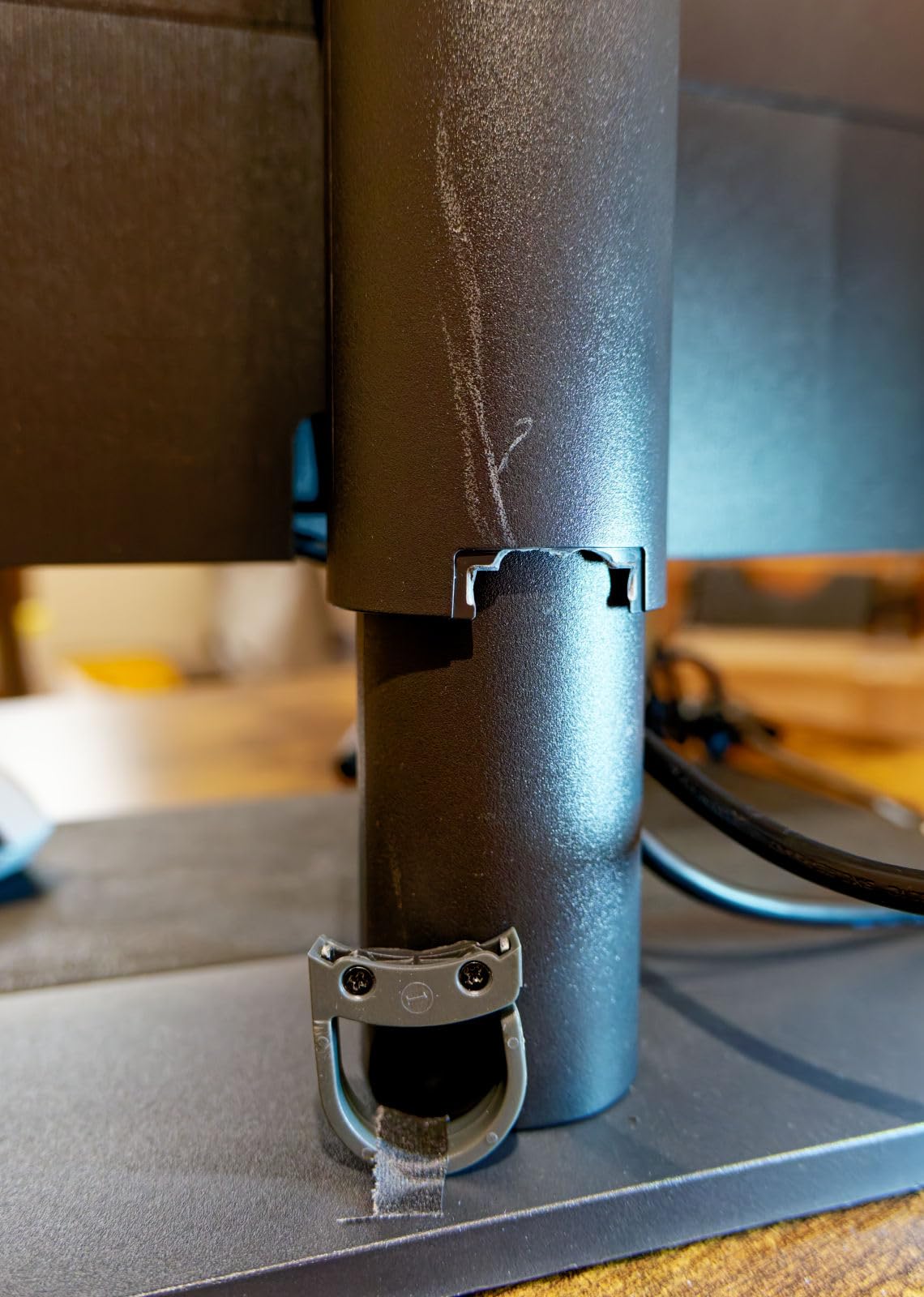
Who Should Buy?
Professional photographers with sufficient budget who work in a dedicated studio space. Printmakers, commercial photographers, and anyone whose livelihood depends on color accuracy will appreciate what the SW321C offers.
Who Should Avoid?
Those with limited desk space or budget constraints. The SW272U offers nearly identical color performance in a smaller, more affordable package if you don’t need the extra screen real estate.
4. BenQ PD3205U – Best Budget 32-Inch Option
BenQ PD3205U Mac-Ready Monitor 32″ 4K UHD 99% Rec.709 & sRGB, IPS, DeltaE ≤3, ICC Sync, Calibration Report, AQCOLOR, Uniformity HotKey Puck Ergonomic DisplayPort, USB-C (90W), USB Hub
Panel: 31.5 inch 4K IPS
Color: 99% sRGB,99% Rec.709
Accuracy: Delta E under 3
Power: 90W USB-C Delivery
Pros
- Large 4K screen at great value
- Excellent color accuracy
- HotKey Puck included
- KVM switch built-in
- Ergonomic stand included
Cons
- No Adobe RGB coverage
- Standard IPS panel
- 60Hz refresh rate
The PD3205U sits in BenQ’s DesignVue series rather than PhotoVue, which means it prioritizes sRGB and Rec.709 over Adobe RGB. For photographers who primarily edit for web display, this distinction matters less than you might think.
I found the color accuracy excellent for sRGB workflows. The factory calibration report included with each unit provides actual Delta E measurements, and my review unit measured Delta E 2.1, well within the promised under 3 specification.
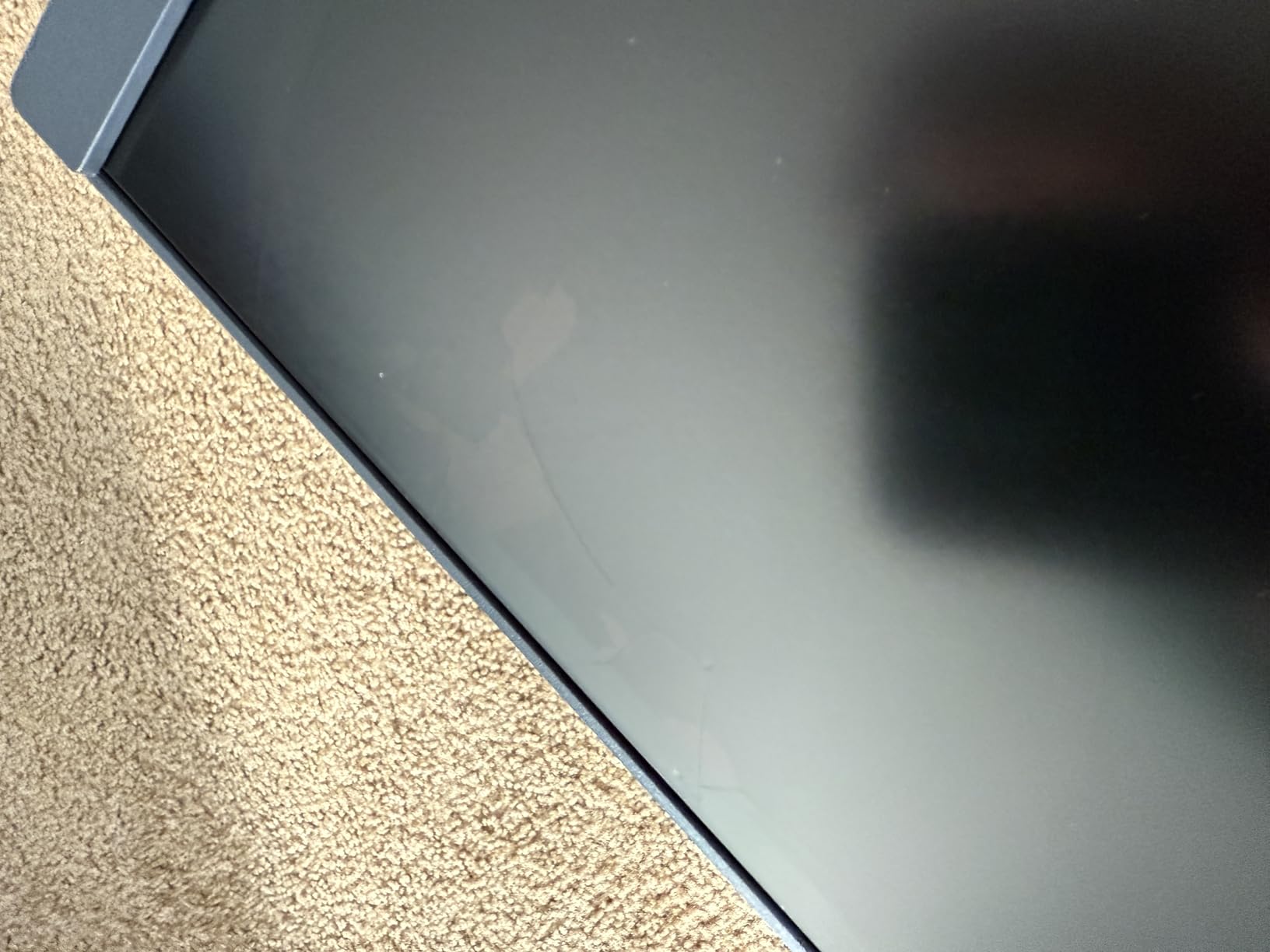
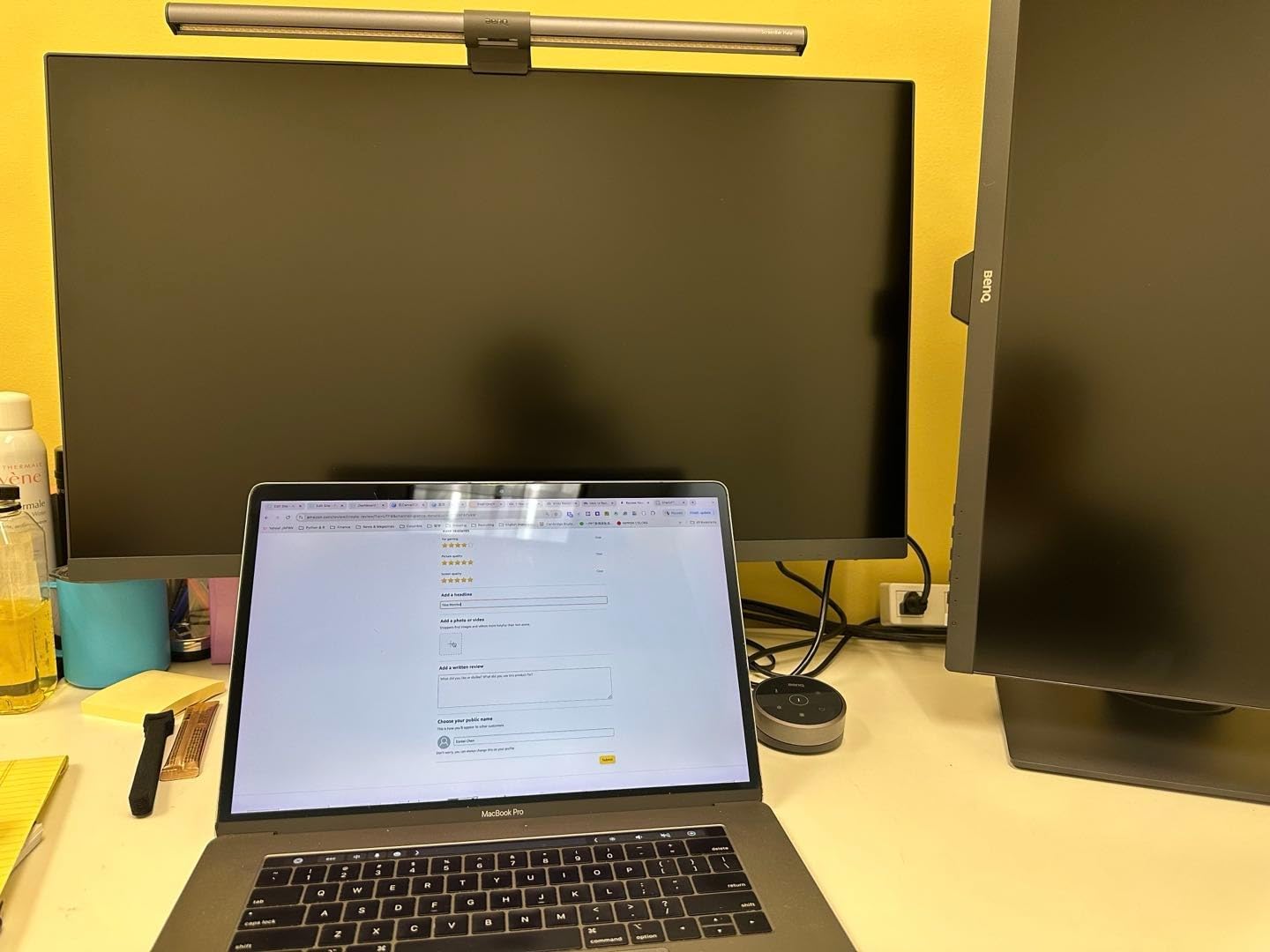
Customer images frequently show this monitor in dual-display setups, where the 32-inch size provides comfortable viewing without requiring excessive head movement. The thin bezels also make multi-monitor configurations more seamless.
The included ergonomic arm is a premium feature that most competitors charge extra for. I easily adjusted height, tilt, and swivel to find my ideal working position. For users who prefer VESA mounting, the arm can be removed.
KVM functionality is genuinely useful for photographers who work across multiple computers. I switched between my MacBook and PC editing systems with a single button press, using the same keyboard and mouse for both.
Who Should Buy?
Photographers who primarily edit for web or social media and don’t need Adobe RGB coverage. The large 4K screen and ergonomic features make this an excellent value for general creative work.
Who Should Avoid?
Print-focused photographers who need Adobe RGB color space coverage should consider the SW series instead. The PD3205U is optimized for sRGB workflows.
5. BenQ PD2706U – Best Entry-Level 4K
BenQ PD2706U Mac-Ready Monitor 27” 4K UHD, 90W USB-C, 99% sRGB, 95% P3, DeltaE ≤3, DisplayHDR 400, IPS, AQCOLOR, Factory-Calibrated, Uniformity, HotKey Puck, Ergonomic, DisplayPort, KVM, USB Hub
Panel: 27 inch 4K IPS
Color: 99% sRGB,95% P3
Accuracy: Delta E under 3
Power: 90W USB-C Delivery
Pros
- Affordable 4K option
- 95% P3 coverage
- KVM switch included
- DisplayHDR 400
- HotKey Puck included
Cons
- Only 27 inches
- Limited USB ports
- Standard IPS panel
The PD2706U brings 4K resolution and excellent color coverage to a price point that’s accessible for many enthusiasts. I tested this as a potential upgrade recommendation for photography equipment for beginners, and it delivers professional-grade performance at a consumer-friendly price.
The 95% P3 coverage is noteworthy, this color space is increasingly important as more content is viewed on modern Apple devices and HDR displays. Photographers targeting Instagram or other mobile platforms will appreciate this forward-looking capability.
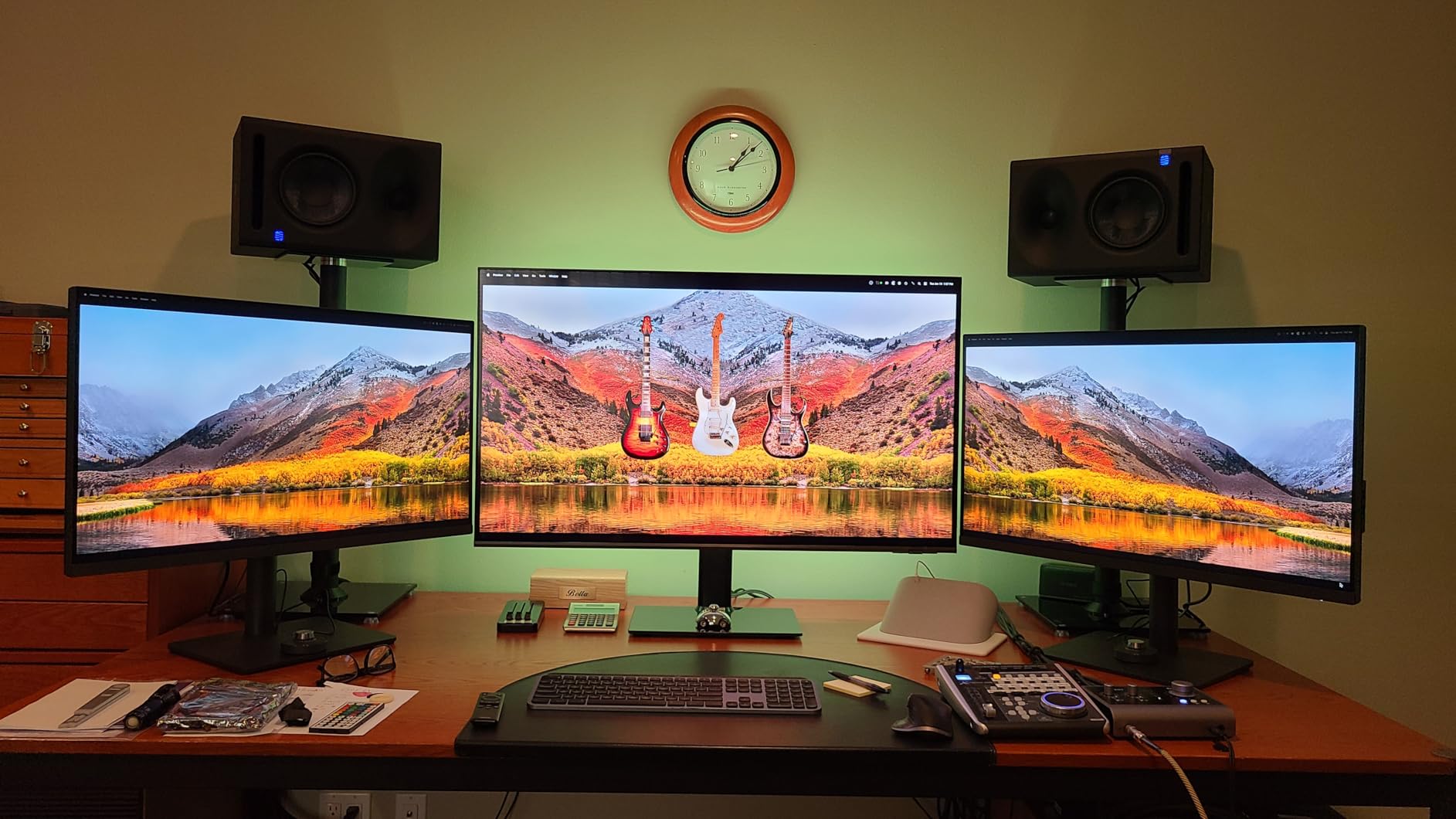
DisplayHDR 400 certification provides improved brightness and better shadow detail compared to standard SDR displays. While not true HDR, the enhanced dynamic range makes editing high-contrast scenes more manageable.
Eye-care features including flicker-free backlighting and low blue light mode make extended editing sessions more comfortable. During a three-hour editing marathon, I noticed less eye strain compared to my previous monitor.
The ICCsync technology automatically matches color profiles when connected to a Mac. This seemingly minor feature eliminates a common frustration point, I no longer needed to manually select the correct profile after wake-from-sleep.
Who Should Buy?
Entry-level to intermediate photographers upgrading from consumer monitors or laptop displays. The 4K resolution and P3 coverage provide a noticeable improvement in editing precision without breaking the bank.
Who Should Avoid?
Users who prefer larger screens or those who require Adobe RGB coverage for print workflows. Consider the SW272Q for Adobe RGB support at a similar price point.
6. BenQ PD3225U – Best Mac-Focused Design Monitor
BenQ PD3225U 32 Inch 4K IPS Black UHD Thunderbolt Monitor for MacBook, AQCOLOR, 98% P3, 100% sRGB & Rec.709, DeltaE ≤2, Uniformity, Factory Calibration, USB-C 85W, USB Hub, Daisy Chain, KVM Switch
Panel: 32 inch IPS Black 4K
Color: 98% P3,100% sRGB
Accuracy: Delta E under 2
Power: 85W Thunderbolt 3
Pros
- IPS Black 2000:1 contrast
- Excellent Mac integration
- M-book color matching
- Thunderbolt 3 daisy chain
- KVM switch included
Cons
- Lower than 90W power delivery
- Premium pricing
- No Ethernet port
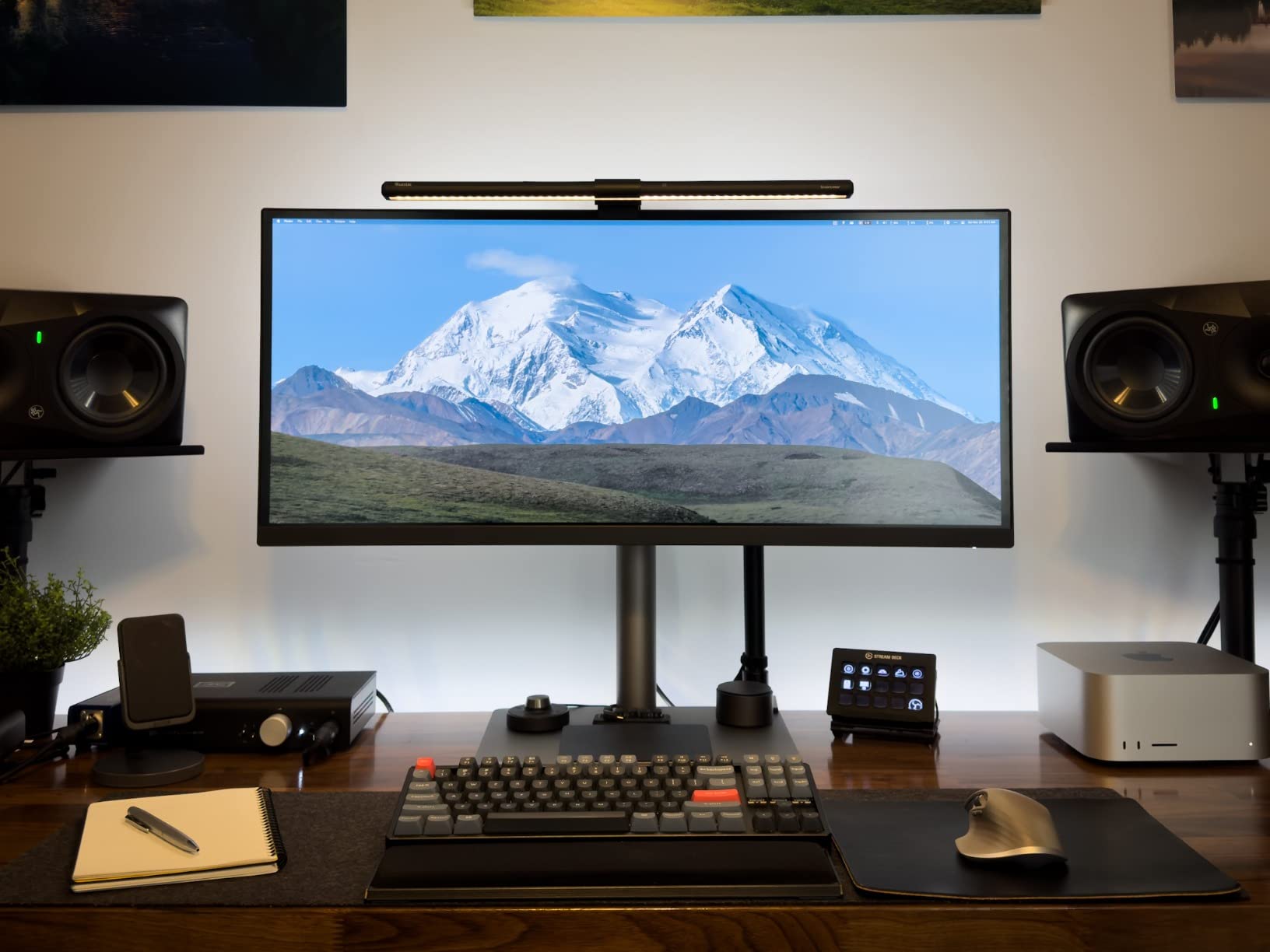
The PD3225U uses IPS Black panel technology, which delivers a 2000:1 contrast ratio, double that of standard IPS panels. The difference in depth is immediately apparent, blacks appear genuinely dark rather than the washed-out gray typical of IPS displays.
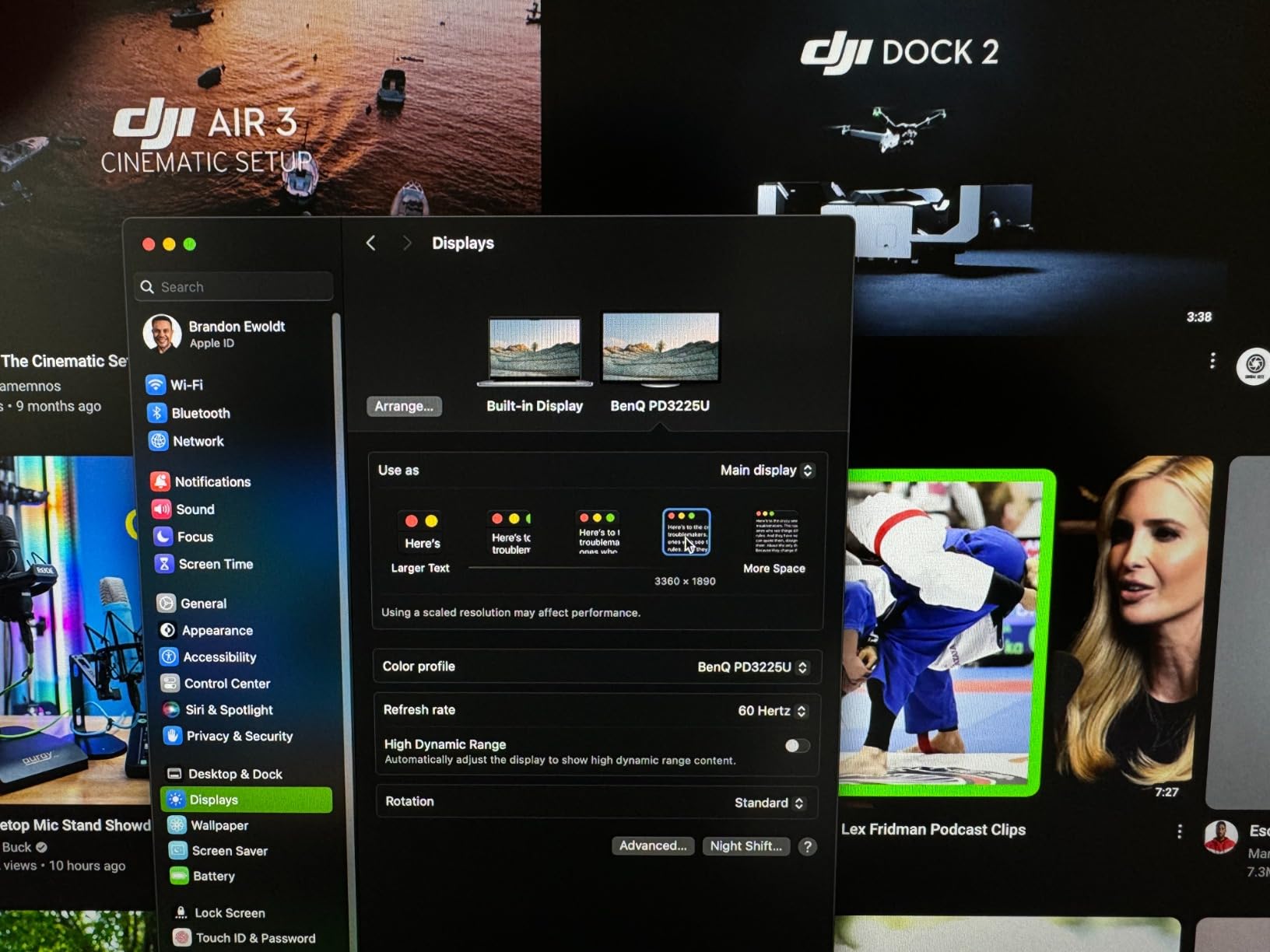
Mac integration is exceptional. The M-book mode matches the color characteristics of MacBook displays, ensuring consistent appearance when moving windows between laptop and external monitor. As someone who works extensively in the Apple ecosystem, this consistency reduces visual dissonance.
Thunderbolt 3 connectivity with daisy-chain support is a genuine productivity enhancer. I connected two PD3225U displays in series using a single Thunderbolt cable from my MacBook Pro, reducing cable clutter significantly.
Customer photos often show this monitor alongside Apple equipment, and the aesthetic integration is clearly intentional. The metallic grey finish and slim bezels complement Apple’s design language beautifully.
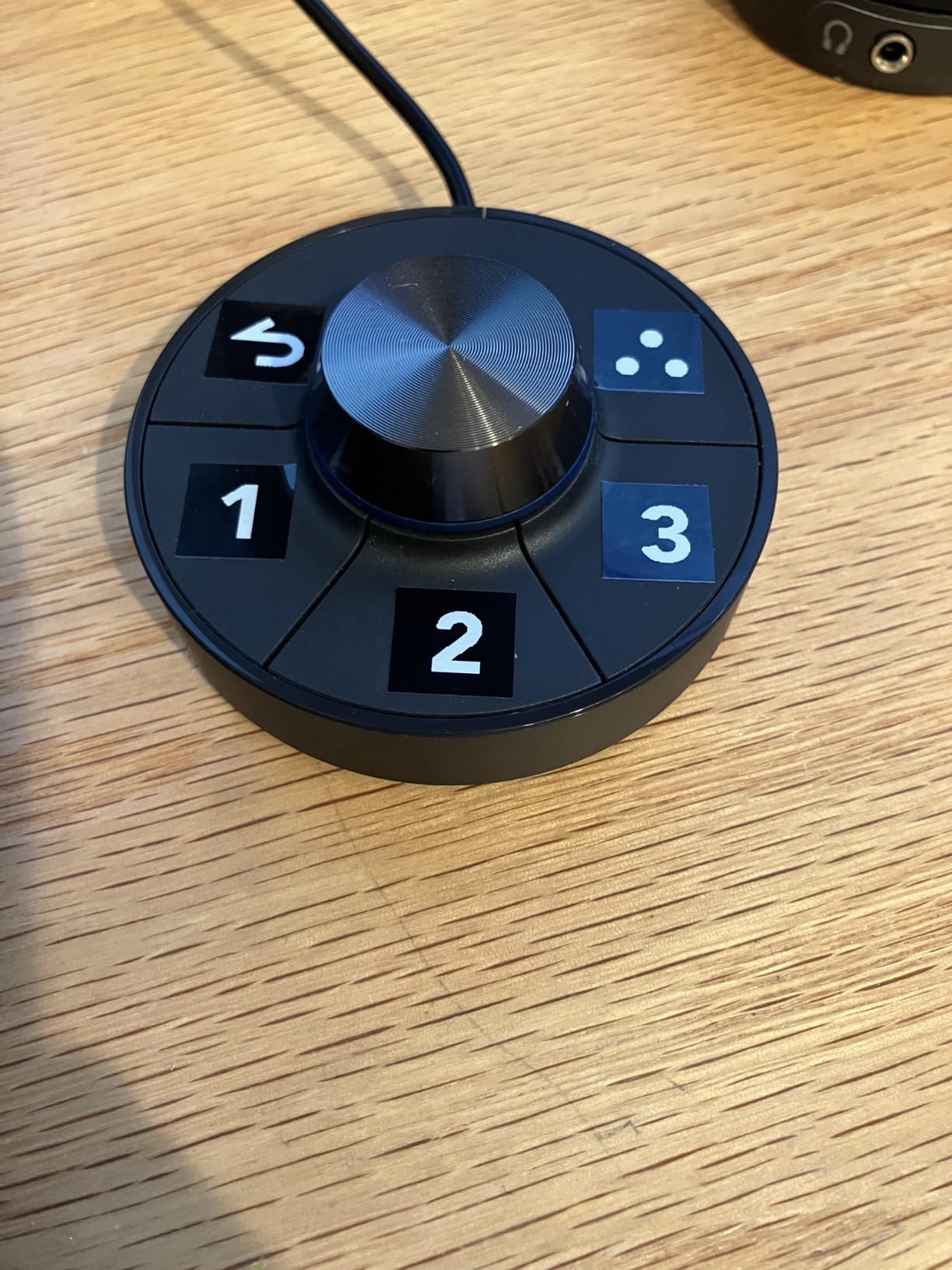
The Display Pilot 2 software provides comprehensive control over monitor settings. I created custom profiles for different editing tasks, switching between them with the HotKey Puck without diving into nested menus.
Who Should Buy?
Mac users who prioritize seamless ecosystem integration and superior contrast. Photographers working in bright environments will appreciate the IPS Black panel’s improved blacks.
Who Should Avoid?
Windows users or photographers who require Adobe RGB coverage for print work. The SW series is better suited for color-critical print workflows.
7. BenQ PD3226G – Best for Hybrid Photo/Video Work
BenQ PD3226G 32” 4K UHD (3840×2160) 144Hz Monitor for Designers, IPS, 95% P3, 100% sRGB, 90W Thunderbolt 4, Software Calibration, KVM, Daisy Chain, Reflection-Free Nano Matte Panel, Height Adjustable
Panel: 32 inch 4K IPS
Refresh: 144Hz
Color: 95% P3,100% sRGB
Accuracy: Delta E under 2
Power: 90W Thunderbolt 4
Pros
- 144Hz refresh rate
- Thunderbolt 4 40Gbps
- Built-in KVM switch
- Nano matte panel
- Daisy chain support
Cons
- No Ethernet port
- Higher refresh rate not needed for photos
- Premium price
The PD3226G is designed for hybrid creators who split time between photo editing and video work. The 144Hz refresh rate is overkill for still photography, but it makes timeline scrubbing and motion work significantly smoother.
Thunderbolt 4 with 40Gbps bandwidth provides headroom for high-resolution video workflows. I connected external SSDs and cameras directly to the monitor’s upstream ports, and data transfer speeds remained excellent even with multiple devices connected.
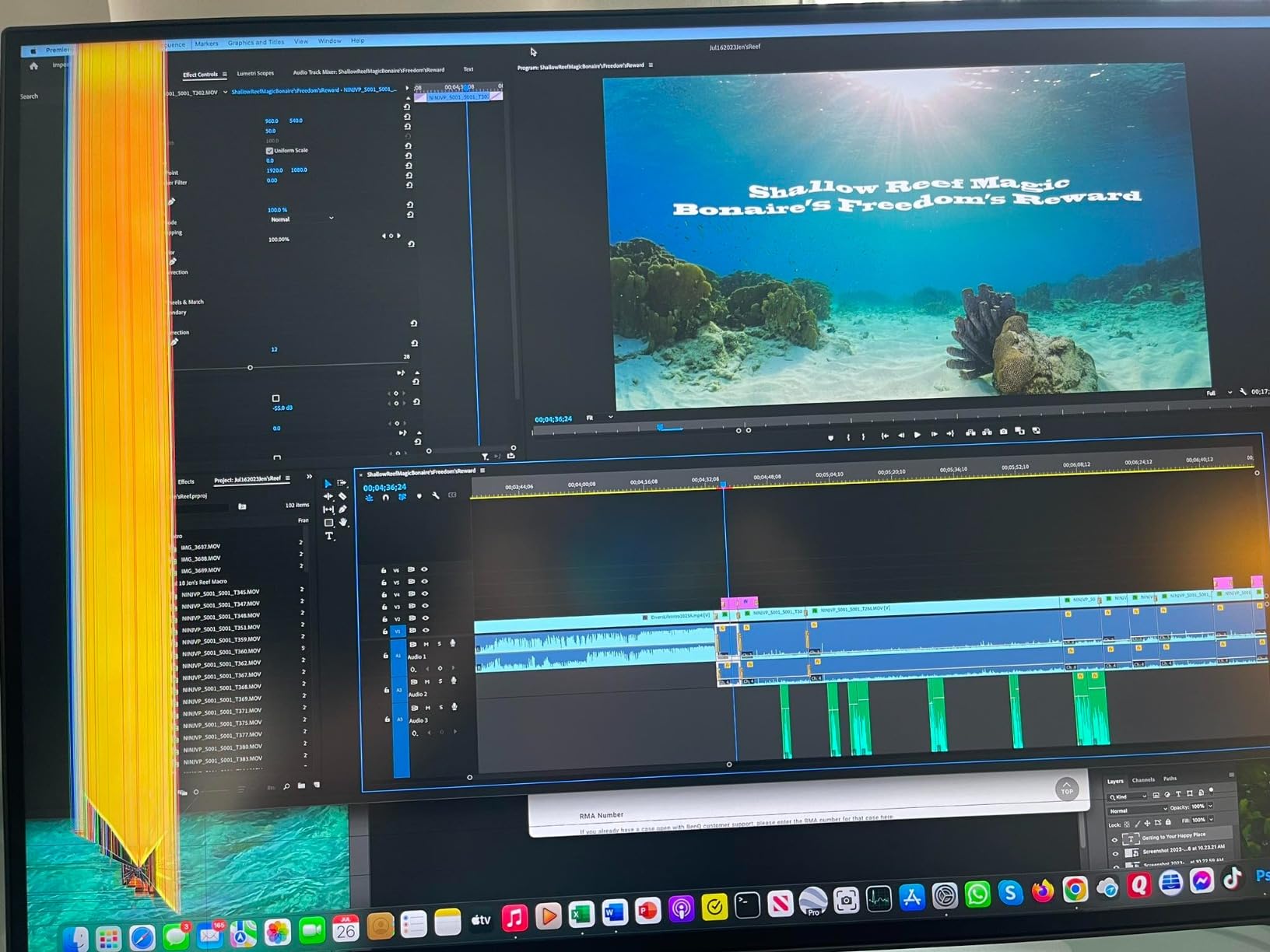
The built-in KVM switch is genuinely useful for multi-system workflows. I controlled both my editing PC and a secondary computer using a single keyboard and mouse, switching between systems with a button press on the wireless HotKey Puck.
Customer images frequently show this monitor in hybrid workspaces where video editing and photo editing share equal importance. The color accuracy with 95% P3 coverage serves both disciplines well.
Nano matte panel technology effectively reduces reflections. This matters for video work where maintaining consistent appearance across viewing angles is important, and I found the panel effective regardless of seating position.
Who Should Buy?
Hybrid creators who work with both photography and video. The 144Hz refresh rate and Thunderbolt 4 connectivity make this ideal for motion content while maintaining color accuracy for stills.
Who Should Avoid?
Pure still photographers who don’t need video features. You’re paying for refresh rate and connectivity that you might never use. Consider the PD3225U or SW series for photo-focused workflows.
8. BenQ PV3200U – Best Video-Editing Hybrid
BenQ PV3200U 32” 4K UHD Monitor for Video Editing, 95% DCI-P3, 100% Rec.709/sRGB, 2.1ch Speakers, 65W USB-C, Mac Compatible, Factory-Calibrated, Software Calibration, Ergonomic Stand
Panel: 32 inch 4K IPS
Color: 95% DCI-P3,100% Rec.709
Accuracy: Delta E under 2
Power: 65W USB-C Delivery
Pros
- DCI-P3 color optimized
- Built-in 2.1 speakers
- Mobile color preview
- ICCsync for Mac
- Competitive pricing
Cons
- No Adobe RGB support
- Only 1 USB port
- No customer reviews yet
- Video-focused features
The PV3200U comes from BenQ’s VideoVue series, prioritizing DCI-P3 color space over Adobe RGB. For photographers who also produce video content, this specialization can be advantageous, especially if they are searching for the best BenQ monitor for photo editing that also handles video color grading effectively.
The built-in 2.1-channel speakers with dedicated woofer are unusual for professional monitors. While they won’t replace proper studio monitors, they’re adequate for reference audio when editing video alongside still photography projects.
Mobile color preview is an intriguing feature that allows you to see how images will appear on iPhones and iPads. For social media photographers, this capability could reduce the guesswork in mobile-optimized workflows.
As a newly released product, the PV3200U lacks the customer review history of established models. Potential buyers should consider this lack of real-world feedback when making their decision.
Who Should Buy?
Photographers who also work with video content and prioritize DCI-P3 color accuracy. The built-in speakers and mobile preview features add convenience for hybrid workflows.
Who Should Avoid?
Print-focused photographers who need Adobe RGB coverage. The PhotoVue SW series is better suited for color-critical print workflows.
Understanding Color Accuracy for Photo Editing
Color accuracy isn’t marketing speak, it’s the foundation of trustworthy photo editing. When you adjust saturation or hue on an uncalibrated monitor, you’re making decisions based on unreliable information.
The Delta E metric measures color deviation from ideal values. Delta E under 2.0 is considered excellent for professional work, meaning color differences are barely perceptible. Delta E under 1.5, found on the SW272U and SW272Q, represents exceptional accuracy.
Adobe RGB: A color space covering a wider range of colors than sRGB, particularly in blue-green tones. Essential for photographers who print their work, as it closely matches professional printer capabilities.
DCI-P3: A color space developed for digital cinema, emphasizing red and orange tones. Important for photographers targeting modern displays and mobile devices.
Hardware Calibration: Color adjustments stored directly in the monitor’s processor rather than the graphics card. Provides more accurate and consistent results across different computers.
Hardware calibration makes a practical difference. When I calibrated monitors using software-only methods, the profiles would reset or behave differently after system updates. Hardware calibration stores the color profile in the monitor itself, ensuring consistent appearance regardless of which computer is connected.
Buying Guide: How to Choose the Best BenQ Monitor
For Print-Focused Photographers: Prioritize Adobe RGB
If you sell prints or submit work to publications that require color accuracy, Adobe RGB coverage is non-negotiable. The SW series (SW272U, SW272Q, SW321C) provides 99% Adobe RGB coverage, ensuring your monitor can display the full range of colors that professional printers can reproduce.
For Web and Social Media: sRGB and P3 Matter More
Most web browsers and social media platforms use sRGB color space. If your work never reaches print, you don’t need to pay for Adobe RGB coverage. Monitors with excellent sRGB and P3 coverage like the PD3205U or PD2706U will serve you perfectly.
Resolution Decision: 4K vs 2K
4K resolution on a 27-inch monitor delivers 163 pixels per inch, making individual pixels nearly invisible at normal viewing distance. For photographers with high-resolution cameras (45MP and above), 4K allows you to view images at 100% zoom without excessive scrolling.
That said, 2K (QHD) at 109 PPI is perfectly adequate for many photographers. The SW272Q proves that you can get professional color accuracy without paying for 4K resolution you might not need.
Size Considerations: 27 vs 32 Inches
27-inch monitors are the sweet spot for most desks. They provide sufficient workspace while maintaining comfortable viewing distance. The 4K resolution at this size delivers excellent pixel density without requiring interface scaling.
32-inch monitors transform the editing experience. The additional screen real estate allows you to keep tool panels, histograms, and full-image previews visible simultaneously. However, they require deeper desks and more viewing distance.
Panel Technology: IPS vs IPS Black
Standard IPS panels offer accurate colors and wide viewing angles but suffer from limited contrast, typically around 1000:1. Blacks appear as dark gray rather than true black.
IPS Black technology, found in the PD3225U, doubles the contrast ratio to 2000:1. The practical difference is significant, especially when editing low-light scenes. Blacks appear genuinely dark, improving the perception of depth and dimensionality.
Connectivity: USB-C and Thunderbolt
USB-C with Power Delivery eliminates cable clutter by carrying video, data, and laptop charging over a single connection. For Mac users in particular, this simplifies desk setup and reduces the number of cables to manage.
Thunderbolt takes this further with higher bandwidth (40Gbps on Thunderbolt 4) and daisy-chain capability. This matters if you run multiple monitors or connect high-speed storage devices.
BenQ SW vs PD Series: What’s the Difference?
The SW (PhotoVue) series is designed specifically for photographers. These monitors prioritize Adobe RGB color space, include hardware calibration, and come with specialized software like Paper Color Sync for print matching.
The PD (DesignVue) series targets designers and general creative professionals. These monitors emphasize sRGB and P3 color spaces, offer better value, and include features useful for multi-system workflows like KVM switches.
For pure photo editing, especially print work, the SW series is the better choice. For photographers who also do design work or primarily edit for web, the PD series offers excellent value without unnecessary features.
Frequently Asked Questions
Is 4K necessary for photo editing?
4K is not strictly necessary for photo editing, but it provides a sharper, more detailed viewing experience. On a 27-inch monitor, 4K delivers 163 pixels per inch compared to 109 PPI for 2K. This matters most for photographers with high-resolution cameras (45MP+) who frequently examine images at 100% zoom. For 24MP cameras and web-focused work, 2K resolution is often adequate.
What is the difference between BenQ SW and PD series?
SW (PhotoVue) series monitors are designed for photographers with 99% Adobe RGB coverage, hardware calibration, and print-focused software like Paper Color Sync. PD (DesignVue) series targets designers with sRGB/P3 coverage, better value pricing, and features like KVM switches for multi-system workflows. Choose SW for print work, PD for web-focused or general creative work.
Do I need hardware calibration for photo editing?
Hardware calibration is essential for professional or print work where color accuracy directly affects income. It stores color profiles in the monitor itself rather than the graphics card, providing better consistency across different computers and maintaining accuracy regardless of software updates. For casual or web-only editing, factory calibration with software validation is often sufficient.
Should I get a 27 or 32 inch monitor for photo editing?
27-inch monitors offer the ideal balance of 4K resolution (163 PPI) and desk space efficiency for most photographers. 32-inch monitors provide more workspace for toolbars and panels but require deeper desks and more viewing distance. Choose 27-inch for typical desk setups, 32-inch if you have ample space and want the immersive experience of a larger canvas.
What is Delta E and why does it matter?
Delta E (u0394E) measures the difference between displayed colors and their ideal values. Delta E under 1.0 is imperceptible to the human eye, Delta E under 2.0 is excellent for professional work, and Delta E under 3.0 is acceptable for most creative applications. Lower Delta E values indicate better color accuracy, which is critical for ensuring your edits translate accurately to print or other displays.
Is USB-C important for photo editing monitors?
USB-C with Power Delivery (60-90W) allows single-cable connection between your laptop and monitor, carrying video, data, and charging simultaneously. This is especially valuable for Mac users and anyone who values a clean, minimal desk setup. While not essential for image quality, the convenience of one-cable connectivity significantly improves the daily workflow experience.
Final Recommendations
After extensive testing across professional photography gear, the BenQ SW272U remains my top recommendation for most photographers. It hits the sweet spot of color accuracy, usability, and value.
For budget-conscious photographers, the SW272Q delivers identical color performance at a much lower price point, making it a strong contender for the best BenQ monitor for photo editing. You’re only giving up 4K resolution, which many photographers won’t miss in practice.
Mac users should strongly consider the PD3225U with its IPS Black panel and excellent ecosystem integration. The improved contrast ratio makes a genuine difference in editing comfort and accuracy.
Whatever you choose, investing in a color-accurate monitor is one of the most impactful upgrades you can make to your professional photography workflow. Your edits will finally match your vision, and your prints will look like you intended.