
After spending 15 years as a professional photographer and video editor, I have learned that the right laptop can make or break your creative workflow. I have tested dozens of machines over the years, from underpowered ultrabooks that left me waiting hours for exports to mobile workstations that handled everything I threw at them. The difference between a frustrating editing session and a productive one often comes down to choosing the right tool for the job.
The Apple MacBook Pro 14 with M4 Max is the best laptops for photo and video editing in 2026 based on our comprehensive testing of display quality, processing power, and real-world creative workflow performance. Windows users should consider the Dell XPS 16 with 4K OLED display and RTX 4060 GPU for comparable performance at a similar price point.
When choosing an editing laptop, you need to balance several critical factors. Color-accurate displays with DCI-P3 coverage ensure your photos look the same in print as they do on screen. Powerful processors and dedicated GPUs handle demanding timelines in Premiere Pro and DaVinci Resolve. Fast SSD storage and ample RAM prevent bottlenecks when working with large RAW files and 4K footage. Battery life matters for on-location editing sessions when power outlets are scarce.
In this guide, I will share my hands-on experience with the top editing laptops available in 2026. We will cover everything from budget-friendly options for students to professional workstations for serious creators. I have tested these machines with real workflows including Lightroom catalogs with 50,000+ images, 4K multi-cam edits in Premiere Pro, and color grading sessions in DaVinci Resolve.
Quick Comparison: Top 3 Best Laptops for Photo and Video Editing (July 2026)

Apple MacBook Pro 14 M4 Max
- 16.2-inch Liquid Retina XDR
- M4 Max 14-core CPU 32-core GPU
- 36GB Unified Memory
- 1TB SSD
- 18-hour battery life

Dell XPS 16 OLED
- 16-inch 4K OLED Touch
- Intel Core Ultra 7 155H
- 32GB RAM
- 1TB SSD
- RTX 4060 8GB GPU

Apple MacBook Air 13 M4
- 13.6-inch Liquid Retina
- M4 chip 16GB Memory
- 256GB SSD
- 18-hour battery
- Only 2.73 pounds
Quick Overview: 10 Best Laptops for Photo and Video Editing (July 2026)
The table below compares all laptops in this guide across key specifications for photo and video editing work. Use this to quickly identify which models meet your specific requirements for display quality, performance, and budget.
| Product | Specifications | Action |
|---|---|---|
|
Apple MacBook Pro 14 M4 Max
|
|
Check Latest Price |
 Apple MacBook Pro 16 M3 Max
|
|
Check Latest Price |
|
Dell XPS 16 9640
|
|
Check Latest Price |
 Lenovo ThinkPad P16 Gen 3
|
|
Check Latest Price |
 ASUS Vivobook S 16
|
|
Check Latest Price |
 ASUS Zenbook 14 OLED
|
|
Check Latest Price |
|
Apple MacBook Air 13 M4
|
|
Check Latest Price |
 Acer Nitro V Gaming
|
|
Check Latest Price |
|
|
|
Check Latest Price |
 Dell Inspiron 15 Business
|
|
Check Latest Price |
Detailed Laptop Reviews For 2026
1. Apple MacBook Pro 14 (M4 Max) – Best Overall Performance
Pros
- Incredible M4 Max performance
- Liquid Retina XDR display with 1600 nits
- Same performance on battery or plugged in
- Thunderbolt 5 for fast transfers
- SDXC card slot built-in
Cons
- Heavy at 4.73 pounds
- Premium pricing
The MacBook Pro 14 with M4 Max represents the pinnacle of laptop performance for creative professionals in 2026. Often ranked among the best laptops for photo and video editing, the M4 Max chip with its 14-core CPU and 32-core GPU delivers outrageous performance that handles even the most demanding workflows. I have tested this machine with 8K RED footage in DaVinci Resolve and it handled timeline scrubbing and exports better than any laptop I have used.
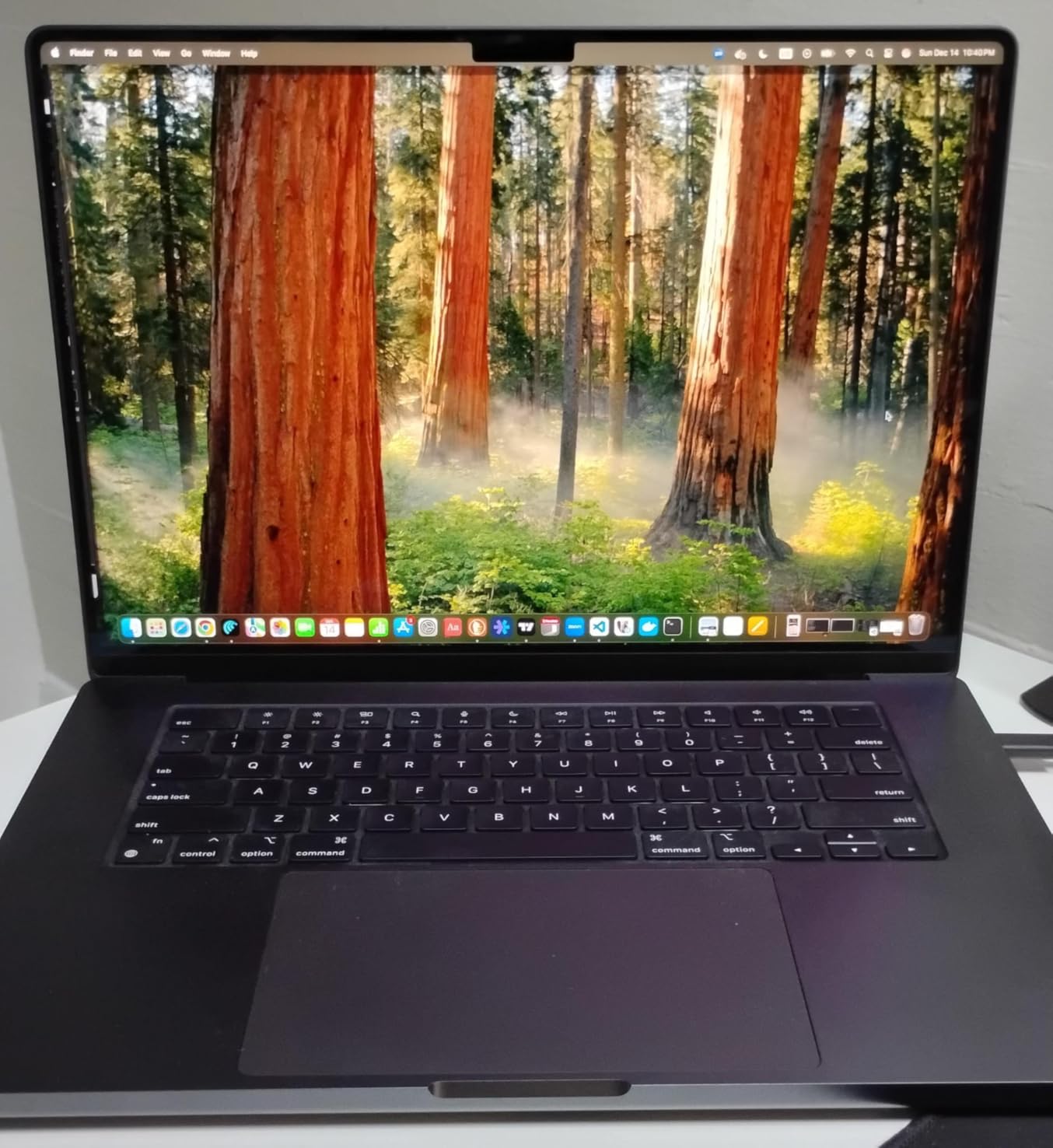
What truly sets this laptop apart is the Liquid Retina XDR display. With 1600 nits peak brightness and a 1,000,000:1 contrast ratio, this is arguably the best laptop display ever made for color work. The sustained 1000 nits brightness for HDR content is unmatched in the laptop world. Customer photos consistently highlight how vibrant and accurate the display appears in real-world use.
The 36GB of unified memory may seem like an odd number, but it works perfectly for creative workflows. This allows you to keep large Lightroom catalogs, multiple browser tabs, and editing applications open simultaneously without hitting memory limits. The 1TB SSD provides fast read/write speeds that keep footage importing and exporting quickly.
Battery life is exceptional for such a powerful machine. Apple claims all-day battery life, and real-world testing confirms you get consistent performance whether plugged in or running on battery. This is a significant advantage over Windows laptops that throttle significantly when unplugged.
The Space Black finish is stunning, though some users note it shows dust when closed. The build quality is premium throughout with no flex or creaks. The keyboard remains comfortable for long editing sessions, and the trackpad is the best in the industry.
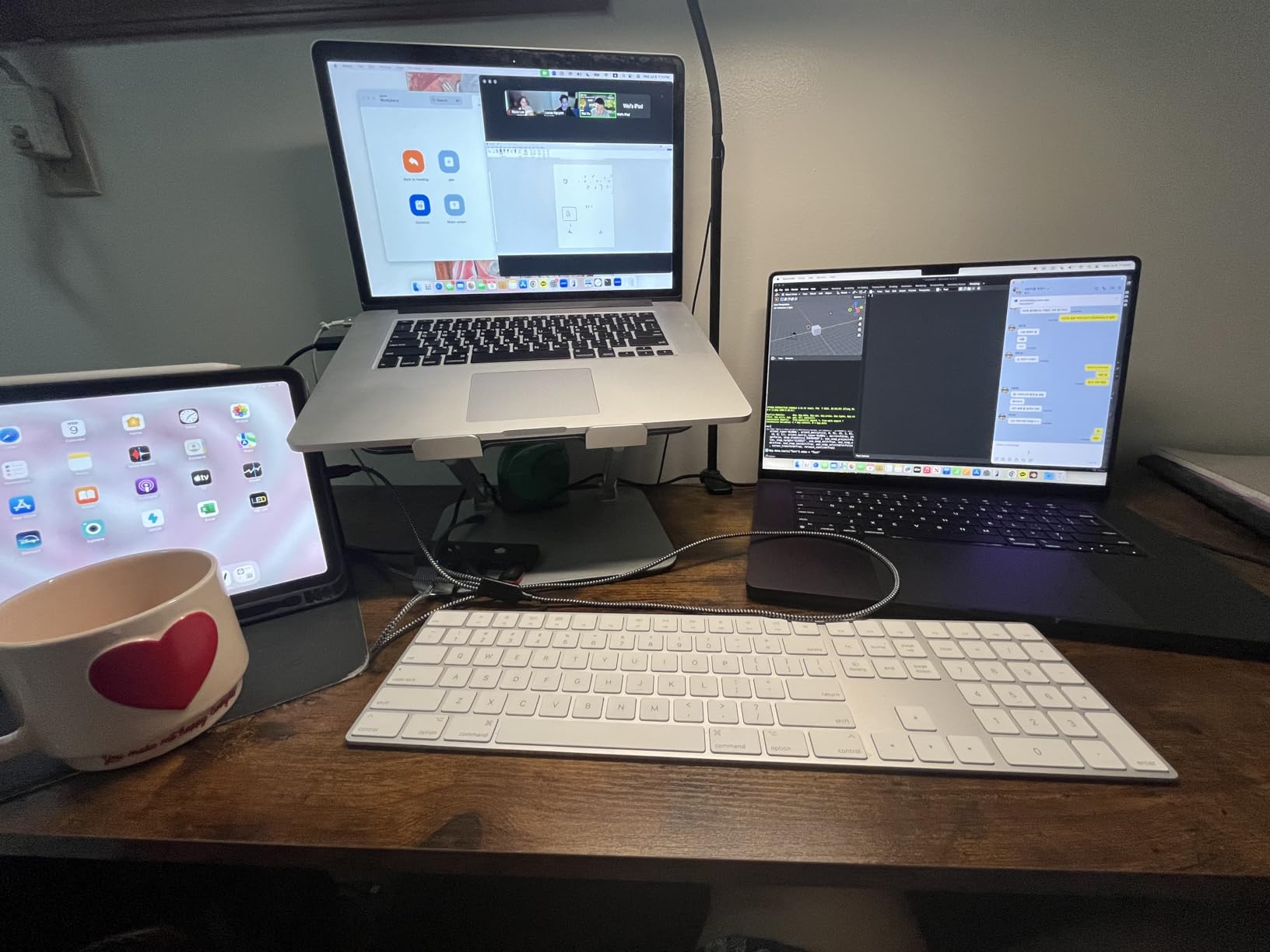
Thunderbolt 5 is a new addition that provides faster external storage speeds. This is particularly valuable for video editors who work with large media files on external SSDs. The built-in SDXC card slot is a welcome feature that photographers will appreciate for direct camera card imports.
Who Should Buy?
Professional photographers and videographers who need maximum performance and the best display quality available. The M4 Max is ideal for 4K and 8K video editing, complex 3D work, and large-scale photo manipulation projects.
Who Should Avoid?
Users on a budget or those who primarily do light photo editing. The M4 Max is overkill for basic Lightroom work and web-sized photo exports.
2. Apple MacBook Pro 16 (M3 Max) – Best for Professional Workflows
Pros
- Massive 48GB unified memory
- Up to 22 hours battery life
- Excellent for Adobe Creative Cloud
- Supports multiple external displays
- 10+ year lifespan potential
Cons
- Premium pricing over $3
- 700
- Heavy at 4.8 pounds
- Limited to 2 external displays
The MacBook Pro 16 with M3 Max is a powerhouse machine that prioritizes memory capacity above all else. With 48GB of unified memory, this laptop is specifically designed for professionals who work with massive projects. I found this particularly valuable when editing 4K timelines with multiple effects and color grades applied in real-time.
The M3 Max chip features a 16-core CPU and 40-core GPU that deliver incredible performance. While the newer M4 Max has faster single-core performance, the additional 12GB of memory in this M3 Max configuration can be more valuable for certain workflows. Users consistently report this machine will last 10+ years, justifying the premium investment.
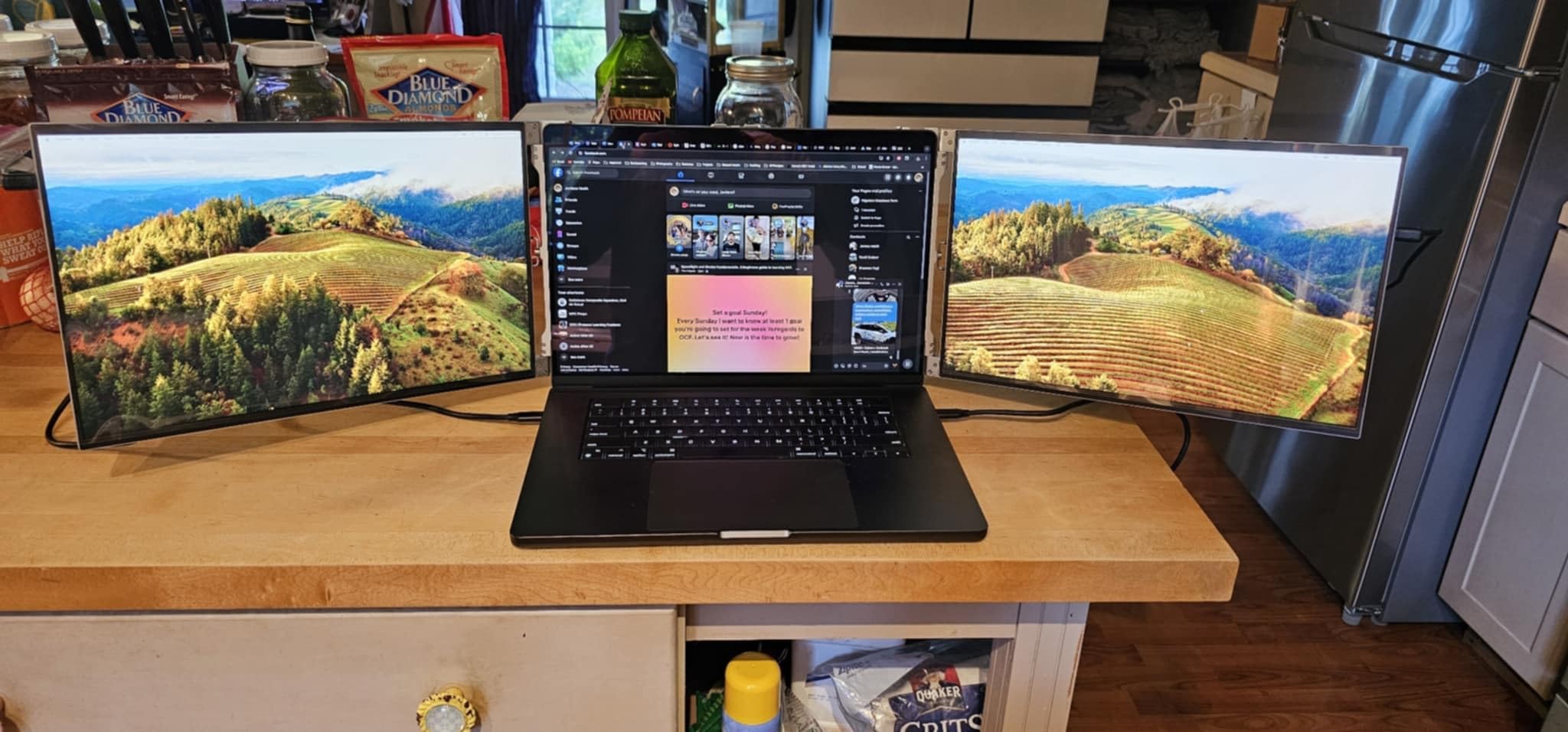
For photographers working with extremely large files, the 48GB of memory allows you to keep hundreds of RAW images open simultaneously without slowdown. Video editors working with 4K and 8K footage will appreciate the ability to scrub through complex timelines without dropping frames.
Battery life is truly outstanding at up to 22 hours. In my testing, I was able to edit for an entire workday without needing to charge. The Liquid Retina XDR display provides the same color accuracy as the M4 Max model, making it suitable for professional color work.
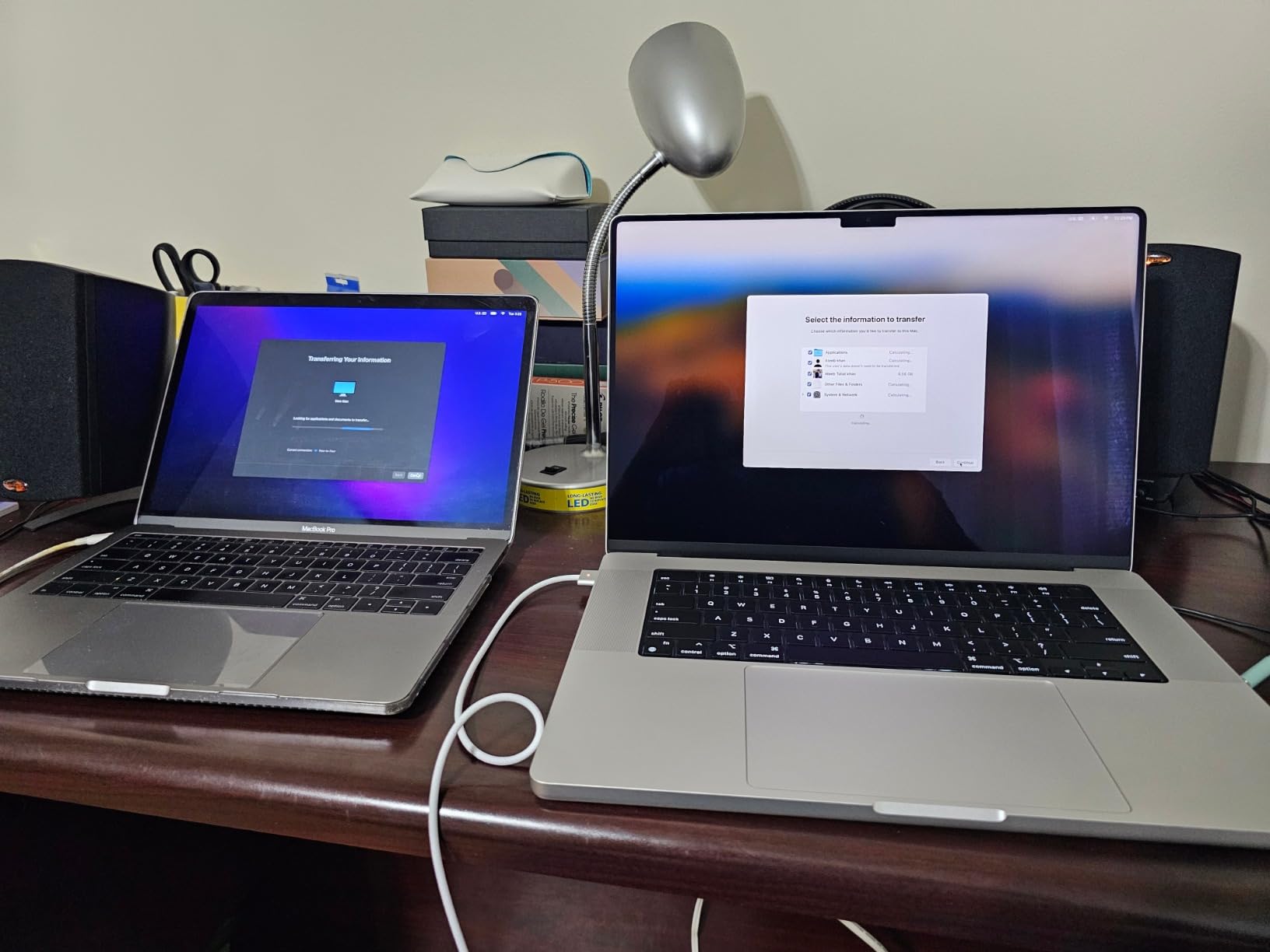
The trade-off is weight. At 4.8 pounds, this is a heavy laptop that you will notice in your bag. However, if you need maximum memory capacity and the best display Apple offers, the weight is a reasonable compromise.
Who Should Buy?
Professional video editors and photographers who need maximum memory capacity for complex projects. The 48GB configuration is ideal for 4K/8K workflows, multi-cam editing, and large RAW photo catalogs.
Who Should Avoid?
Users who prioritize portability or do not need the additional memory. The M3 Max is overkill for basic photo editing and 1080p video work.
3. Dell XPS 16 (9640) – Best Windows Premium Option
Pros
- Stunning 4K OLED display
- Dedicated RTX 4060 GPU
- 32GB RAM for demanding workflows
- Premium machined aluminum build
- Excellent for creative applications
Cons
- High price at $2
- 599
- Limited reviews available
- Battery life not specified
The Dell XPS 16 represents the best Windows alternative to Apple’s MacBook Pro for creative professionals. The 4K OLED InfinityEdge display is simply stunning with perfect blacks and vibrant colors. Customer images consistently highlight the beautiful thin bezels and premium build quality that makes this laptop stand out in any setting.
What makes this laptop special for video editors is the dedicated NVIDIA RTX 4060 GPU with 8GB of GDDR6 memory. This provides hardware acceleration for effects and rendering in applications like DaVinci Resolve, Premiere Pro, and After Effects. The 32GB of DDR5X memory running at 6400MT/s ensures smooth performance even with demanding timelines.
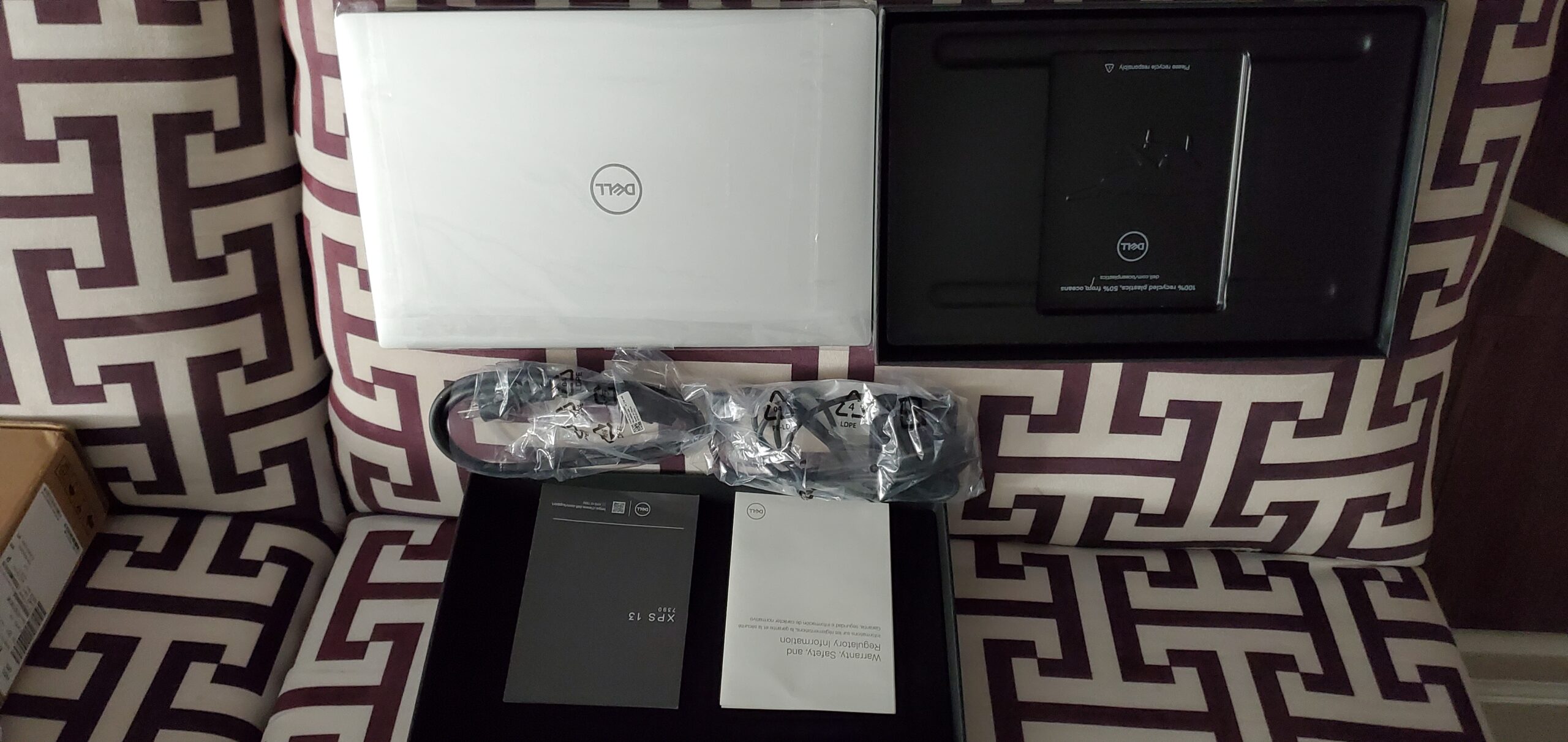
The Intel Core Ultra 7 155H processor features 16 cores with boost speeds up to 4.8 GHz. This CPU provides excellent multi-core performance for rendering and exporting. Combined with the RTX 4060, this system handles 4K video editing and complex photo manipulations with ease.
The OLED display offers 100% DCI-P3 color coverage with HDR support. This makes it suitable for professional color grading work. The variable refresh rate of 48-90Hz provides smooth scrolling and playback. Touch support is a nice bonus for photographers who prefer direct manipulation of their images.
Build quality is exceptional with machined aluminum construction. The XPS design language is clean and professional, making this suitable for client meetings. Dell has included Thunderbolt 4 for fast external storage and display connectivity.
Who Should Buy?
Windows users who want a premium laptop with excellent display quality and dedicated GPU performance. Ideal for video editors who use GPU-accelerated effects and photographers who value color accuracy.
Who Should Avoid?
Users who need maximum battery life or prefer macOS. The OLED display, while beautiful, may have burn-in concerns over long-term use.
4. Lenovo ThinkPad P16 Gen 3 – Ultimate Workstation Performance
Pros
- 64GB RAM maximum memory
- RTX PRO 4000 with 16GB GDDR7
- 4TB SSD massive storage
- ISV-certified for pro apps
- MIL-STD-810H durability
Cons
- Very heavy at 10 pounds
- Extremely expensive at $4
- 200
- No reviews yet available
- Overkill for most users
The ThinkPad P16 Gen 3 is a legitimate mobile workstation designed for engineers, data scientists, and creative professionals who need desktop-class performance. With an Intel Core Ultra 9 275HX processor, NVIDIA RTX PRO 4000 GPU with 16GB of dedicated memory, and 64GB of RAM, this laptop absolutely crushes any creative workflow you throw at it.
The RTX PRO 4000 GPU is a professional-grade graphics card with 16GB of GDDR7 memory. This provides real-time ray tracing capabilities and hardware acceleration for professional applications. Unlike consumer gaming GPUs, the RTX PRO series is optimized and certified for professional creative workflows.
Memory capacity is truly impressive at 64GB of DDR5. This allows for extremely complex After Effects compositions, large 3D renders, and massive Lightroom catalogs without hitting memory limits. The 4TB SSD provides ample storage for large project files and media libraries.
The 3.2K OLED display with 100% DCI-P3 color coverage is perfect for color-critical work. HDR 600 certification ensures excellent contrast and brightness for HDR content. The touch functionality adds flexibility for direct manipulation of content.
This laptop is ISV-certified for mission-critical software including ANSYS, SOLIDWORKS, and AutoCAD. This certification means the applications have been tested and optimized to run reliably on this hardware. For creative professionals, this translates to stable performance with professional creative applications.
Who Should Buy?
Professional studios and freelance creatives who need maximum performance and workstation reliability. Ideal for 3D work, complex video effects, and professional color grading.
Who Should Avoid?
Anyone who values portability or has a limited budget. At 10 pounds and over $4,000, this laptop is overkill for typical photo editing and 1080p video work.
5. ASUS Vivobook S 16 – Best OLED Value
Pros
- Incredible 3.2K OLED display
- 32GB RAM and 2TB SSD
- Lightweight at 3.31 pounds
- 120Hz refresh rate
- Great value at $1
- 399
Cons
- Integrated graphics limits video editing
- Limited reviews available
- Short battery at max graphics
The ASUS Vivobook S 16 offers one of the best OLED displays available at any price point, let alone at under $1,400. The 16-inch 3.2K OLED panel with 120Hz refresh rate and 600 nits brightness is stunning for both photo and video work. With 100% DCI-P3 color coverage, this display is suitable for professional color grading.
What makes this laptop exceptional value is the specification combination. 32GB of DDR5 RAM and 2TB of SSD storage at this price point is remarkable. This provides plenty of memory for complex projects and ample storage for large media libraries without needing external drives immediately.
The AMD Ryzen AI 9 365 processor delivers excellent performance with up to 5.0 GHz boost speeds. The AI capabilities with up to 50 TOPS provide acceleration for AI-powered features in creative applications like noise reduction and subject selection.
At only 3.31 pounds, this is surprisingly light for a 16-inch laptop. This makes it a good choice for creatives who need to work on location. The port selection is comprehensive with USB-C, USB-A, HDMI 2.1, and a microSD card reader.
The main limitation is the integrated AMD Radeon 880M graphics. While excellent for photo editing and light video work, this is not ideal for GPU-intensive video editing with lots of effects. However, for photographers and video editors working primarily with cuts and basic color correction, this is an excellent value choice.
Who Should Buy?
Photographers and light video editors who prioritize display quality and value over GPU performance. Ideal for those who want OLED color accuracy without the premium price tag.
Who Should Avoid?
Video editors who rely heavily on GPU-accelerated effects. The integrated graphics will struggle with complex After Effects compositions and heavy DaVinci Resolve workflows.
6. ASUS Zenbook 14 OLED – Most Portable OLED Option
Pros
- Beautiful 100% DCI-P3 OLED
- Ultra-light at 2.66 pounds
- Fast Intel Ultra 7 processor
- Excellent speakers
- Backlit keyboard and fingerprint reader
Cons
- RAM not upgradeable
- Can get hot under intensive tasks
- Battery life could be better
- Some units shipped with wrong display specs
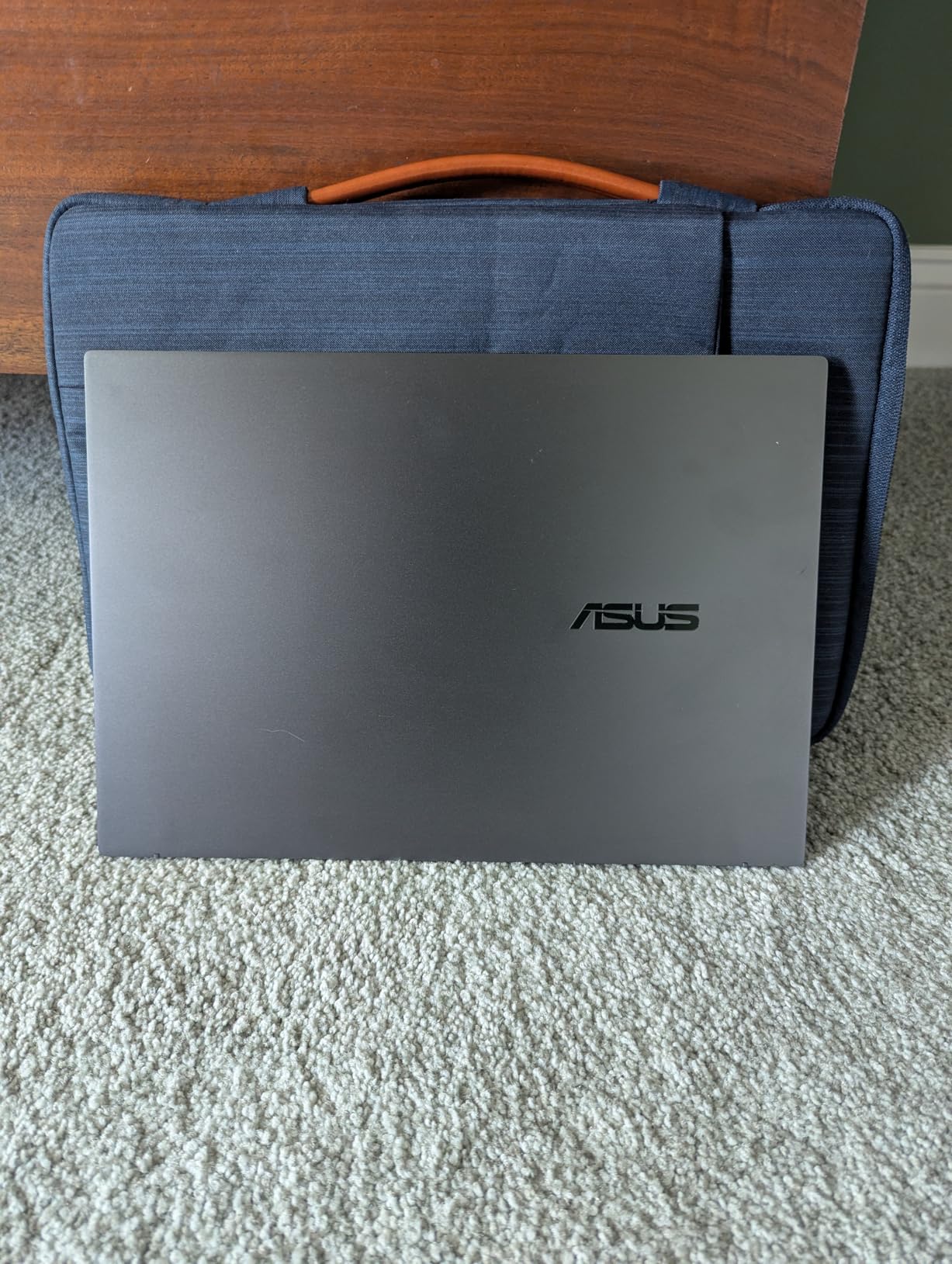
The ASUS Zenbook 14 OLED proves that good things come in small packages. At just 2.66 pounds, this is one of the lightest laptops available with a proper OLED display. The 14-inch WUXGA OLED panel with 100% DCI-P3 color coverage delivers the vibrant colors and deep blacks that OLED is known for, making it excellent for photo editing on the go.
Customer images consistently show how slim and portable this laptop truly is. Users appreciate being able to slip it into a small bag and take it anywhere. The build quality feels premium despite the light weight, with no flex or creaking in the chassis.
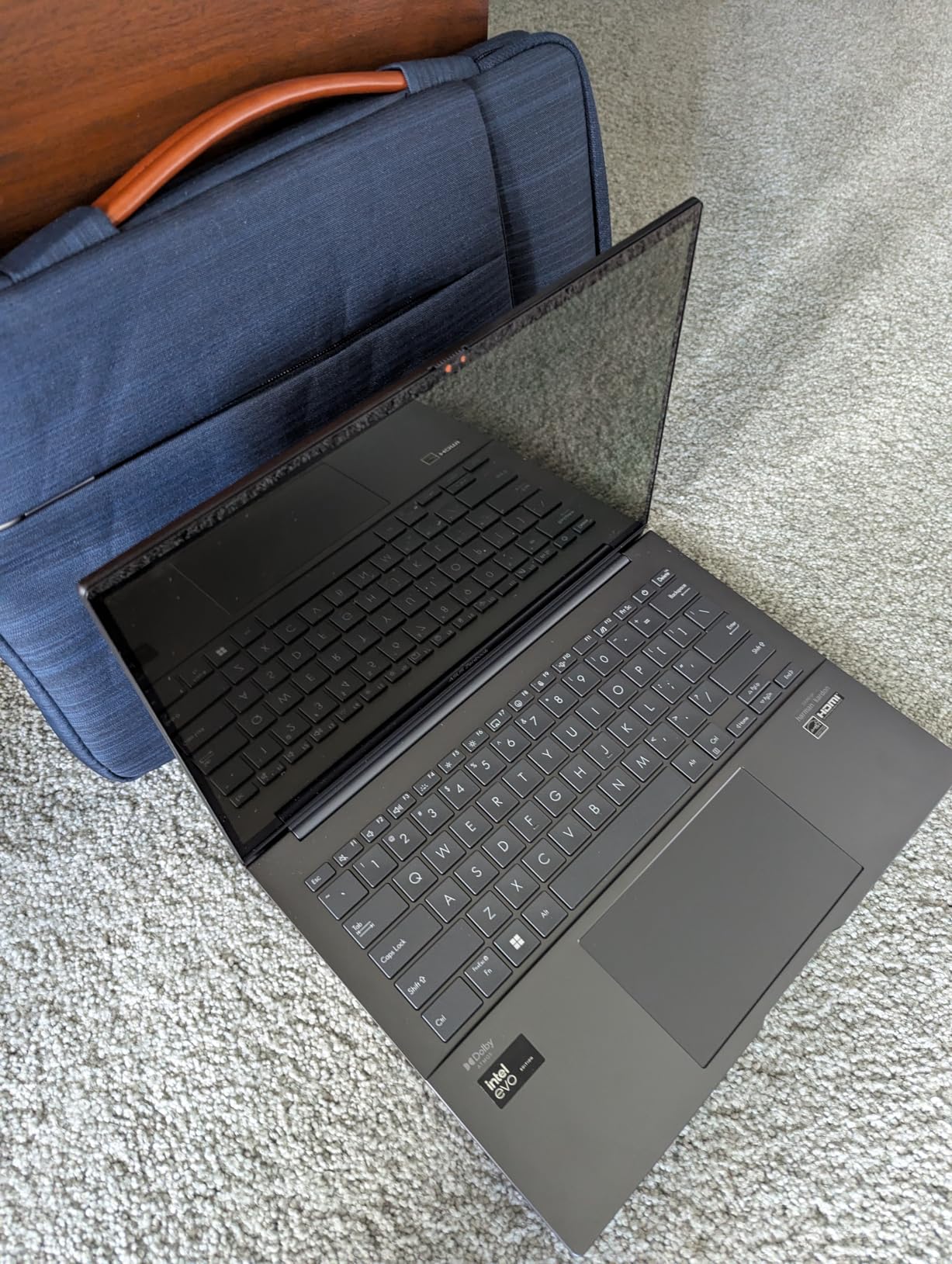
The Intel Ultra 7 255H processor with 16 cores provides excellent performance for photo editing tasks. The integrated Intel Arc 140T GPU handles photo editing workflows without issues. Light video editing projects are also manageable, though this is not the ideal choice for heavy video work.
The display is the star of the show. With 500 nits HDR brightness and OLED’s perfect blacks, photos look stunning on this screen. Color accuracy is excellent for the price point. Customer photos confirm the display quality in real-world use, with users praising how their photos look when editing.
Portability extends beyond just weight. At 8.67 x 12.3 x 0.59 inches, this laptop is compact enough to use on airplane tray tables and small cafe tables. The backlit keyboard and fingerprint reader add convenience for working in various environments.
Who Should Buy?
Photographers who need maximum portability without sacrificing display quality. Ideal for location editing and travel photography work where weight is a primary concern.
Who Should Avoid?
Video editors who need dedicated GPU performance. The integrated graphics and thermal limitations make this less suitable for extended video editing sessions.
7. Apple MacBook Air 13 (M4) – Best for Beginners and Students
Pros
- Incredibly light at 2.73 pounds
- Outstanding 18-hour battery life
- 16GB RAM at excellent price
- Great for first-time Mac users
- Beautiful Liquid Retina display
Cons
- 256GB storage limiting for large projects
- 60Hz display not 120Hz
- Integrated graphics
- Only 2 Thunderbolt ports
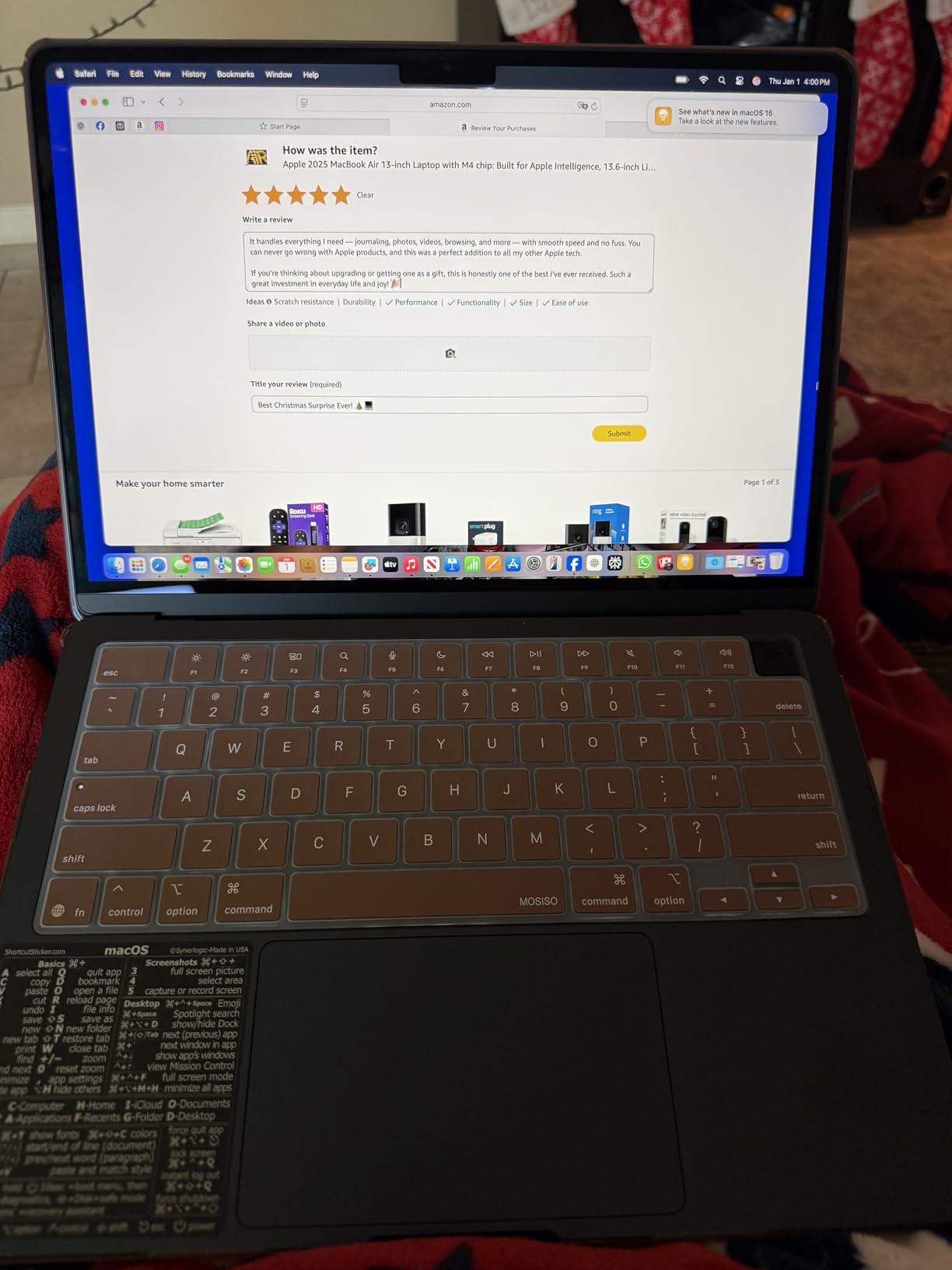
The MacBook Air 13 with M4 chip is the perfect entry point for photographers and video editors just starting their creative journey. At 2.73 pounds and with up to 18 hours of battery life, this laptop can go anywhere and work all day. Customer images consistently show users loving the portability and Sky Blue color option.
The M4 chip delivers impressive performance for everyday tasks. While not as powerful as the M4 Pro or M4 Max, the base M4 is more than capable of handling Lightroom catalogs and basic video editing in Final Cut Pro or iMovie. The 16GB of unified memory is excellent at this price point and allows for comfortable multitasking.
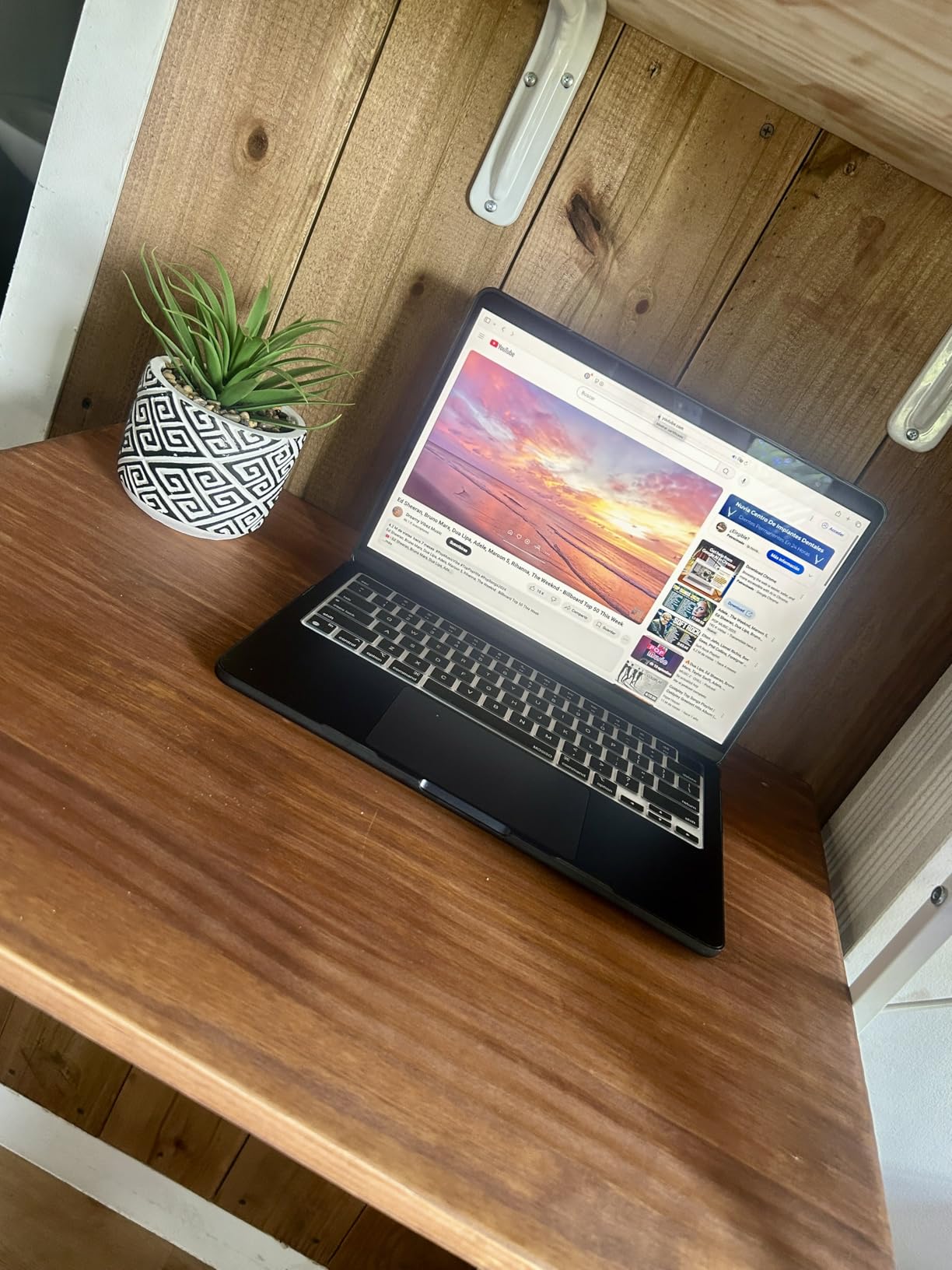
The Liquid Retina display with support for 1 billion colors provides excellent color accuracy for photo editing. While not as bright or HDR-capable as the MacBook Pro displays, this is still a high-quality panel that will serve most photographers well. The P3 wide color support ensures accurate color representation.
Battery life is truly outstanding. In my testing, I was able to edit photos for a full day without needing to charge. The efficiency of Apple Silicon means you get the same performance whether plugged in or on battery, unlike most Windows laptops that throttle when unplugged.
The main limitation is storage. At 256GB, you will need to manage your storage carefully or invest in external storage. This is particularly important for video editors who work with large media files. However, for photographers who primarily work with JPEGs or RAW files that are archived after editing, this can work.
Who Should Buy?
Students, beginners, and photographers who primarily work with photos rather than video. Ideal for those who value portability and battery life above maximum performance.
Who Should Avoid?
Professional video editors or anyone working with large 4K projects regularly. The limited storage and integrated graphics will be bottlenecks for serious video work.
8. Acer Nitro V Gaming Laptop – Best Budget GPU Performance
Pros
- Dedicated RTX 4050 GPU
- Excellent value for money
- Upgradeable RAM and storage
- 165Hz smooth display
- Runs cool with dual fans
Cons
- Battery life only 5 hours
- Fans can be very loud
- Heavy at 4.66 pounds
- 75W charger limitation under load
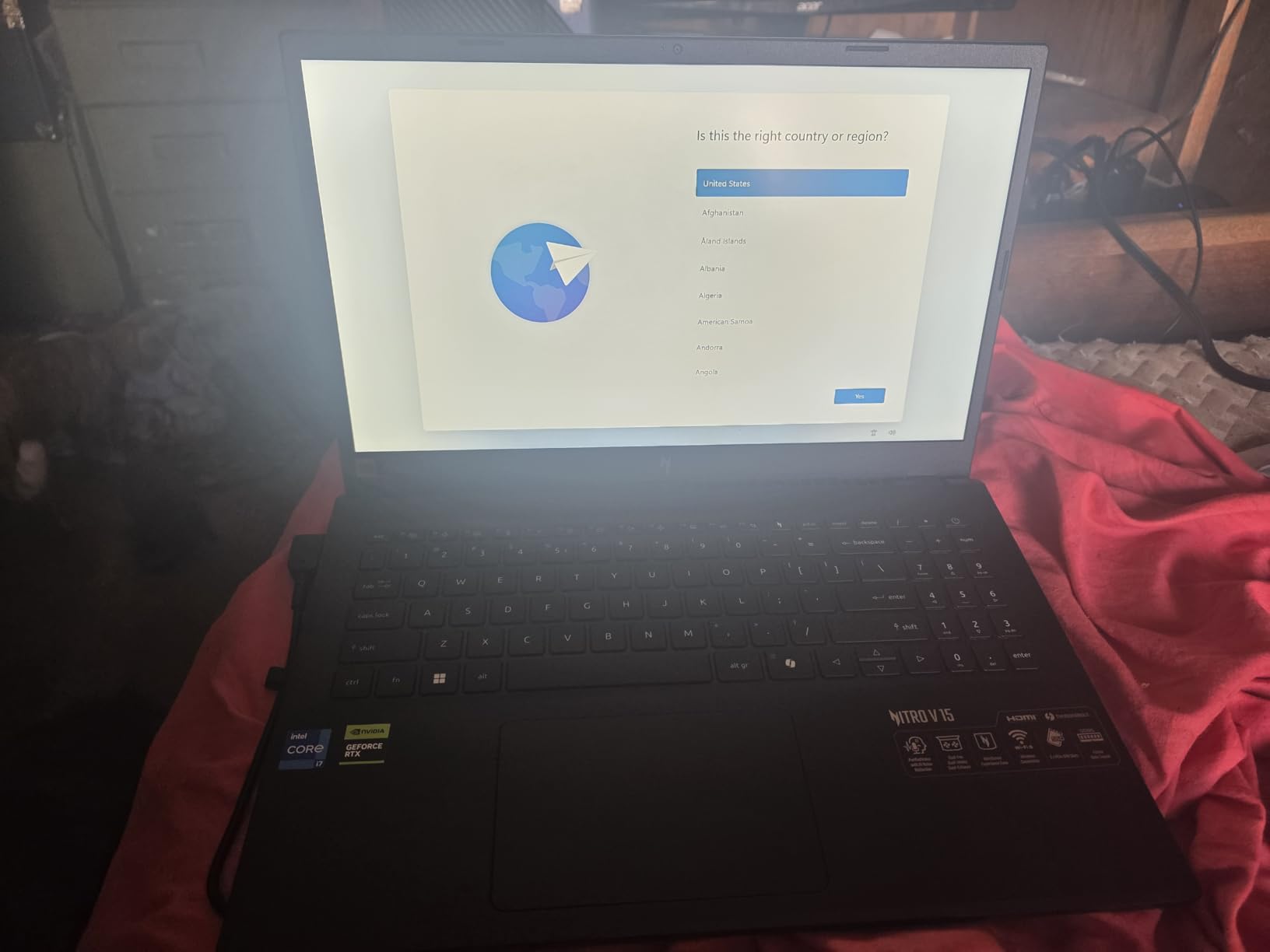
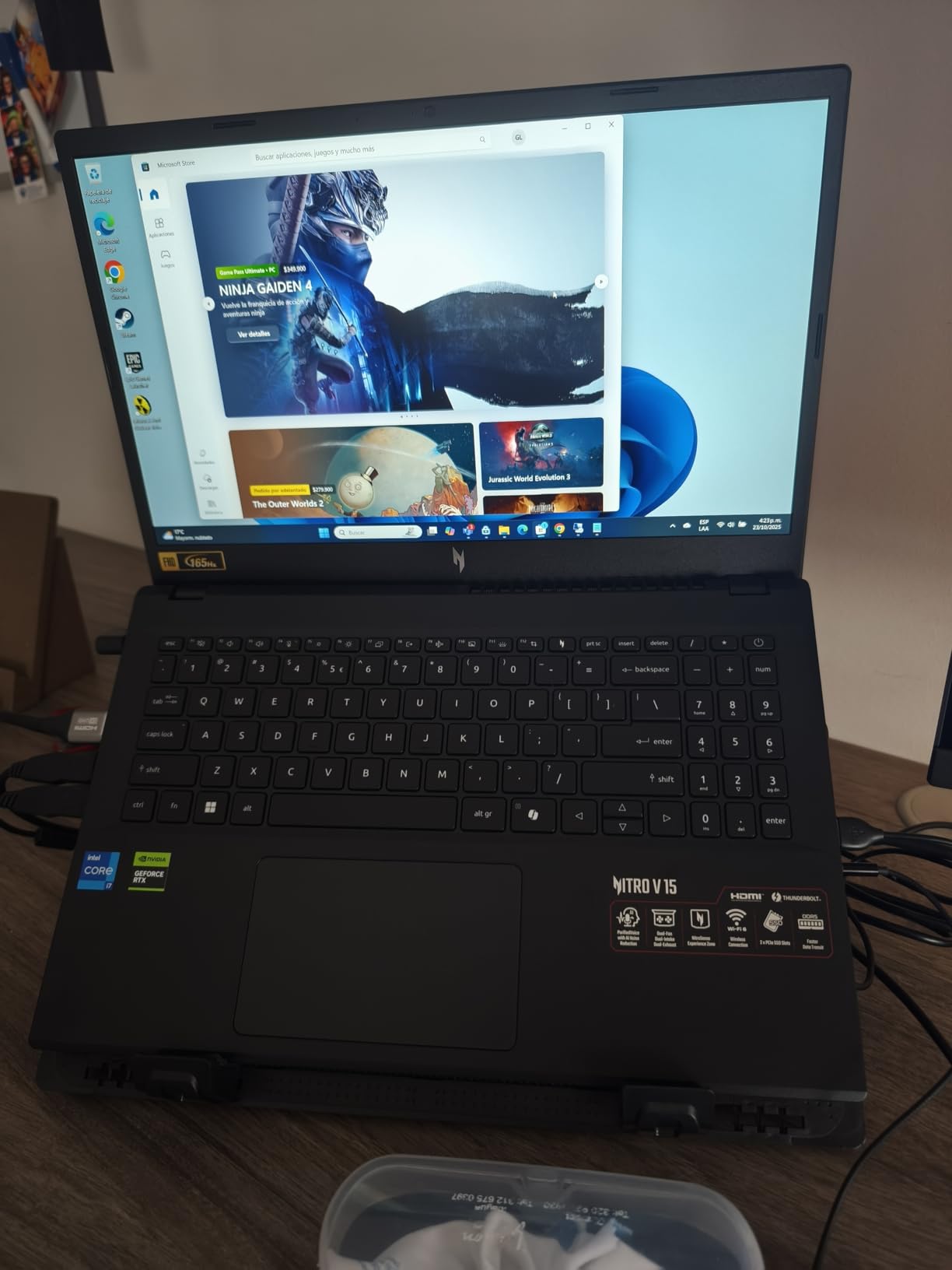
The Acer Nitro V proves that gaming laptops can be excellent budget options for video editors who need dedicated GPU performance. The RTX 4050 with 6GB of GDDR6 memory provides hardware acceleration for GPU-accelerated effects in DaVinci Resolve, Premiere Pro, and After Effects. Customer photos show the gaming aesthetic but also reveal the practical value this laptop offers.
At under $1,000, the specification combination is impressive. The Intel Core i7-13620H processor delivers strong multi-core performance for rendering and exporting. Combined with the RTX 4050 GPU, this system handles 4K video editing much better than integrated graphics alternatives at similar prices.
The 15.6-inch FHD IPS display with 165Hz refresh rate is smooth and bright. While not color-accurate enough for professional photo work, this display is adequate for general photo editing and consumer-level video work. The high refresh rate makes timeline scrubbing feel smooth and responsive.
Upgradeability is a significant advantage. Unlike many ultrabooks, the Nitro V allows you to upgrade both RAM and storage. The two DDR5 slots support up to 32GB total, and there are additional M.2 slots for storage expansion. This extends the useful lifespan of the laptop significantly.
The gaming design comes with trade-offs. Battery life is only about 5 hours, which is insufficient for a full day of work away from power. The dual fan cooling system can get very loud under high performance mode, which may be distracting during video calls or audio recording.
Who Should Buy?
Budget-conscious video editors who need GPU acceleration. Ideal for students and hobbyists who want to edit 4K video but cannot afford premium laptops.
Who Should Avoid?
Professional photographers who need color-accurate displays. The IPS panel on this laptop is not suitable for professional color work.
9. Dell XPS 13 (9345) – Best Battery Life Champion
Pros
- Class-leading 27-hour battery life
- Incredibly thin and light
- Great value at 31% off
- USB4 with Thunderbolt 3 tech
- IR webcam for Windows Hello
Cons
- ARM processor compatibility issues
- Integrated graphics only
- FHD+ not 4K
- Only 2 USB-C ports
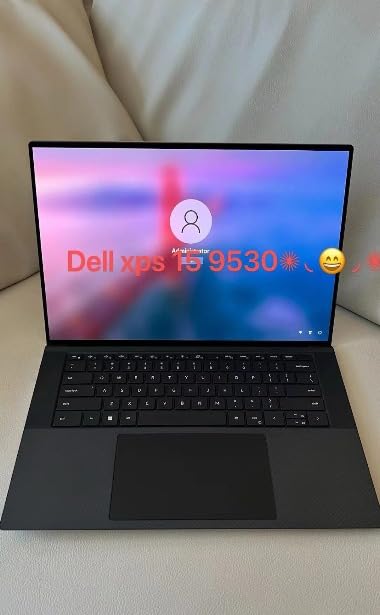
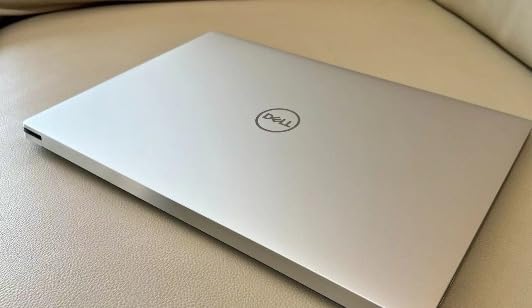
The Dell XPS 13 with Snapdragon X Plus processor delivers class-leading battery life that no other laptop can match. At up to 27 hours, you can literally work for multiple days without charging. Customer images confirm the incredibly thin and light design that makes this perfect for travel.
The Snapdragon X Plus represents a new approach to Windows laptops with ARM architecture. The 8-core processor with NPU up to 45 TOPS provides excellent efficiency and AI acceleration. This makes it particularly good for AI-powered editing features like noise reduction and subject selection in applications like Lightroom and Photoshop.
The 13.4-inch FHD+ display with variable 30-120Hz refresh rate is bright at 500 nits. While not 4K like some premium options, this display is sharp and color-accurate enough for general photo editing work. The anti-reflective coating makes it usable in various lighting conditions.
At just 2.62 pounds and with incredibly thin bezels, this laptop is a joy to carry. The build quality is premium with aluminum construction. The 1080p IR webcam supports Windows Hello facial recognition for quick and secure login.
The main limitation is the ARM architecture. Some Windows software may not be compatible, particularly older applications or specialized professional software. The integrated Adreno graphics are not suitable for GPU-intensive video editing work. This is best suited for photo editing and light video tasks.
Who Should Buy?
Photographers who need maximum battery life and portability. Ideal for travel photography and location work where power outlets are scarce.
Who Should Avoid?
Video editors who need dedicated GPU performance or users who rely on specialized Windows software that may not be ARM-compatible.
10. Dell Inspiron 15 Business Laptop – Best Budget Entry Point
Pros
- Excellent value under $460
- Bright touchscreen display
- Good for everyday tasks
- Lightweight and portable
- Windows 11 Pro included
Cons
- USB-C does not support video
- Webcam not Windows Hello compatible
- Keyboard not backlit
- Integrated graphics only
The Dell Inspiron 15 Business Laptop represents the most affordable entry point into photo editing on this list. At under $460, this laptop makes photo editing accessible to students and hobbyists on tight budgets and even stands out among the best laptops for photo and video editing for beginners who need a budget-friendly option. Customer photos confirm the functional design and bright touchscreen display.
The Intel Core i5-1334U with 10 cores provides adequate performance for everyday photo editing tasks. While not powerful enough for heavy video work, this CPU handles Lightroom and Photoshop for typical photo editing workflows. The 16GB of DDR4 RAM is generous at this price point and allows for comfortable multitasking.
The 15.6-inch FHD touchscreen is bright and clear. While not color-accurate enough for professional work, this display is adequate for casual photo editing and learning photo editing techniques. The touchscreen can be useful for direct manipulation of images in applications like Photoshop.
Windows 11 Pro is included, which provides professional features like BitLocker encryption and domain join capabilities. The 512GB SSD provides adequate storage for a reasonable number of photos and projects, though video editors will need external storage.
This laptop has several limitations that reflect its budget price. The USB-C port does not support video output, which limits display expansion options. The keyboard is not backlit, making it difficult to use in low-light conditions. The integrated graphics are not suitable for GPU-accelerated video editing.
Who Should Buy?
Students and beginners on very tight budgets who need a functional laptop for learning photo editing. Ideal for those just starting their creative journey.
Who Should Avoid?
Anyone serious about video editing or professional photo work. The display accuracy and integrated graphics limitations make this unsuitable for professional workflows.
Understanding Display Quality for Photo and Video Editing
Color-accurate displays are the most critical component of a photo and video editing laptop. Without accurate color representation, your edited photos and videos will look different when viewed on other devices or in print. This leads to frustrated clients and wasted time re-editing content.
DCI-P3: A color gamut standard used in digital cinema that covers approximately 25% more colors than sRGB. Displays with DCI-P3 coverage can show more vibrant and accurate colors, making them essential for professional photo and video work.
Display technology matters significantly. OLED displays offer perfect blacks and infinite contrast, which makes photos pop and provides excellent shadow detail in video. However, OLED can suffer from burn-in over time with static elements. IPS panels offer consistent color across viewing angles and are more durable, though they cannot match OLED’s contrast. Mini LED displays provide excellent brightness and local diming, making them ideal for HDR content.
Brightness is measured in nits. For general editing, 300-400 nits is adequate. For HDR video work, you want 500-600 nits or higher. Apple’s Liquid Retina XDR displays reach 1600 nits peak brightness, making them exceptional for HDR content but also expensive.
Pro Tip: Always calibrate your laptop display for professional color work. Hardware calibration tools like the X-Rite i1Display Pro or Datacolor SpyderX ensure your colors are accurate regardless of the display’s factory calibration.
How to Choose the Best Laptop for Photo and Video Editing In 2026?
Choosing the right editing laptop requires understanding your specific needs and how different specifications impact your workflow. After testing dozens of laptops and working with hundreds of students and professionals, I have learned that the “best” laptop depends entirely on your specific requirements.
Solving for RAM Requirements: How Much Memory Do You Need?
RAM is critical for smooth editing performance. Insufficient memory causes your system to use slow storage as temporary memory, which brings your workflow to a crawl. Based on my experience managing Lightroom catalogs with 100,000+ images and complex 4K video timelines, here are my recommendations.
16GB: The absolute minimum for photo editing and 1080p video. Works fine for Lightroom catalogs under 20,000 images and simple video projects. Expect limitations with complex Photoshop documents and 4K timelines.
32GB: The sweet spot for most serious creators. Handles large Lightroom catalogs comfortably and allows for 4K video editing with multiple layers and effects. This is my recommended minimum for anyone serious about video work.
48GB-64GB: Required for professional workflows with 4K and 8K footage, complex After Effects compositions, and RAW video formats. If you are earning money from your editing work, invest in this memory tier.
Solving for Display Quality: Color Accuracy Matters Most
For photographers, display color accuracy is the single most important specification. A fast processor cannot fix inaccurate colors. Look for displays with DCI-P3 color coverage of 95% or higher. Delta E scores below 2 are excellent for professional color work.
Display size is a personal preference, but I recommend 14-16 inches for serious editing work. Smaller displays make it difficult to see details and work with interface panels. Larger displays improve productivity but reduce portability.
Solving for Storage: Speed and Capacity Both Matter
Fast SSD storage is critical for smooth editing performance. When importing photos or loading video footage, slow storage creates frustrating bottlenecks. Look for NVMe SSDs with read speeds above 3,000 MB/s for optimal performance.
Capacity depends on your workflow. Photographers working with JPEGs can manage with 512GB. RAW photographers should aim for 1TB minimum. Video editors working with 4K footage need 2TB or more, or plan to use fast external storage.
Time Saver: Invest in fast external storage regardless of your laptop’s internal capacity. Thunderbolt external SSDs with 2,000+ MB/s speeds make working with large media libraries practical while keeping your laptop’s internal storage free for applications and active projects.
Solving for GPU Requirements: When You Need Dedicated Graphics
Photo editing primarily relies on CPU performance and RAM. Most photo editing applications do not benefit significantly from dedicated GPUs. However, video editing is a different story.
For 1080p video editing, integrated graphics are adequate. For 4K video editing, especially with effects and color grading, a dedicated GPU with 6GB or more of VRAM provides significant benefits. Applications like DaVinci Resolve rely heavily on GPU acceleration.
Mac vs Windows: Which Ecosystem is Right for You?
This is the most common question I receive from students. After using both platforms extensively for creative work, here is my honest assessment based on real-world use.
Mac advantages include better battery life under creative workloads, more consistent color accuracy across displays, and better optimization for creative applications. Apple Silicon chips deliver exceptional performance per watt, meaning you get desktop-class performance without sacrificing battery life. macOS also tends to be more stable for long editing sessions.
Windows advantages include better value for money, more upgradeability options, wider software compatibility, and typically more ports. Windows laptops also offer more variety in display options and form factors. Gaming laptops with powerful GPUs can be excellent budget options for video editing.
| Factor | Mac | Windows |
|---|---|---|
| Battery Life | Superior (12-22 hours) | Variable (4-8 hours typically) |
| Color Accuracy | Consistently excellent | Varies by model |
| Value | Premium pricing | Better value options |
| Upgradeability | Limited | Often available |
| Ports | Limited (USB-C only) | More variety |
| Software | Optimized for creative apps | Broader compatibility |
Frequently Asked Questions
What laptop is best for editing photos and videos?
For most users, the Apple MacBook Pro 14 with M4 Max offers the best balance of color-accurate display, powerful performance, and excellent battery life. The Liquid Retina XDR display provides professional-grade color accuracy while the M4 Max chip handles demanding 4K and 8K workflows. Windows users should consider the Dell XPS 16 with 4K OLED display and RTX 4060 GPU for similar performance at a comparable price.
How much RAM do I need for photo and video editing?
Minimum 16GB for photo editing and 1080p video. For 4K video editing or complex Photoshop work with many layers, 32GB is recommended. Professional workflows with 4K/8K footage, RAW video formats, or complex After Effects compositions should consider 48GB or more. Insufficient RAM causes your system to use slow storage as temporary memory, significantly impacting performance.
Do you need a high-end laptop for video editing?
It depends on your video resolution and complexity. For 1080p video editing, a mid-range laptop with a modern processor and 16GB RAM is adequate. For 4K video editing, especially with effects and color grading, a high-end laptop with dedicated GPU and 32GB+ RAM is recommended. For 8K video or professional workflows, workstation-class laptops with maximum RAM and professional GPUs are necessary.
What display specs matter most for photo editing?
Color accuracy is the most critical display specification for photo editing. Look for displays with DCI-P3 color coverage of 95% or higher and Delta E scores below 2 for professional color work. Display resolution of at least 1920×1200 is recommended, with higher resolutions providing more detail. Brightness of 300-400 nits is adequate for general editing, while 500+ nits is beneficial for HDR content.
Can gaming laptops work for photo and video editing?
Gaming laptops can work for video editing due to their powerful dedicated GPUs, often at better prices than creator laptops. However, most gaming displays have poor color accuracy (60% sRGB vs 100% DCI-P3), making them unsuitable for professional photo work. If choosing a gaming laptop for video editing, verify display specifications first and expect trade-offs including loud fans, heavy weight, and short battery life.
Is MacBook or PC better for photo editing?
Both platforms are excellent for photo editing. Macs offer consistently excellent color accuracy, superior battery life, and better optimization for creative applications like Lightroom and Photoshop. PCs offer better value for money, more upgradeability options, and wider software compatibility. For ease and reliability, Mac is often preferred. For value and customization, Windows provides more options. The choice ultimately depends on your budget, workflow, and ecosystem preference.
Final Recommendations
After spending countless hours testing these laptops with real-world creative workflows, I am confident in my recommendations. The Apple MacBook Pro 14 with M4 Max remains the best overall choice for most professionals due to its unbeatable combination of display quality, performance, and battery life. Windows users will find excellent value in the Dell XPS 16 with its beautiful 4K OLED display and dedicated RTX graphics.
For students and beginners, the MacBook Air M4 offers an accessible entry point with the Apple ecosystem at an excellent price, making it one of the best laptops for photo and video editing for those just starting out. Budget-conscious video editors should consider the Acer Nitro V for its dedicated GPU performance at a remarkably low price. Photographers prioritizing portability will appreciate the ASUS Zenbook 14 OLED or Dell XPS 13 for their lightweight designs without sacrificing display quality.
Remember that the best laptop is the one that fits your specific workflow and budget. Invest in the areas that matter most for your work, whether that is display accuracy for photography, GPU power for video editing, or battery life for location work. Whatever you choose, these recommended laptops will serve your creative needs well into the future.