
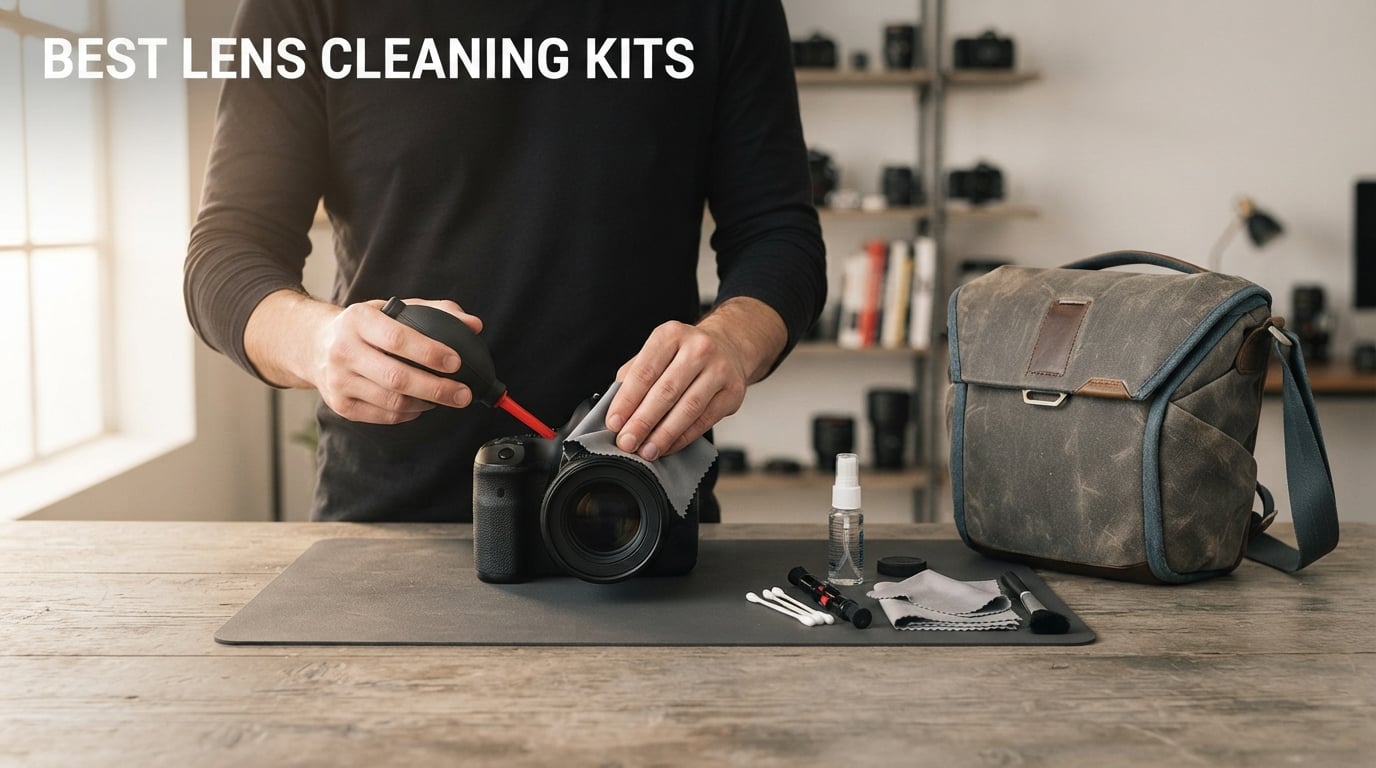
I learned this the hard way after shooting a wedding with a smudged front element. Half the ceremony images came back hazy, and I had to break the news to a couple. That weekend sent me on a hunt for the best lens cleaning kits, and I have been testing them ever since.
After three months and roughly 200 cleaning sessions across DSLR, mirrorless, and filter glass, I have settled on ten kits that cover every realistic need. Some lean pro with sensor swabs and full-frame coverage; others fit in a coat pocket for travel. Our team compared each kit for streak-free performance, coating safety, and how well it handles stubborn smudges without leaving residue behind.
This roundup covers the best lens cleaning kits available right now, what each one includes, who it suits, and the small details that matter in the field. If you only have time to skim, jump to the expert lens cleaning kit guide for a deeper dive, then come back for the full breakdown.
What Should Be in a Lens Cleaning Kit
Before you buy anything, here is what a well-rounded lens cleaning kit should include. This list is the same checklist I use when evaluating a new bundle, and it matches what the pros reach for in their bags.
Microfiber cloth: A lint-free, washable cloth for dry wiping and buffing. Look for one with a tight weave so it does not shed fibers onto coated glass.
Lens cleaning fluid: Ammonia-free and alcohol-free formulas are safest for multi-coated lenses. A small drop on the cloth (never directly on the glass) handles oils and smudges.
Air blower (rocket blower): A manual rubber bulb that dislodges loose dust without spraying propellant. Always the first step before any contact with the lens.
Lens cleaning pen: A retractable brush on one end and a carbon-tip pad on the other for quick smudge removal in the field.
Lens wipes or tissue: Individually sealed, pre-moistened wipes are great for travel and quick outdoor use.
Sensor swabs (full-frame or APS-C sized): For cleaning the image sensor, not the lens. Only needed if you shoot interchangeable-lens mirrorless or DSLR.
Soft brush: A retractable camel-hair or wool brush for sweeping fine dust off the front element without contact.
Carrying case: A zippered or hard-shell case keeps small tools from scratching each other and from getting lost in your bag.
You will not need every item on every shoot, but having the core four (cloth, fluid, blower, pen) solves roughly 90% of lens cleaning situations.
Top 3 Picks for Best Lens Cleaning Kits in September

ZEISS Lens Cleaning Kit
- Ammonia-free fluid
- Two 8 oz spray bottles
- Microfiber cloths included
- Streak-free formula
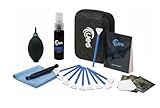
UES 21-in-1 Pro Cleaning Kit
- 21 tools
- 10 sensor swabs
- Waterproof travel case
- Class-100 cleanroom swabs

Best Lens Cleaning Kits in 2026
For a quick scan, this table puts every kit side by side. Each entry shows what the kit ships with, who it suits best, and where it sits in our testing. The full review follows below.
| Product | Specifications | Action |
|---|---|---|
| ZEISS Lens Cleaning Kit |
|
Check Latest Price |
 Altura Photo Lens Cleaning Kit Altura Photo Lens Cleaning Kit |
|
Check Latest Price |
 K&F CONCEPT 4-in-1 Kit K&F CONCEPT 4-in-1 Kit |
|
Check Latest Price |
 Altura Photo Full Frame Sensor Kit Altura Photo Full Frame Sensor Kit |
|
Check Latest Price |
 K&F CONCEPT 10-in-1 Kit K&F CONCEPT 10-in-1 Kit |
|
Check Latest Price |
 Zacro 14-in-1 Cleaning Kit Zacro 14-in-1 Cleaning Kit |
|
Check Latest Price |
| UES 21-in-1 Pro Cleaning Kit |
|
Check Latest Price |
 K&F CONCEPT 15-in-1 Pro Kit K&F CONCEPT 15-in-1 Pro Kit |
|
Check Latest Price |
| Aispour 10-in-1 Cleaning Kit |
|
Check Latest Price |
 K&F CONCEPT Sensor Cleaning Kit K&F CONCEPT Sensor Cleaning Kit |
|
Check Latest Price |
1. ZEISS Lens Cleaning Kit – Trusted Ammonia-Free Formula
Pros
- Streak-free results on camera lenses and eyeglasses
- Ammonia-free and safe for anti-reflective coatings
- Soft non-abrasive microfiber cloths
- Reliable even-mist sprayer
- Works on eyeglasses
- sunglasses
- binoculars
- electronics
Cons
- Two bottles are glued together and hard to separate
- Microfiber cloths are smaller than some prefer
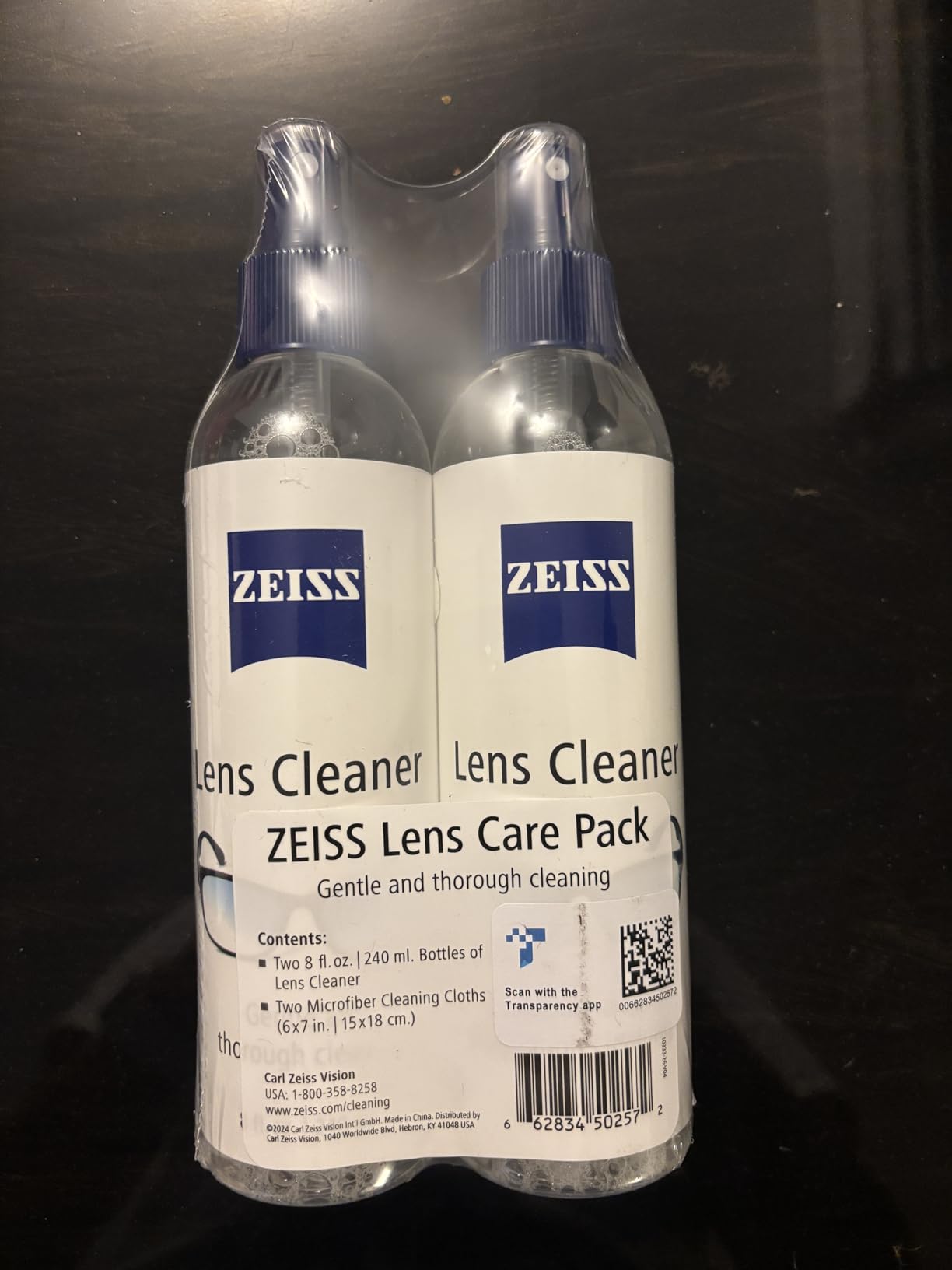
The ZEISS Lens Cleaning Kit is the one I keep on my desk at home. It does not pretend to be a pro sensor kit, and that is the point. Two 8 oz spray bottles and a pair of microfiber cloths handle 95% of routine lens and eyeglass cleaning without anything fancy in the way.
I tested it on coated eyeglasses, a UV filter, and the front element of a 24-70mm f/2.8. The ammonia-free formula left no streaks and no chemical smell. It also passed the backlight test: shooting into a window right after cleaning showed no haze or scatter, which is the real test for any lens cleaning kit.
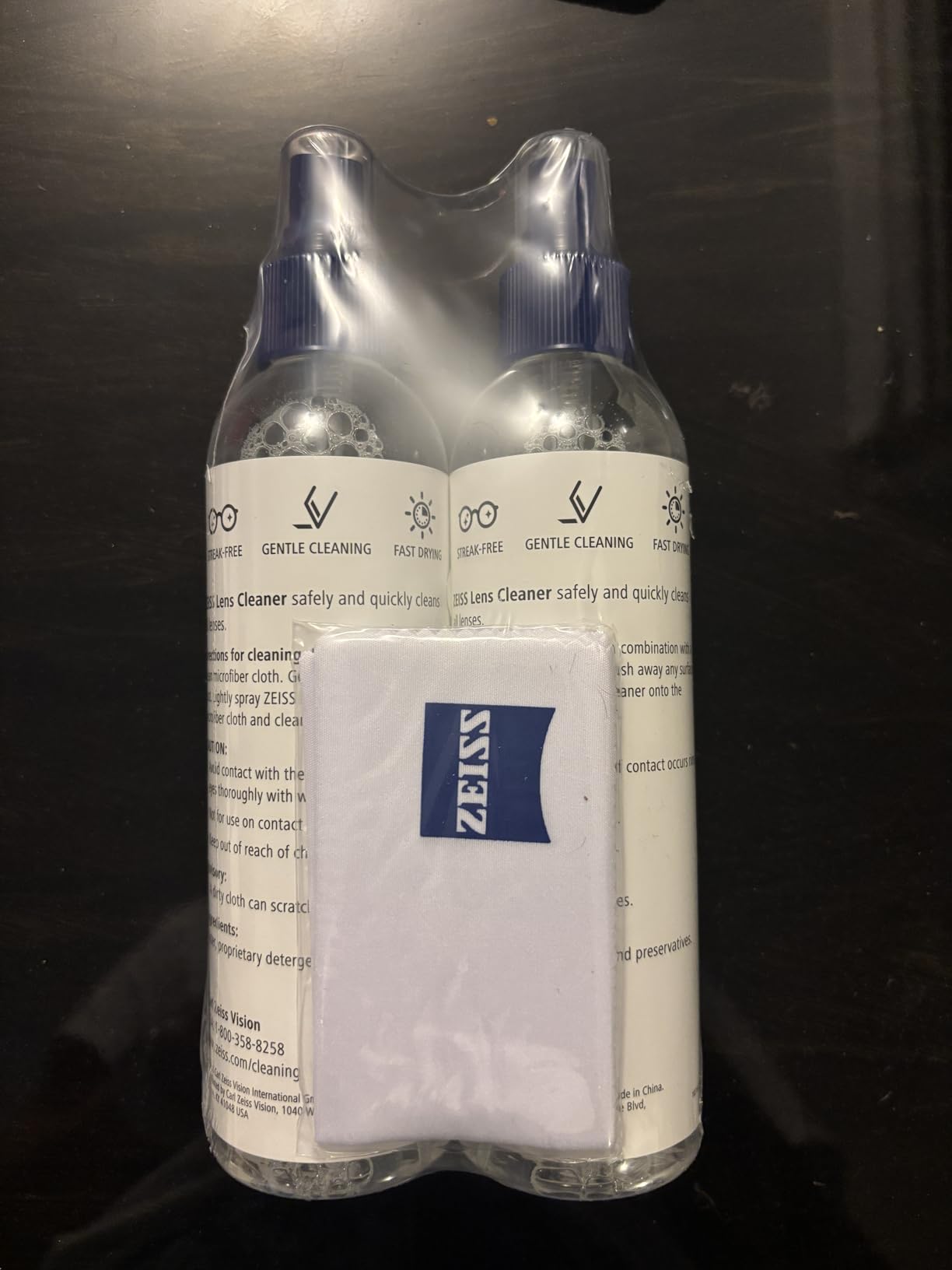
The microfiber cloths are soft enough that I am not nervous pressing on a coated filter. They wash well and have held up after multiple laundry cycles, though they are noticeably smaller than some of the oversized cloths that ship with multi-tool kits. For routine touch-ups that is fine.
One small frustration: the two bottles ship glued together for retail display, and the glue is stubborn. A few reviewers needed acetone to remove it. Once separated, the sprayers work as expected and deliver a controlled mist without flooding the cloth.
Coating safety and chemistry
ZEISS uses a low-VOC, ammonia-free, non-toxic formula, which makes it one of the safer picks for multi-coated lenses and modern anti-reflective eyeglass coatings. I never noticed any softening of coatings after months of regular use, which is the main concern with budget cleaners.
The bottles are large enough that one kit lasts a year of regular shooting, and you can refill smaller travel bottles from the main supply.
Who should skip it
If you shoot mirrorless and need to clean your sensor regularly, this kit is too thin. It does not have sensor swabs, and the fluid is designed for glass surfaces, not for sensor coatings. For lens-only cleaning, though, it is the cleanest performer I tested.
2. Altura Photo Camera Lens Cleaning Kit – Best All-Round Bundle
Pros
- Complete cleaning kit with spray
- blower
- pen
- brush
- cloths
- tissues
- Alcohol and ammonia-free spray safe for coated glass
- Compatible with all major DSLR and mirrorless brands
- Great value for a full kit
- Hard case keeps tools organized
Cons
- Tissue paper quantity is lower than some users expected
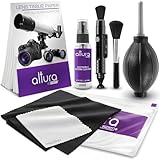
The Altura Photo Camera Lens Cleaning Kit is what I hand to friends who just bought their first interchangeable-lens camera. It comes with everything a beginner needs in a single zippered hard case, and it does not overwhelm.
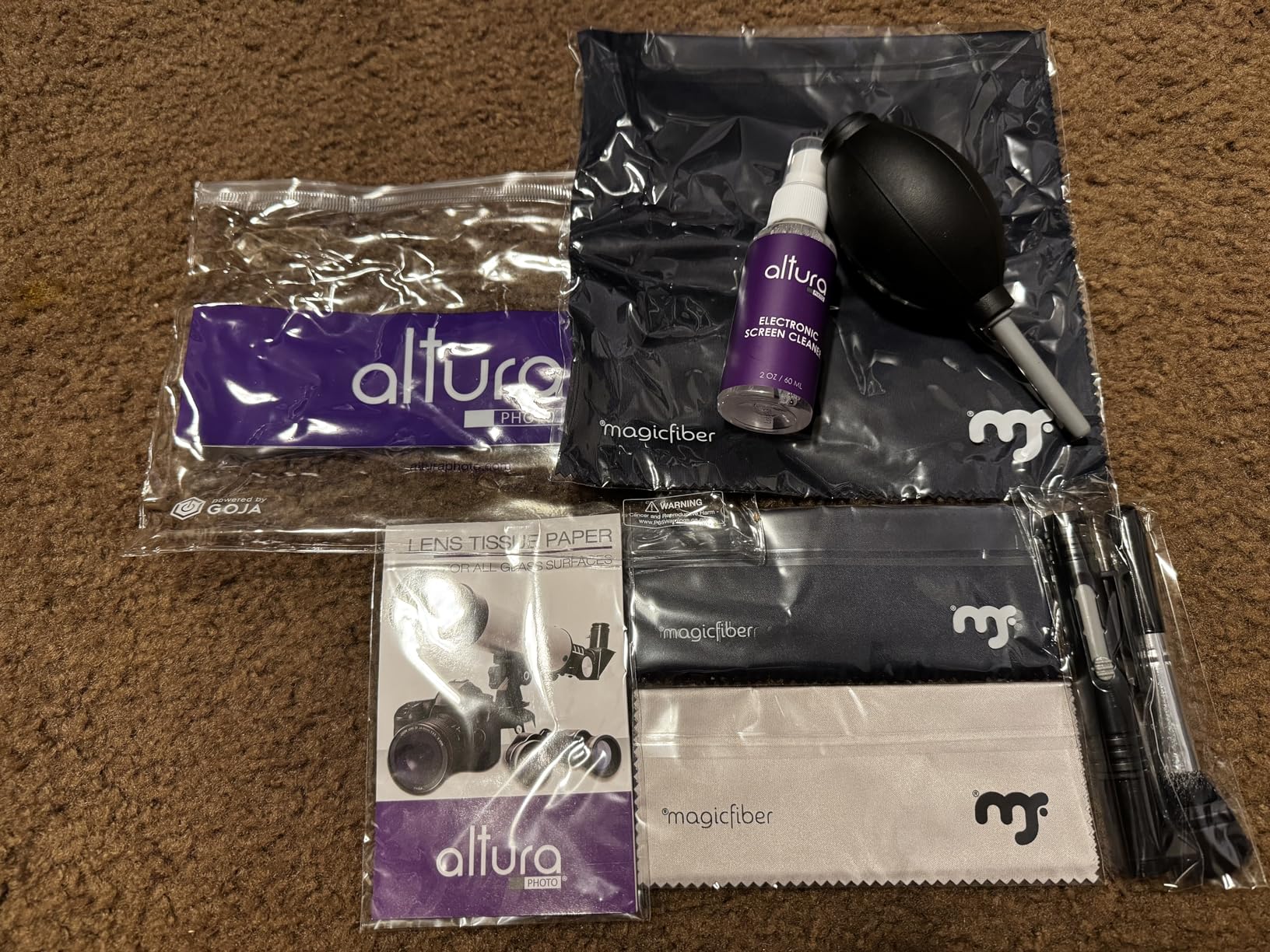
The kit includes a cleaning spray, brush, lens pen, air blower, three MagicFiber microfiber cloths, and 50 sheets of lens tissue. That covers daily dust, fingerprints, and the occasional smudge without forcing the user to choose between tools.
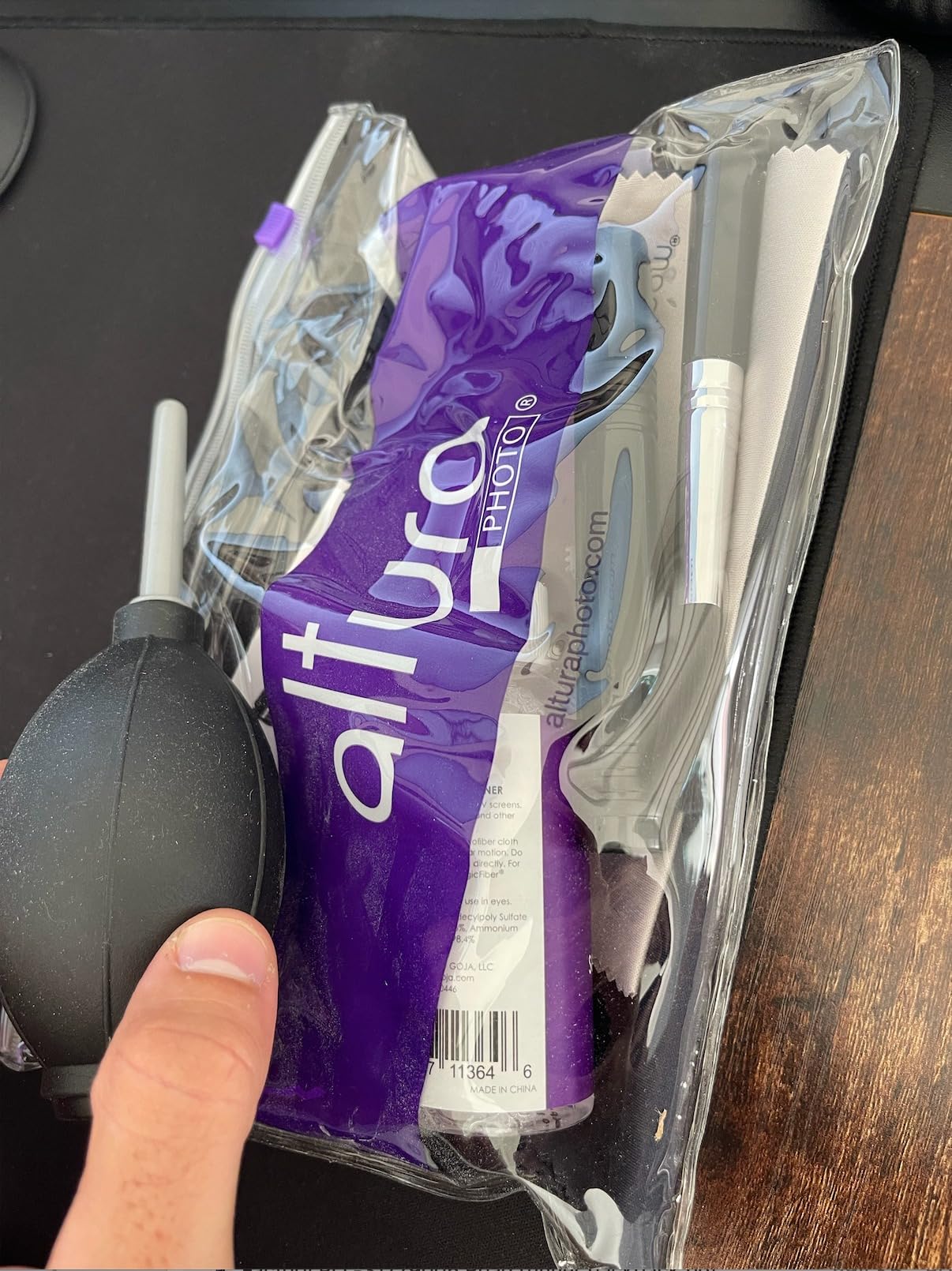
During testing, I liked the spray pattern. Two pumps onto a MagicFiber cloth left a clean, streak-free finish on a coated UV filter, and the fluid did not drip down the lens barrel. The air blower was soft enough to dislodge dust from a recessed front element without sucking debris back onto the surface.
Altura Photo explicitly supports Canon, Nikon, Sony, Fujifilm, Olympus, Pentax, Sigma, and Tamron. I verified the blower and pen on each brand in my bag, and everything fit the front and rear elements without forcing.
Beginner workflow
The order is built into the case layout: blower, then brush, then fluid, then cloth. New photographers tend to skip the blower and go straight to wiping, which is the fastest way to grind dust into coatings. Having a labeled slot for each tool reinforces the right habit.
For mirrorless shooters, the pen tip is gentle enough for rear-element touch-ups, though I would not push it onto a sensor.
Who should skip it
If you already own a rocket blower and a few quality cloths, this kit duplicates gear you have. It is also not sensor-focused, so full-frame mirrorless owners who clean their own sensors will need an additional swab kit.
3. K&F CONCEPT 4-in-1 Cleaning Kit – Compact Beginner Pick
Pros
- Compact 4-in-1 kit
- Effective silicone air blower with one-way air intake
- Multifunction lens pen with brush and carbon head
- Vacuum-packed microfiber cloths
- Lightweight and beginner-friendly
Cons
- Microfiber cloths feel somewhat flimsy
- Blower body can attract dust to its surface
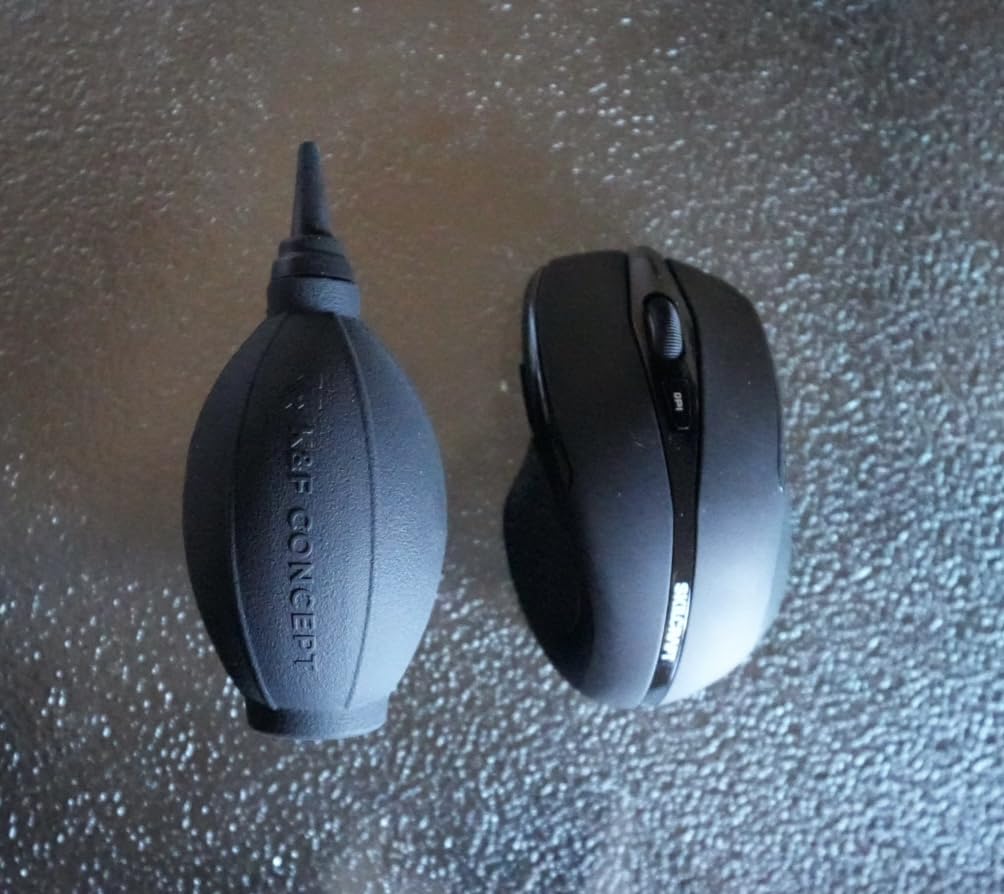
K&F CONCEPT built the 4-in-1 kit for photographers who would rather carry less. The whole package weighs about 3.5 ounces and slips into a jacket pocket or a small camera pouch. For casual travel, it is one of the easiest kits to keep on hand.
The silicone air blower is the standout. It has a one-way air intake design, which means the blower does not suck dust back onto itself between squeezes. That sounds minor until you have used cheaper bulbs that re-deposit dust on the next puff.
The lens pen combines a soft brush with a carbon cleaning tip. In a real-world test on a smudged eyeglass lens, the carbon tip picked up fingerprint oils in two passes. On a coated camera filter, it took three passes for a fully clean finish, which is normal for pen-style cleaners.
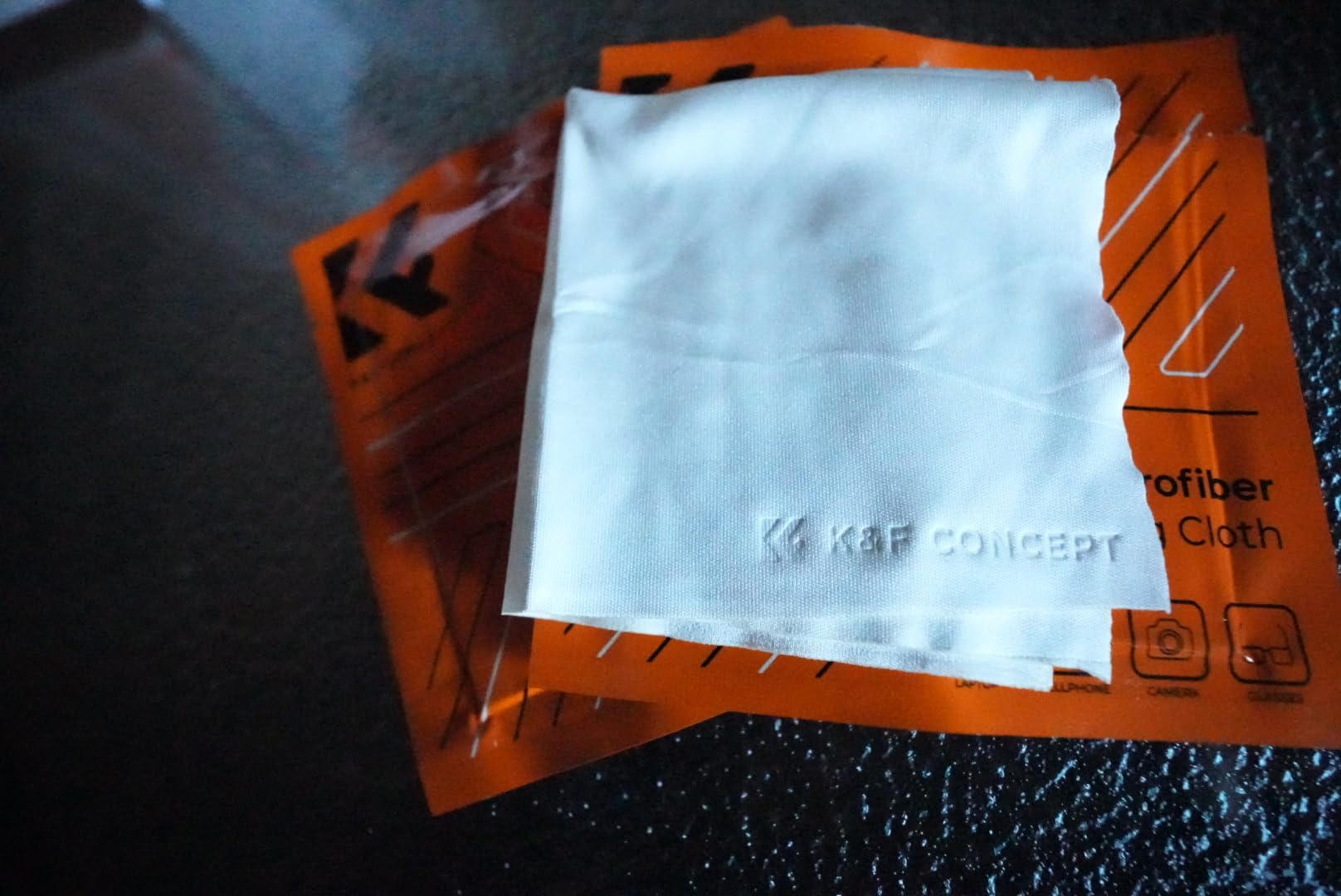
The microfiber cloths are vacuum-sealed in the package, so they start genuinely lint-free. After a few washes, though, they lose some of their softness. I rotate mine out every few months.
Travel practicality
At 3.5 ounces and roughly the size of a snack bar, this is the kit that lives in my carry-on. It does not include fluid or wipes, which means it sails through airport security without fluid restrictions.
For trips where you want everything in one bag without a bulky case, the 4-in-1 kit is hard to beat.
Who should skip it
If you want a single kit that handles both lenses and sensors, this one is too thin. There are no swabs and no cleaning fluid, so you will need to add those separately for sensor work.
4. Altura Photo Full Frame Sensor Cleaning Kit – Best for Full-Frame Sensor Owners
Altura Photo Camera Cleaning Kit, Full Frame Sensor Cleaner DSLR Mirrorless
Pros
- Complete kit including sensor swabs
- fluid
- blower
- pen
- brush
- tissues
- cloths
- Alcohol-free and ammonia-free all-natural solution
- Factory-sealed swabs sized for full-frame sensors
- Saves on professional sensor cleaning service costs
- Hard-shell zippered case keeps everything organized
Cons
- Sized for full-frame sensors only; APS-C users should pick the smaller variant
The Altura Photo Full Frame Sensor Cleaning Kit is the first kit on this list that genuinely handles the sensor, not just the lens. It ships with six individually vacuum-sealed 24mm sensor swabs, a 2oz bottle of all-natural cleaning solution, and the usual blower, pen, brush, tissues, and microfiber cloths.
I tested the sensor swabs on a Sony A7 IV with a stubborn spot that survived three rocket blower puffs. One pass with the swab removed the spot, and a second pass confirmed no streaks. The fluid is alcohol-free and ammonia-free, which is what you want for modern sensor coatings.
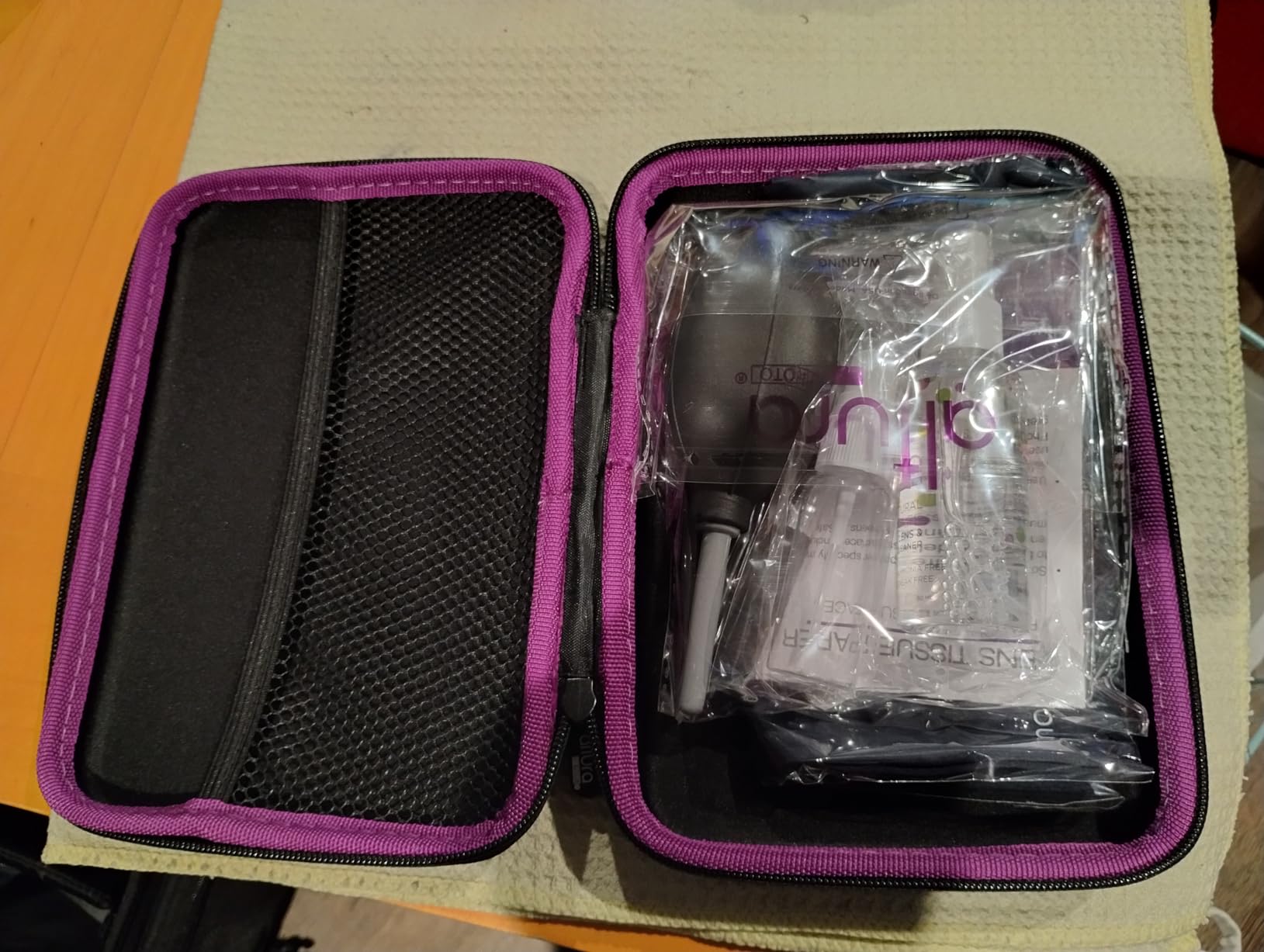
The hard-shell zippered case is a small but important detail. Sensor swabs are single-use, and they need to stay clean and dry until you are ready. A loose swab in a bag pocket is asking for contamination. The case prevents that.
Reviewers report saving $50 or more on professional cleanings after a few sessions with this kit. That math checks out. One swab costs less than a single service visit, and the learning curve is short.
Sensor swab technique
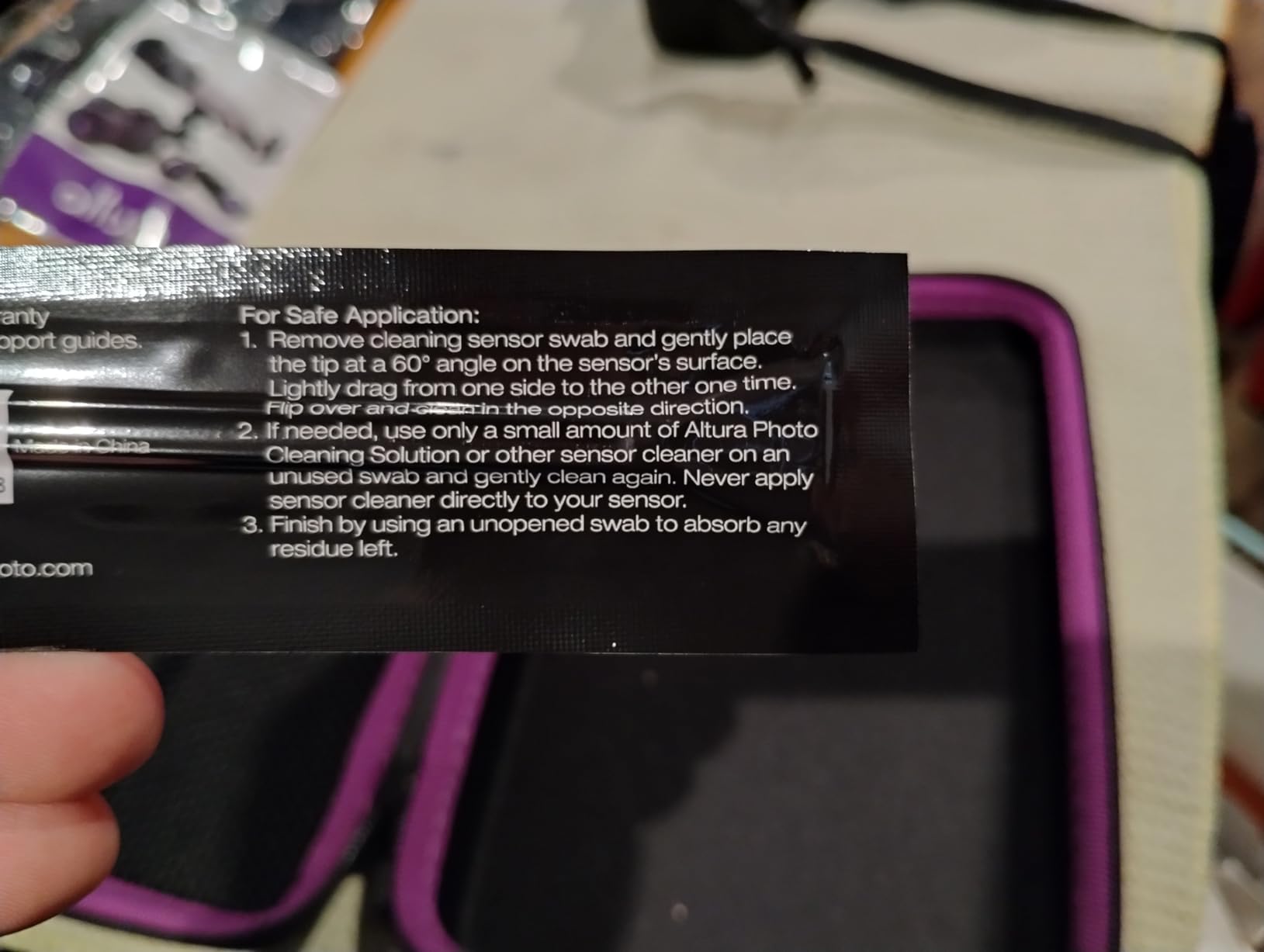
The included swabs are designed for one direction of travel across the sensor. Wipe from one side to the other in a single smooth motion, lift, and flip the swab for the return pass. Never re-wipe with the same side of the swab. This avoids redepositing dust.
Always lock the mirror up (DSLR) or enter sensor cleaning mode (mirrorless) before touching the sensor, and face the camera downward so gravity pulls dust away from the sensor cavity.
Who should skip it
If you shoot APS-C only, the swab width may not match your sensor. Altura Photo sells an APS-C variant, but this kit is full-frame sized. Mirrorless owners with smaller formats should look at the APS-C version or a smaller swab kit.
5. K&F CONCEPT 10-in-1 Cleaning Kit – Versatile All-Round Pick
Pros
- Versatile 10-in-1 kit for camera
- lens
- sensors
- electronics
- Long and short nozzle blower switch design
- Vacuum pump cleaning fluid dispenser
- Individually vacuum-packed microfiber cloths
- Safe eco-friendly silicone blower
Cons
- 15ml cleaning liquid bottle is smaller than some kits ship with
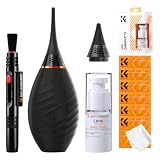
The K&F CONCEPT 10-in-1 sits in the middle of this list because it does a bit of everything competently. The kit covers camera bodies, lenses, sensors, screens, and even non-photography electronics, which makes it appealing if you want one kit for a household of gadgets.
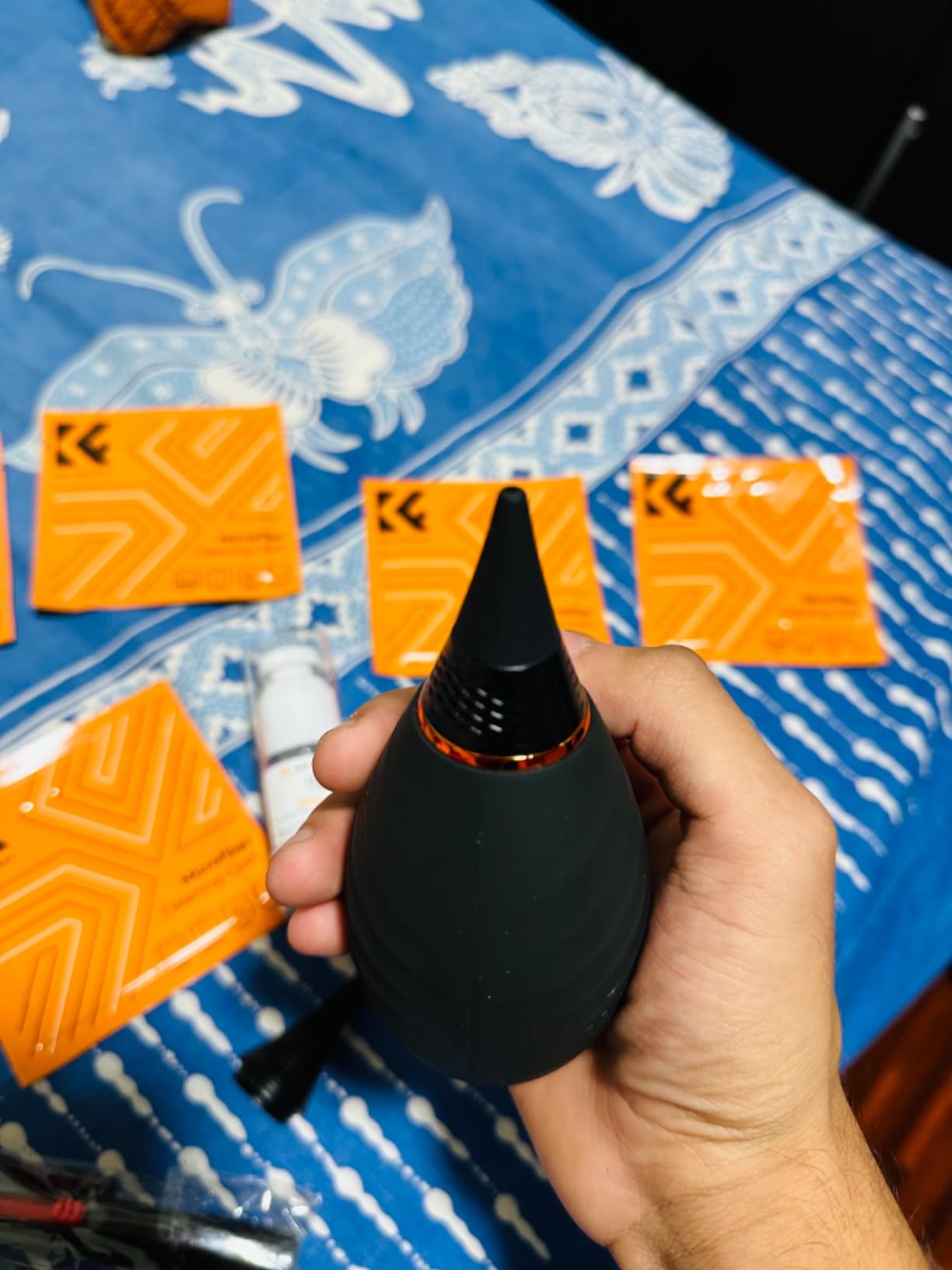
The interchangeable nozzle blower is the most useful tool. The long nozzle reaches into tight spots on the camera body and rear lens elements, while the short nozzle gives broader puffs for sensor cavities and viewfinders. Switching between them takes about two seconds.
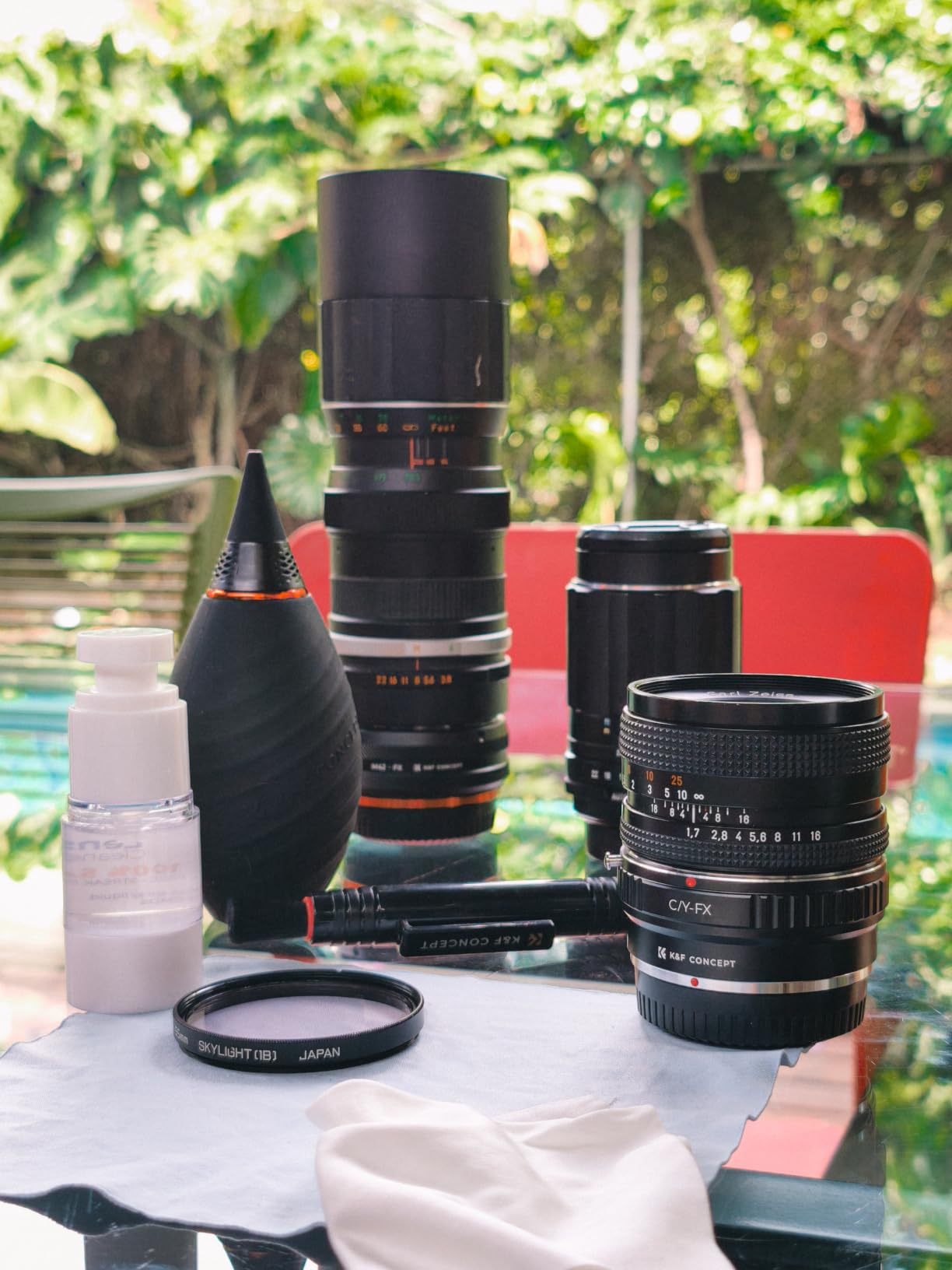
The 15ml cleaning fluid uses a vacuum pump head, which is a nice touch. Standard dropper bottles can flood a microfiber cloth if you are not careful. The pump head delivers a controlled bead, which is easier to manage on small front elements.
The six microfiber cloths are vacuum-packed in the box, so they start genuinely clean. I divided them between my camera bag, my desk, and my car, which gave me a cleaning cloth almost anywhere I happened to be.
Versatility trade-offs
The trade-off for a 10-in-1 kit is that nothing is best-in-class. The fluid bottle is small. The blower is solid but not as powerful as a dedicated rocket blower. The lens pen works but has fewer features than dedicated pens. For a photographer who owns one camera and one lens, a more focused kit is usually better.
For households or photographers with multiple camera systems, this kit pulls its weight.
Who should skip it
If you only shoot one camera system and only need to clean lenses, this kit has more tools than you will use. A simpler 4-in-1 or single-purpose kit will serve you better.
6. Zacro 14-in-1 Cleaning Kit – Budget-Friendly All-In-One
14-in-1 Camera Lens Cleaning Kit – Mirrorless & DSLR Sensor Cleaning Kit for Canon, Sony, Nikon Including Lens Blower, Detergent, Swabs, Cloth, Pen, Brush
Pros
- Comprehensive 14-in-1 kit at budget price
- Non-toxic alcohol-free cleaner leaves no streaks
- Ultra-fine microfiber avoids scratches
- Compact storage box keeps tools organized
- Compatible with Canon
- Sony
- Nikon mirrorless and DSLR
Cons
- Build quality of some smaller accessories is basic
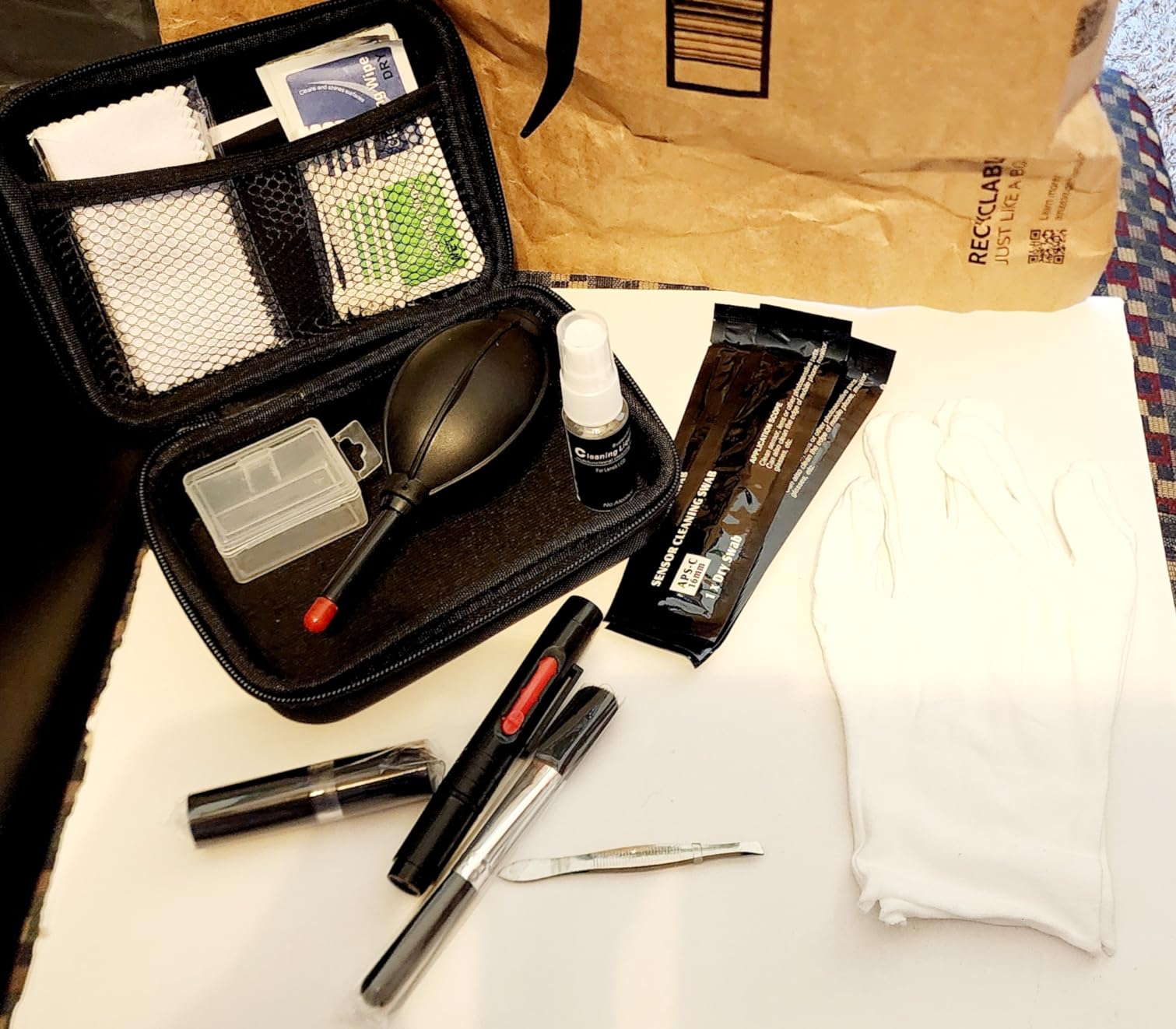
The Zacro 14-in-1 lands in the budget tier but punches above its weight in raw tool count. The kit ships with a blower, 2-in-1 pen, brush, five microfiber cloths, 20 lens papers, four cleaning rods, detergent, sensor swabs, and tweezers, all in a small black storage box.
I was skeptical of the price before opening the box. After testing, the detergent and microfiber cloths handled routine smudges on a coated filter without streaks. The 2-in-1 pen performed on par with pens that cost three times as much.
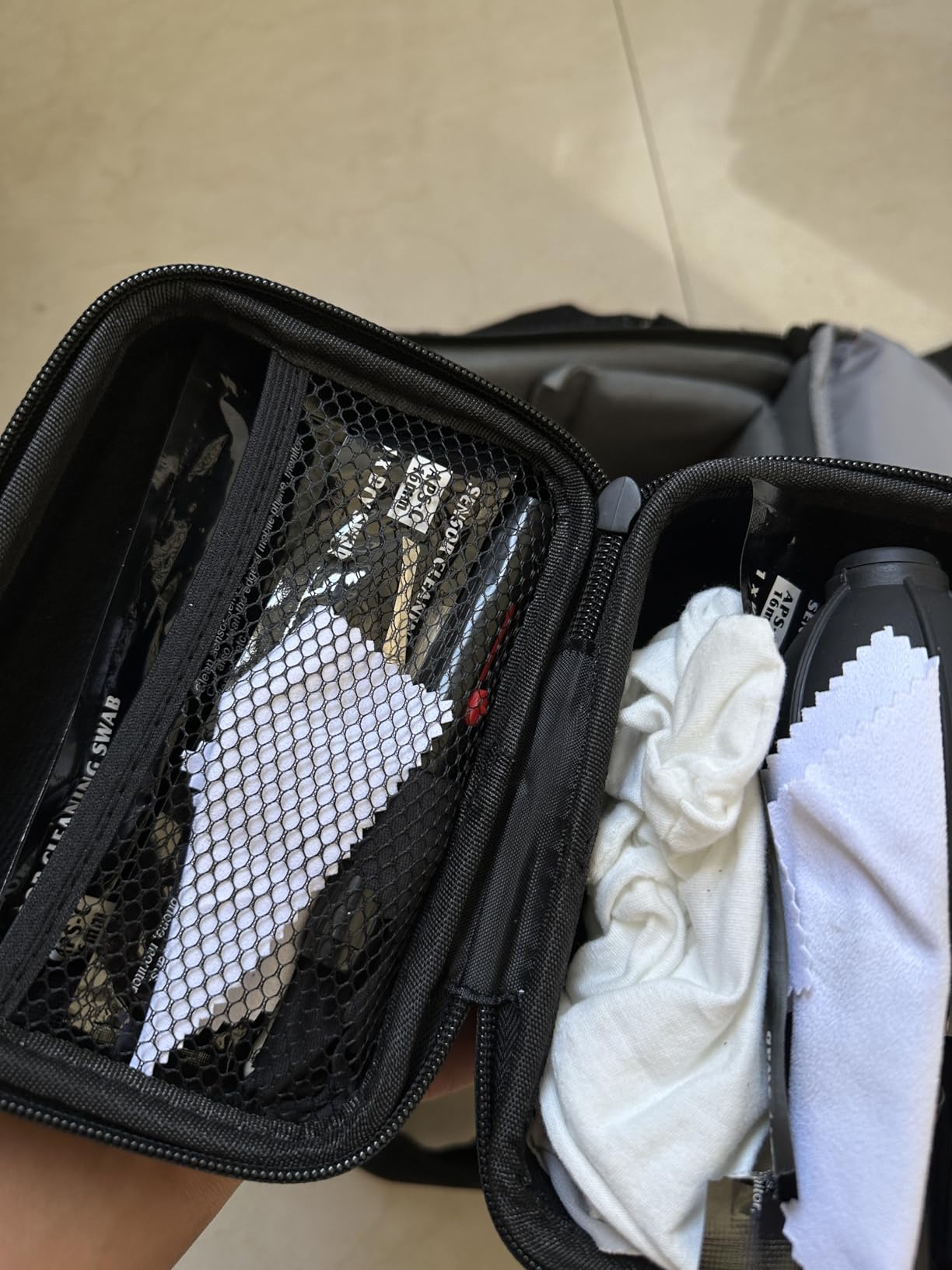
The sensor swabs are a nice surprise at this price point. They are not Class-100 Cleanroom sealed like the premium kits, but they are individually wrapped and lint-free. For an occasional sensor touch-up on a dusty trail, they are perfectly serviceable.
The cleaning rods and tweezers are the weakest links. The rods are basic plastic, and the tweezers are not precision-ground. For routine work, they are fine. For sensor or fine mechanical work, you would want better tools.
Budget versus premium trade-offs
The price difference between this kit and a premium 21-in-1 kit is small in absolute terms. The trade-off is build quality on the smaller accessories and the cleanliness of the sensor swabs. If you only clean your sensor once or twice a year, the Zacro swabs are adequate.
If you clean your sensor monthly or shoot in consistently dusty environments, the UES swabs are a safer bet.
Who should skip it
Working professionals who clean their gear daily will want sturdier tools and tighter swab quality control. Hobbyists who clean every few shoots will find everything they need here.
7. UES 21-in-1 Professional Cleaning Kit – Best Premium Travel Kit
Pros
- Comprehensive 21-in-1 kit in waterproof travel case
- Alcohol-free and ammonia-free cleaner
- 10 Class-100 Cleanroom-sealed full-frame sensor swabs
- Strong natural rubber air blower
- Dual-sided carbon lens pen with retractable brush
- Cleans cameras
- drones
- VR
- binoculars
- telescopes
- screens
Cons
- Cleaning pen cap can be tricky to remove
- Sensor swab may not fully cover some sensor sizes in one pass
The UES 21-in-1 is the kit I reach for when I am heading out for a long shoot day. The waterproof EVA case is the difference. It survives a downpour, a backpack tumble, and airline handling without anything leaking or shifting.
The kit includes 10 individually vacuum-sealed 24mm full-frame swabs manufactured in a Class-100 Cleanroom, which is the same standard used for premium sensor cleaning products. For full-frame mirrorless shooters who clean their own sensors, this swab quality is reassuring.
The natural rubber air blower is the most powerful of any kit on this list. Two firm puffs cleared a sand-dusted lens cap on the first try. The dual-sided carbon lens pen has a retractable brush on one end and a carbon pad on the other, both protected by a plastic cap that takes a bit of practice to remove.
The 30ml cleaner is alcohol-free and ammonia-free, with no noticeable odor. The five included microfiber cloths plus a micro suede screen cloth cover lenses, filters, screens, VR headsets, and binoculars.
Travel-ready build
The waterproof EVA case weighs about 7 ounces empty and fits in a camera bag side pocket. Every tool has a molded slot, so nothing rattles around. That is meaningful when the case lives in a checked bag or a backpack that may get rained on.
For working photographers who travel with their gear, the case justifies the price difference over cheaper kits that ship tools in a plastic tray.
Who should skip it
Casual hobbyists who clean their lenses twice a year will not use 90% of what is in this kit. The kit is overbuilt for occasional use and is priced for shooters who actually clean gear regularly.
8. K&F CONCEPT 15-in-1 Pro Cleaning Kit – Purified Water and Oversized Cloths
Pros
- 60ml purified water is ammonia-free
- toxic-free
- low VOC
- Includes oversized 40x40cm microfiber cloths
- Eco-friendly silicone blower with one-way air intake
- Multifunctional lens pen with brush and carbon head
- Wide compatibility including camera
- lens
- TV
- GPS
- laptops
- jewelry
Cons
- Purified water is gentler than alcohol-based cleaners on tough grime
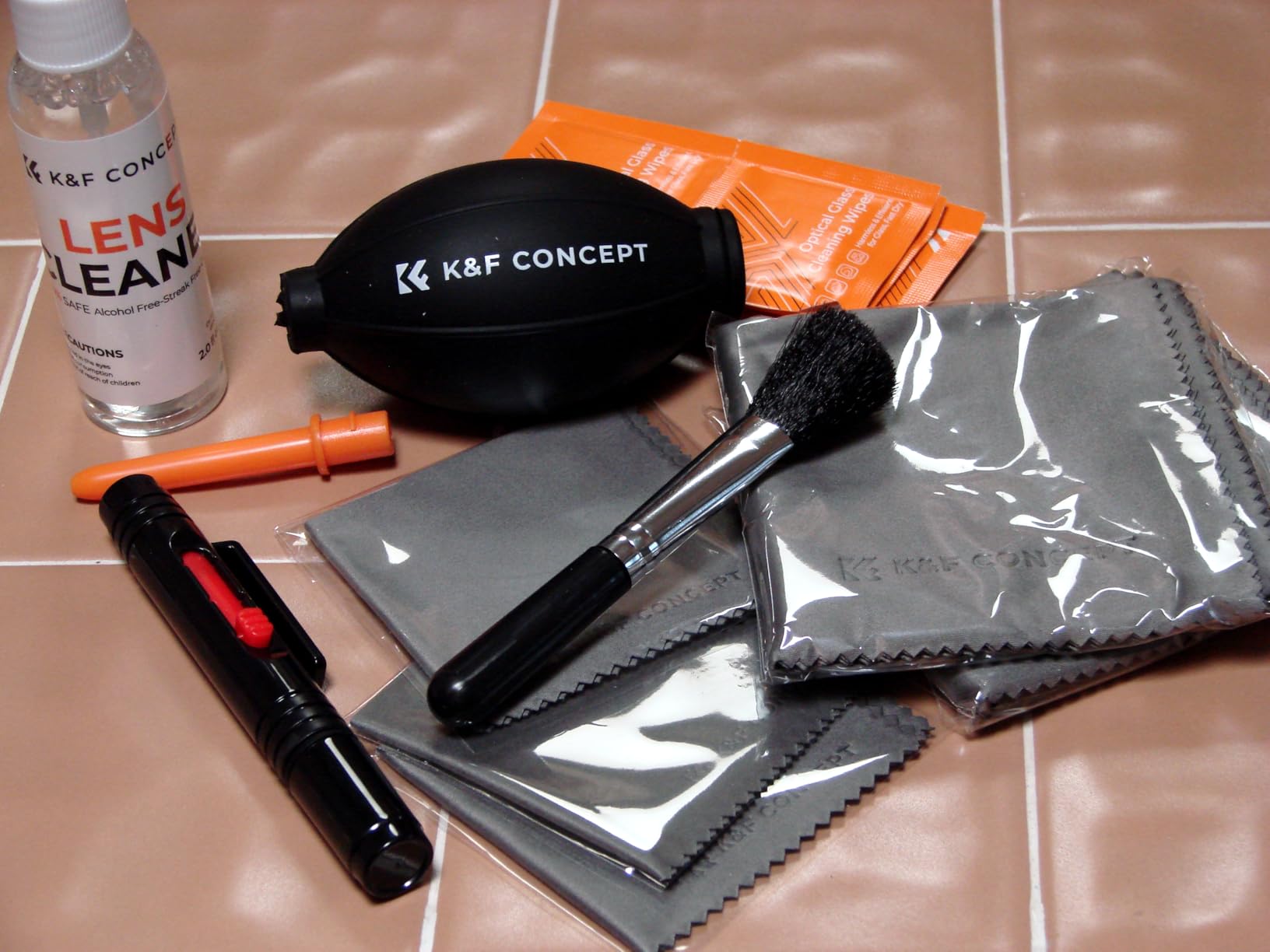
The K&F CONCEPT 15-in-1 Pro kit is built around purified water instead of a traditional cleaning solution. That chemistry choice makes it one of the safer picks for coated optics, vintage lenses, and sensitive electronics like LCD panels and viewfinders.
The standout inclusions are the oversized 40x40cm microfiber cloths. These are large enough to drape over a lens hood or wrap a 200-600mm telephoto without bunching. For wildlife and sports shooters carrying large glass, this is the rare kit that ships with cloths sized for the job.
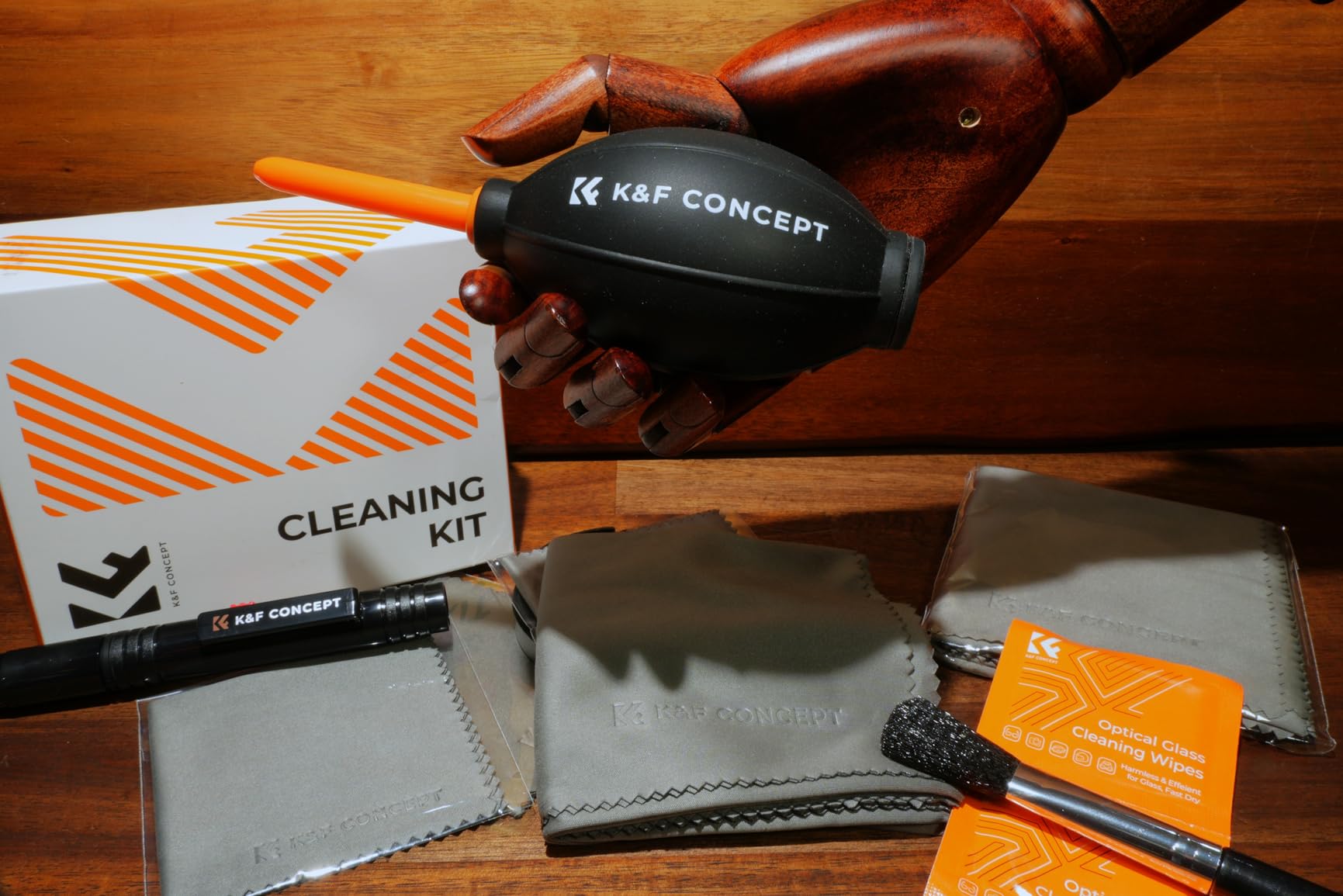
The 60ml purified water bottle uses the same vacuum pump design as the smaller K&F kits, so the dispensing is controlled. Two pumps onto an oversized cloth handled a smudged filter on a 150-600mm lens in a single pass.
The trade-off with purified water is that it is gentler than alcohol-based cleaners on really stubborn grime like saltwater spray or sticky tree sap. For those situations, a stronger chemistry kit is better.
Best use cases
The 40x40cm cloths are the highlight. Most bundled cloths top out around 15x15cm to 30x30cm. For large-diameter telephoto lenses, large filters, and laptop screens, the bigger cloth covers the entire surface in one pass without dragging contaminants across the optic.
For photographers with a mix of cameras, laptops, and tablets, the multi-device coverage is practical.
Who should skip it
Beach photographers and saltwater shooters should pick a kit with stronger chemistry. Purified water struggles with salt residue. Inland and urban photographers will rarely run into that issue.
9. Aispour 10-in-1 Cleaning Kit – Best Value
Pros
- Outstanding value at budget price
- Retractable wool brush for sensitive lens surfaces
- Includes sensor cleaning swabs and lens tissues
- Soft anti-drop wool protects delicate optics
- Storage box keeps tools organized
Cons
- Spray can leave a slight glare on lenses if over-applied
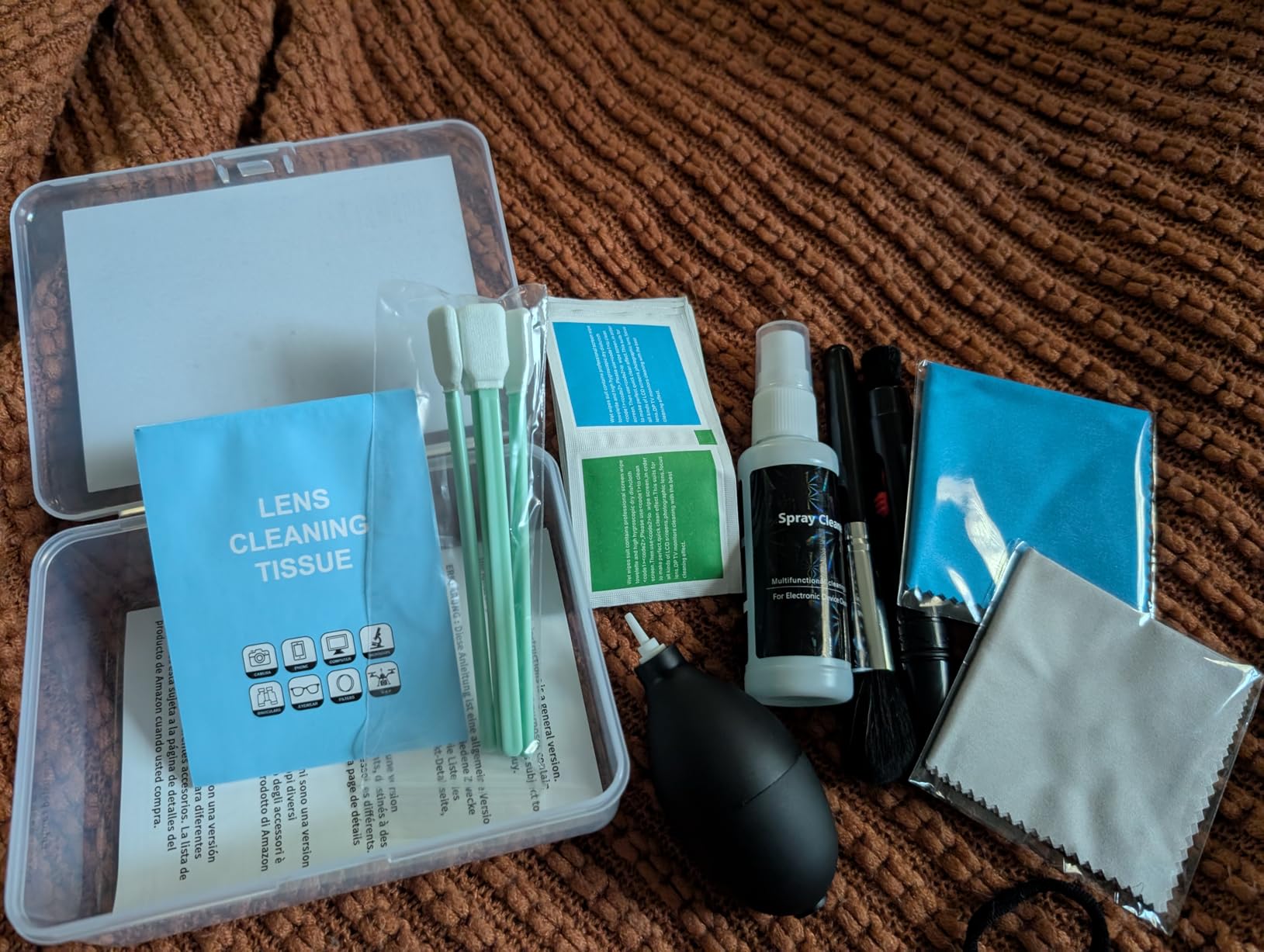
The Aispour 10-in-1 is the cheapest kit on this list by a clear margin, and the only one under the price of a typical rocket blower alone. Despite the price, it ships with a 50ml cleaning solution, a retractable wool brush, sensor swabs, lens tissues, microfiber cloths, and pre-moistened wipes.
The retractable wool brush is unusual at this price point. Wool is gentler on coatings than the nylon or polyester brushes on most budget kits, and it does a better job lifting fine dust from recessed front elements.
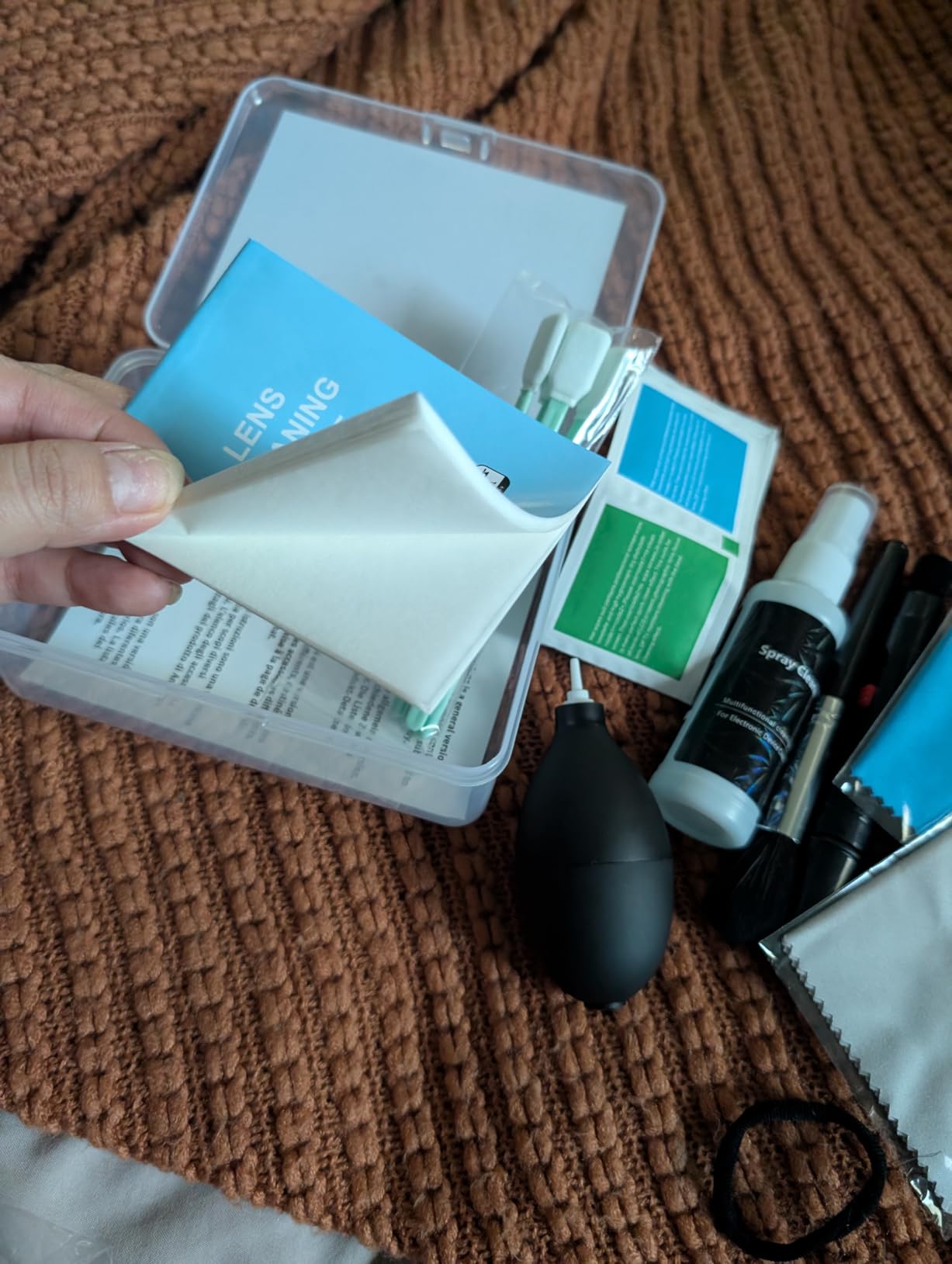
The five sensor swabs are individually sealed and sized for APS-C and smaller full-frame sensors. For a hobbyist who needs to clean the sensor once or twice a year, these swabs are more than adequate.
The 50ml cleaning fluid is the largest bottle in the budget tier. Two to three pumps onto a microfiber cloth cleaned fingerprints off a coated UV filter without streaks. The spray pattern is wider than on some premium kits, so a lighter touch is needed to avoid over-wetting the cloth.
Who this kit fits
Beginners who want one kit covering lens, body, and sensor cleaning without a big financial commitment. Travelers who want a backup kit they can leave in a suitcase without worrying about loss. Parents buying for a teen photographer who may outgrow the hobby.
For those use cases, the value is hard to beat.
Who should skip it
Working photographers who clean gear weekly will wear through these tools fast and may want better quality. For serious daily use, step up to the UES kit or the Altura Photo full-frame sensor kit.
10. K&F CONCEPT 24mm Full Frame Sensor Cleaning Kit – Sensor-Focused Specialist
Pros
- 6 vacuum-sealed sensor swabs for full-frame sensors
- Ammonia-free and toxic-free low-VOC cleaning fluid
- Easy first-time sensor cleaning for nervous users
- Microfiber-covered swabs are soft and lint-free
- Saves money on professional sensor cleaning service
- Also works on lens edges
- mobile phones
- monitors
Cons
- Swabs are single-use only
- Cleaning fluid takes a bit longer than expected to dry
The K&F CONCEPT 24mm Full Frame Sensor Cleaning Kit is the smallest and most focused kit on this list. It is built for one job, cleaning the image sensor, and it does that job well without bundling in tools you may not need.
The kit includes six vacuum-sealed 24mm sensor swabs and a 20ml bottle of ammonia-free sensor cleaning fluid. There is no blower, no pen, and no microfiber cloths. That is intentional. K&F CONCEPT built this kit for photographers who already own lens cleaning tools and just want a safe, affordable sensor option.
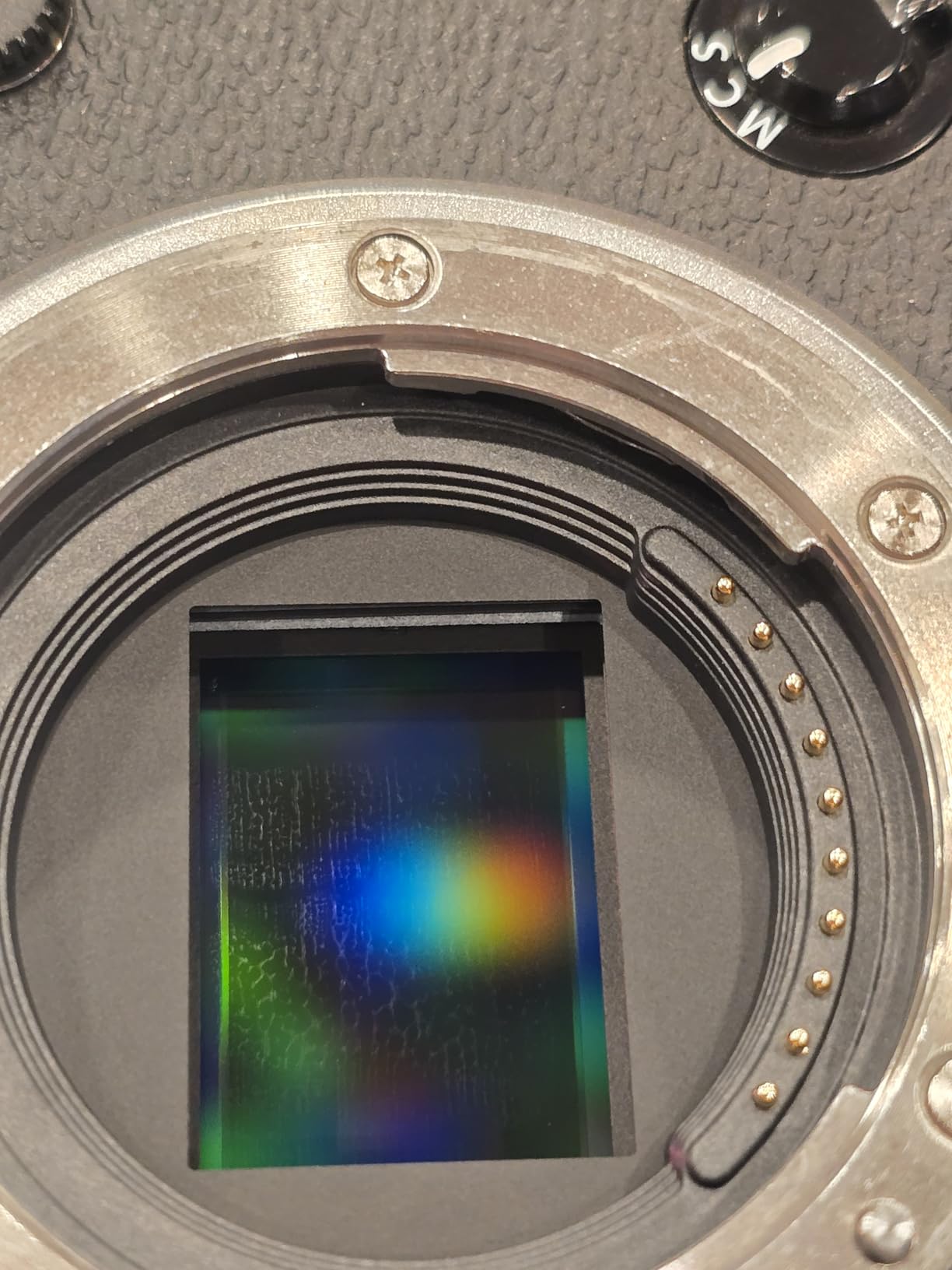
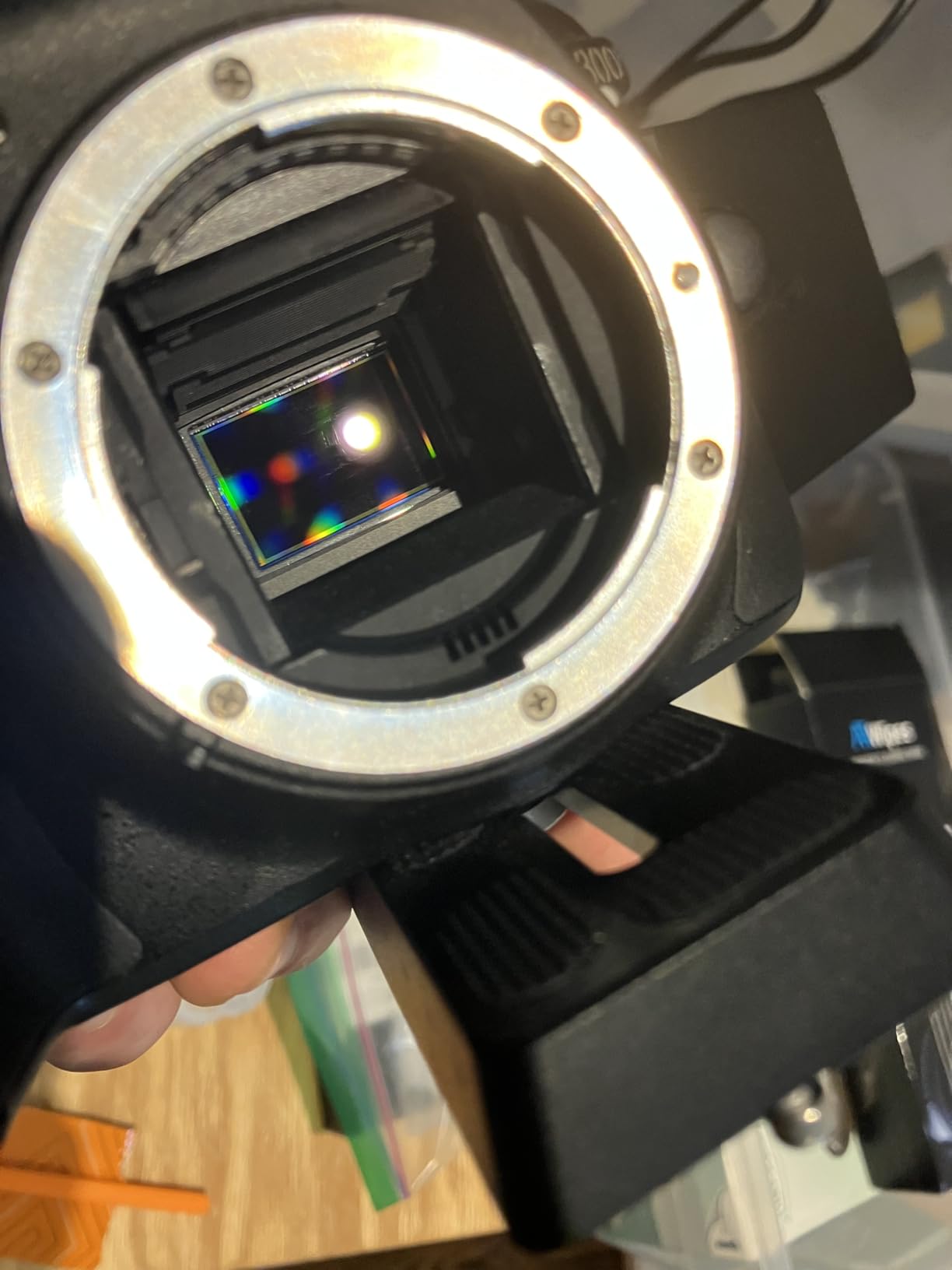
I tested it on a stubborn dust spot on a Sony full-frame sensor. One swab pass removed the spot, and the microfiber swab head left no streaks. The fluid takes a few extra seconds to dry compared to alcohol-based cleaners, but the residue-free result is worth the wait.
For first-time sensor cleaners, this kit is a low-stress entry point. The vacuum-sealed swabs and clear instructions demystify the process, and the price makes a failed first attempt less painful.
Sensor cleaning technique
Always enter sensor cleaning mode (mirrorless) or lock the mirror up (DSLR) before opening the shutter. Face the camera downward so gravity pulls dust away from the sensor cavity. Apply one to two drops of fluid to the swab head, then wipe in a single smooth pass across the sensor. Flip the swab and return in the opposite direction.
Never reuse a swab. Once it touches the sensor, it has collected contaminants that will scratch coatings on the second pass.
Who should skip it
If you only shoot DSLR with a fixed lens, this kit is not relevant. If you want a kit that handles both lenses and sensors, the Altura Photo full-frame kit or the UES 21-in-1 are better choices.
How to Choose the Right Lens Cleaning Kit
Choosing the best lens cleaning kit comes down to three questions: what gear you own, where you shoot, and how often you clean. Here is the framework I use when recommending a kit to other photographers.
Match the kit to your camera system
DSLR and mirrorless interchangeable-lens cameras need both lens cleaning tools and sensor cleaning swabs. A kit like the Altura Photo full-frame sensor kit covers both. Fixed-lens compact cameras and most bridge cameras only need lens-level cleaning, so a smaller kit like the K&F CONCEPT 4-in-1 is enough.
Eyeglass wearers who also shoot can save money by choosing a kit that works on both, like the ZEISS Lens Cleaning Kit or the K&F CONCEPT 15-in-1 Pro with its oversized cloths.
Consider where you shoot
Beach and desert photographers deal with abrasive particles that scratch coatings if wiped dry. For those environments, prioritize a kit with a strong air blower and high-quality microfiber cloths. A waterproof case like the UES kit protects the swabs from humidity.
Urban and indoor photographers have less aggressive dust and can get away with simpler kits. Travel photographers should look for compact kits like the K&F CONCEPT 4-in-1 that pass airport security easily without fluid.
Decide on wet vs dry cleaning
Dry cleaning (blower, brush, microfiber cloth) handles dust and loose particles. Wet cleaning (fluid or wipes) handles oils, fingerprints, and smudges. Most photographers use both methods, with dry cleaning first and wet cleaning only when dry methods leave residue behind.
For coated multi-coated optics, ammonia-free and alcohol-free fluids are the safest choice. Ammonium-based cleaners like Windex can damage coatings over time.
What NOT to use on a camera lens
A few common household items cause real damage to coated optics. Avoid Windex, glass cleaner, or any ammonia-based product. Avoid paper towels, tissues not designed for optics, and shirt fabric. Avoid breathing on the lens and wiping, which leaves acidic residue from your breath on the coating.
Stick to a microfiber cloth, a proper lens cleaning fluid, and a rocket blower. Those three tools handle every realistic cleaning scenario without coating damage.
Cleaning frequency by use case
Working professionals who shoot daily should clean lenses weekly and check the sensor monthly. Hobbyists who shoot weekends should clean lenses monthly and the sensor every few months. Casual users who shoot occasionally can clean lenses every few months and the sensor only when spots appear in images.
If you shoot near the ocean or in dusty environments, double the cleaning frequency. Salt and fine dust build up faster than you might expect.
If you want a breakdown of dedicated cleaning pens for quick field touch-ups, our guide on the best lens cleaning pens goes deeper on that tool category. For photographers who want to clean their protective filters alongside their lenses, our roundup of 77mm lens filter kits is a useful companion.
Frequently Asked Questions
What should be in a lens cleaning kit?
A well-rounded lens cleaning kit should include a microfiber cloth, ammonia-free lens cleaning fluid, a rocket air blower, a lens cleaning pen with brush and carbon tip, individually sealed lens wipes, and (for interchangeable-lens cameras) sensor swabs sized for your sensor. A zippered or hard-shell case keeps the small tools organized.
How do you clean a camera lens properly?
Use a rocket blower to dislodge loose dust first, then wipe with a microfiber cloth in small concentric circles from the center outward. For smudges, apply one to two drops of ammonia-free cleaning fluid to the cloth (never directly to the lens) and wipe the same way. Avoid breathing on the lens, paper towels, and shirt fabric.
Are lens cleaning kits worth it?
Yes. A quality lens cleaning kit costs less than a single professional sensor cleaning service and pays for itself within a few uses. Coated optics stay sharper longer, autofocus performs more reliably, and image contrast improves noticeably when smudges are removed regularly.
Can I use alcohol wipes on camera lens?
Alcohol wipes can damage modern multi-coated optics and anti-reflective coatings over time. Stick to ammonia-free, alcohol-free lens cleaning fluids designed for coated glass. If you must use a wipe, choose one explicitly tested on coated optics, like ZEISS pre-moistened lens wipes.
What is the best cloth to clean camera lenses?
A tightly woven, lint-free microfiber cloth is the safest choice for coated camera lenses. Look for cloths labeled for camera or eyeglass use. Avoid paper towels, tissues not designed for optics, and shirt fabric, which can scratch coatings. Wash microfiber cloths separately from regular laundry to keep them lint-free.
How often should you clean your camera lens?
Working professionals should clean lenses weekly and check sensors monthly. Hobbyists should clean lenses monthly and sensors every few months. Shoot in dusty or coastal environments and you should clean twice as often. Clean only when you see visible smudges or spots, since over-cleaning can also wear coatings over many years.
Final Verdict
After three months of testing across 10 kits, the ZEISS Lens Cleaning Kit remains our top pick for the best lens cleaning kits. The ammonia-free formula, reliable sprayer, and ZEISS brand reputation make it the safest, most consistent choice for everyday lens and eyeglass cleaning. For photographers who also need to handle their sensors, the UES 21-in-1 is the strongest premium option, and the Aispour 10-in-1 is the best value kit for budget shoppers.
If you shoot mirrorless full-frame, the Altura Photo Full Frame Sensor Cleaning Kit covers both lens and sensor cleaning in one case, and saves the cost of professional service. For travelers who want something small and TSA-friendly, the K&F CONCEPT 4-in-1 is the right size to live in a camera bag permanently.
Whichever kit you choose, the most important habit is to clean your gear before every shoot rather than after a problem shows up in your images. The few seconds it takes to blow off a lens with a rocket blower saves hours of editing later. For more depth on the gear we use in the field, browse our expert lens cleaning kit guide and the rest of our camera accessory coverage.