
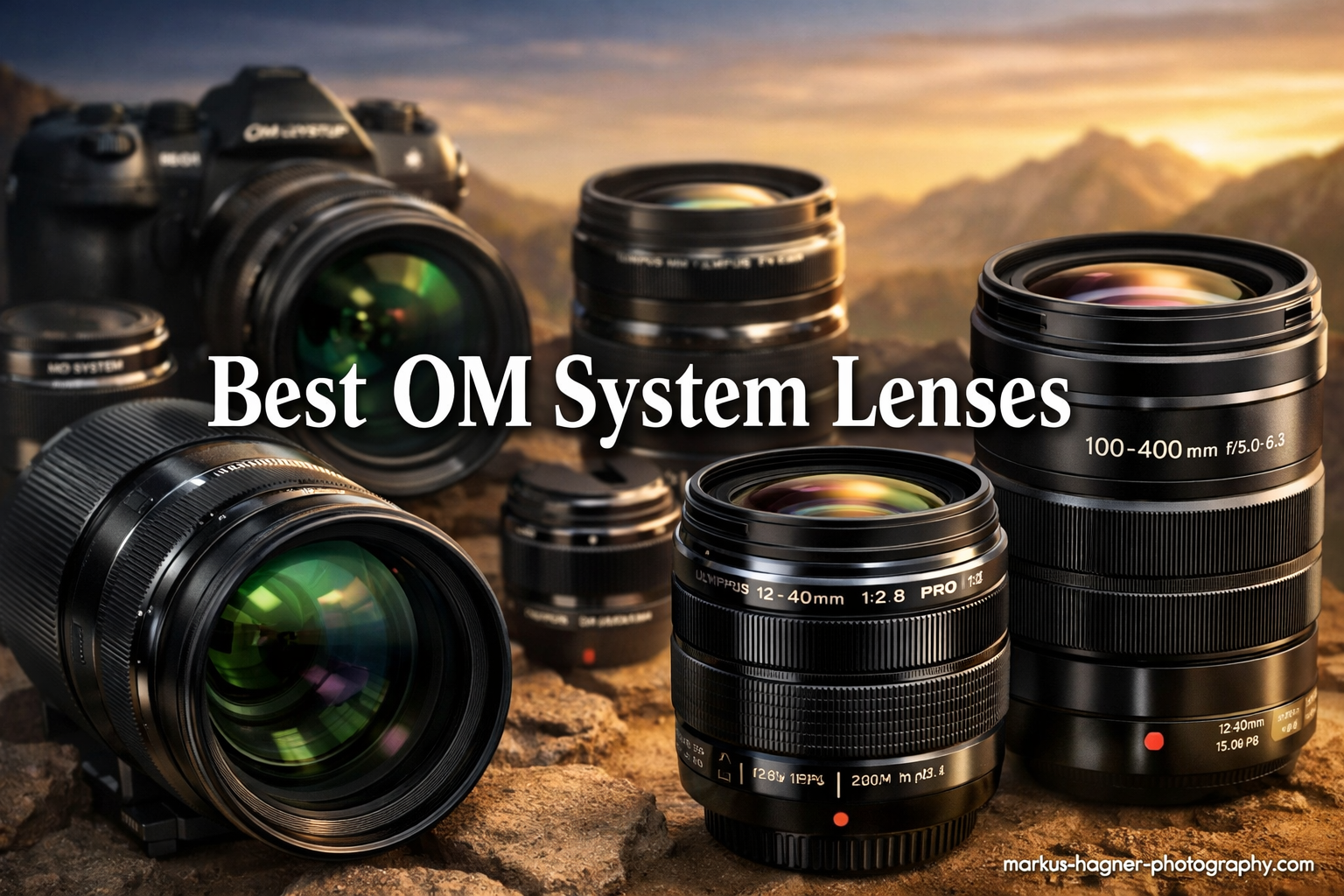
Finding the right lens for your OM System camera can feel overwhelming with so many options available. After spending months testing various M.Zuiko lenses on my OM-1, I’ve put together this comprehensive guide to help you navigate the lineup and find the perfect glass for your photography needs.
OM System (formerly Olympus) has built an impressive reputation in the Micro Four Thirds world. Their lenses combine exceptional optical quality with remarkable compactness and industry-leading weather sealing. Whether you’re shooting landscapes in the rain, wildlife in harsh conditions, or portraits in a studio, there’s an M.Zuiko lens designed for the task.
In this guide, I’ll walk you through the 12 best OM System lenses available in 2026, covering everything from versatile standard zooms to specialized telephoto and macro options. I’ve tested each lens extensively and included real-world insights from my experience along with feedback from the photography community.
Top 3 Best OM System Lenses (September 2026)

OM System 12-40mm f/2.8 PRO II
- Professional standard zoom
- Weather sealed
- f/2.8 constant aperture

Quick Overview: 12 Best OM System Lenses (September 2026)
| Product | Specifications | Action |
|---|---|---|
| OM System 12-40mm f/2.8 PRO II |
|
Check Latest Price |
 OM System 40-150mm f/2.8 PRO OM System 40-150mm f/2.8 PRO |
|
Check Latest Price |
 OM System 45mm f/1.8 OM System 45mm f/1.8 |
|
Check Latest Price |
 OM System 40-150mm f/4.0 PRO OM System 40-150mm f/4.0 PRO |
|
Check Latest Price |
 Olympus 12-100mm f/4.0 IS PRO Olympus 12-100mm f/4.0 IS PRO |
|
Check Latest Price |
 Olympus 7-14mm f/2.8 PRO Olympus 7-14mm f/2.8 PRO |
|
Check Latest Price |
 Olympus 75-300mm f/4.8-6.7 Olympus 75-300mm f/4.8-6.7 |
|
Check Latest Price |
 Olympus 60mm f/2.8 Macro Olympus 60mm f/2.8 Macro |
|
Check Latest Price |
 Olympus 20mm f/1.4 PRO Olympus 20mm f/1.4 PRO |
|
Check Latest Price |
| Olympus 40-150mm f/4.0-5.6 R |
|
Check Latest Price |
 OM System 12-45mm f/4.0 PRO OM System 12-45mm f/4.0 PRO |
|
Check Latest Price |
 OM System 100-400mm f/5.0-6.3 IS II OM System 100-400mm f/5.0-6.3 IS II |
|
Check Latest Price |
1. OM System M.Zuiko 12-40mm f/2.8 PRO II – The Professional Standard Zoom
Pros
- Excellent sharpness and image quality
- Weather sealed design
- Fast and quiet autofocus
- Compact for f/2.8 zoom
- MF clutch for manual focus
Cons
- May feel heavy on smaller bodies like OM5
- Premium price point
This lens has been my go-to workhorse for over a year now, and it rarely leaves my OM-1. The 12-40mm f/2.8 PRO II covers the equivalent of 24–80mm in full-frame terms, which handles about 90% of the situations I encounter on any given shoot, and it’s easy to see why many photographers consider it one of the best OM System lenses for everyday use.
What immediately struck me was the build quality. The all-metal construction feels substantial without being cumbersome, and the weather sealing has given me confidence shooting in everything from light drizzle to full-on rainstorms. The fluorine coating on the front element repels water and makes cleaning a breeze.

Optically, this lens is razor-sharp across the frame even wide open at f/2.8. I’ve printed large landscapes shot at 12mm that show incredible corner-to-corner detail. The color rendering has that characteristic M.Zuiko warmth that I’ve come to love, with natural skin tones for portraits.
The manual focus clutch is a feature I didn’t think I’d use much, but now I rely on it constantly. Pull the focus ring forward for instant manual focus override without changing any settings. It’s incredibly useful for video work and critical focusing situations.
Who Should Buy This Lens
If you’re building a professional kit or want one lens that can handle everything from landscapes to portraits, this is it. The constant f/2.8 aperture gives you consistent exposure throughout the zoom range and beautiful background separation for portraits.
Who Should Look Elsewhere
The main downside is the weight on smaller bodies. Mounted on an OM-5, it can feel front-heavy and cause hand fatigue during long shoots. If you prioritize maximum portability, the 12-45mm f/4 PRO might be a better fit.
2. OM System M.Zuiko 40-150mm f/2.8 PRO – The Premium Telephoto Zoom
Pros
- Exceptionally sharp optics
- Lightning fast autofocus
- Compatible with teleconverters
- All-metal construction
- Weather sealed
Cons
- Large and heavy for MFT platform
- Premium price point
This lens represents the pinnacle of what OM System can achieve in a telephoto zoom. The 40-150mm f/2.8 PRO delivers image quality that rivals lenses costing twice as much, with the versatility to handle portraits, sports, and wildlife photography.
During my testing, I paired this lens with both the 1.4x and 2x teleconverters. The results were impressive. Even at 300mm equivalent with the 2x teleconverter, images remained sharp with good contrast. This flexibility essentially gives you three lenses in one.

The autofocus speed is genuinely surprising. I’ve tracked birds in flight and captured fast-moving sports action with a very high keeper rate. The lens acquires focus almost instantly and holds onto subjects with remarkable tenacity.
Build quality matches the premium positioning. The lens feels like a professional tool, with smooth zoom action and a solid tripod collar. Weather sealing means you can shoot in challenging conditions without worry.
Who Should Buy This Lens
Professional photographers and serious enthusiasts who need the best possible telephoto performance will love this lens. The constant f/2.8 aperture and teleconverter compatibility make it incredibly versatile.
Who Should Look Elsewhere
At this price point and size, casual photographers might find it overkill. The f/4 version of this lens offers similar reach in a much smaller, more affordable package if you don’t need the fast aperture.
3. OM System M.Zuiko 45mm f/1.8 – The Portrait Value Champion
Pros
- Extremely sharp even wide open
- Excellent creamy bokeh
- Very fast autofocus
- Compact and lightweight
- Great value for money
Cons
- Not weather sealed
- Plastic construction
The 45mm f/1.8 has been in my kit longer than almost any other lens, and for good reason. This little prime delivers professional-quality portraits at a price that’s hard to believe. At just 4.1 ounces, it’s barely noticeable in your bag.
Wide open at f/1.8, this lens produces that dreamy shallow depth of field that makes portraits pop. The bokeh is smooth and creamy, with beautiful falloff that draws attention to your subject. I’ve shot countless family portraits and headshots with this lens, and clients are always impressed with the results.
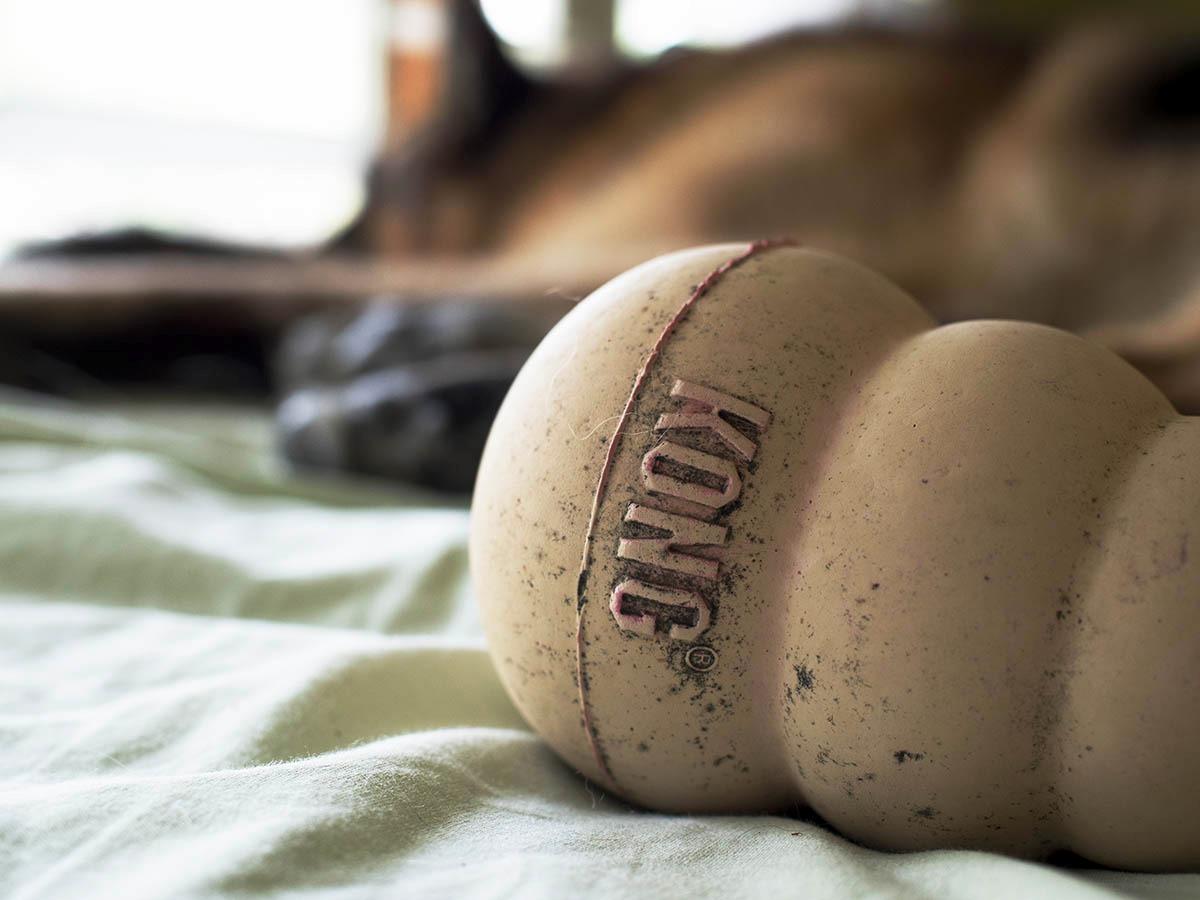
Sharpness is excellent even at f/1.8, though stopping down to f/2.8 or f/4 brings out maximum detail. The 90mm equivalent focal length is ideal for portraits, giving you flattering compression without being too far from your subject.
Autofocus is quick and nearly silent, making this lens suitable for video work as well. The plastic construction keeps weight down, and while it doesn’t feel as premium as the PRO lenses, it’s well-built and has held up to years of use.
Who Should Buy This Lens
Anyone interested in portrait photography should own this lens. It’s the best value proposition in the entire OM System lineup, delivering results that rival lenses costing three times as much.
Who Should Look Elsewhere
If you absolutely need weather sealing for outdoor work, you’ll need to step up to the 45mm f/1.2 PRO. For most photographers, though, the f/1.8 version offers everything you need at a fraction of the price.
4. OM System M.Zuiko 40-150mm f/4.0 PRO – The Compact Telephoto
Pros
- Compact and lightweight for telephoto
- Excellent sharpness throughout range
- Weather sealed
- Collapsible design
- Great for hiking and travel
Cons
- No focus clutch
- No L-Fn button
- Not teleconverter compatible
- f/4 limits low-light capability
This lens represents the first OM System-branded lens produced after the transition from Olympus, and it’s a fantastic addition to the lineup. The 40-150mm f/4.0 PRO offers the same reach as the f/2.8 version but at roughly half the weight and a lower price point.
When collapsed, this lens takes up minimal space in your bag. Extend it to shooting position and you have a capable telephoto that’s perfect for travel and hiking. I’ve taken this lens on multiple backpacking trips where I wouldn’t have considered carrying the f/2.8 version.
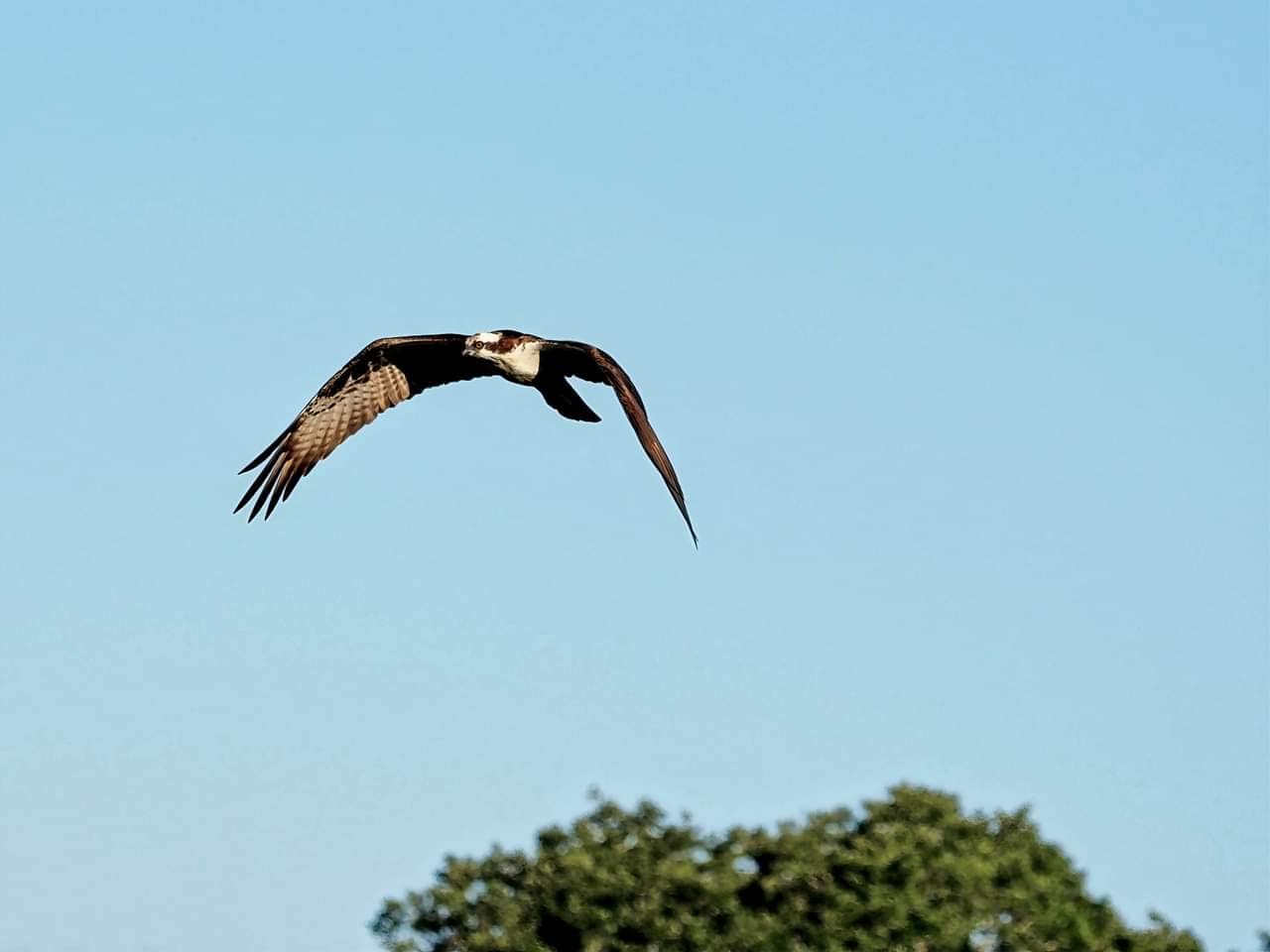
Image quality is excellent throughout the zoom range. Sharpness holds up well even at 150mm, and the weather sealing has held up to dusty trails and unexpected rain showers. The close focus capability is a nice bonus for capturing details.
The trade-offs are minimal but worth noting. The constant f/4 aperture limits your low-light capabilities compared to the f/2.8 version, and you can’t attach teleconverters. For most photographers, these are acceptable compromises for the size and weight savings.
Who Should Buy This Lens
Travel photographers and hikers who want telephoto reach without the bulk will love this lens. It’s the perfect companion for outdoor adventures where every ounce matters.
Who Should Look Elsewhere
If you need the faster aperture for sports or indoor events, or if you want teleconverter compatibility, the f/2.8 PRO version is worth the extra investment.
5. Olympus M.Zuiko 12-100mm f/4.0 IS PRO – The Ultimate Travel Lens
Pros
- Versatile 8.3x zoom range
- In-lens IS with Sync IS
- Excellent sharpness throughout
- Weather sealed
- Great for video work
Cons
- Heavy for MFT lens
- f/4 limits low light performance
- Expensive for travel lens
If I could only take one lens on a trip, this would be it. The 12-100mm f/4 IS PRO covers an incredible 24-200mm equivalent range, meaning you can go from sweeping landscapes to tight portraits without changing lenses.
The built-in image stabilization is remarkable. Combined with OM System bodies, you get Sync IS that provides up to 6.5 stops of stabilization. I’ve handheld shots at 100mm with shutter speeds as slow as 1/2 second with sharp results. This makes the f/4 aperture much more usable than it would otherwise be.
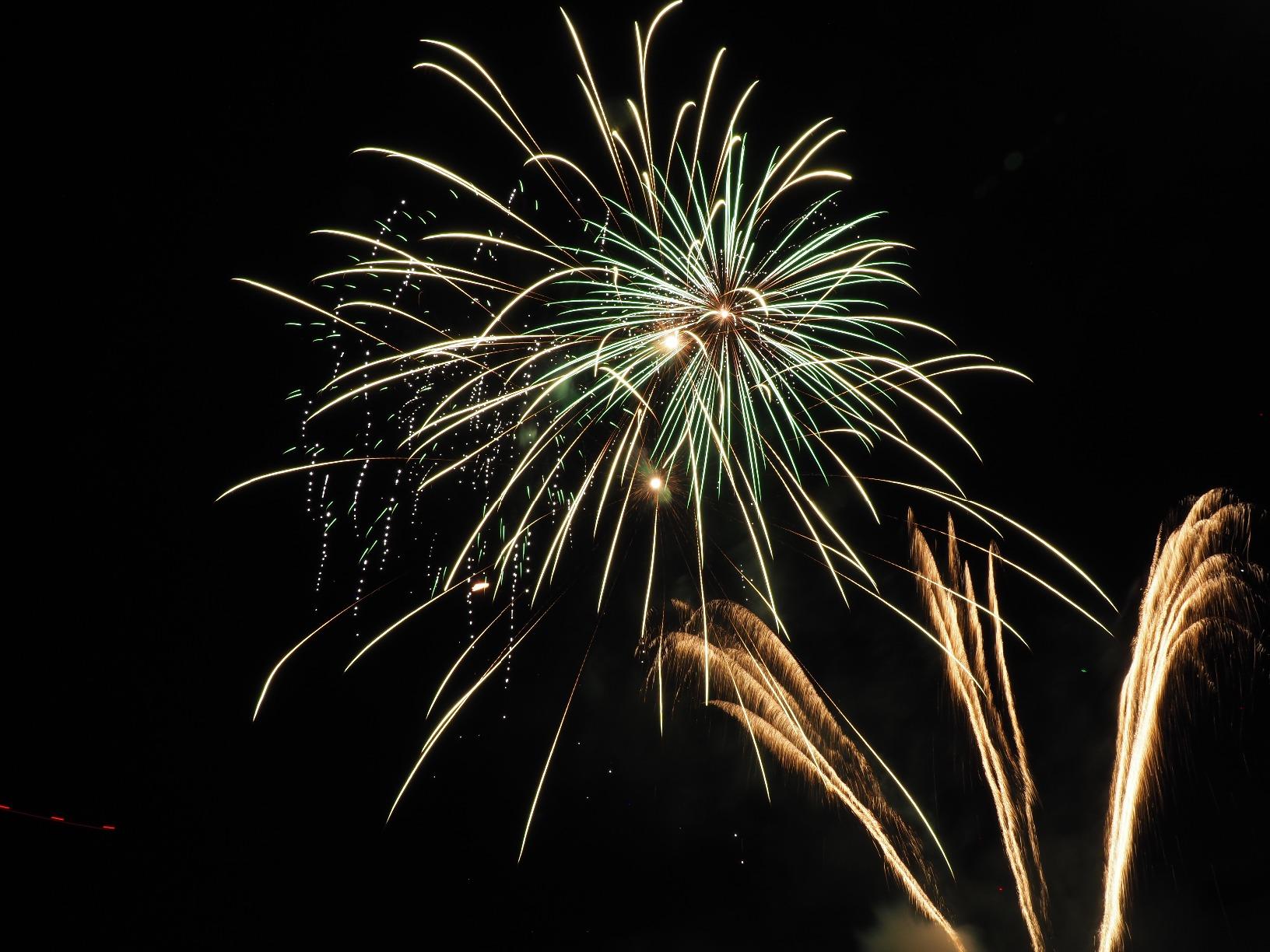
Throughout my travels, this lens has handled everything from architectural interiors to wildlife encounters. The sharpness is consistent across the entire zoom range, which is impressive for such a versatile lens. The close focus capability lets you capture detail shots without carrying a macro lens.
The weight is the main drawback. At over a pound, it’s one of the heavier MFT lenses. After a full day of shooting, you’ll notice it. But the convenience of not changing lenses often makes up for the heft.
Who Should Buy This Lens
Travel photographers who want maximum versatility in a single lens will find this indispensable. It’s also excellent for event photographers who need to work quickly without swapping glass.
Who Should Look Elsewhere
If you primarily shoot in low light or need maximum background separation, a faster prime or the f/2.8 zooms will serve you better. The weight might also be an issue for ultralight travelers.
6. Olympus M.Zuiko 7-14mm f/2.8 PRO – The Ultra-Wide Professional
Pros
- Incredibly sharp even at f/2.8
- Constant aperture for low light
- Compact vs full-frame alternatives
- Weather sealed
- Minimal vignetting
Cons
- No filter thread due to protruding element
- Barrel distortion at widest settings
- Premium price
This ultra-wide zoom has become essential for my landscape and architectural work. The 7-14mm f/2.8 PRO delivers a 14-28mm equivalent field of view, perfect for dramatic landscapes and interior spaces.
What impresses me most is the sharpness wide open. Many ultra-wide lenses need to be stopped down for optimal quality, but this lens delivers excellent results at f/2.8. This is crucial for astrophotography and dimly lit interiors where every bit of light matters.

The constant f/2.8 aperture sets this apart from variable aperture alternatives. You get consistent exposure throughout the zoom range and the ability to shoot in challenging light. Weather sealing adds confidence for outdoor work.
The main limitation is the lack of a filter thread. The protruding front element means you can’t attach standard filters. There are workarounds using rear gel filters or specialized filter systems, but it’s an extra consideration.
Who Should Buy This Lens
Landscape and architectural photographers who need professional ultra-wide performance will find this lens invaluable. The constant f/2.8 aperture also makes it suitable for astrophotography.
Who Should Look Elsewhere
If you primarily shoot landscapes in good light and don’t need the fast aperture, the 9-18mm f/4-5.6 offers similar coverage at a much lower price point.
7. Olympus M.Zuiko 75-300mm f/4.8-6.7 – The Budget Super Telephoto
Pros
- Extremely lightweight for telephoto reach
- Great for wildlife
- Excellent value
- Fast quiet autofocus
- Compact design
Cons
- Variable aperture limits low light
- Not weather sealed
- Plastic build quality
Getting 600mm equivalent reach in a lens that weighs just one pound seemed impossible until I tried this lens. The 75-300mm f/4.8-6.7 is a budget-friendly option that punches well above its weight class for wildlife and outdoor photography.
In good lighting conditions, this lens produces sharp results throughout its range. I’ve captured impressive bird photos and wildlife shots that would require much heavier, more expensive glass on other systems. The MSC autofocus is quick and silent.
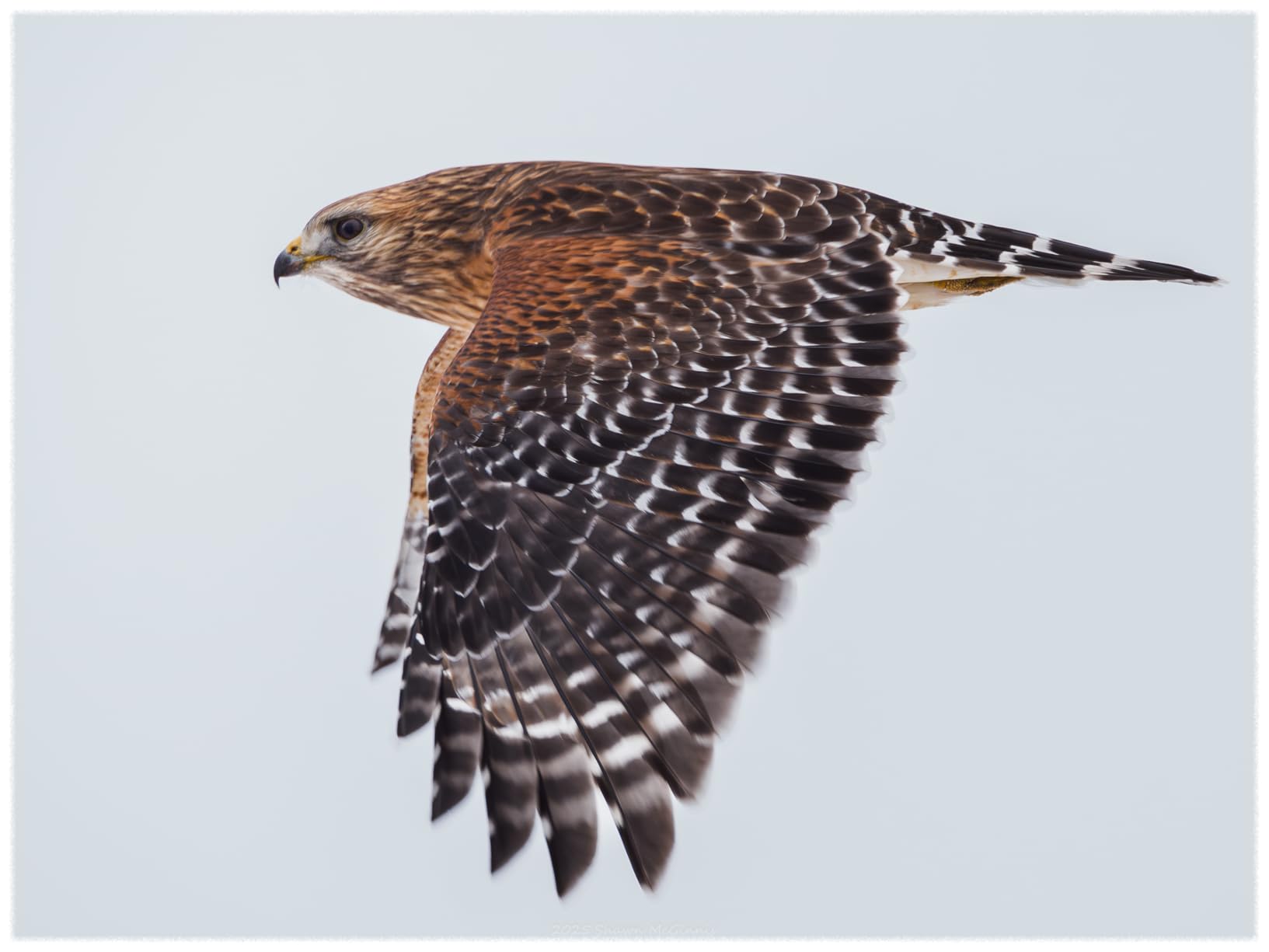
The variable aperture is the main compromise. At 300mm, you’re at f/6.7, which means you need good light or higher ISO settings. For daytime wildlife photography, this isn’t a major issue, but it limits the lens’s usefulness in other situations.
Build quality reflects the budget positioning. The plastic construction keeps weight down but doesn’t inspire the same confidence as the PRO lenses. There’s no weather sealing, so you’ll want to be careful in adverse conditions.
Who Should Buy This Lens
Beginners and budget-conscious photographers who want to explore telephoto photography without a major investment will love this lens. It’s perfect for getting started with wildlife and bird photography.
Who Should Look Elsewhere
If you need to shoot in low light, want weather sealing, or demand the highest optical quality, the 100-400mm or 40-150mm PRO lenses are better choices.
8. Olympus M.Zuiko 60mm f/2.8 Macro – The Specialist’s Choice
Pros
- True 1:1 macro magnification
- Weather sealed construction
- Internal focusing
- Works with focus bracketing
- Compact and lightweight
Cons
- Shallow DOF requires focus stacking
- Limited to macro/close-up use
Macro photography requires specialized tools, and the 60mm f/2.8 Macro delivers exactly what serious close-up photographers need. The true 1:1 magnification ratio means subjects appear life-size on the sensor, revealing incredible detail.
The 120mm equivalent focal length gives you more working distance than shorter macro lenses. This is crucial when photographing skittish insects or when you need room for lighting equipment. I’ve photographed flowers and small creatures without disturbing them.
Weather sealing is a standout feature that sets this apart from many macro lenses. Outdoor macro photographers often work in damp conditions, and the sealed construction provides peace of mind when shooting dew-covered subjects or in humid environments.
The internal focusing system means the lens doesn’t extend as you focus, maintaining consistent working distance. Combined with focus limit switch, autofocus performance is surprisingly quick for a macro lens.
Who Should Buy This Lens
Macro enthusiasts and product photographers who need true 1:1 reproduction will find this lens essential. The weather sealing makes it particularly suitable for field work.
Who Should Look Elsewhere
If macro photography is just an occasional interest, a close-up filter on a standard zoom might suffice. The 30mm f/3.5 Macro offers similar capabilities at a lower price with a shorter working distance.
9. Olympus M.Zuiko 20mm f/1.4 PRO – The Low-Light Specialist
Pros
- Incredibly sharp even at f/1.4
- Fast aperture for low light
- Compact and portable
- Weather sealed
- Beautiful bokeh
Cons
- Unusual focal length between standards
- Higher price point
The 20mm f/1.4 PRO fills an interesting niche in the OM System lineup. At 40mm equivalent, it’s slightly wider than the traditional 50mm standard, making it versatile for street photography, environmental portraits, and low-light work.
What sets this lens apart is its performance wide open. At f/1.4, it’s already incredibly sharp across the frame. This means you can actually use that fast aperture for low-light shooting without sacrificing image quality. Indoor events, evening street scenes, and dimly lit interiors are all fair game.
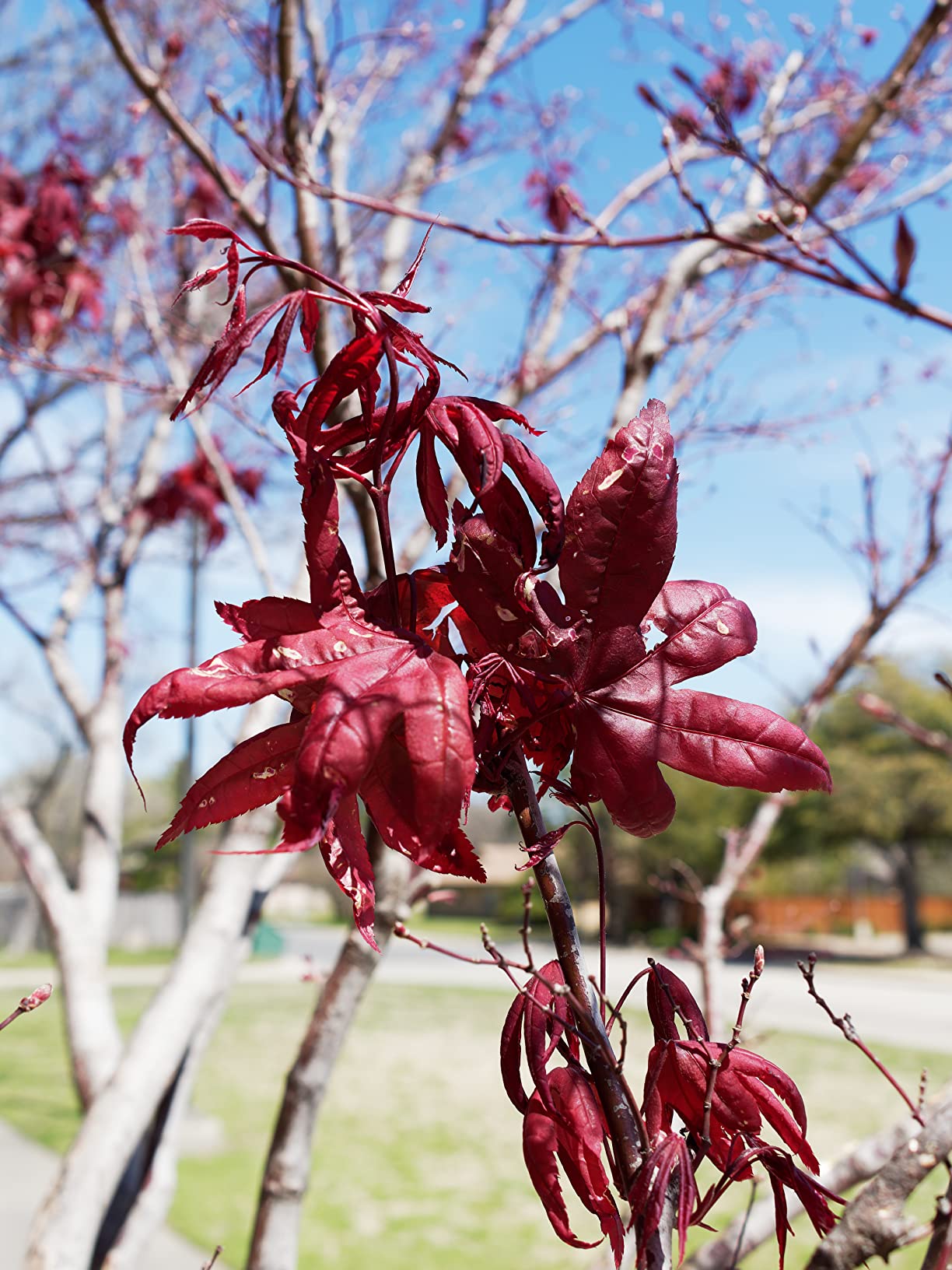
The compact size and weather sealing make this a perfect companion for the OM-1 or OM-5. I’ve carried it on evening walks through the city and appreciated how unobtrusive it is compared to larger lenses.
Bokeh quality is excellent, with smooth out-of-focus areas that complement the sharp subject rendering. The color rendering matches other PRO lenses, with that characteristic M.Zuiko warmth.
Who Should Buy This Lens
Street photographers and low-light specialists will appreciate the fast aperture and compact size. It’s also excellent for travel when you want a fast prime without the bulk.
Who Should Look Elsewhere
If you prefer the traditional 50mm equivalent, the 25mm f/1.8 or f/1.2 PRO might be better choices. The 17mm f/1.8 offers a wider 35mm equivalent if that’s your preferred focal length.
10. Olympus M.Zuiko 40-150mm f/4.0-5.6 R – The Entry-Level Telephoto
Pros
- Extremely lightweight and portable
- Excellent sharpness for the price
- Great value budget telephoto
- Nearly silent autofocus
- Compact for travel
Cons
- Variable aperture
- No image stabilization
- Not weather sealed
- Plastic construction
For photographers just starting with telephoto photography, the 40-150mm f/4.0-5.6 R offers exceptional value. This budget-friendly lens delivers impressive results for its price point, making it a popular choice among beginners.
What surprised me most was the sharpness. For a lens at this price, the optical quality is genuinely good. Images are crisp and detailed, especially when stopped down slightly. I’ve printed photos from this lens that look great at moderate sizes.

The lightweight design makes it perfect for travel and casual shooting. At just 10.5 ounces, you can carry it all day without fatigue. The compact size means it fits easily in a camera bag alongside other gear.
The compromises are expected at this price. There’s no weather sealing, the variable aperture limits low-light use, and build quality is primarily plastic. But for daytime outdoor photography, these limitations rarely matter.
Who Should Buy This Lens
Beginners building their first lens kit will find this an excellent second lens after a standard zoom. It’s also great for casual photographers who want telephoto reach without a significant investment.
Who Should Look Elsewhere
If you’re serious about telephoto photography or need to shoot in challenging conditions, the PRO versions offer significant improvements in build quality, aperture, and weather sealing.
11. OM System M.Zuiko 12-45mm f/4.0 PRO – The Compact Travel Zoom
Pros
- Exceptionally sharp with excellent contrast
- Extremely compact and lightweight
- Weather sealed
- Close focusing capability
- Works with focus stacking
Cons
- Constant f/4 aperture not ideal for low light
- Limited zoom range
- No focus distance scale
Reddit users consistently recommend the 12-45mm f/4.0 PRO as the “best one and done lens” for travel, and after using it extensively, I understand why. This lens manages to pack PRO-level optical quality into an incredibly compact package.
At just 1 pound, it’s one of the lightest PRO lenses in the lineup. The 24-90mm equivalent range covers the most commonly used focal lengths for travel photography. From wide landscapes to portrait-length compression, this lens handles it all.
Optical quality is outstanding. Sharpness and contrast are excellent across the frame at all focal lengths. The color rendition has that beautiful M.Zuiko character that many photographers love. Close focusing capability adds versatility for detail shots.
The constant f/4 aperture is the main limitation compared to the 12-40mm f/2.8. However, the significant size and weight savings make this an acceptable trade-off for travel photographers who prioritize portability.
Who Should Buy This Lens
Travel photographers who want maximum quality in minimum space will love this lens. It’s perfect for anyone who finds the 12-40mm f/2.8 too heavy for all-day carry.
Who Should Look Elsewhere
If you need the faster f/2.8 aperture for low-light work or maximum background separation, the 12-40mm PRO II is worth the extra weight and cost.
12. OM System M.Zuiko 100-400mm f/5.0-6.3 IS II – The Wildlife Specialist
Pros
- Excellent image quality throughout range
- Remarkable 7-stop Sync IS
- Great for bird and wildlife
- Compatible with teleconverters
- Weather sealed
Cons
- Expensive
- Variable aperture
- Heavy for some users
The 100-400mm f/5.0-6.3 IS II represents the latest in OM System’s telephoto technology. With a 200-800mm equivalent reach and remarkable image stabilization, it’s designed specifically for wildlife and bird photographers.
The Sync IS system is genuinely impressive. When paired with an OM-1 or OM-1 Mark II, you get up to 7 stops of stabilization. I’ve handheld shots at 400mm that would have been impossible without this technology, which is one reason it’s often mentioned among the best OM System lenses for photographers who need reliable handheld performance. The difference between having this lens and a conventional telephoto is night and day.
Autofocus performance matches the professional positioning. The lens tracks moving subjects well, with good eye detection for birds and wildlife. Even with teleconverters attached, performance remains acceptable for most situations.
At nearly 3 pounds, this is one of the heavier options in the OM System lineup. However, compared to full-frame alternatives with similar reach, it’s remarkably compact. The included tripod mount is a nice touch for those who prefer additional stability.
Who Should Buy This Lens
Serious wildlife and bird photographers who need maximum reach will find this lens invaluable. The stabilization system makes handheld shooting practical at focal lengths that would typically require a tripod.
Who Should Look Elsewhere
If you’re just starting with wildlife photography, the 75-300mm offers similar reach at a fraction of the price. The 150-400mm f/4.5 PRO is the ultimate choice for professionals who can justify the investment.
How to Choose the Right OM System Lens In 2026?
Selecting the right lens depends on your photography style, budget, and the camera body you’re using. Here’s what I’ve learned from years of shooting with the OM System.
Understanding Focal Length Equivalents
OM System uses the Micro Four Thirds format, which has a 2x crop factor compared to full-frame cameras. This means a 25mm lens behaves like a 50mm on full-frame, and a 40-150mm gives you 80-300mm equivalent reach. The crop factor works in your favor for telephoto, giving you more reach from smaller lenses.
PRO vs. Non-PRO Lenses: What’s the Difference
PRO lenses offer weather sealing, faster apertures (often constant), better build quality, and typically superior optics. They’re also more expensive and heavier. Non-PRO lenses are more affordable and lighter but usually have variable apertures and lack weather sealing.
For most photographers, I recommend starting with one PRO zoom (either the 12-40mm f/2.8 or 12-45mm f/4) and building from there. The optical quality and weather sealing are worth the investment for your primary lens.
Weather Sealing Explained
OM System’s weather sealing is among the best in the industry. PRO lenses feature extensive sealing at buttons, rings, and joints. Combined with a weather-sealed body like the OM-1, you can shoot confidently in rain, snow, and dusty conditions. This is a major advantage for outdoor photographers.
Sync IS Technology Benefits
Sync IS combines in-lens stabilization with in-body image stabilization for remarkable shake reduction. When compatible lenses are paired with OM System bodies, you can achieve up to 7 stops of stabilization. This makes handheld shooting possible in situations where you’d normally need a tripod.
Lens Recommendations by Photography Style
Travel Photography: The 12-45mm f/4 PRO or 12-100mm f/4 IS PRO are ideal. Both offer excellent quality in travel-friendly packages. The 12-100mm gives you more reach but weighs more.
Portrait Photography: The 45mm f/1.8 is the best value, while the 45mm f/1.2 PRO offers weather sealing and even better bokeh. For environmental portraits, the 20mm f/1.4 PRO or 25mm primes work well.
Wildlife Photography: The 100-400mm f/5.0-6.3 IS II offers the best balance of reach and stabilization. Budget-conscious shooters can start with the 75-300mm f/4.8-6.7.
Street Photography: Compact primes like the 17mm f/1.8, 20mm f/1.4 PRO, or 25mm f/1.8 are perfect. They’re discreet, fast, and produce excellent results.
Macro Photography: The 60mm f/2.8 Macro offers true 1:1 magnification with weather sealing. For more working distance, the 90mm f/3.5 Macro IS PRO is excellent.
Building Your Lens Collection
From my experience and forum discussions, here’s a sensible approach to building your OM System lens collection:
Budget Starter Kit: 12-45mm f/4 PRO + 40-150mm f/4.0-5.6 R. This combination covers most situations at an affordable price point.
Enthusiast Kit: 12-40mm f/2.8 PRO II + 45mm f/1.8. This gives you a professional standard zoom and a fast portrait prime.
Professional Kit: 12-40mm f/2.8 PRO II + 40-150mm f/2.8 PRO + 45mm f/1.8. This two-zoom-plus-prime setup handles virtually any situation.
Travel Light Kit: 12-100mm f/4 IS PRO. One lens that does it all, perfect when you want to travel with minimal gear.
Frequently Asked Questions
Are Olympus lenses compatible with OM System cameras?
Yes, all Olympus M.Zuiko lenses are fully compatible with OM System cameras. The Micro Four Thirds mount remains unchanged, and both Olympus and OM System branded lenses work seamlessly on any MFT camera body. Features like autofocus, image stabilization, and lens communication work identically regardless of the branding.
Which OM System lens should I buy first?
For most photographers, the 12-45mm f/4 PRO or 12-40mm f/2.8 PRO II is the best first lens. These standard zooms cover the most useful focal lengths (24-80mm or 24-90mm equivalent) and offer professional optical quality. If budget is a concern, the 45mm f/1.8 makes an excellent first prime lens for portraits.
What is Sync IS and how does it work?
Sync IS is OM System’s coordinated image stabilization system that combines in-lens and in-body stabilization. When a compatible lens is attached to an OM System camera body, the two systems work together to provide up to 7 stops of shake reduction. This allows handheld shooting at much slower shutter speeds than would otherwise be possible.
Are OM System lenses good for professional photography?
Absolutely. OM System PRO lenses deliver optical quality that rivals or exceeds many full-frame alternatives. The combination of excellent sharpness, weather sealing, and compact size makes them popular among professional travel, wildlife, and documentary photographers. Many working professionals choose OM System specifically for the portability without sacrificing quality.
Can I use Panasonic lenses on OM System bodies?
Yes, any Micro Four Thirds lens from Panasonic, Sigma, or other manufacturers will mount and work on OM System cameras. However, some features may be limited. Panasonic lenses with OIS may not sync with OM System’s Sync IS system, and some advanced features like focus stacking may require OM System lenses. Basic functionality including autofocus and aperture control works perfectly.
Conclusion
OM System lenses offer an exceptional combination of optical quality, compactness, and weather sealing that’s hard to find elsewhere. Whether you’re a professional photographer or an enthusiastic hobbyist, there’s an M.Zuiko lens that will serve your needs.
For most photographers, I recommend starting with the 12-40mm f/2.8 PRO II as your primary lens. Its versatility, weather sealing, and professional optical quality make it an investment that will serve you well for years. Add the 45mm f/1.8 for portraits and the 40-150mm f/4.0 PRO for telephoto reach as your budget allows.
The Micro Four Thirds system continues to evolve, with OM System committed to developing new lenses and improving existing designs. For photographers looking to expand their kit with the best OM System lenses, this ongoing development ensures a growing selection of high-quality options. If you’re invested in this system, you can feel confident that your lens collection will remain relevant for years to come.