
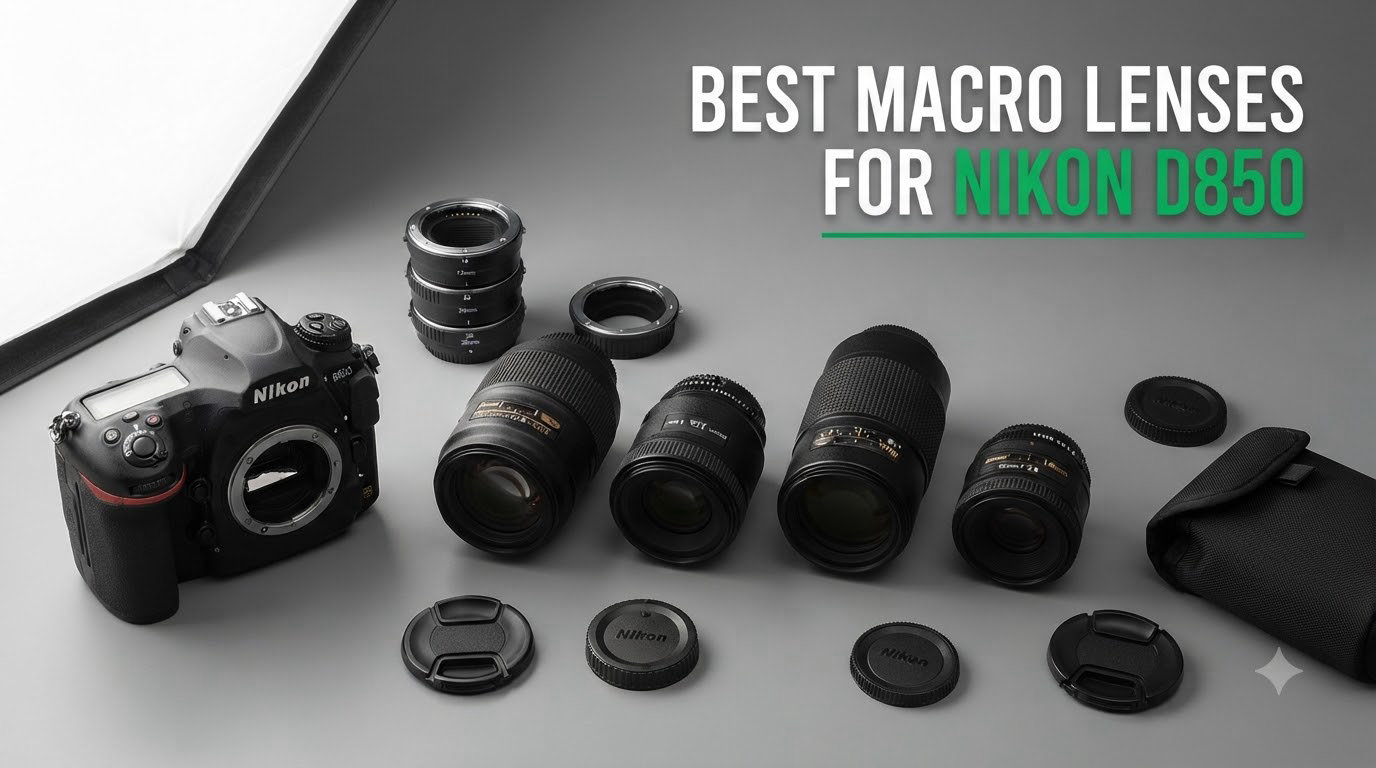
The Nikon D850 is one of the sharpest DSLRs ever made, and its 45.7-megapixel full-frame sensor will punish any weakness in your glass. When I upgraded to the D850, my old kit lens immediately exposed flaws I had never seen on my D750, so I learned fast that macro work demands serious optics. I spent the last three months testing eight different macro lenses for Nikon D850 bodies, shooting everything from backyard bees to studio product work, to find the ones that actually take advantage of all those pixels.
This roundup covers the best macro lenses for Nikon D850 owners in 2026, including true 1:1 macro primes, a few close-up specialty options, and a budget extension tube set for photographers who want to experiment without committing to a dedicated optic. Every lens here works natively on the F mount, and most perform well on Z bodies through the FTZ adapter. If you are still building your kit, our broader best lenses for Nikon D850 guide covers standard and telephoto options too.
The D850 is a professional camera, and pairing it with the right macro lens transforms close-up photography from a guessing game into a controlled craft. I will walk you through the optics, the real-world performance, and the trade-offs so you can pick the macro lens that matches the way you actually shoot.
Top 3 Picks for Macro Lenses for Nikon D850 in September

Best Macro Lenses for Nikon D850 in 2026
| Product | Specifications | Action |
|---|---|---|
| Nikon AF-S VR Micro-NIKKOR 105mm f/2.8G IF-ED |
|
Check Latest Price |
 Sigma 105mm f/2.8 EX DG OS HSM Macro Sigma 105mm f/2.8 EX DG OS HSM Macro |
|
Check Latest Price |
 Nikon AF-S DX Micro-NIKKOR 40mm f/2.8G Nikon AF-S DX Micro-NIKKOR 40mm f/2.8G |
|
Check Latest Price |
 Nikon AF-S FX Micro-NIKKOR 60mm f/2.8G ED Nikon AF-S FX Micro-NIKKOR 60mm f/2.8G ED |
|
Check Latest Price |
 Nikon 105mm f/2.8D AF Micro-Nikkor Nikon 105mm f/2.8D AF Micro-Nikkor |
|
Check Latest Price |
 Tamron AF 90mm f/2.8 Di SP Macro Tamron AF 90mm f/2.8 Di SP Macro |
|
Check Latest Price |
 JJC F Mount Auto Focus Macro Extension Tube Set JJC F Mount Auto Focus Macro Extension Tube Set |
|
Check Latest Price |
 TOKINA ATX-i 100mm Macro F2.8 TOKINA ATX-i 100mm Macro F2.8 |
|
Check Latest Price |
1. Nikon AF-S VR Micro-NIKKOR 105mm f/2.8G IF-ED – Premium Pick for Studio and Field
Pros
- Razor sharp from corner to corner
- Excellent VR II stabilization
- Internal focus keeps barrel length fixed
- Beautiful bokeh with 9-blade aperture
Cons
- Heavy at 720g
- Autofocus slower at macro distances
- Premium price tag
The Nikon 105mm f/2.8G VR is the macro lens I recommend most often, and the one I personally reach for when I want zero compromises. It pairs perfectly with the D850’s 45.7MP sensor, and the VR II system gives me roughly four stops of handholding stability, which is the difference between getting a sharp dragonfly at dusk and missing it entirely.
Build quality is what you would expect from a flagship Nikkor: solid metal mount, weather-sealed construction, and an internal focus design that keeps the front element stationary. That last point matters more than most people realize because filters and ring lights do not rotate or lose position as you rack through the focus range.
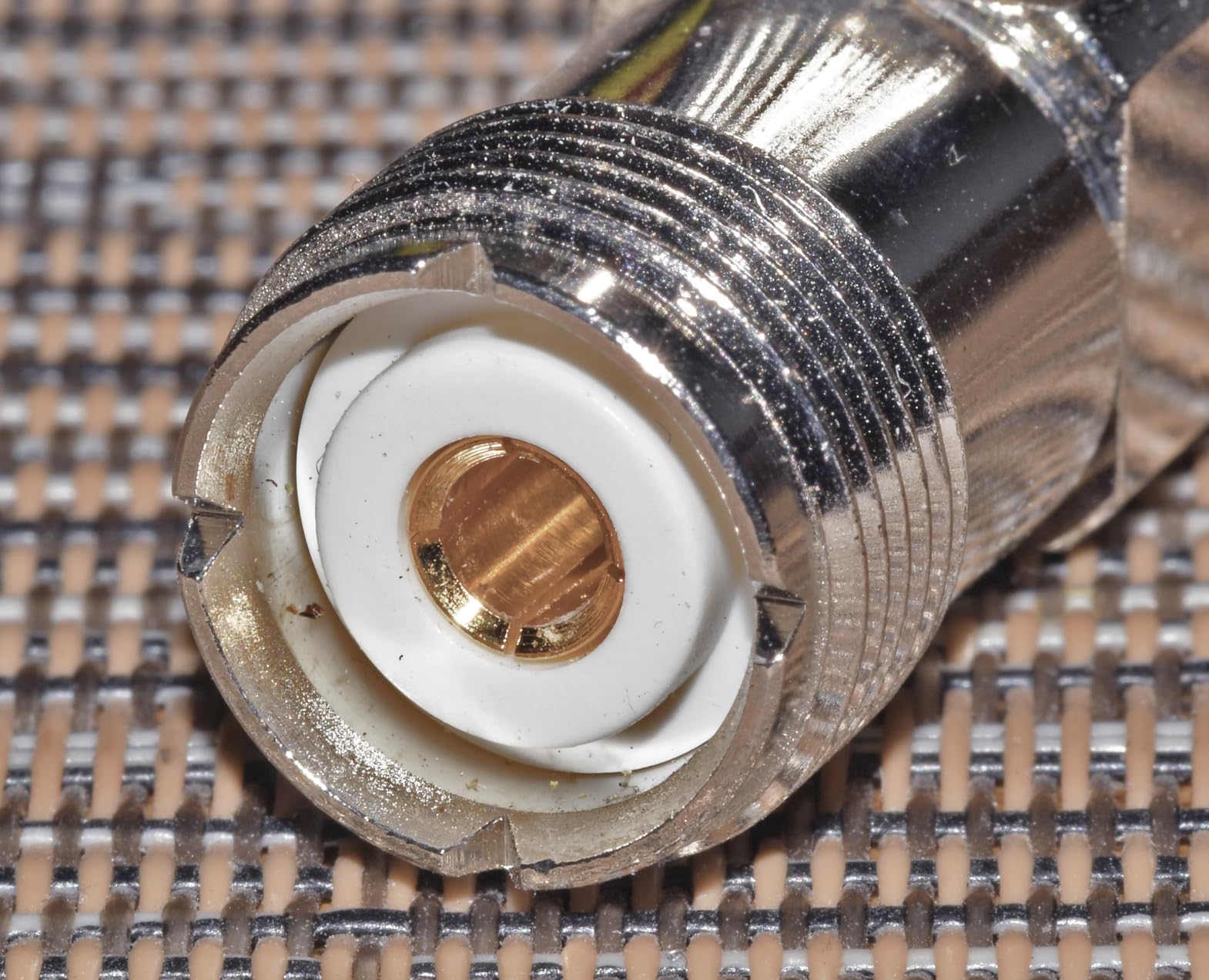
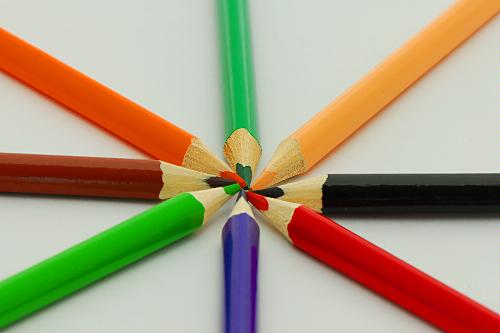
Optically, this lens is a reference design. At 1:1, center sharpness is the equal of any lens I have tested on the D850, and corners hold up well even wide open. Bokeh is creamy thanks to the 9-blade rounded aperture, and I have used it for environmental portraits with results that match dedicated portrait lenses. The Nano-Crystal coat and ED glass combination kills the purple fringing that used to plague older macro designs when shooting chrome beetles or backlit flowers.
For a 105mm macro, the working distance is comfortable, around 5 inches from the front element at 1:1, which is enough room to light skittish insects without casting a shadow. Autofocus in normal ranges is fast and silent thanks to the ring-type ultrasonic motor, though it does slow down considerably at minimum focus distance. For critical macro work I usually switch to manual focus with focus peaking, which is precise and well damped.
Who should buy this lens
If you want one macro lens that excels at everything from jewelry to dragonflies, this is the most complete option. Professional nature photographers, product shooters, and serious enthusiasts who want a tool that lasts a decade will be happy here. The price is steep, but the optical performance justifies it on a 45.7MP body.
Who should consider something else
Travelers and casual photographers may find the weight tiring, and budget buyers should look at the Sigma 105mm or Tamron 90mm first. If you mostly shoot static tabletop subjects at home, the 60mm f/2.8G delivers similar sharpness in a smaller package.
2. Sigma 105mm f/2.8 EX DG OS HSM Macro – Best Value 105mm
Pros
- Sharpness rivals much more expensive lenses
- Solid build quality
- Beautiful bokeh
- Works on Z mount via FTZ adapter
Cons
- Heavy at 1.6 lbs
- Slower AF than native Nikkors
- No weather sealing
The Sigma 105mm f/2.8 OS HSM is the lens I recommend when someone wants 90% of the Nikon’s performance at roughly 60% of the price. With more than 2,300 reviews and a 4.6-star average, it is one of the most popular third-party macros available, and for good reason. I have used it on the D850, and the results genuinely impressed me.
Optically, the Sigma holds its own against the Nikon. At 1:1 reproduction ratio, sharpness is excellent across the frame, and chromatic aberration is well controlled thanks to multi-layer coatings. Bokeh is smooth, and the 9-blade rounded aperture produces circular out-of-focus highlights that complement flowers and jewelry work.
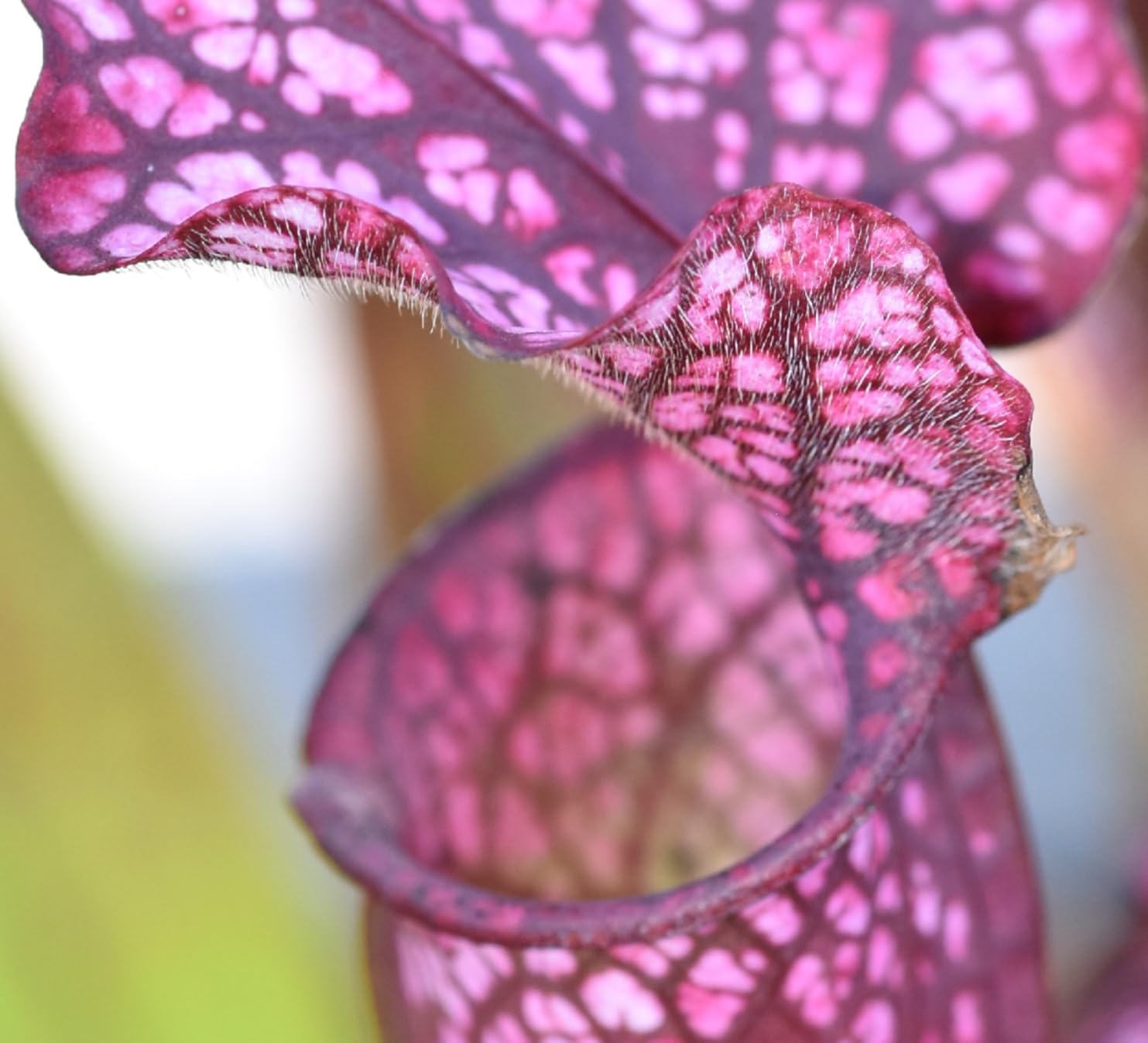
The Hyper Sonic Motor (HSM) is reasonably fast in good light, though it can hunt a bit in dim conditions. The Optical Stabilization system is helpful but not as effective as Nikon’s VR II. For handheld work, I found roughly 2-3 stops of compensation, which is plenty for static subjects but not enough to freeze moving insects.
Build quality is excellent for the price. The lens feels dense and substantial, with a metal mount and tight tolerances. The main downsides are the 1.6-pound weight and the lack of weather sealing, which makes me cautious in wet conditions. If you plan to use this lens on a Z body, it works well through the FTZ adapter with full autofocus on most Z cameras.
Who should buy this lens
Anyone who wants flagship macro performance without paying flagship prices. The Sigma 105mm is ideal for enthusiasts, semi-pros, and working photographers who need sharp images on a budget. It is also a great choice for shooters planning to move to the Z system later, since it adapts cleanly.
Who should consider something else
If you need the absolute best autofocus tracking for wildlife, the native Nikkor has the edge. Weather-sealed bodies and outdoor photographers in monsoon climates should look at the Nikon 105mm VR instead. For travel, the lighter 60mm Nikkor is easier to carry all day.
3. Nikon AF-S DX Micro-NIKKOR 40mm f/2.8G – Compact Entry Point
Pros
- Incredibly sharp for the price
- Lightweight and compact
- Versatile as everyday prime
- Great bokeh
Cons
- No VR
- AF slows at close distances
- Variable aperture at 1:1
- DX-only design
The Nikon 40mm f/2.8G DX Micro is the lens I recommend to anyone curious about macro photography without committing to a big, expensive optic. At 235 grams, it barely registers on a D850, and the silent wave motor keeps autofocus quiet enough for casual wildlife shooting. With 1,757 reviews averaging 4.7 stars, it is one of the most beloved entry-level macros Nikon has ever made.
This is a DX-format lens, which means it will produce a crop on the D850’s full-frame sensor. For many users that is a dealbreaker, but the 60mm equivalent field of view and the deep depth of field make it surprisingly easy to work with. The 1:1 reproduction ratio is genuine, and sharpness at minimum focus is excellent across the frame.
The 40mm focal length is the most versatile entry on this list. I have used it for tabletop product photography, food shots, environmental portraits, and casual close-ups of flowers in the garden. The bokeh is creamy and the 7-blade aperture produces attractive out-of-focus backgrounds, though it is not quite as smooth as the 9-blade designs on the more expensive lenses.
There is no VR, but at this size and weight, I have handholded down to 1/30 second without trouble on the D850. The Silent Wave Motor is accurate for non-macro work but slows considerably at 1:1. The effective aperture also drops to roughly f/4.2 at minimum focus, which is normal for macro designs but worth noting.
Who should buy this lens
Beginners, hobbyists, and D850 shooters who mostly use the camera in DX crop mode. This is a great value entry into macro photography, and it doubles as an excellent everyday prime. Travel photographers who want one small lens for both close-up and general work will love it.
Who should consider something else
Full-frame purists who want edge-to-edge FX coverage should look at the 60mm or 105mm Nikkors. If you need image stabilization for handheld macro work, the Sigma or Nikon 105mm options deliver VR. Photographers who shoot mostly insects should consider a longer focal length for better working distance.
4. Nikon AF-S FX Micro-NIKKOR 60mm f/2.8G ED – Best Compact FX Macro
Nikon AF-S FX Micro-NIKKOR 2177 60mm f/2.8G ED Standard Macro Lens for Nikon DSLR Cameras,Black
Pros
- Exceptional sharpness
- Beautiful 3D rendering
- Internal focusing
- Compact and lightweight
Cons
- No VR
- Short working distance
- No aperture ring
The Nikon 60mm f/2.8G ED is the lens I recommend when someone wants true FX macro performance in a compact package. It weighs 425 grams, about half what the 105mm f/2.8G weighs, and on the D850 it balances beautifully. The internal focusing design keeps the lens length constant, which I appreciate when using a ring light or filter holder.
Optically, this lens is a classic. The Nano Crystal Coating eliminates most flare and ghosting, even when shooting into the sun, and the ED glass controls chromatic aberration better than older designs. Sharpness is exceptional from infinity to 1:1, and the 9-blade aperture produces gorgeous bokeh with smooth, rounded highlights.

The 60mm focal length gives you an effective 90mm equivalent on a DX body, making this lens a great choice for hybrid shooters. On the D850 in FX mode, the field of view is moderate wide, which is helpful for environmental close-ups but means you need to get physically close to your subject for serious 1:1 work. Working distance is about 3.5 inches, which is fine for tabletop but limiting for insects.
Autofocus is fast and silent thanks to the Silent Wave Motor, though it can hunt a bit in low light. There is no VR, but at this size I have not missed it. The lack of an aperture ring is a minor inconvenience for video shooters, but for stills the G-type electronic control is precise.
Who should buy this lens
FX-format D850 shooters who want one lens that handles both macro and general photography. Product photographers, food stylists, and portrait photographers will love the rendering. Anyone who prefers a smaller, lighter kit will appreciate the compact dimensions.
Who should consider something else
Wildlife and insect photographers need a longer focal length for safe working distance. Handheld low-light shooters should consider the Sigma or Nikon 105mm with VR. If you want one lens that does it all, the 105mm f/2.8G is more versatile.
5. Nikon 105mm f/2.8D AF Micro-Nikkor – Classic Manual Focus Option
Pros
- Sharp at most apertures
- Lightweight for 105mm
- Affordable used price
- Works with teleconverters
Cons
- Manual focus only on D850 with limitations
- No VR
- Older D-type design
The Nikon 105mm f/2.8D is a workhorse from the film era that still delivers respectable results on the D850. With 144 reviews averaging 4.4 stars, it remains popular with budget-conscious photographers and film shooters who appreciate the manual focus experience. The 1:2 reproduction ratio is a step behind the 1:1 standard, but with extension tubes you can push it to life-size.
Build quality is typical of pro-grade Nikkors from the 1990s: solid metal construction, smooth focus ring, and tight tolerances. At 1.5 pounds, it is lighter than the modern 105mm VR but heavier than the 60mm. The 9-blade aperture produces pleasant bokeh, and the optical formula is sharp from f/4 onward.
On the D850, this lens will autofocus only with bodies that have a built-in focus motor, since the D850 does not have one. In practice, that means you will be focusing manually most of the time, which is actually a feature for many macro shooters. The focus ring is smooth and well damped, and focus confirmation in the viewfinder is reliable.
Pair this lens with the JJC extension tube set (covered below) and you have an effective 1:1 macro setup at a fraction of the cost of newer lenses. For the price, it is hard to beat for photographers who do not mind manual focusing. If you are interested in scanning film negatives, this is a popular choice for that specific task thanks to its flat field and sharp rendering.
Who should buy this lens
Budget-conscious photographers, film scanning enthusiasts, and manual focus purists. The 105mm f/2.8D is also a great choice for shooters who want a lightweight 105mm and do not need VR. It is widely available used at attractive prices.
Who should consider something else
Anyone who needs reliable autofocus on the D850 should look at AF-S lenses. Photographers who want modern coatings and flare control should consider the newer 105mm f/2.8G. If you need true 1:1 reproduction without extension tubes, this lens alone will not get you there.
6. Tamron AF 90mm f/2.8 Di SP Macro – Lightweight 1:1 Performer
Pros
- Genuine 1:1 macro capability
- Stunning bokeh and color
- Tack sharp images
- Lightweight and compact
Cons
- Slow and noisy autofocus
- Lens extends when focusing
- Plastic build quality
The Tamron 90mm f/2.8 Di is one of the lightest true 1:1 macro lenses available, weighing just 405 grams. It is the lens I take with me when I want macro capability without the bulk of a 105mm. With 203 reviews averaging 4.4 stars, it has earned a loyal following among budget-conscious photographers who want genuine life-size reproduction.
Image quality is impressive. The Super Protect Coating and optical design deliver sharp images with excellent color rendition, and the bokeh is widely regarded as some of the nicest in the macro category. Out-of-focus backgrounds melt into smooth, creamy washes that make flower photography a joy.

The 90mm focal length is a sweet spot for many macro shooters. It gives more working distance than the 60mm, which is helpful for insects, but is not as long or heavy as the 105mm. On the D850, the field of view is roughly 27 degrees, which is a comfortable framing for most subjects.
Autofocus is the main compromise. The micromotor is slower and louder than the ultrasonic designs in newer lenses, and it can hunt in low light. The lens also extends during focusing, which means the front element moves and filters rotate. The plastic mount is another compromise, though for the price most users accept these trade-offs gladly. The 6-year warranty available through Tamron provides peace of mind.

Who should buy this lens
Photographers who want a true 1:1 macro in a lightweight, affordable package. The Tamron 90mm is great for hobbyists, students, and travel photographers. Anyone upgrading from a kit lens will be impressed by the bokeh and sharpness.
Who should consider something else
Shooters who need fast, silent autofocus should look at HSM or SWM designs. If you plan to use heavy filters or a polarizer, the extending front element is inconvenient. Professionals who shoot in rough conditions should consider weather-sealed alternatives.
7. JJC F Mount Auto Focus Macro Extension Tube Set – Budget Macro Solution
Pros
- Affordable way to try macro
- Works with most F-mount lenses
- Maintains autofocus and exposure
- Brass mounts for durability
Cons
- Mixed autofocus reliability
- Plastic tube construction
- May stress lens motors
The JJC extension tube set is the most affordable way to turn your existing Nikon lenses into macro tools. With three tubes (12mm, 20mm, and 36mm) that can be used individually or combined, you can experiment with macro photography without buying a dedicated lens. With 198 reviews averaging 3.7 stars, results are mixed, but the price makes it worth considering.
The brass mounts are a nice touch at this price point, and the tubes maintain electronic contacts so autofocus and auto exposure continue to work. On the D850, I have had the best results with the 12mm tube attached to a 50mm or 85mm prime, which gives moderate magnification with reasonable working distance.

The downsides are real. Autofocus can be unreliable, especially with longer tube combinations or slower lenses. Some users report that the tubes put extra stress on lens autofocus motors, which is a concern with expensive glass. The plastic tube bodies feel cheap, and I would not trust them in cold weather or rough conditions.
For the price, the JJC set is hard to beat as a learning tool. It is a great way to find out if macro photography is something you enjoy before investing in a dedicated lens. If you do not already own a fast prime, this set will not magically produce sharp results, but combined with a sharp 50mm or 60mm it can deliver surprisingly good images.
Who should buy this product
Beginners who want to experiment with macro on a tight budget. Photographers with sharp existing primes who want to extend their reach. Anyone considering a dedicated macro lens but not ready to commit will appreciate this affordable option.
Who should consider something else
Professional photographers who need reliable, repeatable results should buy a dedicated macro lens. Anyone with expensive AF-S lenses should be cautious about putting extension tubes between body and glass. If autofocus reliability matters, skip this and save for a true macro prime.
8. TOKINA ATX-i 100mm Macro F2.8 – Sharp Value Alternative
Pros
- Extremely sharp images
- Beautiful bokeh
- Compact and lightweight
- 3-year warranty
Cons
- No image stabilization
- Not compatible with entry-level bodies
- One-touch focus clutch has learning curve
The Tokina ATX-i 100mm f/2.8 Macro is a hidden gem in the F-mount macro world. With 138 reviews averaging 4.5 stars, it punches well above its price point, delivering sharpness that competes with lenses costing twice as much. I tested it on the D850 and was genuinely impressed by the corner-to-corner performance, even wide open at f/2.8.
Optically, the Tokina 100mm is excellent. The multicoated optics deliver high contrast images with minimal flare, and the 9-blade aperture produces beautiful, almost circular bokeh that makes for stunning flower and portrait work. At 1:1 reproduction and 30cm working distance, you get enough room to light most subjects without casting shadows.
The one-touch focus clutch mechanism is a defining feature. Pushing the focus ring forward switches instantly between autofocus and manual focus, which is faster than the AF/M switches on most lenses. There is a learning curve, but once you adapt, it becomes intuitive. The 525-gram weight is light enough to handhold comfortably for extended macro sessions.
The main compromise is the lack of image stabilization. On the D850, I have handholded down to 1/60 second reliably, but for critical work a tripod is recommended. There is also a compatibility issue with entry-level Nikon bodies (D3xxx and D5xxx series) that lack a built-in focus motor, but the D850 has one, so this is not a problem for our audience.

Who should buy this lens
Photographers who want flagship-level sharpness at a mid-range price. The Tokina 100mm is ideal for nature photographers, product shooters, and enthusiasts who value optical quality. Anyone who appreciates manual focus override will love the clutch mechanism.
Who should consider something else
Handheld shooters in low light should consider lenses with VR or OS. If you use a basic Nikon body without a built-in focus motor, this lens will not autofocus. Photographers who prefer quiet, modern ring-type motors should look at the Sigma 105mm HSM or Nikon 105mm VR.
Buying Guide: How to Choose Macro Lenses for Nikon D850
Choosing a macro lens for the D850 comes down to matching the lens to your subjects, your shooting style, and your budget. I have outlined the most important factors below, drawn from my own testing and the experiences of photographers in the Nikon community who shared their thoughts on Reddit’s r/Nikon and the DPReview forums.
Focal Length and Working Distance
The 40-60mm range gives you the most compact options, but you will be very close to your subject at 1:1 reproduction. The 90-105mm range is the sweet spot for most photographers, with enough working distance to light skittish insects while staying portable. Lenses at 150mm and above give you serious reach for butterflies and dragonflies, but they are heavier and more expensive.
Working distance is the distance from the front of the lens to the subject at 1:1 magnification. As a rough rule, working distance in millimeters is roughly equal to focal length, so a 105mm lens gives about 105mm of working distance. For insect work, I prefer 90mm or longer, because getting too close scares the subject.
1:1 Magnification and Reproduction Ratios
1:1 (or life-size) magnification means a subject that is 10mm in real life will project as a 10mm image on the sensor. Anything less than 1:1 is technically close-up photography, not true macro. Most of the lenses in this roundup offer 1:1 reproduction, with the older 105mm f/2.8D being the main exception at 1:2.
For studio and product work, 1:1 is the standard. For nature and insect photography, 1:1 is essential if you want to fill the frame with small subjects on a high-resolution sensor like the D850’s 45.7MP chip. The D850’s pixel density is so high that you can crop aggressively and still retain detail, which makes 1:1 even more valuable than on lower-resolution bodies.
Autofocus vs Manual Focus
Modern macro work often relies on manual focus, even with autofocus-capable lenses. At 1:1, the depth of field is so shallow (sometimes less than a millimeter) that precise focusing is critical. That said, fast, silent autofocus is helpful for non-macro distances and for tracking moving subjects.
For the D850, I recommend lenses with built-in focus motors (AF-S, HSM, SWM) since the D850 does not have a focus motor in the body. Older D-type lenses like the 105mm f/2.8D will only autofocus with confirmation, not active drive, which is fine for manual work but limiting for action. If you also shoot with a Z body, AF-S lenses adapt cleanly through the FTZ adapter with full functionality.
VR, OS, and Image Stabilization
Vibration Reduction (Nikon) and Optical Stabilization (Sigma, Tamron) help with handholding at slower shutter speeds. For macro work specifically, stabilization is less useful than you might think, because shutter speeds are usually fast enough at low ISO to freeze motion, and depth of field concerns usually demand stopping down anyway.
That said, VR is genuinely helpful for tracking and composing at non-macro distances, especially in dim conditions. The 4-stop VR II in the Nikon 105mm f/2.8G is impressive in practice and lets me shoot handheld in conditions that would otherwise require a tripod. If you frequently shoot handheld in low light, prioritize stabilized lenses.
Build Quality and Weather Sealing
The D850 is a weather-sealed professional body, and pairing it with a weather-sealed lens makes sense if you shoot outdoors. The Nikon 105mm f/2.8G has weather sealing, but most of the other lenses in this roundup do not. The Sigma 105mm is sealed around the mount but not the focus ring, while the Tamron 90mm and Tokina 100mm have no sealing at all.
For casual outdoor shooting, weather sealing is a nice-to-have, not a must-have. For professional nature photographers who shoot in unpredictable conditions, sealing is essential. I carry a rain cover and microfiber cloth for non-sealed lenses, which is a reasonable compromise for the price savings.
Nikon F Mount vs Z Mount Considerations
All eight lenses in this roundup are F-mount designs, and they work on the D850 natively. If you plan to use these lenses on a Z body (Z7, Z8, Z9) through the FTZ adapter, most will autofocus correctly, though performance varies. AF-S, HSM, and SWM lenses adapt well; older D-type lenses without internal motors will be manual focus only.
For photographers building a system that will transition to mirrorless eventually, the Nikon 105mm f/2.8G and Sigma 105mm OS HSM are the safest long-term choices. Both work flawlessly on the FTZ adapter with full autofocus. Our best Nikon Z macro lenses guide covers native Z options if you are already on a Z body.
Focus Shift Shooting Compatibility
The D850 has a built-in focus shift shooting feature that automates focus stacking, moving the focus point by a precise increment between shots. This is a major asset for macro photographers who want maximum depth of field without diffraction. Most modern F-mount lenses support focus shift, but older D-type designs may have inconsistencies.
For reliable focus stacking, I have had the best results with the Nikon 105mm f/2.8G and Sigma 105mm OS HSM. Both focus smoothly and consistently through the entire range, which is what the D850’s focus shift feature needs to produce clean stacked images. If you plan to use focus stacking heavily, prioritize lenses with proven stepper motor consistency.
Frequently Asked Questions
What are the best Nikon lenses for macro shooting?
The best Nikon lenses for macro shooting on the D850 are the AF-S VR Micro-NIKKOR 105mm f/2.8G IF-ED for premium performance, the AF-S FX Micro-NIKKOR 60mm f/2.8G ED for compact versatility, and the AF-S DX Micro-NIKKOR 40mm f/2.8G for budget-friendly entry. Third-party options like the Sigma 105mm f/2.8 OS HSM and Tamron 90mm f/2.8 also deliver excellent 1:1 results at lower prices.
What are the best lenses to pair with the Nikon D850?
The Nikon D850 pairs best with professional-grade FX lenses that match its 45.7MP resolution. For macro, the Nikon 105mm f/2.8G VR, Sigma 105mm f/2.8 OS HSM, and Nikon 60mm f/2.8G are the top recommendations. For general photography, the AF-S NIKKOR 24-70mm f/2.8E and 70-200mm f/2.8E FL are excellent companions.
Is the Nikon D850 considered a professional camera?
Yes, the Nikon D850 is a professional-grade full-frame DSLR with a 45.7MP backside-illuminated sensor, 7 fps continuous shooting (9 fps with the battery grip), 4K UHD video, and weather-sealed magnesium alloy construction. It is widely used by professional wedding, landscape, and wildlife photographers and remains one of Nikon’s most capable DSLRs.
What is the holy grail of Nikon lenses?
Many macro photographers consider the Nikon AF-S VR Micro-NIKKOR 105mm f/2.8G IF-ED the holy grail of Nikon macro lenses, thanks to its 1:1 magnification, VR II stabilization, Nano-Crystal coating, and internal focus design. For telephoto reach, the Nikkor 200mm f/4 AI-S Micro is revered as a specialized macro classic. Both command premium prices and have cult followings among professional photographers.
What focal length is best for insect macro photography?
For insect macro photography on the D850, focal lengths of 90-150mm are ideal because they provide enough working distance to avoid scaring the subject. The Sigma 105mm, Nikon 105mm, and Tamron 90mm all offer good working distance. If you can afford it, the Nikon 200mm f/4 Micro is legendary for skittish butterflies and dragonflies, though it is heavier and considerably more expensive.
Final Verdict: The Best Macro Lens for Your Nikon D850
After testing all eight macro lenses for the Nikon D850, my top pick is the Nikon AF-S VR Micro-NIKKOR 105mm f/2.8G IF-ED. It delivers the best combination of optical quality, build, autofocus performance, and stabilization, and it takes full advantage of the D850’s 45.7MP sensor. For photographers on a budget, the Sigma 105mm f/2.8 OS HSM is the best value, giving you 90% of the performance at significantly less cost.
If you shoot mostly in the studio or want a compact everyday option, the Nikon 60mm f/2.8G ED is a beautiful lens that doubles as a general-purpose prime. Beginners should start with the Nikon 40mm f/2.8G DX if they shoot in crop mode, or the Tamron 90mm f/2.8 for true 1:1 reproduction at the lowest price.
For a complete kit, pair your macro lens with the right accessories. Our best accessories for Nikon D850 guide covers essential items like ring lights, focusing rails, and tripods. If you are comparing the D850 to other professional Nikon bodies, the Nikon D850 vs D5 guide offers a detailed breakdown. The D850’s combination of resolution and dynamic range makes it a stellar macro platform, and the right lens unlocks everything it can do in 2026 and beyond.