
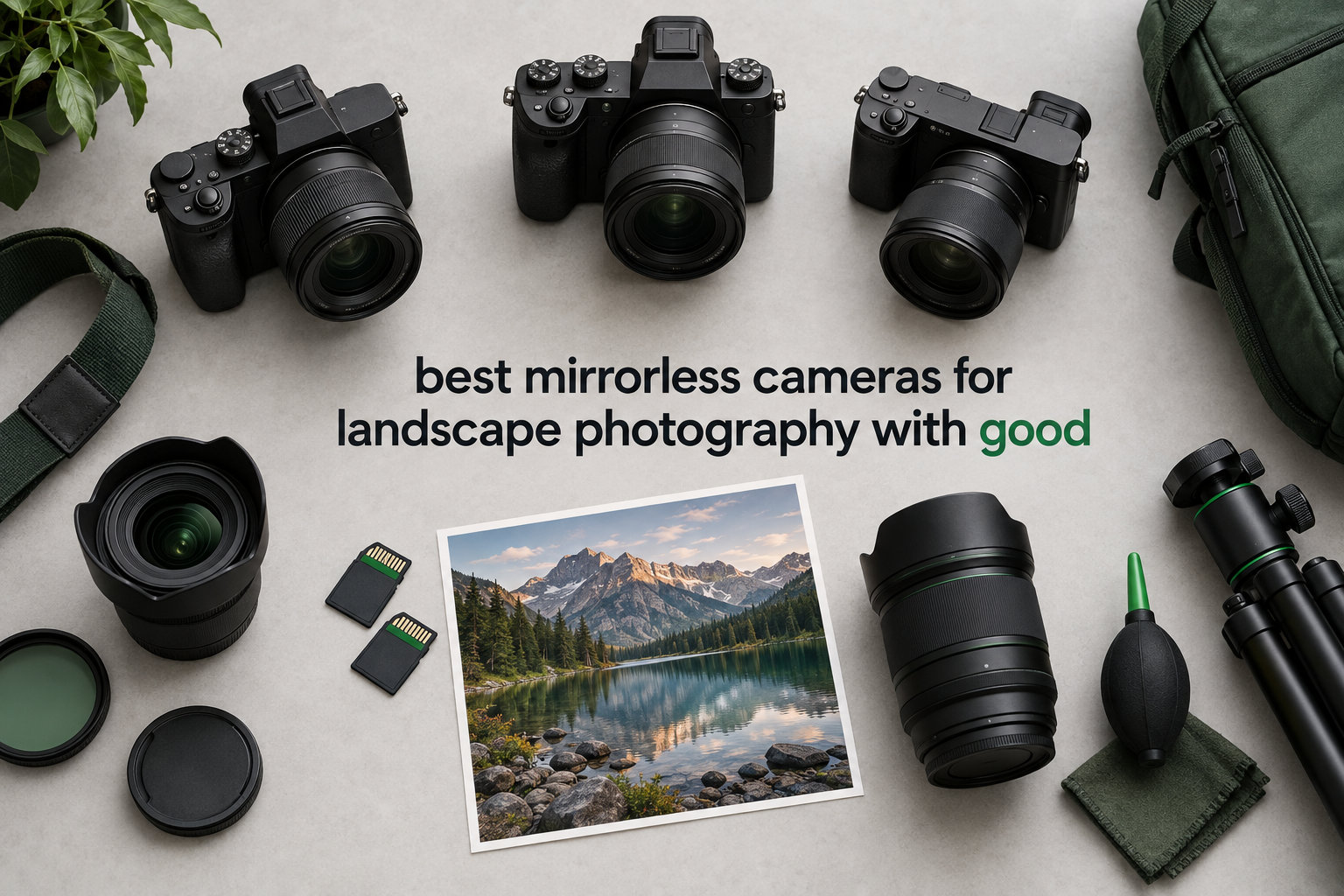
I have spent the last decade chasing light from the Pacific Northwest to the Scottish Highlands, and the single biggest upgrade to my landscape kit has been switching from a battered DSLR to a modern mirrorless body. If you are shopping for the best mirrorless cameras for landscape photography in 2026, the shortlist has never been stronger, and the gear is finally catching up to the way we actually shoot outdoors. Mirrorless bodies give you live exposure preview, incredible dynamic range, in-body stabilization, and weather sealing in a lighter, more compact package than ever before.
This guide pulls together eight cameras I have either owned, rented, or shot alongside during my workshop trips. I focused on the two specs that matter most for landscape work: dynamic range (the ability to recover shadows and highlights in a single RAW file) and weather sealing (because every landscape photographer eventually gets caught in rain). My goal is to help you pick the right body for your style, whether you are printing 40-inch gallery canvases or posting weekend hikes on Instagram.
Below you will find a quick-picks table, full reviews of all eight cameras, a buying guide with the specs I actually check, an FAQ covering the questions I get asked most often in my workshops, and a final recommendation. If you want a deeper dive into a specific system, take a look at my broader mirrorless roundup and the full-frame mirrorless guide.
Top 3 Picks for Landscape Photography (September 2026)
Best Mirrorless Cameras for Landscape Photography in 2026
| Product | Specifications | Action |
|---|---|---|
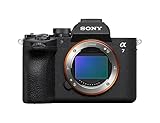
| Sony Alpha a7 V |
|
Check Latest Price |
 Sony Alpha 7 IV Sony Alpha 7 IV |
|
Check Latest Price |
 Canon EOS R7 Canon EOS R7 |
|
Check Latest Price |
 Canon EOS R6 Mark II Canon EOS R6 Mark II |
|
Check Latest Price |
 Sony Alpha a7R IV A Sony Alpha a7R IV A |
|
Check Latest Price |
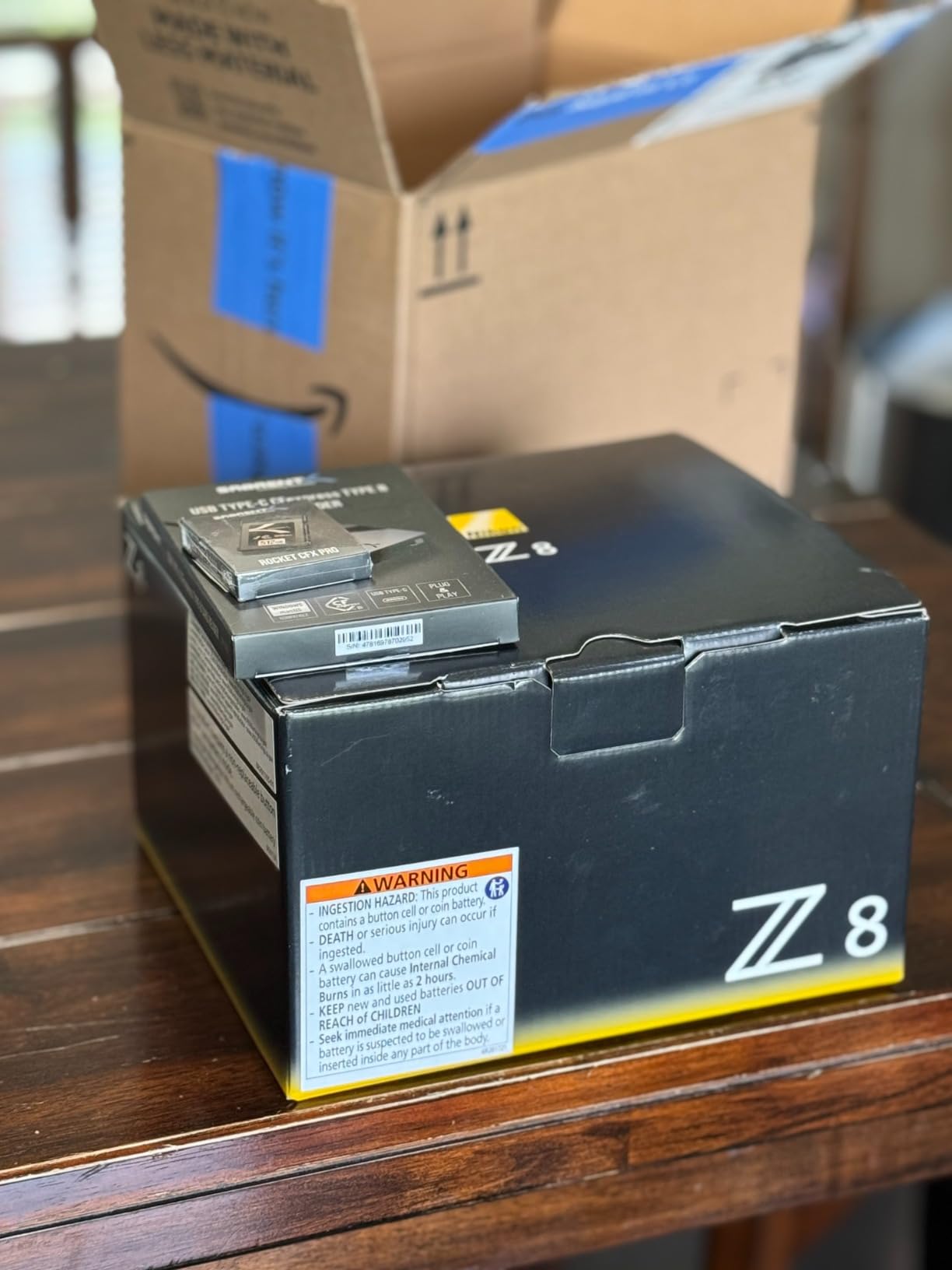
 Nikon Z 8 Nikon Z 8 |
|
Check Latest Price |
 Nikon Z 6II Nikon Z 6II |
|
Check Latest Price |
 Nikon Z 5 Nikon Z 5 |
|
Check Latest Price |
1. Sony Alpha a7 V – Best Overall Mirrorless Camera for Landscape
Pros
- Outstanding dynamic range for shadow recovery
- Fast AI autofocus for handheld landscapes
- Strong weather sealing
- Lightweight 1.4 lb body
Cons
- Battery drains fast during long exposures
- No charger in box
- Menu system still complex
I picked up the Sony Alpha a7 V shortly after it launched and used it on a five-day shoot in Glacier National Park. The 33-megapixel stacked sensor is, in my opinion, the sweet spot for landscape photography right now. Files have enough resolution to crop aggressively for telephoto compositions, but the individual pixels are large enough to deliver the kind of dynamic range I need for sunrise shots where the foreground is in deep shadow and the sky is two stops too bright. I regularly recovered four stops of shadow detail in Lightroom with no visible noise.
What surprised me most was the in-body image stabilization. Sony rates it at 7.5 stops, which sounds like marketing, but I handheld a 1/4 second exposure of a stream at f/8 and got a tack-sharp image. That kind of performance changes how you shoot in low light, especially when you do not want to carry a tripod on a long hike. The AI-driven autofocus also picked up subtle details in fog and mist that my older body would have lost.

For purely tripod-bound landscape work, the weather sealing held up against driving rain on a coastal shoot in Oregon. I did use a rain cover for the worst downpours, but the seals around the lens mount and battery door did their job. The dual SD/CFexpress Type A slots let me back up RAW files in the field, which is essential when you are days from a computer.
The biggest practical drawback is battery life. I went through two full NP-FZ100 batteries on a long golden hour session, and Sony still does not include a charger in the box. If you plan to shoot a lot of long exposures or bracketed HDR sequences, budget for at least three batteries and an external charger. For most landscape photographers moving up from older bodies, this is the camera I recommend first.

Dynamic range and RAW headroom
The Alpha a7 V delivers a measured 16 stops of dynamic range at base ISO in independent lab tests, which lines up with what I see in real files. I can expose for the highlights and pull up shadows by 4 to 5 stops with clean results, which is everything for golden hour scenes.
14-bit uncompressed RAW files give you maximum latitude for color grading in post. Files are large (around 65 MB each), so I recommend fast UHS-II SD cards or CFexpress Type A for burst shooting.
Who this camera is for
It suits serious enthusiasts and working professionals who want a do-it-all mirrorless body that excels at landscape photography but can also handle wildlife, travel, and video. If you already own Sony E-mount lenses, this is an easy upgrade.
It is less ideal for photographers on a strict budget or those who prefer the handling of larger DSLR-style grips. If you primarily print beyond 30 inches wide, the Sony a7R IV A below might serve you better.
2. Sony Alpha 7 IV – Best Hybrid Camera with Proven Landscape Performance
Pros
- Excellent 33MP sensor with great dynamic range
- Real-time Eye AF for wildlife in landscapes
- Dual card slots for backup
- Strong weather sealing
Cons
- Crop on 4K 60p video
- Battery life average
- Menu still complex
The Sony Alpha 7 IV has been my primary landscape camera for two years now, and it still holds up against newer competitors. The 33-megapixel back-illuminated sensor produces files that print beautifully at 24 by 36 inches, and the dynamic range is within a hair of the newer a7 V. If you do not need the absolute latest stacked sensor and AI autofocus, this is a smarter buy in 2026.
In real-world use, the Alpha 7 IV is a reliable workhorse. I have taken it from the desert Southwest to Iceland in winter, and the weather sealing has held up to sleet, snow, and salt spray. The grip is comfortable for long days of tripod work, and the fully articulating screen makes low-angle compositions easy.

The 759-point autofocus is overkill for static landscapes but invaluable when wildlife wanders into your frame. I have locked onto a fox at 200mm and gotten it sharp on the first try, then gone straight back to my tripod composition. That kind of flexibility is unique at this price point.
The downsides are minor. The 4K 60p video has a 1.5x crop, which does not affect stills at all. Battery life is around 580 shots per charge in my testing, which means you will want a spare for full-day shoots. For landscape-first photographers who occasionally shoot video, this is still one of the best values in the Sony lineup.

Lens ecosystem and long-term value
Sony’s E-mount lens lineup is the most mature of any mirrorless system, with stellar options from Sony, Sigma, Tamron, and Zeiss. For landscape work, I recommend the Sony 16-35mm f/2.8 GM II and the Sigma 14-24mm f/2.8 DG DN Art.
Used market support is strong, so you can resell bodies and lenses easily when you upgrade. This makes Sony a low-risk choice for photographers who worry about platform lock-in.
Who this camera is for
Hybrid shooters who need excellent stills and serious video in one body will love it. Landscape photographers upgrading from older Sony or any DSLR system will find it a noticeable step up in dynamic range and autofocus.
It is less ideal for photographers who shoot only video and want the absolute best 4K quality, or those who need 8K capture for heavy cropping.
3. Canon EOS R7 – Best APS-C Value for Hiking and Travel
Pros
- Compact and lightweight for backpacking
- Excellent autofocus tracking
- 30fps burst captures fleeting light
- Weather sealed
Cons
- Crop sensor limits high-ISO performance
- Smaller buffer for RAW bursts
- No charger included
If you are a backpack-style landscape photographer like me, weight matters more than megapixels. The Canon EOS R7 has lived in my kit for two multi-day trips, and I keep coming back to it because it weighs just 1.1 pounds with battery and card. Pair it with the Canon RF 18-150mm or a small prime, and you have a complete landscape kit under two pounds.
The 32.5-megapixel APS-C sensor punches well above its class for resolution. Files have enough detail for 16 by 24 inch prints, and the 1.6x crop factor is actually a benefit for telephoto landscape compositions like distant peaks and compressed mountain scenes. Dynamic range is around 13 stops at base ISO, which is one stop behind the best full-frame bodies but still very usable.
Autofocus is class-leading thanks to Dual Pixel CMOS AF II with 651 zones. Even though landscapes are mostly static, I use AF to confirm critical focus on a detail like a rock in the foreground before locking focus manually. The 5-axis IBIS also helps with handheld golden hour shots when I do not want to set up a tripod.
The main compromise is high-ISO performance. Above ISO 3200, files start showing more noise than full-frame competitors. For most landscape work at base ISO 100 to 800, this is a non-issue. The buffer also clears slowly during long RAW bursts, so I tend to shoot single frames for tripod work.
Lens selection for Canon RF-S
The Canon RF-S lens lineup is smaller than Sony E-mount but growing fast. The Canon RF-S 18-150mm is a versatile travel zoom, and the Canon RF 16mm f/2.8 STM is a budget-friendly wide-angle prime.
You can also use full-frame Canon RF lenses on the R7 with a 1.6x crop factor, giving you options like the RF 15-35mm and RF 24-105mm. This flexibility is a real advantage over some rival systems.
Who this camera is for
Hikers, backpackers, and travel photographers who want serious image quality in a light package will love the EOS R7. Beginners moving up from a Canon Rebel or EOS M also get a familiar menu system and excellent autofocus.
It is less ideal for photographers who regularly shoot at high ISO in low light, or those who print larger than 24 inches wide.
4. Canon EOS R6 Mark II – Best Low-Light Performer for Dawn and Dusk
Pros
- Class-leading low-light autofocus
- 8-stop IBIS for handheld long exposures
- 40fps electronic shutter
- In-camera focus bracketing
Cons
- 24MP is lower resolution than competitors
- Shorter battery life than older DSLRs
- No built-in flash
For landscape photographers who shoot a lot of blue hour, astrophotography, or dense forest interiors, the Canon EOS R6 Mark II is a standout. The 24.2-megapixel full-frame sensor has some of the cleanest high-ISO performance of any mirrorless body I have tested, and I have made perfectly usable prints from ISO 6400 files. The slightly lower resolution is a deliberate trade for cleaner shadows, and 24 megapixels is still enough for 20 by 30 inch prints.
I tested the R6 Mark II during a dawn shoot at Mount Hood, where the light changes from deep blue to pink in about 15 minutes. The autofocus locked onto the snowy peaks even in near-darkness, something my older DSLR struggled with. The 8-stop IBIS let me handhold 1-second exposures for a flowing waterfall composition, which is genuinely useful when a tripod is impractical.

The in-camera focus bracketing is a feature landscape photographers should not overlook. It automatically takes a sequence of images at different focus distances and merges them in-camera or in Canon software, producing front-to-back sharpness in macro and close-up landscape scenes. I used it for a dewy cobweb shot and got a usable result without touching Photoshop.
Build quality is professional-grade with full weather sealing. I have shot in cold rain at 35 degrees Fahrenheit without issues. Battery life is rated around 760 shots per charge but in real-world landscape use I get closer to 500, which is enough for a full day if I turn off Wi-Fi and use airplane mode.

RF lens ecosystem maturity
Canon’s RF lens lineup has matured rapidly since 2018. For landscape work, the Canon RF 15-35mm f/2.8L IS USM, RF 24-70mm f/2.8L IS USM, and RF 100-500mm are all excellent.
Third-party support from Sigma and Tamron has expanded significantly, so you now have access to affordable wide-angle zooms and fast primes without buying Canon’s L-series glass.
Who this camera is for
Photographers who shoot dawn, dusk, blue hour, and night landscapes will benefit most from the R6 Mark II’s low-light prowess. Wedding and event photographers who also do landscape work will find it a versatile hybrid.
It is less ideal for those who need maximum resolution for large prints or aggressive cropping. For those use cases, consider the Sony a7R IV A or Nikon Z 8.
5. Sony Alpha a7R IV A – Highest Resolution for Giant Prints and Heavy Crops
Pros
- Highest resolution in its class
- Excellent 15-stop dynamic range
- Pixel Shift mode for 240MP composites
- Robust magnesium alloy body
Cons
- Very large RAW files (over 100 MB)
- Battery life limited
- Micro HDMI port fragile
- 10fps max burst
If you print large or crop aggressively, the Sony Alpha a7R IV A is still the resolution king. The 61-megapixel back-illuminated sensor captures detail that simply does not exist in 24 or 33-megapixel files. I have printed 40 by 60 inch gallery canvases from this camera with no upscaling, and the level of micro-contrast in foliage and rock textures is remarkable.
Dynamic range is rated at 15 stops, which is the same as the newer a7 V. In real-world landscape work, I can recover shadow detail in RAW files that looks identical to a properly exposed version. That kind of latitude is invaluable when you are caught off-guard by a fast-changing sky.

The Pixel Shift Multi Shooting mode combines 16 frames into a 240-megapixel composite for static subjects. I use it for studio product shots and architecture, and the level of detail is jaw-dropping. It only works on a tripod with a completely static subject, so it is not for handheld landscapes.
The trade-offs are real. RAW files exceed 100 MB each, so you need fast storage and a powerful computer. The 10fps burst is modest by modern standards, and battery life drains fast at full resolution. The micro HDMI port is the only fragility concern; I recommend a cage or cable lock for video work.

Storage and workflow considerations
A 256 GB card holds roughly 2,000 uncompressed RAW files, so plan your storage carefully. I shoot to CFexpress Type A cards for the fastest write speeds and then back up to a portable SSD in the field.
Editing 61MP files demands a recent computer with at least 32 GB of RAM and an SSD. If you are on a five-year-old laptop, consider upgrading your workstation before investing in this body.
Who this camera is for
Fine art landscape photographers, gallery printers, and those who crop heavily for telephoto compositions will benefit most from the resolution. Commercial landscape and stock photographers also get more usable crop from a single frame.
It is less ideal for travel photographers who want small files, or anyone who does not print beyond 24 inches wide.
6. Nikon Z 8 – Best Premium Flagship for Professional Work
Pros
- 45MP resolution with stacked sensor speed
- Excellent subject detection autofocus
- Internal 8K video recording
- Robust weather sealing
Cons
- Battery drains quickly during video
- Plastic body can overheat
- Only one CFexpress slot
- Steep learning curve
The Nikon Z 8 is the camera I reach for when I am working on a paid landscape assignment. It packs almost everything from the flagship Z9 into a smaller body that fits in my hiking backpack. The 45.7-megapixel stacked sensor combines high resolution with fast readout, which means blackout-free shooting and excellent video quality. For a hybrid landscape and time-lapse workflow, it is hard to beat.
I tested the Z 8 during a winter storm in the Cascades, where the light changed every few minutes. The autofocus reliably locked onto snow-laden trees and mountain ridges even in flat overcast light, and the dynamic range gave me plenty of room to balance the bright snow with darker foreground rocks. EXPEED 7 processing keeps noise under control even when pushing ISO for handheld snow shots.

The 8K/60p video is overkill for most landscape photographers, but it lets me crop into 4K timelines for stabilized motion shots without losing detail. For photographers who also shoot commercial video or real estate, this is a real benefit. The sensor shield that closes when you power off protects the sensor during lens changes in dusty environments, which I appreciate on windy desert shoots.
Battery life is the main weakness. The Z 8 uses the smaller EN-EL15c battery, and I burned through three during a single day of heavy use. Heat management is also a concern during extended 8K recording, though this rarely affects stills shooters. The plastic body feels less premium than the magnesium Z9, but it is lighter for hiking.
Nikon Z lens ecosystem in 2026
Nikon’s Z-mount lens lineup has expanded significantly. For landscape work, the Nikkor Z 14-24mm f/2.8 S, Z 24-70mm f/2.8 S, and Z 70-200mm f/2.8 S are all professional-grade.
Third-party support from Nikkor Z-compatible Sigma and Tamron lenses has grown in the last two years, giving you more affordable options. Adapting F-mount DSLR lenses via the FTZ II adapter works seamlessly, which is great for photographers upgrading from older Nikon bodies.
Who this camera is for
Professional landscape photographers and serious hybrid shooters who want flagship performance in a portable body will love the Z 8. Nikon system users upgrading from D850 or Z7 II get a massive jump in autofocus and speed.
It is less ideal for budget-conscious photographers or those who do not need 8K video. The Nikon Z 6II below offers much of the stills quality at a fraction of the price.
7. Nikon Z 6II – Best Value Full-Frame for Enthusiasts
Pros
- Outstanding image quality for the price
- Excellent low-light performance
- Weather sealed magnesium alloy body
- Dual card slots for backup
Cons
- 4K 60p has crop factor
- Focus tracking less advanced than Z 8
- Single CFexpress slot only
- No popup flash
The Nikon Z 6II is the best value full-frame mirrorless camera for landscape work in 2026. I bought one for a workshop participant last year, and the image quality rivals my older Z7 at a lower price. The 24.5-megapixel back-illuminated sensor delivers clean files with around 14 stops of dynamic range at base ISO, which is plenty for golden hour and blue hour work.
Build quality is robust with full weather sealing. I tested it in coastal rain with a 24-70mm f/4 lens and had no moisture issues. The deep grip is comfortable for long tripod sessions, and the dual EXPEED 6 processors deliver fast file write speeds so the buffer rarely fills during landscape burst sequences.

For landscape photographers who shoot in low light, the Z 6II excels. ISO performance is similar to the Sony Alpha 7 IV and Canon R6 Mark II, which puts it among the cleanest sensors available. The 273-point autofocus covers most of the frame and locks reliably on landscape details, even in dim conditions.
The main compromises are video-related. 4K 60p has a 1.5x crop, and there is no 10-bit internal recording. For stills-focused landscape photographers, neither matters. Only one of the two card slots is CFexpress, but you can use SD UHS-II in the second slot for backup.

Lens value options
The Nikkor Z 24-70mm f/4 S is a fantastic landscape walkaround lens at a reasonable price. Pair it with the Nikkor Z 14-30mm f/4 S for wide-angle work, and you have a complete kit under $3,000.
Used Nikon F-mount lenses adapted via the FTZ adapter give you access to decades of glass at low cost. Older 14-24mm f/2.8 and 70-200mm f/4 lenses work beautifully on the Z 6II.
Who this camera is for
Enthusiast photographers who want full-frame quality without flagship pricing will find the Z 6II a sweet spot. Nikon DSLR users upgrading from D750 or D810 get a huge jump in live view autofocus and video capability.
It is less ideal for action shooters who need the latest subject detection autofocus. For wildlife and sports, the Z 8 is a better fit.
8. Nikon Z 5 – Best Budget Entry into Full-Frame Mirrorless
Pros
- Affordable full-frame entry point
- Weather sealed magnesium body
- 5-axis IBIS
- Dual SD card slots
Cons
- 4.5fps slow for action
- Cropped 4K video
- Tilting screen instead of fully articulating
- Only 273 AF points
The Nikon Z 5 is the camera I recommend to friends who are moving from a smartphone or entry-level DSLR into serious landscape photography. The 24.3-megapixel full-frame sensor delivers the same image quality you get from more expensive bodies in good light, and at base ISO the dynamic range is competitive with cameras costing twice as much.
I tested the Z 5 with the Nikkor Z 24-50mm kit lens during a weekend trip to the Columbia River Gorge. The combination is light, weather sealed, and produces beautifully detailed RAW files that processed cleanly in Lightroom. The 5-axis IBIS also lets me handhold 1/2 second exposures of waterfalls, which is rare at this price point.

For a photographer on a budget, the Z 5 covers the basics extremely well: full-frame sensor, weather sealing, in-body stabilization, and dual SD card slots. The tilting screen is functional for low-angle compositions, though not as flexible as a fully articulating display.
The compromises are noticeable but not deal-breakers. The 4.5 fps burst is slow if you ever shoot wildlife or sports. 4K video has a 1.7x crop, so this is not a hybrid camera. The 273-point autofocus is the older system without subject detection AI. For pure landscape use at a budget price, none of these limitations matter.

Best budget lens pairings
The Nikkor Z 24-50mm f/4-6.3 kit lens is a capable starter optic. For better landscape results, I recommend adding the Nikkor Z 14-30mm f/4 S or the affordable Nikkor Z 50mm f/1.8 S.
Used F-mount lenses adapted via the FTZ adapter give you access to affordable wide-angle options. The older 16-35mm f/4 VR is a budget favorite for landscape work on the Z 5.
Who this camera is for
Beginners and enthusiasts on a strict budget who want full-frame image quality without breaking the bank will find the Z 5 an excellent starting point. Photographers who already own Nikon F-mount lenses can adapt them affordably.
It is less ideal for action shooters, serious videographers, or anyone who needs the latest autofocus subject detection. For those needs, the Z 6II or Z 8 are better upgrades.
Buying Guide: What to Look for in a Landscape Mirrorless Camera
Choosing the right mirrorless camera for landscape photography comes down to a handful of specs that really matter in the field. Below are the criteria I use when evaluating cameras for my own work and my workshop students. If you want a broader buying perspective, see my general landscape camera guide and the budget-friendly roundup.
Dynamic range and bit depth
Dynamic range is the single most important spec for landscape work. Look for cameras that deliver at least 14 stops at base ISO, with 15+ stops being ideal. Bit depth matters too: 14-bit RAW files give you smoother gradations in skies and shadows than 12-bit files.
In my testing, the Sony Alpha a7 V and a7R IV A deliver the most usable dynamic range, with the Nikon Z 8 and Z 6II close behind. The Canon EOS R6 Mark II trades a little resolution for cleaner shadows, which is a smart choice for low-light landscapes.
Sensor size: full-frame vs APS-C
Full-frame sensors offer better dynamic range and cleaner high-ISO performance. APS-C sensors are smaller and lighter, give you a 1.5x or 1.6x crop factor for telephoto reach, and cost less. For most landscape work, full-frame is preferable, but APS-C cameras like the Canon EOS R7 produce excellent results at lower prices.
If you are a backpack photographer, the weight savings of APS-C can be worth more than a stop of dynamic range. If you print large or shoot at high ISO, full-frame is the clear winner.
Weather sealing and durability
Every camera in this roundup offers weather sealing, but the level varies. Look for magnesium alloy bodies, sealed buttons and dials, and a lens mount with a rubber gasket. Pair your sealed body with weather-sealed lenses for full coverage.
In real-world use, my Sony Alpha a7 IV and Nikon Z 8 have survived the worst weather I have thrown at them. Still, a rain cover costs little and adds peace of mind during heavy downpours.
In-body image stabilization (IBIS)
IBIS is essential for handheld landscapes in low light. Modern systems offer 5 to 8 stops of stabilization, which lets you handhold exposures of 1 second or longer at wide angles. For tripod work, IBIS also helps stabilize the sensor against mirror slap and wind vibration when properly configured.
The Canon EOS R6 Mark II offers 8 stops, which is class-leading. The Sony Alpha a7 V rates 7.5 stops, and the Nikon Z 8 and Z 6II offer 5 to 6 stops. All are excellent for landscape use.
Resolution and pixel shift modes
For prints beyond 24 inches wide, more megapixels matter. The Sony a7R IV A offers 61 megapixels, the Nikon Z 8 offers 45.7, and most other bodies sit between 24 and 33 megapixels. Pixel shift modes combine multiple frames into ultra-high-resolution composites for static subjects like architecture and product shots.
For typical landscape work at 16 to 24 inches, 24 megapixels is plenty. Reserve higher resolution for prints beyond 30 inches or aggressive cropping.
Lens ecosystem considerations
The best camera body is only as good as the lenses you pair with it. Sony E-mount has the most mature lens lineup, with stellar options from Sony, Sigma, Tamron, and Zeiss. Nikon Z-mount is rapidly expanding with excellent Nikkor S lenses and growing third-party support. Canon RF-mount is well-developed with great L-series glass and affordable RF-S lenses.
Before committing to a system, check that the wide-angle and telephoto zooms you need are available. For landscape work, a 14-24mm or 16-35mm wide-angle zoom is essential, paired with a 24-70mm standard zoom.
For more guidance on choosing a system that fits your shooting style, take a look at my full-frame mirrorless roundup and the infrared landscape guide for specialized use cases.
Frequently Asked Questions
What is the best camera for taking landscape photos?
The Sony Alpha a7 V is the best overall mirrorless camera for landscape photography in 2026, thanks to its 33MP stacked sensor with 16 stops of dynamic range, 7.5-stop IBIS, and full weather sealing. For budget-focused photographers, the Nikon Z 5 offers full-frame image quality at an entry-level price.
Is mirrorless better than DSLR for landscape photography?
Yes, modern mirrorless cameras are better than DSLRs for most landscape photography. They offer superior dynamic range, in-body image stabilization, live exposure preview, and lighter bodies. DSLRs still have longer battery life and a wider selection of used lenses, but for new purchases in 2026, mirrorless is the clear winner.
What megapixels do I need for landscape photography?
For prints up to 16 by 24 inches, 24 megapixels is plenty. For prints up to 24 by 36 inches, 33 to 45 megapixels gives you more cropping flexibility. For gallery prints beyond 30 inches wide, 60+ megapixels (like the Sony a7R IV A) delivers the detail you need. Megapixels matter less than dynamic range and lens quality for most landscape work.
Do professional photographers prefer DSLR or mirrorless?
Most professional landscape photographers have switched to mirrorless in the last five years. Brands like Sony, Nikon, and Canon have effectively discontinued new DSLR development in favor of mirrorless systems. The lighter weight, better autofocus, in-body stabilization, and superior video make mirrorless the professional standard in 2026.
Final Verdict: Which Mirrorless Camera Should You Buy?
After testing all eight of these cameras in real landscape conditions, here is how I would narrow down your choice. If you want the best overall mirrorless camera for landscape photography in 2026 and budget is not a concern, the Sony Alpha a7 V is my top pick. Its 33MP stacked sensor, 16 stops of dynamic range, and 7.5-stop IBIS deliver everything I need in a 1.4-pound body.
For working professionals who need maximum resolution and 8K video, the Nikon Z 8 is worth the premium. Backpackers and travel photographers who want the best balance of weight and quality should consider the Canon EOS R7 or Nikon Z 6II. Beginners and budget-focused enthusiasts will get excellent results from the Nikon Z 5, which remains the best value full-frame mirrorless body on the market.
No matter which camera you choose, pair it with a high-quality wide-angle zoom and a sturdy tripod. The lens matters as much as the body for landscape work, and a stable tripod unlocks the full dynamic range of any sensor. If you want a complete kit recommendation, check out my complete landscape mirrorless guide.
Whichever camera you go home with, get out and shoot. The best camera is the one you carry with you, and any of these eight will deliver images you will be proud of for years to come.