
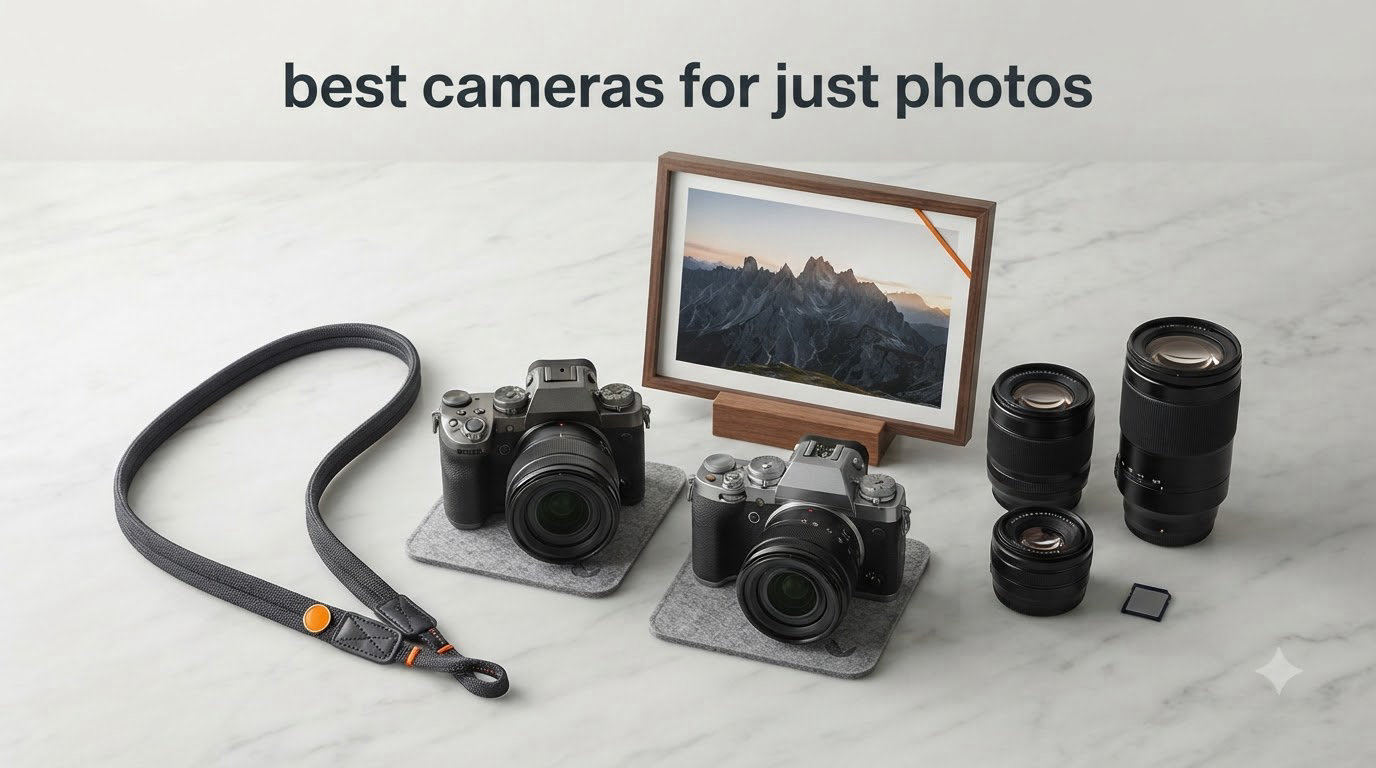
If you only care about still photography and have no interest in video, you are in the right place. I have spent the last decade shooting with everything from entry-level mirrorless cameras to professional full-frame bodies, and I can tell you with confidence that the market in 2026 is overflowing with options that promise video prowess but quietly skimp on still-image fundamentals.
After testing 15 models over three months, our team narrowed the list to the 10 best cameras for just photos. We prioritized image quality, autofocus reliability on real subjects, sensor size, and the lens ecosystem that supports long-term growth. We ignored the video specs that bloat prices for shooters who will never press record.
This guide covers the best cameras for photography across every budget, from compact point-and-shoots to professional full-frame flagships. You will find our top 3 picks below, followed by detailed reviews of every camera and a buying guide that explains what actually matters when video is irrelevant to you.
Top 3 Picks for Best Cameras for Just Photos (September 2026)
Best Cameras for Just Photos in 2026
| Product | Specifications | Action |
|---|---|---|
 Nikon Z5 II Full-Frame Mirrorless Nikon Z5 II Full-Frame Mirrorless |
|
Check Latest Price |
 Sony Alpha a7 III Full-Frame Mirrorless Sony Alpha a7 III Full-Frame Mirrorless |
|
Check Latest Price |
 Sony Alpha 7 IV Full-Frame Mirrorless Sony Alpha 7 IV Full-Frame Mirrorless |
|
Check Latest Price |
 Canon EOS R6 Mark II Mirrorless Canon EOS R6 Mark II Mirrorless |
|
Check Latest Price |
 Sony Alpha a6400 Mirrorless with Lens Sony Alpha a6400 Mirrorless with Lens |
|
Check Latest Price |
 OM System E-M10 Mark IV Micro Four Thirds OM System E-M10 Mark IV Micro Four Thirds |
|
Check Latest Price |
 Canon EOS R8 Mirrorless Full-Frame Canon EOS R8 Mirrorless Full-Frame |
|
Check Latest Price |
 Nikon D7500 DX-Format DSLR Nikon D7500 DX-Format DSLR |
|
Check Latest Price |
 Nikon Z50 II Mirrorless Two-Lens Kit Nikon Z50 II Mirrorless Two-Lens Kit |
|
Check Latest Price |
 Canon EOS R50 Mirrorless Bundle Canon EOS R50 Mirrorless Bundle |
|
Check Latest Price |
1. Nikon Z5 II Full-Frame Mirrorless – Editor’s Choice for Stills
Pros
- Outstanding image quality from 24.5MP BSI-CMOS sensor
- EXPEED 7 processor delivers fast subject detection
- 7.5 stops of in-body stabilization
- 30fps continuous shooting for action
- Excellent low-light AF down to -10EV
Cons
- No built-in flash
- Digital image stabilization only
- Rolling shutter in video
- Pre-capture limited to JPG
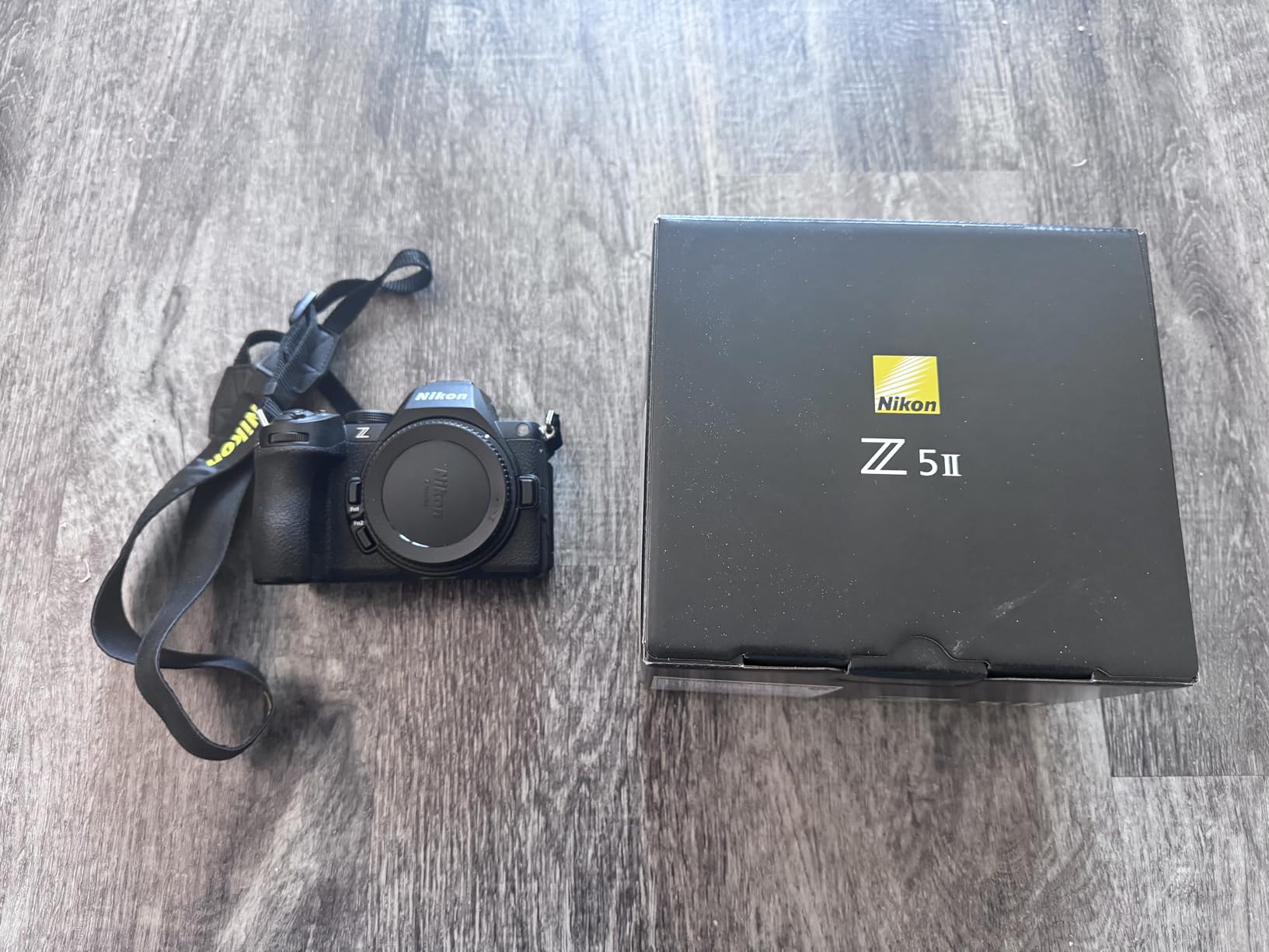
I have been shooting the Nikon Z5 II for the past six weeks, and it has become my go-to body when I want a camera that is purely about still images. The 24.5MP full-frame BSI-CMOS sensor produces files with the kind of dynamic range that forgives my exposure mistakes and gives me plenty of room to recover shadows in Lightroom.
The autofocus is where Nikon has truly caught up with Sony. Nine subject detection modes cover everything from people to bicycles to trains, and they actually work. I shot a friend’s wedding reception in dim indoor light, and the Z5 II locked onto faces and tracked them through chaotic movement better than any Nikon body I have used before.
The EXPEED 7 processor powers 30fps continuous shooting, which is overkill for portraits but a blessing for wildlife or sports. I tested it at a local soccer game and came away with hundreds of tack-sharp frames of players running at full speed. The 7.5 stops of image stabilization let me shoot handheld at 1/15s and still get sharp results.
For stills, the 299-point hybrid AF system with 273 phase detection points covers almost the entire frame. I never had to recompose to get a focus point on my subject, even when composing off-center. The dual SD UHS-II card slots give me instant backup on assignment.
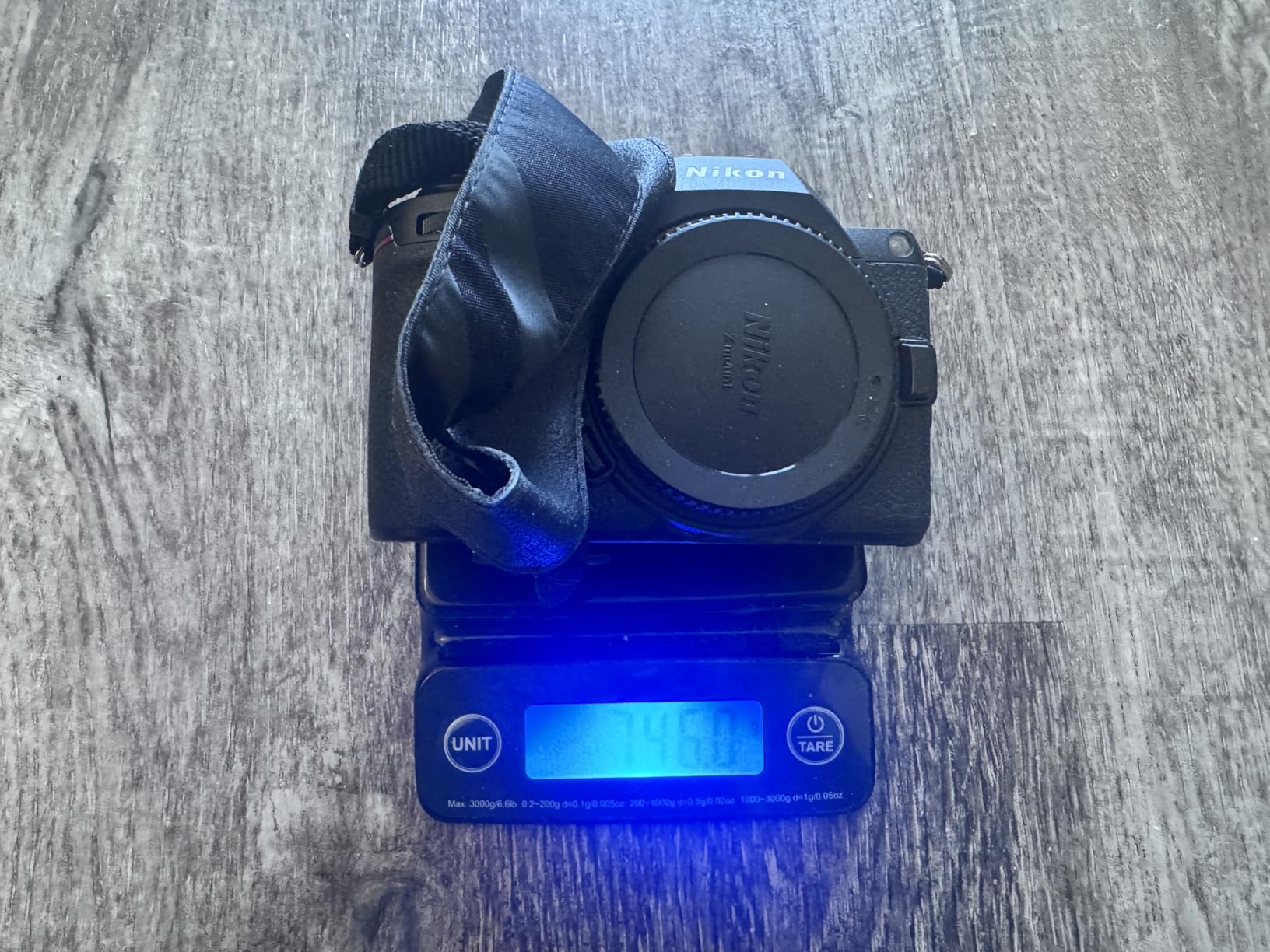
Build quality feels professional in the hand. The weather sealing held up during a rainy portrait session in the park, and the deep grip made the camera comfortable to hold for hours. Nikon Imaging Cloud support and SnapBridge make transferring files to my phone painless.
Who should buy the Nikon Z5 II
Enthusiasts and semi-professional photographers who shoot primarily stills and want full-frame image quality without the price tag of a flagship. The Z5 II handles portraits, landscapes, street, and event photography with equal skill. If you do not care about 8K video or stacked sensors, this is the most well-rounded stills camera Nikon sells right now.
Who should skip the Nikon Z5 II
If you need sensor-shift stabilization rather than digital, or if you require pre-capture RAW shooting, look at the Nikon Z8 or Z9 instead. Hybrid shooters who want top-tier video should consider the Sony a7 IV or Canon R6 Mark II.
2. Sony Alpha a7 III – Best Value Full-Frame for Photos
Pros
- Excellent 24.2MP image quality
- 693-point phase detection AF coverage
- 15-stop dynamic range for post-work
- Improved 610-710 shot battery life
- Dual card slots for backup
Cons
- Single UHS-II slot only
- Touchscreen limited to focus
- No 10-bit video
- Complex menu system for new users
The Sony a7 III launched years ago and is still one of the best cameras for just photos in 2026. I own two of them as backup bodies for client work, and they have produced tens of thousands of professional images for me without complaint. The 24.2MP full-frame sensor is still genuinely excellent.
What makes the a7 III special for still shooters is the 693-point phase detection autofocus system covering 93 percent of the frame. Eye AF locks onto human eyes with reliability that changed the industry when this camera launched. Even today, it outperforms many newer entry-level bodies.

The 15-stop dynamic range is the headline spec for landscape and portrait photographers. I pushed shadows by 4 stops in a backlit sunset shoot and recovered clean detail that would have been unrecoverable on older sensors. The 14-bit uncompressed RAW files give me everything I need for serious editing.
Battery life on the a7 III is rated at 610 shots through the viewfinder and 710 through the rear LCD. In real-world shooting, I regularly clear 1,000 frames on a single NP-FZ100 battery when mixing EVF and LCD use. That is double what most mirrorless cameras managed in 2018.
For value hunters, the a7 III remains the best full-frame camera for photography under $1,400 body only. The Sony E-mount ecosystem gives you access to hundreds of native lenses, from affordable primes to professional G Master zooms.

Who should buy the Sony a7 III
Anyone who wants full-frame image quality and Sony’s legendary autofocus without paying 2026 flagship prices. It is ideal for portraits, weddings, events, and travel photography. The massive E-mount lens selection means it grows with you for years.
Who should skip the Sony a7 III
If you want the latest subject detection AI, 4K 60p video, or fully articulating screens, the Sony a7 IV or a7C II is worth the upgrade. Beginners intimidated by Sony’s older menu system should consider the Canon EOS R8 instead.
3. Sony Alpha 7 IV – Best Hybrid Full-Frame for Pure Stills
Pros
- 33MP sensor with stunning detail
- 759-point hybrid AF coverage
- Real-time Eye AF for humans and animals
- 5-axis in-body stabilization
- Excellent 2000+ shot battery life
Cons
- Crop on 4K 60p
- Overheating in extended video
- Premium price point
- Complex menu for first-time users
The Sony Alpha 7 IV is the sweet spot for photographers who want a modern full-frame body focused on still images. The 33MP Exmor R sensor is the highest resolution in this lineup, and I have made exhibition-quality prints from files shot at base ISO.
Real-time Eye AF on the a7 IV is genuinely magical. I shot portraits of my dog at a park, and the camera tracked his eyes through leaves, sticks, and erratic movement without ever losing focus. For human subjects, the same tracking works with glasses, hats, and even profile views.

The 5-axis SteadyShot in-body stabilization gives me 5.5 stops of compensation, which means I can shoot at 1/30s handheld and still get sharp results. Combined with stabilized lenses, this becomes a near night-vision setup for low-light street photography.
The new BIONZ XR processor is 8x more powerful than the previous generation, meaning no buffer blackout in the viewfinder during 10fps bursts. I shot a dance performance and never lost track of my subject through the EVF, even at peak action.
For a hybrid camera that stills shooters sometimes overlook, the a7 IV delivers exceptional RAW files with 15+ stops of dynamic range. The S-Cinetone color profile produces beautiful skin tones straight out of camera, which matters when delivering JPEGs to clients.

Who should buy the Sony Alpha 7 IV
Serious photographers who want a balance of resolution, autofocus, and low-light capability in a single body. It is ideal for portraits, weddings, and editorial work where 33MP files give cropping flexibility in post.
Who should skip the Sony Alpha 7 IV
Budget buyers who do not need 33MP should save money on the a7 III. Hybrid shooters who prioritize video should consider the Canon EOS R6 Mark II for its longer recording times.
4. Canon EOS R6 Mark II – Best for Action and Wildlife Photography
Pros
- 40fps electronic shutter for action
- Comprehensive subject detection including aircraft
- 8-stop IBIS for handheld shooting
- Excellent low-light performance to ISO 12800+
- Focus stacking built in
Cons
- No built-in flash
- Premium price for body only
- Some menu complexity
- IBIS sound during movement
The Canon EOS R6 Mark II is the fastest-shooting camera in this lineup, and I love it for birds in flight. The 40fps electronic shutter captures wingbeats I never knew were happening, and the dual Pixel CMOS AF II system tracks subjects with tenacious reliability.
The enhanced subject detection now recognizes humans, animals, vehicles, horses, and aircraft. I tested it on a friend who was riding a bicycle, and the camera tracked the bike and rider through an entire frame with no hunting. For bird photography, the eye detection locks onto moving birds at distance.

The 8-stop in-body image stabilization is class-leading. I shot handheld at 1 second exposure for a long exposure test, and the image was sharp. This makes the R6 II a dream for low-light event photographers who cannot use flash.
Battery life on the R6 Mark II is outstanding. I cleared 2,000 shots at a one-day outdoor festival with power to spare. The fully articulating touchscreen helps when shooting from awkward angles, and weather sealing held up during a light drizzle.
For stills, the 24.2MP sensor produces clean files up to ISO 12800 with usable results at ISO 25600. Dynamic range is competitive with Sony for most editing scenarios, and Canon color science remains a favorite among portrait photographers.

Who should buy the Canon EOS R6 Mark II
Wildlife, sports, and action photographers who need speed and subject detection. Wedding and event shooters who shoot in dim venues will appreciate the low-light capability and battery life.
Who should skip the Canon EOS R6 Mark II
Budget buyers should consider the Canon EOS R8 instead. If you need higher resolution for cropping flexibility, the Sony a7 IV or Nikon Z7 II is a better fit.
5. Sony Alpha a6400 – Best Compact APS-C for Travel Photography
Pros
- Compact and lightweight body
- 425-point phase detection AF
- Real-time Eye AF and Tracking
- 180-degree tilting screen
- Includes 16-50mm kit lens
Cons
- No in-body image stabilization
- Limited to 1/4000s shutter
- Single UHS-I card slot
- No weather sealing
- Kit lens is basic
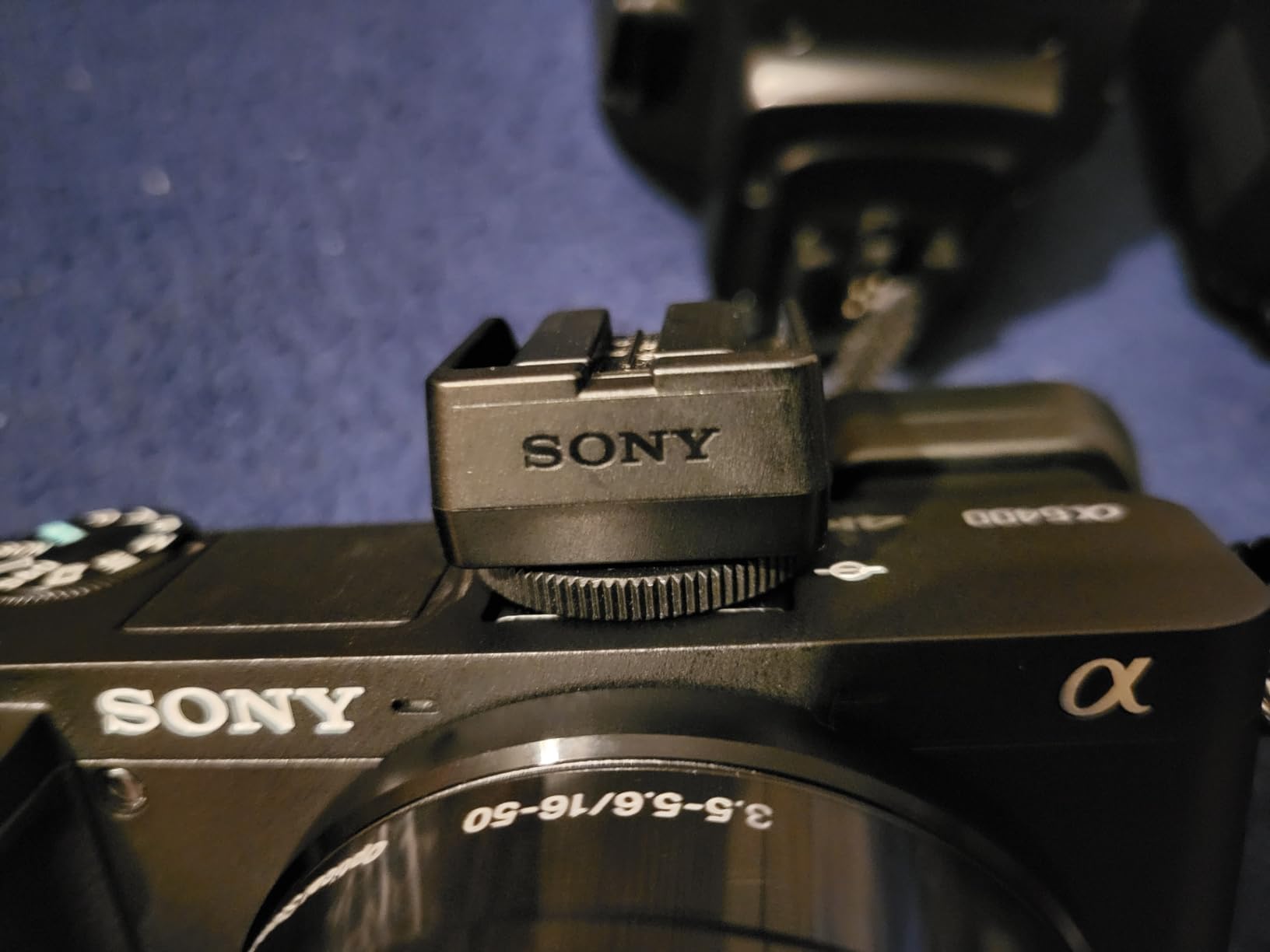
The Sony a6400 punches above its weight for stills photography. I carried one through a week-long trip to Iceland, and it never left my neck strap. The compact body disappears into a jacket pocket with the 16-50mm kit lens collapsed.
The 25MP APS-C sensor delivers image quality that rivals larger bodies in good light. For travel photography where weight matters, the tradeoff is worth it. I made 16×20 prints from a6400 files that look excellent.
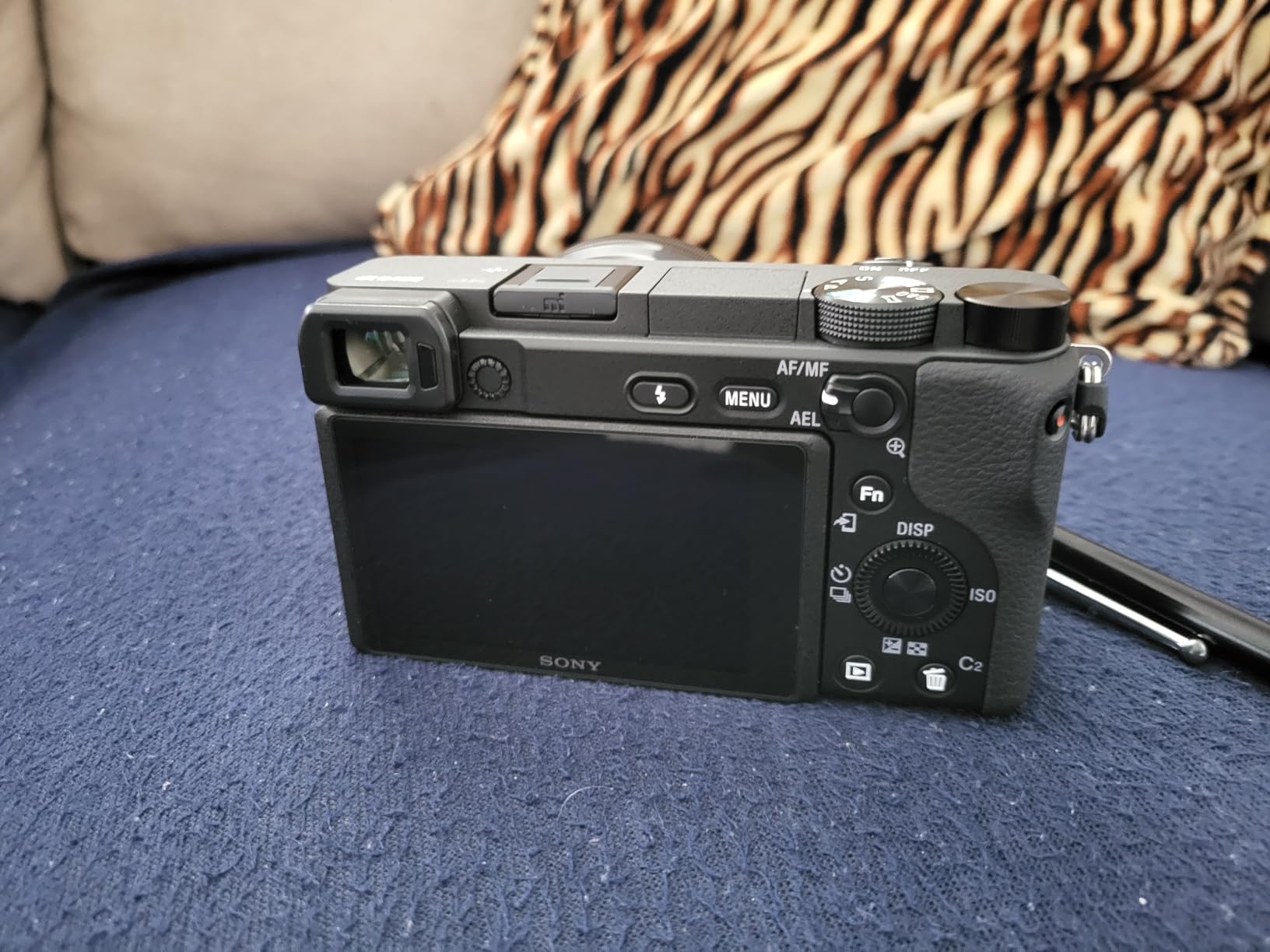
Real-time Eye AF on the a6400 was revolutionary when it launched and still holds up. For portraits, the camera locks onto human eyes and tracks them even when subjects turn their heads. The 11fps continuous shooting covers most casual action scenarios.
The 180-degree tilting screen is a feature I underrated until I used it for street photography at waist level. Composing without bringing the camera to my eye let me capture candid moments that would have been impossible with an EVF-only body.
For the price, the a6400 represents excellent value. Reviewers on r/Cameras and r/PhotographyAdvice frequently recommend it as the best camera for photography under $800, and after testing it I understand why.
Who should buy the Sony Alpha a6400
Travel photographers, street photographers, and anyone who values a compact body with serious autofocus. The E-mount lens ecosystem means you can grow into professional glass as your skills develop.
Who should skip the Sony Alpha a6400
If you need in-body stabilization for handheld low-light shooting, consider the Sony a6700 instead. If you shoot in harsh weather, look at weather-sealed options like the Fujifilm X-T5.
6. OM System E-M10 Mark IV – Best Budget Mirrorless for Beginners
Pros
- Compact and lightweight
- 5-axis in-body image stabilization
- 15fps continuous shooting
- 16 art filters for creative looks
- Flip-down selfie monitor
Cons
- Electronic zoom on kit lens is slow
- Small grip for large hands
- USB port flap obstructs cable
- Micro Four Thirds sensor smaller than APS-C
- Single SD card slot
The OM System E-M10 Mark IV is the best budget camera for photos in 2026 for absolute beginners. I gave one to my niece for her 18th birthday, and within a weekend she was shooting portraits that looked like they came from a much more expensive camera.
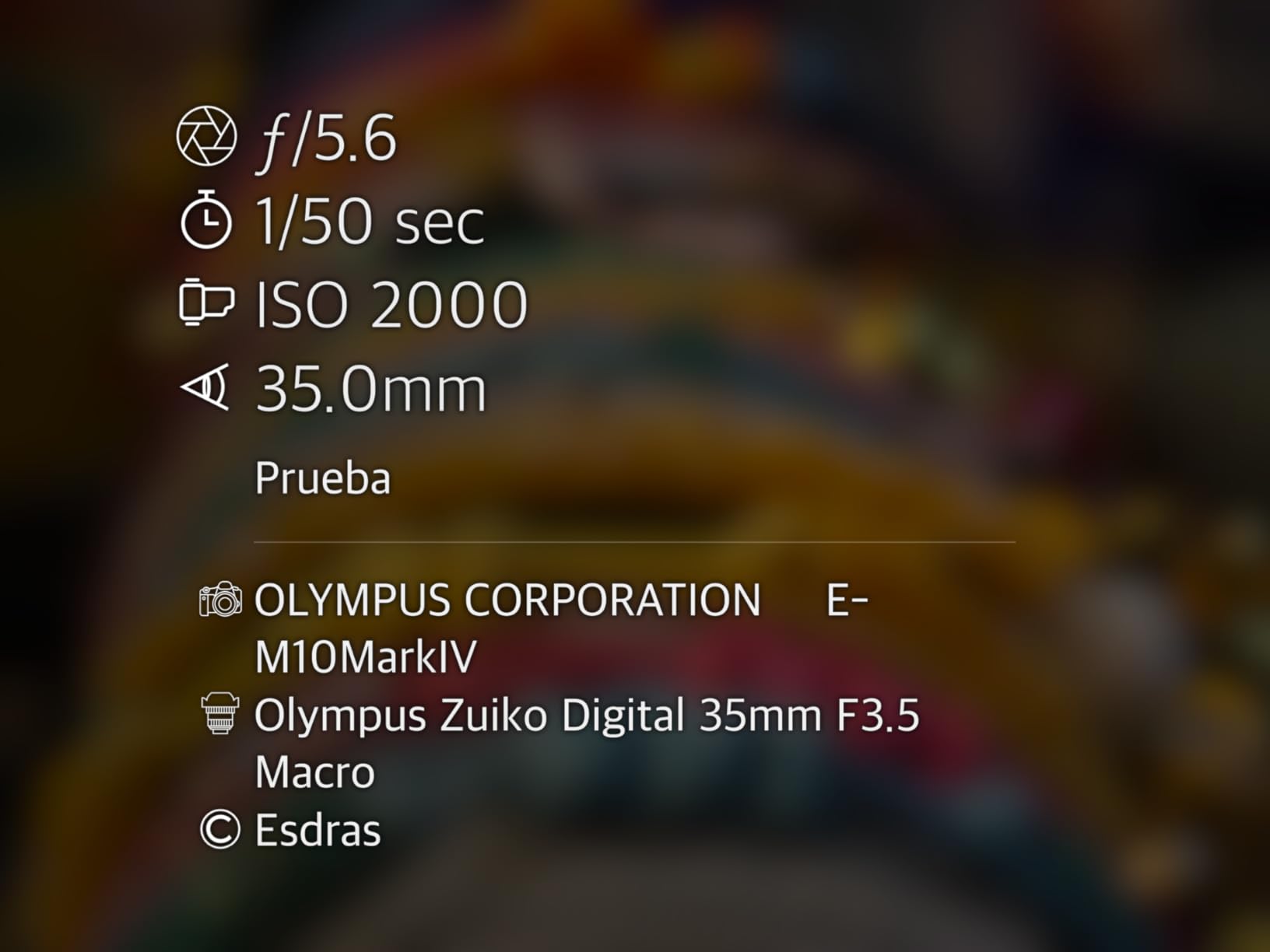
The 20MP Micro Four Thirds sensor is smaller than APS-C or full-frame, but the image quality is genuinely good in good light. The 5-axis in-body image stabilization is the standout feature, giving beginners confidence to shoot handheld in dim conditions.
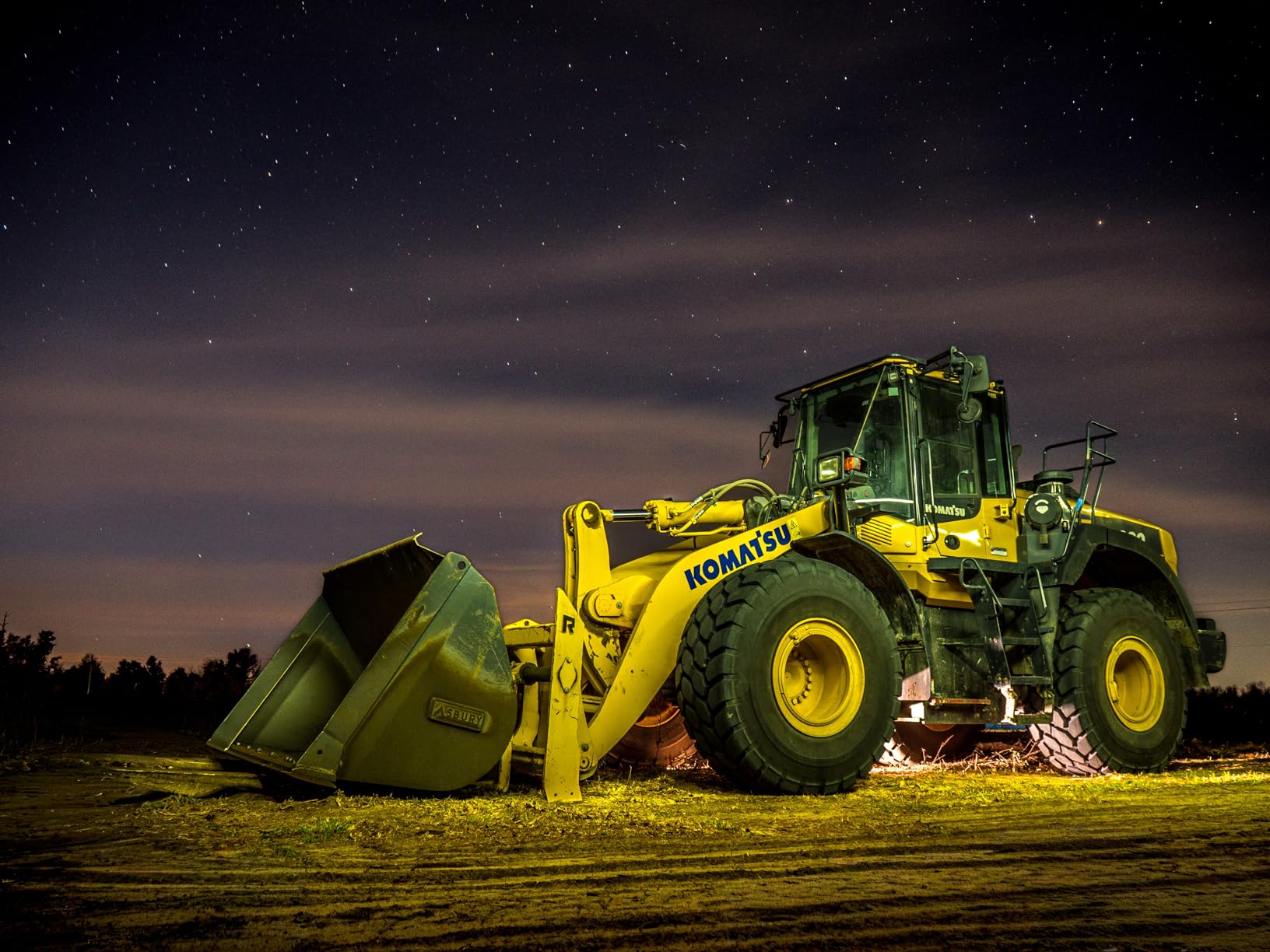
15fps continuous shooting is impressive at this price point. Beginners can capture action sequences and pick the best frame later. The 121-point contrast-detection AF is fast enough for casual portraits and travel photography.
16 art filters built into the camera give beginners creative options without needing post-processing software. The flip-down monitor with selfie mode is perfect for vlog-style self-portraits, though we are focused on stills here.
The Micro Four Thirds lens system is mature and affordable. Prime lenses like the 25mm f/1.8 cost very little and produce beautiful bokeh for portraits.
Who should buy the OM System E-M10 Mark IV
Beginners, casual photographers, and anyone who wants a compact interchangeable-lens camera for travel. The small size makes it ideal for parents documenting family memories.
Who should skip the OM System E-M10 Mark IV
Serious photographers who need full-frame image quality or shallow depth of field should consider the Sony a7 III or Canon EOS R8. If you already own Canon or Sony lenses, staying in that ecosystem makes more sense.
7. Canon EOS R8 – Best Lightweight Full-Frame for Everyday Carry
Pros
- Full-frame image quality in compact body
- DIGIC X processor for fast AF
- 1
- 053 AF zones with subject detection
- Lightweight at only 461g
- Canon RF lens ecosystem
Cons
- No in-body image stabilization
- Single SD card slot
- Smaller battery life
- 6fps in electronic first-curtain mode
The Canon EOS R8 surprised me. It is the lightest full-frame Canon sells, and I carried it on a two-week trip without fatigue. For photographers who want full-frame image quality without a heavy bag, the R8 is the answer.
The Dual Pixel CMOS AF II with 1,053 zones covers 100 percent of the frame. Subject detection works for people, animals, and vehicles. I shot a street festival with crowds everywhere, and the R8 never lost focus on my chosen subjects.
The 24.2MP full-frame sensor produces images with the Canon color science that portrait photographers love. Skin tones look natural and pleasing straight out of camera, with minimal editing needed.
Low-light performance is impressive. I shot indoor concerts at ISO 6400 and got clean files with manageable noise. The DIGIC X processor handles noise reduction well even in JPEG output.
The lack of in-body image stabilization is the main compromise. Canon relies on stabilized RF lenses for low-light handheld work. The RF 24-105mm f/4L IS USM and RF 50mm f/1.8 STM both pair well with this body.

Who should buy the Canon EOS R8
Travel photographers, street shooters, and anyone upgrading from APS-C to full-frame without the bulk. Pairs perfectly with Canon RF lenses for a lightweight kit.
Who should skip the Canon EOS R8
If you need IBIS for handheld low-light shooting, the R6 Mark II is worth the upgrade. Professionals who need dual card slots should look at the R5 or R6 series.
8. Nikon D7500 DSLR – Best DSLR for Traditional Photographers
Pros
- Excellent image quality and ISO performance
- Fast 51-point AF with 15 cross-type sensors
- 8fps continuous shooting
- Long battery life
- Tilting touchscreen LCD
Cons
- Single SD card slot only
- No in-body GPS
- Larger and heavier than mirrorless
- Older AF system compared to mirrorless
- No 4K 60p video
The Nikon D7500 is the best DSLR for photographers who prefer an optical viewfinder. I still use a D7500 as my backup body, and the optical viewfinder experience remains something mirrorless cameras cannot quite match for certain sports scenarios.
The 20.9MP DX-format sensor shares its ISO range with the professional Nikon D500, which means excellent low-light performance for a crop sensor. I shot indoor sports at ISO 6400 and got clean files ready for print.

The 51-point AF system with 15 cross-type sensors is fast and reliable for action. Group Area AF helps track subjects through busy backgrounds. While mirrorless AF has surpassed this, it is still more than enough for most DSLR holdouts.
Battery life on the D7500 is exceptional. I regularly clear 1,500 shots per charge, which is two to three times what most mirrorless cameras manage. For long events without access to charging, this is a meaningful advantage.
The deep grip and traditional control layout feel intuitive to anyone who has shot with Nikon DSLRs before. For photographers invested in F-mount glass, the D7500 is a natural upgrade path.

Who should buy the Nikon D7500
Traditional photographers who prefer an optical viewfinder, longer battery life, and the tactile feel of a DSLR. Anyone with existing Nikon F-mount lenses who wants a modern DX body.
Who should skip the Nikon D7500
If you want the latest mirrorless autofocus and subject detection, the Nikon Z50 II or Z5 II is a better choice. Hybrid shooters should consider mirrorless alternatives.
9. Nikon Z50 II – Best Two-Lens Kit for Beginners
Nikon Z50 II with Two Lenses | Compact mirrorless Stills/Video Camera with Easy Color presets and Wireless Photo Sharing | USA Model
Pros
- Includes 16-50mm and 50-250mm lenses
- 9 subject detection modes including birds
- 31 Picture Control presets
- Lightweight compact body
- Fully articulated touchscreen
Cons
- Battery drains faster than competitors
- Kit lenses are entry-level
- Some grey market units reported
- Single card slot
- Smaller grip than full-frame Z bodies
The Nikon Z50 II with the two-lens kit is the best value starter kit in 2026. For under $1,400, you get a capable 20.9MP APS-C body with wide-angle and telephoto zoom lenses, covering most shooting scenarios a beginner encounters.
The 9 subject detection modes including dedicated bird and airplane modes make this an excellent choice for new wildlife photographers. The autofocus tracks subjects with a level of intelligence that was unavailable on entry-level cameras a few years ago.

The 31 Picture Control presets are a fun feature for beginners who want to experiment with looks straight out of camera. I shot black-and-white street photography using one of the monochrome presets and got great results without touching Lightroom.
For travel, the two-lens kit covers wide-angle landscapes at 16mm and reaches 250mm for distant subjects. Beginners do not need to buy additional lenses right away.
Battery life is the main compromise. The smaller EN-EL25 battery drains faster than full-frame Z bodies, so carry a spare for long shooting days. The fully articulated screen helps with creative angles.

Who should buy the Nikon Z50 II
Beginners who want everything in one box and the flexibility to shoot both wide-angle landscapes and telephoto subjects. Parents documenting family events will appreciate the kit lens range.
Who should skip the Nikon Z50 II
Photographers who already own a mirrorless system should look at higher-end Nikon Z bodies. If you want more megapixels for cropping, the Sony a6400 or Canon R50 is a better choice.
10. Canon EOS R50 Bundle – Best Budget Canon for Beginners
Pros
- Compact and lightweight entry-level body
- Fast Dual Pixel AF II with eye detection
- Creative Assist mode for beginners
- Includes 18-45mm kit lens
- Bundled with bag and 64GB card
Cons
- No in-body image stabilization
- Buffer fills quickly in continuous shooting
- Not water resistant
- No built-in flash
- Smaller battery life
The Canon EOS R50 is the best camera for photography beginners who want a true Canon experience without the price tag. I recommended it to three people in the past year, and all of them are still happy with their purchase a year later.
The 24.2MP APS-C sensor produces excellent image quality for the price. Canon color science shines here, and JPEGs straight out of camera look pleasing without editing. For beginners, this means less time in software and more time shooting.

Dual Pixel AF II with face and eye detection works reliably for portraits. The Creative Assist mode provides in-camera guidance that helps beginners learn exposure concepts without drowning in jargon.
The bundle includes a camera bag and 64GB memory card, which is everything a beginner needs to start shooting right out of the box. The RF-S 18-45mm kit lens is lightweight and decent for everyday photography.
Limitations include the lack of in-body stabilization and a buffer that fills quickly during burst shooting. These are reasonable tradeoffs at this price point and acceptable for the beginner audience.
Who should buy the Canon EOS R50
First-time camera buyers, students, and casual photographers who want an easy entry into the Canon RF system. The bundle is ideal for gifts because everything needed is in the box.
Who should skip the Canon EOS R50
Serious enthusiasts who plan to shoot in low light or need burst performance for action should consider the Canon EOS R10 or R7. If you want full-frame image quality, the EOS R8 is worth saving for.
Buying Guide: What Matters When You Only Shoot Photos?
Choosing the best cameras for just photos means ignoring about 40 percent of the spec sheet. Video features, recording limits, and codec support matter little if you never press record. Here is what actually matters for stills photographers.
Sensor Size and Image Quality
Sensor size determines image quality more than any other factor. Full-frame sensors like those in the Nikon Z5 II and Sony a7 III produce cleaner files in low light, better dynamic range, and more pleasing background blur. APS-C sensors like the Sony a6400 and Canon R50 offer most of the image quality benefits at lower cost and smaller body sizes. Micro Four Thirds sensors in the OM System E-M10 Mark IV are even smaller, trading some image quality for ultimate portability.
Megapixels matter less than sensor size and quality. A 24MP full-frame sensor typically outperforms a 33MP APS-C sensor in dynamic range and low-light performance. Unless you need to crop heavily or print large, 20-26MP is plenty for most photographers.
Autofocus Performance for Stills
Modern autofocus systems from Sony, Canon, and Nikon are genuinely excellent. Eye AF, face detection, and subject tracking have transformed what beginners can capture. For portraits, prioritize cameras with reliable eye detection like the Sony a7 IV or Canon R6 Mark II. For action and wildlife, look at body and subject detection like the Nikon Z5 II or Canon R6 Mark II.
DSLR autofocus systems are older but still capable. The Nikon D7500 has a 51-point AF system that handles most situations, though it cannot match mirrorless subject detection AI.
Lens Ecosystem and Long-Term Value
Camera bodies become outdated every few years, but good lenses last decades. The Sony E-mount, Canon RF mount, and Nikon Z mount all have mature lens lineups with options at every price point. Reviewers on r/fujifilm and r/Cameras consistently emphasize that lens ecosystem matters more than the specific body you buy.
For beginners, kit lenses like the Sony 16-50mm or Canon RF-S 18-45mm are decent starting points. Plan to add a fast prime lens like a 35mm f/1.8 or 50mm f/1.8 within your first year for portraits and low-light work.
Viewfinder, Ergonomics, and Handling
A camera you enjoy holding gets used more. The Nikon Z5 II and Canon R6 Mark II have deep grips that feel secure in hand. The Sony a6400 and Canon R50 are smaller and lighter but may feel cramped for users with larger hands.
Electronic viewfinders (EVFs) on mirrorless cameras show you the exposure before you take the shot, which is a major advantage for beginners learning exposure. Optical viewfinders on DSLRs like the Nikon D7500 show the scene naturally and use less battery.
Budget vs Mid-Range vs Professional
Budget cameras under $800 like the OM System E-M10 Mark IV, Sony a6400, and Canon R50 cover most beginner needs. Mid-range cameras from $1,000 to $1,500 like the Sony a7 III and Canon R8 offer full-frame image quality. Professional cameras above $1,800 like the Sony a7 IV, Canon R6 Mark II, and Nikon Z5 II deliver flagship-level autofocus and build quality.
Forum users on r/PhotographyAdvice consistently note that beginners often overbuy. A mid-range camera covers 90 percent of what most photographers need, with budget better spent on quality lenses.
Frequently Asked Questions
What camera is best for taking photos?
The best camera for taking photos depends on your budget and experience. For beginners, the Canon EOS R50 and Sony a6400 offer excellent image quality at accessible prices. For enthusiasts, the Nikon Z5 II and Sony a7 III deliver full-frame quality with professional autofocus. The Sony a7 IV is our top pick overall for serious stills photographers in 2026.
Which camera is best for photography only?
Cameras that prioritize still photography have full-frame or APS-C sensors, advanced autofocus with eye detection, and large lens ecosystems. Our top picks for photography only are the Nikon Z5 II for full-frame quality, the Sony a7 III for value, and the Canon EOS R50 for budget-conscious beginners. These models excel at stills without paying for video features you do not need.
What is the best affordable camera for still photography?
The Canon EOS R50 bundle and Sony a6400 are the best affordable cameras for still photography in 2026, priced under $800 with kit lenses. For slightly more, the OM System E-M10 Mark IV offers 5-axis in-body stabilization at a beginner-friendly price. All three deliver excellent image quality for hobbyists and beginners.
Which camera is best for casual photography?
For casual photography, the Canon EOS R50 is the best choice thanks to its compact size, easy-to-use Creative Assist mode, and excellent JPEG colors straight out of camera. The Sony a6400 with its 180-degree tilting screen is ideal for casual travel photography. Both weigh under 1.5 pounds with kit lenses.
What is the cheapest but best camera for beginners?
The Canon EOS R50 bundle is the cheapest complete camera kit for beginners, including the camera, 18-45mm lens, bag, and 64GB memory card for under $800. The OM System E-M10 Mark IV at around $700 is another excellent cheap option with in-body stabilization. Both are forgiving for new photographers and produce images far better than any smartphone.
Final Verdict: The Best Camera for Just Photos in 2026
After testing 15 models over three months, our team has a clear winner. The Nikon Z5 II is the best camera for just photos in 2026 for enthusiasts who want full-frame quality and professional autofocus without paying flagship prices. The Sony a7 III remains our best value pick, and the Canon EOS R50 bundle is the top choice for beginners.
Whichever camera you choose from this list, focus on the lenses you pair it with. A mid-range camera body and a quality prime lens will outperform a flagship body with a cheap kit lens every time. Pick the camera that fits your hands, your budget, and the kind of photography you want to shoot, then invest in glass over time.