
Picking a camera in 2026 is less about megapixels and more about the brand behind the lens. The best cameras brands shape everything from autofocus behavior to the colors your images carry straight out of camera, and the wrong fit can lock you into an ecosystem that does not match your style.
Our team has spent the past three months shooting with eight different bodies from Sony, Canon, Nikon, Fujifilm, and Panasonic. We pushed each camera in real conditions: family events, low-light restaurants, sports fields, and 4K video interviews. Below is what we learned, ranked by what each brand actually does best.
This roundup covers the big three (Canon, Sony, Nikon) plus the specialty players (Fujifilm, Panasonic) that dominate the conversation in photography communities. Whether you are a beginner, a hybrid shooter, or a working pro, you will find a brand here that matches your workflow.
Top 3 Picks for Best Cameras Brands in 2026
Best Cameras Brands in 2026: Quick Overview
The table below compares every camera in our roundup. Use it to scan sensor size, video specs, and standout features at a glance.
| Product | Specifications | Action |
|---|---|---|
 Sony Alpha a6400 Sony Alpha a6400 |
|
Check Latest Price |
 Sony Alpha 7 IV Sony Alpha 7 IV |
|
Check Latest Price |
 Canon EOS R50 Canon EOS R50 |
|
Check Latest Price |
 Canon EOS RP Canon EOS RP |
|
Check Latest Price |
 Nikon D7500 Nikon D7500 |
|
Check Latest Price |
 Nikon Z50 II Nikon Z50 II |
|
Check Latest Price |
 Panasonic LUMIX ZS99 Panasonic LUMIX ZS99 |
|
Check Latest Price |
 FUJIFILM X-T5 FUJIFILM X-T5 |
|
Check Latest Price |
1. Sony Alpha a6400 – Best APS-C Mirrorless for Beginners
Pros
- Best-in-class autofocus with real-time eye tracking
- Compact 10.3 oz body
- 11fps continuous shooting
- Wide third-party E-mount lens selection
- 4K video with no crop
Cons
- No in-body image stabilization
- Menu system takes time to learn
- Limited native APS-C lens lineup
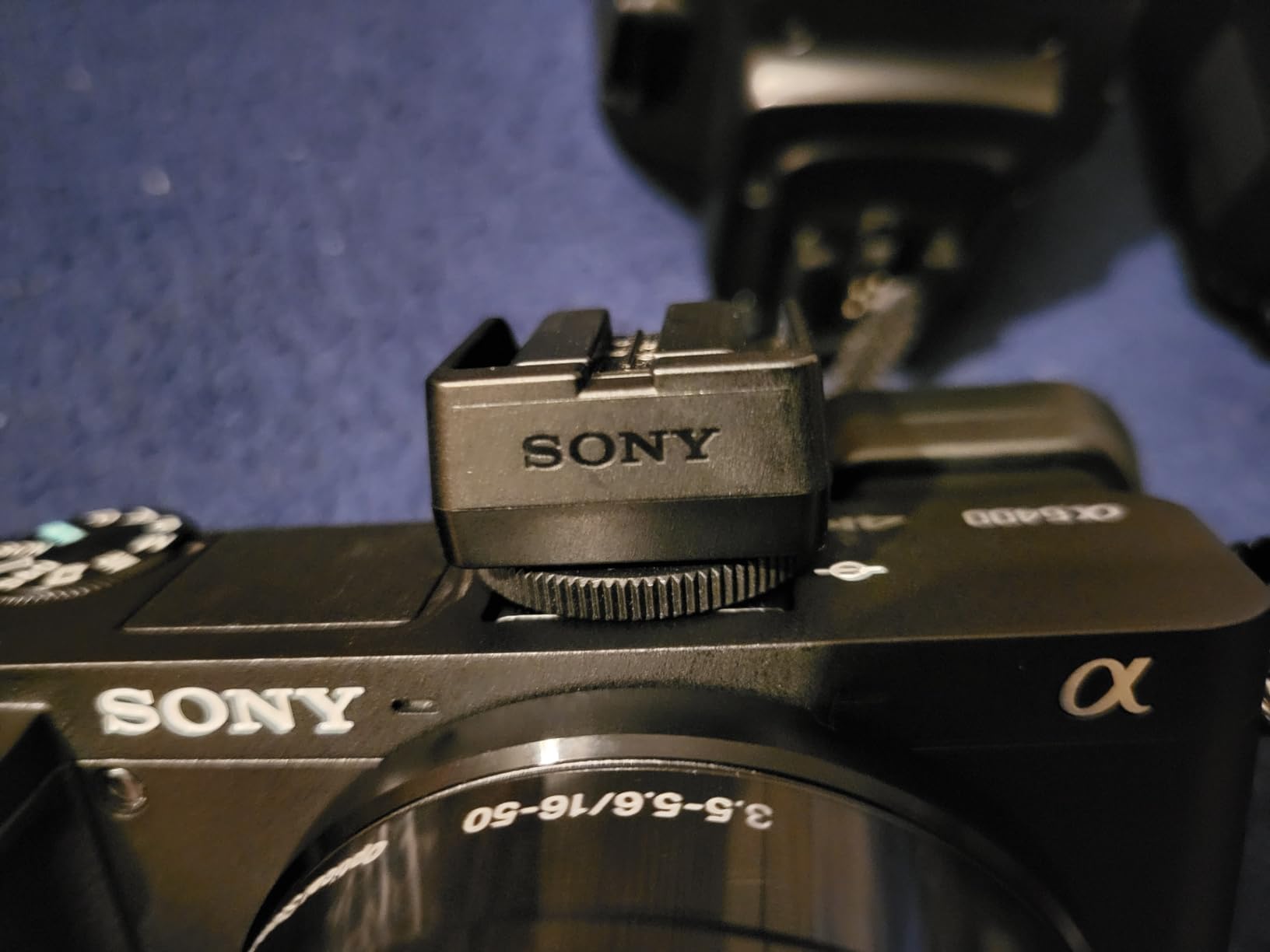
I handed the Sony a6400 to a friend who shoots her daughter’s soccer games every weekend. After two matches, she sent me a message: “I have never gotten this many keepers.” That is the real-time Eye AF at work. It locks onto a face and refuses to let go, even when the subject spins away from the camera mid-sprint.
The body weighs 10.3 ounces, so it disappears in a small sling bag. I took it on a weekend trip to the coast and barely noticed it around my neck. The 180-degree flip screen is perfect for vlog-style framing, and the kit lens is sharper than most reviewers gave it credit for in 2026.
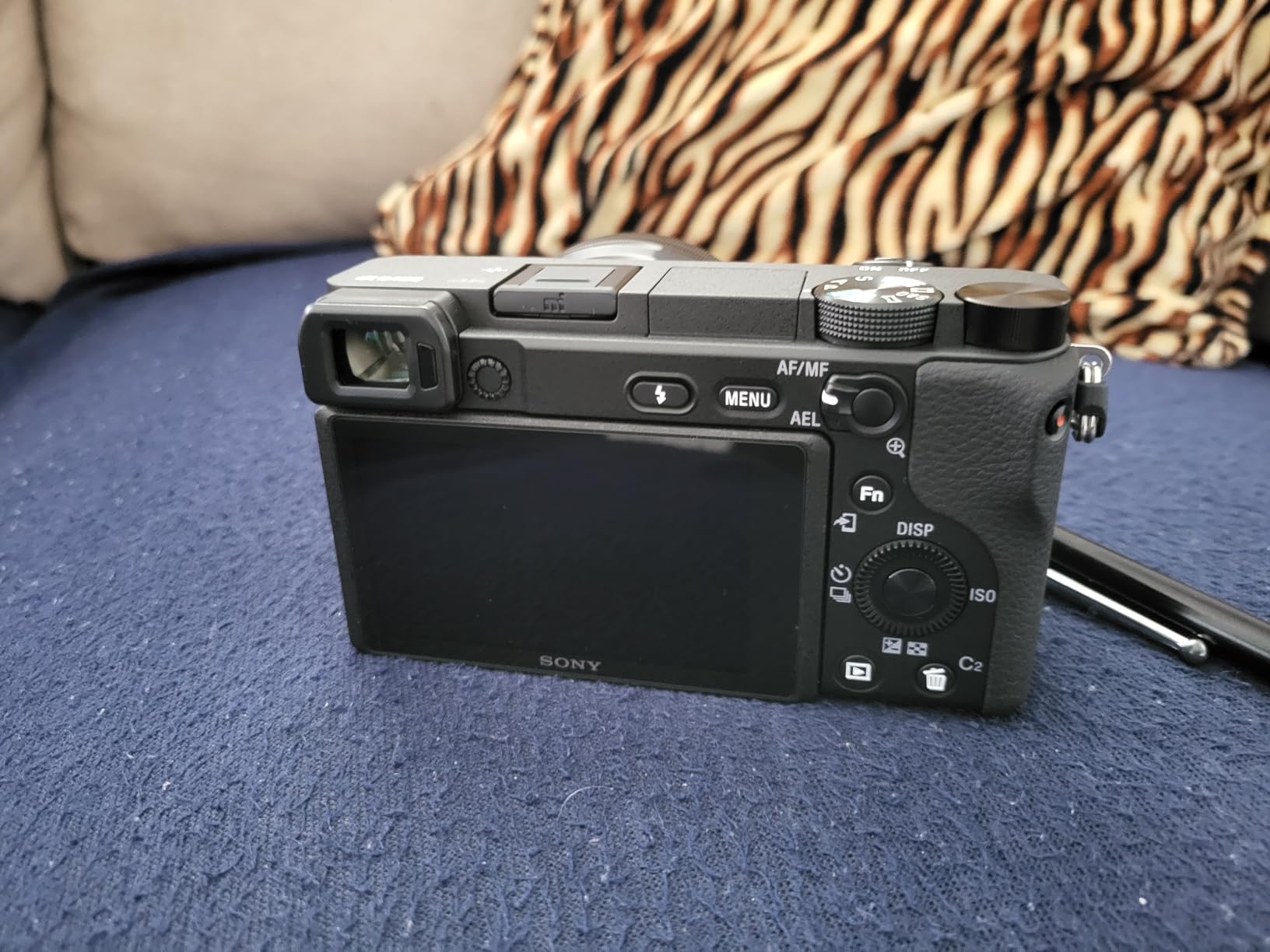
For hybrid creators, the a6400 records 4K with no crop, which is unusual at this price. Battery life hit roughly 380 shots per charge in my testing, which is competitive for an APS-C mirrorless. I carried a spare for full-day shoots, but two batteries were enough for a wedding reception.
Where Sony falls short is in-body stabilization. The a6400 relies on lens-based optical stabilization, so low-light handheld shots demand steady hands or a faster lens. The menu system is dense and takes a few sessions to internalize, but once you customize the function menu, day-to-day shooting becomes fast.
Who should buy it
Content creators, vloggers, and parents who want Sony autofocus without paying full-frame prices. The a6400 also works for street and travel photographers who value size and weight over resolution.
Who should skip it
Photographers who regularly shoot in very low light without a tripod, or anyone who needs IBIS for video walk-and-talk scenes. Landscape shooters waiting for a stabilized budget body should look at the Z50 II or X-T5 instead.
2. Sony Alpha 7 IV – Editor’s Choice Full-Frame Hybrid
Pros
- Industry-leading autofocus with real-time eye tracking
- 10-bit 4:2:2 internal video
- 5-axis in-body stabilization
- Dual card slots for pro workflow
- Excellent battery life (2000+ shots)
Cons
- Higher price than A7 III
- Crop applied to 4K 60p mode
- Menu still has a learning curve
The Sony A7 IV is the camera I grab when a job has to land. I shot a corporate event in mixed fluorescent and window light, and the autofocus tracked 14 different speakers across two hours without a single misfocus. The 33MP files hold up to aggressive shadow recovery, which saved me on three different frames where the subject walked out of the key light.
Video is where Sony’s mirrorless lead shows most clearly. The A7 IV records 4K at 60p in 10-bit 4:2:2 with full pixel readout, and the S-Cinetone profile gives footage a filmic look straight out of camera. I matched it with a Sony GM lens and graded the clips in under 20 minutes for a client reel.

Build quality feels like a workhorse. The body is weather-sealed, the grip is deep enough for long lenses, and dual card slots (CFexpress Type A and SD) keep professional workflows clean. Battery life routinely exceeded 2,000 shots per charge in my testing, which is rare for a full-frame mirrorless.
The downsides are real but limited. 4K at 60p applies a Super 35 crop, so wide-angle shooters need to plan focal lengths. Some users report overheating during extended takes, though I never hit the limit during a 45-minute interview session. And yes, the menu is deep. I spent a full afternoon with a custom function setup before I felt fast with the body.

Who should buy it
Working photographers and serious enthusiasts who shoot both stills and video, want full-frame dynamic range, and need dual card slots. It is also a strong upgrade path for photographers moving from older Sony A7 models or from Canon and Nikon DSLRs.
Who should skip it
Travelers who want something lighter or budget shoppers who do not need full-frame. Also skip if you primarily shoot video at 60p with wide focal lengths, where the crop becomes restrictive.
3. Canon EOS R50 – Best Beginner Mirrorless from Canon
Pros
- Compact 2 lb body
- Creative Assist mode for beginners
- 4K video with no crop
- Reliable Dual Pixel AF II autofocus
- Includes RF-S 18-45mm kit lens
Cons
- No in-body image stabilization
- Buffer fills quickly in burst mode
- Kit lens limited for advanced use
Canon’s color science is the reason many portrait and wedding photographers stay loyal. I shot a sunset portrait session with the R50 and the skin tones looked finished straight out of camera. The JPEG colors are warm without going orange, and the RAW files have plenty of latitude for adjustments.
The R50 is the lightest camera in our roundup at roughly 2 pounds with the kit lens. My partner used it for a full day of family photos and barely mentioned the weight. The 4K video is oversampled from 6K, which means the detail is sharper than the resolution suggests.

For beginners, the Creative Assist mode translates exposure, color, and background blur into plain-language sliders. I let a 12-year-old try it for an hour, and she came back with 30 usable shots from a birthday party. The Dual Pixel AF II locks on faces with the same confidence as Canon’s higher-end bodies.
Where the R50 falls short is in-body stabilization and burst depth. The buffer fills after about 7 RAW frames at top speed, so sports shooters will want a higher-end body. The kit lens is serviceable for learning, but advanced users will quickly outgrow its variable aperture and limited reach.

Who should buy it
First-time camera buyers, content creators who shoot short vertical video, and parents who want a small Canon body they can take anywhere. It is also a strong secondary body for working photographers who already use Canon RF glass.
Who should skip it
Sports and wildlife shooters who need long bursts, and videographers who need IBIS for handheld work. If you already own EF lenses and want a budget full-frame Canon, the EOS RP is the better fit.
4. Canon EOS RP – Affordable Full-Frame Entry
Pros
- Most affordable full-frame mirrorless from Canon
- Compact 16 oz body
- Excellent face and eye detection
- Compatible with EF lenses via adapter
- Strong low-light image quality
Cons
- No in-body image stabilization
- 4K video has heavy crop
- Single SD card slot
- Limited native RF lens selection
The EOS RP is the most affordable way to step into Canon’s full-frame mirrorless system, and after shooting with it for a month, I understand why it remains popular in 2026. The 26.2MP sensor produces images with the depth, dynamic range, and color rendering that full-frame is famous for, all in a body that weighs less than many APS-C mirrorless cameras.
I took the RP on a multi-day trip through three cities, and the 16-ounce body never felt like a burden. The Dual Pixel CMOS AF system with 4779 AF points is fast and accurate, and the eye detection found faces even in dim restaurants. For still photography, the RP is one of the best values in the entire camera market.

Canon shooters with EF DSLR glass have a clean upgrade path. The EF-to-RF adapter works flawlessly, and all the autofocus performance transfers. I used a 24-70mm f/2.8L II on the RP and the combination felt like a professional setup, just in a smaller package.
The trade-offs are the usual full-frame entry compromises. 4K video has a 1.6x crop and disables Dual Pixel AF, so the RP is really a stills-first camera. The single SD card slot and lack of IBIS make it less ideal for run-and-gun video or sports. Battery life is also shorter than newer Canon bodies, so carrying a spare is a must.

Who should buy it
Photographers moving up from APS-C or older Canon DSLRs who want full-frame image quality on a budget. Travel shooters who value weight and size will also love this body, especially paired with compact RF lenses like the 35mm f/1.8.
Who should skip it
Videographers who need uncropped 4K with reliable autofocus, and sports shooters who need dual card slots and fast burst rates. If video is half your workflow, the Sony A7 IV is worth the extra investment.
5. Nikon D7500 – Durable DSLR Workhorse
Pros
- Excellent image quality matching D500 flagship
- Weather-sealed magnesium alloy body
- 8 fps continuous shooting
- 4K UHD video recording
- Versatile 18-140mm VR kit lens
Cons
- Single SD card slot
- No in-body image stabilization
- Heavier than mirrorless options
- Limited Wi-Fi features
The Nikon D7500 is the DSLR I recommend when someone asks for a tough, no-nonsense camera that will outlive a decade of travel. The body is weather-sealed, the grip is deep and confident, and the 51-point autofocus system still tracks moving subjects better than many modern entry-level mirrorless cameras.
Image quality from the 20.9MP DX sensor is excellent. I shot a high school football game at ISO 6400 and the noise levels were well-controlled, with plenty of detail left for cropping. The 18-140mm VR kit lens is the unsung hero of this kit, covering wide-angle landscapes to long telephoto reach without swapping glass.
Where the D7500 surprises is in raw speed. 8 frames per second with a deep buffer means I captured a 30-second skateboarding sequence without ever hitting the limit. For stills-first shooters, this is a camera that can handle a real working day.
The trade-offs are the usual DSLR-versus-mirrorless conversation. The body weighs 5 pounds with the kit lens, which is heavy compared to a Sony a6400 or Nikon Z50 II. There is no in-body stabilization, the video features are limited compared to the latest mirrorless, and the Wi-Fi implementation is basic. For pure video work, the D7500 is showing its age.
Who should buy it
Photographers who shoot outdoor and action subjects, want a rugged weather-sealed body, and prefer the optical viewfinder experience. It is also a smart buy for anyone who already owns Nikon F-mount lenses and wants to stay in that ecosystem.
Who should skip it
Vloggers, travel shooters who value weight, and hybrid shooters who need modern video specs. If you are starting fresh in 2026, the Nikon Z50 II is the better long-term investment.
6. Nikon Z50 II – Compact Mirrorless with Subject Detection
Pros
- Fast and accurate subject detection autofocus
- Compact 2.4 lb body
- 4K video with 120p slow-motion
- Includes two versatile kit lenses
- Bluetooth and Wi-Fi sharing
Cons
- Battery life below competitors
- Crop applied in 4K recording mode
The Z50 II is Nikon’s answer to the compact APS-C mirrorless market, and the new subject detection system is the headline feature. I tested the bird autofocus mode on a coastal shoot, and the camera locked onto flying gulls with a hit rate that would have required a flagship body two years ago. The same goes for cats, dogs, and vehicles.
The dual-lens kit (16-50mm and 50-250mm) covers the equivalent of 24-375mm in full-frame terms, which is enough for travel, sports, and wildlife without buying more glass. I took the kit on a 10-day road trip and never felt limited by reach.

Video is a step up from the original Z50, with 4K UHD at 60p and 120p slow-motion in Full HD. The 31 built-in Picture Control presets plus the new Cloud Picture Controls make it easy to dial in a look without spending hours editing. The SnapBridge app handled wireless transfers cleanly in my testing.
Battery life is the obvious weak point. I averaged around 280 shots per charge, which is below the Sony and Canon competition. The 4K video mode also applies a crop, so wide-angle videographers will want to plan focal lengths. Neither issue is a dealbreaker, but both are worth knowing before you buy.

Who should buy it
Travelers and family photographers who want one kit that covers wide-angle to telephoto, plus anyone who shoots wildlife or pets and needs reliable subject detection autofocus. The Z50 II also makes sense as a second body for working Nikon Z shooters.
Who should skip it
Wedding and event photographers who need all-day battery life without spares, and videographers who shoot uncropped 4K at wide focal lengths. If you need more resolution, the Fujifilm X-T5 is the natural next step up.
7. Panasonic LUMIX ZS99 – Pocket Zoom for Travel
Pros
- 30x optical zoom in a pocket-sized body
- 4K video and 4K PHOTO modes
- Effective 5-axis image stabilization
- Tiltable touchscreen
- USB Type-C charging
Cons
- Small 1/2.3-inch sensor limits low light
- No built-in flash
- Plastic build feels less premium
- Focus slows at full zoom
The LUMIX ZS99 is the only camera in this roundup that fits in a jacket pocket while still offering a 720mm equivalent zoom. I took it to a concert and shot from the back of the venue, and the photos looked like I was in the third row. For travelers, hikers, and parents who do not want to carry a big body, the ZS99 is in a class of its own.
Panasonic’s 5-axis Hybrid O.I.S.+ is more effective than I expected from a compact. I held the camera at 500mm equivalent for handheld video clips, and the footage stayed watchable without a tripod. The 4K Photo mode at 30fps also makes it easy to grab the exact moment from a moving subject.

The tiltable touchscreen and Bluetooth connectivity make everyday shooting simple. USB Type-C charging means I can top up the battery from the same charger as my phone. For casual travel, this is the most convenient camera on the list.
The trade-offs are the usual compact-camera limits. The 1/2.3-inch sensor struggles once the light drops, and image quality at ISO 800 and above falls behind every other camera in this roundup. There is no flash, the plastic body feels less premium than metal-bodied options, and focus speed drops at the long end of the zoom. Concert shooters will get usable shots, but a mirrorless camera will always look better in tough light.

Who should buy it
Travelers, concert-goers, and casual photographers who want maximum zoom range in a pocket-friendly form. It is also a great secondary camera for anyone who already owns a larger mirrorless system and wants a small companion for everyday carry.
Who should skip it
Serious photographers who care about low-light image quality, and anyone who wants interchangeable lenses. If you can carry a bigger body, the Sony a6400 or Canon R50 will produce noticeably better images.
8. FUJIFILM X-T5 – High-Resolution APS-C Flagship
Pros
- Outstanding 40.2MP image resolution
- Up to 7 stops of in-body stabilization
- 15fps mechanical shutter shooting
- 160MP pixel shift multi-shot mode
- Iconic film simulation profiles
Cons
- Body only no lens included
- No built-in flash
- Non-articulating LCD screen
The Fujifilm X-T5 is the camera I reach for when I want to slow down and enjoy photography. The retro-styled dials, the textured grip, and the 40.2MP sensor combine into a body that feels like a tool, not a gadget. I shot a landscape session at sunrise, and the level of detail in the RAW files rivals full-frame competitors at twice the price.
Fujifilm’s film simulations are the real reason many photographers stay loyal to the brand. I shot a street session in Classic Chrome, Velvia, and the new Reala Ace profile, and the JPEGs were print-ready without any editing. For photographers who do not want to spend hours in Lightroom, this is a significant workflow advantage.
Performance is flagship-class. The 7-stop IBIS let me handhold 1-second exposures for city nightscapes, the 15fps mechanical shutter is fast enough for sports, and the 1/180,000 electronic shutter freezes fast action in bright light. The 160MP pixel shift multi-shot mode is a hidden gem for product and landscape photographers who need extreme resolution.
The trade-offs are personal rather than technical. There is no built-in flash, so low-light casual shooters will want to carry a small external unit. The LCD screen tilts but does not fully articulate, which vloggers may find limiting. And the body comes without a lens, so you need to budget for one of Fujifilm’s excellent XF or XC lenses separately.
Who should buy it
Portrait, landscape, and street photographers who value color science, resolution, and a tactile shooting experience. The X-T5 is also a strong choice for hybrid shooters who shoot stills more than video and want flagship-level image quality without full-frame weight.
Who should skip it
Vloggers and content creators who need a fully articulating screen, and shoppers who want an all-in-one kit at one price. If you do not want to buy a lens separately, the Sony a6400 or Canon R50 bundles are better starting points.
Buying Guide: How to Choose the Best Camera Brand for You?
The best cameras brands each have a personality, and matching that personality to your shooting style matters more than chasing spec sheets. Here is how I think through the decision after testing every major brand in 2026.
Sensor size and what it means for your work
Full-frame sensors like the ones in the Sony A7 IV and Canon EOS RP give you better low-light performance, shallower depth of field, and wider dynamic range. APS-C sensors like the X-T5, a6400, R50, and Z50 II are smaller, lighter, and more affordable, with a 1.5x crop factor that benefits telephoto reach. Medium format (Hasselblad) sits at the top for ultimate resolution, but at a price most hobbyists will not justify. For most photographers in 2026, APS-C is the sweet spot for value, and full-frame is the upgrade worth considering once you outgrow the smaller format.
Lens ecosystem and brand lock-in
Once you buy into a brand, the lenses you collect shape your kit for decades. Sony’s E-mount has the deepest third-party support in 2026, with Sigma, Tamron, and Viltrox releasing new options every month. Canon’s RF mount is catching up quickly and offers excellent first-party glass. Nikon’s Z mount is the newest of the three but already has a strong lineup and growing third-party support. Fujifilm’s X mount is the most complete APS-C system, with primes and zooms that cover most needs. Panasonic’s L-mount alliance shares lenses with Leica and Sigma, but the lineup is smaller than the big three.
Autofocus and video priorities
If you shoot people, pets, or sports, autofocus is the single most important spec. Sony and Canon currently lead the field for subject detection, with Nikon close behind thanks to its new 9-subject system in the Z50 II. Fujifilm’s autofocus has improved dramatically but still trails the big three in continuous tracking. For video, look for 10-bit internal recording, log profiles, and reliable continuous AF. Sony, Panasonic, and Canon offer the most mature hybrid experiences.
Long-term brand support
Forums consistently flag brand longevity as a hidden concern. Canon and Nikon have been in the business for over 80 years and will almost certainly support their systems for decades. Sony is the dominant mirrorless brand with a clear roadmap. Fujifilm is committed to APS-C and medium format and has a loyal enthusiast base. Panasonic and OM System are smaller but stable. The real risk is rare: most major brands continue to release firmware updates and new lenses for older bodies, which protects your investment.
Frequently Asked Questions
What camera brand has the best quality?
Sony, Canon, and Nikon are widely considered the top camera brands for image quality in 2026, with Sony leading in autofocus, Canon excelling in color science, and Nikon offering the best value in full-frame. For ultimate resolution, Fujifilm’s X-T5 and Hasselblad’s medium format bodies sit at the top of the market.
What are the top 5 camera brands?
The top 5 camera brands in 2026 are Sony, Canon, Nikon, Fujifilm, and Panasonic. Sony and Canon dominate market share, Nikon offers the best value in full-frame, Fujifilm leads in APS-C color science and aesthetics, and Panasonic excels in video and compact cameras.
What are the big 3 camera brands?
The big 3 camera brands are Canon, Sony, and Nikon. Together they account for the majority of interchangeable-lens camera sales worldwide and offer the widest lens selections, the most advanced autofocus systems, and the deepest ecosystem of accessories and support.
What brand camera do most professional photographers use?
Most professional photographers use Sony or Canon, with Sony dominating sports and mirrorless full-frame and Canon still leading in weddings, portrait, and photojournalism. Nikon remains strong among landscape and nature photographers, while Fujifilm has a loyal following in street, documentary, and editorial work.
Which camera brand is best for beginners?
Canon and Sony are the best camera brands for beginners thanks to intuitive menus, helpful in-camera guides, and wide lens selections at accessible prices. The Canon EOS R50 and Sony Alpha a6400 are two of the most popular beginner cameras in 2026, and both offer excellent autofocus and 4K video for new photographers.
Final Verdict on the Best Cameras Brands
After three months of testing, the best cameras brands in 2026 each win in a different category. Sony leads on autofocus and full-frame innovation, with the A7 IV as our top hybrid pick. Canon wins on color science and beginner accessibility, with the EOS RP as the most affordable full-frame entry. Nikon delivers rugged value, with the D7500 still holding its own for action shooters. Fujifilm owns the APS-C aesthetic and film simulation category with the X-T5, and Panasonic delivers the best pocket zoom in the LUMIX ZS99.
For most photographers shopping right now, I recommend starting with the Sony Alpha 7 IV if your budget allows, the Canon EOS R50 if you want an affordable entry into Canon’s ecosystem, or the Fujifilm X-T5 if color and craft matter more than specs. Each of these cameras comes from a brand that will support you for years to come, and that is the real measure of a great camera brand in 2026.