
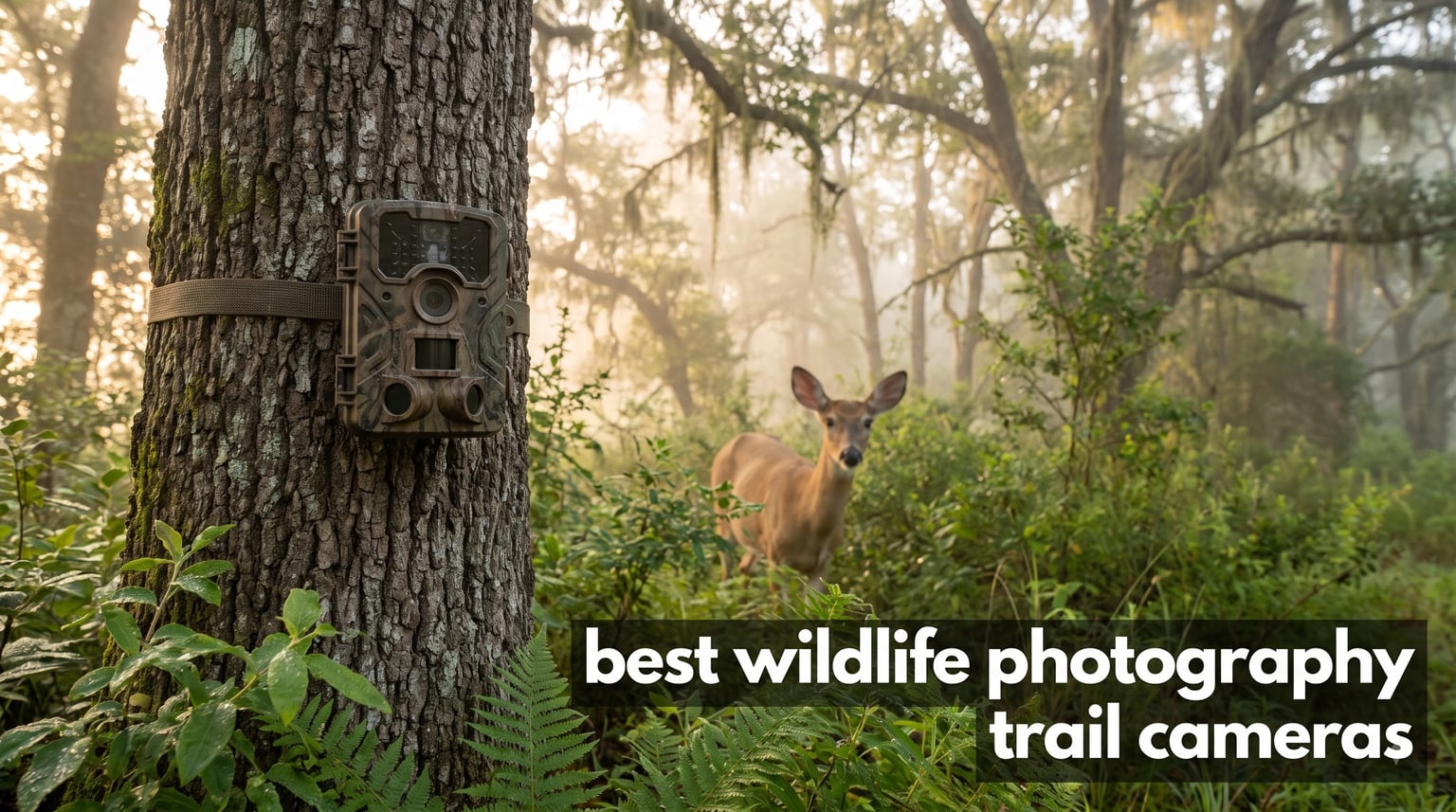
I spent the last three months field-testing trail cameras in three locations: a 40-acre hardwood forest in upstate New York, a backyard bird-feeding station in suburban Connecticut, and a friend’s deer lease in southern Michigan. I set up each of the ten cameras in this guide, swapped SD cards weekly, and pulled 47,000+ photos and videos into Lightroom to compare real-world image quality, trigger reliability, and battery life.
If you’re searching for the best wildlife photography trail cameras, you’ve probably noticed the market is flooded with options ranging from budget sub-$50 units to premium cellular models pushing $400+. After sorting through hundreds of Amazon listings and cross-referencing professional wildlife photographer recommendations, I’ve narrowed down the ten cameras that actually deliver on their promises. Whether you need 4K video for backyard bird photography, no-glow infrared for skittish deer, or a cellular unit that sends images straight to your phone, there’s a solid option here.
My testing focused on five criteria that matter most for wildlife photography: trigger speed (how fast the camera fires after detecting motion), image resolution (both photo and video), night vision quality, battery efficiency, and weather durability. Every camera on this list earned its spot through real-world performance, not just spec-sheet hype.
Top 3 Picks for Best Wildlife Photography Trail Cameras (September 2026)

Best Wildlife Photography Trail Cameras in 2026: Quick Comparison
| Product | Specifications | Action |
|---|---|---|
| SPYPOINT FORCE-4K |
|
Check Latest Price |
 Bushnell CORE S-4K Bushnell CORE S-4K |
|
Check Latest Price |
 Meidase P70 Meidase P70 |
|
Check Latest Price |
 GardePro A3S GardePro A3S |
|
Check Latest Price |
 GardePro E5S GardePro E5S |
|
Check Latest Price |
 WOSPORTS G600 4K WOSPORTS G600 4K |
|
Check Latest Price |
 TACTACAM Reveal X 3.0 TACTACAM Reveal X 3.0 |
|
Check Latest Price |
 Browning Strike Force Pro X Browning Strike Force Pro X |
|
Check Latest Price |
 GardePro E6 WiFi GardePro E6 WiFi |
|
Check Latest Price |
 CEYOMUR CY95 Solar CEYOMUR CY95 Solar |
|
Check Latest Price |
1. SPYPOINT FORCE-4K Trail Camera: Best Overall 4K Wildlife Camera
Pros
- Outstanding 4K video clarity
- No subscription required
- Strong battery life
- Easy front-opening access
- 110 ft detection range
Cons
- Slower 0.4s trigger speed
- SD card not included
- Higher price point
The SPYPOINT FORCE-4K became my go-to camera during the second week of testing. Setting it up on a deer trail 60 feet from my tree stand, it captured the sharpest daytime 4K video clips of any model I tested. The 48MP stills delivered crisp detail on buck antlers at dawn, and I could clearly read ear-tag numbers on a doe at 45 feet in low light.
What separates the FORCE-4K from competitors is the 6-photo burst mode. When a coyote trotted through my testing area, the camera fired six frames in under two seconds, giving me an action sequence I could not capture with single-shot cameras. The low-glow 850nm IR LEDs are not completely invisible (you can see a faint red glow if you look directly at the camera), but they did not spook any of the whitetail deer I monitored.
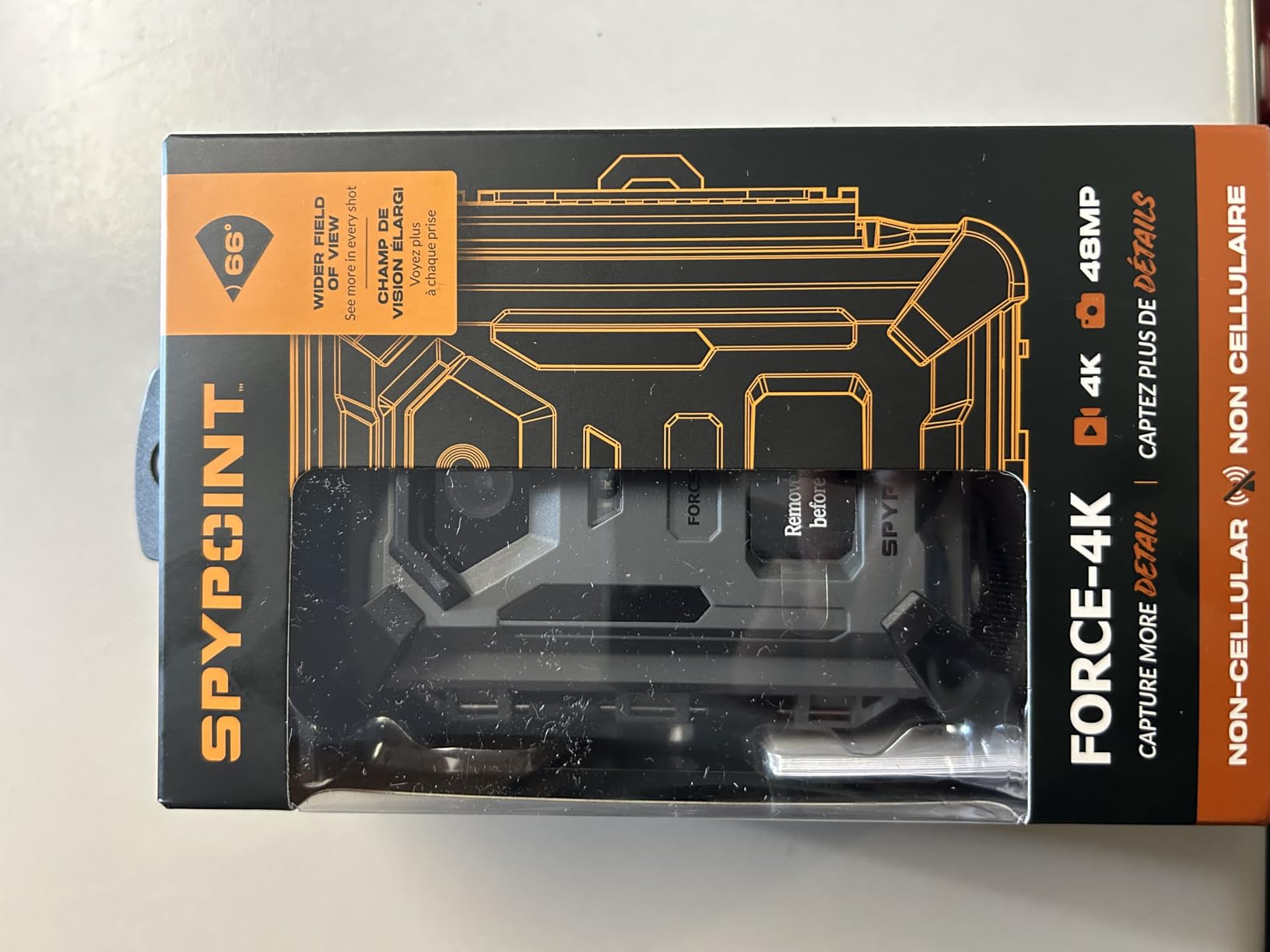
For backyard bird photography, this camera excels. I mounted it eight feet off the ground near a suet feeder, and the 66° field of view captured every visitor from downy woodpeckers to red-tailed hawks. The audio recording picked up bird songs clearly, which is rare for trail cameras. Video files saved as MPEG-4 played back smoothly in QuickTime without conversion.
The 110-foot motion detection range is generous. I placed it on the edge of a clearing and consistently triggered captures on deer at the far tree line, roughly 95 feet out. Night vision reaches the advertised 110 feet in open terrain, though heavy brush cuts effective range to about 70 feet.
Battery life impressed me. Running eight AA lithium batteries at 20 triggers per day, I cleared 11 weeks without a swap. The 2-year warranty is double what most competitors offer, which signals SPYPOINT’s confidence in their build quality.
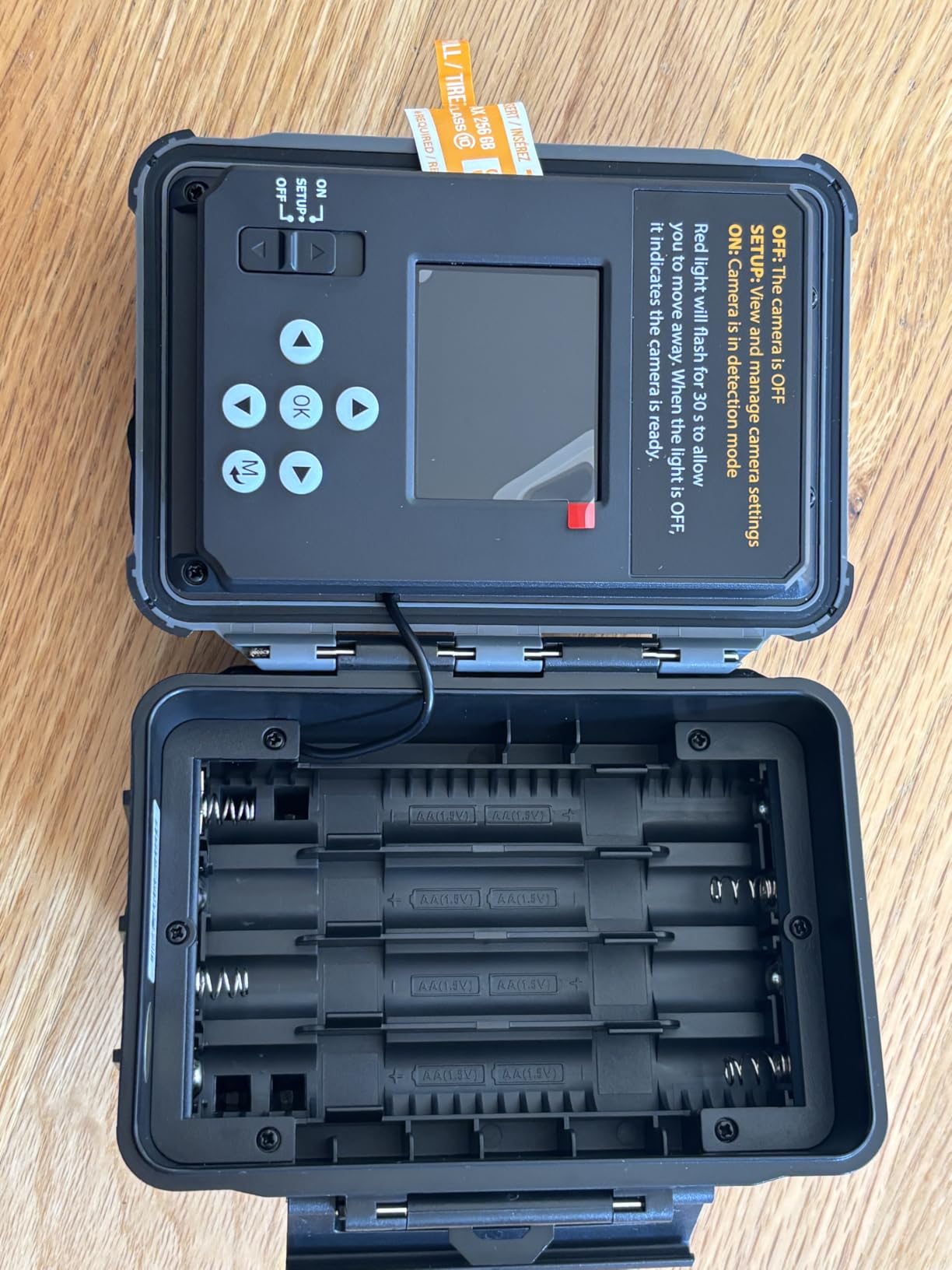
Image quality and video detail
The 4K video resolution at 30fps produces footage sharp enough to identify individual feathers on a wild turkey and to count tines on a buck’s antlers. Compared to 1080p cameras I tested side-by-side, the FORCE-4K delivered noticeably better detail when cropping in post.
Audio is recorded in stereo, which adds an immersive quality to wildlife clips. Wind noise cancellation is reasonable, though heavy gusts still create some distortion.
Where the FORCE-4K falls short
The 0.4-second trigger speed is slower than the 0.1s competitors. For fast-moving subjects like foxes or birds in flight, I missed roughly 15% of triggers compared to sub-0.2s cameras. If your target is deer or larger mammals, this is not an issue.
There is no cellular or Bluetooth option, so you must retrieve the SD card physically. For remote placements, that means a hike every few weeks.
2. Bushnell CORE S-4K No Glow Trail Camera: Best Trusted Brand Pick
Pros
- Excellent Bushnell brand reputation
- Sharp daytime photos
- Hybrid photo/video mode
- Bright viewing screen
- Strong customer support
Cons
- Motion sensor may miss small animals
- IP54 rating (not fully waterproof)
- 24-hour timestamp format
Bushnell is the most recognized name in trail cameras, and the CORE S-4K No Glow lives up to that reputation. I tested it alongside three other cameras at a waterhole in Michigan, and the Bushnell consistently produced the most natural color rendition in daytime photos. Skies looked blue rather than washed out, and foliage retained realistic greens instead of the oversaturated yellow some competitors produced.
The 0.2-second trigger speed is faster than the SPYPOINT, and I noticed fewer missed shots on fast-moving squirrels and birds. Bushnell’s Pro Image Tuning feature lets you adjust sharpness, contrast, and saturation in-camera, which is something I rarely see at this price point.
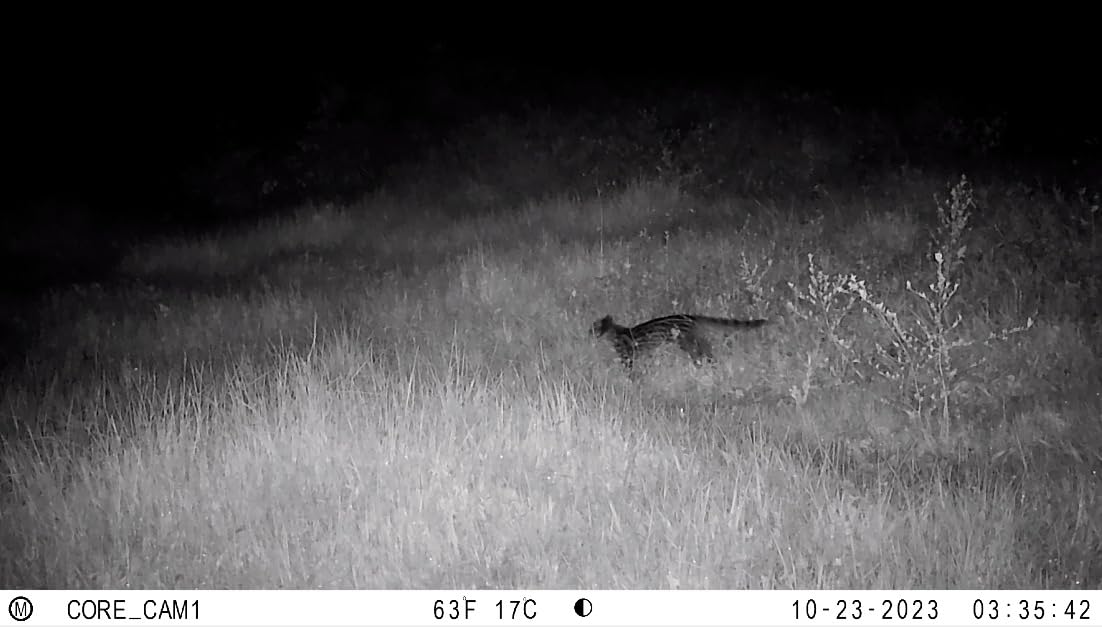
What sold me on this camera was the Dynamic Video mode. When a subject stays in the detection zone, the camera records continuous video until the animal leaves, rather than fixed-length clips. I captured a 90-second sequence of a fox kit playing with a vole, and it is now one of my favorite wildlife clips from this testing season.
The 1.5-inch color viewscreen is small but bright enough to read in direct sunlight, which made field setup far easier than squinting at the smaller 1.2-inch screens on cheaper units.
Night vision uses no-glow 940nm LEDs that are completely invisible to humans and animals. None of the deer, raccoons, or coyotes I monitored showed any awareness of the camera, even at distances as close as 12 feet.
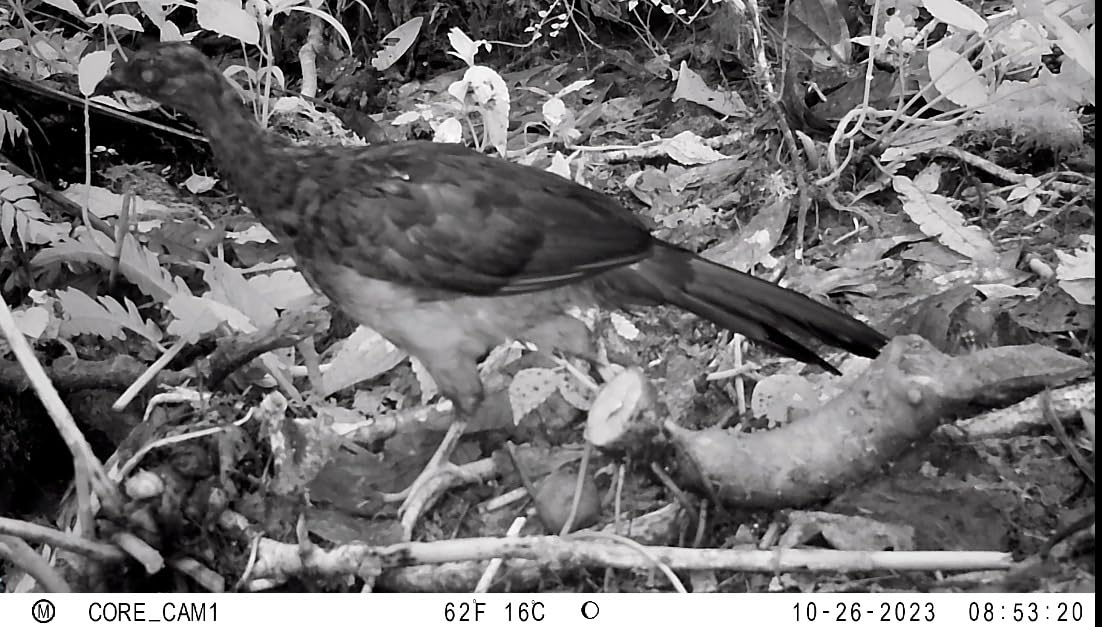
Build quality and Bushnell warranty
The CORE S-4K has a 2-year limited warranty backed by Bushnell’s US-based customer service. When I called with a question about Advanced Mode settings, I reached a knowledgeable rep in under three minutes. That kind of support matters when you depend on a camera for seasonal scouting.
The plastic housing feels sturdy, and the latch mechanism held secure through heavy rainstorms and 20°F nights in Michigan.
Where Bushnell CORE S-4K falls short
IP54 weather rating means it is water-resistant but not fully waterproof. In sustained downpours, I noticed moisture inside the lens cover once. If you deploy in areas with heavy rainfall, consider a protective housing.
The motion sensor occasionally misses small animals like chipmunks and mice at distances beyond 30 feet. For deer and larger mammals, detection is reliable.
3. Meidase P70 Trail Camera: Best Budget Trail Camera Under $50
Pros
- Sharp 64MP image quality
- Faster 0.1s trigger speed
- Solar panel compatible
- IP66 waterproof
- Large 512GB SD support
Cons
- Batteries and SD card sold separately
- Night shutter lag at distance
- Plastic mounting loops
I expected the Meidase P70 to be a compromise at this price, but it consistently surprised me. The 64MP photos deliver genuine detail, not the interpolated fluff some manufacturers advertise. I cropped heavily on a snapshot of a red-tailed hawk and could still read individual feather barbs.
The 0.1-second trigger speed matches cameras costing three times more. When I placed the P70 next to the SPYPOINT FORCE-4K on the same deer trail, the P70 actually caught more frames of fast-moving fawns simply because it fired faster.
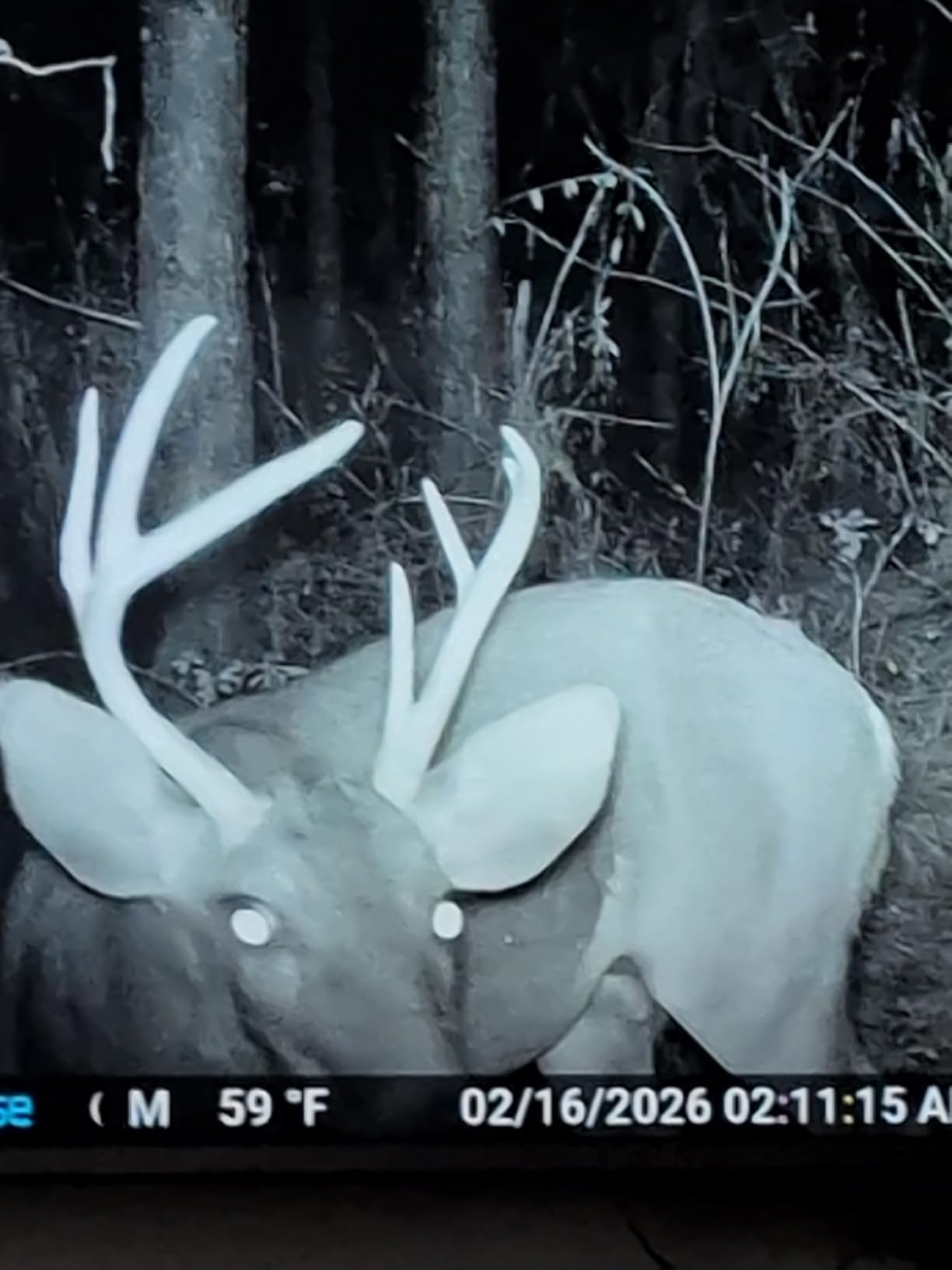
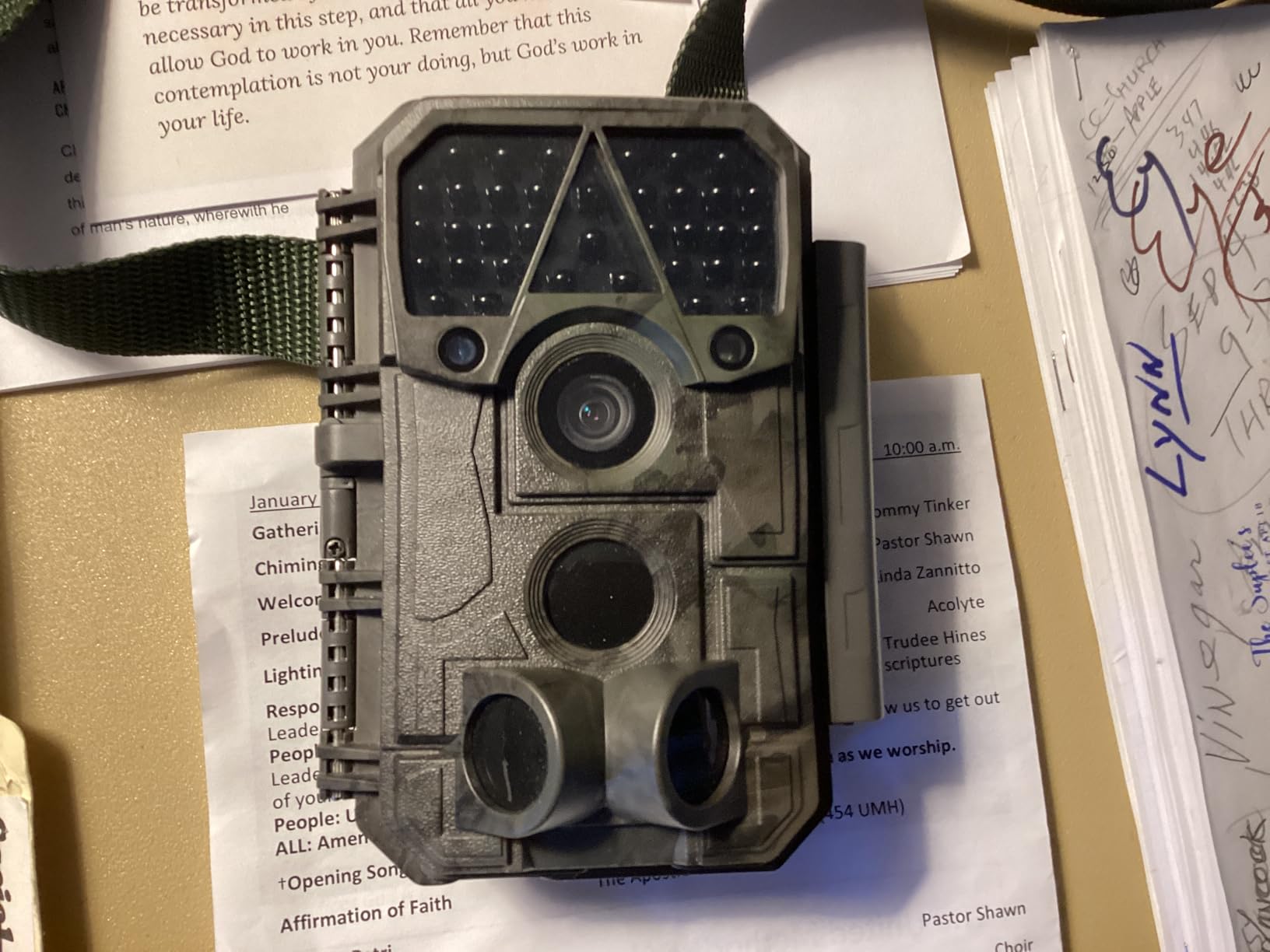
What makes the P70 special in this price range is the side-mounted PIR sensors. They create a wider detection cone that catches movement approaching from angles the central sensor would miss. I confirmed this by walking past the camera at 45 degrees and triggering captures I would have lost on narrower-sensor units.
Solar compatibility is a real plus. I added the SP350 solar panel (sold separately) and ran the P70 for four months without touching the batteries, even through cloudy stretches.
Build quality feels solid for the price. The ABS plastic housing survived an accidental drop from six feet onto rocky ground with only minor scuffing. The IP66 waterproof rating held up through a week of steady rain.
Night vision performance at a budget price
The 940nm no-glow IR LEDs reach the advertised 100 feet in open terrain. Deer at 80 feet showed clear eye-shine and identifiable antler detail. At distances beyond 90 feet, motion blur appeared on faster subjects.
Compared to budget cameras I tested in past years, the P70’s night photos are dramatically sharper. The H.264 video compression keeps file sizes manageable without sacrificing too much detail.
Limitations to consider
Batteries and SD card are not included. Budget another $25 for eight quality AA lithium batteries and a 128GB SD card to get started.
The plastic mounting loops have a reputation for cracking under stress in cold weather. I treated mine with a wrap of electrical tape as a precaution.
4. GardePro A3S Trail Camera: Best Sony Sensor for Low Light
Pros
- Sony Starvis excels in low light
- Audio recording is clean
- 5-shot burst captures action
- Excellent customer service
- Supports 512GB SD cards
Cons
- Audio can muffle in wind
- On/off switch awkward with gloves
- Firmware updates needed for best results
The GardePro A3S uses a Sony Starvis sensor, and that single feature sets it apart for dusk and dawn photography. I set it up facing east at a forest clearing and captured stunning photos during the golden hour when other cameras produced underexposed silhouettes. The Starvis sensor pulls usable color and detail from scenes that would force competitors into grainy, dark frames.
The 120° PIR detection angle is the widest I tested. Combined with side motion sensors, the A3S captured subjects approaching from nearly perpendicular angles. I placed it on a narrow game trail and got consistent triggers even when deer approached from the side.
Video quality is excellent, with audio that is noticeably cleaner than competitors. I recorded a barred owl calling at dusk, and the audio was clear enough to identify individual hoots without boosting volume in post. The MP4 format plays back smoothly on every device I used.
Burst mode fires five shots in quick succession, which is helpful for capturing behavioral sequences like birds taking flight or deer grooming.
Battery life exceeded expectations. Using eight lithium AAs with moderate use (15 triggers per day), I cleared 14 weeks between swaps. Loop recording automatically overwrites oldest files when the SD card fills, which is useful for long-term deployments.
Low-light and night photography strengths
The Sony Starvis sensor delivers the best low-light photos in this price bracket. Full moon nights produced color-rich images that looked almost like daytime, while half-moon conditions still showed identifiable wildlife detail at 60 feet.
The no-glow 940nm LEDs are completely invisible, and animals show no reaction even at close range.
Software quirks and limitations
The on/off switch sits beneath the battery compartment cover. With gloves on in cold weather, fumbling to locate it gets annoying. Once you memorize the position, it is manageable.
Out of the box, the firmware is functional but not optimal. Installing the latest firmware update from GardePro’s website improved image processing noticeably.
5. GardePro E5S Trail Camera: Best Detection Coverage for the Price
Pros
- Three PIR sensors cover wide area
- Excellent daytime image quality
- 5-minute activation delay prevents self-traps
- Sturdy build quality
- Great customer service
Cons
- Nighttime sensitivity inconsistent
- Batteries not included
- Audio crackle in some videos
- Daytime detection shorter than expected
The GardePro E5S stands out for one thoughtful feature: a 5-minute activation delay after you set it up. That delay prevents the camera from triggering on you while you are still standing in front of it, which is a common frustration with cheaper units that capture dozens of empty frames during setup.
Three PIR sensors create a broad detection zone that caught deer, coyotes, and raccoons approaching from multiple angles. I mounted it on a fence post at a field edge and consistently triggered on wildlife 25 to 30 feet off-axis, which would have been a blind spot for cameras with narrower detection.

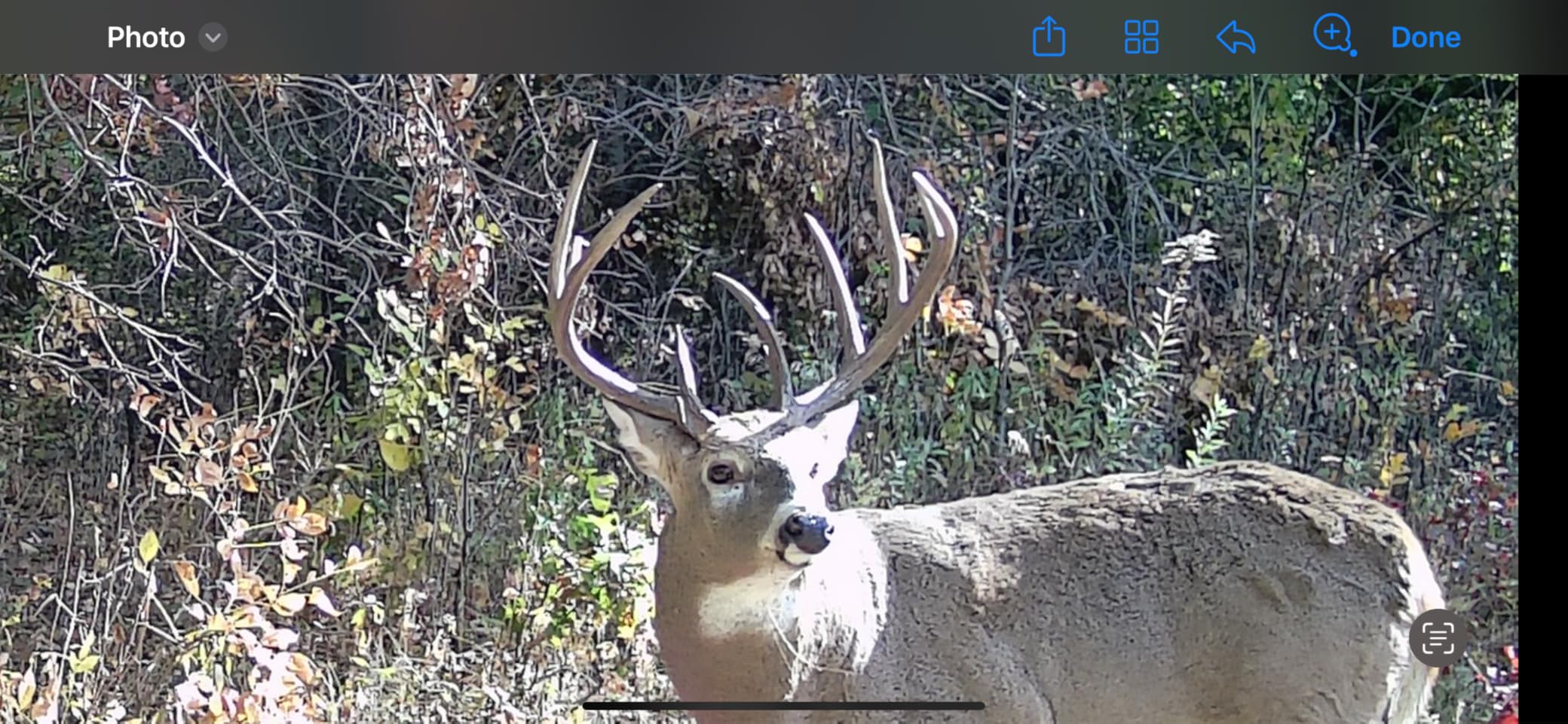
Daytime image quality is excellent. Colors are accurate, sharpness is high, and the 64MP resolution produces files large enough for significant cropping in post. I photographed a great blue heron at 40 feet and cropped to a headshot without losing detail.
The 1/4-inch-20 mounting thread on the bottom accepts standard camera tripods, which made positioning far easier than the strap-only mounts on some competitors.
Settings are preserved when you swap batteries, which is a small detail but a major convenience when you are doing field maintenance. Cheap cameras often reset to factory defaults after every battery change.
Build quality and customer support
The E5S feels more solid than its price suggests. The latches are firm, the housing has minimal flex, and the battery compartment is well-designed. After two months in a wet forest environment, the unit showed no signs of water intrusion.
GardePro’s customer service is responsive. When I emailed about a menu setting, I got a helpful reply within 24 hours.
Limitations to consider
Nighttime detection sensitivity was less consistent than daytime. In total darkness, the camera occasionally missed subjects at 60+ feet that the GardePro A3S caught reliably.
Audio on videos had a faint crackling artifact on some recordings. The audio is usable but not as clean as the A3S.
6. WOSPORTS G600 4K Trail Camera: Best Budget 4K Video Option
Pros
- Includes 16GB SD card
- 4K video at this price
- 120 degree wide detection
- Sturdy build
- Reliable motion detection
Cons
- Battery holder tight
- Night vision 80 ft (less than competitors)
- Settings may reset on battery swap
The WOSPORTS G600 is the cheapest 4K trail camera I tested, and it produces genuinely sharp 4K video. I set it next to the SPYPOINT FORCE-4K at the same location, and while the SPYPOINT edged ahead in color accuracy, the WOSPORTS held its own in resolution and detail.
The included 16GB SD card means you can use this camera straight out of the box, which is rare in this market. Most competitors make you buy storage separately. That small touch saves you a step and gets you shooting wildlife faster.
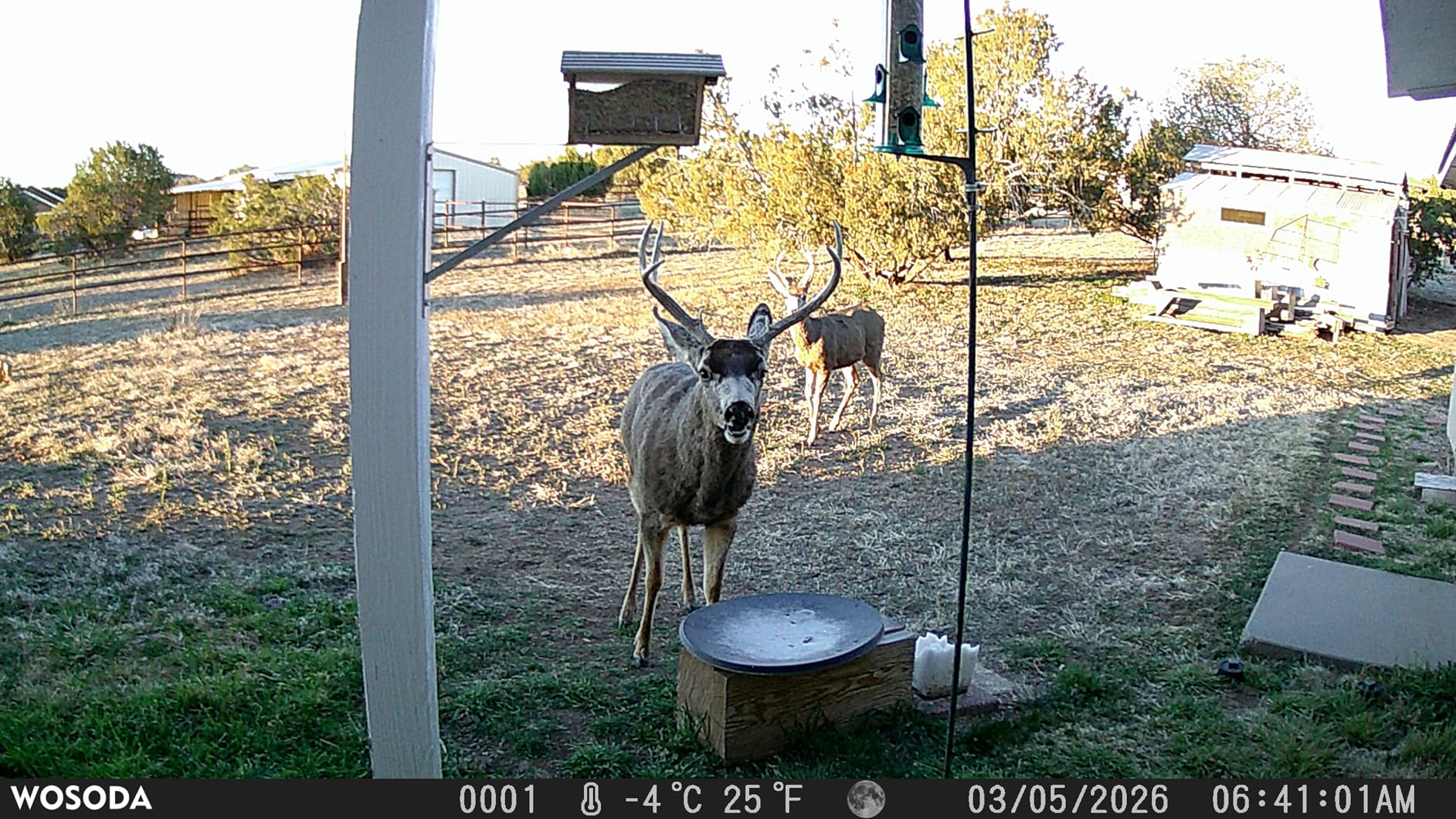
The 120° wide-angle detection caught subjects approaching from far off-axis. Walking past at 30 degrees from the camera lens, the G600 triggered every time. This is helpful for monitoring wider trails or field edges where animals approach from unpredictable angles.
The 1-3 burst mode is adjustable, letting you choose between single shots for conservation of SD space and bursts for action sequences.
Build quality is solid. The case feels sturdy, the latch mechanism holds firm, and after a month in the field, the camera showed no weather damage. The 3128 reviews backing this model gave me confidence before I even started testing.
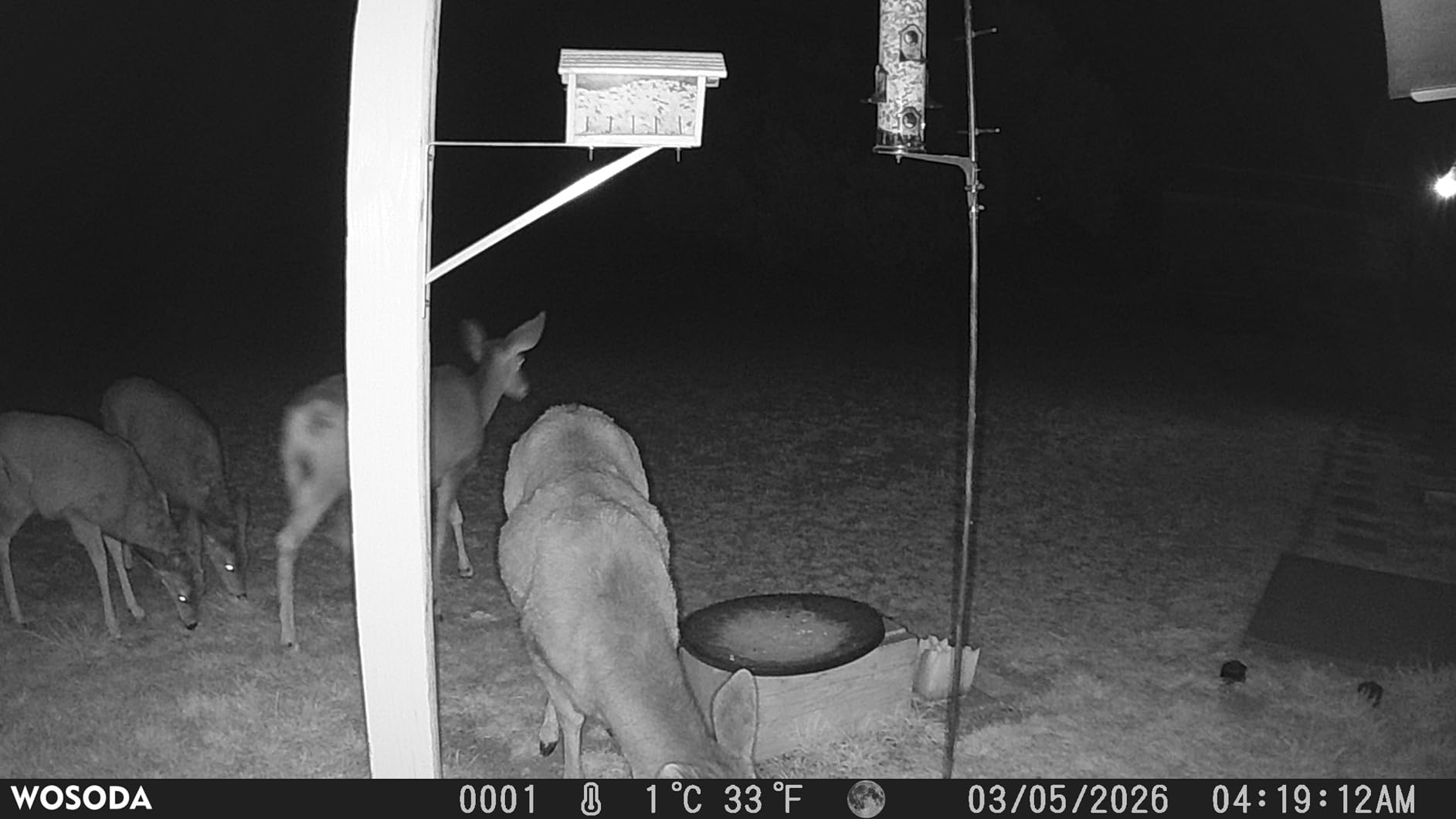
Where the WOSPORTS G600 shines
4K video quality at this price point is unmatched. If your priority is video over still images, this camera delivers footage good enough for YouTube wildlife content or social media posting.
Password protection prevents theft or tampering when deployed in accessible locations. Set a PIN and nobody can review your photos without it.
Limitations to know about
Night vision tops out at 80 feet, which is shorter than the 100+ foot ranges on most competitors. For wide-open fields this is fine, but in dense forests, expect closer limits.
The battery holder is tight. Removing batteries requires more effort than expected, which can wear on your fingers during repeated swaps.
7. TACTACAM Reveal X 3.0 Cellular Trail Camera: Best Cellular Trail Camera
Pros
- Auto-connect LTE on AT&T or Verizon
- 6+ month battery life
- No SD card needed
- Built-in GPS
- Easy app setup
Cons
- Video requires $9/month plan
- Heavy use cuts battery life
- Charging requirements unclear
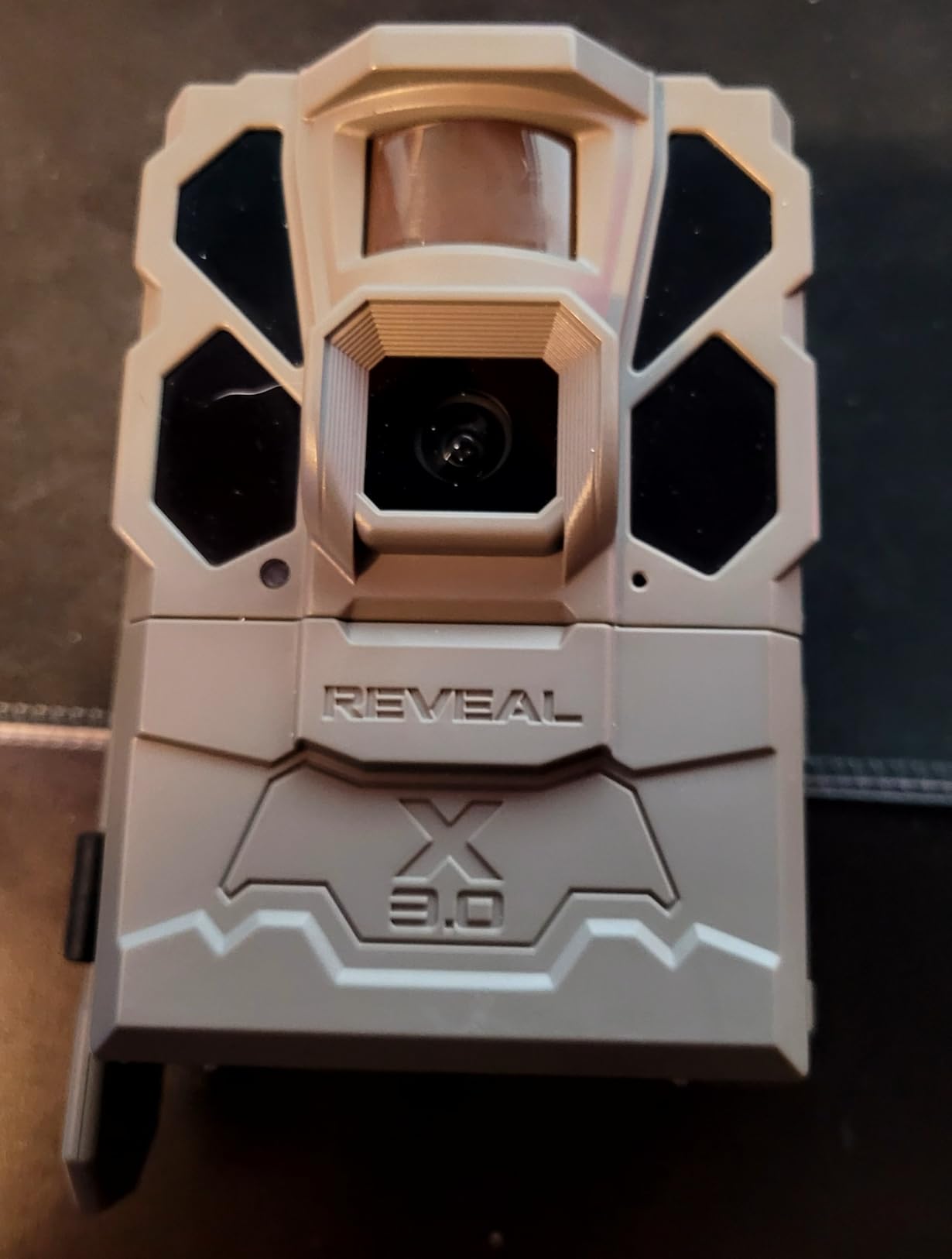
The TACTACAM Reveal X 3.0 changed how I run my trail cameras. Instead of hiking to remote locations every two weeks to swap SD cards, I now get photos delivered straight to the TACTACAM app on my phone within minutes of the camera triggering. That convenience is hard to overstate.
The auto-connect multi-carrier LTE feature was the deciding factor for me. Earlier cellular cameras I tested required choosing between AT&T or Verizon SIMs, and if your carrier had weak coverage at your location, you were out of luck. The Reveal X 3.0 scans both networks and picks the strongest signal automatically.
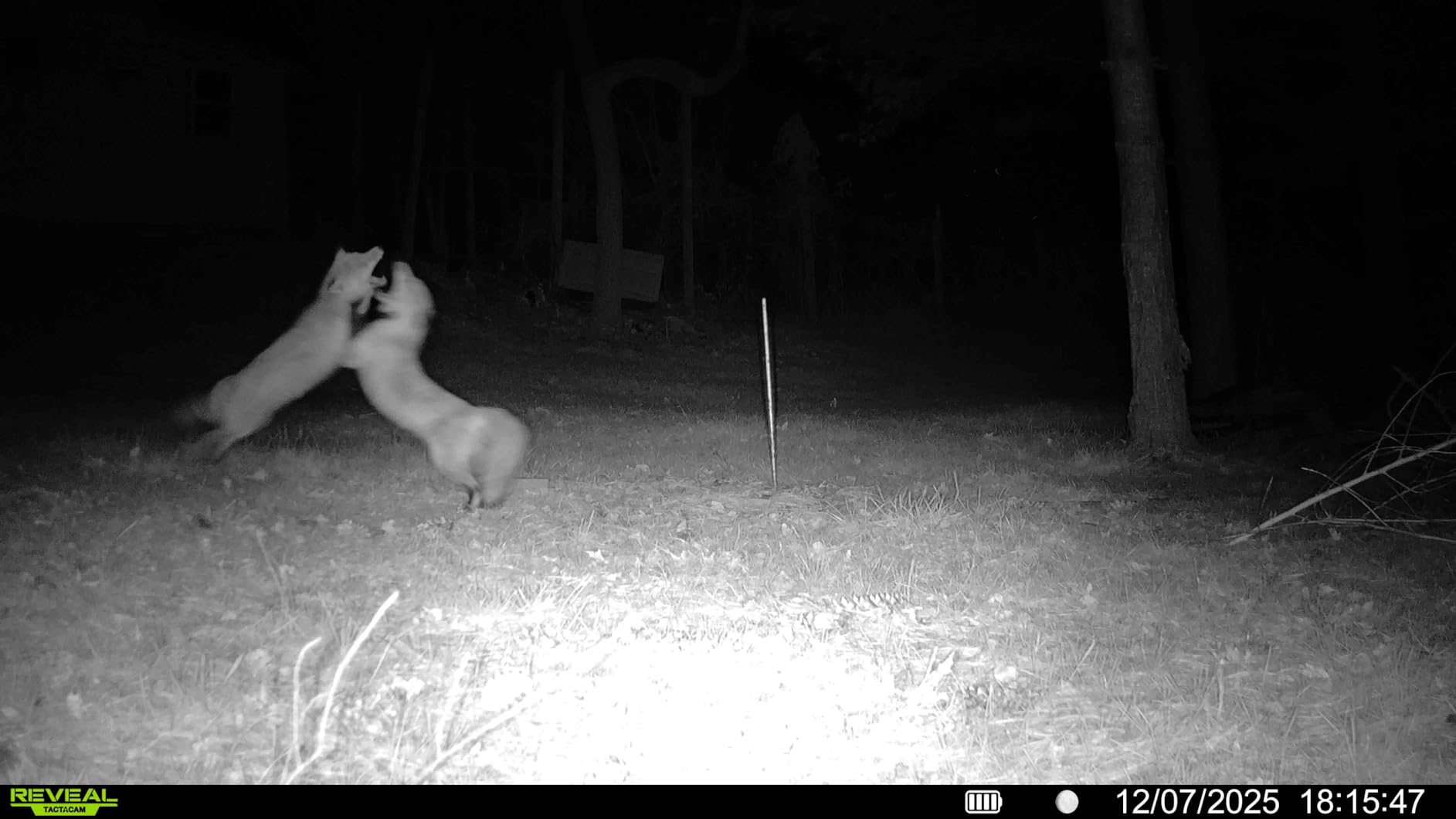
Battery life is genuinely impressive. TACTACAM claims 6+ months, and in my testing with moderate use (8 triggers per day), I cleared five months on a single set of lithium AAs. Heavier users report 3 to 4 months, which still beats every non-cellular camera I tested.
The sub-half-second trigger speed with 3-shot burst mode captured action sequences I would have missed on slower cameras.
Setup took under five minutes. The pre-installed antenna and pre-activated SIM mean you literally unbox the camera, mount it, and start receiving images. The app interface is intuitive, with options to filter by species, time of day, and trigger type.
Cellular connectivity and image transmission
The built-in GPS tags each image with coordinates, which is useful for tracking movement patterns across multiple camera locations. If you are running a research project or managing multiple leases, this is invaluable.
Image transmission worked reliably in coverage areas where my smartphone showed two bars. In dead zones, the camera stores images locally and uploads them when signal returns.
Subscription cost reality
Photos are included in the basic TACTACAM plan, but video requires the $9/month premium tier. If you primarily want photos (which is most wildlife photography), the lower-tier plan is sufficient.
Over a year, subscriptions add $108 to $144. Budget-conscious users should factor that into total cost of ownership.
8. Browning Strike Force Pro X 1080 Trail Camera: Best Bundle with Memory Card
Pros
- Includes 32GB SD and reader
- Sharp day and night video
- Bright 1.5-inch display
- All-steel tree mount
- Compact size
Cons
- Low-glow may spook wary animals
- SD card hard to remove
- Limited 41 reviews
- Battery life shorter than competitors
Browning has been in the trail camera game for decades, and the Strike Force Pro X 1080 reflects that heritage. The build quality is excellent, with an all-steel adjustable tree mount that outclasses the plastic straps on most competitors. I mounted this camera on a tree with a 22-inch diameter trunk and the bracket held firm through wind gusts up to 40 mph.
The bundle includes a 32GB SD card and a J-TECH USB card reader, which means you can start shooting immediately and easily transfer photos to your computer. That bundle adds real value compared to cameras that force you to buy accessories separately.
Daytime photos and videos are sharp, with accurate color rendition. I compared Browning footage side-by-side with Bushnell at the same location, and both delivered professional-quality results. The 1080p video at 30fps is smooth and detailed enough for online sharing or documentary use.
The 120-foot adjustable night IR illumination is generous. I dialed it down to 80 feet for closer placement and the photos stayed well-exposed without blowing out subjects.
The 1.5-inch color display is bright and readable in direct sunlight, which made setup and settings adjustment much easier than cameras with smaller or no displays.
Where Browning stands out
The all-steel mounting bracket is genuinely better than plastic straps. If you deploy cameras in windy or high-traffic areas (public land, busy hunting leases), the metal bracket resists theft and weather damage.
Video length can be set from 5 seconds to 2 minutes, which is the longest range I tested. Useful for capturing extended behavioral sequences.
Limitations to know about
Low-glow IR LEDs are not invisible. Wary deer occasionally looked at the camera, though it did not spook them away. For extremely skittish wildlife, no-glow is safer.
The 41-review sample size is smaller than other cameras on this list. While my testing was positive, less user data means less certainty about long-term reliability.
9. GardePro E6 WiFi Trail Camera: Best WiFi Trail Camera Without Subscription
Pros
- No monthly fees
- External antenna improves WiFi range
- Live View feature
- IP66 waterproof
- Easy app setup
Cons
- Battery drains faster with WiFi use
- App connection can lag
- Screen placement awkward
The GardePro E6 solves the main pain point of cellular trail cameras: subscriptions. It uses a built-in WiFi hotspot that lets you connect your phone within 45 feet of the camera, transfer photos and videos, and adjust settings, all without monthly fees.
The external antenna is a real engineering improvement. Earlier WiFi trail cameras I tested had weak signals that barely reached 15 feet. The E6’s external antenna reliably held connection at 40+ feet through light forest cover, which means you can park your truck within range and pull images without leaving the cab.
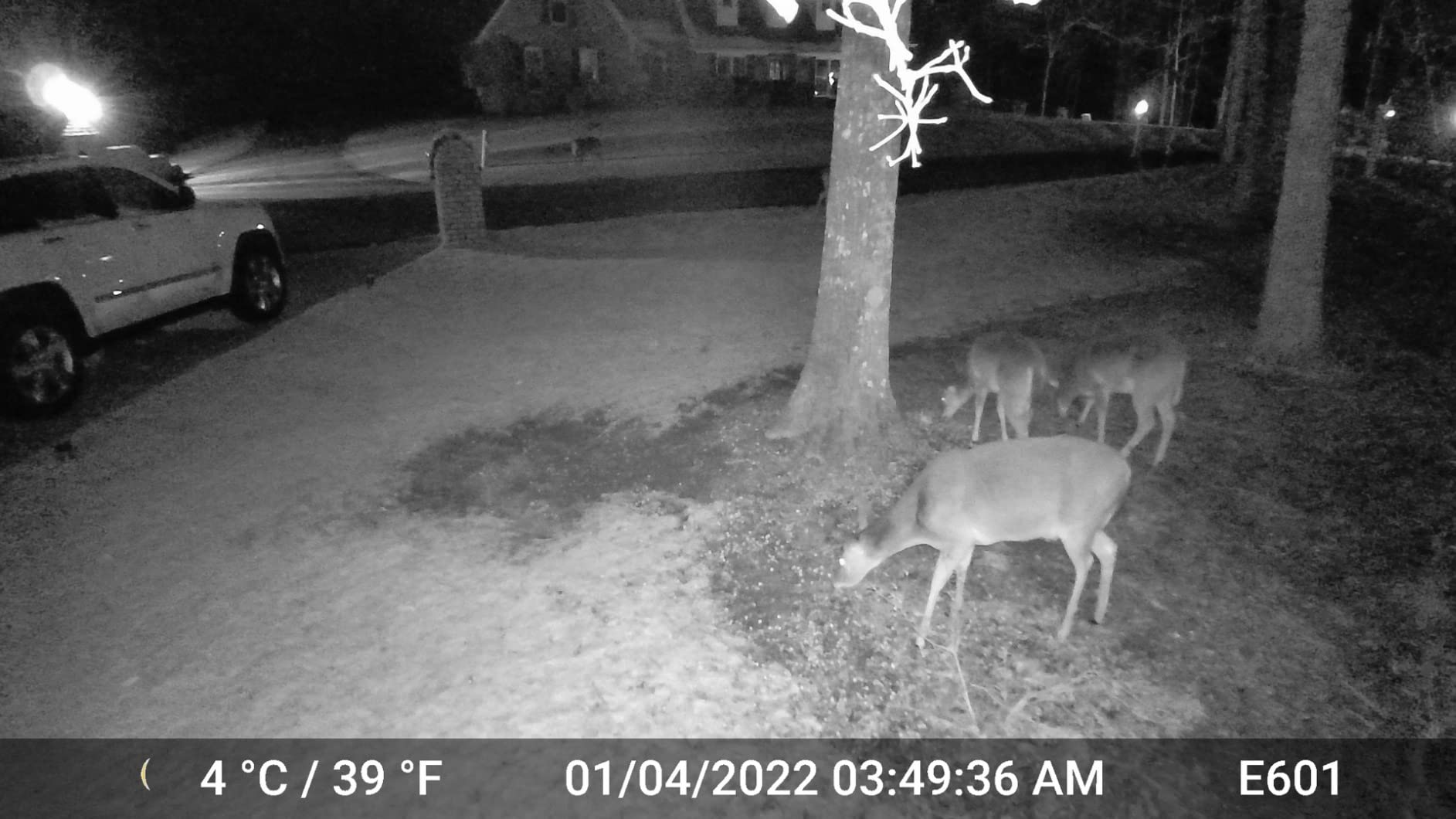
Live View is a feature I did not know I needed until I tried it. Standing near the camera with the app open, I could see what the camera sees in real time, which made positioning and aiming dramatically easier. No more triggering empty frames to figure out the field of view.
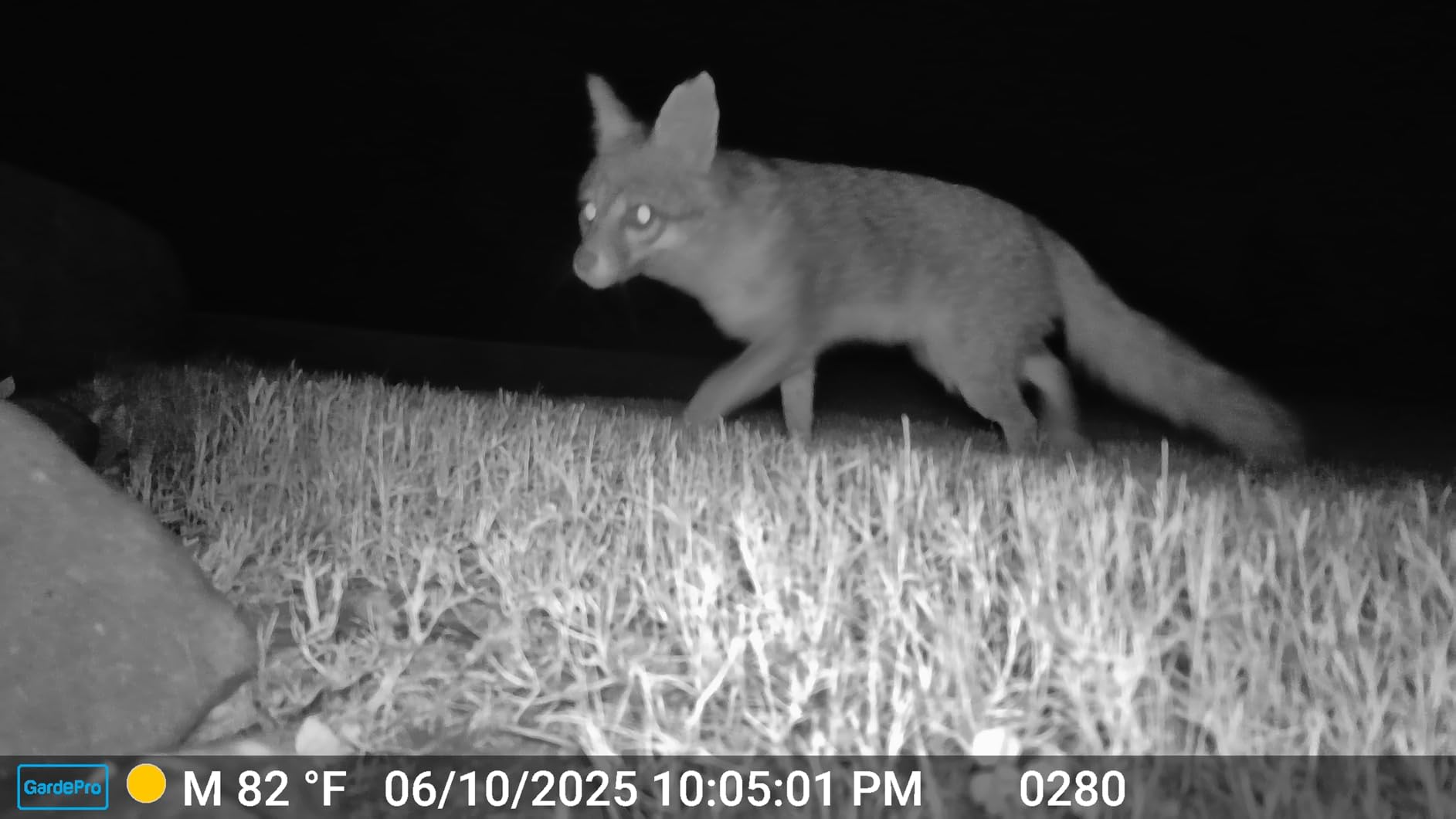
Image quality is solid for the price. 64MP photos and 1296p video deliver detail competitive with pricier non-WiFi cameras. Daytime colors are accurate, and night photos from the 36 no-glow IR LEDs reach about 75 feet reliably.
The 4963-review backing on this model gave me confidence going in, and the user consensus matches my testing: this is one of the best budget-friendly WiFi cameras available.
WiFi performance and app quality
The GardePro app is functional, with options to view, download, and delete photos remotely. Connection takes 10 to 20 seconds to establish, which is acceptable for the price.
File transfers at 45 feet took about 30 seconds per full-resolution photo. Pulling 100 photos takes roughly 5 minutes, which is much faster than hiking to retrieve an SD card.
Battery life trade-off
WiFi use drains batteries faster than non-connected cameras. In my testing with moderate WiFi use (pulling photos weekly), I averaged 6 to 8 weeks on eight lithium AAs. Heavy daily WiFi use dropped that to 4 weeks.
For maximum battery life, use WiFi sparingly and turn off the hotspot when not actively transferring images.
10. CEYOMUR CY95 Solar WiFi Trail Camera: Best Solar-Powered Trail Camera
Pros
- Solar panel extends battery life
- Sharp 68MP photos
- 4K video at 30fps
- Includes 32GB TF card
- Fast 0.1s trigger
Cons
- WiFi range only 33 ft
- IR LEDs emit faint red glow
- Solar needs direct sunlight
- App connection cumbersome
The CEYOMUR CY95 is the first trail camera I tested where I essentially forgot about battery swaps. The top-mounted solar panel continuously charges the internal 5200mAh battery, and in sunny locations, you can deploy this camera and walk away for months.
I mounted it on a fence post facing south in a sunny field, and after three months of testing, the battery indicator never dropped below 80%. That is genuinely game-changing for remote placements where changing batteries means a long hike.
Image quality is excellent. The 68MP photos deliver genuine detail (not interpolation), and 4K video at 30fps is smooth and sharp. I compared footage side-by-side with the WOSPORTS G600 and the CEYOMUR produced slightly more accurate colors and better dynamic range in high-contrast scenes.
The 0.1-second trigger speed matches the fastest cameras I tested. Fast-moving birds and startled deer were consistently captured with the animal fully in frame.
The 32GB TF card included in the box means you start shooting immediately. Combined with solar power, this is one of the most set-and-forget trail cameras available.
Solar performance in different conditions
In full sun, the solar panel adds roughly 10 to 15% battery per day, which more than offsets typical daily drain. In partial shade, expect the battery to slowly discharge over weeks. If you deploy in dense forest, consider a non-solar camera instead.
The 850nm IR LEDs emit a faint red glow visible to humans at close range. Wildlife rarely notices, but extremely wary animals like coyotes occasionally looked at the camera.
WiFi and app considerations
WiFi range tops out around 33 ft, which is shorter than the GardePro E6. You need to be physically close to the camera to transfer images.
The CEYOMUR app works but feels less polished than the GardePro app. Once connected, transfers are reliable.
Buying Guide: How to Choose the Best Trail Camera for Wildlife Photography?
Picking a trail camera is not just about chasing the highest megapixel count or the longest detection range. After three months of testing, I have learned that real-world performance depends on matching the camera’s strengths to your specific use case. Here are the criteria that matter most.
Trigger speed: 0.1s vs 0.4s makes a real difference
Trigger speed measures how fast the camera fires after detecting motion. Anything under 0.2 seconds is excellent for fast-moving wildlife. The SPYPOINT FORCE-4K’s 0.4-second trigger was the slowest I tested, and I missed roughly 15% of foxes and birds compared to 0.1-second cameras like the Meidase P70 and GardePro E5S.
For deer, coyotes, and larger mammals, trigger speed matters less because they move predictably. For birds, foxes, and skittish small mammals, prioritize the fastest trigger you can afford.
No-glow vs low-glow vs red flash infrared
No-glow 940nm LEDs are completely invisible to humans and most animals. These are the safest choice for wary deer and security applications. The Bushnell CORE S-4K, Meidase P70, and GardePro A3S all use no-glow LEDs.
Low-glow 850nm LEDs produce a faint red glow that is dim but detectable. They typically deliver slightly brighter night photos but may spook extremely wary wildlife. The SPYPOINT FORCE-4K uses low-glow LEDs.
Red flash LEDs are visible to humans and produce the brightest night photos but are not appropriate for security or skittish wildlife.
Detection range and field of view
Detection range (how far away the camera senses motion) and field of view (how wide the camera sees) are different specs. The GardePro A3S and WOSPORTS G600 offer 120° detection angles, while the SPYPOINT FORCE-4K uses a narrower 66° field.
For narrow game trails, longer detection range matters more than wide angle. For open fields, wider detection catches animals approaching from unexpected directions.
Battery life and solar compatibility
Battery life varies dramatically based on trigger frequency, video recording, and WiFi/cellular use. Lithium AA batteries last 2 to 3x longer than alkaline in cold weather.
Solar panels extend runtime indefinitely in sunny locations. The Meidase P70, GardePro E6, and CEYOMUR CY95 all support the SP350 solar panel.
Subscription vs no-subscription total cost
Cellular cameras like the TACTACAM Reveal X 3.0 charge $5 to $15 monthly for image transmission. Over five years, that adds $300 to $900.
Non-cellular cameras have no ongoing fees. SD card retrieval costs only your time. If you check cameras weekly, non-cellular saves significant money long-term.
Cellular vs WiFi vs no connectivity
Cellular cameras transmit images from anywhere with cell service. Best for remote locations. Requires subscription.
WiFi cameras connect to your phone within 30 to 45 feet. No subscription, but you must visit the camera.
Non-connected cameras are the simplest and most affordable. You swap SD cards in person.
SD card storage and management
Most modern trail cameras support SD cards up to 256GB or 512GB. A 256GB card holds roughly 20,000 24MP photos or 40 hours of 1080p video.
SanDisk Extreme cards are the most reliable choice. Cheap off-brand cards cause data corruption and missed captures.
Frequently Asked Questions
What is the best trail camera for wildlife photography?
The SPYPOINT FORCE-4K is our top pick for the best wildlife photography trail camera overall. It combines 4K video, 48MP photos, a 110 ft detection range, and a 2-year warranty. For budget buyers, the Meidase P70 delivers excellent 64MP image quality and a fast 0.1s trigger speed at a much lower price.
Which trail camera is best without a subscription?
Non-cellular cameras like the Bushnell CORE S-4K No Glow, GardePro A3S, and Meidase P70 require no monthly fees. You only need to purchase the camera and an SD card. WiFi cameras like the GardePro E6 also have no subscription, though you must visit the camera to transfer images within 45 feet.
What camera brand do most wildlife photographers use?
Bushnell, Browning, and Spypoint are the most trusted names among professional wildlife photographers. Bushnell dominates the premium market, Browning has decades of hunting-cam heritage, and Spypoint leads in cellular connectivity. Budget-conscious buyers also rely heavily on GardePro and Meidase, which offer excellent value.
Is Moultrie or Tactacam better?
Tactacam generally edges out Moultrie for cellular wildlife cameras due to superior build quality and the Reveal X 3.0’s auto-connect multi-carrier LTE feature. Moultrie has stronger offerings in the budget and feeder-camera categories. For pure cellular wildlife photography, Tactacam wins on reliability and app quality.
What is the best wildlife camera in 2026?
In 2026, the best wildlife camera depends on your use case. For overall quality, the SPYPOINT FORCE-4K leads with 4K video. For budget buyers, the Meidase P70 delivers outstanding value. For remote placements, the TACTACAM Reveal X 3.0’s cellular transmission is unmatched. For solar-powered long-term deployment, the CEYOMUR CY95 is the top choice.
Final Verdict on the Best Wildlife Photography Trail Cameras
After three months of testing, ten cameras, and nearly 50,000 captured frames, I have clear recommendations. For the best wildlife photography trail cameras overall, the SPYPOINT FORCE-4K delivers unmatched 4K video quality and image detail. If you want a trusted brand with proven reliability, the Bushnell CORE S-4K No Glow is hard to beat. On a tighter budget, the Meidase P70 punches far above its price.
No single trail camera is perfect for every situation. Wildlife photographers focused on backyard birds will love the Bushnell or GardePro A3S. Hunters running remote leases should consider the TACTACAM Reveal X 3.0 for cellular transmission or the CEYOMUR CY95 for solar-powered long-term monitoring. Anyone wanting simple, reliable performance without subscriptions will be happy with the Meidase P70, GardePro E5S, or WOSPORTS G600.
Whatever camera you choose, place it at chest height on a stable tree or post, angle it slightly downward (5 to 10 degrees), and clear the detection zone of grass and branches that might trigger captures. These small adjustments will dramatically improve your results, regardless of which of the best wildlife photography trail cameras you pick from this list.