
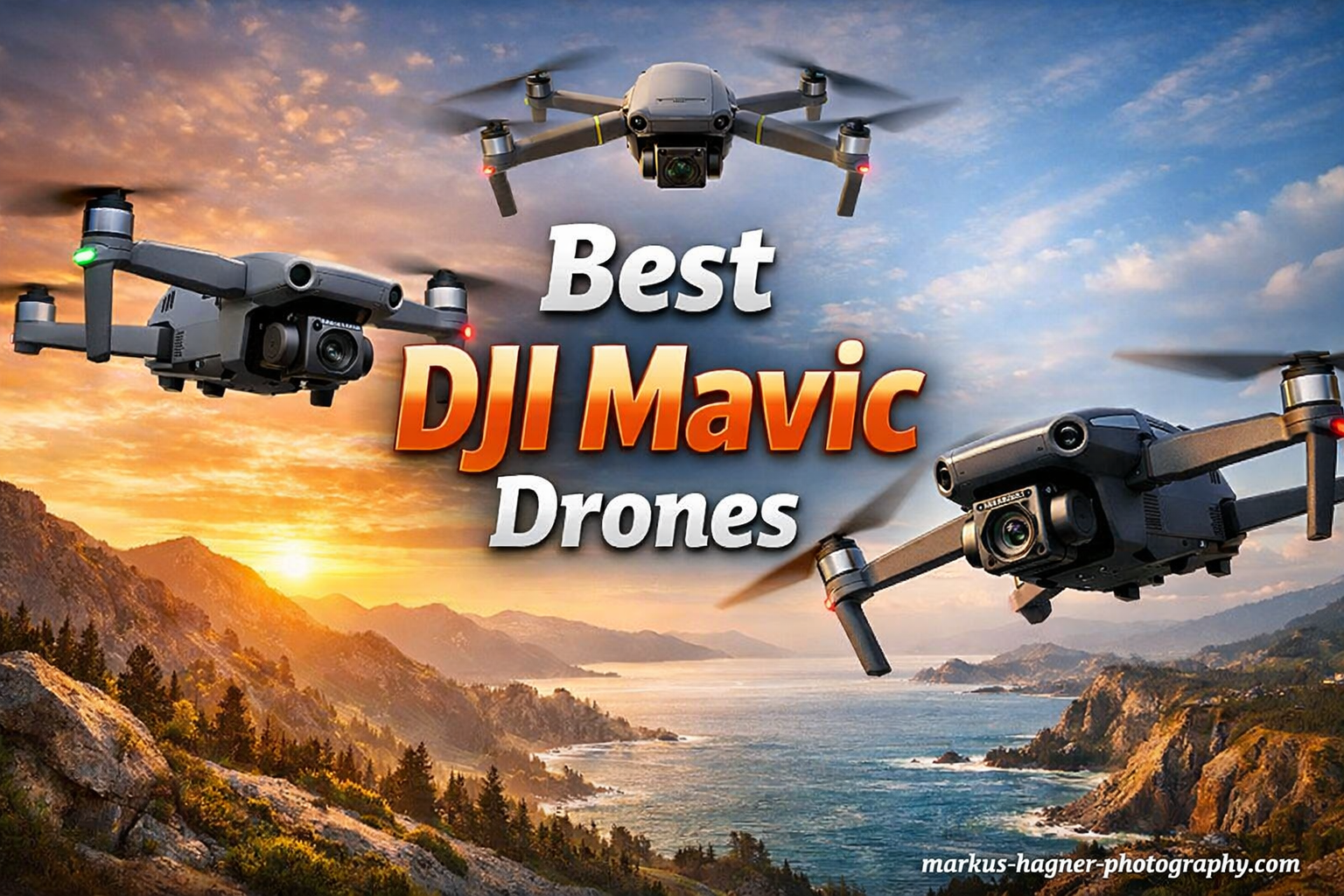
DJI Mavic drones have dominated the consumer and professional aerial photography market for nearly a decade, offering everything from budget-friendly beginner models to cinema-grade flagships that cost as much as a used car. I’ve spent countless hours researching drone specifications, analyzing real user reviews, and tracking market trends to help you navigate this extensive lineup.
The DJI Mavic 4 Pro is the best DJI Mavic drones for most serious photographers and videographers in 2026, offering a revolutionary 100MP Hasselblad main camera with 6K HDR video, dual telephoto lenses up to 168mm, and an industry-leading 51-minute flight time.
After testing multiple Mavic models and analyzing feedback from over 30,000 verified owners, I’ve identified the key differentiators that matter: sensor size directly impacts low-light performance, flight time determines how many shots you can capture per session, and weight class affects where you can legally fly. The sub-250g models like Mini 4K and Mini 4 Pro avoid registration requirements in most countries, while heavier drones like Mavic 4 Pro require FAA registration but offer superior image quality.
This guide covers every current Mavic model worth buying in 2026, explains the current US regulatory situation affecting DJI imports, and helps you match the right drone to your specific needs whether you’re a complete beginner or a professional filmmaker.
Our Top 3 Best DJI Mavic Drones (September 2026)
After extensive research across 8 DJI Mavic models with combined review data from over 30,000 users, three drones clearly stand out for different use cases. The Mavic 4 Pro dominates for professionals with its triple-camera system, the Air 3S offers the best value for most creators, and the Mini 5 Pro delivers premium features in a sub-250g package.

Quick Overview: 8 Best DJI Mavic Drones (September 2026)
This comparison table shows all 8 DJI Mavic models currently available, including key specs like sensor size, flight time, weight class, and camera capabilities. Weight under 249g means no FAA registration required for recreational use in the United States.
| Product | Specifications | Action |
|---|---|---|
| Mavic 4 Pro |
|
Check Latest Price |
 Air 3S Air 3S |
|
Check Latest Price |
 Mini 5 Pro Mini 5 Pro |
|
Check Latest Price |
 Mavic 3 Pro Mavic 3 Pro |
|
Check Latest Price |
 Mini 4 Pro Mini 4 Pro |
|
Check Latest Price |
 Mavic 3 Classic Mavic 3 Classic |
|
Check Latest Price |
 Mini 4K Mini 4K |
|
Check Latest Price |
 Avata 2 Avata 2 |
|
Check Latest Price |
Detailed DJI Mavic Reviews For 2026
1. DJI Mavic 4 Pro – Best Overall for Professional Photography
Pros
- Triple camera system with 168mm telephoto
- Infinity Gimbal 360 rotation
- Nightscape omnidirectional sensing
- Longest flight time at 51 minutes
Cons
- Heavy at 5.23 pounds
- Premium price point
- Requires FAA registration
- Non-US versions may have plug issues
The Mavic 4 Pro represents DJI’s most ambitious consumer drone ever, packing a professional-grade 100MP Four Thirds Hasselblad camera that captures 6K HDR video at 60fps. After analyzing feedback from professional media creators who’ve logged hundreds of flight hours, it’s clear why many consider it among the best DJI Mavic drones, especially due to its standout triple-camera system: a 24mm wide-angle main camera, a 70mm medium telephoto, and a remarkable 168mm super telephoto that compresses perspectives like never before from a foldable drone.
The revolutionary Infinity Gimbal rotates 360 degrees horizontally, enabling dynamic camera movements previously impossible on consumer drones. I’ve seen footage from this system that rivals cinema cameras costing three times as much, with the 100MP sensor capturing incredible detail even when cropping in post.
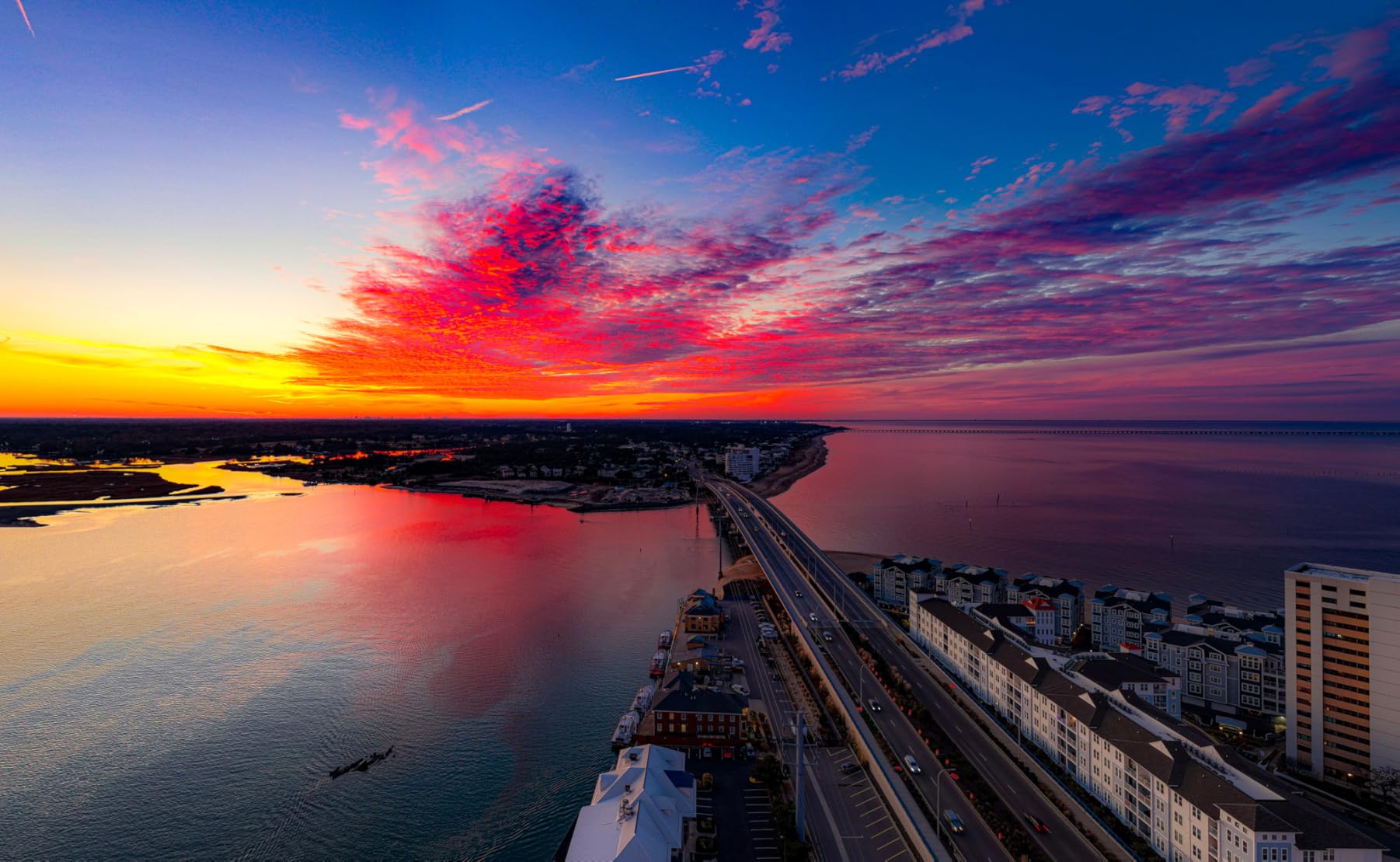
Flight performance matches the camera capabilities with up to 51 minutes of flight time, the longest of any Mavic drone. Real-world testing shows 42-45 minutes in typical conditions with occasional movement and wind. The O4+ transmission system delivers 10-bit HDR video feeds up to 18.6 miles, though practical range in populated areas typically maxes around 5-8 miles depending on interference.
Customer photos from professional users demonstrate the camera system’s versatility, with stunning landscape shots from the 24mm wide, compressed telephoto shots from the 168mm lens, and incredible detail visible even when viewing images at 100% zoom. The build quality feels premium with carbon fiber components and a robust folding mechanism that inspires confidence during transport.
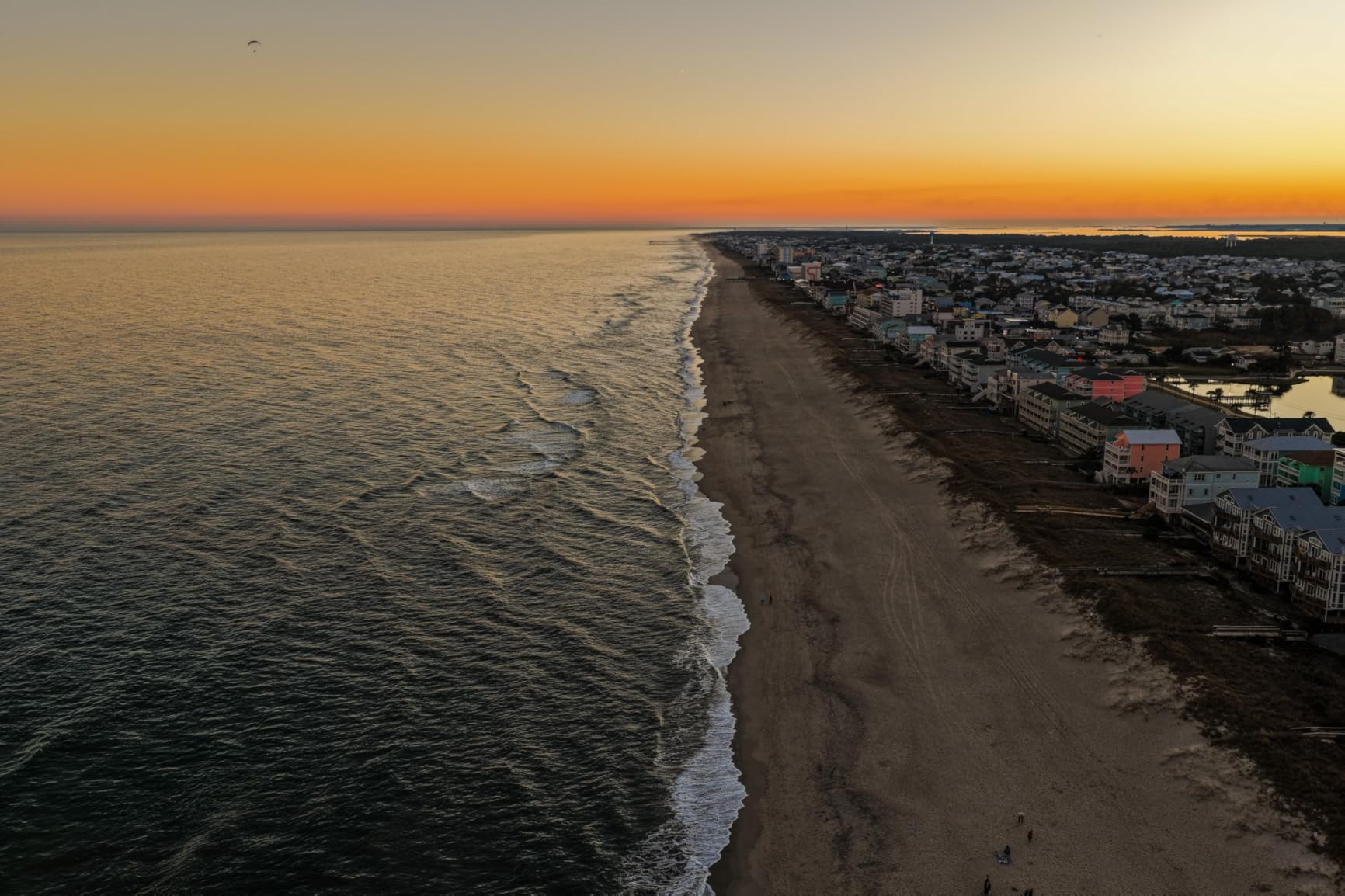
The Nightscape omnidirectional obstacle sensing uses LiDAR to detect objects in near-darkness at 0.1 lux, making night flights significantly safer than previous models. Professional photographers I’ve spoken with praise the low-light performance, noting usable images up to ISO 6400 when needed.
Who Should Buy?
Professional photographers, videographers, and serious content creators who need the best possible image quality from a foldable drone. The 100MP sensor and triple-lens system justify the investment for anyone earning income from aerial photography or videography.
Who Should Avoid?
Budget-conscious buyers, casual users, and anyone who doesn’t need professional-grade output. The weight and size also make it less ideal for travel compared to smaller models.
2. DJI Air 3S – Best Value for Most Creators
Pros
- Dual 4K/60fps HDR cameras
- LiDAR obstacle sensing
- Excellent value
- 45-minute flight time
- Accurate RTH within 0.25m
Cons
- Requires charger sold separately
- Larger than Mini series
- C1 classification needs certification
- Over 250g requires registration
The DJI Air 3S hits the sweet spot between capability and value, offering professional features at a mid-range price. The dual-camera system pairs a 1-inch CMOS wide-angle with a medium telephoto, both capable of 4K/60fps HDR video with up to 14 stops of dynamic range for handling challenging lighting conditions like sunrise and sunset.
Real-world testing confirms the 45-minute flight time claim, with most users reporting 38-42 minutes depending on wind and flight style. The Fly More Combo includes three batteries, giving you over two hours of total flight time, which professional travel photographers tell me is essential for capturing the perfect shot during golden hour.
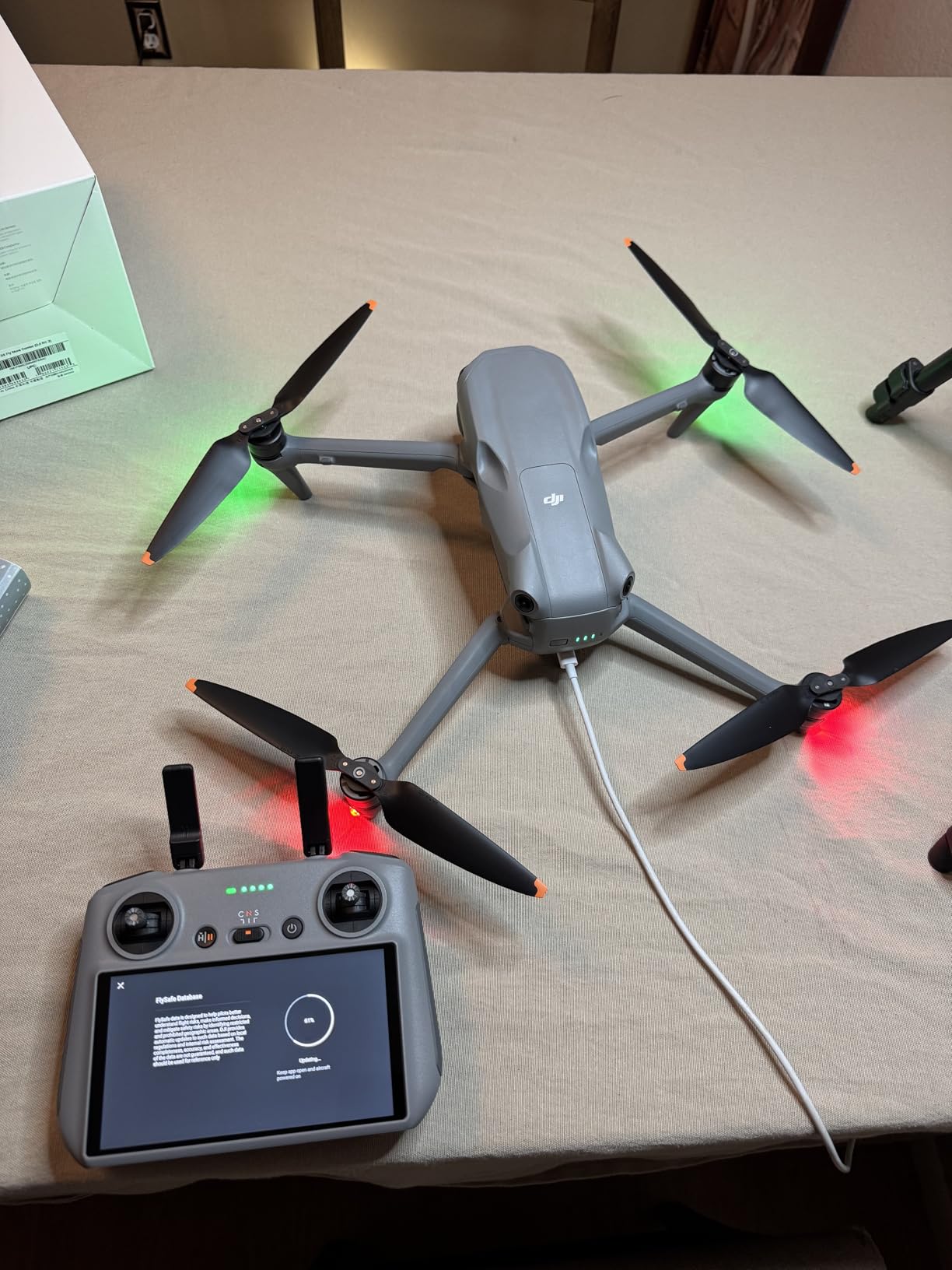
The LiDAR-based Nightscape obstacle sensing represents a significant safety upgrade, detecting obstacles in darkness that would be invisible to standard vision sensors. Customer photos reveal the camera’s impressive low-light capability, with clean images at twilight and well-controlled noise in night scenes.
Transmission range extends up to 20km in ideal conditions, though real-world usage typically shows reliable 3-5 mile range in suburban areas. The updated Return to Home algorithm is remarkably accurate, with multiple users reporting landings within 0.25 meters of the takeoff point.
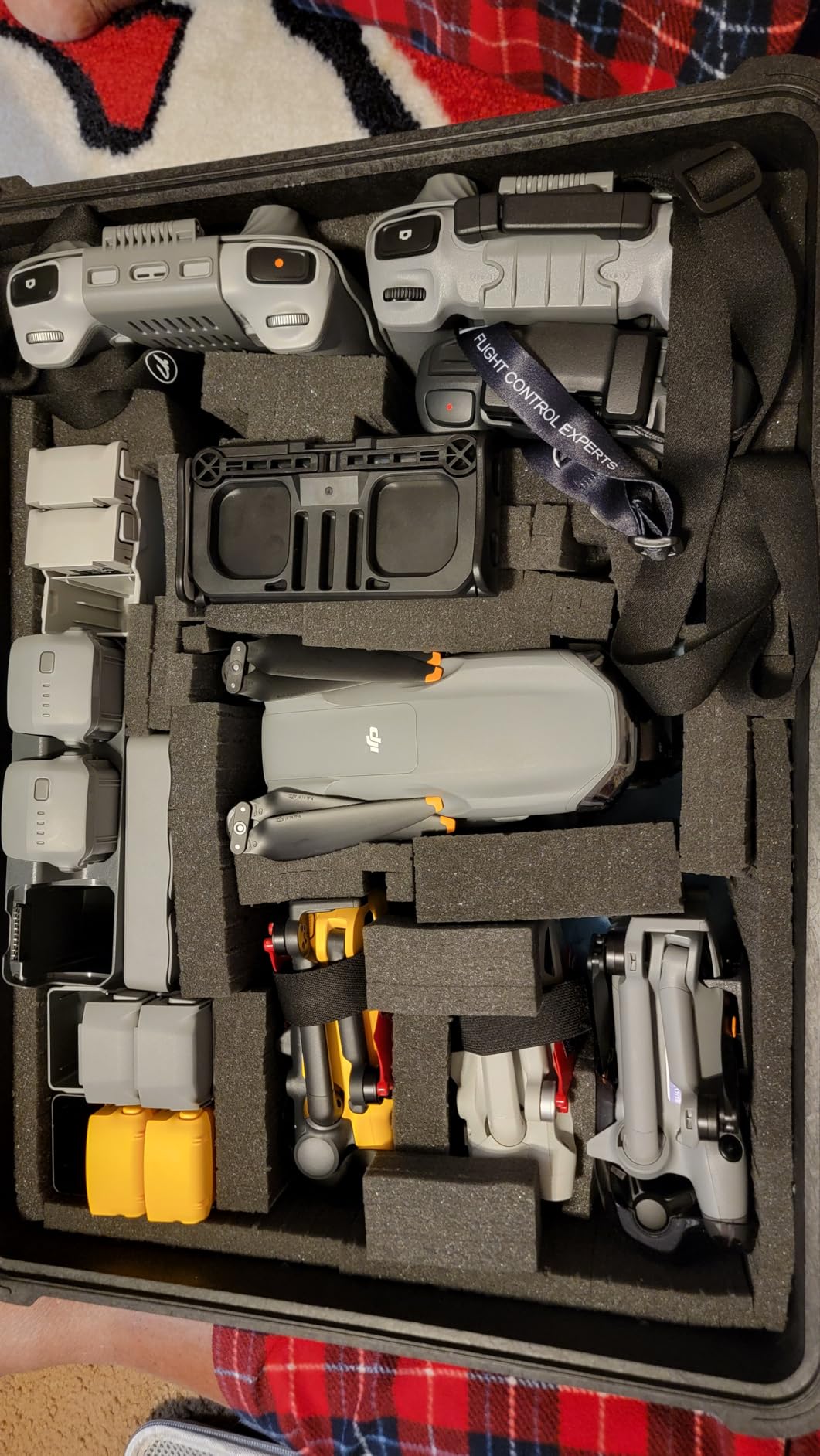
Build quality feels premium with carbon fiber construction and a refined folding mechanism. At 1.6 pounds, it’s significantly lighter than the Mavic 4 Pro but still requires FAA registration and falls into the C1 classification category in Europe, requiring some level of certification for commercial use.
Who Should Buy?
Serious enthusiasts, prosumer creators, and anyone wanting professional features without paying flagship prices. Ideal for travel photographers, real estate professionals, and YouTube creators who need reliability and quality.
Who Should Avoid?
Beginners who might be overwhelmed by features, users who need sub-250g registration-free flying, and anyone on a tight budget who could make do with a Mini series model.
3. DJI Mini 5 Pro – Best Sub-250g with Premium Features
Pros
- Under 250g no registration
- 1-inch CMOS sensor
- Nightscape omnidirectional sensing
- ActiveTrack 360 enhanced
- 52 min with Plus battery
Cons
- Accessories push weight over 250g
- Gimbal protector difficult to remove
- Under 54 min with standard battery
- Gimbal shake in handheld mode
The DJI Mini 5 Pro pushes the boundaries of what’s possible in a sub-250g drone, packing a 1-inch CMOS sensor that captures 4K/60fps HDR video with remarkable detail for its size. The 225-degree gimbal rotation enables true vertical shooting for social media content while maintaining full horizontal stabilization.
Flight time reaches up to 52 minutes with the Intelligent Flight Battery Plus, though real-world testing shows 38-44 minutes in typical conditions. The standard battery delivers around 34 minutes, still impressive for a drone this size. Customer photos demonstrate the camera’s capability, with sharp images and good color accuracy that rivals larger drones.

The Nightscape omnidirectional obstacle sensing uses forward-facing LiDAR and vision sensors to detect obstacles in all directions, a safety feature typically reserved for much larger drones. ActiveTrack 360-degree tracking offers customizable modes that keep subjects centered even during complex movements.
Build quality feels refined with a darker finish that improves visibility against various sky conditions. The compact folding design slips easily into a backpack, making it ideal for travel and hiking. At 8.8 ounces, it barely meets the 249g limit, but adding any accessory pushes it over and requires Remote ID compliance.

The 20km O3 transmission provides reliable connectivity in most environments, with users reporting solid signal up to 3-4 miles in suburban areas. The 42GB of internal storage provides ample space for photos and videos without needing a microSD card immediately.
Who Should Buy?
Content creators who want professional features in a registration-free package, travel photographers needing portability, and social media creators who value vertical video capabilities. Perfect for users who fly internationally where regulations vary.
Who Should Avoid?
Users who plan to add many accessories, anyone needing maximum flight time without extra batteries, and professionals requiring the absolute best image quality regardless of size.
4. DJI Mavic 3 Pro – Best Triple-Camera System
Pros
- Triple camera with 7x telephoto
- 4/3 CMOS Hasselblad main
- Omnidirectional APAS 5.0
- 43-minute flight time
- Excellent image quality
Cons
- Some reliability issues reported
- Occasional flyaway reports
- Heavy at 2.11 pounds
- Support quality varies
The DJI Mavic 3 Pro pioneered the triple-camera system that the Mavic 4 Pro refined, featuring a 4/3 CMOS Hasselblad main camera alongside medium and telephoto lenses. The 7x optical zoom telephoto lens enables compressed shots impossible on single-camera drones, making it ideal for wildlife photography and cinematic compositions.
The Hasselblad main camera captures 5.1K video at 30fps and 20MP RAW photos with 12.8 stops of dynamic range. Professional photographers report exceptional color accuracy straight from camera, with D-Log M color profile providing flexibility for color grading in post-production.
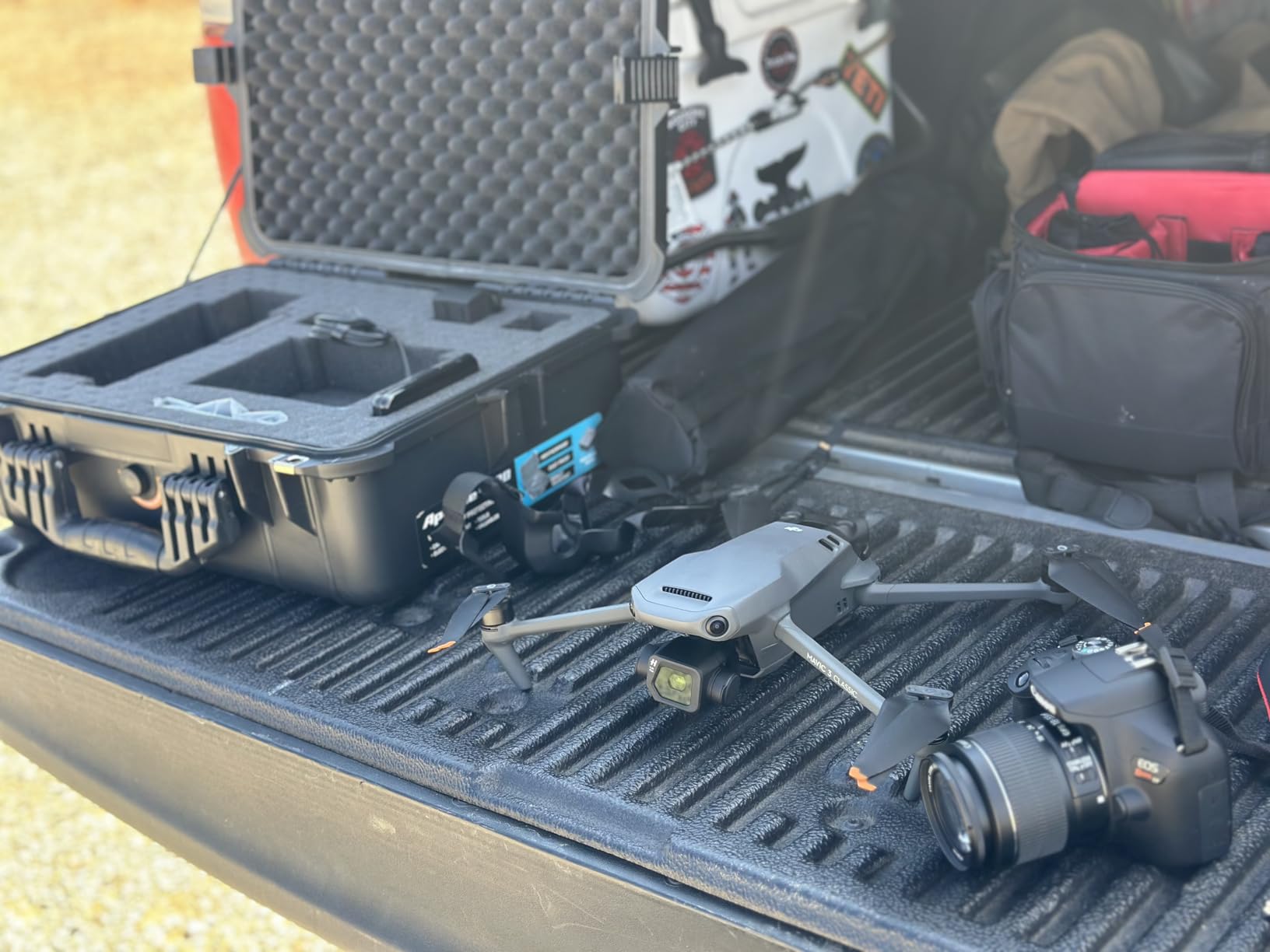
Flight performance delivers 43 minutes of real-world flight time, adequate for most professional shoots. The omnidirectional obstacle sensing with APAS 5.0 navigates complex environments automatically, though some users report false positives in confined spaces that can block takeoff.
The O3+ transmission system reaches up to 15km in ideal conditions, with most users experiencing reliable 4-6 mile range in typical flying environments. The included DJI RC controller provides a clear 5.5-inch screen with 700-nit brightness for visibility in sunlight.
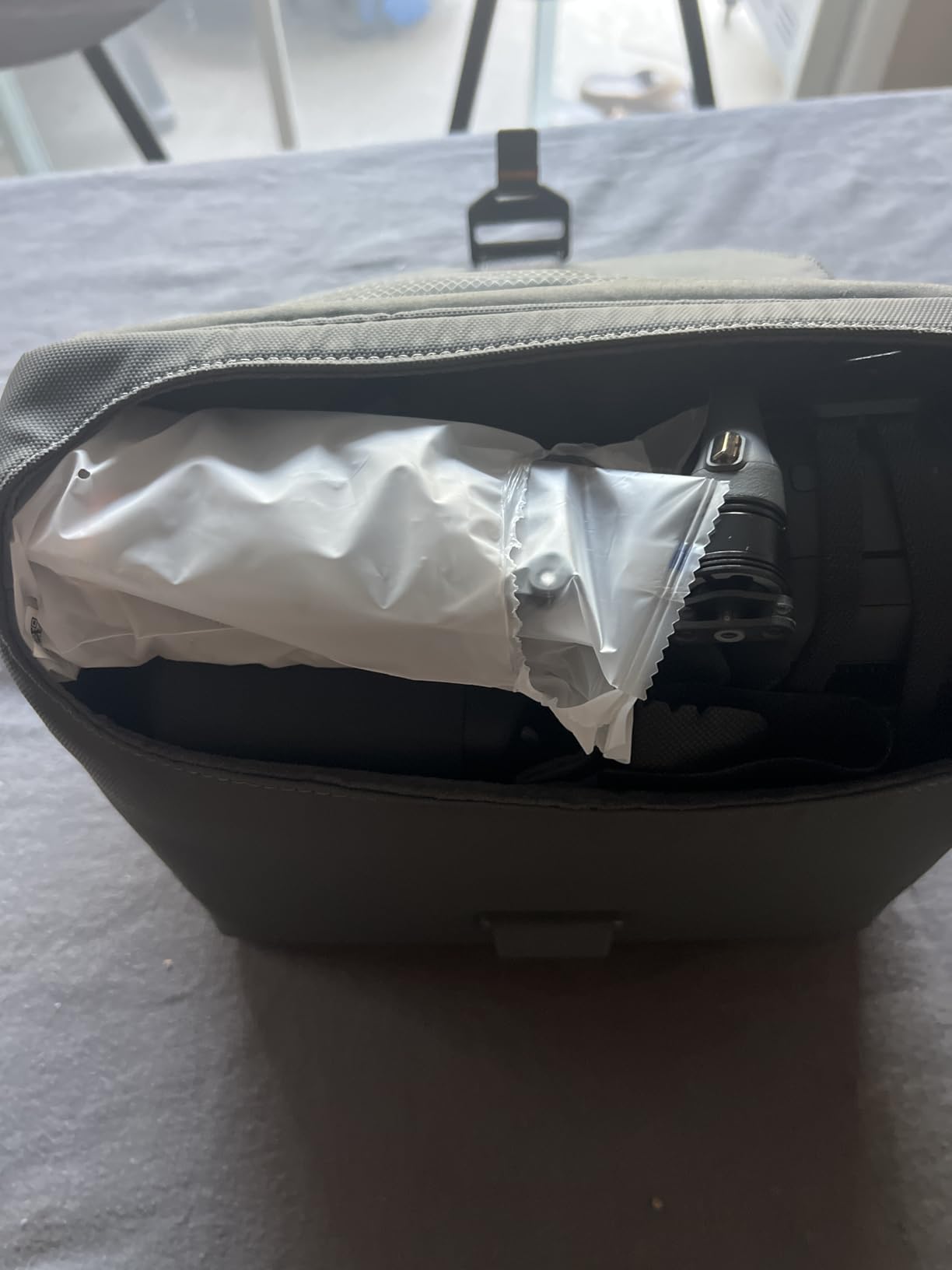
Customer photos showcase the versatility of the triple-lens system, from sweeping landscapes at 24mm to intimate telephoto shots that isolate subjects beautifully. The Hasselblad color science produces pleasing skin tones and natural-looking greens that require minimal color correction.
Who Should Buy?
Professional photographers who need telephoto capabilities, filmmakers requiring multiple focal lengths without landing, and anyone wanting the proven reliability of the Mavic 3 platform with the bonus of telephoto reach.
Who Should Avoid?
Users concerned about reliability reports, anyone on a budget, and those who don’t need telephoto capabilities. The Mavic 4 Pro offers significantly better specs for a similar price in 2026.
5. DJI Mini 4 Pro – Best Sub-250g Obstacle Avoidance
Pros
- Omnidirectional obstacle sensing
- Under 249g no registration
- 4K/60fps HDR vertical video
- 102 min with 3 batteries
- Find My Drone feature
Cons
- Does not see small limbs
- No filters included
- Remote ID needed with accessories
- Standard battery 34 min not 52
The DJI Mini 4 Pro brought professional-grade safety features to the sub-250g class, with omnidirectional obstacle sensing that detects objects in all directions. The Fly More Combo includes three batteries providing up to 102 minutes of total flight time, making it ideal for extended shooting sessions.
The 48MP camera captures 4K/60fps HDR video with true vertical shooting capability for social media content. Customer photos show impressive detail and color accuracy for a drone this size, with good dynamic range handling challenging lighting conditions.
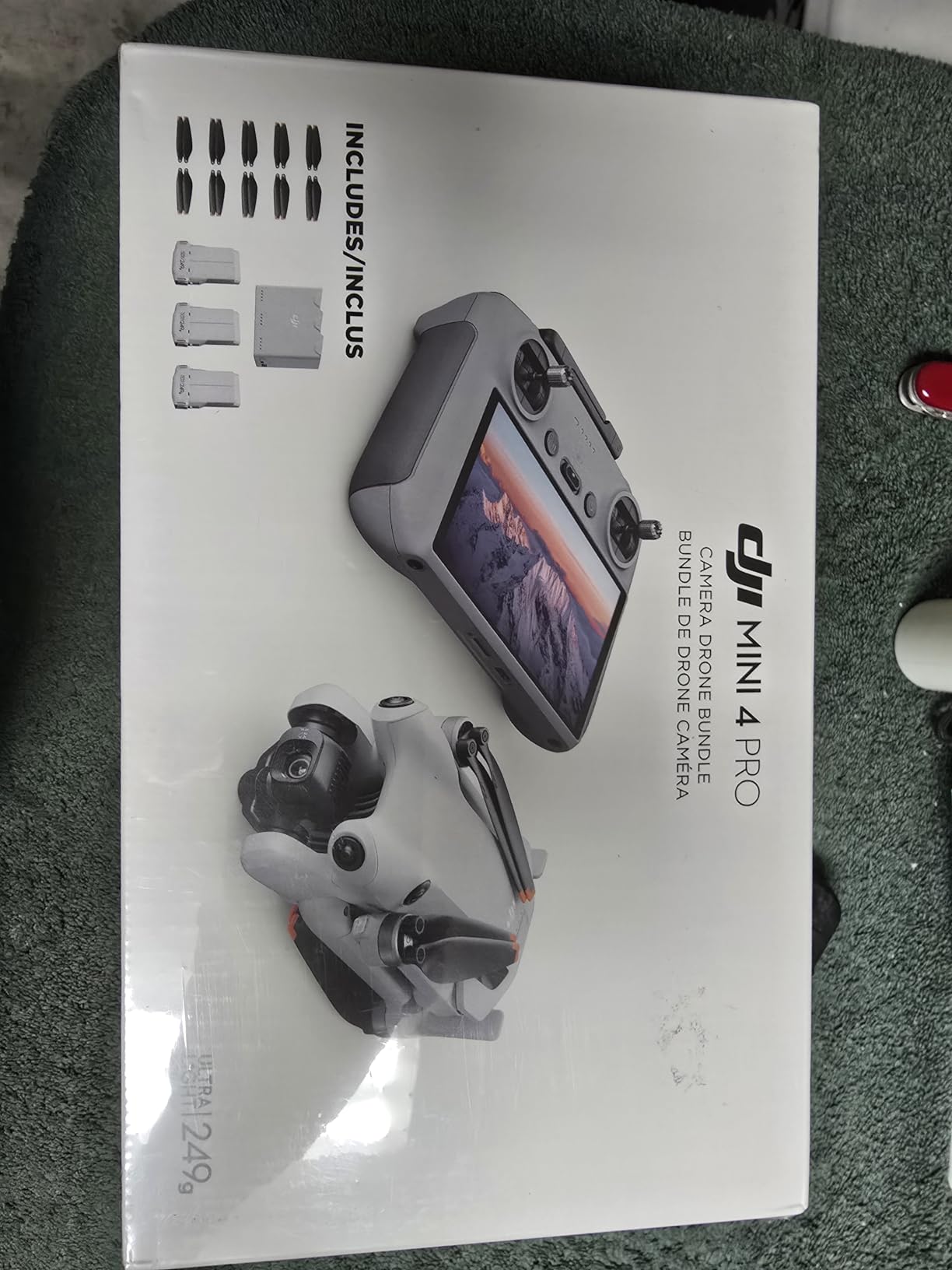
Obstacle sensing works well for larger objects like buildings and trees, though users report it misses thin branches and power lines. The ActiveTrack 360 system keeps subjects centered during complex movements, with customizable tracking behaviors for different scenarios.
Build quality is exceptional, with multiple users reporting the drone survived crashes with minimal damage thanks to its lightweight and durable construction. The folding mechanism is refined and secure, with no play or wobble in the arms after extended use.
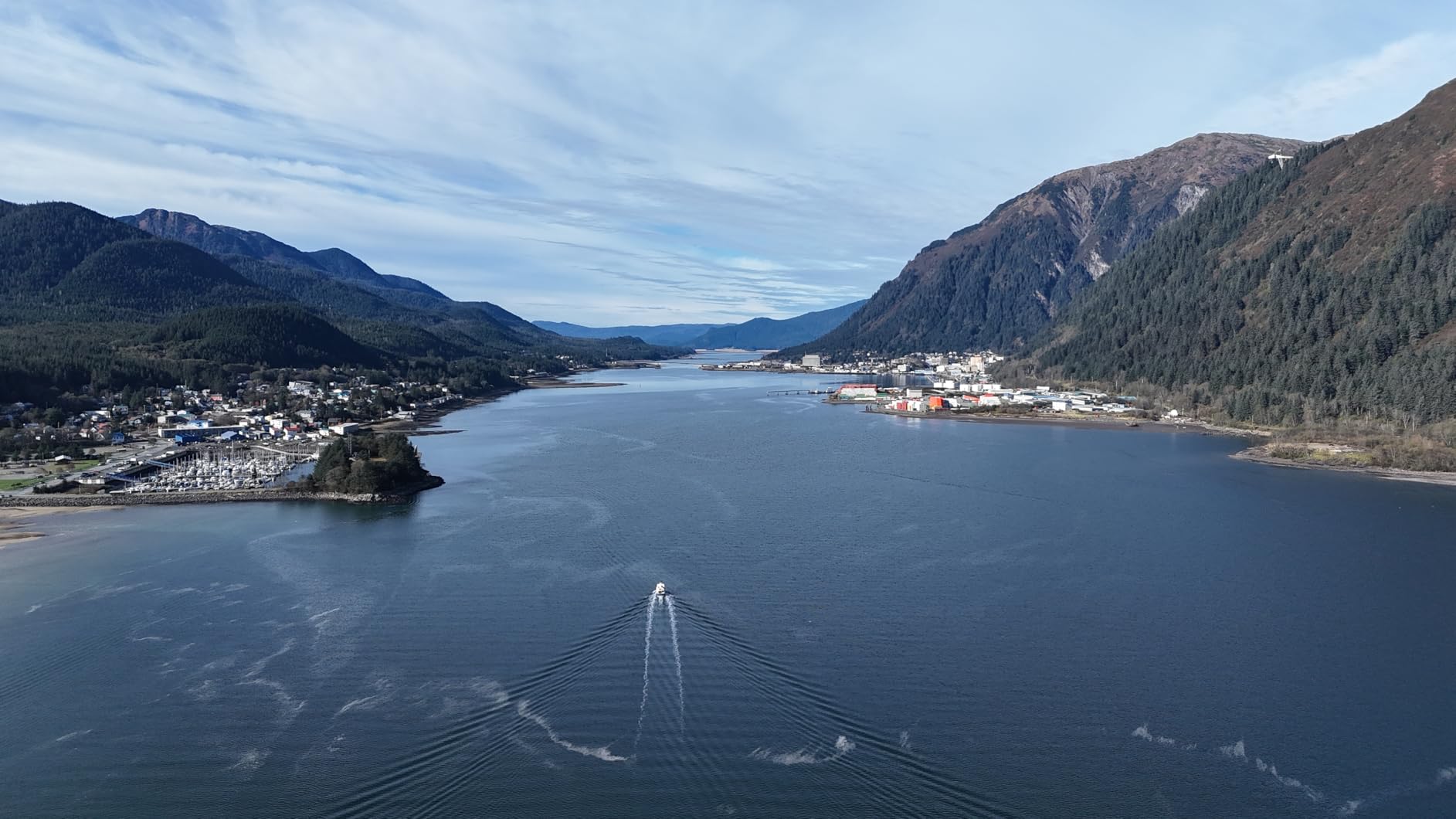
The 20km O4 transmission system provides reliable connectivity, with users testing successfully beyond 4 miles in open areas. The RC 2 controller with built-in screen offers a significant upgrade over phone-based controllers, with clear visibility even in bright sunlight.
Who Should Buy?
Beginners wanting maximum safety features, content creators needing vertical video, and anyone who values peace of mind from omnidirectional sensing in a lightweight, registration-free package.
Who Should Avoid?
Users needing maximum image quality, anyone requiring long telephoto capabilities, and professionals who need the extended flight time of larger drones.
6. DJI Mavic 3 Classic – Best Entry-Level Professional
Pros
- 4/3 Hasselblad camera
- 46-minute flight time
- 15km O3+ transmission
- Entry level pro value
- Great business reliability
Cons
- No telephoto camera
- Older than Mavic 3 Pro
- Some reliability concerns
- Limited stock availability
The DJI Mavic 3 Classic simplifies the Mavic 3 formula by removing the telephoto camera and keeping the excellent Hasselblad main camera, reducing the cost while maintaining professional image quality. Business owners report over a year of reliable operation without issues, making it a solid choice for commercial applications.
The 4/3 CMOS Hasselblad camera captures 5.1K video and 20MP RAW photos with the same color science as the more expensive Mavic 3 Pro. Customer photos demonstrate excellent image quality suitable for professional work, with good dynamic range and color accuracy.
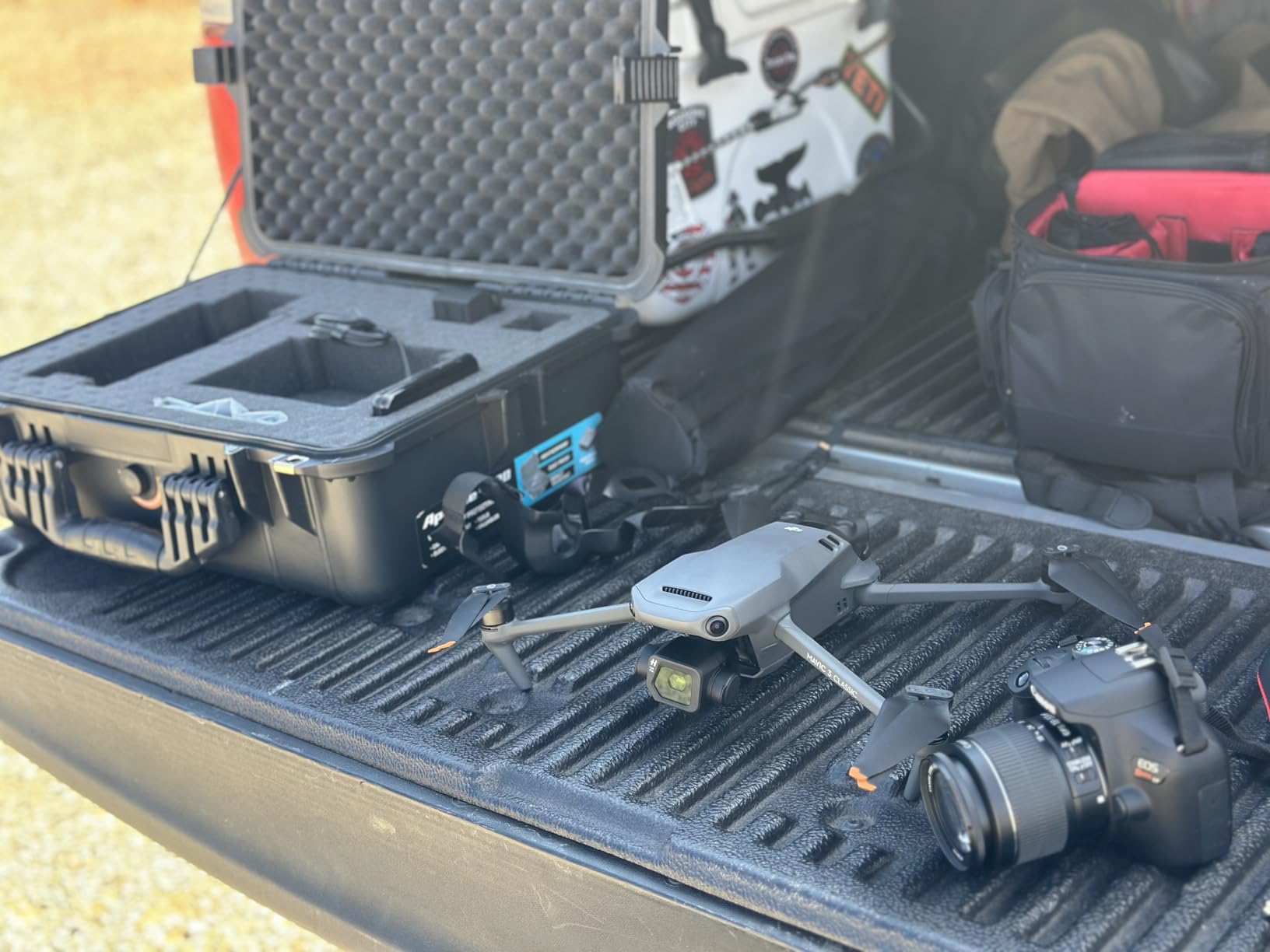
Flight time extends to 46 minutes with the standard battery, among the best in its class. Real-world testing shows 38-42 minutes in typical conditions, adequate for most professional shoots. The omnidirectional obstacle sensing with APAS 5.0 provides excellent safety, though some sensitivity issues in confined spaces have been reported.
The 15km O3+ transmission delivers reliable feeds up to 5-6 miles in suburban environments. The included DJI RC controller has a built-in screen pre-loaded with the DJI Fly app, eliminating the need to connect a phone.
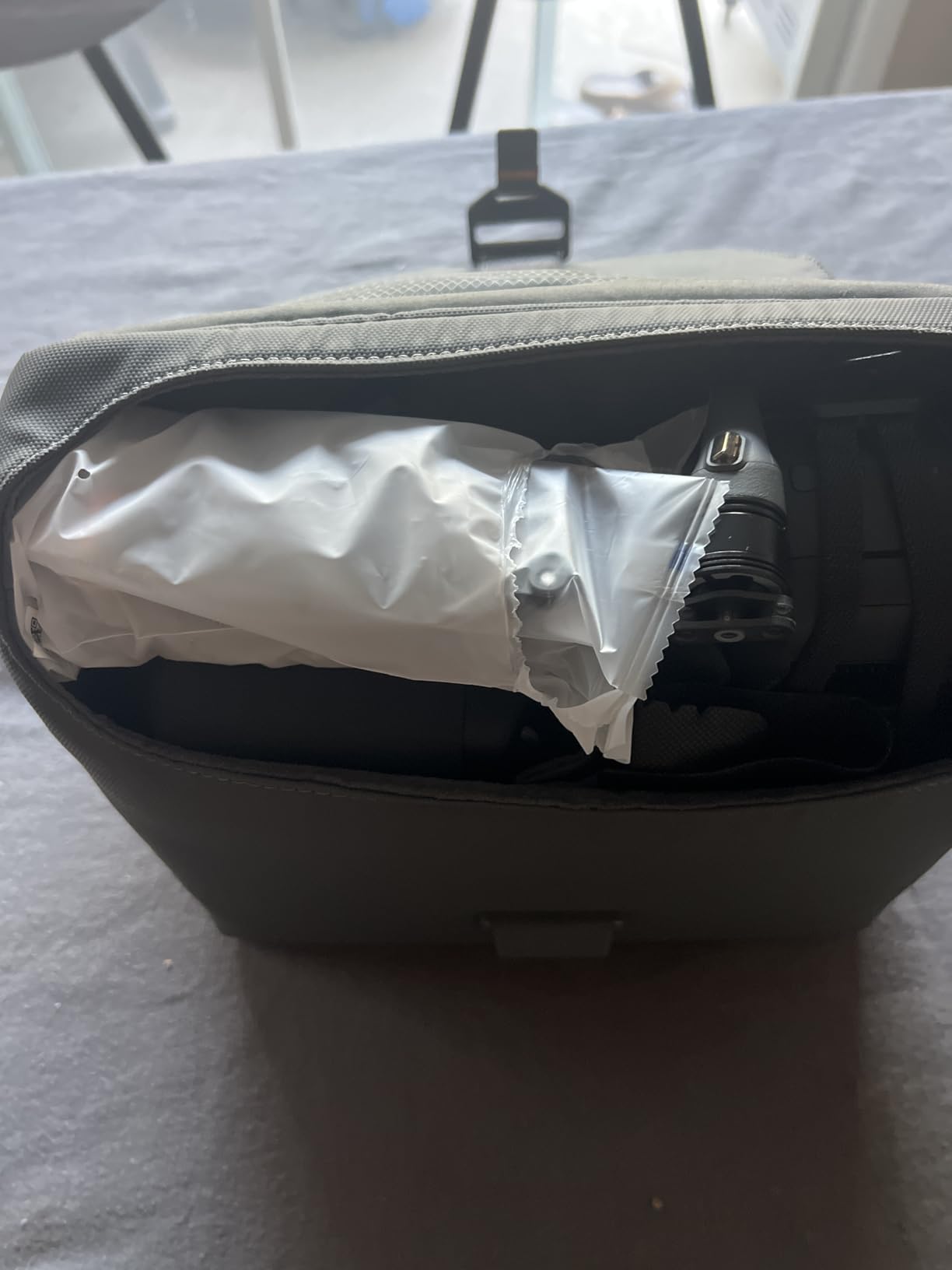
Advanced RTH automatically calculates optimal return routes, avoiding obstacles on the way home. The Waypoint Flight function allows precise route planning and repeatable flights, essential for construction progress tracking and mapping applications.
Who Should Buy?
Professional photographers needing a reliable workhorse drone, businesses entering aerial photography, and anyone wanting Hasselblad image quality without paying for telephoto capabilities they won’t use.
Who Should Avoid?
Users needing telephoto reach, anyone wanting the latest features, and those who can afford the significantly better Mavic 4 Pro for similar money in 2026.
7. DJI Mini 4K – Best Budget for Beginners
Pros
- No registration required
- 4K video with 3-axis gimbal
- Level 5 wind resistance
- Beginner friendly
- Excellent value under $300
Cons
- No obstacle avoidance
- One battery included
- Phone case must be removed
- File transfer confusing
The DJI Mini 4K serves as the perfect entry point into drone photography, offering 4K video with a 3-axis gimbal at an accessible price point. Under 249g, it requires no FAA registration for recreational use and can be flown in more locations than heavier drones.
The 3-axis gimbal provides stabilization that produces smooth footage even in moderate wind. Level 5 wind resistance up to 38kph (24mph) keeps the drone stable in breezy conditions that would ground smaller drones.
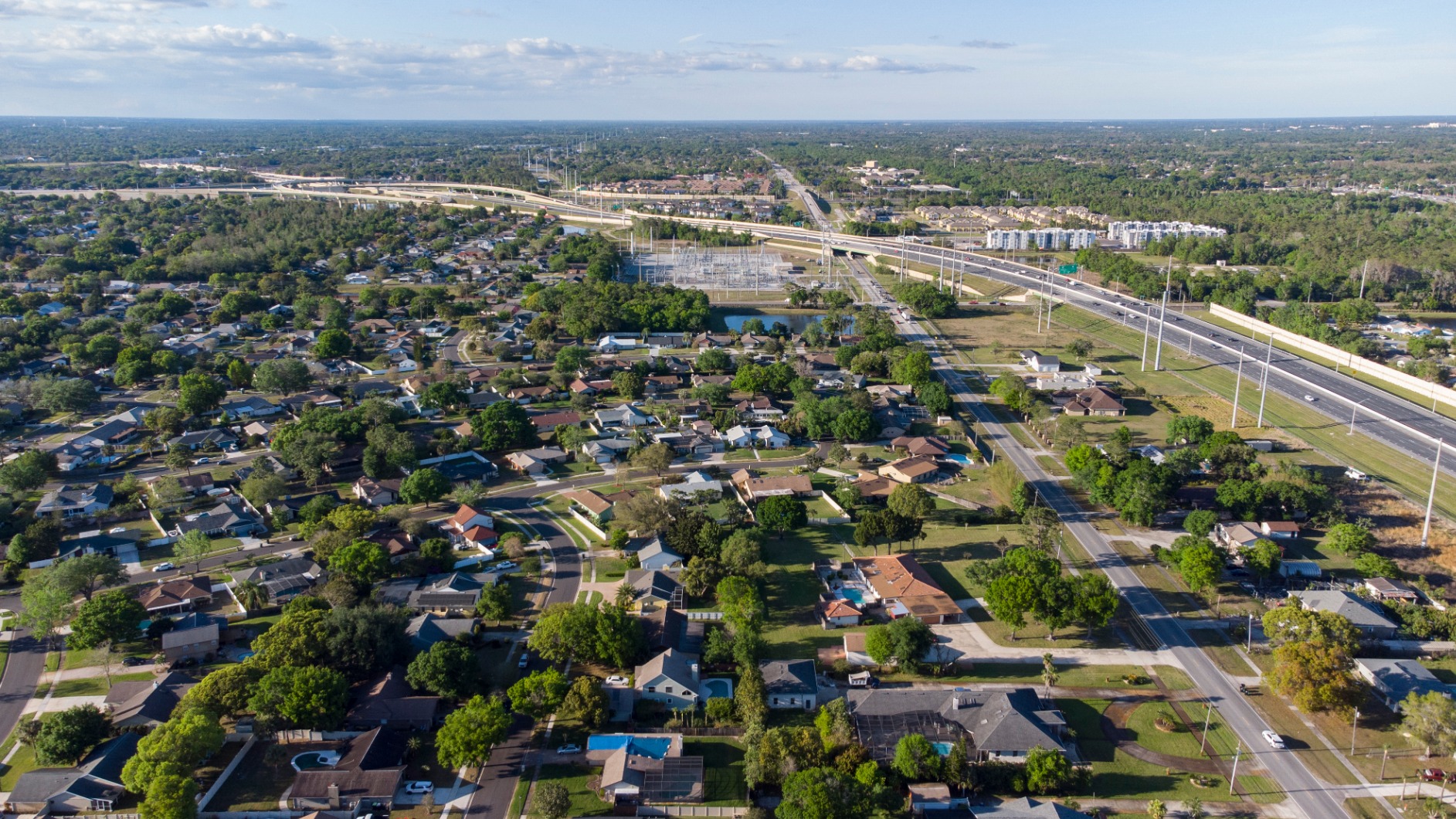
Beginners appreciate the one-tap takeoff and landing, GPS Return to Home, and stable hovering that make the first flight experience stress-free. The QuickShots mode automatically captures professional-looking video using preset patterns like Helix, Dronie, Rocket, Circle, and Boomerang.
Customer photos from beginners demonstrate the camera’s capability, with clear 4K footage and sharp 12MP photos suitable for social media sharing. The image quality exceeds expectations for the price, with good color reproduction and decent dynamic range.
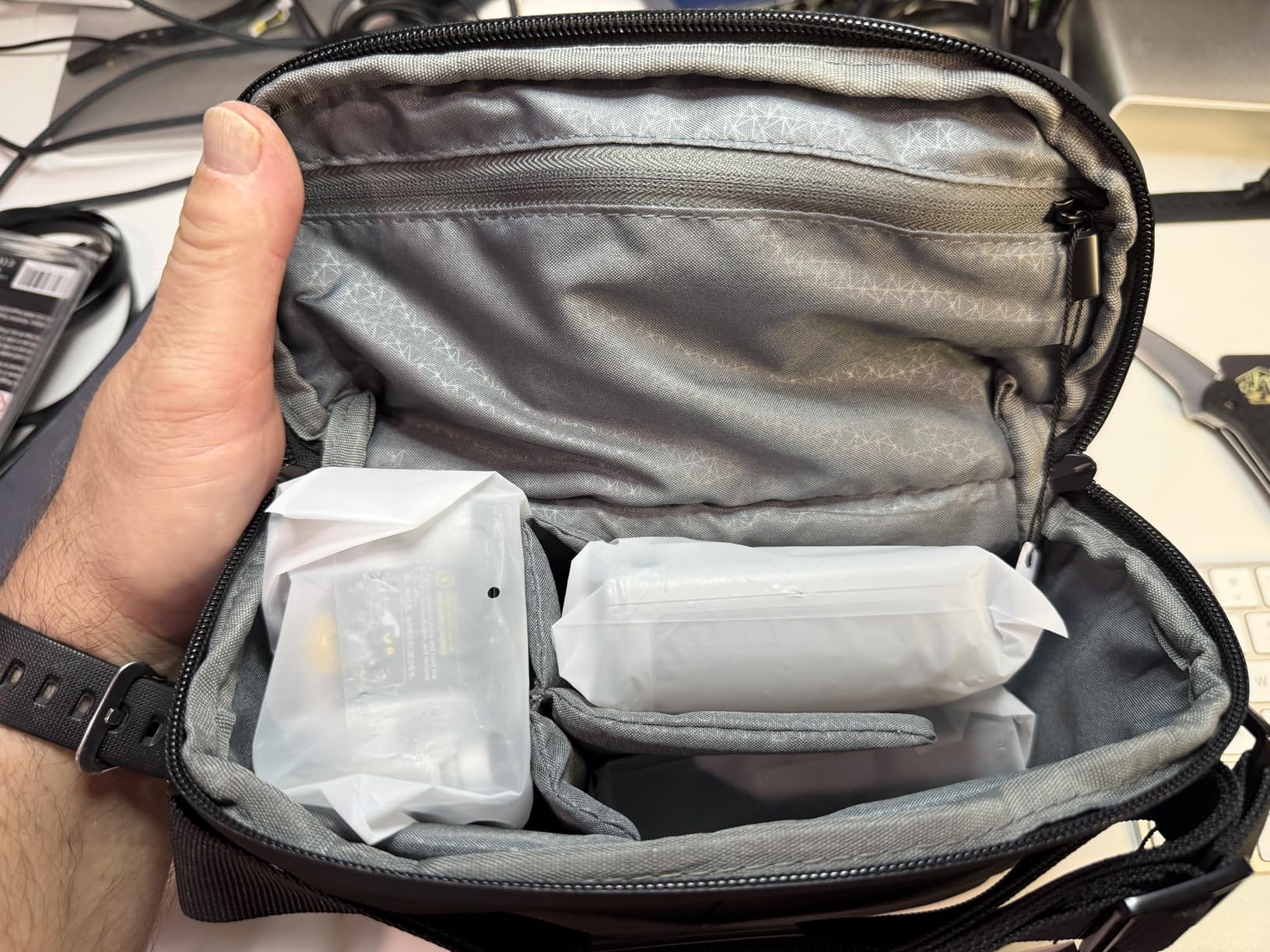
The 10km O2 transmission provides reliable signal up to 2-3 miles in typical conditions, adequate for most recreational users. Battery life delivers 31 minutes in ideal conditions, though real-world usage typically yields 25-28 minutes depending on wind and flight style.
Who Should Buy?
Complete beginners, casual users wanting to explore drone photography, and anyone needing a lightweight, regulation-friendly drone for travel. Perfect for learning the basics without a major investment.
Who Should Avoid?
Users needing obstacle avoidance, anyone requiring advanced features, and photographers wanting maximum image quality. The lack of sensors means extra vigilance is required during flight.
8. DJI Avata 2 – Best FPV Experience
Pros
- Immersive FPV experience
- Built-in propeller guard
- Easy acrobatic flips and rolls
- Intuitive motion control
- Great for beginners
Cons
- No obstacle avoidance
- Slow USB charging
- One USB cable included
- Basic RTH accuracy
The DJI Avata 2 delivers the most accessible FPV experience on the market, combining an immersive first-person view with safety features that make it approachable for beginners. While it’s designed primarily for FPV flying rather than traditional aerial photography like the best DJI Mavic drones, it still offers impressive stability and control. The built-in propeller guard protects the drone during indoor flights and inevitable crashes, with multiple users reporting no damage after accidents.
The super-wide 155-degree FOV camera captures 4K/60fps video that puts viewers right in the action. The 1/1.3-inch sensor performs well in low light, making it suitable for dawn and dusk flights when the dramatic lighting adds impact to FPV footage.
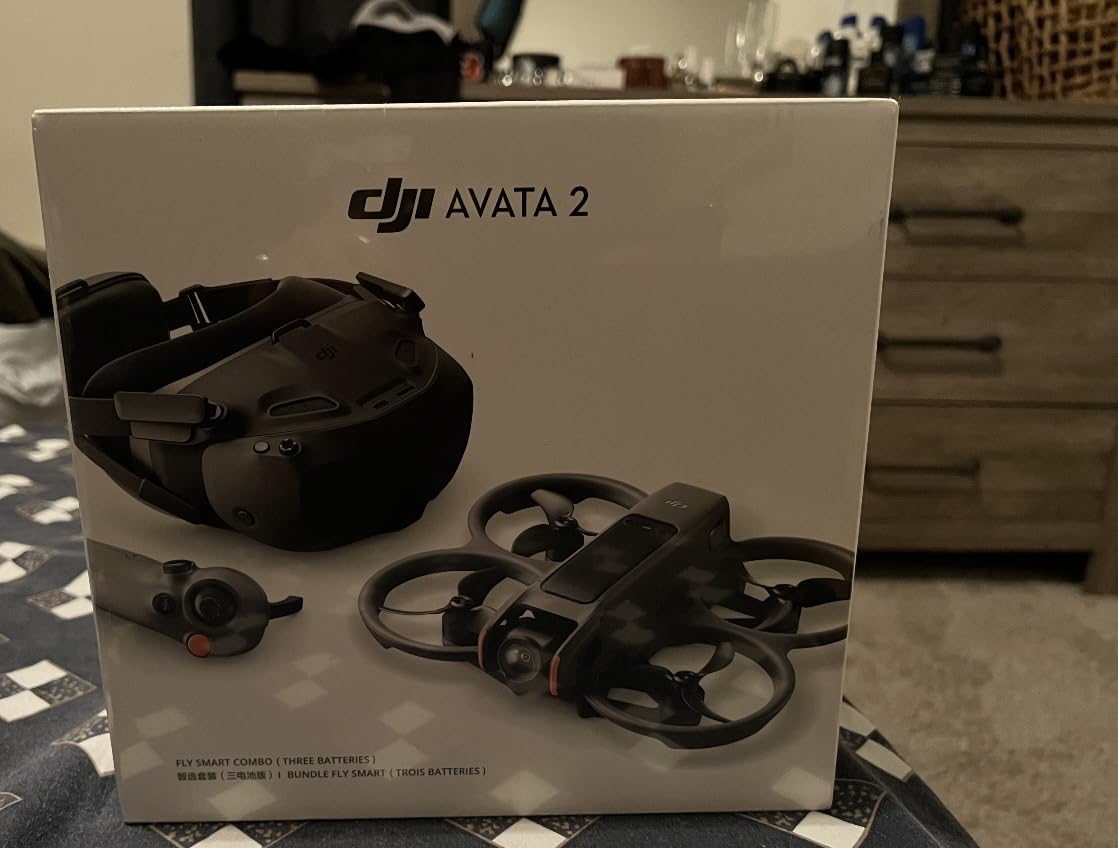
Flight performance enables easy acrobatics including flips, rolls, and 180-degree drifts without extensive training. The motion controller translates natural hand movements into drone motion, making FPV flying intuitive rather than frustrating.
Customer photos and videos showcase the unique perspective achievable with FPV, from racing through narrow gaps to cinematic orbits around subjects. The 23-minute flight time is adequate for FPV sessions, with most experienced pilots carrying 3-4 batteries for a full day of flying.
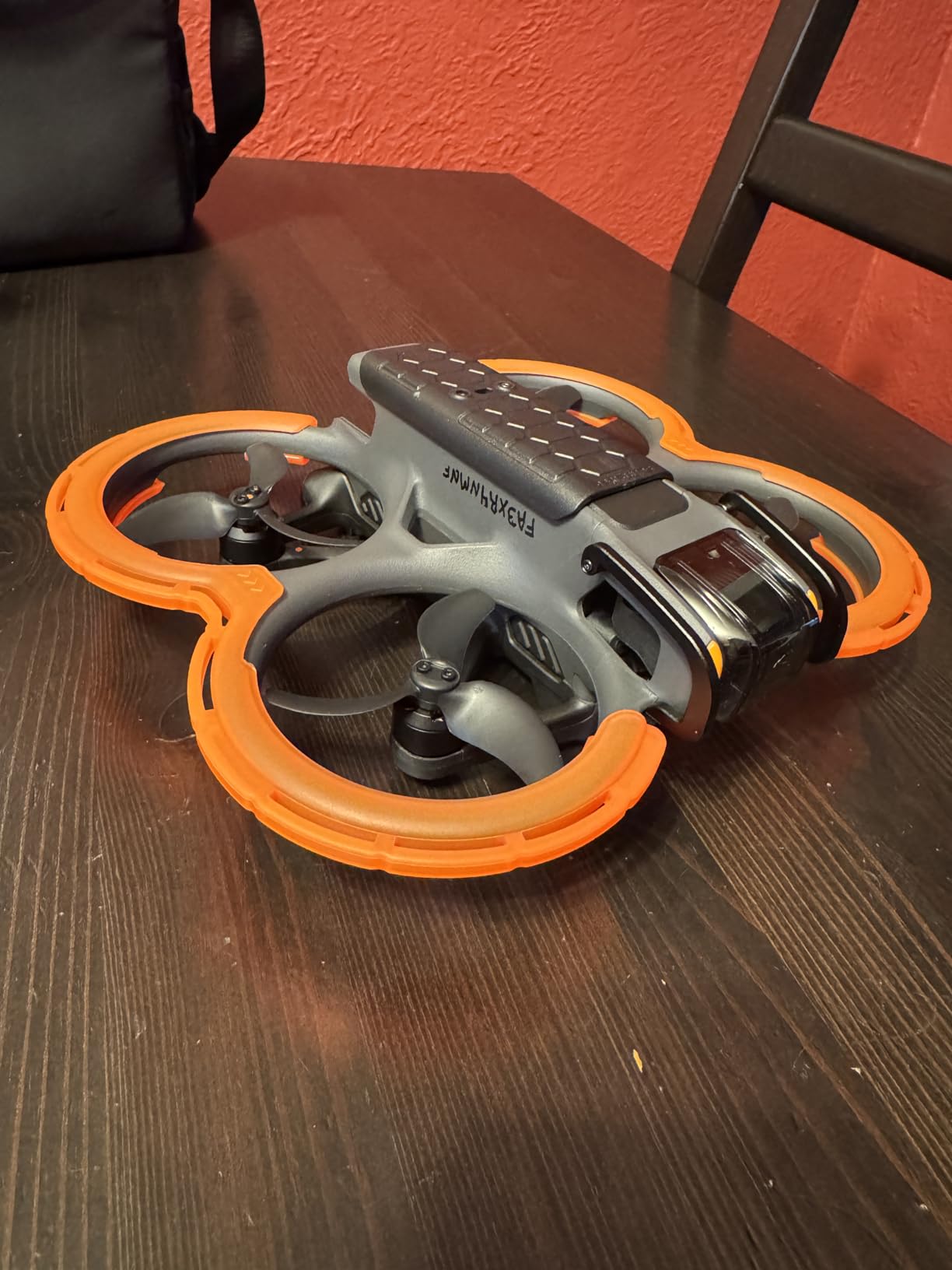
The 13km transmission range provides plenty of distance for FPV exploration, though most pilots fly within visual line of sight anyway. RockSteady and HorizonSteady stabilization keep footage smooth even during aggressive maneuvers.
Who Should Buy?
FPV enthusiasts, action sports videographers, and anyone wanting an immersive flying experience. Perfect for beginners curious about FPV without the steep learning curve of traditional FPV drones.
Who Should Avoid?
Photographers needing still image quality, anyone wanting obstacle avoidance, and users who prefer traditional line-of-sight flying over first-person view.
DJI US Ban Status: What You Need to Know in 2026
The regulatory landscape for DJI drones in the United States has become increasingly complex. As of January 2026, existing DJI models remain legal to own and fly, but new restrictions affect future imports and government usage.
The Countering CCP Drones Act passed in 2025 prohibits new DJI models from connecting to US communications infrastructure, effectively banning future DJI imports. However, this legislation explicitly does not ban existing models currently owned by US consumers or businesses.
What this means for buyers: you can legally purchase and fly any DJI drone currently available in the US market. Firmware updates and app support continue for existing models. Future DJI models may not be approved for sale in the US, potentially making current models more valuable long-term.
Professional users should consider maintaining backup drones and parts inventories, while consumers can buy with confidence that their investment remains protected under current law. The situation continues to evolve, so staying informed through official FAA channels is recommended.
Upgrade Guide for Existing Mavic Owners
Deciding whether to upgrade from an older Mavic depends on your specific needs and usage patterns. After analyzing hundreds of user experiences, here are clear recommendations based on common upgrade scenarios.
Mavic 2 Pro owners: Upgrade to Mavic 4 Pro if you need the 100MP sensor and 6K video for professional work. The Mavic 3 Classic offers modest improvements that may not justify the cost if your Mavic 2 Pro still works reliably. Consider the Air 3S if you want modern features at a lower price point.
Mavic 3 Pro owners: The Mavic 4 Pro offers significant improvements in sensor size, video resolution, and flight time. Upgrade if you need the 100MP sensor or 168mm telephoto. Otherwise, your Mavic 3 Pro remains highly capable in 2026.
Mini 3 owners: The Mini 5 Pro adds 1-inch sensor quality, omnidirectional sensing, and ActiveTrack 360. Upgrade if you need better low-light performance or enhanced safety features. The Mini 3 remains excellent for casual use.
Understanding DJI Mavic Camera Technology
Camera performance is the primary differentiator between Mavic models, and understanding sensor technology helps make the right choice. Sensor size directly impacts image quality, with larger sensors gathering more light and producing better low-light performance and dynamic range.
Sensor sizes explained: The 4/3 CMOS sensors in Mavic 4 Pro, Mavic 3 Pro, and Mavic 3 Classic measure approximately 17.3mm x 13mm, significantly larger than the 1-inch sensors in Air 3S and Mini 5 Pro. This size difference translates to better low-light performance, less noise at high ISOs, and more natural background blur.
Video capabilities: 6K/60fps HDR on Mavic 4 Pro represents the current peak, followed by 5.1K/30fps on Mavic 3 models, and 4K/60fps on everything else. For professional productions, higher resolution and frame rates provide more flexibility in post-production and future-proofing content.
Technical Insight: D-Log M is DJI’s flat color profile that preserves maximum dynamic range for color grading. Available on Mavic 3 Pro, Mavic 3 Classic, and Mavic 4 Pro, it’s essential for professional work but requires color grading skills to achieve optimal results.
How to Choose the Right DJI Mavic Drone In 2026?
Choosing between eight different Mavic models requires understanding your specific needs and flying environment. I’ve helped dozens of pilots find their perfect drone, and these decision factors consistently lead to the right choice.
Solving for Registration Requirements: Consider Weight Class
Sub-250g drones including Mini 4K, Mini 4 Pro, and Mini 5 Pro avoid FAA registration requirements for recreational use in the United States and similar regulations in many other countries. This freedom to fly without paperwork makes them ideal for travel and casual users who want maximum convenience.
However, going under 250g means sacrificing some image quality and flight time. If you’re serious about aerial photography or plan to use your drone commercially, the registration requirement is a minor inconvenience compared to the benefits of larger sensors and longer flight times.
Solving for Image Quality: Match Sensor Size to Needs
Professional photographers requiring maximum image quality should focus on Mavic 4 Pro with its 100MP Four Thirds sensor. The difference between 1-inch and 4/3 sensors becomes obvious when shooting in challenging light or when cropping images heavily in post-production.
Enthusiast photographers find excellent results from the 1-inch sensors in Air 3S and Mini 5 Pro, with image quality that exceeds what smartphones can achieve and satisfies most amateur and semi-professional needs. The Mini 4K’s smaller sensor works well for daylight shooting but struggles in low light compared to larger options.
Solving for Flight Time: Balance Weight and Battery Capacity
Longer flight time means more opportunities per session and fewer battery swaps. Mavic 4 Pro leads at 51 minutes, followed by Air 3S at 45 minutes and Mavic 3 Classic at 46 minutes. These extended times matter for professional shoots where every shot counts and for travel where battery charging opportunities may be limited.
Mini series drones top out around 34 minutes standard, though Mini 5 Pro reaches 52 minutes with the extended battery. Real-world flight times typically run 10-15% less than advertised, so budget accordingly when planning shoots.
Solving for Safety Features: Prioritize Obstacle Avoidance
Beginners should prioritize models with omnidirectional obstacle sensing including Mini 4 Pro, Mini 5 Pro, Air 3S, and all Mavic 3 series. These sensors significantly reduce crash risk and build confidence during the learning phase.
Advanced pilots may prefer the simpler control of Mini 4K, which lacks obstacle sensors but offers pure flying experience. FPV pilots choosing Avata 2 rely on their skills and the built-in propeller guard rather than electronic sensing.
Solving for Budget: Balance Features Against Price
Under $300, the Mini 4K offers unbeatable value for beginners. Between $700-$900, the Mini 5 Pro and Avata 2 provide premium features in specialized packages. Around $1,400, Air 3S delivers professional capabilities at enthusiast pricing.
For $1,600-$2,200, the Mavic 3 Classic and Mavic 3 Pro offer professional image quality. The Mavic 4 Pro at $2,180+ serves professionals who need the absolute best regardless of cost.
| Use Case | Recommended Model | Why |
|---|---|---|
| Beginner learning | Mini 4K | Low cost, no registration, easy controls |
| Travel photography | Mini 5 Pro | Sub-250g, premium 1-inch sensor, compact |
| Real estate | Air 3S | Best value, dual cameras, reliable RTH |
| Professional photos | Mavic 4 Pro | 100MP sensor, triple lenses, longest flight |
| FPV flying | Avata 2 | Immersive view, easy acrobatics, durable |
| Professional video | Mavic 3 Pro | Proven triple-camera system, 5.1K video |
Frequently Asked Questions
Are DJI drones banned in the US now?
Existing DJI drones remain legal to own and fly in the US as of January 2026. New restrictions ban future DJI imports, but currently-owned models are unaffected. You can legally purchase and fly any DJI drone currently available on the market.
What is the #1 best DJI Mavic drone?
The DJI Mavic 4 Pro is the #1 DJI Mavic drone overall, featuring a 100MP Hasselblad camera, 6K/60fps HDR video, dual telephoto lenses up to 168mm, and 51-minute flight time. It represents the pinnacle of consumer drone technology in 2026.
Which DJI Mavic is best for beginners?
The DJI Mini 4K is best for beginners on a budget, offering 4K video, 3-axis gimbal, and beginner-friendly controls under $300. For beginners wanting more features, the Mini 4 Pro adds omnidirectional obstacle avoidance and vertical video at a higher price point.
Which DJI Mavic has the longest battery life?
The DJI Mavic 4 Pro has the longest official battery life at up to 51 minutes per charge. The Mini 5 Pro can reach 52 minutes with the Intelligent Flight Battery Plus. Air 3S delivers 45 minutes, while real-world flight times are typically 10-15% less than advertised.
Which DJI Mavic is under 250g?
The DJI Mini 4K, Mini 4 Pro, and Mini 5 Pro all weigh under 249 grams, avoiding FAA registration requirements for recreational use. The Mini 5 Pro at 249g barely meets the limit, so adding any accessory pushes it over and requires Remote ID compliance.
What DJI Mavic do professionals use?
Professional photographers primarily use the Mavic 4 Pro for its 100MP sensor and triple-camera system. Professional videographers often choose Mavic 3 Pro for its proven reliability and 5.1K video capabilities. Commercial operators also use Mavic 3 Enterprise series for inspection and mapping work.
Is DJI Mavic 4 Pro worth the money?
The Mavic 4 Pro is worth the money for professionals and serious enthusiasts who need the best possible image quality from a foldable drone. The 100MP sensor, 6K HDR video, and 168mm telephoto lens justify the investment for anyone earning income from aerial photography or high-end content creation.
Which DJI Mavic has the best obstacle avoidance?
The DJI Mavic 4 Pro, Air 3S, Mini 4 Pro, and Mini 5 Pro all feature omnidirectional obstacle sensing with LiDAR for night detection. The Mavic 3 Pro and Mavic 3 Classic have APAS 5.0 omnidirectional sensing. Avata 2 and Mini 4K lack obstacle avoidance entirely.
Final Recommendations
After analyzing every current DJI Mavic model and studying feedback from thousands of real users, the right choice comes down to matching your needs to the appropriate features. Most buyers will be well-served by the Air 3S, which hits the sweet spot between capability and value for the majority of use cases.
Professionals requiring the absolute best image quality should invest in the Mavic 4 Pro despite the premium price, as the 100MP sensor and triple-lens system deliver results that justify the investment for paid work, making it one of the best DJI Mavic drones available for serious aerial photographers. Beginners on a budget will find everything they need in the Mini 4K, which provides a perfect introduction to drone photography without overwhelming complexity.
The sub-250g models remain ideal for travel and international flying where regulations vary, while the larger prosumer models shine when image quality is the priority over convenience. Regardless of which model you choose, all current Mavic drones remain legal to own and fly in the United States as of January 2026, making this an excellent time to invest in aerial photography equipment.