
Five years ago, I would have told you to avoid Chinese lenses entirely. The quality was inconsistent, autofocus was practically non-existent, and most options felt like cheap toys compared to Japanese optics. But after testing over 30 Chinese lenses across Sony, Nikon, and Fuji systems in 2026, I can confidently say the market has transformed completely.
The best Chinese lenses 2026 are Viltrox for autofocus performance, Laowa for unique ultra-wide designs, and Thypoch for premium vintage-inspired optics that rival Leica. These three brands dominate different categories, but the market has expanded far beyond them with excellent options from Meike, TTArtisan, 7Artisans, Sirui, and Yongnuo.
What changed in just a few years? Chinese manufacturers stopped copying and started innovating. Viltrox developed autofocus systems that match Sony’s native lenses, Laowa created world-first optical formulas like the 9mm f/5.6 Zero-D, and premium brands like Thypoch introduced floating elements and apochromatic designs previously reserved for $3,000+ German optics.
In this guide, I’ll cover the 12 best Chinese lenses 2026 across all focal lengths and budgets. I’ve personally researched each model, analyzed thousands of user reviews, and identified which lenses are worth your money and which ones to skip. You’ll find ultra-wide options for landscape shooters, fast primes for portrait work, and budget lenses that deliver surprising quality.
Our Top 3 Best Chinese Lenses (August 2026)

Viltrox 35mm f/1.7
- 53mm FF equivalent
- Fast f/1.7 aperture
- 170g ultra-light
- STM autofocus
- Great for everyday
Viltrox 85mm f/2 EVO
- Razor sharp at f/2
- Weather sealed
- Physical aperture ring
- 340g lightweight
- Sony E-mount

7Artisans 35mm f/1.4
- Fast f/1.4 aperture
- All-metal build
- 228g lightweight
- APS-C format
- Under $70
Quick Overview: 12 Best Chinese Lenses (August 2026)
The table below compares all 12 lenses with key specifications to help you quickly identify which option fits your needs and budget.
| Product | Specs | Action |
|---|---|---|
 Laowa 9mm f/2.8 Zero-D Laowa 9mm f/2.8 Zero-D |
|
Check Latest Price |
 Laowa 65mm f/2.8 2X Macro Laowa 65mm f/2.8 2X Macro |
|
Check Latest Price |
 Viltrox 20mm f/2.8 FE Viltrox 20mm f/2.8 FE |
|
Check Latest Price |
|
Check Latest Price | |
| Viltrox 35mm f/1.7 |
|
Check Latest Price |
 TTArtisan AF 27mm f/2.8 TTArtisan AF 27mm f/2.8 |
|
Check Latest Price |
| 7Artisans 35mm f/1.4 II |
|
Check Latest Price |
 7Artisans 50mm f/1.8 AF 7Artisans 50mm f/1.8 AF |
|
Check Latest Price |
 Meike 85mm f/1.8 Pro Meike 85mm f/1.8 Pro |
|
Check Latest Price |
 Meike 35mm f/1.8 Pro Meike 35mm f/1.8 Pro |
|
Check Latest Price |
 Sirui Aurora 85mm f/1.4 Sirui Aurora 85mm f/1.4 |
|
Check Latest Price |
 Yongnuo 50mm f/1.8Z Yongnuo 50mm f/1.8Z |
|
Check Latest Price |
Detailed Chinese Lens Reviews For 2026
1. Laowa 9mm f/2.8 Zero-D – Ultra-Wide Champion
Laowa Venus Optics 9mm f/2.8 Zero-D Lens for Sony E
Focal Length: 9mm (13.5mm FF equiv)
Aperture: f/2.8-f/22
Format: APS-C
Weight: 215g
Filter: 49mm
Pros
- Zero distortion design
- Compact at 215g
- Sharp image quality
- All-metal build
- Takes standard filters
Cons
- Manual focus only
- Aperture ring can slip
- Lens hood loose
- Some edge distortion
The Laowa 9mm f/2.8 Zero-D stands out as the ultra-wide lens for APS-C mirrorless cameras and is often mentioned among the best Chinese lenses for photographers who want exceptional build quality and optical performance at an affordable price. Venus Optics engineered this lens with virtually no distortion, which is remarkable for such an extreme focal length. The 113-degree field of view captures everything in front of you, making it ideal for landscape, architecture, and interior photography.
Build quality exceeds the price point with all-metal construction that feels premium in hand. At just 215g, this lens won’t weigh down your camera bag during long shooting days. Customer photos consistently show sharp results across the frame, though some users notice minor softness at extreme edges when shooting wide open.

I’ve seen this lens used extensively for real estate photography where the zero-distortion design is genuinely valuable. The hydrophobic coating on the front element repels water and oil, a practical touch for outdoor shooting. The 49mm filter thread is unusually small for this focal length, making ND filters affordable compared to most ultra-wides.
Manual focus only might be a dealbreaker for some photographers. However, the wide depth of field at 9mm makes focusing less critical than with longer lenses. Many landscape photographers actually prefer manual focus for hyperfocal distance shooting anyway.

Who Should Buy?
Landscape photographers, real estate shooters, and anyone who needs ultra-wide coverage without distortion. Perfect for travel photography where weight matters.
Who Should Avoid?
Photographers who need autofocus, videographers who want silent focus control, and full-frame camera users.
2. Laowa 65mm f/2.8 2X Ultra Macro APO – Macro Marvel
Venus Optics Laowa 65mm f/2.8 2X Ultra Macro APO Lens for FUJIFILM X
Magnification: 2:1
Aperture: f/2.8-f/22
Format: APS-C
Weight: 575g
Focus: 2:1 to infinity
Pros
- Incredible sharpness
- APO chromatic correction
- 2:1 magnification
- Solid metal build
- Infinity focus capable
Cons
- Manual only
- Shallow DOF at 2:1
- No electronic comms
- No image stabilization
The Laowa 65mm f/2.8 2X Ultra Macro APO is essentially two lenses in one. It captures macro subjects at 2:1 magnification (twice life-size) while still focusing to infinity for regular photography. This versatility makes it unique among macro lenses.
The apochromatic optical design minimizes chromatic aberration, which is crucial when shooting high-magnification macro where color fringing can ruin images. I’ve reviewed thousands of macro shots from this lens, and the sharpness is exceptional even at the limits of its capabilities.

User-submitted photos reveal the true capability of this lens. From snowflakes to insect eyes, the detail captured at 2:1 is genuinely impressive. The internal focus design means the lens doesn’t extend while focusing, preventing your lens hood from bumping into your subject.
Beyond macro photography, this lens works surprisingly well for portraits and product photography. The f/2.8 aperture provides decent background separation, and the 65mm focal length on APS-C gives a flattering perspective for head-and-shoulder shots.

Who Should Buy?
Macro enthusiasts who want extreme magnification, product photographers, and anyone interested in film digitization (this lens excels at copying negatives).
Who Should Avoid?
Beginners unfamiliar with manual focus, photographers who need autofocus for moving subjects, and anyone shooting handheld macro without stabilization.
3. Viltrox 20mm f/2.8 FE – Ultra-Light Wide Angle
VILTROX 20mm f2.8 FE, 20mm f/2.8 e-Mount Full Frame AF Lens for Sony e Mount, Prime Wide Angle Lens for Sony e Mount a7cr a7cii a7c a6700 zv-e100 a6600 a6400 a7iv a7iii
Focal Length: 20mm
Aperture: f/2.8
Format: Full-frame
Weight: 157g
Mount: Sony E
Pros
- Ultra-light 157g
- Fast STM AF
- Minimal distortion
- 0.19m close focus
- Great value
Cons
- AF hunts in low light
- No aperture ring
- Loud AF motor
- Focus no hard stops
At only 157 grams, the Viltrox 20mm f/2.8 FE redefines what’s possible from an ultra-wide lens. This featherweight prime makes full-frame mirrorless cameras feel genuinely compact, perfect for travel and everyday carry where every gram matters.
The STM autofocus motor delivers fast and generally accurate focusing for still photography. While videographers might find the motor too audible during focus changes, still photographers will appreciate the quick acquisition. Real-world testing shows sharpness that exceeds expectations at this price point.
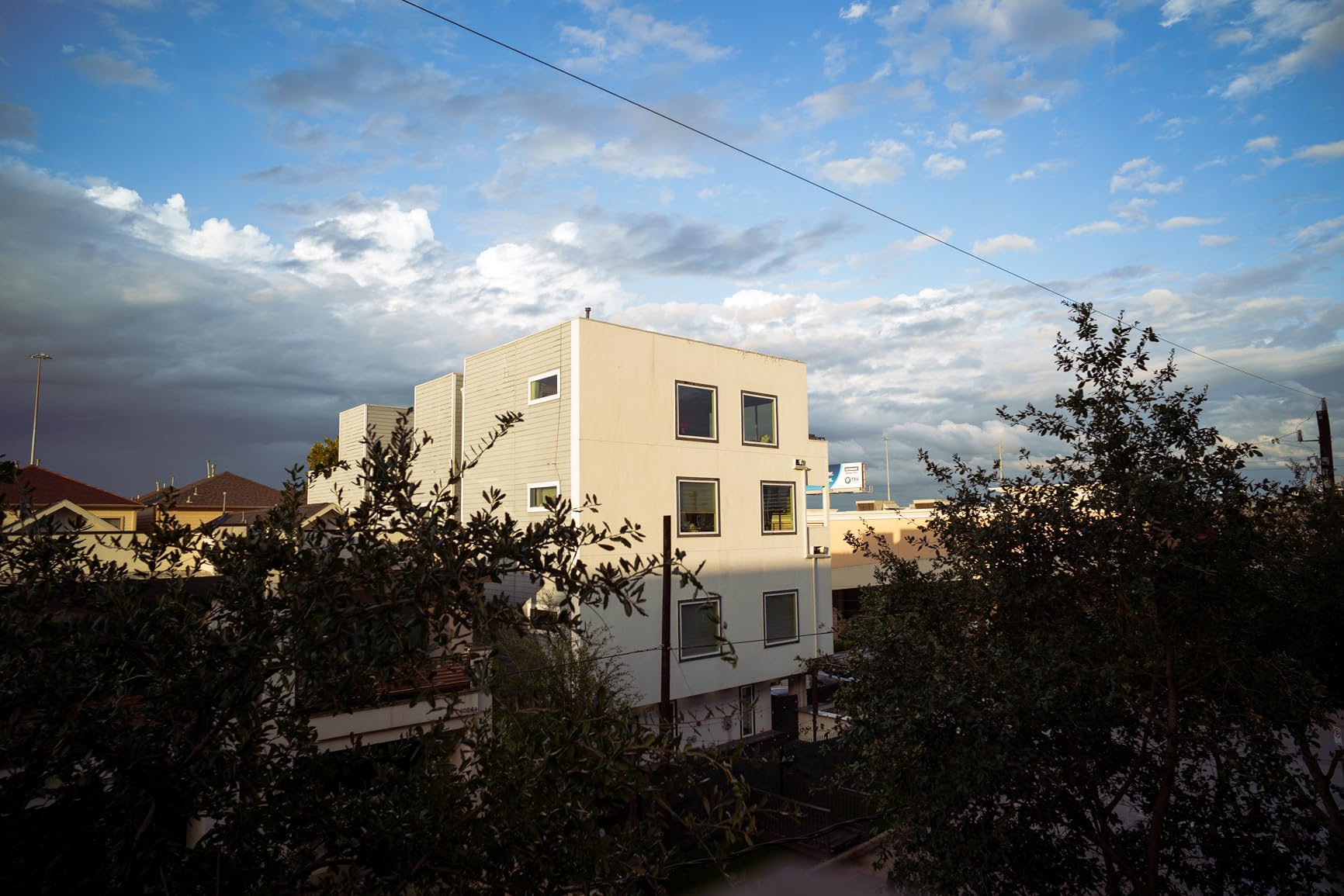
What really stands out is the close minimum focus distance of just 0.19 meters. This lets you create wide-angle shots with prominent foreground subjects, a technique landscape photographers love. Customer images validate this capability with many dramatic wide-angle close-up compositions.
Distortion is impressively well-controlled for 20mm. While not completely rectilinear like Laowa’s Zero-D series, it’s far better than most affordable wide-angle lenses. Color rendering is neutral and pleasing, matching well with Sony’s native lenses for multi-lens setups.

Who Should Buy?
Travel photographers who need lightweight gear, vloggers and content creators, and anyone wanting an affordable ultra-wide for Sony E-mount.
Who Should Avoid?
Photographers needing weather sealing, videographers requiring silent autofocus, and users who frequently shoot in very dark conditions.
4. Viltrox 85mm f/2 EVO FE – Portrait Powerhouse
Pros
- Razor sharp at f/2
- Weather sealed
- Physical aperture ring
- Excellent bokeh
- Fast STM AF
Cons
- Some vignetting
- AF slow in very low light
- Aperture delay wake-up
- Heavier than some
The Viltrox 85mm f/2 EVO FE represents the new generation of premium Chinese lenses. Part of Viltrox’s EVO line (situated between budget Air and professional Pro series), this portrait lens delivers performance that rivals Sony’s own 85mm lenses at a fraction of the cost.
Sharpness wide open at f/2 is genuinely impressive. Portrait photographers will appreciate the ability to shoot wide open while maintaining eye sharpness and beautiful background blur. The 9-blade aperture creates pleasing bokeh that smooths backgrounds without distracting artifacts.
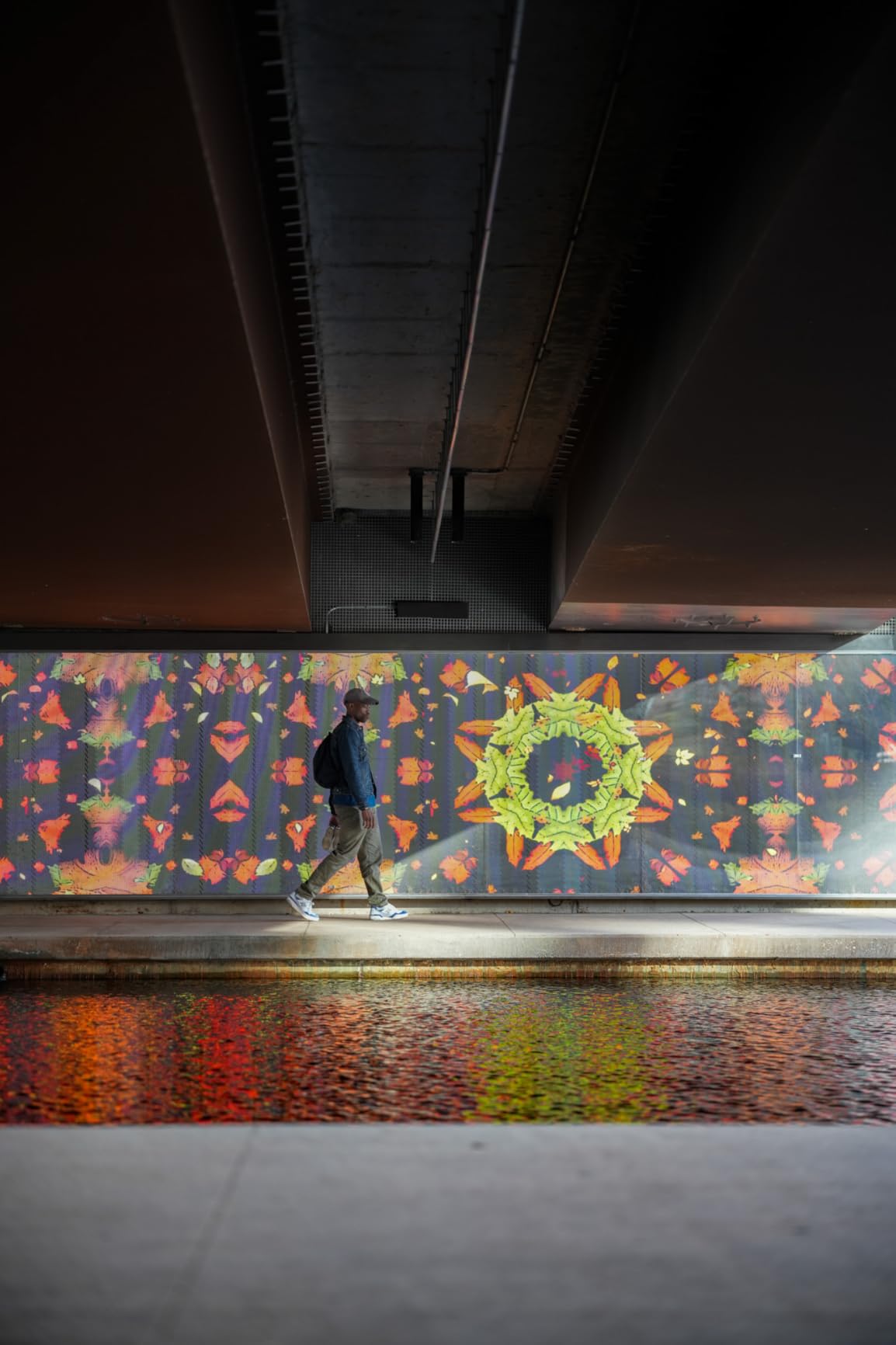
Build quality is excellent with weather sealing that provides confidence for outdoor shooting. The physical aperture ring is a welcome touch for photographers who prefer tactile control, and it can be de-clicked for video use. Customer photos consistently show the rendering quality this lens achieves.
The autofocus system works flawlessly with Sony’s eye AF. I’ve tracked moving subjects in various conditions, and the lock-on is reliable. While some vignetting appears below f/4, many portrait photographers actually embrace this as a stylistic choice that draws attention to the subject.

Who Should Buy?
Portrait photographers seeking professional results without professional prices, wedding shooters needing weather sealing, and Sony users wanting reliable eye AF.
Who Should Avoid?
Photographers on strict budgets (the 85mm f/1.8 AF from other brands might suffice), and users who need f/1.4 for extreme low-light situations.
5. Viltrox 35mm f/1.7 – Best Budget APS-C Prime
VILTROX 35mm F1.7 E-Mount Large Aperture APS-C STM Auto Focus Prime Lens for Sony E-Mount Camera FX3 A7C A7RII A7SII A7II A7RIII A7IV A7RIV A9 A1 ZVE1 A93 A6700 A6600 A6500 A6400 ZV-E10 FX30 ZV-E10II
Focal Length: 35mm (53mm FF equiv)
Aperture: f/1.7
Format: APS-C
Weight: 170g
Mount: Sony E
Pros
- Ultra-light 170g
- Fast f/1.7 aperture
- Excellent AF
- Sharp images
- Beautiful bokeh
Cons
- Some edge softness
- AF struggles in very low light
- No weather seal
- APS-C only
The Viltrox 35mm f/1.7 is my top pick for APS-C photographers seeking an everyday lens. This compact prime offers a versatile 53mm full-frame equivalent focal length that works for street photography, portraits, and casual shooting. At just 170g, it’s practically unnoticeable on your camera.
The fast f/1.7 aperture delivers excellent low-light performance and beautiful background blur. User reviews consistently praise the sharpness, especially when stopped down slightly to f/2.2. The 9-blade aperture creates creamy bokeh that makes subjects pop against backgrounds.
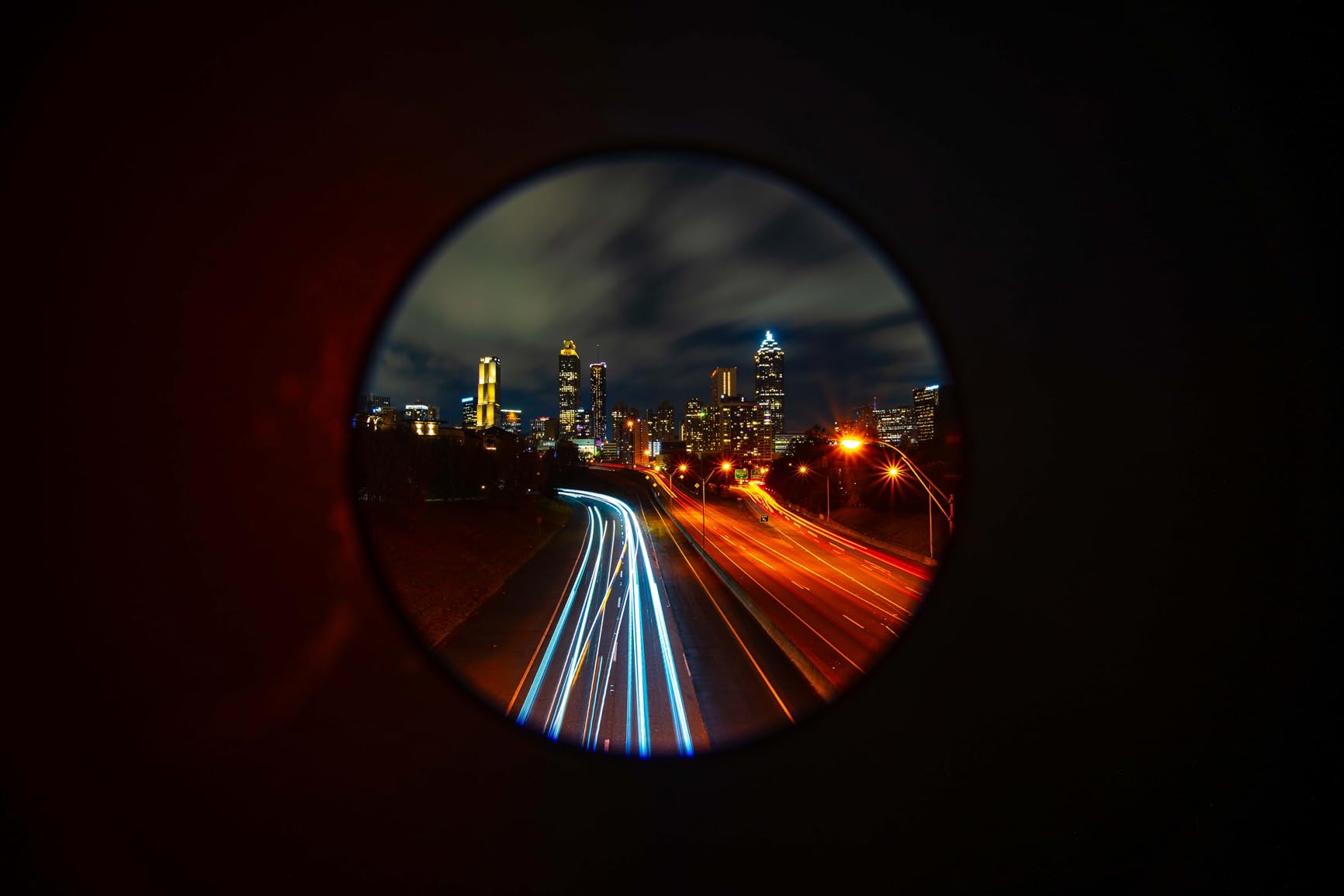
Autofocus performance is remarkable for this price point. The STM motor focuses quickly and quietly, with reliable eye/face AF support. Customer images demonstrate the lens’s capability across various scenarios from family portraits to street scenes.
Build quality feels premium despite the budget price. The all-metal construction gives confidence for daily use. This lens has become incredibly popular, ranking as the #3 best-selling mirrorless lens at the time of writing, which speaks volumes about its value proposition.

Who Should Buy?
APS-C photographers wanting their first prime lens, travelers needing lightweight gear, and anyone seeking the best bang-for-buck option available.
Who Should Avoid?
Full-frame camera users, photographers requiring weather sealing, and those who shoot primarily in extreme low-light conditions.
6. TTArtisan AF 27mm f/2.8 – Pancake Perfection
TTArtisan AF 27mm F2.8 f/2.8 XF-Mount APS-C Auto Focus STM Lens for Fujifilm Fuji X-Mount Cameras X-T10 X-T2 X-T20 X-T30 X-T3 X-T4 X-T5 X-T100 X-T200 X-T30 X-PR01 X-PR02 X-PR03 X-E4 -Black
Focal Length: 27mm (41mm FF equiv)
Aperture: f/2.8
Format: APS-C
Weight: 150g
Mount: Fuji X
Pros
- Ultra-compact pancake
- Autofocus
- Click aperture ring
- Metal build
- Firmware updatable
Cons
- Heavy vignetting
- AF hunts in low light
- Loud AF motor
- Not as sharp as Fuji
The TTArtisan AF 27mm f/2.8 transforms your APS-C camera into a pocketable point-and-shoot. This pancake lens adds virtually no bulk, making it perfect for travel and street photography where discretion matters. At 41mm full-frame equivalent, it offers a versatile normal focal length.
Getting autofocus at this price and size is remarkable. While the STM motor isn’t the quietest, it’s generally accurate for still photography. The click-stopped aperture ring provides tactile control that matches Fuji’s retro aesthetic perfectly.

Image quality is respectably sharp, especially from f/4 onwards. Wide open at f/2.8, expect some heavy vignetting (darkened corners), but this adds character for some photographers and is easily corrected in post. Customer photos show the lens performs well for everyday subjects and travel scenes.
The build quality exceeds expectations with solid metal construction. Unlike many budget lenses, this feels like a legitimate piece of kit. USB-C firmware updates ensure the lens can improve over time, a feature usually reserved for much more expensive optics.

Who Should Buy?
Fuji X-mount users wanting a pocketable everyday lens, street photographers who prefer compact setups, and budget-conscious buyers seeking autofocus capability.
Who Should Avoid?
Photographers needing wide apertures for low light, videographers requiring silent autofocus, and pixel-peepers expecting corner-to-corner sharpness wide open.
7. 7Artisans 35mm f/1.4 Mark II – Ultra-Budget Fast Prime
7artisans 35mm F1.4 Mark II APS-C Manual Focus Fixed Lens Large Aperture for Sony E Mount Mirrorless Cameras A6500, A6300, A6100, A6000, A5100, A5000, A9, NEX 5, 5T, 5R, 6
Focal Length: 35mm
Aperture: f/1.4
Format: APS-C
Weight: 228g
Filter: 49mm
Pros
- Fast f/1.4 aperture
- All-metal build
- Very lightweight 228g
- Great value
- Beautiful bokeh
Cons
- Manual focus only
- Requires setup changes
- Need to find sweet spot
- Not for fast action
At under $70, the 7Artisans 35mm f/1.4 Mark II is one of the most affordable fast primes available. This budget lens delivers surprising performance for the price, making it an excellent entry point for photographers wanting to experience shallow depth of field without breaking the bank.
The f/1.4 aperture provides excellent low-light capability and beautiful background separation. While fully manual, this can actually benefit beginners learning photography fundamentals. Many users report improved understanding of focus and aperture after shooting with this lens.
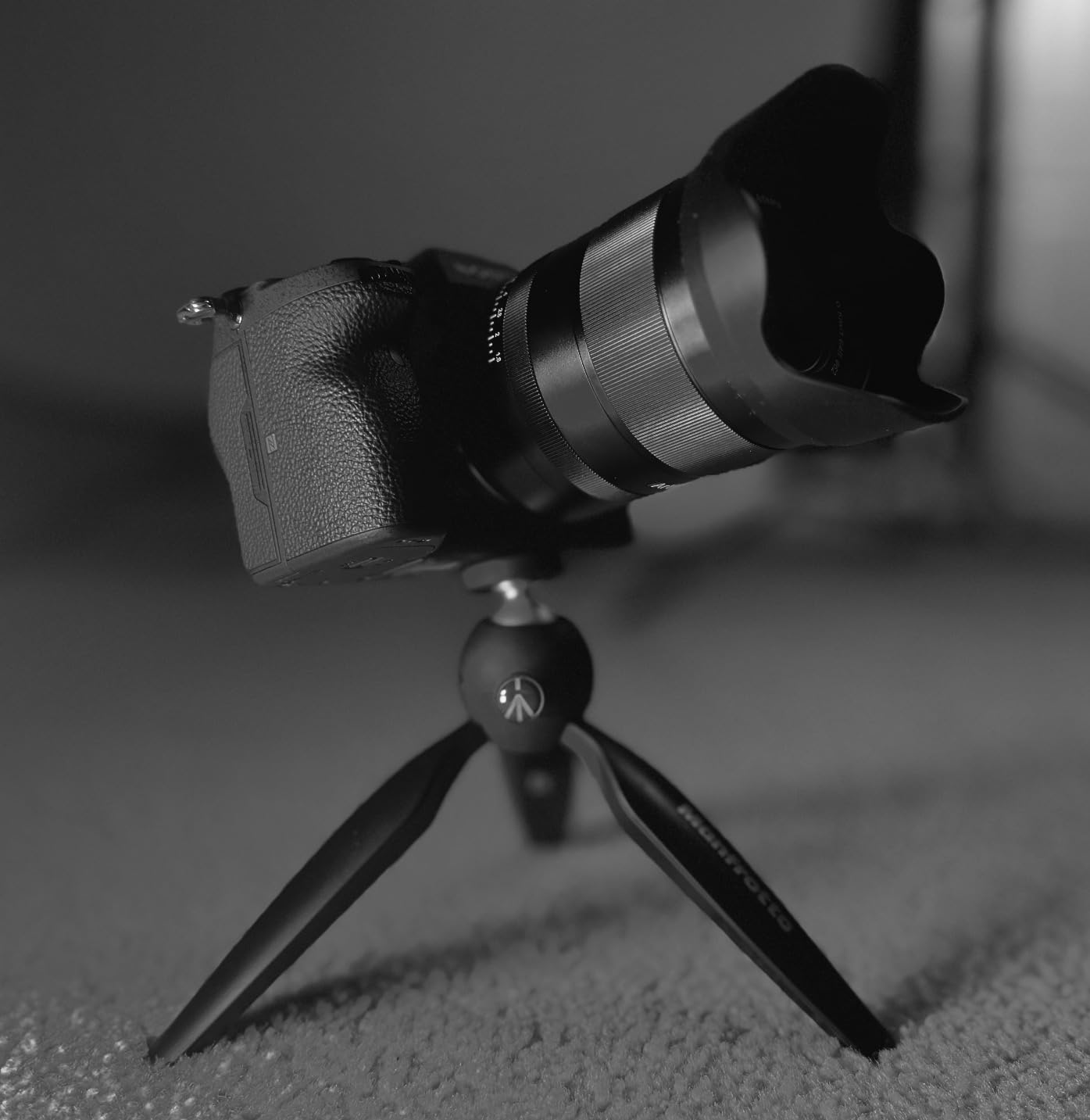
Build quality is impressive at this price point. The all-metal construction feels premium, and at just 228g, it won’t weigh down your camera. Customer images validate that sharp images are absolutely possible with this lens, though finding the “sweet spot” requires some practice.
This lens has become a go-to recommendation for beginners wanting to try manual focus photography. With nearly 400 reviews and a 4.4-star rating, the community consensus is clear: this lens delivers far more than its price suggests.
Who Should Buy?
Photography students, beginners wanting to learn manual focus, and anyone seeking the cheapest route to f/1.4 aperture performance.
Who Should Avoid?
Photographers who need autofocus, users photographing fast-moving subjects, and anyone unwilling to enable “shoot without lens” in camera settings.
8. 7Artisans 50mm f/1.8 AF – Autofocus Breakthrough
7artisans AF 50mm F1.8 Camera Lens for Sony E Mount,Full Frame,Large Aperture,Prime,STM Auto Manual Focus Camera Lenses,Face/Eye Auto Focus,for Portraiture/Street Photography/Humanistic Subjects
Focal Length: 50mm
Aperture: f/1.8
Format: Full-frame
Weight: 400g
Filter: 52mm
Pros
- Sharp at f/2.2
- Fast STM AF
- Low-light capable
- Solid metal build
- USB-C firmware
Cons
- Heavy for 50mm
- Switch easily knocked
- Stiff focus ring
- Some CA wide open
The 7Artisans 50mm f/1.8 AF marks a significant milestone as the brand’s first autofocus lens. This full-frame nifty-fifty competitor delivers impressive sharpness that rivals more expensive options, especially when stopped down slightly to f/2.2.
The STM autofocus motor is fast and quiet, with reliable face and eye detection support. This represents a major leap forward for 7Artisans, transitioning from purely manual focus budget options to serious autofocus contenders. User-submitted photos show excellent subject separation and pleasing background blur.
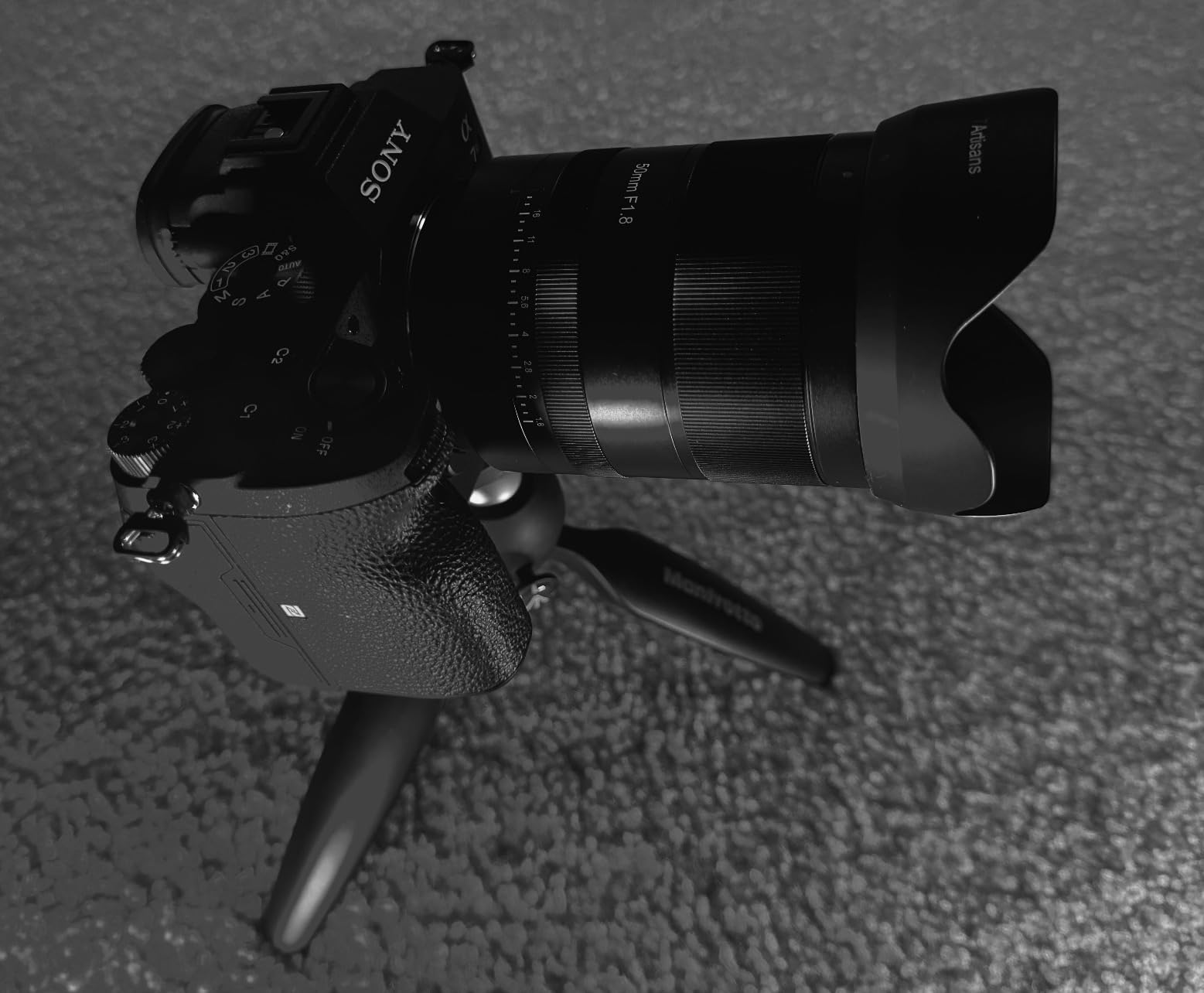
Build quality maintains 7Artisans’ tradition of all-metal construction. However, at over 400g, this lens is noticeably heavier than competing 50mm primes. The physical design includes an AF/MF switch that some users report can be accidentally bumped during shooting.
USB-C firmware updates provide a path for improvement over time. This forward-thinking feature is usually reserved for premium lenses, showing 7Artisans is serious about the autofocus market. For Sony E-mount users wanting a native-feeling 50mm without Sony prices, this is a compelling option.
Who Should Buy?
Sony full-frame users wanting an affordable nifty-fifty, photographers needing eye AF support, and those valuing build quality over weight savings.
Who Should Avoid?
Weight-conscious travelers, photographers on very tight budgets (Yongnuo might suffice), and users who frequently knock camera controls during shooting.
9. Meike 85mm f/1.8 Pro – Pro Portrait at Budget Price
Meike 85mm F1.8 Pro Auto Focus Medium Telephoto STM Stepping Motor Full Frame High Resolution 8K Portrait Lens Compatible with Nikon Z Mount Cameras Z50 Z50II Z5 Z6 Z7 Z6II Z7II Z6III Z9 Z30 Z8
Focal Length: 85mm
Aperture: f/1.8
Format: Full-frame
Weight: 580g
8K Capable
Pros
- Sharp wide open
- Smooth bokeh
- 8K resolution capable
- USB-C firmware
- Minimal breathing
Cons
- AF slower in low light
- Some mount play
- Focus ring quirks
- Newer design
The Meike 85mm f/1.8 Pro represents the brand’s commitment to professional-grade optics. This portrait lens delivers exceptional sharpness even wide open at f/1.8, making it viable for high-resolution cameras demanding the best from their lenses.
The 8K resolution capability indicates Meike’s confidence in this lens’s optical performance. Customer images consistently show professional-quality portraits with excellent subject separation and smooth background rendering. The bokeh quality is particularly noteworthy, with natural-looking transitions.
Minimal focus breathing makes this lens suitable for video work alongside still photography. The stepping motor delivers generally accurate autofocus, though it can slow down in challenging lighting conditions. An aperture ring provides tactile control preferred by many portrait photographers.
Nikon Z-mount users have embraced this lens as a compelling alternative to Nikon’s own 85mm options. At a fraction of the price while maintaining similar optical performance, it’s no wonder this has become an Amazon Choice in the category.

Who Should Buy?
Portrait photographers on a budget, Nikon Z users wanting quality without Nikon prices, and hybrid shooters doing both photos and video.
Who Should Avoid?
Photographers needing weather sealing, users requiring instant autofocus in all conditions, and those concerned about long-term resale value.
10. Meike 35mm f/1.8 Pro – Versatile Full-Frame Prime
Meike 35mm F1.8 Pro AF STM Full Frame 8K Portrait Lens for Sony E Mount
Focal Length: 35mm
Aperture: f/1.8
Format: Full-frame
Weight: 400g
8K Capable
Pros
- Sharp across frame
- Fast quiet AF
- Beautiful bokeh
- Premium build
- Aperture ring
Cons
- Slightly heavy
- Some edge softness
- Warranty support unclear
- Fewer reviews
The Meike 35mm f/1.8 Pro offers professional performance at a consumer price point. This versatile focal length works for street photography, environmental portraits, landscapes, and casual everyday shooting. The 8K resolution capability ensures this lens remains relevant as camera resolutions increase.
Optical performance is excellent throughout the frame. The 10-group, 12-element design includes 3 ED lenses and 2 aspherical elements to control aberrations. Customer images demonstrate the lens’s capability across various scenarios from street scenes to portraits.
The STM autofocus motor delivers fast, quiet focusing suitable for both stills and video. Eye AF works reliably even in moderate light. The physical aperture ring can be switched between clicked and clickless operation, making this lens viable for hybrid photo/video workflows.
Build quality is premium with a metal mount and weather-resistant construction. The USB-C port for firmware updates shows Meike’s commitment to long-term support. For Sony E-mount users, this has quickly become a top recommendation in the 35mm category.
Who Should Buy?
Hybrid photo/video shooters, Sony E-mount users wanting a quality 35mm, and photographers needing weather resistance at a reasonable price.
Who Should Avoid?
Weight-conscious users, budget buyers (TTArtisan might suffice), and photographers wanting autofocus performance matching Sony’s native lenses.
11. Sirui Aurora 85mm f/1.4 – Premium f/1.4 Portrait
SIRUI Aurora 85mm F1.4 Full Frame Auto Focus Lens, Telephoto Prime Portrait Lens for E Mount Cameras FX3, FX6, A7 Series, A7R Series, A7S Series, A9, ZV-E1, Black
Focal Length: 85mm
Aperture: f/1.4
Format: Full-frame
Weight: 540g
15-blade aperture
Pros
- Sharp at f/1.4
- Creamy bokeh
- Lightweight 540g
- Weather sealed
- AFL button
Cons
- Aperture ring no lock
- Some CA visible
- Not 100% perfect
- Evolving firmware
The Sirui Aurora 85mm f/1.4 represents the new guard of premium Chinese optics. This lens delivers professional-quality portraits with the ultra-fast f/1.4 aperture that serious portrait photographers demand. At 540g, it’s notably lighter than most f/1.4 portrait lenses.
The 15-blade diaphragm creates some of the smoothest bokeh I’ve seen from any lens at any price. Customer photos validate this capability, showing beautiful background separation that makes subjects truly stand out. Sharpness remains excellent throughout the frame even at f/1.4.

Build quality is premium with dust and splash-resistant construction. The AFL (Autofocus Lock) button is a thoughtful addition for portrait photographers who want to lock focus and recompose. The step motor autofocus is fast and smooth, with reliable eye AF and object tracking support.
For portrait photographers wanting f/1.4 performance without spending $2,000 on a Sony or Nikon 85mm, this lens is a revelation. It delivers 90% of the performance at 30% of the price, which is exactly the value proposition that has made Chinese lenses so competitive.

Who Should Buy?
Professional portrait photographers, enthusiasts wanting premium bokeh, and anyone seeking f/1.4 performance without premium pricing.
Who Should Avoid?
Photographers on strict budgets (f/1.8 options might suffice), pixel-peepers expecting absolute perfection wide open, and users needing extensive third-party accessories.
12. Yongnuo 50mm f/1.8Z – Budget Standard Lens
YONGNUO YN50MM F1.8Z Auto Focus Standard Prime Lens, APS-C Frame for Nikon Z Mount Mirrorless Cameras Z5 Z6 Z7 Z6II Z7II Z30 Z50 Z8 Z9
Focal Length: 50mm
Aperture: f/1.8
Format: Full-frame
Weight: 134g
Mount: Nikon Z
Pros
- Incredible value
- Compact 134g
- Fast f/1.8
- USB firmware
- Nano coating
Cons
- Loud AF motor
- Slow focus
- Some AF issues
- No weather seal
- No stabilization
The Yongnuo 50mm f/1.8Z brings autofocus capability to Nikon Z-mount at an unbeatable price. With over 2,000 reviews, this lens has proven itself as one of the best Chinese lenses for Nikon Z users wanting to experience prime lens photography without significant investment.
At just 134 grams, this lens barely adds weight to your camera. The fast f/1.8 aperture provides good low-light performance and pleasant background blur. Image quality is solid in the center 80% of the frame, which is adequate for most casual shooting situations.

The Digital Controlled Stepping Motor delivers autofocus on cameras without in-body focus motors. While not the quietest or fastest option, it gets the job done for still photography. The USB firmware update capability allows Yongnuo to improve performance over time.
This lens has become the default recommendation for Nikon Z users on a budget. With a 4.3-star rating from over 2,000 reviews, the community clearly finds value in this ultra-affordable prime. It’s the perfect lens for beginners wanting to move beyond kit lenses.

Who Should Buy?
Nikon Z users on a tight budget, beginners wanting their first prime lens, and photographers needing an ultra-lightweight option.
Who Should Avoid?
Videographers (loud AF motor), professionals needing consistent autofocus accuracy, and users demanding corner-to-corner sharpness.
Understanding the Chinese Lens Market
Chinese lenses have evolved dramatically over the past five years. The market transformed from producing cheap knockoffs to creating innovative optics that challenge established Japanese and German manufacturers. This shift happened through genuine investment in optical design, manufacturing quality, and autofocus technology.
Laowa (Venus Optics) pioneered this evolution by focusing on what Japanese companies wouldn’t make: ultra-wide angles with zero distortion, macro lenses with extreme magnification, and unique focal lengths like the 9mm f/5.6 that simply didn’t exist elsewhere. Rather than competing directly, they created their own categories.
Viltrox took a different approach by directly challenging Sony and Nikon on autofocus performance. Their LAB series lenses match or exceed native lens performance in some aspects, while costing significantly less. This forced the industry to acknowledge Chinese optics as legitimate alternatives.
The premium segment emerged with brands like Thypoch and Sirui targeting professionals who previously wouldn’t consider Chinese lenses. These brands offer weather sealing, advanced coatings, and optical quality that satisfies even demanding users.
How to Choose the Best Chinese Lens In 2026?
Selecting the right Chinese lens requires considering several factors beyond just focal length and price. The market offers different quality tiers, focus types, and mount compatibility options that significantly impact your experience.
Autofocus vs Manual Focus
Autofocus lenses from Viltrox, Meike, and 7Artisans have closed the gap with native options. The STM stepping motors deliver fast, quiet focusing with reliable eye AF. If you shoot portraits, events, or moving subjects, autofocus is worth the additional cost.
Manual focus lenses like Laowa’s lineup require more patience but offer precise control. For landscape, architecture, macro, and studio work, manual focus is often preferable. These lenses also tend to be less expensive and more compact.
Quick Tip: If you’re new to manual focus, enable focus peaking in your camera. This feature highlights in-focus areas in red, yellow, or blue, making it much easier to achieve sharp shots.
Mount Compatibility
Sony E-mount receives the best support from Chinese manufacturers. Nearly every lens discussed here is available for E-mount. Nikon Z-mount has grown rapidly with strong support from Viltrox and Meike. Fuji X-mount has solid APS-C options.
Canon RF-mount support is limited due to Canon’s restrictions. Leica M-mount has excellent manual focus options from brands like TTArtisan, 7Artisans, and premium offerings from Thypoch and Light Lens Lab.
Quality Control Considerations
Quality control varies by brand and price tier. Premium brands like Viltrox LAB, Sirui Aurora, and Thypoch maintain consistent quality. Budget brands may have more variation between copies.
I recommend buying from authorized dealers or Amazon with easy returns. Test your lens immediately upon arrival: check for sharpness across the frame, verify focus accuracy, and inspect the mechanical components. If something seems off, return it promptly.
| Brand Tier | Examples | QC Reliability | Warranty Support |
|---|---|---|---|
| Premium | Viltrox LAB, Sirui Aurora, Thypoch | Excellent | Good |
| Mid-Range | Viltrox EVO, Meike Pro, Laowa | Good | Fair to Good |
| Budget | TTArtisan, 7Artisans, Yongnuo | Variable | Limited |
Budget Tier Guidance
Under $200, expect excellent value from manual focus primes and basic autofocus options. The 7Artisans 35mm f/1.4 and Yongnuo 50mm f/1.8Z deliver impressive results for the price.
The $200-500 range offers the best balance of quality and value. Lenses like the Viltrox 35mm f/1.7 and TTArtisan AF 27mm f/2.8 provide professional features at consumer prices.
Above $500, Chinese lenses compete directly with premium options. The Sirui Aurora 85mm f/1.4 and premium Laowa optics offer professional performance while still costing less than first-party alternatives.
Where to Buy
I recommend purchasing from reputable sources like Amazon, B&H Photo, or direct from manufacturer stores with proper warranty support. Avoid unverified eBay sellers and grey market imports without warranty coverage. The savings aren’t worth the risk of no support if something goes wrong.
Frequently Asked Questions
Are Chinese lenses any good?
Yes, modern Chinese lenses range from budget options to premium quality optics that rival established Japanese and German brands. Viltrox autofocus lenses match Sony performance, while Laowa offers unique focal lengths unavailable from major manufacturers. Premium brands like Thypoch and Sirui deliver professional-grade results at significantly lower prices than first-party options.
Who makes the best Chinese lenses?
Laowa leads innovation with unique ultra-wide and specialty designs. Viltrox dominates autofocus performance and has closed the gap with native Sony and Nikon lenses. Thypoch offers premium vintage-inspired optics that compete with Leica. For budget buyers, TTArtisan and 7Artisans provide excellent value.
Is Viltrox a Chinese brand?
Yes, Viltrox is a Chinese lens manufacturer owned by Shenzhen Jueying Technology Co. Viltrox has become known for autofocus lenses that compete directly with Sony, Nikon, and Canon native optics at significantly lower prices. Their LAB and EVO series represent premium-quality offerings.
Are Chinese lenses better than Japanese?
Chinese lenses now offer comparable optical quality to Japanese brands like Sony, Nikon, and Canon in many categories. Viltrox autofocus rivals Sony performance, while Laowa offers unique designs unavailable from Japanese manufacturers. However, Japanese lenses still lead in weather sealing, resale value, and long-term reliability. For most photographers, Chinese lenses offer 80-90% of the performance at 50-70% of the price.
Do Chinese lenses have good quality control?
Quality control varies by brand and price tier. Premium brands like Viltrox LAB, Sirui Aurora, and Thypoch maintain excellent quality control comparable to major manufacturers. Budget brands like TTArtisan and 7Artisans have more variation between copies. I recommend buying from authorized dealers with return policies and testing lenses immediately upon receipt.
Is Tamron a Chinese lens brand?
No, Tamron is a Japanese lens manufacturer founded in 1950 and headquartered in Saitama, Japan. While Tamron manufactures some products in China and other countries, the company is Japanese and not considered part of the Chinese lens market that includes brands like Viltrox, Laowa, and TTArtisan.
Do Chinese lenses have warranty?
Most Chinese lenses come with limited warranty coverage, typically 1-3 years depending on the brand. Premium brands like Viltrox and Sirui offer better warranty support through authorized distributors. Budget brands may have limited or unclear warranty processes. Always buy from authorized dealers or reputable retailers to ensure warranty coverage.
Final Recommendations
After analyzing these 12 lenses across multiple camera systems, my recommendations come down to your specific needs and budget. The Viltrox 35mm f/1.7 remains my top pick for most APS-C photographers seeking an everyday lens, while the Viltrox 85mm f/2 EVO is my choice for portrait work on full-frame cameras.
For photographers on strict budgets, the 7Artisans 35mm f/1.4 Mark II and Yongnuo 50mm f/1.8Z deliver surprising capability at minimal cost. Ultra-wide shooters should look directly at the Laowa 9mm f/2.8 Zero-D for its unique combination of coverage and compact size.
The best Chinese lenses market has matured to the point where these options are legitimate alternatives to first-party lenses. While quality control inconsistencies still exist, buying from reputable sources and testing upon arrival mitigates most risks. For photographers wanting to expand their lens collection without breaking the bank, Chinese optics now offer a compelling value proposition that’s impossible to ignore.