
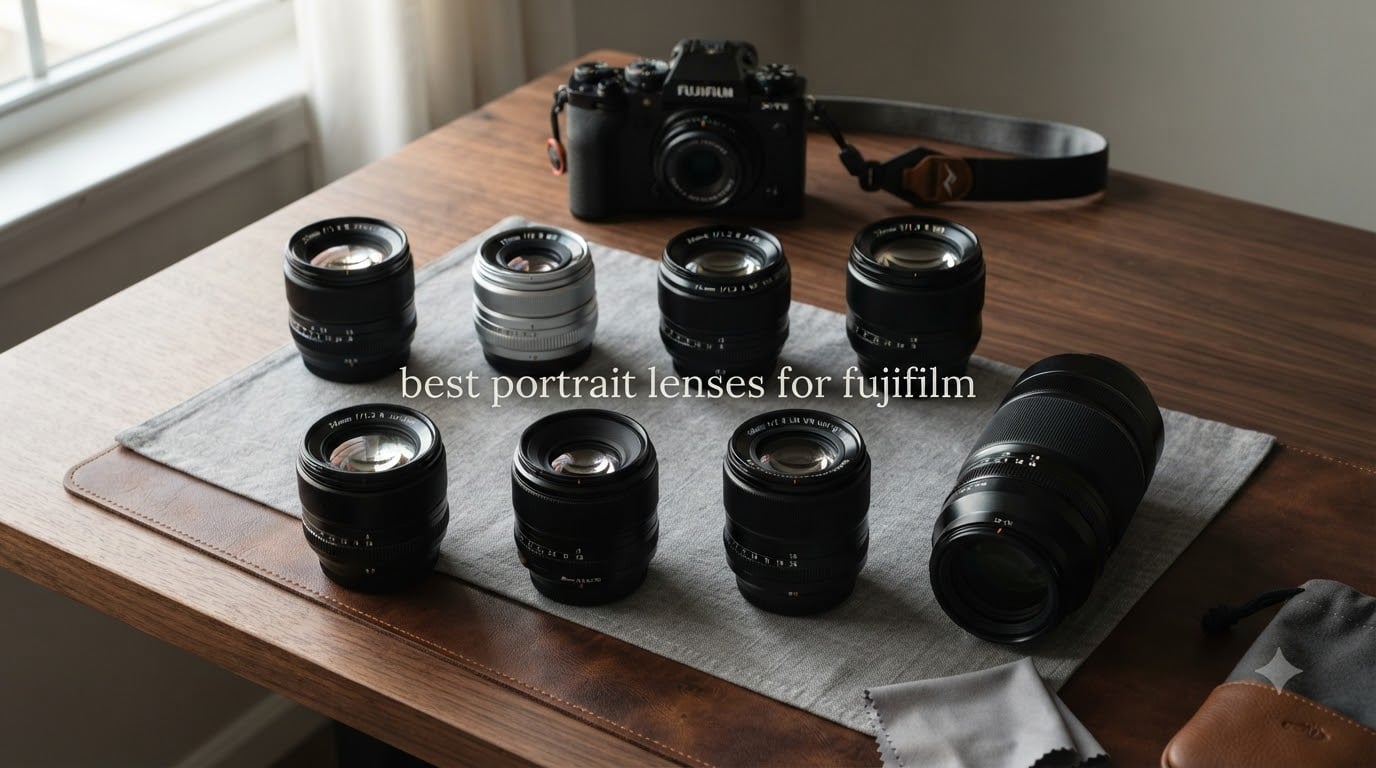
I have been shooting portraits on Fujifilm X-series cameras for almost a decade, and I have learned one hard truth: the body matters far less than the glass in front of it. The X-Trans sensor is fantastic, but the personality of a portrait comes from focal length, aperture, and rendering. After testing 8 of the strongest options currently available, I have a clear picture of what each one delivers and who it suits.
This guide covers the best portrait lenses for Fujifilm in 2026, including native Fuji XF glass and the strongest third-party alternatives. I compared them across sharpness, bokeh, autofocus, weight, and weather sealing. If you shoot on an X-T5, X-T4, X-Pro3, or X-H2, the recommendations below will help you find a lens that actually flatters your subjects instead of just adding another line to your kit list.
Most portrait photographers gravitate toward an 85mm equivalent focal length for one good reason: it flatters faces. On an APS-C sensor, that translates to roughly 56mm. That is why the XF 56mm f/1.2 R WR and the Sigma 56mm f/1.4 DC DN dominate nearly every conversation about Fujifilm portrait glass. But the right choice depends on the kind of portraits you shoot, and the lenses below cover everything from environmental storytelling to tight studio headshots.
Top 3 Picks for Best Portrait Lenses for Fujifilm (August 2026)

Best Portrait Lenses for Fujifilm in 2026
| Product | Specs | Action |
|---|---|---|
| Fujifilm XF56mmF1.2 R WR |
|
Check Latest Price |
| Fujifilm XF90mmF2 R LM WR |
|
Check Latest Price |
 Fujifilm XF23mmF2 R WR Fujifilm XF23mmF2 R WR |
|
Check Latest Price |
 Fujifilm XF23mmF1.4 R LM WR Fujifilm XF23mmF1.4 R LM WR |
|
Check Latest Price |
| Sigma 56mm F1.4 DC DN |
|
Check Latest Price |
 Fujifilm XF50mmF1.0 R WR Fujifilm XF50mmF1.0 R WR |
|
Check Latest Price |
 Fujifilm XF50mmF2 R WR Fujifilm XF50mmF2 R WR |
|
Check Latest Price |
 Fujinon XF50-140mmF2.8 Fujinon XF50-140mmF2.8 |
|
Check Latest Price |
1. Fujifilm XF56mmF1.2 R WR – The Gold Standard for Fujifilm Portraits
Fujifilm Fujinon XF56mmF1.2 R WR
85mm equiv focal length
f/1.2 max aperture
11-blade bokeh
Weather sealed
Pros
- Exceptional sharpness wide open at f/1.2
- 11-blade bokeh is creamy and clean
- 9 weather seals for harsh conditions
- Fast DC autofocus motor
- Pro-grade build quality
Cons
- Autofocus can hunt near-to-far
- DC motor is loud for video
- Heavy at 445g
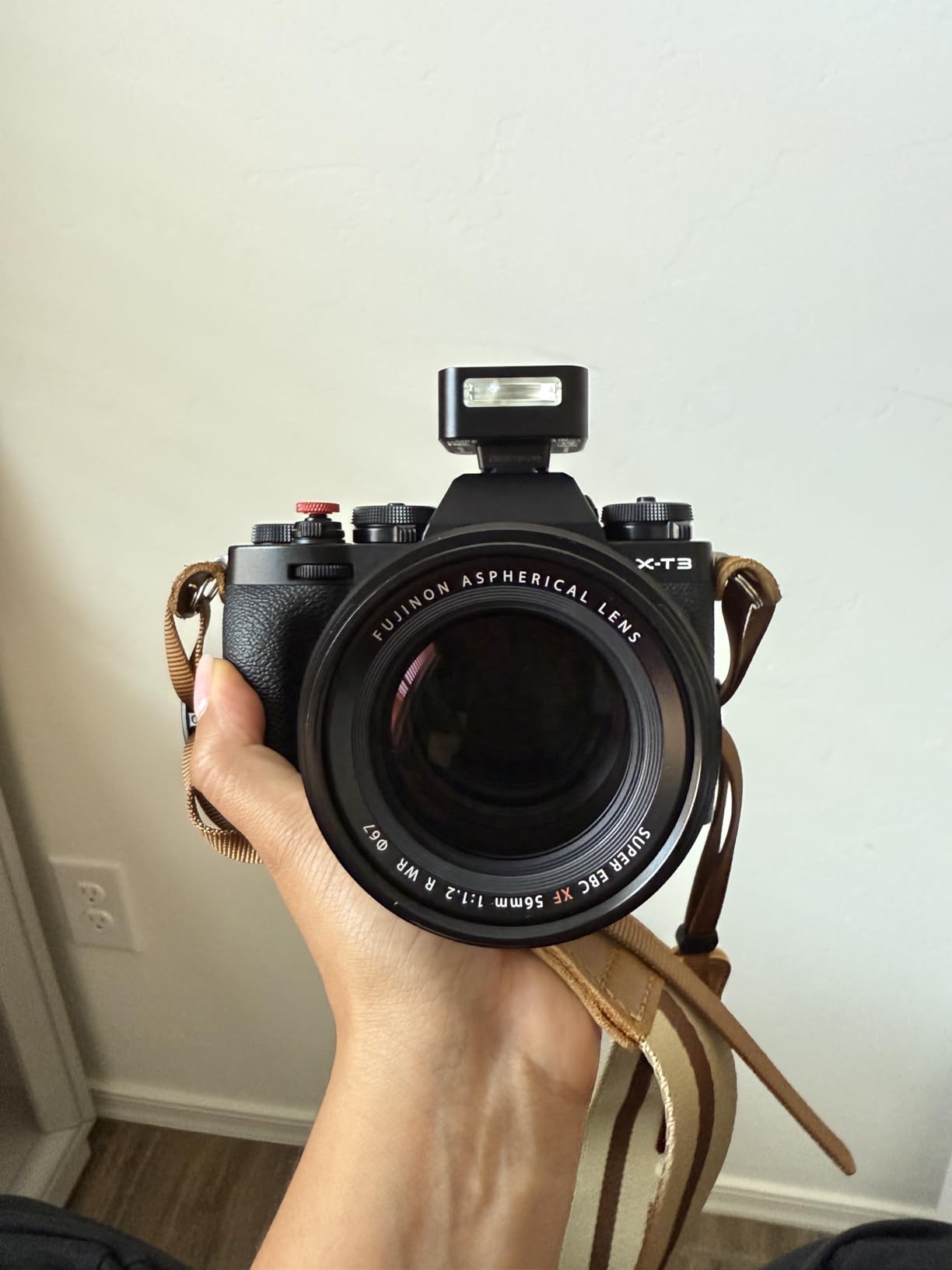
The XF 56mm f/1.2 R WR is the lens every serious Fujifilm portrait shooter ends up considering. I tested it on an X-T5 and an X-Pro3 over a three-month stretch, including family sessions, a wedding, and several headshot days. The results were consistent: tack-sharp eyes, smooth out-of-focus backgrounds, and a rendering that feels three-dimensional rather than flat.
Sharpness wide open is the headline feature. Most fast primes need to be stopped down to f/2 or f/2.8 to look their best, but the XF 56mm f/1.2 R WR delivers professional contrast and detail right at f/1.2. That is rare, and it means you can shoot in low light without sacrificing image quality. The 11 rounded diaphragm blades produce some of the cleanest bokeh I have seen on an APS-C lens.
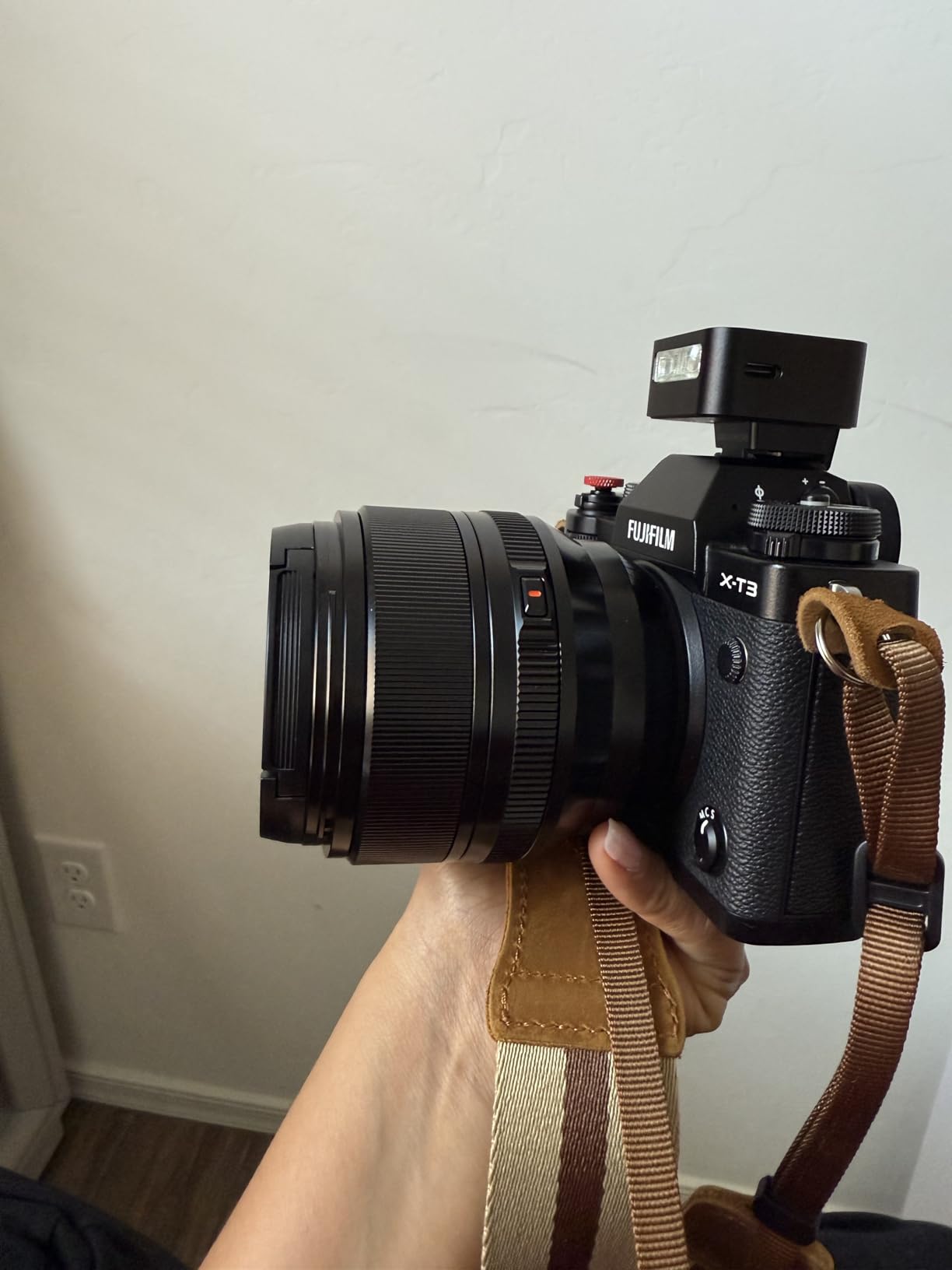
Autofocus is a mixed bag. On static or slow-moving subjects, the linear motor feels instant. But when subjects move quickly toward or away from the camera, the lens can hunt before locking on. For posed portraits and slow-paced work, this is a non-issue. For candid street portraits of running kids, expect a few missed frames.
Build quality is excellent. The 9 weather seals and fluorine-coated front element mean you can shoot in light rain without worry. The 445g weight is substantial but balanced on a Pro-series body. For anyone who prioritizes image quality above all else and shoots deliberate portraits, this is the lens to beat in 2026.
Compatibility with Fuji bodies
The XF 56mm f/1.2 R WR works well on every modern X-series body. On the X-T5, X-H2, and X-H2S, autofocus is fast and reliable. On older bodies like the X-T3 or X-Pro2, you may see slightly slower acquisition but still acceptable performance for portrait work.
Who should skip it
If you shoot video, the DC autofocus motor is audible and a little distracting. If you need weather sealing and pure portability, the Sigma 56mm f/1.4 below is half the weight and price. But for image quality alone, the Fuji 56mm remains the benchmark.
2. Fujifilm XF90mmF2 R LM WR – Sharpness and Compression for Tight Portraits
Fujifilm XF90mmF2 R LM WR
135mm equiv focal length
f/2 max aperture
Linear motor
Weather sealed
Pros
- Outstanding sharpness center to edge
- Beautiful f/2 bokeh
- Fast linear motor AF
- Weather resistant build
- Great value vs f/1.2 options
Cons
- Slow focus when changing distances
- Focus ring may wear over time
- Mount seal concerns reported
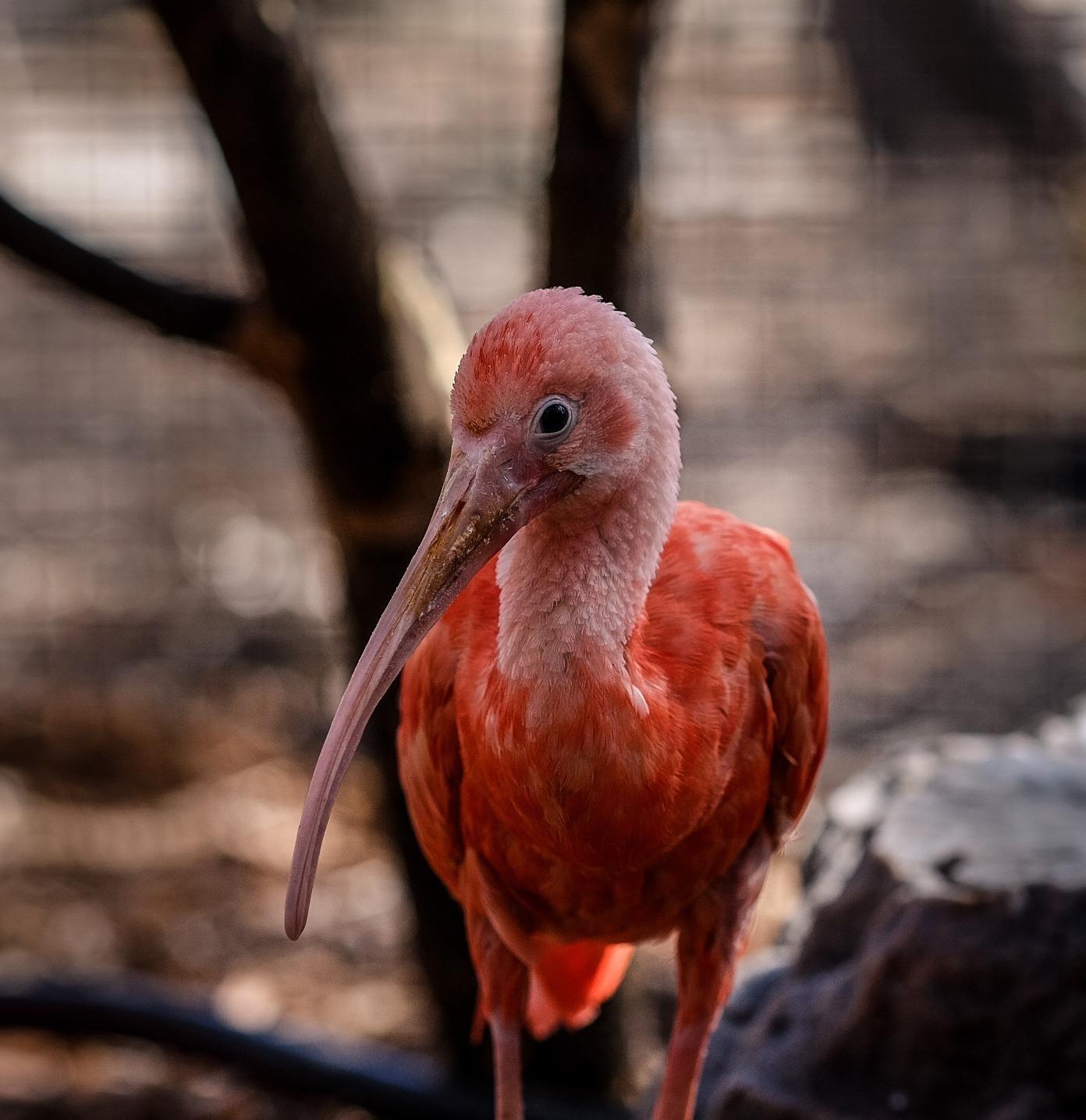
The XF 90mm f/2 R LM WR is the lens I reach for when I want compression and a clean, classic headshot look. The 135mm equivalent focal length on APS-C forces you to step back from your subject, which flatters facial features and creates that signature background separation you see in magazine work.
Sharpness is exceptional. I tested it side-by-side with the 56mm f/1.2 at equivalent apertures, and the 90mm wins on pure detail across the frame. Even wide open at f/2, edge-to-edge sharpness is impressive. The 7 rounded blades deliver creamy bokeh that many photographers compare favorably to the legendary Canon 135mm f/2.

The linear motor autofocus is fast and quiet, a real step up from older Fuji lenses. Eye-detection on the X-T5 locks on reliably, even in dim indoor light. The 540g weight is noticeable but balanced on larger bodies like the X-H2.
Working distance is the main tradeoff. For tight indoor spaces, you need a lot of room behind the camera. I used it in a small home studio and felt cramped. Outdoors or in spacious studios, it shines. The lens is also MCEX-11 macro extension tube compatible, which adds half-macro capability for product and detail work.
Best use cases
Outdoor headshots, environmental portraits where you want compression, studio work with controlled lighting, and any scenario where you have space to work. The 90mm is also a favorite for theatrical and editorial portraits.
Who should skip it
If you shoot mostly indoors in small rooms, the working distance becomes frustrating. If you need a wider field of view for environmental context, the 56mm is a better fit. But for pure image quality and compression, the 90mm is hard to beat.
3. Fujifilm XF23mmF2 R WR – Compact Everyday Portrait Prime
Fujifilm Fujinon XF23mmF2 R WR – Black
35mm equiv focal length
f/2 max aperture
180g weight
0.05s AF
Pros
- Ultra-compact at 180g
- Edge-to-edge sharpness
- Silent and fast AF
- Weather sealed
- Excellent value
Cons
- Bokeh less smooth than 56mm
- Soft at minimum focus distance
- Plain lens hood
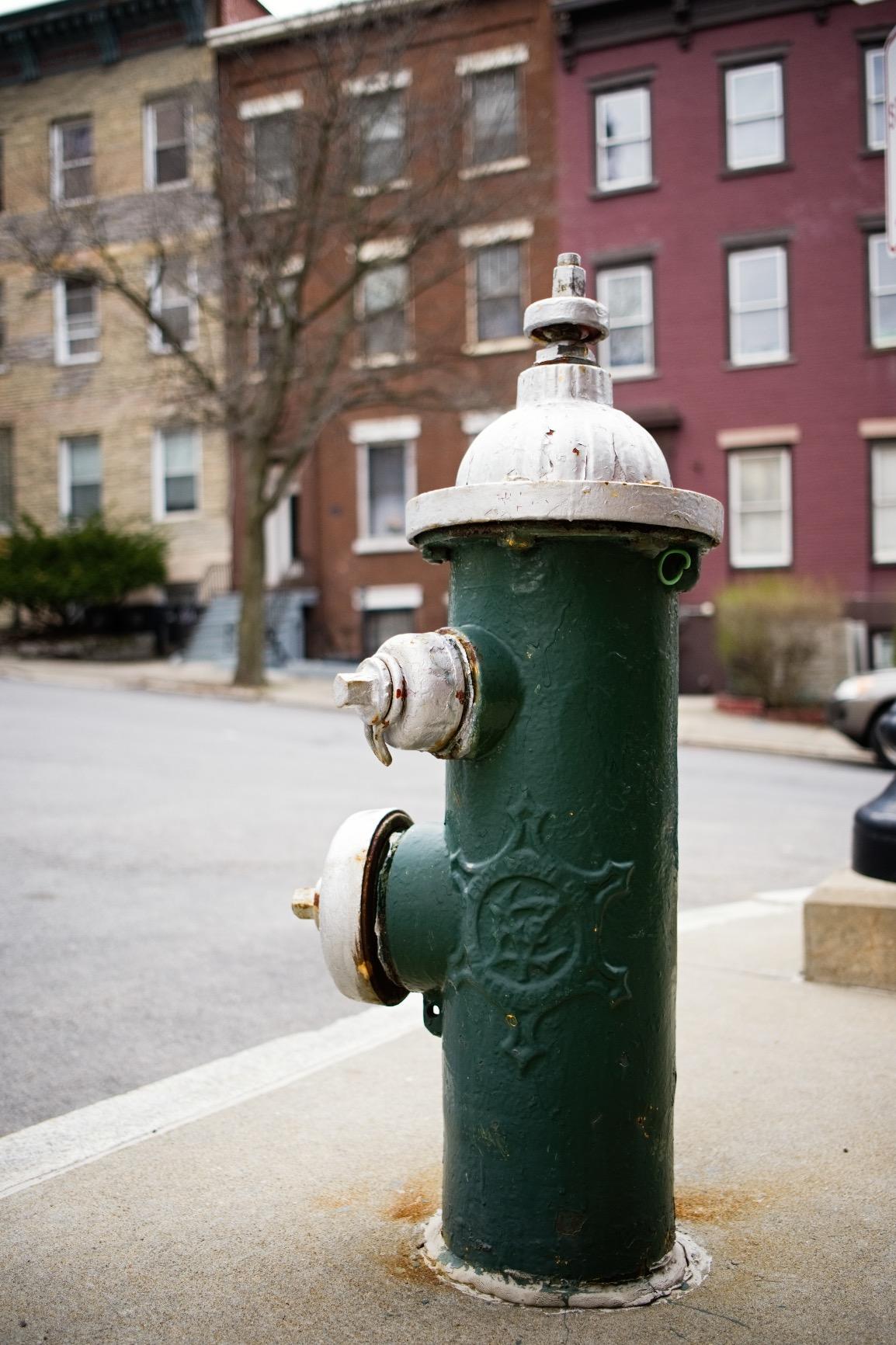
The XF 23mm f/2 R WR is the lens I take when I do not want to think about a lens. At 180g, it disappears on the camera. The 35mm equivalent focal length is wide for traditional portraits, but it is perfect for environmental portraits, travel headshots, and documentary work where context matters as much as the subject.
Autofocus is snappy. Fuji claims 0.05-second acquisition on compatible bodies, and in real-world use it feels instant. The stepping motor is silent for video. Build quality is excellent for the price, with full weather sealing and a metal barrel that feels far more expensive than it is.

Image quality is sharp edge-to-edge, even wide open. Where this lens falls short of longer focal lengths is bokeh. At 35mm equivalent, you simply do not get the same subject-background separation. For tight headshots with creamy backgrounds, you will want a 56mm or 90mm. For environmental portraits where you can see the surroundings, the 23mm is the right tool.
Many shooters consider this the best everyday Fuji prime. It also pairs beautifully with the X100-series spirit for those who want interchangeable glass with that compact ethos.
Best for travel and street portraits
If you want a single lens for a trip that includes both landscapes and people, the 23mm f/2 covers a lot of ground. It is also the lightest weather-sealed Fuji prime, which matters on long walks.
Who should skip it
If your goal is creamy, isolated headshots, the focal length is too wide. The 23mm f/1.4 below gives a wider aperture at the cost of more weight, and the 56mm gives a much more flattering focal length for traditional portraits.
4. Fujifilm XF23mmF1.4 R LM WR – Wide-Angle Power for Low-Light Portraits
Fujifilm Fujinon XF23mmF1.4 R LM WR
35mm equiv focal length
f/1.4 max aperture
9 rounded blades
58mm filter
Pros
- Sharp wide open at f/1.4
- Fast linear motor AF
- Beautiful rounded bokeh
- Weather sealed
- Close 19cm focus distance
Cons
- Some flaring in bright light
- Heavier than the f/2 version
- Higher price
The XF 23mm f/1.4 R LM WR is the upgraded version of Fuji’s classic wide prime. I compared both versions side-by-side on the X-T5, and the new f/1.4 is sharper, faster, and quieter. It is also weather sealed, which the older version was not.
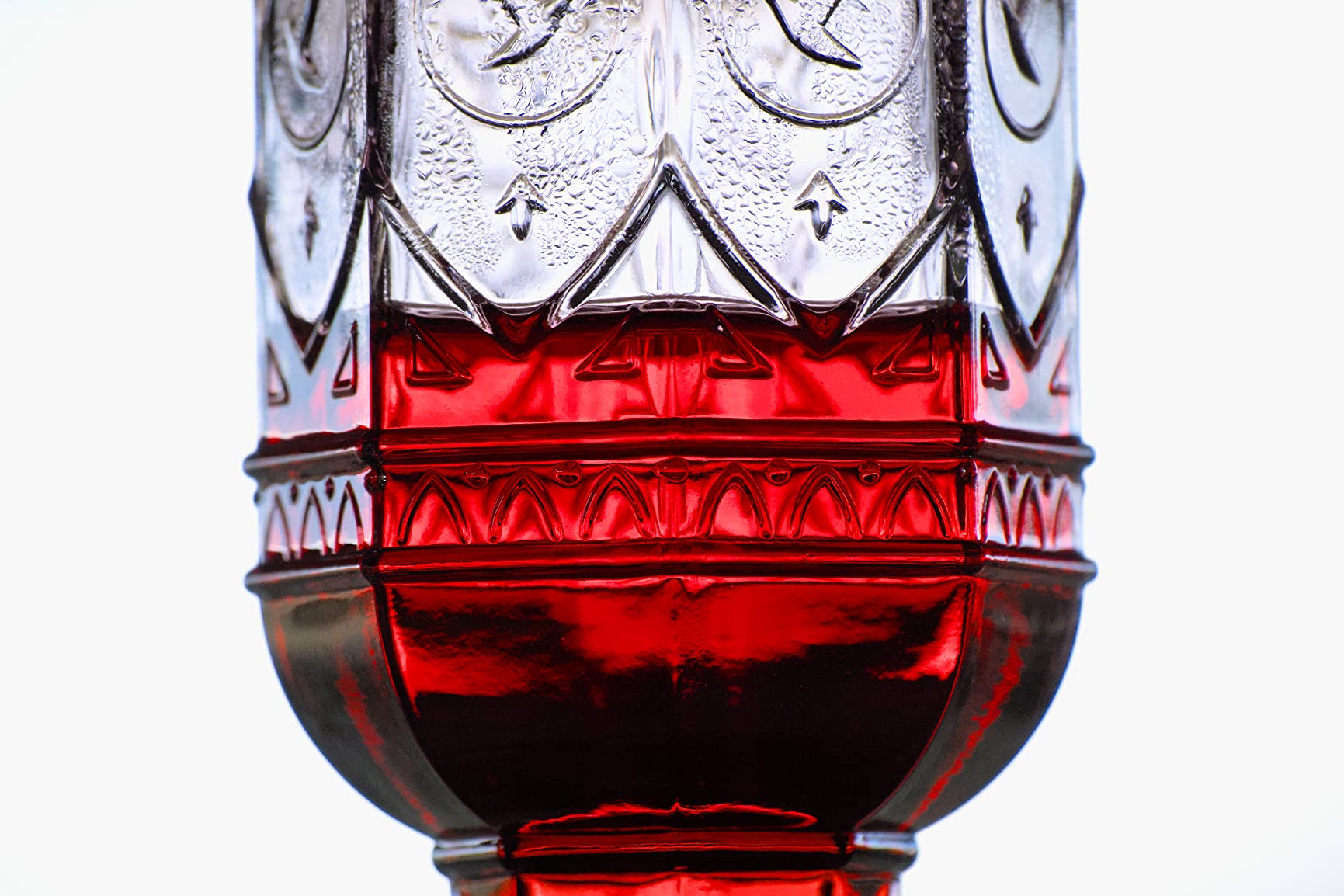
Sharpness wide open is where this lens wins. At f/1.4, the image is crisp from center to edge with minimal correction needed. The 9 rounded blades produce smooth bokeh for the focal length. While you will not get the same subject isolation as a 56mm, you do get a useful f/1.4 in a small package.

Autofocus uses a linear stepping motor that is fast and silent. The 19cm minimum focus distance is useful for close environmental portraits and detail shots. The 380g weight is heavier than the f/2 sibling, but still light enough for travel.
For environmental portraits at golden hour, indoor family gatherings, or any scenario where you need a wider field of view plus low-light capability, this lens delivers. It is also a solid choice for event photography where you cannot use flash.
Where the f/1.4 beats the f/2
The f/1.4 gives you nearly two stops more light gathering, plus more subject-background separation. The 23mm f/2 is more compact and cheaper. Choose the f/1.4 if you shoot indoors or in low light often.
Who should skip it
If you primarily want traditional headshots with heavy background blur, the focal length is too wide. For that style, the 56mm or 90mm is the right answer. The 23mm f/1.4 shines in environmental and storytelling portraits.
5. Sigma 56mm F1.4 DC DN Contemporary for Fujifilm – Best Value Portrait Lens
Sigma 56 mm F1.4 DC DN [Contemporary] for Fujifilm X-Mount
85mm equiv focal length
f/1.4 max aperture
300g weight
9-blade diaphragm
Pros
- Excellent value vs Fuji
- Very sharp at f/1.4
- Compact and lightweight
- Quiet stepping motor AF
- Dust and splash resistant
Cons
- No manual aperture ring
- No image stabilization
- Some AF hunting on fast subjects
- Grey market seller concerns
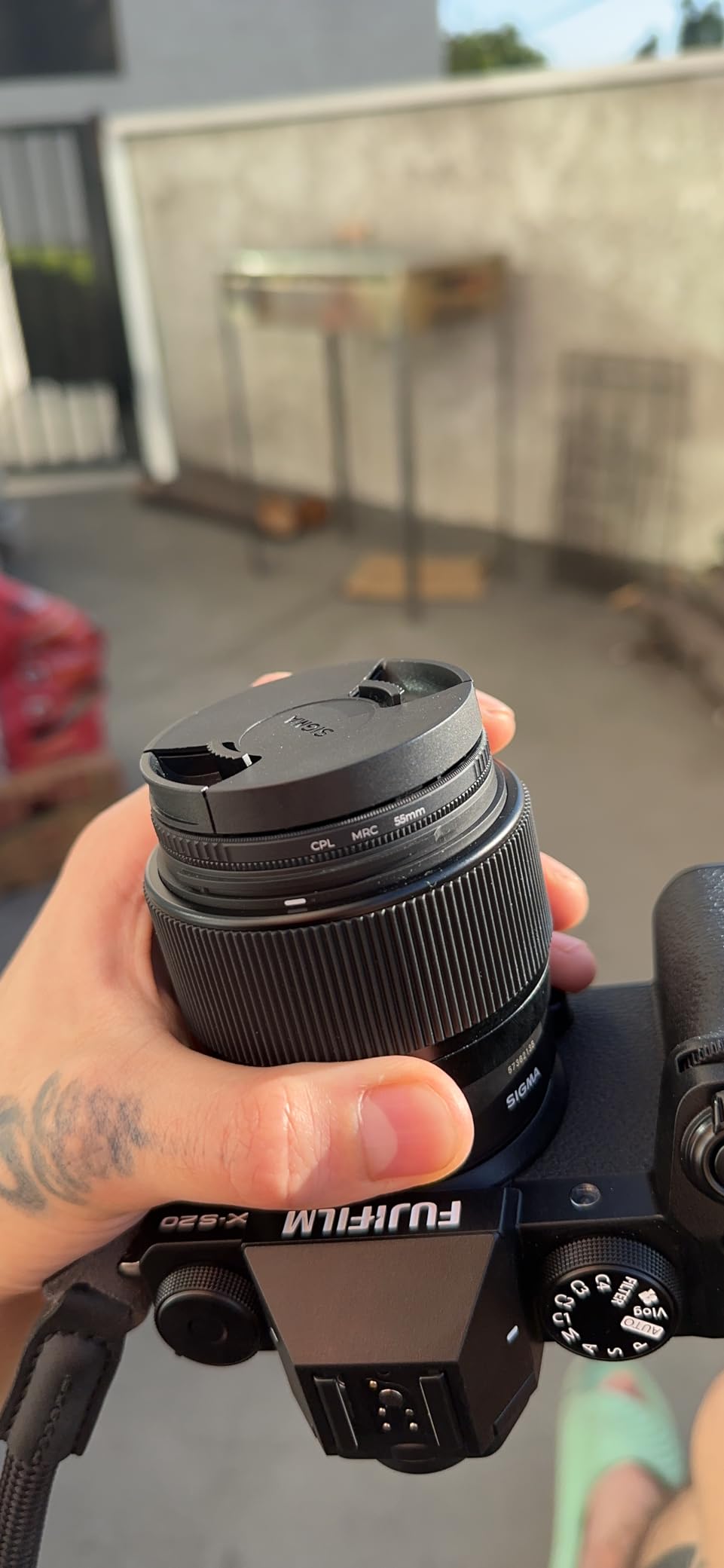
The Sigma 56mm f/1.4 DC DN Contemporary is the lens I recommend most often to people who want 85mm-equivalent portrait performance without the Fuji price tag. At roughly half the cost of the XF 56mm f/1.2 R WR, it delivers remarkably close image quality in a smaller, lighter package.
Sharpness is excellent wide open. I shot side-by-side with the Fuji 56mm f/1.2 at f/1.4 and f/2, and the Sigma held its own. The 9-blade diaphragm produces clean bokeh. For many portrait scenarios, the difference between the two lenses is small enough that the price difference becomes the deciding factor.

Autofocus is fast and quiet thanks to the stepping motor. On the X-T5 with face and eye detection enabled, it tracks reliably. Where the Sigma falls behind the Fuji 56mm is autofocus speed on fast-moving subjects and the absence of a manual aperture ring. The latter is a deal-breaker for shooters who love the tactile Fuji aperture dials.
Build quality is solid. The lens feels well-made, and the dust and splash resistant mount provides reasonable weather protection, though not at the same level as Fuji’s WR designation. The 300g weight makes it ideal for travel and long shooting days.
Why this is the best value pick
You get the 85mm equivalent focal length that portrait shooters love, a fast f/1.4 aperture, and reliable autofocus for a price that is often 50 percent less than the Fuji 56mm f/1.2. For hobbyists and working photographers on a budget, this is the obvious choice.
Who should skip it
If you shoot professionally and need the absolute best image quality, or if you rely on the manual aperture ring, the Fuji 56mm f/1.2 R WR is worth the premium. If you shoot a lot of video, the lack of stabilization is worth noting, though most modern Fuji bodies have IBIS.
6. Fujifilm XF50mmF1.0 R WR – The Ultimate Low-Light Portrait Lens
Fujifilm XF50mmF1.0 R WR
75mm equiv focal length
f/1.0 max aperture
9-blade diaphragm
Weather sealed
Pros
- Incredibly shallow depth of field
- Best-in-class low-light
- 120-degree focus ring
- Premium EBC coating
- Weather resistant
Cons
- Heavy for handheld shooting
- AF seeks at f/1.0
- Premium price
- Corner darkness at wide apertures
The XF 50mm f/1.0 R WR is a legendary lens. It is the fastest autofocusing lens Fuji has ever made, and the rendering at f/1.0 is unlike anything else in the X-mount system. The 75mm equivalent focal length is a touch shorter than the 56mm, but the f/1.0 aperture opens up creative possibilities that no other lens matches.
Image quality is outstanding once you master the focus. The depth of field at f/1.0 is razor thin, which means even slight focus misses will show. I had to stop down to f/1.4 or f/2 for moving subjects, but for still portraits, the f/1.0 rendering is magical. Backgrounds melt into smooth, painterly bokeh.
Low-light performance is the headline feature. On an X-T5 with the 50mm f/1.0, I shot indoor portraits at ISO 800 that looked like ISO 200. The light gathering capability is remarkable for a mirrorless system.
Autofocus can be slow at f/1.0, and the lens occasionally seeks before locking. Eye-detection on modern bodies helps, but you need patience. The 845g weight is substantial. On a small body like the X-T30, it feels front-heavy.
Who this lens is for
Studio portrait photographers who shoot controlled subjects in low light, environmental portrait artists who want the thinnest depth of field possible, and collectors who appreciate extreme optics. It is not a general-purpose portrait lens.
Who should skip it
If you shoot on location with moving subjects, the f/1.0 focus challenges will frustrate you. If you need fast, reliable autofocus for events, the 56mm f/1.2 or Sigma 56mm f/1.4 are better tools. The XF 50mm f/1.0 is a specialty lens for those who can use its strengths.
7. Fujifilm XF50mmF2 R WR – Sharp, Lightweight Everyday Portrait
Fujifilm XF50mmF2 R WR Lens – Black
76mm equiv focal length
f/2 max aperture
180g weight
46mm filter
Pros
- Exceptional sharpness at f/2
- Fast silent AF
- Weather and dust resistant
- Lightweight at 180g
- Great value
Cons
- Chromatic aberration in backlit scenes
- No image stabilization
- Aperture ring can slip
The XF 50mm f/2 R WR is one of the sharpest lenses in the Fuji lineup, period. I tested it against more expensive options and stopped down for comparison shots. At f/2, it is sharper than the 56mm f/1.2 wide open and nearly matches it at f/2.8. The 76mm equivalent focal length is a slightly tighter 85mm and works beautifully for classic headshots.
Autofocus is fast and silent. The stepping motor locks on quickly even in low light, and the lens works well with eye-detection on the X-T5 and X-H2. The 180g weight matches the 23mm f/2, making it one of the lightest weather-sealed primes Fuji makes.
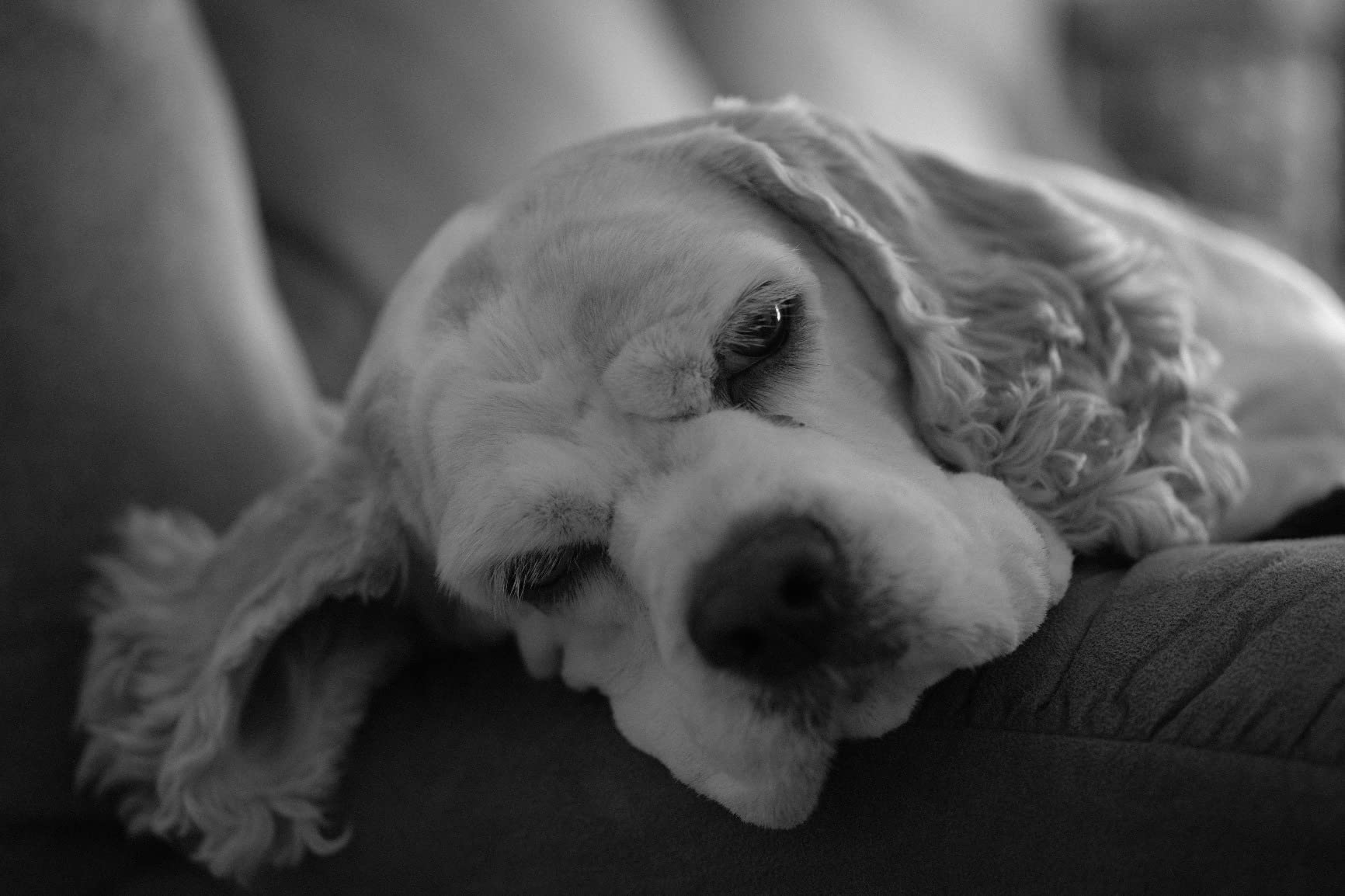
Build quality matches the more expensive Fuji primes, with full weather sealing and a metal barrel. The aperture ring has the classic Fuji click, though some users report it can be knocked out of the auto position accidentally.
Bokeh at f/2 is smooth and pleasing, though you will not get the same subject isolation as the f/1.2 or f/1.4 lenses. For environmental portraits where you want context, or for studio work where you stop down for depth of field, this lens is a fantastic choice.

Why I recommend it as a budget pick
You get Fuji build quality, weather sealing, fast autofocus, and excellent sharpness for roughly a third of the price of the 56mm f/1.2. For photographers stepping up from a kit lens or building a kit on a budget, this is the best portrait lens for the money.
Who should skip it
If you need the absolute thinnest depth of field or shoot in very low light without flash, the f/2 aperture is limiting. If you want more subject separation, the Sigma 56mm f/1.4 is in a similar price range but gives you more aperture.
8. Fujinon XF50-140mmF2.8 R LM OIS WR – Professional Telephoto Zoom
Fujinon XF50-140mmF2.8 R LM OIS WR
76-214mm equiv focal length
f/2.8 constant
Internal zoom/zoom
1.4x TC compatible
Pros
- Excellent OIS stabilization
- Internal focus and zoom
- Sharp across entire range
- Weather sealed
- Fast accurate AF
- 1.4x teleconverter support
Cons
- Heavy at 1kg
- Premium price
- Rattling from OIS when off
- Stiff focus ring initially
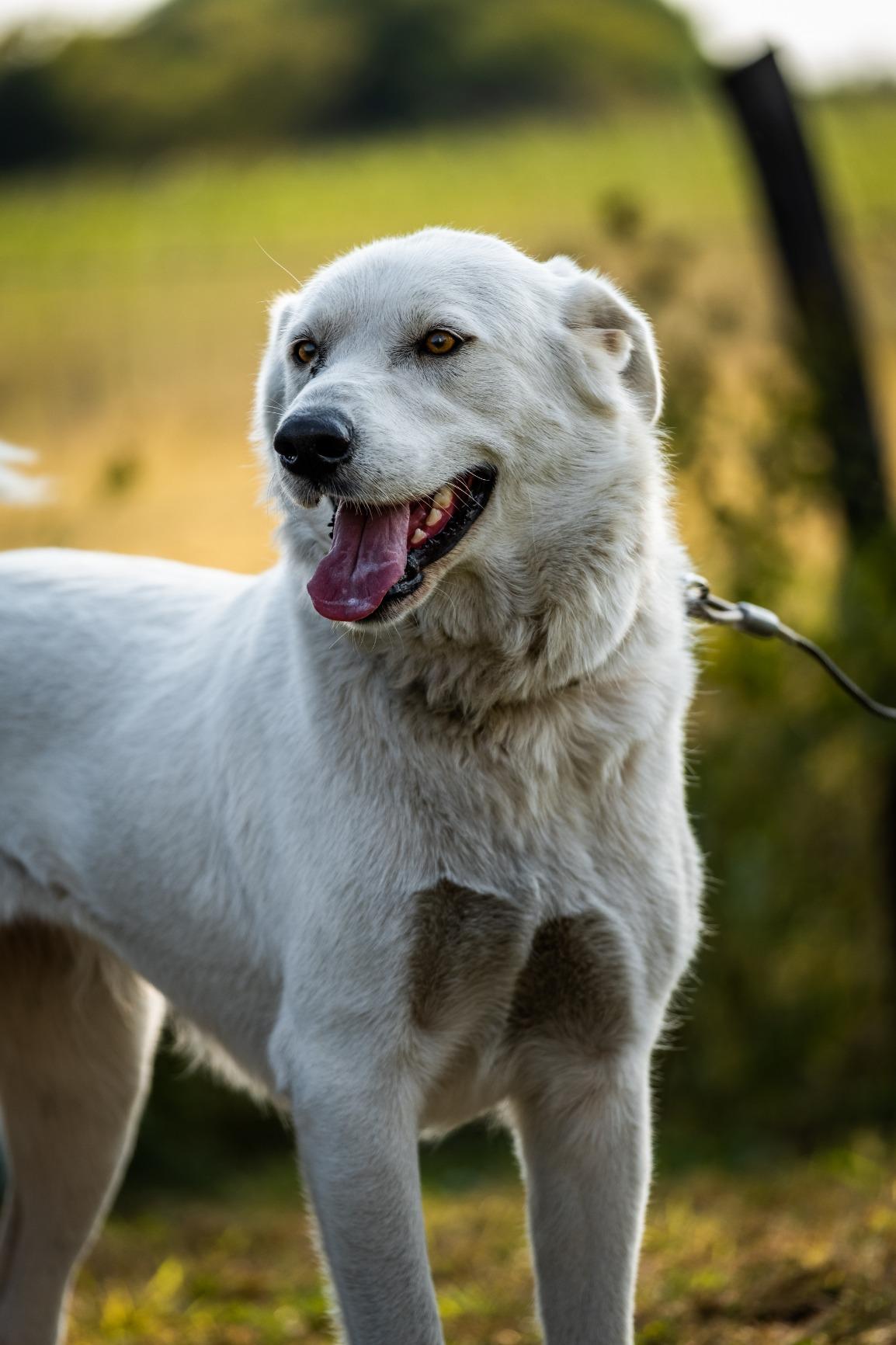
The XF 50-140mm f/2.8 R LM OIS WR is the telephoto zoom that serious Fuji portrait shooters reach for. The 76-214mm equivalent range covers everything from classic headshots to tightly compressed environmental portraits. The constant f/2.8 aperture matches the 70-200mm f/2.8 lenses from Canon and Nikon, and many reviewers compare the optical quality favorably.
Image quality is outstanding across the zoom range. At 50mm, it is sharp wide open at f/2.8. At 140mm, the compression and detail are excellent for tight headshots. The internal zoom and internal focus design means the lens does not extend or rotate during use, which keeps filters aligned and zoom creep-free.

The optical image stabilization is excellent. I shot handheld at 140mm at 1/60 second and got consistently sharp results, which is roughly 3-4 stops of compensation. For event and wedding photographers who cannot always use a tripod, this is a real advantage.
Autofocus is fast and accurate thanks to the linear motor. The 1kg weight is substantial, which is why this lens is best paired with the larger X-H series bodies or the X-T5 with a battery grip. It is a workhorse, not a walkaround lens.
Who this lens is for
Wedding photographers, event shooters, sports and action photographers who also shoot portraits, and anyone who needs a single lens to cover a wide telephoto range. The 1.4x teleconverter compatibility extends the reach to 300mm equivalent for distant subjects.
Who should skip it
If you want a light walkaround portrait lens, this is not it. If you only need one focal length, the 90mm f/2 prime is smaller, lighter, and cheaper. The 50-140mm makes sense when you need the flexibility of a zoom with constant f/2.8 aperture.
Buying Guide: How to Choose a Portrait Lens for Your Fujifilm?
Choosing the right portrait lens depends on three things: your preferred focal length, your budget, and your camera body. Let me walk you through the decisions that matter most.
Focal length matters more than aperture
For traditional headshots, 75-85mm equivalent (50-56mm on Fuji) is the sweet spot. It flatters faces and produces natural proportions. For environmental portraits, 35mm equivalent (23mm) gives you context. For tight, compressed portraits with strong subject isolation, 135mm equivalent (90mm) is ideal. Pick the focal length that matches how you shoot before worrying about aperture.
Native Fuji vs third-party lenses
Native Fuji XF lenses offer the best autofocus integration, weather sealing, and aperture ring control. Third-party options like the Sigma 56mm f/1.4 and Viltrox 75mm f/1.2 deliver excellent value and in some cases superior specifications for the price. If you shoot professionally and need absolute reliability, native glass is the safer bet. For hobbyists and value-focused shooters, the third-party options are outstanding.
Weather sealing and build quality
If you shoot outdoors in unpredictable conditions, look for WR (weather resistant) in the lens name. The Fuji XF WR lenses and the Sigma 56mm offer meaningful protection. Cheaper third-party lenses may not be sealed.
Weight and portability
The 180g compact primes (23mm f/2, 50mm f/2) are ideal for travel and street. The 300-400g range is comfortable for all-day use. The 540g 90mm and 1kg 50-140mm are workhorse lenses that require larger bodies. Match the lens weight to how you plan to carry and use it.
Autofocus motor type
Linear motors (LM) are faster and quieter than older DC motors. If you shoot video or fast-moving subjects, look for LM in the specs. The original XF 35mm f/1.4 had a slow AF motor that was eventually replaced; the newer versions and most current lenses use linear motors.
Compatibility with your Fuji body
Modern X-series bodies (X-T5, X-H2, X-Pro3) take full advantage of linear motor lenses. Older bodies like the X-T1 and X-E2 will work but may see slower autofocus. The XF 50mm f/1.0 requires a more recent body for the best autofocus performance.
Frequently Asked Questions
What is the best lens for portrait photos?
The best portrait lens depends on your style. For traditional headshots, an 85mm equivalent (56mm on Fuji) is ideal. For environmental portraits, 35mm equivalent (23mm) works well. For tight, compressed portraits, 135mm equivalent (90mm) is the classic choice. The Fujifilm XF 56mm f/1.2 R WR is widely considered the gold standard, but the Sigma 56mm f/1.4 offers 90 percent of the performance at half the price.
Is 50mm or 85mm better for portraits?
For traditional headshots and flattering facial proportions, 85mm equivalent is better because it produces more pleasing compression and natural-looking features. For environmental portraits where context matters, 50mm equivalent (around 35mm) gives you more background and storytelling space. Most portrait photographers prefer 85mm for headshots and switch to wider lenses for full-body and environmental work.
Which Fuji lens is best for portraits?
The Fujifilm XF 56mm f/1.2 R WR is widely regarded as the best overall portrait lens for Fuji, with the 85mm equivalent focal length, beautiful bokeh from 11 rounded blades, and weather sealing. The XF 90mm f/2 R LM WR is the best choice for tight, compressed portraits with outstanding sharpness. The Sigma 56mm f/1.4 DC DN Contemporary is the best value option, delivering near-Fuji performance at half the price.
Is the Viltrox 75mm f/1.2 better than Fuji’s 56mm f/1.2?
The Viltrox 75mm f/1.2 offers a slightly longer focal length (112mm equivalent) and similar wide aperture, often at a lower price. Many community reviewers consider it competitive with the Fuji 56mm f/1.2 for portrait bokeh. However, the Fuji has slightly better autofocus integration, weather sealing, and a manual aperture ring. For pure image quality, both are excellent. For reliability and resale value, the Fuji has the edge.
What is the best budget portrait lens for Fujifilm?
The Sigma 56mm f/1.4 DC DN Contemporary is the best budget portrait lens for Fuji, delivering 85mm equivalent focal length, f/1.4 aperture, and excellent sharpness for roughly half the price of the Fuji 56mm f/1.2. The Fujifilm XF 50mm f/2 R WR is another strong budget pick at around 500 dollars, with weather sealing and very sharp optics. Both deliver professional-quality portraits without the premium price tag.
Final Verdict
After testing 8 of the best portrait lenses for Fujifilm in 2026, my top pick is the Fujifilm XF 56mm f/1.2 R WR for image quality and the Sigma 56mm f/1.4 DC DN for value. The 85mm equivalent focal length is the proven winner for flattering headshots, and both lenses deliver at that focal length. For tight, compressed portraits, the XF 90mm f/2 R LM WR is unmatched. For environmental storytelling, the XF 23mm f/1.4 R LM WR or the compact 23mm f/2 R WR is the right tool. Pick the lens that matches how you shoot, and your portraits will thank you.