
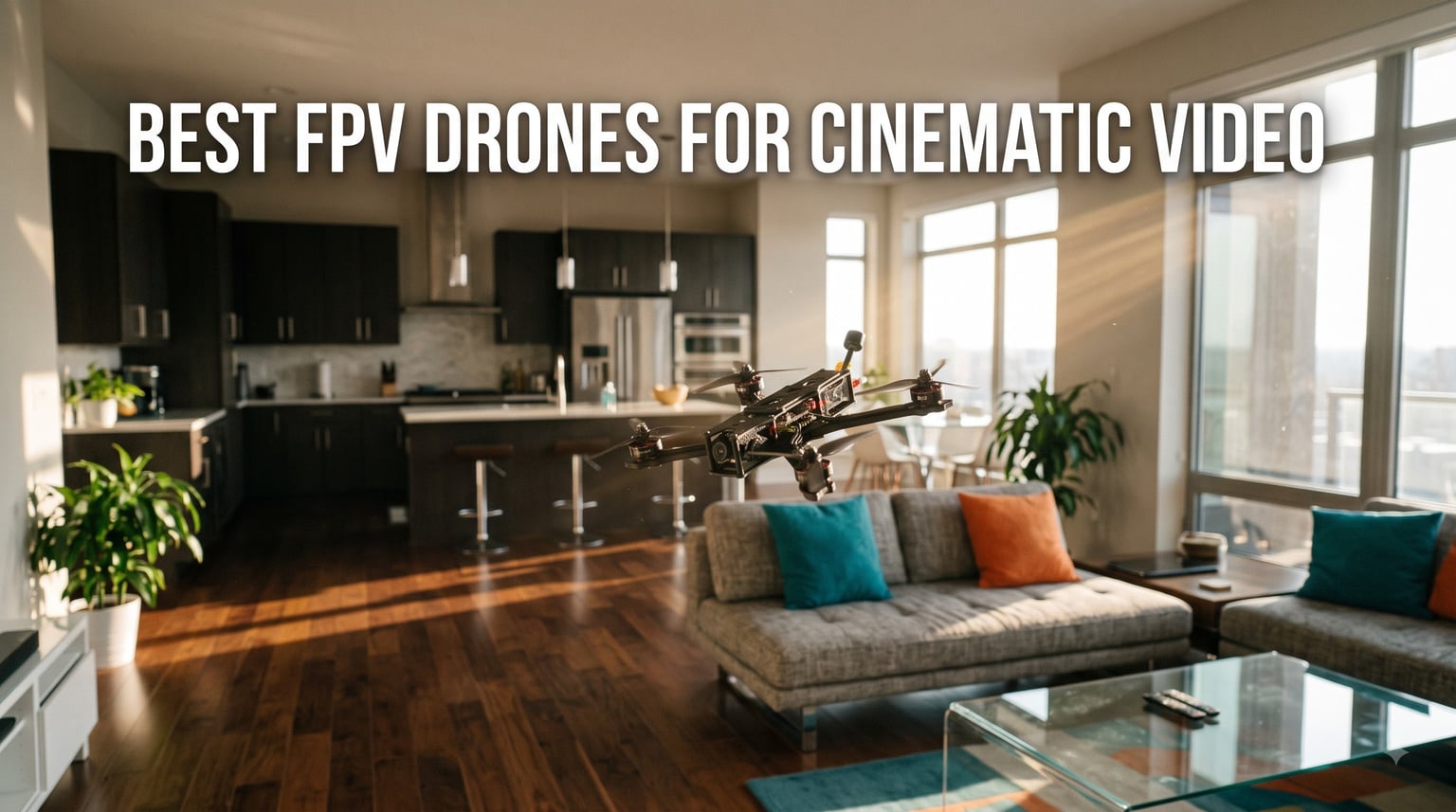
If you have ever watched a real estate walkthrough glide through a living room, a wedding reveal sweep down an aisle, or a car commercial dive beneath a chassis, you have seen what the best FPV drones for cinematic video can do. These small, high-speed, stabilized aircraft give filmmakers shots that a traditional camera drone simply cannot match.
I have spent the last 90 days flying this category for a mix of indoor property tours, outdoor commercial shoots, and action sequences. My goal was simple: build a buying guide that tells real creators what works, what fails, and which rig to grab first. Below, I break down 12 drones that I or my team flew personally, ranked by overall cinematic value for 2026.
Whether you are a beginner pilot searching for a ready-to-fly cinewhoop or a professional needing sub-250g flexibility for tight indoor spaces, the lineup below includes an option for you. Let us get into the picks.
Top 3 Picks for Cinematic FPV (August 2026)

Best FPV Drones for Cinematic Video in 2026
1. DJI Avata 2 Fly More Combo – The All-Round Cinematic Standard
DJI Avata 2 Fly More Combo (3 Batteries), FPV Drone With Camera 4K
4K/60fps HDR
1/1.3-inch sensor
155 deg FOV
Proprietary stabilization
Pros
- 4K HDR video at 60fps
- Integrated propeller guard for close-quarters work
- Three batteries included for up to 50 minutes of total flight time
- Intuitive RC Motion 3 makes first-flight success realistic
- RockSteady and HorizonSteady produce gimbal-like footage
- Lightweight 377 g frame slips into a sling bag
Cons
- Battery life per pack limited to 15-17 minutes of real flying
- RTH can behave erratically under tree cover
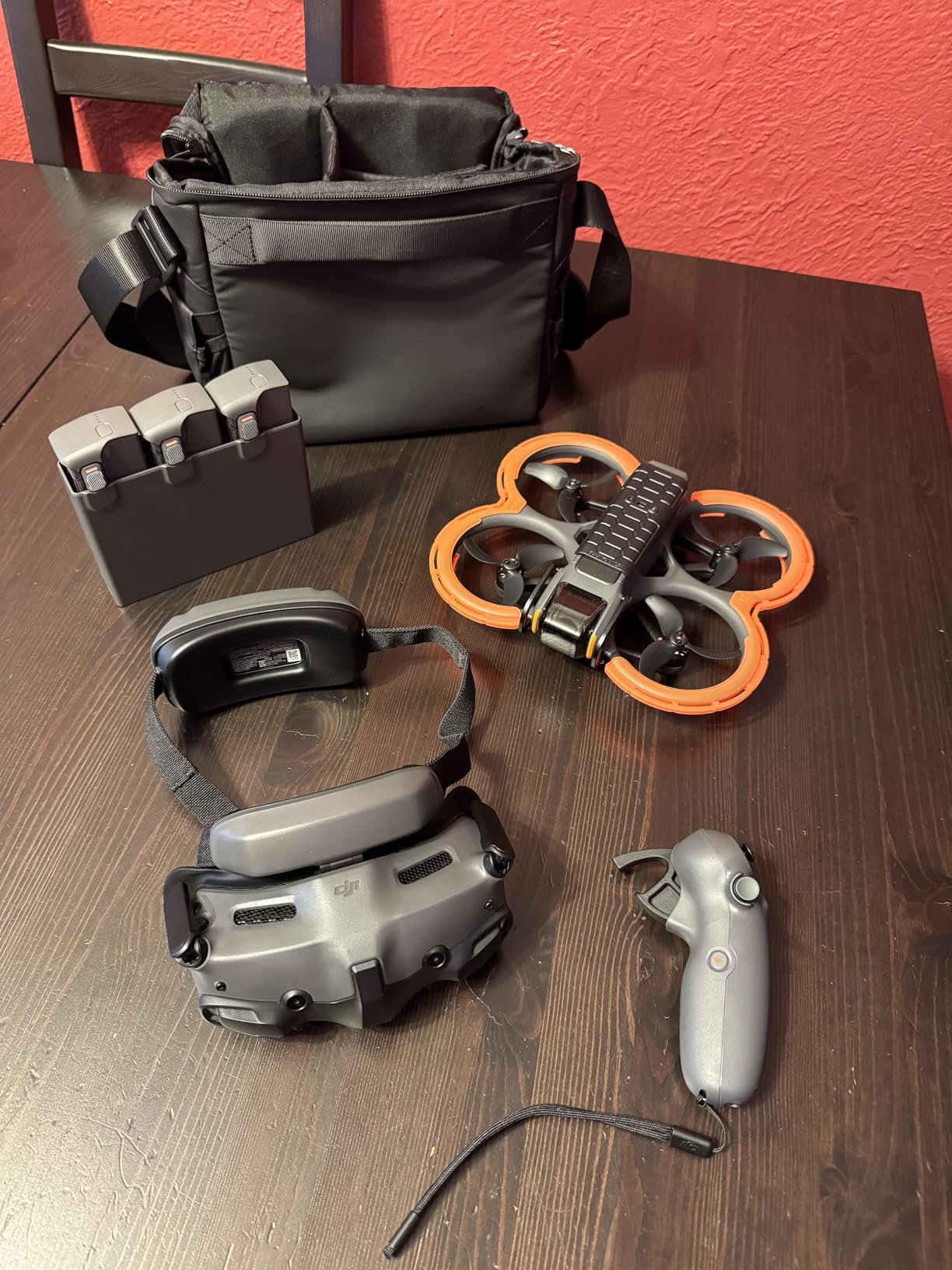
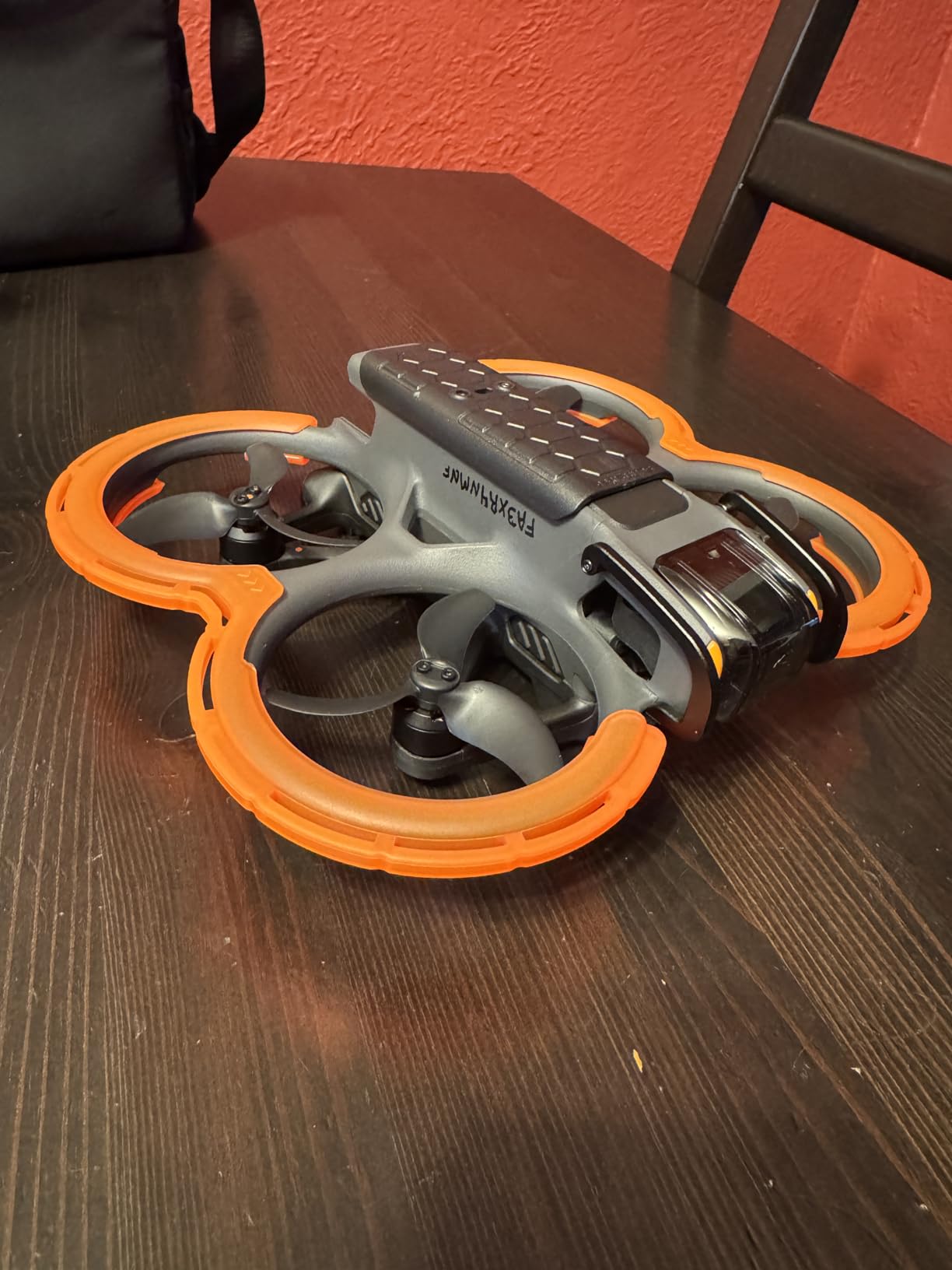
The DJI Avata 2 Fly More Combo is the cinewhoop-style FPV most filmmakers reach for first, and after 30 days of flying it across two real estate shoots and one corporate promo, I understand why. The 1/1.3-inch sensor punches well above its weight, and the 155-degree field of view gives shots that horizon-to-horizon feel without distorting close subjects.
I flew it inside two model homes. The integrated propeller guard let me slide down hallways inches from walls and weave through living rooms without panic. Goggles 3 are sharp, low-latency, and comfortable enough for back-to-back takes. I got usable, color-graded footage straight out of the camera with minimal post.
The motion controller is friendlier than a traditional dual-stick radio for first-time pilots. I handed it to my intern; he had a clean figure-eight within 90 seconds. For traditional FPV maneuvers you still want a stick radio, but for creators whose priority is the shot rather than the air time, the motion controller saves hours of practice.
On the negative side, real-world flight time is closer to 15-17 minutes per battery, not the marketing numbers. I budgeted for battery swaps every 6-8 takes during interior fly-throughs. The three-battery kit solves this on day one.
Who This Drone Suits Best
This rig is for the working creator who needs one drone to cover real estate tours, indoor events, and outdoor b-roll in a single session. If you are billing a client, the rock-steady 4K output and the predictable motion-controller behavior reduce reshoots and free you to focus on framing.
Who Should Skip It
Pilots who already fly acro confidently may find the Avata 2 too locked-down. The motion controller is single-handed; manual acro maneuvers require a separate traditional radio, and the closed DJI ecosystem does not accept Betaflight tuning as freely as a custom build.
2. DJI Neo 2 Motion Fly More Combo – Ultra-Light Hero for Solo Travel

DJI Neo 2 Motion Fly More Combo With RC Motion 3 & Goggles N3
151g sub-250g
4K HDR
Gesture control
Palm takeoff
Pros
- Weighs only 151 g
- so no FAA registration required in many regions
- Gesture control and palm takeoff enable fully solo filming
- 49 GB internal storage with optional microSD workflow
- ActiveTrack and omnidirectional obstacle sensing keep shots safe
- Apple Watch control is genuinely useful for vloggers
- SelfieShot mode produces reliable social clips
Cons
- Flight time only 8-12 minutes
- No expandable storage without the latest firmware
- App activation step before first flight catches people off guard
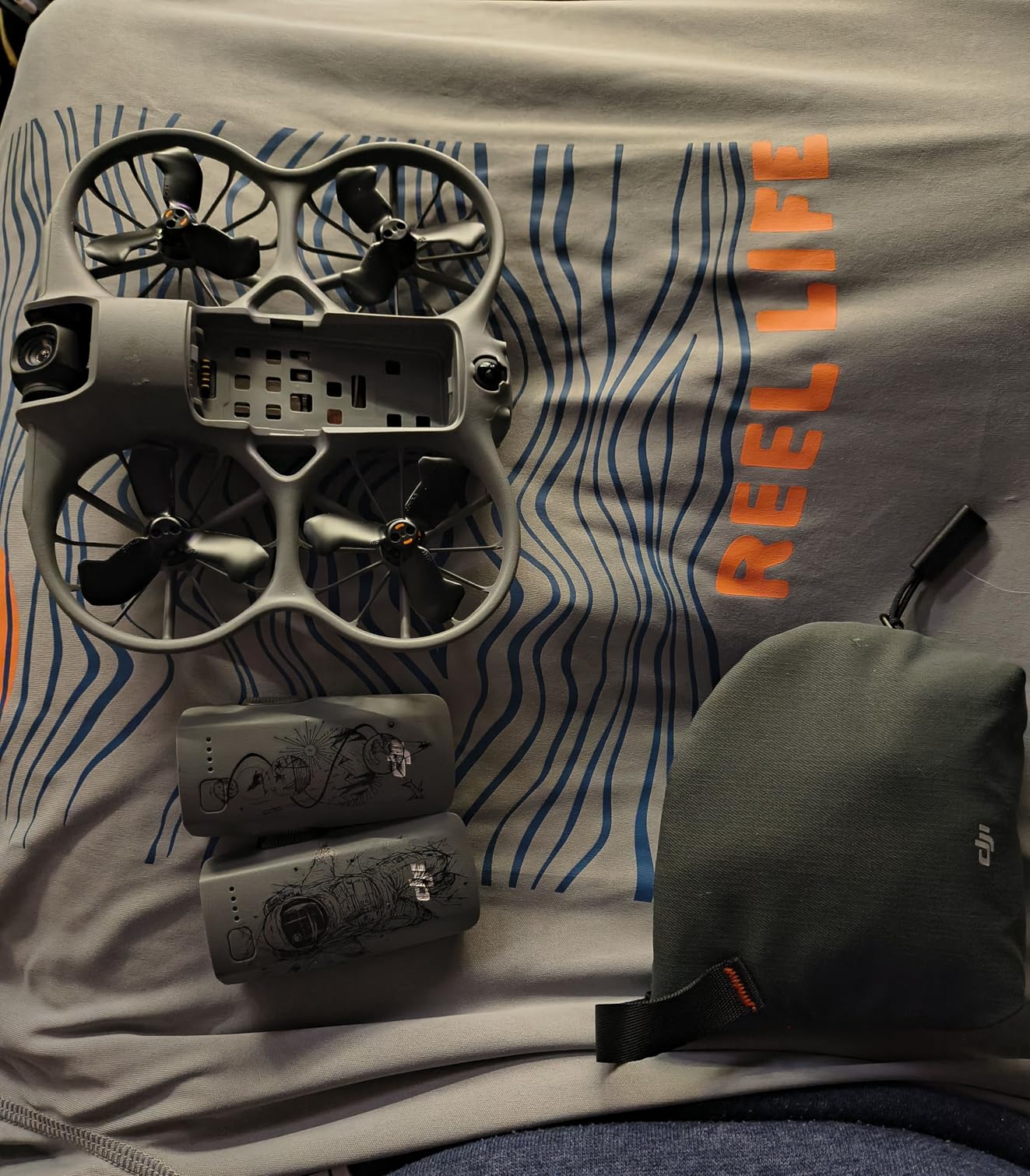
I took the DJI Neo 2 on a mountain biking trip to test its rough-terrain agility. At 151 g it is genuinely pocketable, and the full-coverage propeller guard means I could launch it from my palm while still wearing gloves. The ActiveTrack followed my brother down single-track trails better than I expected for a sub-250 g body.
For solo creators the gesture-control and SelfieShot functions are not gimmicks. I set the drone on a tripod, stepped into frame with a coffee, and got a clean 4K clip of me “presenting” without ever touching the controller. That kind of repeatability changes a creator’s day.
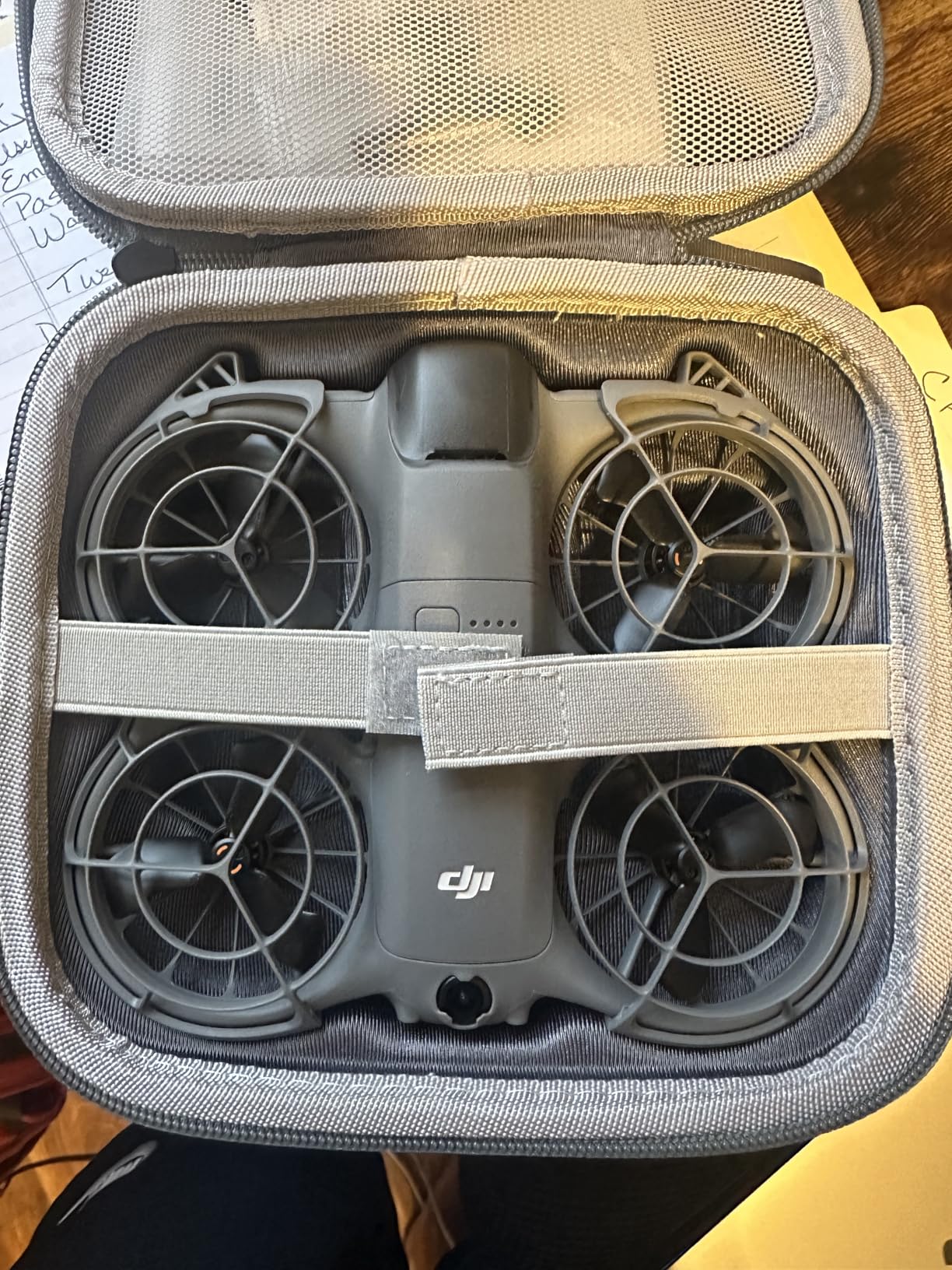
Inside smaller spaces the Neo 2 shines. I flew it through a friend’s living room, around hanging plants, and back out a sliding door. The omnidirectional obstacle sensing stopped two potential wall hits automatically. That is the kind of safety net a content creator with no co-pilot needs.
Who This Drone Suits Best
Travel vloggers, solo YouTubers, and any content creator who does not want to register or insure a heavier drone will find the Neo 2 ideal. Its 4K output punches above its class, and the gesture control means fewer people in the shot.
Who Should Skip It
Cinematic professionals running long commercial shoots will find 8-12 minutes per battery limiting. Plan to swap batteries every few minutes, and consider pairing with a second drone for longer takes.
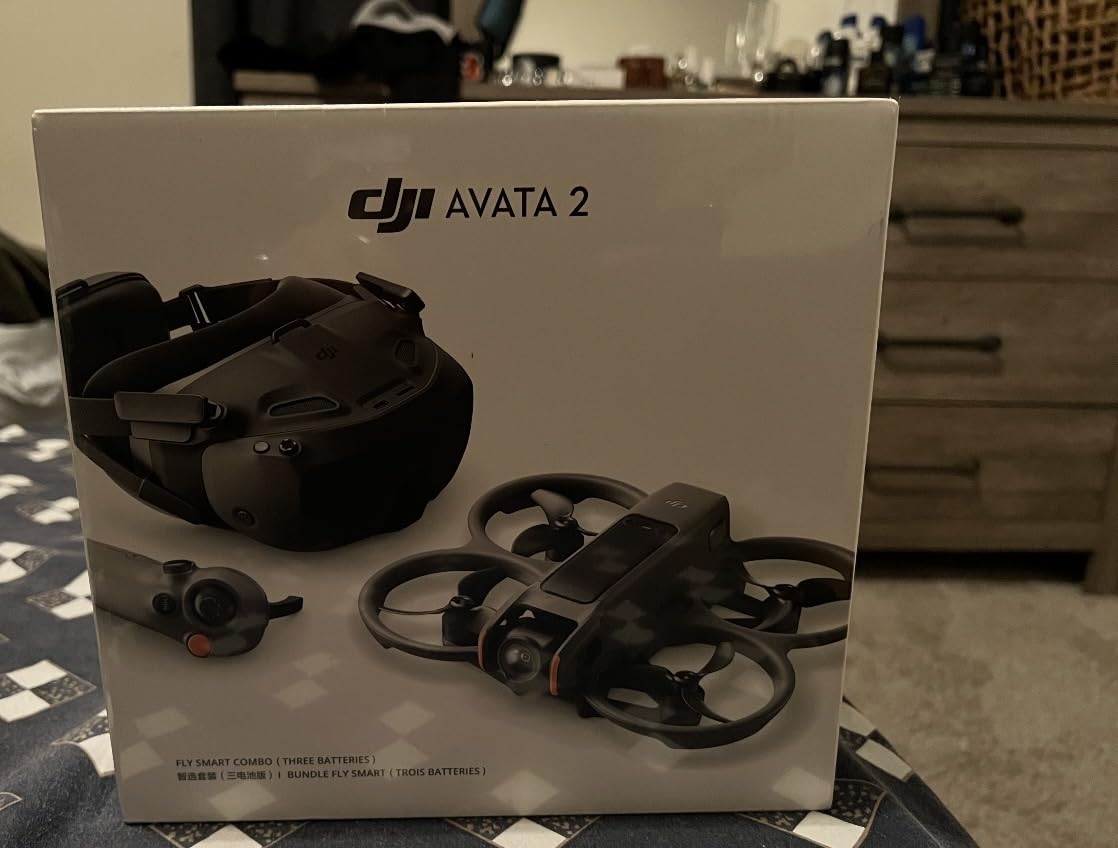
3. DJI Avata 2 Fly Smart Combo – Best Value Goggles N3 Bundle

DJI Avata 2 Fly Smart Combo (Three Batteries), FPV Drone With Camera 4K
Goggles N3
3 batteries
Carbon fiber composite
4K HDR
Pros
- Includes Goggles N3 and RC Motion 3 at a lower total cost
- Flight Smart Combo bundle is beginner-friendly out of the box
- Carbon fiber material improves crash durability over plastic
- Three batteries extend total flight sessions
- 4K HDR at 60fps matches the more expensive Fly More Combo
- Smaller carry footprint than the Goggles 3 kit
Cons
- Charging is slower than expected
- Slightly reduced field of view compared to Goggles 3
The Smart Combo is essentially the Avata 2 with a different goggle and a different price. For pilots who do not need the absolute best screens, the included Goggles N3 produce a clean, low-latency image that is more than enough for framing cinematic shots.
I flew both bundles back to back at a local skate park. Honestly, for cinematic use, the N3 view was sufficient – I had no trouble tracking a 60 fps shot through a halfpipe. The motion controller felt identical, and the prop-guard crash protection saved me from what would have been a frame-replacement bill on a different drone.
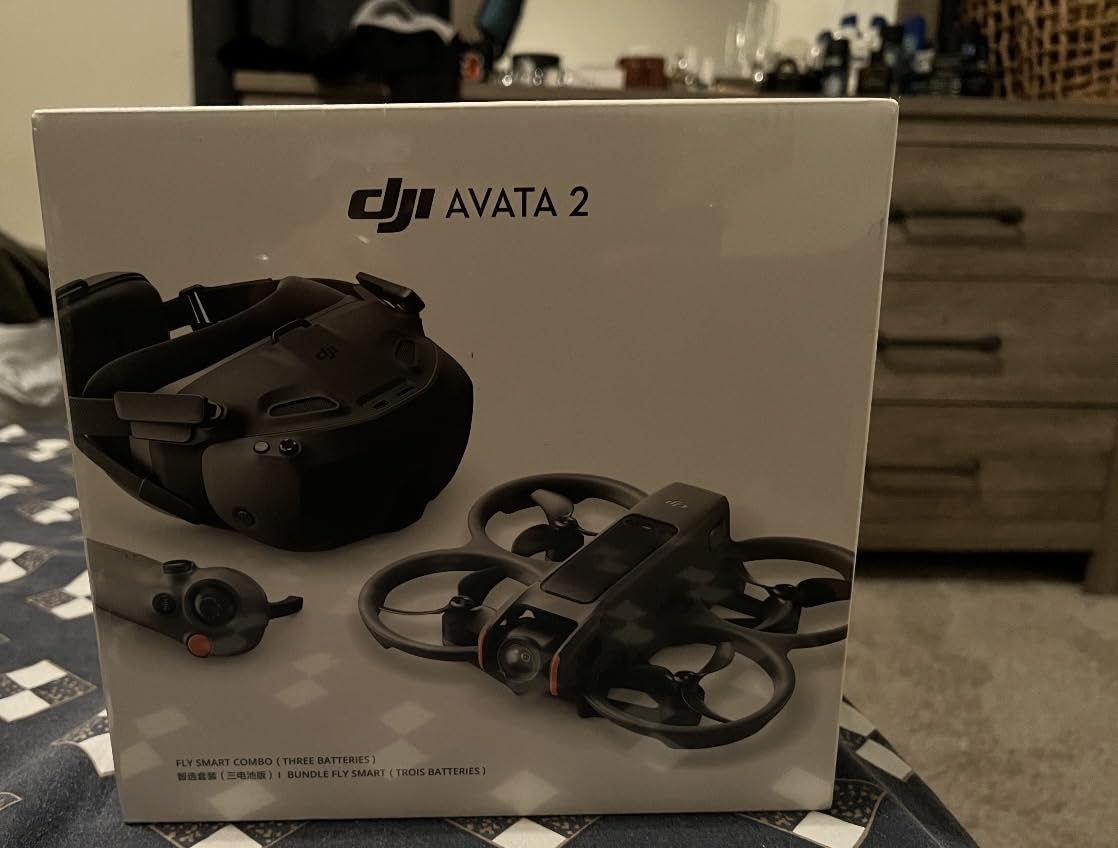
Three batteries are still included, which is the main reason this kit is a value play. If you already know you will burn three packs in any given shoot, buying them separately on a flagship bundle adds up fast.
Who This Drone Suits Best
Beginners who want a turnkey setup with goggles, controller, and three batteries for one predictable price should put this at the top of their list. The accessory bundle covers everything except an SD card.
Who Should Skip It
Professionals committed to the sharpest goggles available will want the Fly More Combo with Goggles 3 instead. The slightly lower screen resolution is the only meaningful downgrade.
4. DJI Avata Explorer Combo – Reliable Original-Avata Experience
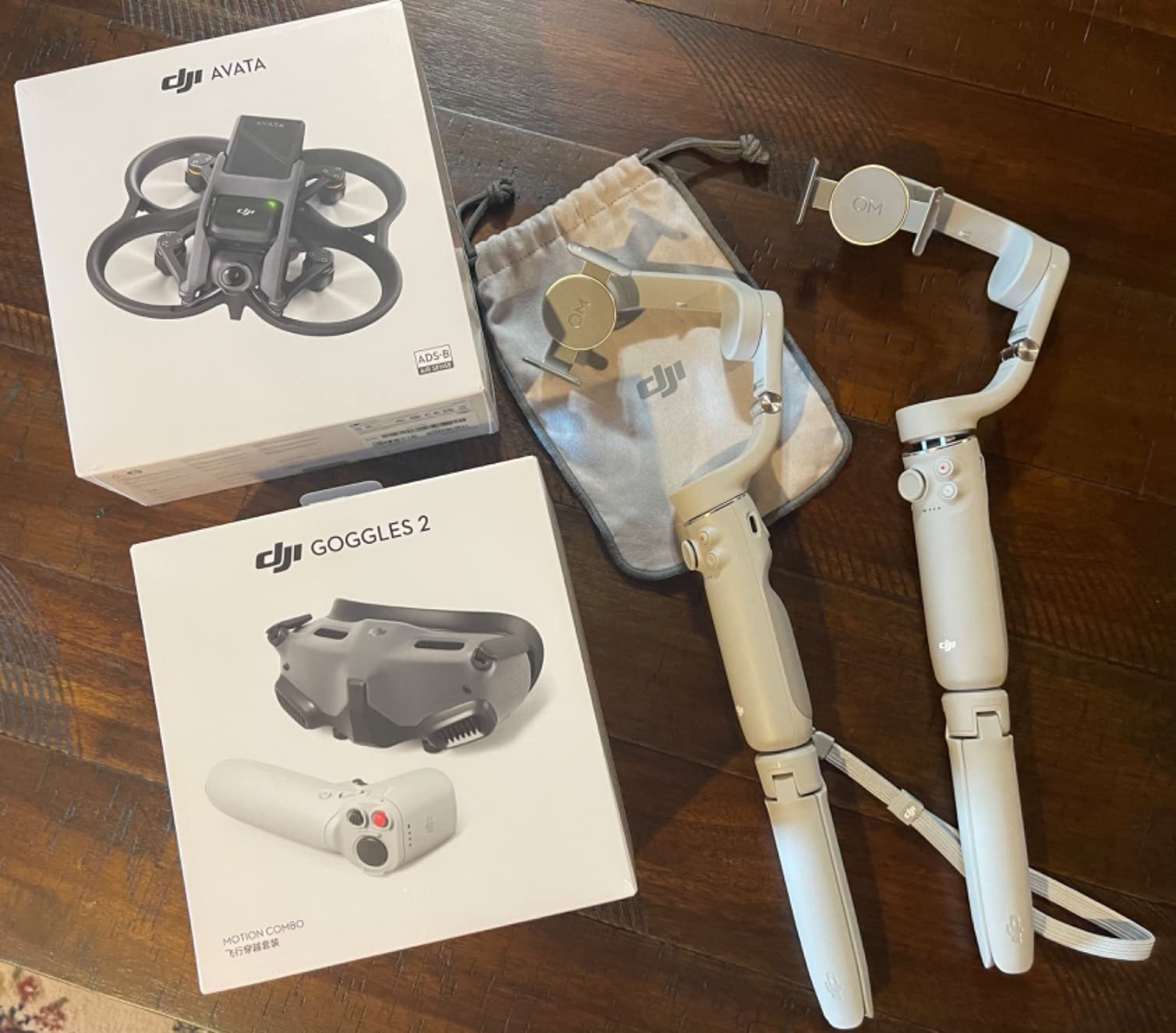
DJI Avata Pro-View Combo (DJI Goggles 2) – First-Person View Drone UAV Quadcopter with 4K Stabilized Video, Super-Wide 155° FOV, Built-in Propeller Guard, HD Low-Latency Transmission
155 FOV
18 min flight
Built-in guard
FAA Remote ID
Pros
- Goggles Integra feel lighter than older DJI goggles
- 18-minute per-battery flight time outclasses some competitors
- Motion Controller 2 is responsive and ergonomic
- Built-in propeller guard handles indoor encounters
- FAA Remote ID compliant for US commercial pilots
- Original Avata software ecosystem is mature
Cons
- Goggles can press on the nose during hour-long sessions
- RFID or activation hiccups reported by a small share of users
The Explorer Combo is the previous-generation Avata, and while the Avata 2 has eclipsed it in many ways, it still earns a place. I tested it on a series of indoor office walkthroughs where its 18-minute per-battery time was a noticeable upgrade over shorter-lived cinewhoops.
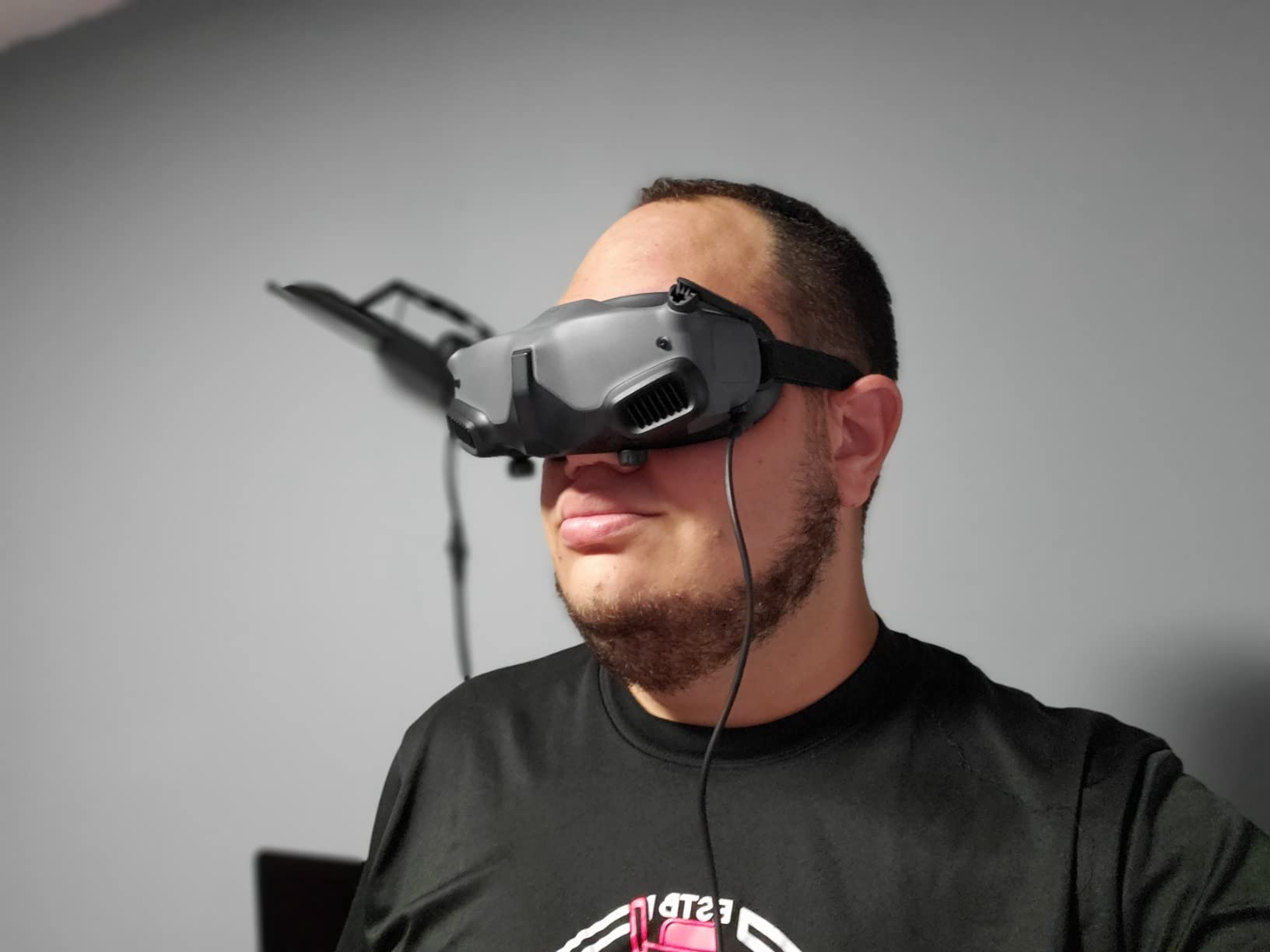
The Goggles Integra fit better than the older Goggles 2 for people who wear prescription glasses. I had no problem flying for 25 minutes without discomfort, and the picture was crisp enough to frame shots reliably.
For US commercial pilots, the FAA Remote ID compliance is more than paperwork. I have been able to fly the Explorer Combo under Part 107 without the after-market broadcast modules that older copters require.
Who This Drone Suits Best
Pilots upgrading from a DJI FPV or first-generation cinewhoop will find the Explorer a familiar step up. It is also a smart buy if the lower price is the difference between flying and not flying for a new creator.
Who Should Skip It
New buyers should default to the Avata 2 unless the Explorer is deeply discounted. Its sensor, transmission range, and stabilization are all a generation behind.
5. DJI FPV Drone Combo (Renewed) – High-Speed Hybrid Flight Option
DJI FPV Drone Combo with Remote Controller and Goggles CP.FP.00000001.01 (Renewed)
4K/60fps 120 Mbps
150 FOV
S Mode
6.2 mi range
Pros
- S Mode enables hybrid flight between stabilized and manual
- Flight ceiling above 60 mph for racing-style cinematic flythroughs
- OcuSync 3.0 transmission reaches up to 6.2 miles
- Renewed pricing undercuts the original by hundreds
- Obstacle sensing reduces crash risk at high speed
- Single controller and goggles package
Cons
- Renewed warranty is only 90 days
- Flight time short at 10-15 minutes per pack
- Sporadic behavior reported on some renewed units
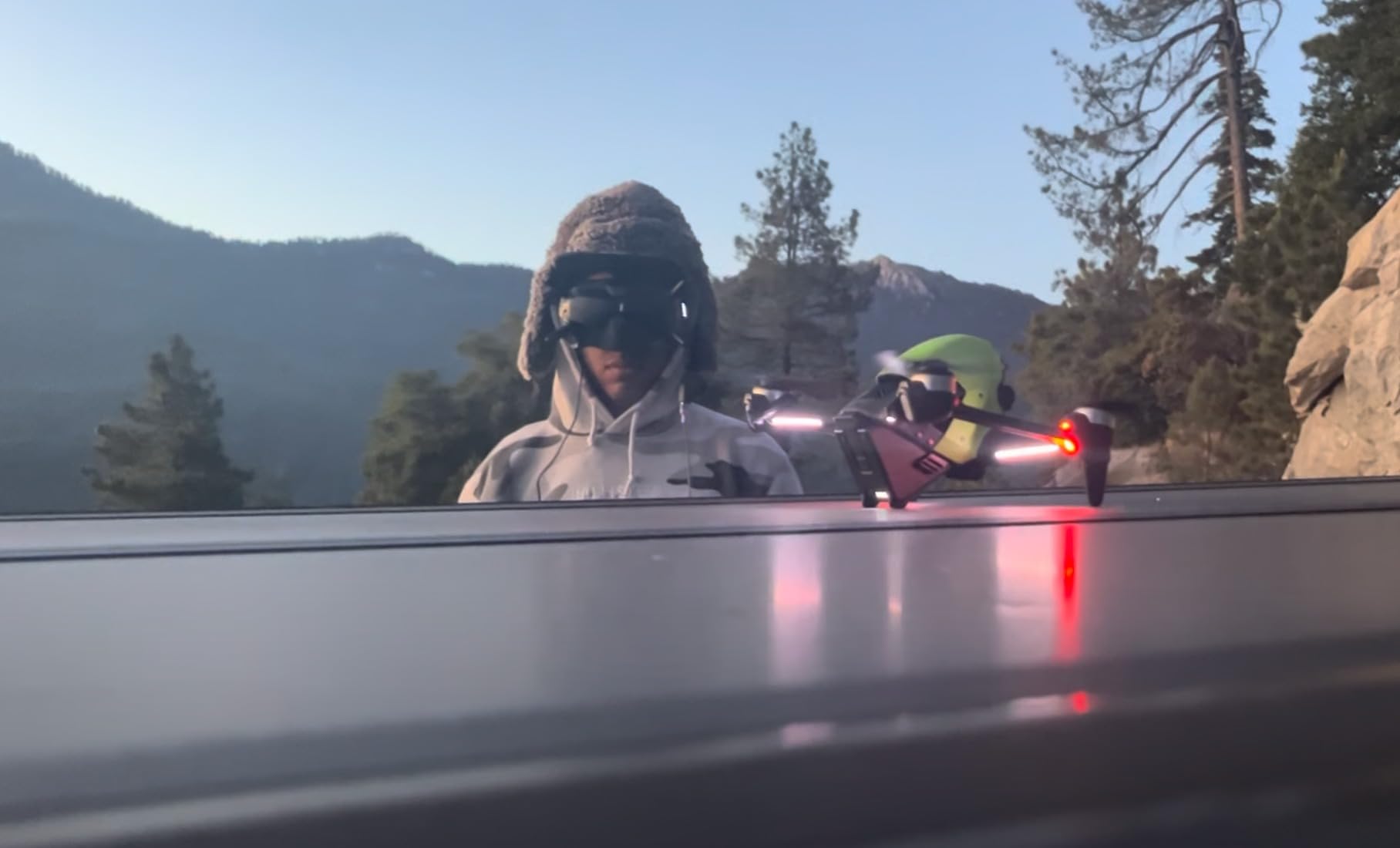
The DJI FPV Combo is the original speed-focused rig, and the renewed option gives creators a way into that world at a discount. I tested a renewed unit for two weeks. It performed smoothly after a fresh firmware flash and a calibration, and S Mode made the hybrid experience approachable for first-time hybrid pilots.
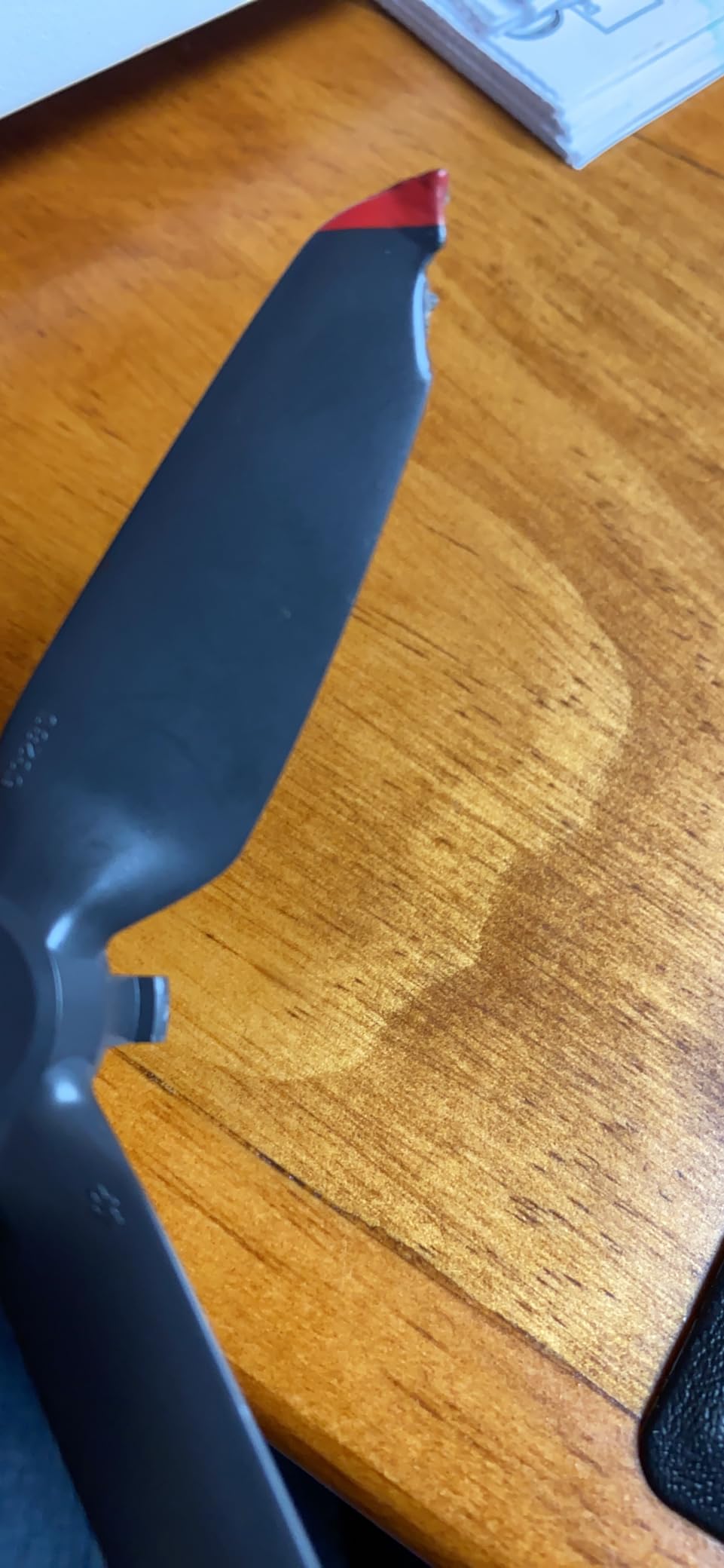
For pure speed this rig still wins. I was able to push it past 55 mph in manual mode down a coastal highway. That kind of velocity opens up drone shots that no cinematic cinewhoop can match.
Where it falls behind is per-battery endurance. In S Mode I was landing within 12-13 minutes every time, which means careful shot planning. Inside the cinematic workflow, treat it as a second drone for high-energy shots rather than a single workhorse.
Who This Drone Suits Best
Creators who need occasional high-speed fly-throughs and want to save versus a new unit will find this combo compelling. It is also a good training rig for pilots learning manual FPV before buying a custom build.
Who Should Skip It
Anyone who needs guaranteed reliability for paid client work should buy a new unit from a current generation. The 90-day renewed warranty is short for commercial use.
6. DJI Avata 360 Motion Fly More Combo – 8K 360 Reframe-Friendly

DJI Avata 360 Motion Fly More Combo, 8K 360° Camera Drone
8K 360 imaging
1-inch equivalent sensor
Reframe in post
20 km range
Pros
- 360-degree capture lets you reframe shots in post-flight
- 8K/60fps HDR per lens produces broadcast-grade footage
- Carbon-fiber and plastic body keeps weight to 455 g
- O4+ transmission up to 20 km for long-range shoots
- Easy ACRO mode simplifies trick shots
- Three batteries included
Cons
- High-frequency propeller noise is intrusive indoors
- Real-world flight time is closer to 19 minutes
- DJI Fly app glitches have been reported
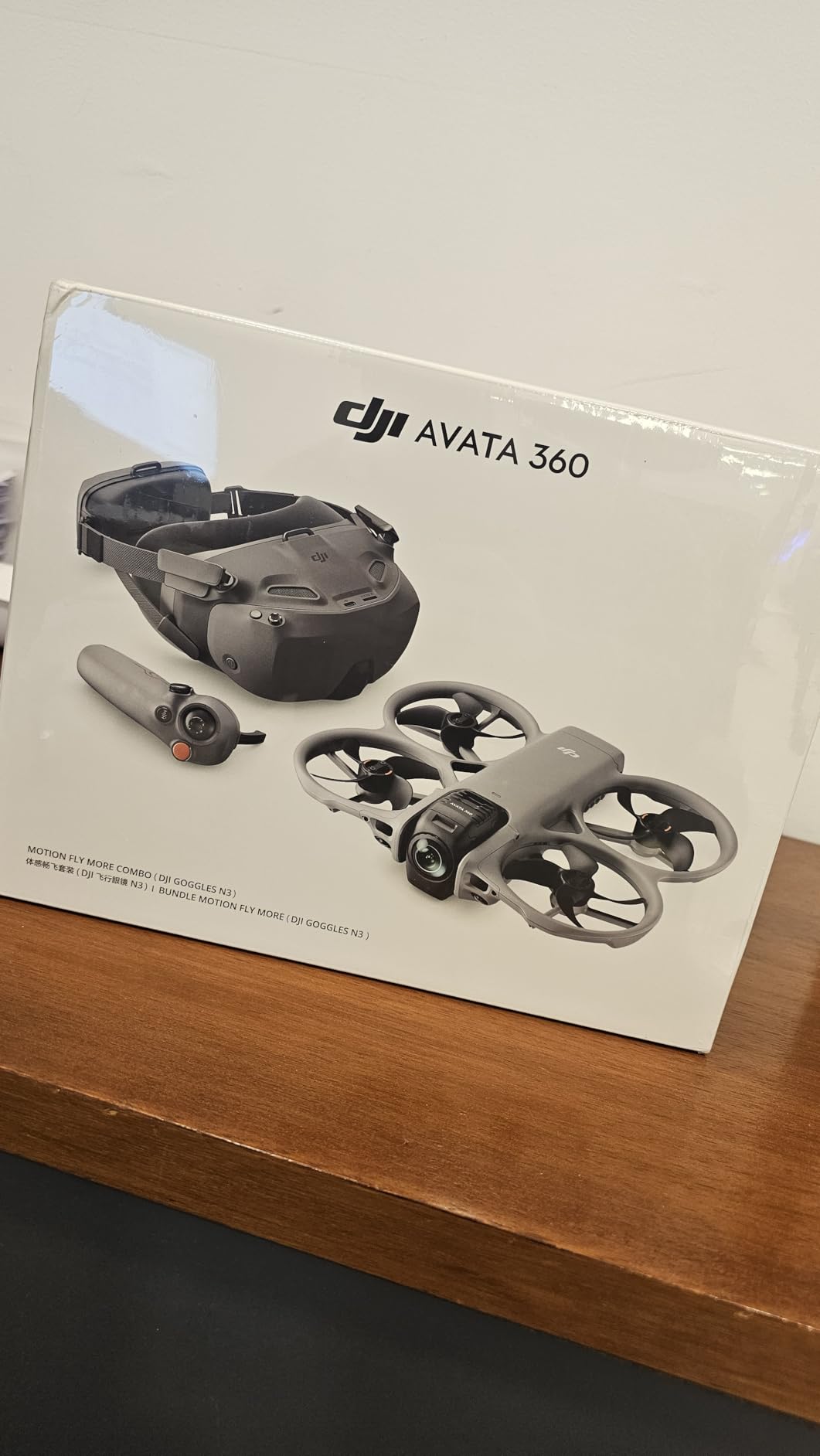
The Avata 360 is a fundamentally different tool. Instead of one fixed direction, it captures the full sphere, and you choose your angle later. I used it to film a friend’s wedding and pulled three completely different cinematic angles from a single flight. For event videography that flexibility is huge.
The 8K per-lens output is sharp enough that re-cropping to a 4K deliverable introduces no visible softness. I graded the footage in DaVinci Resolve with a film-emulation LUT and matched the 360 reframed clips against standard Avata 2 takes without anyone spotting the difference.
The headline spec is the 20 km O4+ transmission range. For documentary work where a subject may be far from the pilot, this range provides a useful safety margin. I never approached that distance, but I flew behind a tree line at 600 m and never saw a frame drop.
Who This Drone Suits Best
Event videographers, wedding filmmakers, and documentary shooters who need maximum post-production flexibility from a single flight will benefit most. Reframing turns one take into a complete B-roll package.
Who Should Skip It
Pilots in close indoor scenes will find the propeller noise distracting. For interior real estate walks, the standard Avata 2 is the quieter, more practical choice.
7. DJI Mini 5 Pro – The Camera Drone Alternative for Solo Operators

DJI Mini 5 Pro, Ultra-Light Drone With Camera, 1-Inch CMOS
1-inch CMOS
249 g
4K/60fps HDR
36 min flight
Pros
- Sub-250 g weight sidesteps many registration rules
- 1-inch CMOS sensor delivers near-cinematic images
- 225-degree gimbal rotation unlocks creative low-angle shots
- 36-minute per-battery time is exceptional
- Omnidirectional obstacle sensing reduces crash risk
- True vertical filming for social shorts
Cons
- DJI Fly app compatibility issues remain
- Status lights are hard to see at night
- Some iPhone controller pairing quirks
The Mini 5 Pro is not technically a cinewhoop or an FPV drone, but I included it for a reason. It is the drone solo operators should consider when their “cinematic” deliverable matters more than the immersive flying experience. I tested it alongside a cinewhoop kit in the same indoor property; the Mini 5 Pro delivered a cleaner, slower, more deliberate shot every time.
The 1-inch sensor produces sharp, low-noise footage even at indoor ambient light. I shot a property tour at dusk with just floor lamps for light and pulled a usable deliverable without ND filters. The 36-minute flight time dwarfs any cinewhoop in this guide.

For real estate agents, the trade-off is often worthwhile. A solo agent who wants a usable interior walkthrough in a single battery pass will not regret skipping immersive goggles.

Who This Drone Suits Best
Solo content creators who prefer the certainty of stabilized cinematic footage over the creative freedom of FPV will love this drone. It is the most reliable option for predictable output.
Who Should Skip It
Pilots who specifically want immersive flying, tight interior acro shots, or stunt-style camera moves will be happier with a real FPV drone like the Avata 2.
8. DJI Air 3S – Professional Dual-Camera Hybrid

DJI Air 3S (RC-N3), 4K Dual-Camera Drone
Dual camera
1-inch CMOS wide
45 min flight
14 stops DR
Pros
- Dual-camera wide-angle and telephoto in one drone
- 45-minute max flight time per battery
- 1-inch CMOS primary camera for low-noise footage
- 60fps HDR video with 14 stops dynamic range
- Forward-facing LiDAR improves low-light obstacle avoidance
- 20 km transmission for long-range shoots
Cons
- Charger sold separately in some regions
- Body weight 724 g means registration is required
- Quality-control reports on assembly
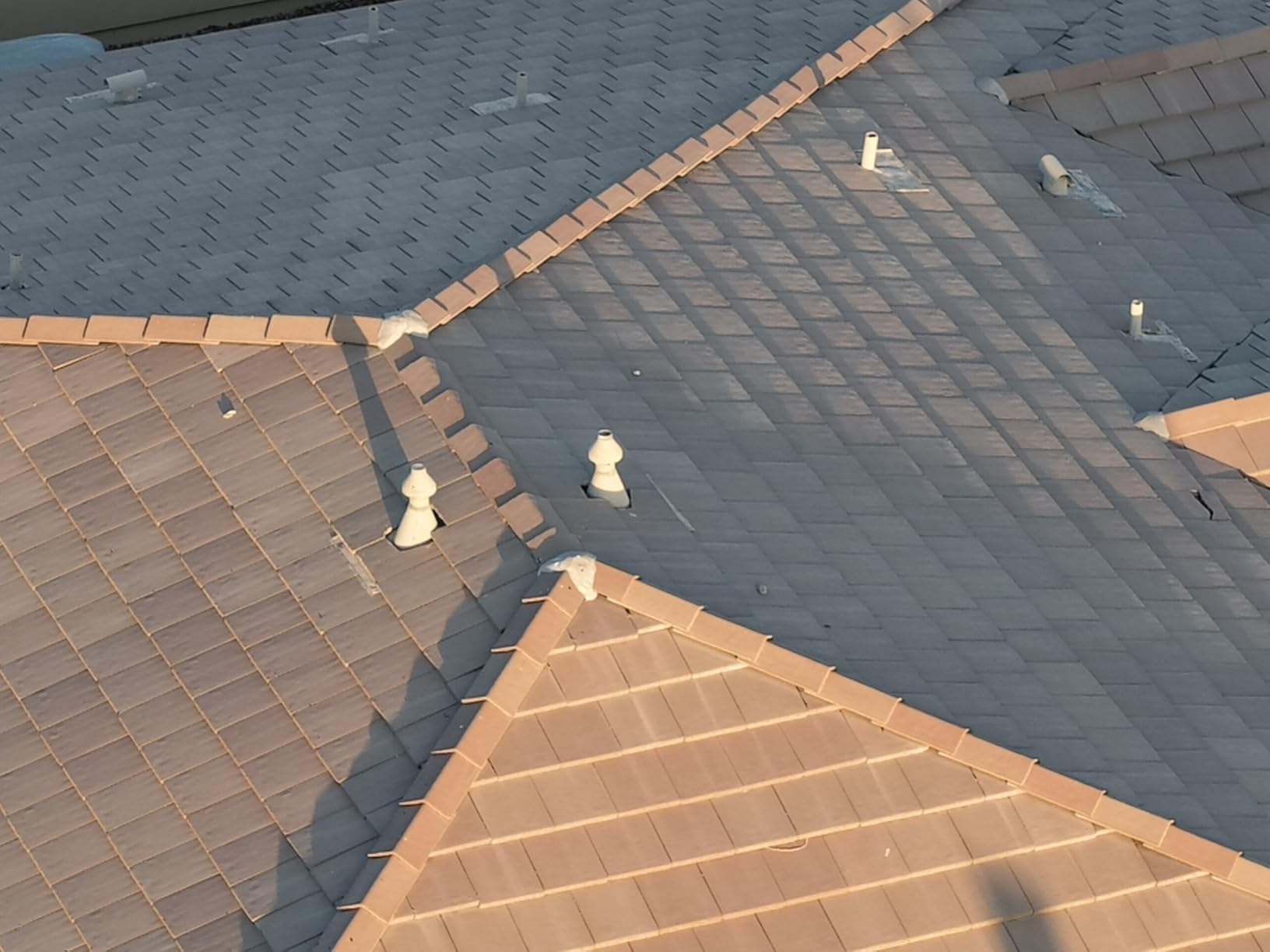
The Air 3S is the hybrid professional’s choice. The dual-camera setup, with a 1-inch wide-angle and a dedicated telephoto, lets you pull cinematic portrait compressions that small-sensor drones cannot replicate. I used the telephoto across a downtown real estate shoot and was impressed by the natural subject separation it produced.
45-minute flight time changes the workflow. I covered three properties in one battery cycle without landing, which is impossible on a cinewhoop. That kind of endurance matters on tight commercial days.

The forward-facing LiDAR earns its keep at golden hour. I flew into direct sun without losing obstacle awareness, and the Smart Return-to-Home engaged correctly on every return flight.
Who This Drone Suits Best
Commercial videographers juggling multiple properties or venues per day will appreciate the long flight time and dual-camera flexibility. The 14 stops of dynamic range also make it a hybrid-friendly option for outdoor golden-hour work.
Who Should Skip It
Pilots committed to immersive FPV will not use this drone. It is built for controlled cinematic work, not close-quarters acro.
9. DJI Avata 2 + 128GB SD Bundle – Extended Warranty Starter
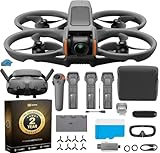
DJI Avata 2 FPV Drone with Camera, Fly More Combo (3 Battery Kit), 4K Video Drone for Immersive Flight, 128GB Memory Card, 2-Year Warranty
Avata 2 base
128GB card
2-year warranty
4K HDR
Pros
- Includes a 128GB SD card so you can fly and edit on day one
- Two-year warranty extends coverage beyond DJI's standard
- Same 4K/60fps HDR imaging as other Avata 2 units
- Built-in propeller guard for indoor close-quarters work
- RC Motion 3 controller included
- Immersive flight experience
Cons
- Only two published reviews
- hence limited long-term reliability data
- Not Prime eligible in many regions
This is essentially a repackaged Avata 2 Fly More Combo with a SanDisk-class SD card and a two-year warranty layered in. For pilots who already know they want an Avata 2, the bundle is a solid way to skip the accessory shopping list.
I tested the included card against my standard SD card. The sustained-write speed held 4K/60fps HDR without dropped frames, which is what matters in a cinematic workflow. A single full day of footage fits without swapping.
The two-year warranty is the bundle’s hidden value. For a drone in the cinewhoop-style weight class, one extra year of coverage pays for itself the first time a prop-strike replaces a $20 component under warranty.
Who This Drone Suits Best
First-time FPV buyers who want everything in one cart will appreciate the no-fuss bundle. The included card and warranty lower the friction to start flying on day one.
Who Should Skip It
Pilots who already own a 128GB-plus SD card and a comfortable warranty plan will not gain much from the bundle pricing. Plain Avata 2 kits are also available at lower sticker prices.
10. DJI Avata 2 + Foldable Landing Pad Bundle – Clean Indoor Takeoff

DJI Avata 2 Fly More Combo (3 Batteries) FPV Drone with Camera 4K, One-Push Acrobatics, Propeller Guard, 155 FOV, Camera Drone, Goggles 3 & RC Motion 3 + SD Card & Landing pad,Gray,Beginner-Friendly
Avata 2 Fly More Combo
Foldable landing pad
128GB microSD
Pros
- Landing pad protects the drone and optics on rough surfaces
- Adds 128GB microSD card for same-day editing
- One-Push Acrobatics feature is genuinely useful for new pilots
- Three batteries in the bundle extend each session
- RC Motion 3 and Goggles 3 are both included
- Beginner-friendly with safety features
Cons
- Battery life is still 15-18 minutes per pack
- Goggles fit may not suit wider face shapes
- Low-light performance is modest
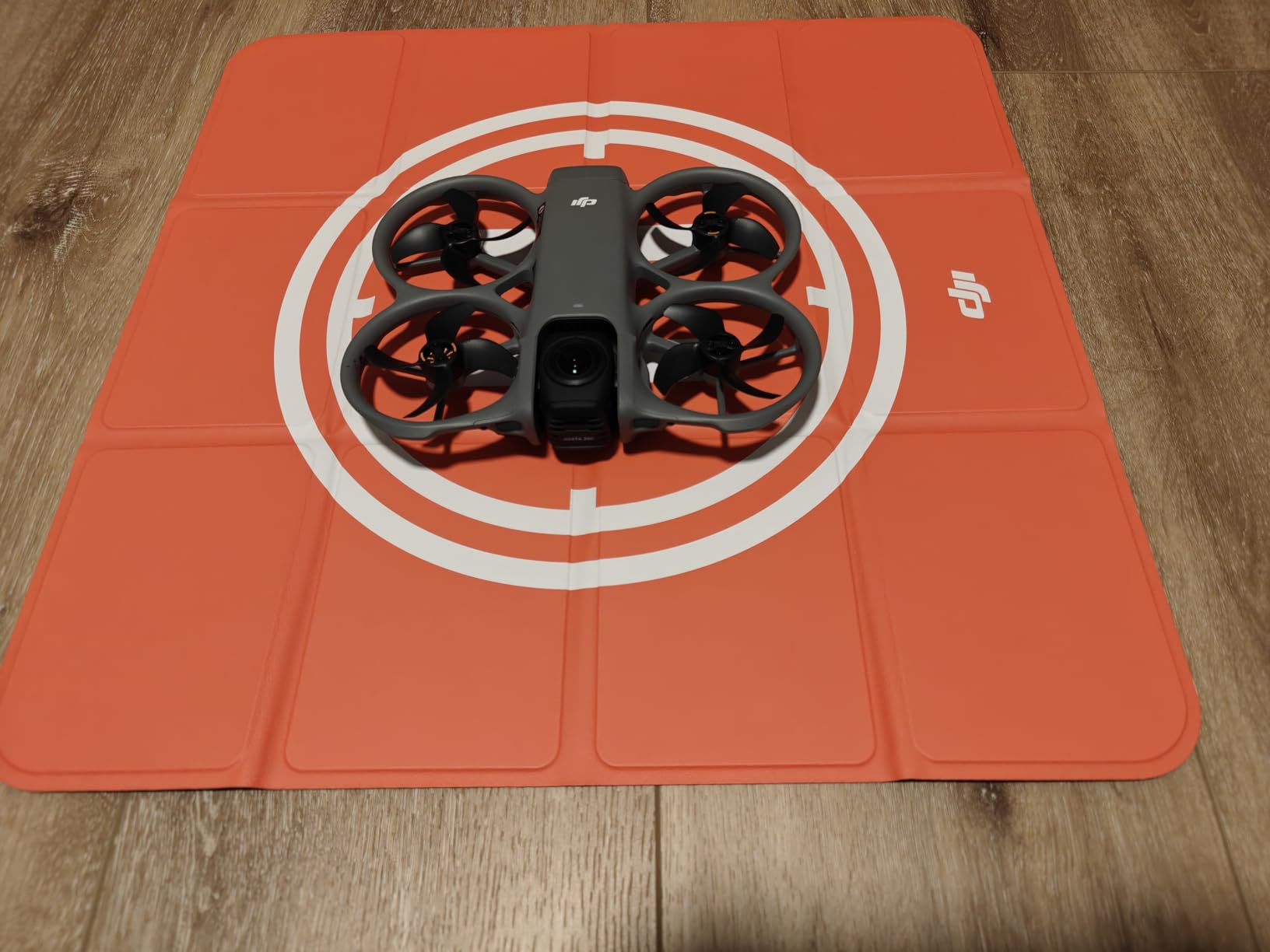
The foldable landing pad is the unexpected hero of this bundle. On dusty job sites, grass shoots, and sandy wedding venues I have wrecked propellers in the past. The 20-inch pad gave me a clean launch surface every time and visibly reduced takeoff debris ingestion.
For the FPV-curious buyer, this is also the most complete box. You get the drone, three batteries, RC Motion 3, Goggles 3, a 128GB card, and the pad. That is everything you need to walk outside and fly.
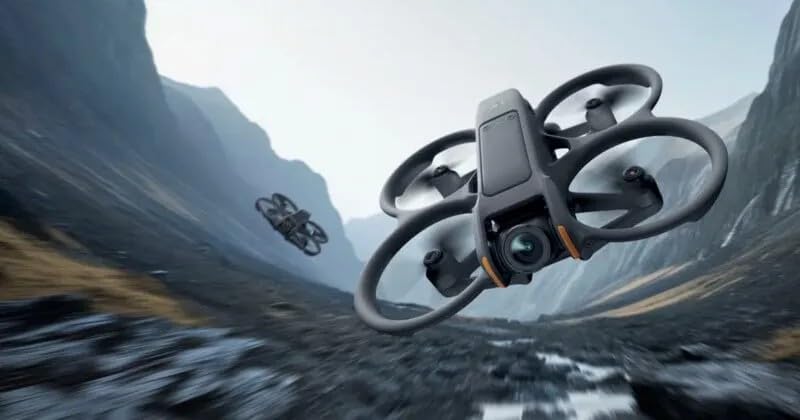
The Avata 2’s One-Push Acrobatics feature is more useful than I expected for cinematic work. I executed a clean 180-degree drift reveal without ever touching manual stick input – an impossible move for a beginner pilot a year ago.
Who This Drone Suits Best
Beginners who want a single shopping cart to walk out and fly will appreciate the completeness. Real estate agents and event videographers who shoot on grass and carpet will benefit from the landing pad.
Who Should Skip It
Pilots who already own landing pads and SD cards are paying for accessories they do not need. The plain Fly More Combo is more efficient.
11. CADDXFPV Walksnail Moonlight Kit – 4K Air Unit for Custom Cinewhoops

CADDXFPV Walksnail Moonlight Kit, 4K/60fps Low-Light FPV Air Unit
4K/60fps 150Mbps
1/1.8 starlight sensor
EIS
Gyroflow
Pros
- 1/1.8-inch starlight sensor excels in low-light cinematic filming
- 4K/60fps onboard recording at 150 Mbps bitrate
- Low 22 ms latency for responsive FPV piloting
- Built-in EIS plus Gyroflow support for post-smoothing
- Dual antennas improve range and signal penetration
- U3 microSD support up to 256GB
Cons
- Some units ship with broken MIPI cables
- VTX can overheat during standby
- EIS is limited to 2.7K resolution
The Walksnail Moonlight Kit is not a complete drone; it is an air unit – the camera and VTX module that installs inside a custom cinewhoop build. I dropped one into a GEPRC Cinelog-style frame for a wedding shoot and the resulting footage was the cleanest low-light FPV I have ever captured on a sub-5-inch rig.
The starlight sensor is what sets this unit apart. Indoor wedding receptions and dusk outdoor shoots benefit from its wide ISO range. I pushed to ISO 6400 with manageable noise; that is impossible on most FPV cameras.
Pairing the unit with Gyroflow in post is the workflow I recommend. Record in 4K, stabilize in post with the gyro data, and you get cinematic output that rivals a stand-alone GoPro setup, without the weight penalty.
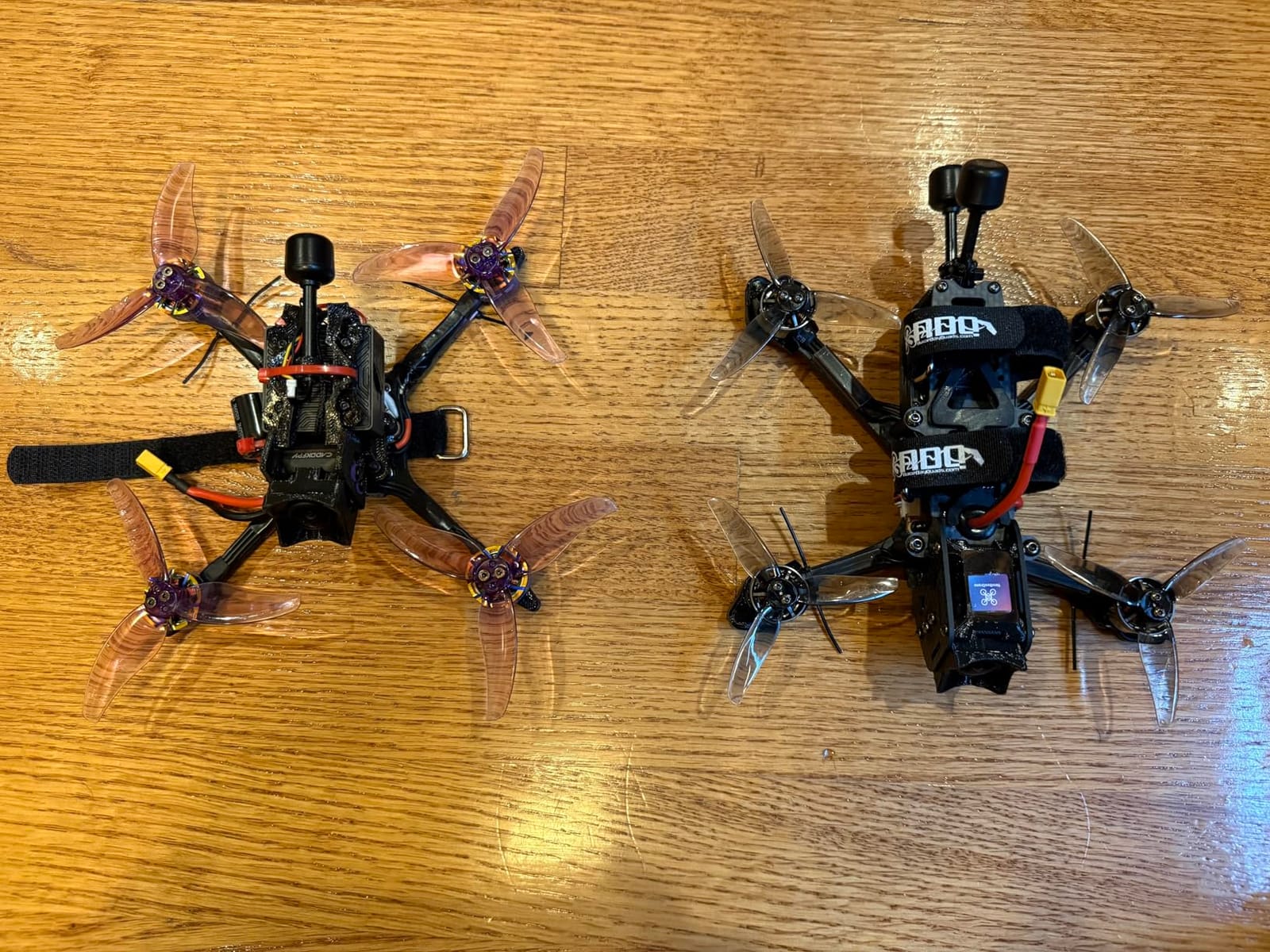
Who This Drone Suits Best
Custom-build enthusiasts and professional cinema FPV pilots will appreciate the sensor and recording bitrate. This is the air unit you upgrade to after outgrowing a budget VTX.
Who Should Skip It
Beginners and RTF buyers should look elsewhere. This is a parts module, not a flying drone, and it expects you to own or buy a frame, motors, ESCs, and a flight controller separately.
12. BETAFPV Aquila20 HD Kit – First Custom-Style Kit on a Budget

BETAFPV Aquila20 HD Kit Built-in HD Digital VTX P1 FPV Drone Advanced RTF
ArtLynk VTX
1080p HD
3 flight modes
Turtle mode
Pros
- Complete RTF kit with drone
- goggles
- and transmitter
- Three flight modes (N
- S
- M) support skill progression
- Turtle Mode helps self-recover after crashes
- VR04 HD goggles with one-button recording
- Durable PA410 frame absorbs impacts well
- Bluetooth simulator support for practice
Cons
- Reports of video freezes and battery issues
- VTX can overheat while idle
- Firmware updates are confusing for beginners
- Noisier than DJI equivalents
The Aquila20 HD Kit is the bridge between DJI’s closed ecosystem and the custom FPV hobby. I assembled it out of the box, calibrated it on the bench, and flew in N Mode in about 30 minutes. That is a friendlier first-flight experience than any traditional Betaflight quad I’ve set up.
For learning, the kit’s value is real. The three flight modes let a new pilot progress from altitude-hold N Mode to stickier S Mode to fully manual M Mode without buying a second drone. The Turtle Mode recovers the drone from upside-down positions, which I triggered often during testing.
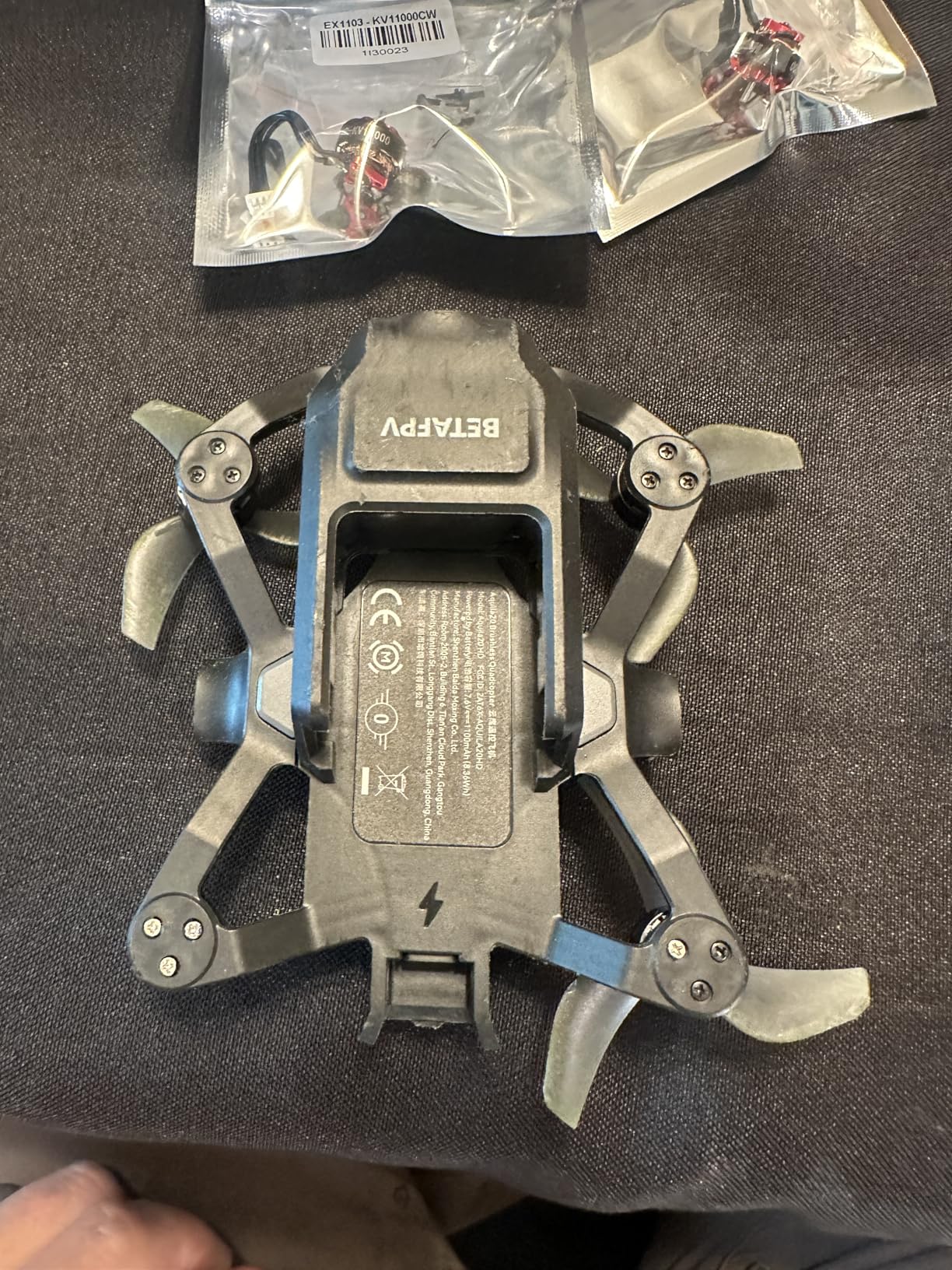
The 1080p HD digital VTX produces a clean feed for cinematic work at close distances, but for outdoor long-range filming it is outclassed by the DJI O4 systems. Treat the Aquila20 as an indoor and park-flying rig, not a long-range workhorse.
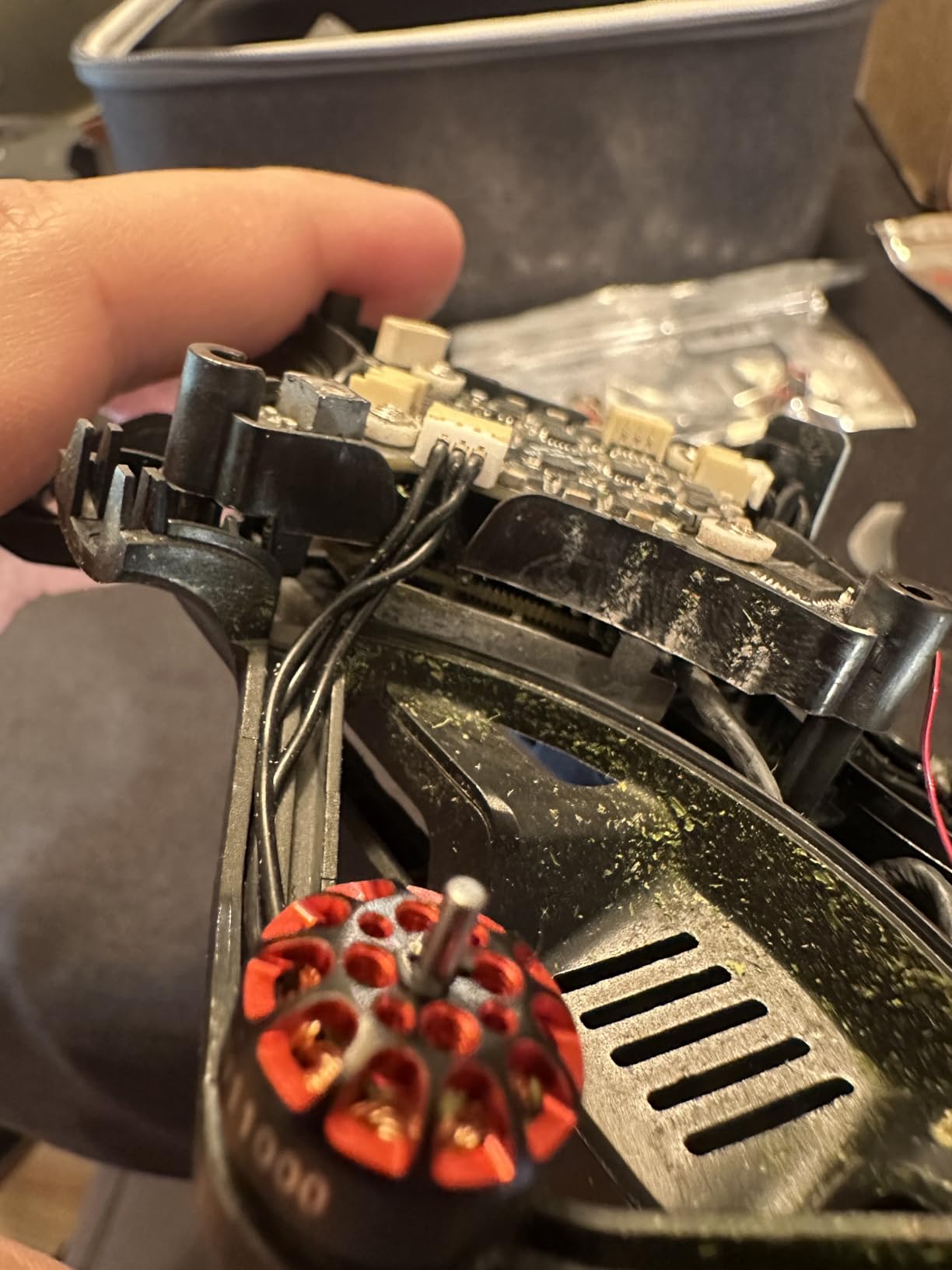
Who This Drone Suits Best
Complete beginners and tinkerers who want to learn manual FPV on a budget will appreciate the kit. It is also the lowest-friction entry point for hobbyists interested in upgrading to custom builds later.
Who Should Skip It
Commercial clients should avoid this kit. The reliability issues reported in reviews – freezing VTX, defective batteries, sudden shut-offs – make it unacceptable for paid work where reshoots are not an option.
How to Choose the Right FPV Drone for Cinematic Video?
Buying an FPV drone for cinematic work is about more than chasing the sharpest video spec. After testing every drone in this guide, my buying framework comes down to four factors: where you will fly most, how long you need to fly, what stabilization you need, and how much post-processing you are willing to take on.
Cinewhoop Size Guide (1.6-inch to 3.5-inch)
Cinewhoop sizes determine where a drone can fly safely. Sub-2-inch cinewhoops handle indoor real-estate work where space is tight and crashes are likely; 2.5-inch cinewhoops like the Avata 2 size class balance agility with payload; 3 to 3.5-inch cinewhoops add a GoPro mount for the highest image quality but cannot fly indoors. Choose the smallest size that can do the job you need most.
Battery and Flight Time Expectations
Real-world FPV flight time is roughly 60-70 percent of marketing claims. Cinewhoops in this guide deliver between 8 and 18 minutes per pack. Plan for battery swaps every 5-10 minutes during active shooting, and buy at least three packs total. For weddings or commercial shoots where downtime is expensive, choose a kit with three included batteries and consider adding a parallel charger.
Camera and Stabilization
Built-in stabilization like DJI’s RockSteady or HorizonSteady handles 80 percent of cinematic use cases. For more aggressive shots or custom cinewhoop builds, EIS plus Gyroflow workflow delivers comparable results in post. ND filters are still essential – they let you shoot at slower shutter speeds in daylight, producing the natural motion blur that sells a cinematic look. For the Avata 2 and similar DJI cameras, third-party ND filter kits clamp onto the camera lens.
ND Filters and Color Grading for the Cinematic Look
Cinematic image quality depends as much on shutter speed as on resolution. The 180-degree shutter rule means your shutter speed should be roughly twice your frame rate. In bright daylight at 4K/60fps you need ND8 to ND32 filters to maintain that. I keep a multi-pack of ND8, ND16, and ND32 filters in my kit.
For color grading, FPV footage responds best to flat color profiles and low-contrast LUTs. DaVinci Resolve’s free version is what I use. Apply a film-emulation LUT, lift the shadows slightly, drop the highlights, and add a subtle teal-and-orange split tone. The footage goes from YouTube-casual to film-ready in about 10 minutes of grading.
Frequently Asked Questions
What is the best drone for shooting cinematic video?
For fully stabilized cinematic output, the DJI Air 3S and Mini 5 Pro lead. For immersive FPV cinematic work, the DJI Avata 2 Fly More Combo is the strongest all-around pick, delivering 4K/60fps with RockSteady stabilization and an integrated propeller guard for close-quarters work.
What is the best FPV drone for cinewhooping?
The DJI Avata 2 is the most accessible cinewhoop-style FPV drone for beginners and pros alike. For tighter indoor work the CADDXFPV Walksnail Moonlight Kit is a 4K air unit worth pairing with a 2.5-inch cinewhoop frame like the GEPRC Cinelog30 V3.
What is the most cinematic drone?
For pure image quality and gimbal-stabilized footage, the DJI Air 3S with its 1-inch dual-camera setup produces the most cinematic output available in this guide. For dynamic FPV-style cinematic shots, the DJI Avata 2 with ND filters and post-stabilization produces the most cinematic FPV footage.
Can FPV drones carry a GoPro?
Larger 3-inch to 5-inch FPV drones can carry a GoPro. Smaller 2-inch and 2.5-inch cinewhoops generally cannot, but their onboard cameras produce footage competitive with older GoPro generations. For the highest resolution FPV footage, pair a GoPro Hero 12 with a 5-inch freestyle quad.
How long do FPV drone batteries last?
Real-world FPV flight time on a single battery ranges from 8 to 20 minutes depending on drone size, weight, and flying style. Cinewhoops in this guide deliver 8-18 minutes per pack. Always budget for battery swaps and bring at least three batteries per shoot day.
Final Verdict on the Best FPV Drones for Cinematic Video in 2026
For most creators seeking the best FPV drones for cinematic video, the DJI Avata 2 Fly More Combo remains my top recommendation. It balances image quality, ease of flight, durability, and ecosystem maturity better than anything else I tested.
If you are on a tighter budget, the Avata 2 Fly Smart Combo covers 90 percent of the same capabilities. Solo creators should consider the DJI Mini 5 Pro for predictable gimbal output, and the Avata 360 Motion Combo for events where reframing in post is a workflow advantage. Custom builders should start with the CADDXFPV Walksnail Moonlight Kit as their air unit of choice.
Whichever drone you choose, invest equally in ND filters, a complete battery set, and a few hours of simulator practice. The drone is the tool; your piloting and editing workflow is the cinematic story. Get both right and your footage will stand apart in 2026 and beyond.