
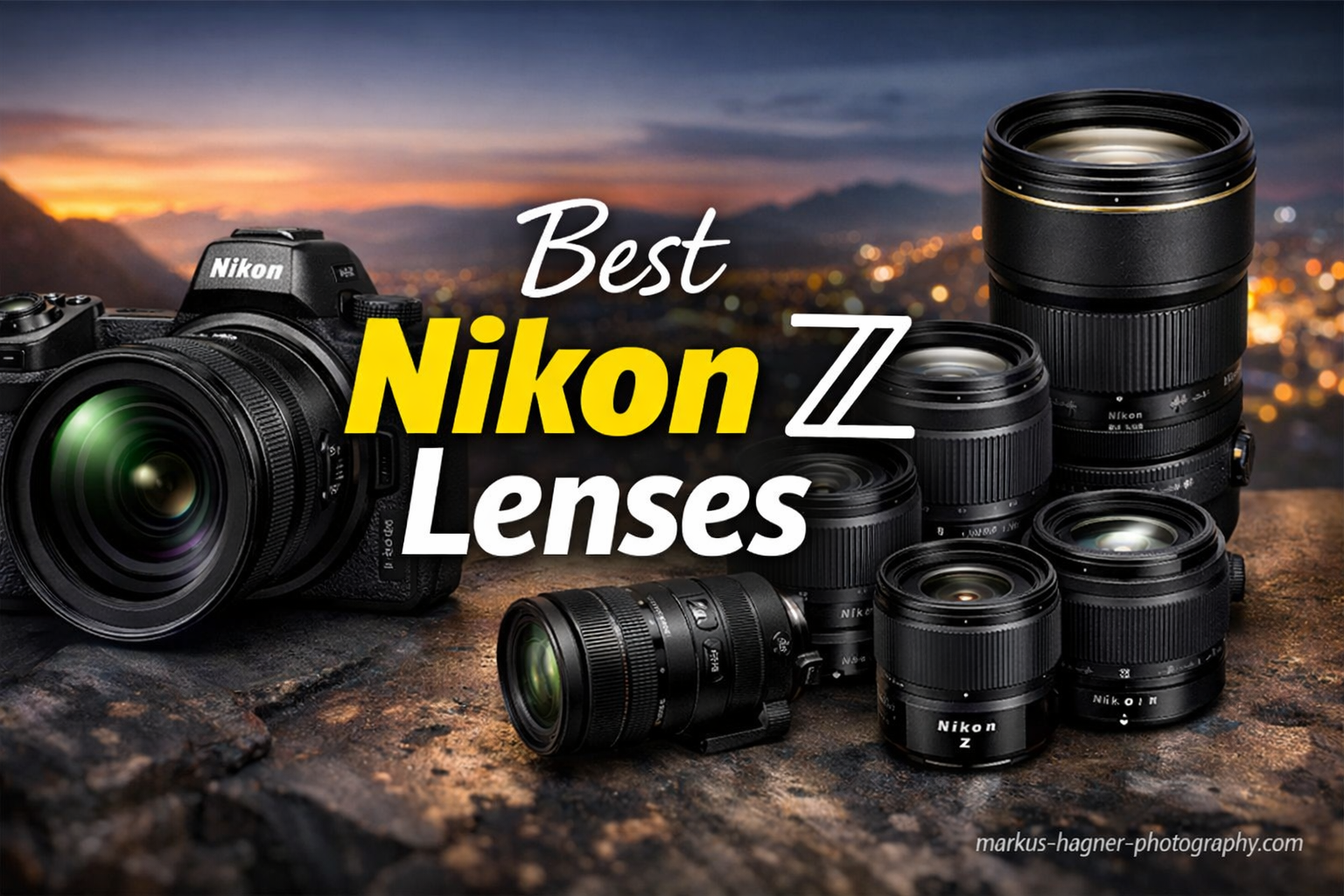
Nikon’s Z mount system has matured into one of the most capable lens lineups in mirrorless photography.
After shooting with various Nikon Z bodies since 2019, I’ve watched the lens ecosystem grow from a handful of launch options to a comprehensive system covering every photography niche.
The NIKKOR Z 24-70mm f/2.8 S is the best all-around Nikon Z lens for most photographers, while the Z 50mm f/1.8 S offers exceptional value as a first prime.
In this guide, I’ll share what I’ve learned from hands-on experience and real-world testing, including which lenses actually deserve your hard-earned money.
Our Top 3 Best Nikon Z Lenses (July 2026)

NIKKOR Z 24-70mm f/2.8 S
- 24-70mm range
- f/2.8 constant
- 805g weather-sealed
- Pro standard zoom

Quick Overviews: 12 Best Nikon Z Lenses (July 2026)
The table below compares all 12 lenses featured in this guide across key specifications.
| Product | Specifications | Action |
|---|---|---|
|
NIKKOR Z 24-70mm f/2.8 S
|
|
Check Latest Price |
 NIKKOR Z 14-24mm f/2.8 S
|
|
Check Latest Price |
|
NIKKOR Z 50mm f/1.8 S
|
|
Check Latest Price |
 NIKKOR Z 85mm f/1.8 S
|
|
Check Latest Price |
 NIKKOR Z 35mm f/1.8 S
|
|
Check Latest Price |
 NIKKOR Z 70-200mm f/2.8 VR S
|
|
Check Latest Price |
 NIKKOR Z MC 105mm f/2.8 VR S
|
|
Check Latest Price |
|
NIKKOR Z 24-200mm VR
|
|
Check Latest Price |
 NIKKOR Z 24-120mm f/4 S
|
|
Check Latest Price |
 NIKKOR Z 180-600mm f/5.6-6.3 VR
|
|
Check Latest Price |
Detailed Nikon Z Lens Reviews For 2026
1. NIKKOR Z 24-70mm f/2.8 S – Best Overall Standard Zoom
Nikon NIKKOR Z 24-70mm f/2.8 S | Professional large aperture mid-range zoom lens for Z series mirrorless cameras | Nikon USA Model
Pros
- Exceptional sharpness wide open
- Fast accurate autofocus
- Minimal distortion
- Constant f/2.8 aperture
- Excellent build quality
Cons
- Heavy at 1.8 lbs
- Expensive investment
- Aperture ring can move accidentally
This lens represents the pinnacle of Nikon’s Z-mount optical engineering, making it a strong contender among the best Nikon Z lenses available for photographers seeking exceptional performance and image quality.
The dual AF drive system delivers lightning-fast focus that locks on instantly, whether I’m shooting portraits or action.

Optically, it outperforms the F-mount version with noticeably better corner sharpness and virtually zero chromatic aberration.
The constant f/2.8 aperture gives me consistent exposure throughout the zoom range, which matters hugely during event work.
Weather sealing is comprehensive, giving me confidence to shoot in rain or dusty conditions without worrying about my gear.
Who Should Buy?
Professional photographers and serious enthusiasts who need a do-it-all zoom with uncompromising optical quality.
Who Should Avoid?
Those on a tight budget or photographers who prioritize weight savings above all else.
2. NIKKOR Z 14-24mm f/2.8 S – Best Ultra-Wide for Professionals
Pros
- Lightest 14-24mm f/2.8 available
- Corner-to-corner sharpness
- Minimal distortion
- Excellent flare control
Cons
- Requires expensive 112mm filters
- Large lens hood
- Bulky front element
This lens redefined what’s possible with ultra-wide zooms.
At just 650 grams, it’s noticeably lighter than competing options from other brands, making handheld shooting far less fatiguing.

The f/2.8 aperture is a game-changer for astrophotography, letting me capture Milky Way shots without pushing ISO to unusable levels.
Corner sharpness is remarkable, especially for such an extreme wide-angle lens.
Distortion is well-controlled for this focal range, though software correction still helps with architecture shots.
Who Should Buy?
Landscape photographers, astrophotographers, and anyone who needs the widest possible views with professional quality.
Who Should Avoid?
Photographers who already own the 14-30mm f/4 S and don’t need f/2.8 or the extra 2mm on the wide end.
3. NIKKOR Z 50mm f/1.8 S – Best Value Prime Lens
Pros
- Exceptionally sharp wide open
- Beautiful bokeh rendering
- Lightweight at 415g
- Virtually zero distortion
Cons
- More expensive than traditional 50mm f/1.8
- Slight cats-eye bokeh at edges
- No built-in VR
This lens changed how I think about “nifty fifty” primes.
The optical quality rivals lenses costing three times as much, with center-to-edge sharpness that’s genuinely impressive.

At f/1.8, background separation is pleasing without being too thin for general use.
The 415-gram weight makes it a joy to carry all day, and it balances perfectly on smaller bodies like the Z6 III or Zf.
Color rendering is notably Nikon-like, with that characteristic warmth and microcontrast that makes images pop.
Who Should Buy?
Every Nikon Z shooter should own this lens. It’s the perfect first prime and arguably the best value in the entire Z system.
Who Should Avoid?
Only those who specifically need wider or longer focal lengths for their photography style.
4. NIKKOR Z 85mm f/1.8 S – Best Portrait Lens
Pros
- Incredible sharpness
- Beautiful smooth bokeh
- Perfect portrait perspective
- Compact and lightweight
- No purple fringing
Cons
- Too tight for indoors
- Not versatile for general use
- Dust magnet focus ring
This might be the best 85mm lens Nikon has ever made, period.
The transition from in-focus to out-of-focus areas is remarkably smooth, creating that dreamy look portrait photographers crave.

Unlike some f/1.4 lenses, this shows virtually no purple fringing even in high-contrast backlit situations.
At 470 grams, it’s significantly lighter than premium f/1.4 alternatives while delivering professional-grade results.
The 85mm focal length provides flattering perspective for portraits without being so tight that it loses versatility.
Who Should Buy?
Portrait photographers, wedding shooters, and anyone who wants beautiful subject separation without the weight of f/1.2 glass.
Who Should Avoid?
Those who shoot primarily indoors or need a more general-purpose lens.
5. NIKKOR Z 35mm f/1.8 S – Best Street Photography Lens
Pros
- Clinical sharpness
- Perfect street perspective
- Professional build quality
- Light and compact
- Silent autofocus
Cons
- No built-in VR
- Not true macro capability
- Plain design aesthetic
This lens delivers professional-grade optics in a compact street-friendly package.
The 35mm focal length is ideal for street photography, environmental portraits, and documentary work.
Sharpness is what really sets this lens apart, with center-to-edge clarity that rivals much more expensive glass.
At just 370 grams, it’s virtually unnoticeable on the camera, making it perfect for all-day carry.
TheSTM focusing motor is virtually silent, perfect for candid street photography where drawing attention is the last thing you want.
Who Should Buy?
Street photographers, documentary shooters, and anyone who wants a compact prime with professional optical quality.
Who Should Avoid?
Photographers who need wider angles for landscapes or longer reach for portraits.
6. NIKKOR Z 70-200mm f/2.8 VR S – Best Telephoto Zoom
Pros
- Incredible sharpness
- Excellent VR stabilization
- Fast accurate autofocus
- Internal zoom design
- Close focus at 0.5m
Cons
- Heavy at 3 pounds
- Expensive investment
- Ergonomic quirks with rings
This telephoto zoom is a workhorse for professionals and serious enthusiasts alike.
The optical performance is outstanding, with sharpness that holds up even when shooting wide open at 200mm.
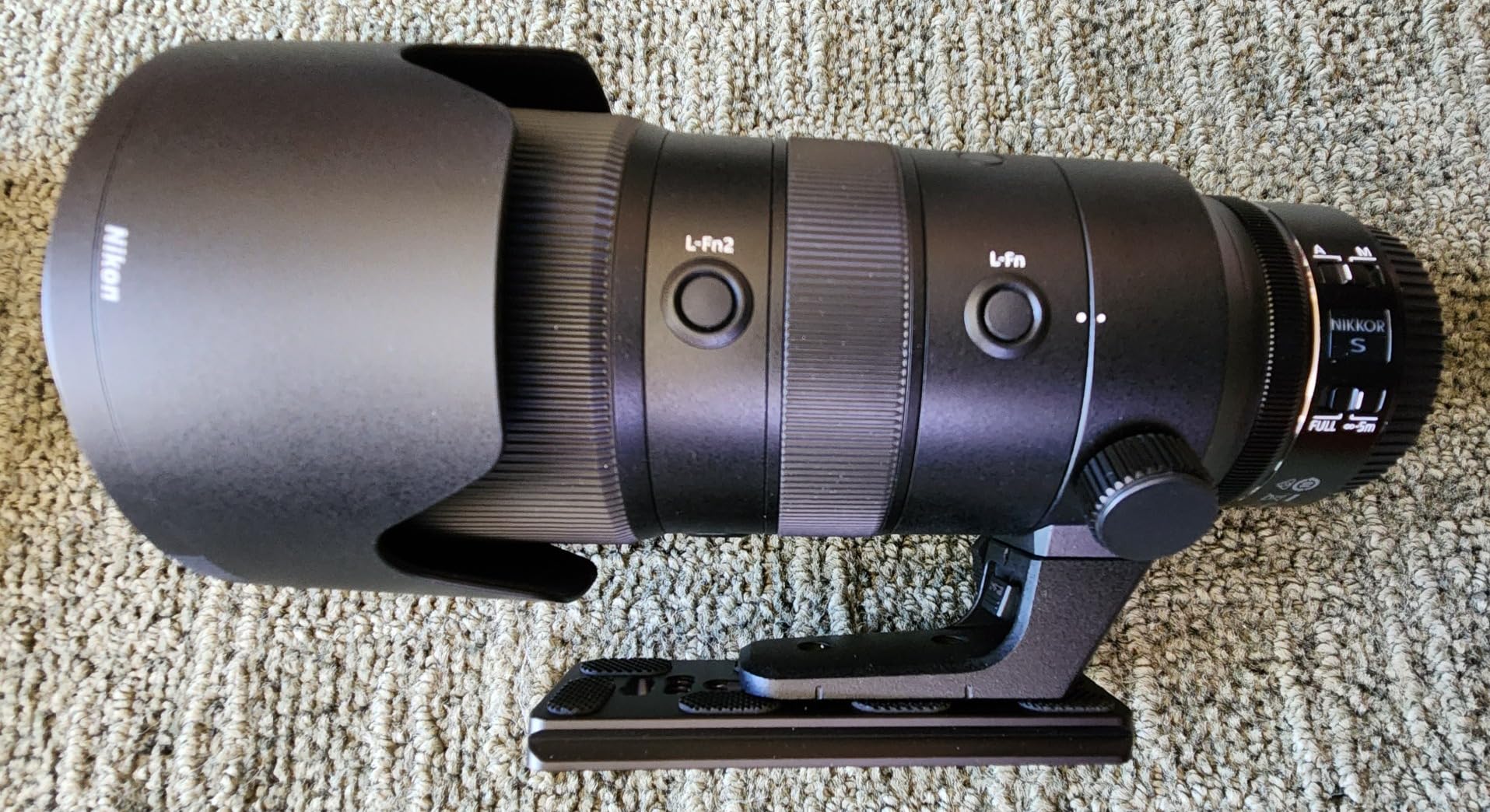
Vibration Reduction is genuinely effective, letting me get sharp handheld shots at shutter speeds I wouldn’t attempt with older gear.
Autofocus on the Z8 and Z9 is lightning-fast, making this combo devastating for sports and wildlife photography.
The internal zoom design means the lens doesn’t extend when zooming, maintaining balance and keeping dust out of the internals.
Who Should Buy?
Sports photographers, wildlife shooters, and wedding photographers who need reliable telephoto performance.
Who Should Avoid?
Those who find the weight prohibitive or don’t need f/2.8 constant aperture for their photography.
7. NIKKOR Z MC 105mm f/2.8 VR S – Best Macro Lens
Nikon NIKKOR Z MC 105mm f/2.8 VR S | Professional macro prime lens for Z series mirrorless cameras | Nikon USA Model
Pros
- True 1:1 magnification
- Excellent sharpness
- Effective VR stabilization
- Doubles as portrait lens
- Weather sealed
Cons
- Focus by wire only
- Some focus breathing reported
- Not suitable for manual focus purists
This macro lens reveals hidden worlds with stunning clarity.
The 1:1 life-size magnification ratio means you can fill your frame with subjects as small as a coin while maintaining incredible detail.

At 105mm, the working distance is generous enough that you won’t scare away skittish insects or block your own light.
The f/2.8 aperture isn’t just for macro work; this lens doubles as an excellent portrait optic with flattering compression.
Vibration Reduction works beautifully combined with in-body stabilization, making handheld macro shooting surprisingly feasible.
Who Should Buy?
Macro photographers, product shooters, and anyone who wants to explore close-up photography with professional results.
Who Should Avoid?
Photographers who prefer mechanical manual focus or don’t shoot macro subjects.
8. NIKKOR Z 24-200mm VR – Best Travel Superzoom
Pros
- Massive 8.3x zoom range
- Lightweight and compact
- Good optical quality
- Built-in VR
- Great value for travel
Cons
- Variable aperture limits low light
- Soft at 200mm when cropped
- Not S-line optical quality
This all-in-one zoom is the ultimate travel companion for photographers who want to pack light.
The 24-200mm range covers virtually any situation you’ll encounter while traveling, from wide landscapes to distant wildlife.

At just 571 grams, it’s light enough to carry all day without fatigue.
Image quality is surprisingly good for a superzoom, with decent sharpness throughout most of the range.
The built-in Vibration Reduction works well for handheld shooting, giving you an extra stop or two of flexibility in marginal light.
Who Should Buy?
Travel photographers, hikers, and anyone who values convenience and versatility over ultimate optical quality.
Who Should Avoid?
Professionals who need consistent apertures and maximum sharpness, or low-light specialists.
9. NIKKOR Z 24-120mm f/4 S – Best All-in-One S-Line
Pros
- S-Line optical quality
- Constant f/4 aperture
- Excellent sharpness
- Close focus at any zoom
- Great travel companion
Cons
- f/4 limits vs f/2.8 options
- Not for specialized pro use
- Some expected VR confusion
This lens bridges the gap between convenience and professional quality.
The S-Line designation means you’re getting genuine optical excellence, not just decent performance from a superzoom.

Constant f/4 aperture maintains exposure consistency throughout the zoom range, which is crucial for predictable shooting.
Sharpness is excellent across the frame, making this a viable option for professional work when you need flexibility.
The 630-gram weight is reasonable for this range, and it balances well on full-frame Z bodies.
Who Should Buy?
Travel photographers and enthusiasts who want better quality than the 24-200mm but don’t need f/2.8.
Who Should Avoid?
Those who shoot primarily in low light or need maximum subject separation from fast apertures.
10. NIKKOR Z 180-600mm f/5.6-6.3 VR – Best Wildlife Value
Pros
- Incredible reach for price
- Excellent VR performance
- Internal zoom design
- Teleconverter compatible
- Quick release foot
Cons
- Heavy at 4.7 lbs
- Variable aperture
- Some softness at 600mm
- Limited availability
This lens made wildlife photography accessible to a much wider audience.
At around half the price of professional telephotos, the 180-600mm delivers impressive performance that surprised many critics.
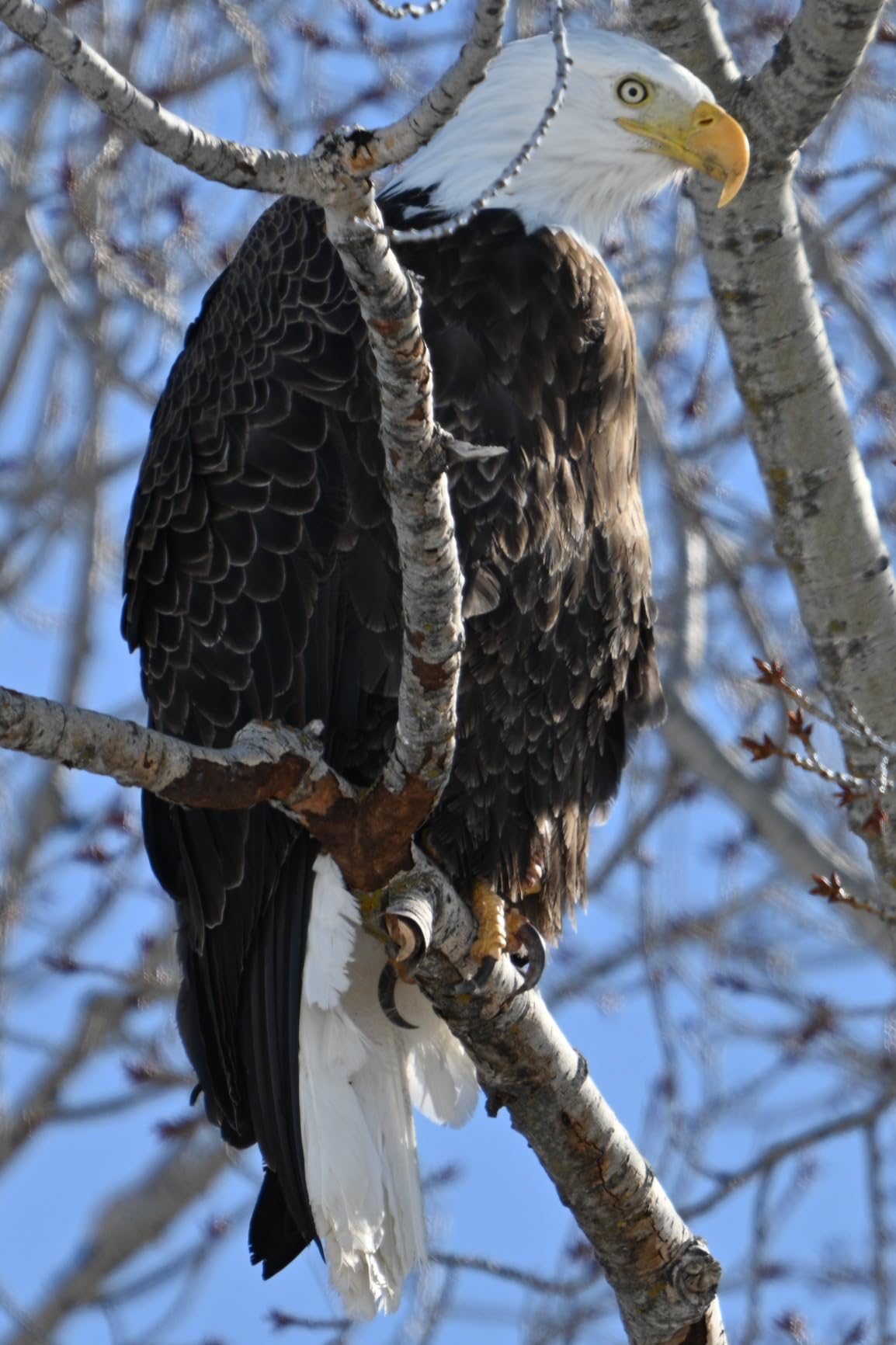
The 5.5-stop VR is genuinely effective, making handheld shooting at 600mm surprisingly feasible in good light.
Internal zoom maintains balance and prevents dust from being sucked into the lens barrel.
Compatibility with Z teleconverters extends your reach to 840mm or 1200mm for extreme wildlife situations.
Who Should Buy?
Wildlife enthusiasts, sports photographers, and anyone who needs long reach without professional telephoto prices.
Who Should Avoid?
Those who find the weight prohibitive or need f/4 or faster apertures for low-light action.
11. NIKKOR Z 14-30mm f/4 S – Best Wide-Angle for Filters

Nikon NIKKOR Z 14-30mm f/4 S | Premium constant aperture wide-angle zoom lens for Z series mirrorless cameras | Nikon USA Model
Pros
- Accepts standard 82mm filters
- Ultra lightweight at 485g
- Sharp across the frame
- Retractable design compact
- Excellent flare resistance
Cons
- Significant distortion at 14mm
- Requires software correction
- f/4 limits vs f/2.8 options
This lens solved the filter compatibility problem that plagued earlier ultra-wide zooms.
The 82mm filter thread is genuinely revolutionary, letting you use standard circular polarizers and ND filters without expensive filter holders.

At 485 grams, it’s incredibly light for an ultra-wide zoom, making it a joy to carry on landscape hikes.
The retractable design collapses it down to just 3.5 inches, saving precious space in your camera bag.
Optical quality is excellent, with sharpness that holds up well even at the wide end after software correction.
Who Should Buy?
Landscape photographers who use filters regularly, travel photographers who prioritize weight savings, and astrophotographers on a budget.
Who Should Avoid?
Those who need f/2.8 for low-light work or prefer not to rely on software distortion correction.
12. Tamron 28-75mm f/2.8 Di III VXD G2 – Best Third-Party Value

Tamron 28-75mm F/2.8 Di III VXD G2 for Nikon Z Mount Mirrorless Cameras (6 Year Limited USA Warranty)
Pros
- Sharp when you get a good copy
- Lightweight for f/2.8 zoom
- Fast VXD autofocus
- Excellent close focus
- 6-year USA warranty
Cons
- Some QC issues reported
- Vignetting at 28mm
- Focus ring placement issues
- Colors may differ from Nikon
This Tamron brings f/2.8 zoom performance to a much more accessible price point, making it an appealing option for photographers who want a versatile lens to complement some of the best Nikon Z lenses without stretching their budget.
The VXD linear motor autofocus is fast and quiet, performing well on both stills and video.

At 550 grams, it’s notably lighter than Nikon’s own 24-70mm f/2.8 S, making it easier to carry all day.
The 1:2.7 maximum magnification gives you respectable close-up capability, more than most standard zooms offer.
Some users report quality control issues, so buying from a retailer with easy returns is recommended.
Who Should Buy?
Budget-conscious photographers who want f/2.8 performance without the Nikon premium price.
Who Should Avoid?
Professionals who need absolute reliability and consistent color matching with other Nikon lenses.
Understanding Nikon Z Mount Lenses
The Nikon Z mount represents a fundamental shift in lens design compared to the F-mount system that served Nikon DSLRs for decades.
With a 16mm shorter flange distance and 55mm throat diameter, the Z mount allows for optical designs that simply weren’t possible before.
This larger mount enables wider apertures, sharper corners, and more compact lens designs despite the improved optical performance.
S-Line lenses represent Nikon’s premium tier, featuring the highest optical quality, weather sealing, and build standards.
Non-S-Line lenses still offer excellent performance but may make different tradeoffs in aperture, build materials, or weather resistance.
How to Choose the Best Nikon Z Lens In 2026?
Choosing the right lens depends on understanding your photography needs and budget constraints.
Solving for Versatility: Consider Standard Zooms
If you can only own one lens, a standard zoom in the 24-70mm or 24-120mm range gives you the most flexibility.
The f/2.8 S-Line zooms deliver professional quality but come with professional weight and cost.
The f/4 constant aperture options strike a balance between performance and portability that works well for most enthusiasts.
Solving for Low Light: Look for Wide Apertures
Fast f/1.8 or f/2.8 primes let you shoot in dim conditions without resorting to high ISOs that degrade image quality.
The 50mm f/1.8 S and 85mm f/1.8 S offer excellent low-light performance at relatively affordable prices.
Remember that in-body image stabilization on Z cameras helps, but it can’t freeze subject motion like a wide aperture can.
Solving for Travel: Prioritize Weight and Range
Travel photography demands a different set of compromises, often favoring versatility over ultimate optical quality.
The 24-200mm VR covers every focal length you might need while keeping weight reasonable.
The 24-120mm f/4 S offers better image quality for those willing to carry slightly more weight.
Solving for Specialized Photography
Landscape photographers benefit from ultra-wide zooms like the 14-24mm or 14-30mm for dramatic perspectives.
Wildlife shooters need the reach of telephotos like the 180-600mm or compatibility with teleconverters.
Macro and product photographers require 1:1 magnification capabilities that only dedicated macro lenses provide.
Solving for Budget: Third-Party Options
Tamron and Viltrox offer compelling alternatives to Nikon’s first-party lenses, often at 40-60% of the cost.
These lenses may have quirks like color rendering differences or quality control variations, but the optical performance is often excellent.
For photographers starting out or building a kit on a budget, third-party options can be a smart way to assemble a versatile lens collection.
Frequently Asked Questions
Which Nikon Z lens should I buy first?
The Nikon Z 50mm f/1.8 S is the best first lens for most photographers. It offers exceptional optical quality at an affordable price, works for multiple genres from portraits to street photography, and is lightweight enough for daily carry. If you need zoom versatility, the 24-120mm f/4 S is an excellent all-in-one choice.
What is the best portrait lens for Nikon Z?
The Nikon Z 85mm f/1.8 S is the best portrait lens for most photographers. It offers beautiful bokeh, flattering compression, and is sharp wide open. The 85mm f/1.2 S is better for low-light and maximum subject separation, but costs significantly more. The 50mm f/1.8 S also works well for environmental portraits and tighter spaces.
What is the best wide-angle lens for Nikon Z?
For ultimate quality, the Nikon Z 14-24mm f/2.8 S is unmatched, with corner-to-corner sharpness and f/2.8 for astrophotography. For most photographers, the 14-30mm f/4 S is the better choice, offering excellent optics in a lighter package with standard 82mm filter compatibility.
Are third-party lenses good for Nikon Z?
Tamron and Viltrox offer excellent third-party options for Nikon Z. Tamron’s 28-75mm f/2.8 G2 delivers professional performance at a much lower price than Nikon’s 24-70mm f/2.8 S. Viltrox primes like the 50mm and 85mm f/1.8 provide budget-friendly alternatives. Quality control can vary, but good copies perform very well.
What is the best travel lens for Nikon Z?
The Nikon Z 24-200mm VR is the best all-in-one travel lens, covering every focal length from wide to telephoto in a compact 571-gram package. For better image quality, the 24-120mm f/4 S offers professional optics with a slightly shorter reach. Both feature vibration reduction for handheld shooting.
What is the best lens for wildlife photography on Nikon Z?
The Nikon Z 180-600mm f/5.6-6.3 VR is the best value wildlife lens, offering impressive reach at around half the price of professional telephotos. It’s compatible with Z teleconverters for even more reach. For professionals, the 400mm f/4.5 VR S and 600mm f/6.3 VR S offer ultimate quality at much higher prices.
Should I buy f/2.8 or f/4 zoom lenses?
Choose f/2.8 if you shoot in low light, need subject separation, or photograph action where shutter speed matters. The f/2.8 lenses are heavier and more expensive. Choose f/4 if you value weight savings, shoot primarily in good light, or want better value. The f/4 S-Line lenses still deliver excellent quality for most applications.
What lenses do professionals use with Nikon Z?
Professionals typically use the f/2.8 S-Line zoom trinity: 14-24mm, 24-70mm, and 70-200mm. These deliver consistent quality, weather sealing, and reliable performance. Portrait photographers often add the 85mm f/1.2 S or 85mm f/1.8 S. Wildlife pros use the 180-600mm with teleconverters or the exotic 400mm and 600mm primes.
Final Recommendations
After testing and shooting with the Nikon Z system extensively, I’m convinced it offers one of the most complete lens lineups available today.
Start with the 50mm f/1.8 S if you’re building your first kit, as it’s often considered one of the best Nikon Z lenses for beginners, then expand based on your specific photography interests.
The investment in quality glass pays dividends in image quality that lasts for years, far outlasting camera body upgrades.