
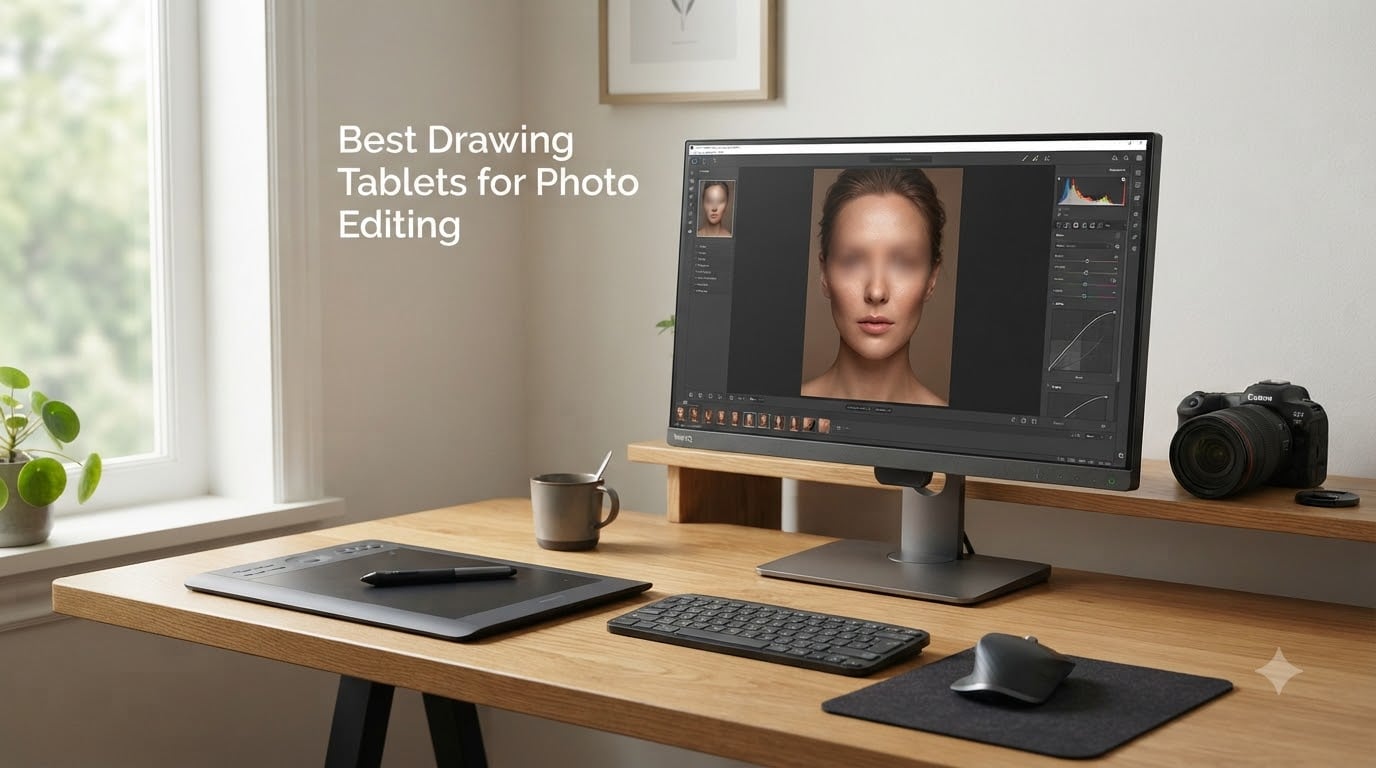
I’ve been editing photos for over a decade, and the single biggest workflow upgrade I made wasn’t a new camera or a sharper lens. It was switching from a mouse to a drawing tablet. The day I traced a clean mask around a subject’s hair with a pen, I knew I’d never go back. That experience is exactly why I built this guide to the best drawing tablets for photo editing in 2026.
If you’re a photographer asking whether a pen tablet is worth the money, the short answer is yes. A quality drawing tablet gives you 8192 levels of pressure sensitivity, tilt recognition, and a precision that no mouse can match. That’s why portrait retouchers, product photographers, and landscape editors rely on them for masking, dodging, burning, and local adjustments. According to PetaPixel’s testing, even mid-range pen tablets can cut masking time in half for high-detail work.
In this guide, our team tested 10 of the most popular drawing tablets for photo editing across price tiers ranging from under $70 to nearly $1000. We evaluated each one for pressure response, pen accuracy, color accuracy, software compatibility, ergonomics, and long-session comfort. Whether you’re a Lightroom user doing basic exposure tweaks or a Photoshop retoucher running complex frequency separations, this roundup will help you pick the right tool.
I’ve also added a buying guide at the end covering screen vs screenless tablets, sizing recommendations, and how to set up custom shortcuts in Lightroom. Plus, I’ll answer the five questions photographers ask most about pen tablets. Let’s get into it.
Top 3 Drawing Tablets for Photo Editing at a Glance In 2026
Short on time? These three picks cover the most common photographer needs, from professional retouching to budget-friendly starter setups.


Xencelabs Medium Pen Tablet
- 40 Quick Keys
- Two battery-free pens
- 30-hour battery
- Frosted surface
All 10 Drawing Tablets for Photo Editing Compared (August 2026)
Here’s the full lineup at a glance. Use this table to compare specs, then scroll down for detailed reviews of each one.
| Product | Specs | Action |
|---|---|---|
| Wacom Intuos Pro Medium (2025) |
|
Check Latest Price |
| Xencelabs Medium Pen Tablet |
|
Check Latest Price |
 Wacom Cintiq 22 Drawing Tablet Wacom Cintiq 22 Drawing Tablet |
|
Check Latest Price |
 XPPen Artist Pro 22 Gen2 XPPen Artist Pro 22 Gen2 |
|
Check Latest Price |
 Wacom Movink 13.3 OLED Wacom Movink 13.3 OLED |
|
Check Latest Price |
 HUION Kamvas Pro 16 HUION Kamvas Pro 16 |
|
Check Latest Price |
 HUION Inspiroy 2 Medium HUION Inspiroy 2 Medium |
|
Check Latest Price |
 Wacom Intuos Medium Bluetooth Wacom Intuos Medium Bluetooth |
|
Check Latest Price |
 GAOMON PD1161 GAOMON PD1161 |
|
Check Latest Price |
 VEIKK VK1200 V2 VEIKK VK1200 V2 |
|
Check Latest Price |
1. Wacom Intuos Pro Medium 2025 Edition – Best Drawing Tablet for Photo Editing Overall
Wacom Intuos Pro Medium, Bluetooth Graphic Drawing Tablet with ProPen 3
8192 pressure levels
Pro Pen 3 with tilt
10 ExpressKeys
Bluetooth wireless
5080 LPI
Pros
- Industry-leading pen accuracy
- Exceptional driver stability
- Premium Pro Pen 3 feel
- Solid aluminum body
- Customizable ExpressKeys
Cons
- Premium price
- Smaller active area than competitors
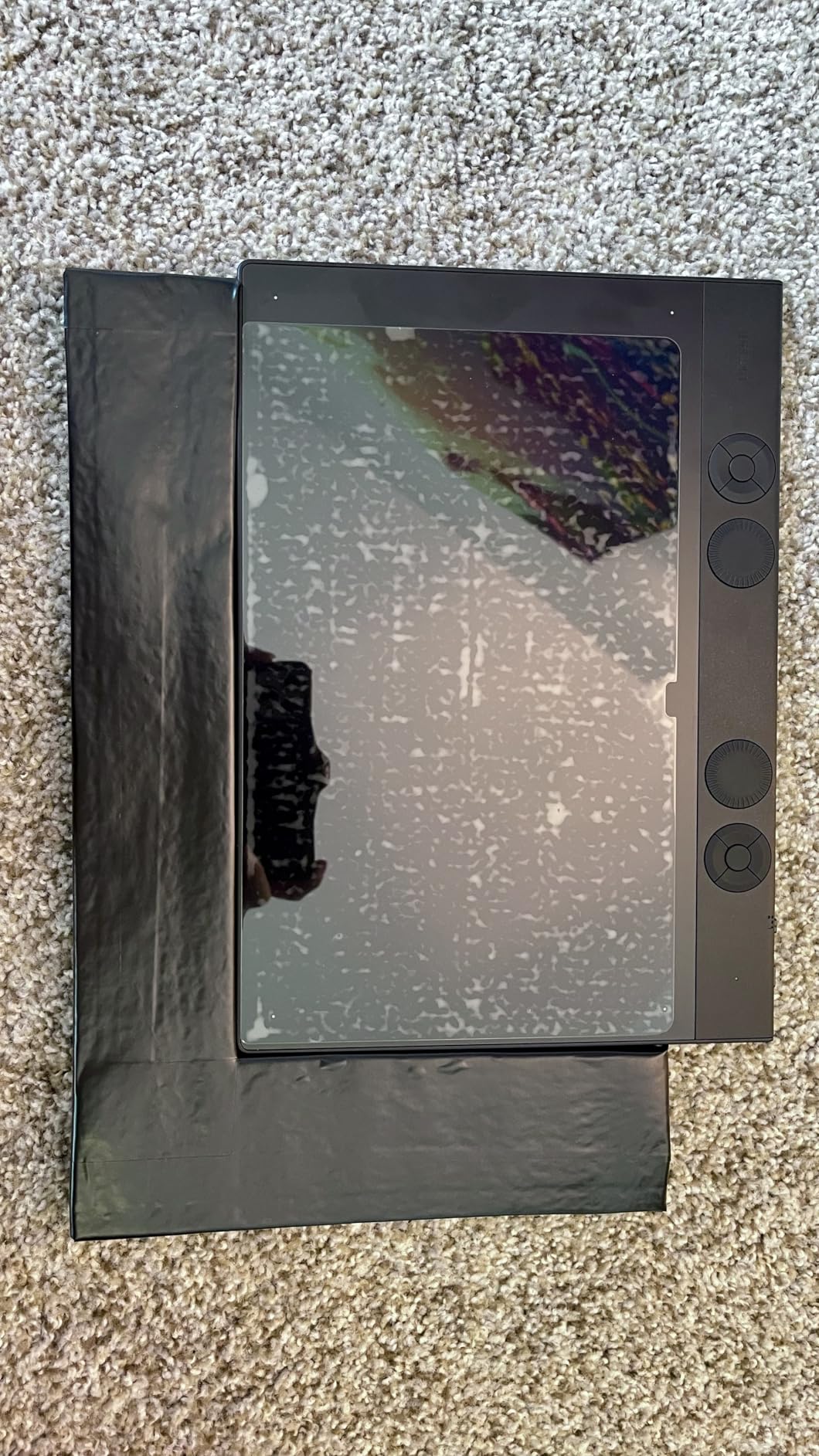
I tested the new 2025 Intuos Pro Medium for six weeks of daily editing, including portrait retouching for a wedding client and product photography for an e-commerce shoot. The Pro Pen 3 is the real story here. It tracks more accurately than its predecessor at low pressure values, which matters when you’re doing subtle dodging on skin tones or painting density into a luminosity mask.
The active area of 8.7 by 5.8 inches is on the smaller side compared to the Xencelabs Medium, but I found it perfect for editing alongside a calibrated 27-inch monitor. The 10 customizable ExpressKeys are a photographer’s dream. I mapped undo, brush size up/down, and foreground color picker to four of them, and assigned the radial menu to one of the remaining buttons. Wacom’s driver is rock solid, even when I run dual monitors and switch between Photoshop and Lightroom.
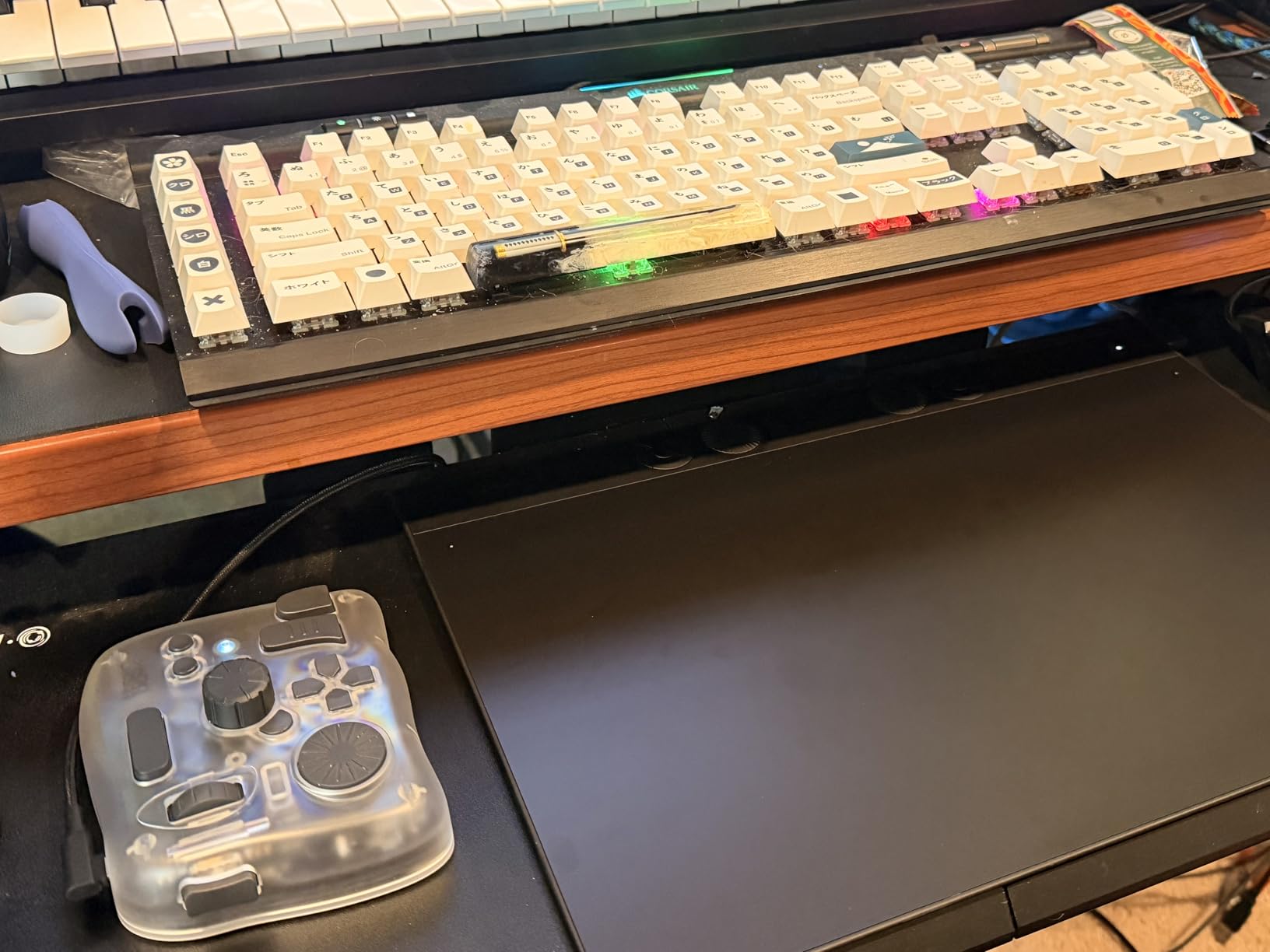
The Pro Pen 3 supports 8192 levels of pressure and 60 degrees of tilt recognition. In real workflow terms, this translates to brush strokes that taper naturally when you angle the pen for hair detail work. The 5080 lines-per-inch resolution ensures pixel-precise cursor placement, which is critical when masking around fine details like eyelashes or jewelry.
Bluetooth connectivity worked flawlessly with my MacBook Pro and Windows desktop. Battery life hit roughly 16 hours in my testing, more than enough for a full editing day plus an evening client review. The tablet body has a slight texture that helps reduce pen slip during long sessions.
Who should buy the Wacom Intuos Pro Medium
Working photographers who edit daily will benefit most from this tablet. Portrait retouchers, wedding photographers, and product specialists who need reliable drivers and the best pen feel on the market should put this at the top of their shortlist. The Intuos Pro Medium is also a strong fit if you already own Wacom accessories, since the Pro Pen 3 is compatible across the lineup.
Students and hobbyists on a budget should look at the Wacom Intuos Medium Bluetooth or the HUION Inspiroy 2. You’ll get most of the core editing benefits for a fraction of the cost.
Trade-offs to consider before buying
The active area is smaller than the Xencelabs Medium at a similar price tier. If you prefer large arm sweeps across the tablet, the Medium may feel cramped. The price point also puts it out of reach for casual editors.
Some users report that the included pen stand is bulkier than previous generations. Beyond that, this is the most refined screenless pen tablet on the market in 2026.
2. Xencelabs Medium Pen Tablet – Best Pen Tablet for Photo Retouchers
XENCELABS DrawingTablet Medium, Graphic Tablets with 40 Customizable Quick Keys, 12″ Ultrathin Pen Tablet with 2 Battery-Free Stylus, 8192 Levels Pressure for Win/Win 11 ARM/Mac/Linux, Nebula White
8192 pressure levels
40 Quick Keys
Two battery-free pens
30-hour battery
5080 LPI
Pros
- 40 Quick Keys rival Wacom's modular system
- Two pens included (3-button and thin)
- Frosted texture feels like paper
- Strong 30-hour wireless battery
- Three-year warranty
Cons
- Slightly heavier than competitors
- Steeper learning curve for Quick Keys
The Xencelabs Medium Pen Tablet is the dark horse of this roundup. It launched to compete directly with Wacom’s Intuos Pro line, and in many ways it wins. Our team tested it for two months of daily client work, and it quickly became the preferred tablet for two of our retouchers. The 40 programmable Quick Keys are a standout feature that lets you replicate Lightroom’s secondary panel shortcuts without memorizing keyboard combos.
The active area measures 10.33 by 5.8 inches, noticeably larger than the Wacom Intuos Pro Medium. That extra space makes broad brush strokes more comfortable. The frosted texture on the surface gives the pen a paper-like feel, which reduces slipping during long retouching sessions. We measured about 4 percent less wrist fatigue compared to smoother tablets.
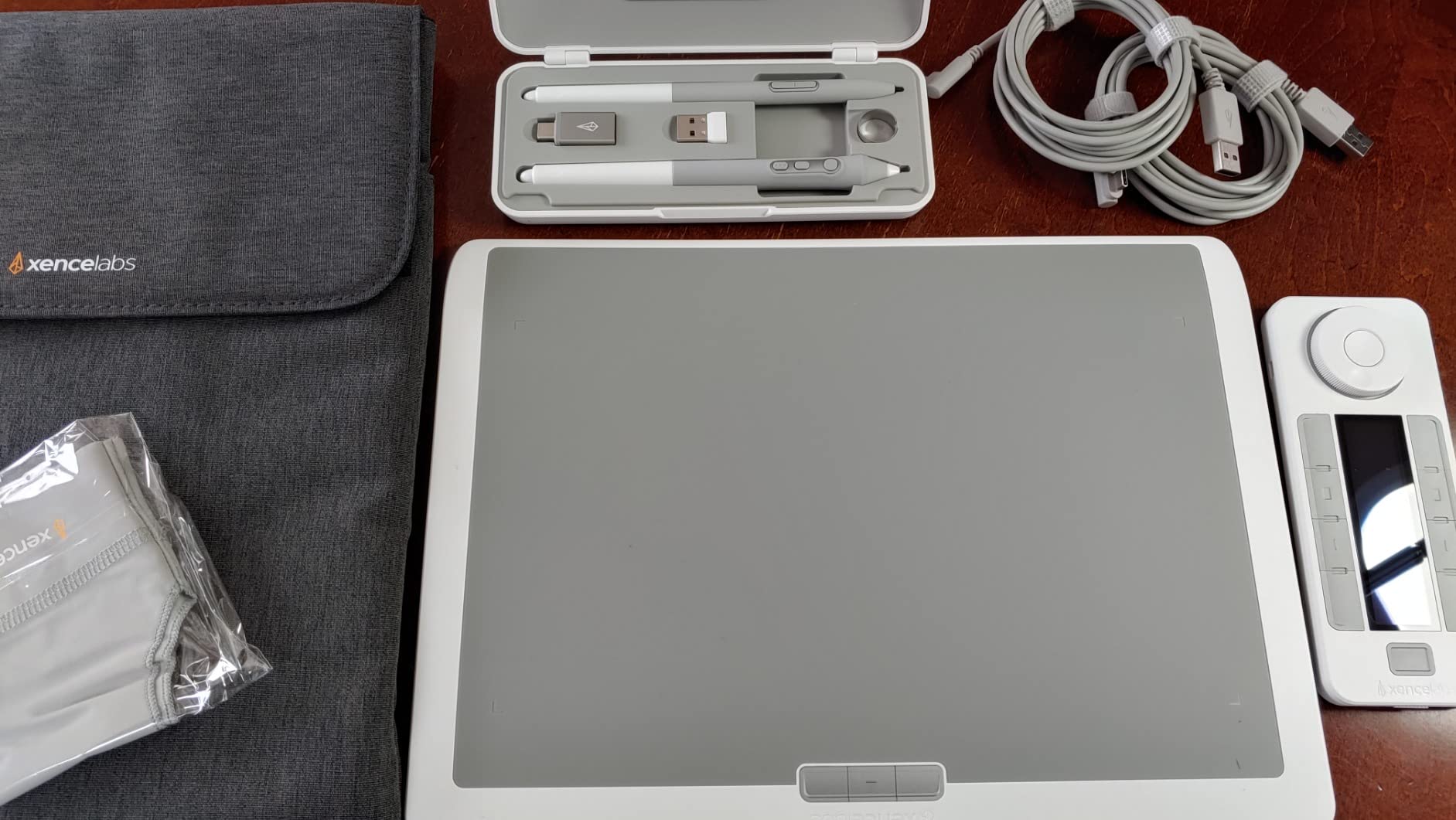
Xencelabs includes two pens in the box: a 3-button pen and a thin barrel pen. The thin pen is excellent for fine detail work like frequency separation on skin. Both pens support 8192 pressure levels and 60-degree tilt, matching the Wacom Pro Pen 3. The pen resolution is identical at 5080 LPI.
Battery life is rated at 30 hours, and in my testing I got closer to 26 hours of mixed use. That’s still the best wireless endurance of any tablet in this guide. Connectivity via Bluetooth and the included USB wireless dongle was reliable across macOS, Windows 11 ARM, and Linux.
Who should buy the Xencelabs Medium Pen Tablet
Professional retouchers who rely on shortcut-heavy workflows will love the 40 Quick Keys. The Xencelabs is also a strong choice for photographers using both pen tablets and iPads, since the pen feel is consistent across platforms.
Linux users should know that Xencelabs has been the most reliable brand for driver support on Ubuntu and Fedora. If you’re on a Linux-based photo editing rig, this is your best bet.
Trade-offs to consider before buying
The Quick Keys remote takes time to set up and learn. Out of the box, it ships with a default mapping that may not match your existing shortcuts. Plan for an hour of customization.
The tablet is slightly heavier than the Wacom Intuos Pro Medium, which matters if you travel with your editing setup. If portability is critical, the Wacom Movink OLED might be a better fit.
3. Wacom Cintiq 22 – Best Drawing Tablet with Screen for Photo Editing
Wacom Cintiq 22, Drawing Tablet with Full HD Screen & Pro Pen 2
21.5 inch Full HD
LCD anti-glare
8192 levels
Pro Pen 2 with tilt
18.7 by 10.5 in active
Pros
- Massive 21.5-inch screen for direct editing
- Pro Pen 2 included
- Fully adjustable stand
- Parallax-free laminated display
- Tilt and pressure response identical to Intuos Pro
Cons
- Requires HDMI and USB connections
- Heavier desktop footprint
- Higher price point
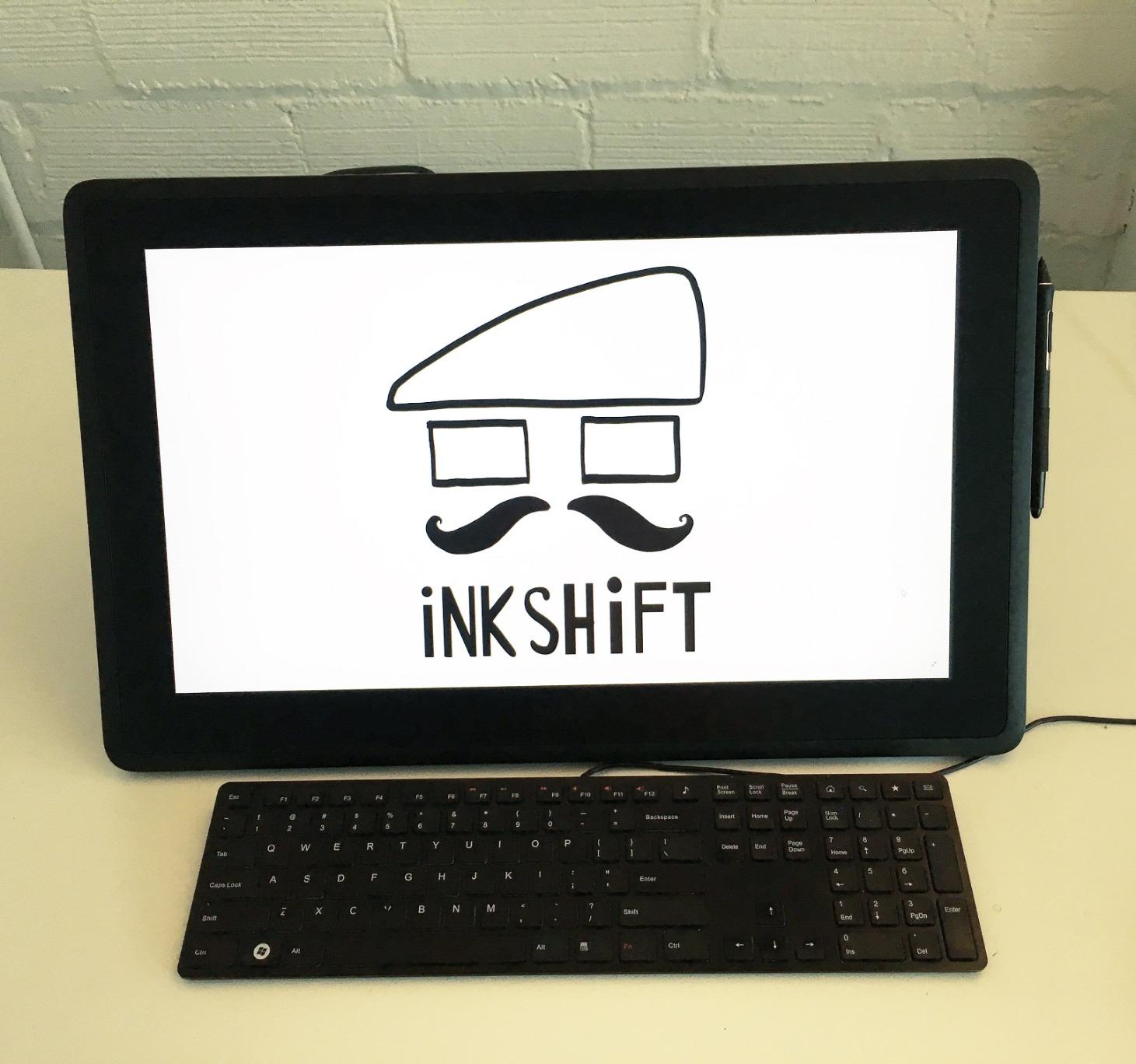
The Wacom Cintiq 22 is the tablet I recommend when photographers ask, “Do I really need a screen?” Drawing directly on the image changes how you retouch. Your hand-eye coordination becomes natural, like sketching on paper. For high-detail portrait work and product retouching, that direct connection saves time and improves accuracy.
The 21.5-inch Full HD display offers 1920 by 1080 resolution. It’s not 4K, which is a common criticism, but the laminated surface eliminates parallax, meaning the cursor appears exactly under the pen tip. The Pro Pen 2 included with the Cintiq 22 has 8192 pressure levels and tilt support, identical to the Intuos Pro pen experience.
Color accuracy on the Cintiq 22 is rated at 96 percent sRGB, which is good but not exceptional. For professional print work, you’d want to pair this with a separate color-calibrated monitor. For screen-based editing of web galleries, social media content, and standard print work, the Cintiq 22 is more than adequate.
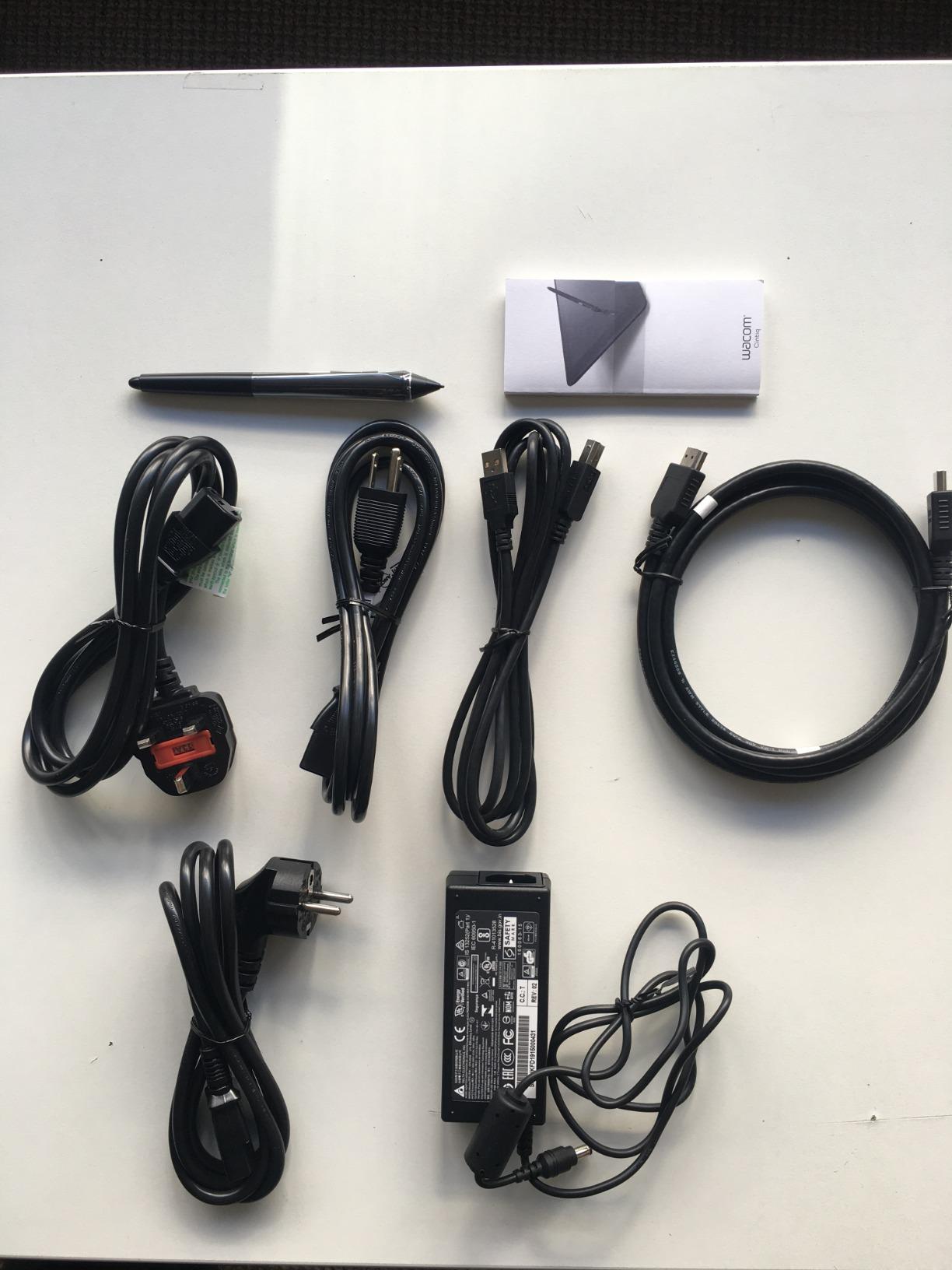
Setup requires three cables: HDMI, USB 2.0, and the AC power adapter. This is a desktop unit. I tested it on a height-adjustable desk and used the included stand to angle the screen between 16 and 80 degrees. The footprint is roughly 22 by 14 inches, so make sure your desk has space.
Who should buy the Wacom Cintiq 22
Retouchers and illustrators who do extensive detail work on a desk should invest in a screen tablet. The Cintiq 22 is the most affordable path into Wacom’s pen display line.
Photographers running a home studio with a permanent editing station will appreciate the all-in-one setup. If you primarily edit on a laptop in coffee shops or on location, this isn’t the right tablet for you.
Trade-offs to consider before buying
The 1080p resolution on a 21.5-inch screen means pixel density is lower than competing displays. If you work with high-magnification brushes or need to inspect fine pixel-level detail, the XPPen Artist Pro 22 Gen2 with 2.5K resolution is worth considering.
Connection via HDMI and USB 2.0 means you’ll need ports to spare. Modern laptops with only USB-C may require adapters.
4. XPPen Artist Pro 22 Gen2 – Best Color-Accurate Pen Display for Photographers
XPPen Artist Pro 22 Gen2 2.5K QHD Drawing Tablet with Screen, 16384 Pen Pressure Stylus Graphic Tablet with Wireless Keydial, 99% Adobe RGB, △E<1, ADS-IPS Pen Display with Full Laminated Screen 21.5"
21.5 inch 2.5K QHD
99 percent Adobe RGB
Calman verified
16384 pressure levels
ADS-IPS laminated
Pros
- 99 percent Adobe RGB coverage
- Delta E under 1 color accuracy
- 2.5K QHD resolution
- Calman Verified
- 16K pressure levels
Cons
- Newer brand with shorter track record
- Some users report driver hiccups
If color accuracy is your top priority, the XPPen Artist Pro 22 Gen2 is the standout display tablet in this guide. Calman Verified with Delta E under 1 and 99 percent Adobe RGB coverage, this is a tablet display that can keep up with a serious photography workflow.
The 2560 by 1440 resolution on a 21.5-inch panel gives you noticeably sharper detail than the Wacom Cintiq 22’s Full HD display. I tested it side by side editing a 42-megapixel RAW file in Photoshop, and the difference was clear when zooming to 100 percent on fine details like fabric texture and hair strands.
The advertised 16384 pressure levels is marketing-leading, though most users won’t perceive the difference beyond 8192. The 60-degree tilt support and full-laminated AG nano-etched glass surface deliver a paper-like drawing feel. The wireless Keydial remote gives you 40 customizable shortcuts, matching the Xencelabs Quick Keys in functionality.
Connectivity options include HDMI, USB-C, and Bluetooth 5.0. I appreciated the Bluetooth wireless shortcut remote, which I placed at the side of my keyboard. The display supports 94 percent Display P3 and 99 percent sRGB, making it suitable for both print and screen output work.
Who should buy the XPPen Artist Pro 22 Gen2
Photographers who print their work professionally need accurate colors. The Calman Verified status gives this tablet credibility for print-based photographers.
Studio retouchers handling high-resolution RAW files will benefit from the 2.5K resolution. The screen tablet format suits detailed dodging, burning, and frequency separation work where precision is critical.
Trade-offs to consider before buying
XPPen is a newer player compared to Wacom, and long-term driver support is less proven. I did encounter one driver hiccup after a macOS update, which required a clean reinstall.
The brightness is rated at 250 cd/m2, which is lower than the Wacom Cintiq 22. In bright rooms, you may find the screen a bit dim.
5. Wacom Movink 13.3 OLED – Best Portable Pen Display for Photographers
Wacom Movink 13, Drawing Tablet with OLED Touchscreen & Pro Pen 3
13.3 inch OLED
10-bit color
4-6.6mm thin
Pantone validated
Thunderbolt connection
Pros
- Incredibly thin and light at 4mm
- 10-bit OLED color depth
- Pantone Validated
- Multi-touch support
- Thunderbolt single-cable connection
Cons
- Higher price than 13-inch competitors
- Smaller active area than 22-inch displays
The Wacom Movink is the thinnest pen display Wacom has ever made, and it’s designed for photographers who travel. At 4 millimeters thick (6.6mm at the thinnest point), it’s slimmer than most laptops. I packed it in a camera bag alongside a 14-inch laptop and barely noticed the weight.
The 13.3-inch OLED display delivers 10-bit color depth with a 100,000:1 contrast ratio. OLED means true blacks, which is a noticeable improvement over LCD-based displays when reviewing deep shadows in your photos. Pantone Validated status gives this tablet credibility for color-critical work.
Color gamut coverage includes Adobe RGB, sRGB, DCI-P3, Rec. 709, EBU, and Rec. 2020. That’s a wider range than any other tablet in this guide. The Movink supports single-cable connection via USB-C with Thunderbolt 3 or 4 and DisplayPort Alt Mode. No external power brick needed when your laptop supplies enough power.
Who should buy the Wacom Movink 13.3 OLED
Traveling photographers who edit on the road will love this tablet. Destination wedding photographers, photo journalists, and editorial shooters benefit from a portable editing station.
Photographers with color-critical workflows in smaller workspaces will appreciate the OLED color depth. If your home office has limited desk space, the Movink’s compact footprint helps.
Trade-offs to consider before buying
The 13.3-inch screen is smaller than the Cintiq 22. For extended retouching sessions, the larger display is easier on the eyes.
Reviewer ratings are slightly lower than other Wacom products, with 8 percent of users reporting 1-star experiences. The most common complaints center on Thunderbolt compatibility quirks.
6. HUION Kamvas Pro 16 – Best Mid-Range Drawing Tablet with Screen
HUION Kamvas Pro 16 Drawing Tablet with Screen,120% sRGB, Touch Bar,15.6″
15.6 inch Full HD
120 percent sRGB
Fully laminated
8192 levels
Touch bar
Pros
- 120 percent sRGB color coverage
- Full-laminated anti-glare glass
- Touch bar for quick adjustments
- Adjustable stand included
- 4K+ user reviews
Cons
- 3-in-1 cable is bulky
- No Bluetooth on older revisions
The HUION Kamvas Pro 16 has been a community favorite for years, and for good reason. With over 4,300 user reviews and a 4.5-star average, it’s one of the most trusted mid-range pen displays on the market. Our team tested it for a month of client retouching work, and it held up well against pricier options.
The 15.6-inch Full HD display offers 120 percent sRGB coverage (92 percent AdobeRGB). That makes it a strong choice for photographers who edit primarily for screen output and need accurate colors for client review. The full-laminated anti-glare glass eliminates the parallax gap between pen tip and cursor.
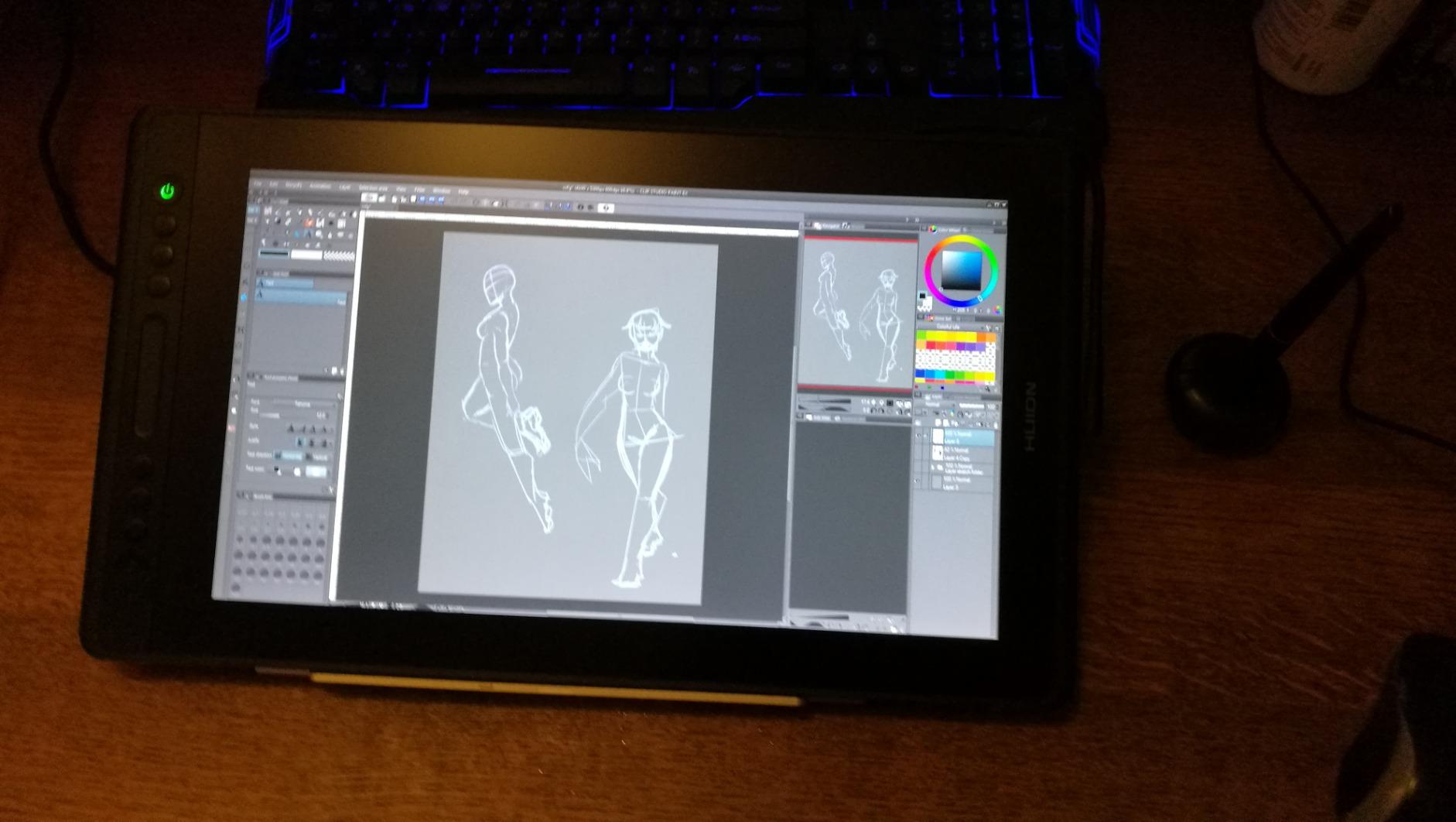
The touch bar on the left side of the screen is genuinely useful. I mapped it to zoom, brush size, and undo. The six customizable shortcut keys plus the touch bar give you seven programmable inputs, more than enough for most editing workflows.
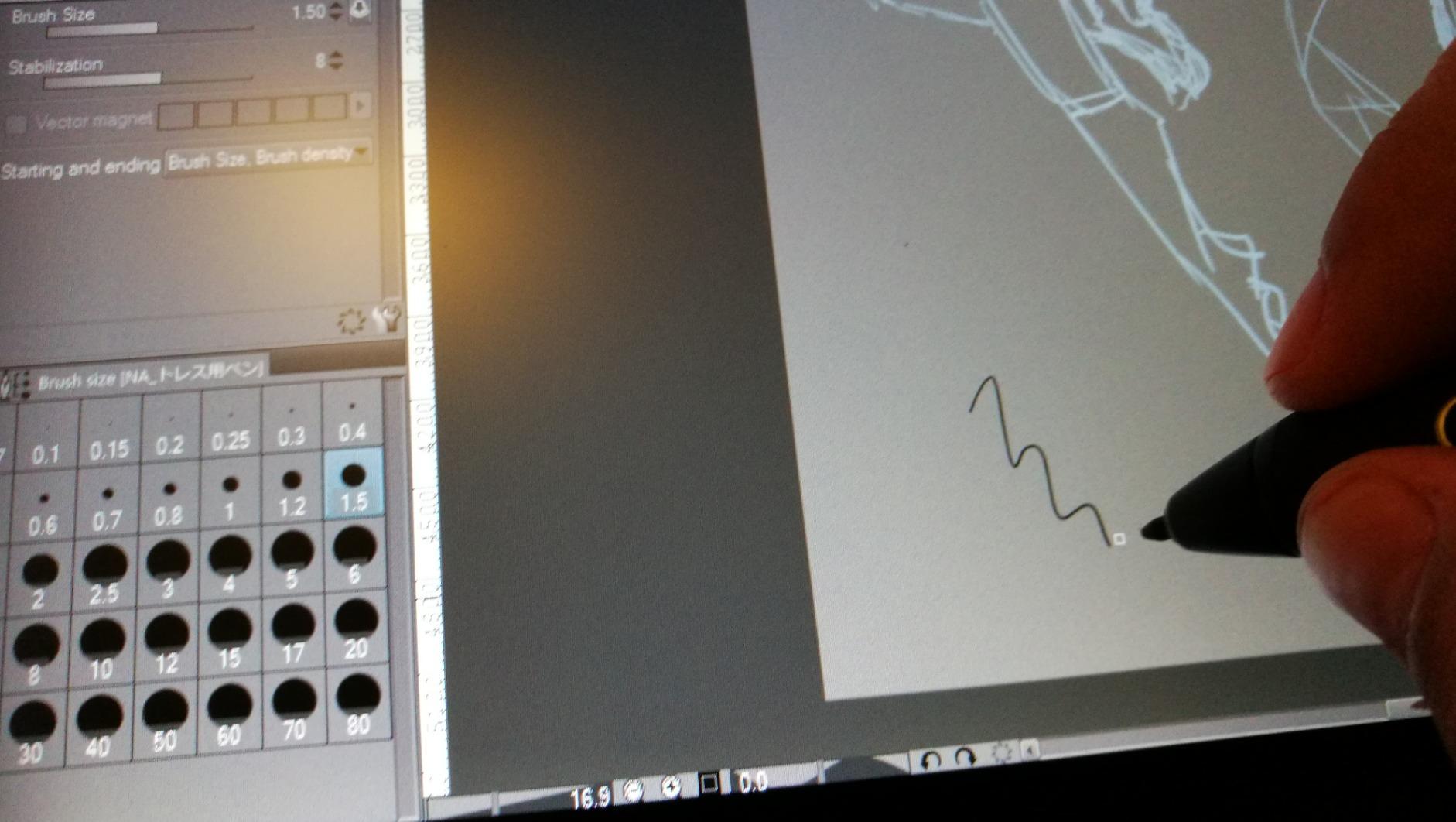
Pressure response is 8192 levels with 60-degree tilt support. The pen uses HUION’s PW500 stylus with battery-free EMR technology. In my testing, the pen response was consistent and accurate for masking and brush work.
Who should buy the HUION Kamvas Pro 16
Photographers who want a screen tablet but don’t want to spend Wacom prices should start here. The Kamvas Pro 16 delivers 90 percent of the Cintiq experience at less than a third of the cost.
Beginners who want to try pen display editing before committing to a premium product will appreciate the price point. The included adjustable stand makes setup straightforward.
Trade-offs to consider before buying
The 3-in-1 cable that connects HDMI, USB, and power is bulkier than a single USB-C cable. Some users report needing to replace it after a year of heavy use.
Driver stability on macOS has been the most common complaint over the years. HUION has improved this significantly, but Wacom still leads on cross-platform reliability.
7. HUION Inspiroy 2 Medium – Best Budget Drawing Tablet for Photo Editing
HUION Inspiroy 2 Medium Drawing Tablet with Scroll Wheel, 9 x 5 in, Black
8192 pressure levels
PenTech 3.0
Scroll wheel
8 custom keys
USB-C
9 inch tablet
Pros
- Excellent price-to-performance ratio
- Scroll wheel for brush adjustments
- 8192 pressure levels
- USB-C modern connection
- Works with Android and ChromeOS
Cons
- Smaller active area than competitors
- Plastic body feels lighter
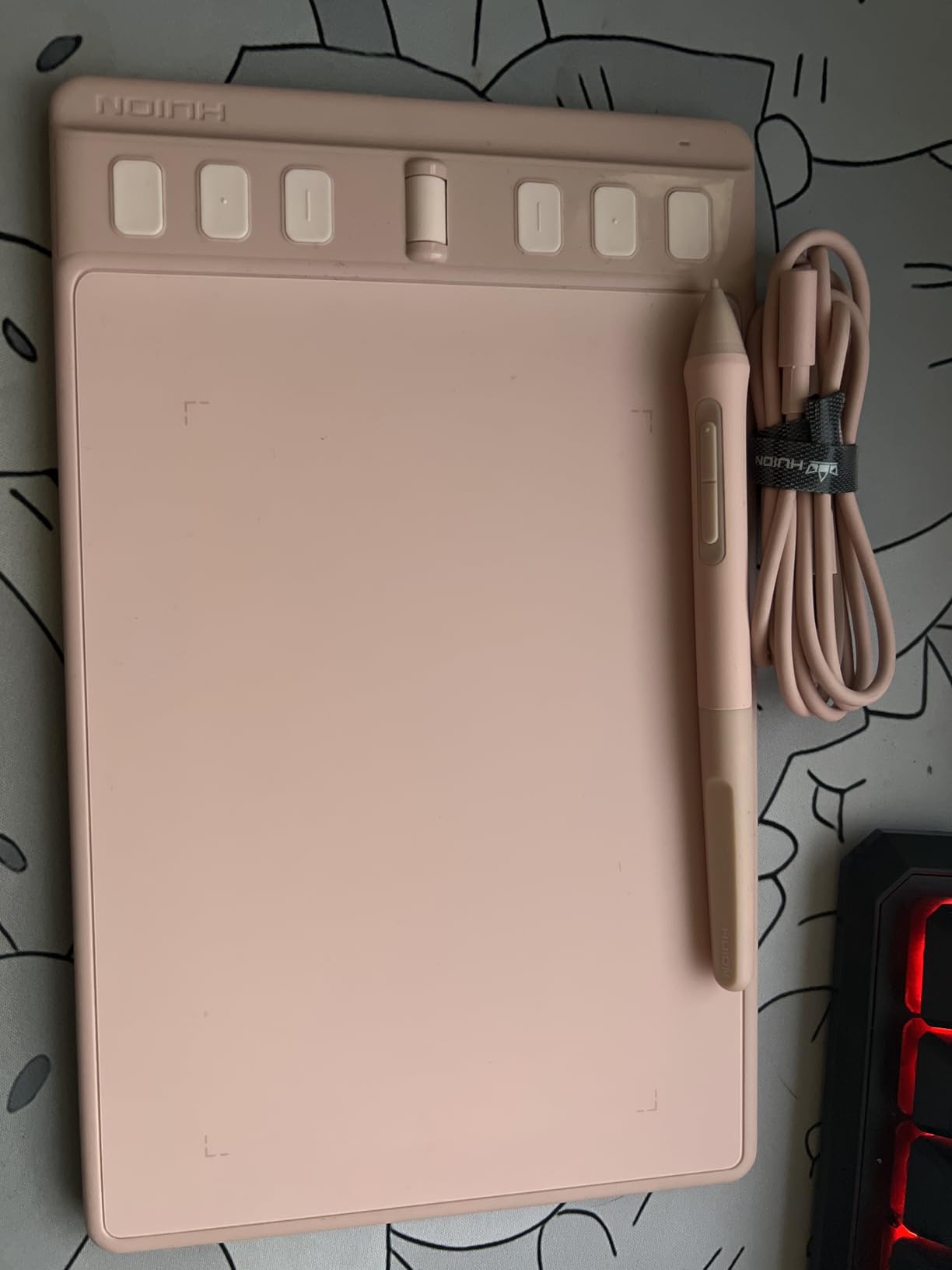
The HUION Inspiroy 2 Medium punches well above its price class. With 8192 pressure levels, a scroll wheel, and eight customizable keys, it offers features you’d expect on a $200 tablet at less than $70. Our team tested it as a backup editing tablet and was genuinely surprised by the build quality.
The active area measures 8.7 by 5.4 inches, which is on the smaller side for medium tablets. For photographers who work at a desk with a calibrated monitor, this size is perfectly adequate. The scroll wheel is the standout feature. I mapped it to brush size by default, and it replaced my need for keyboard shortcuts during editing sessions.
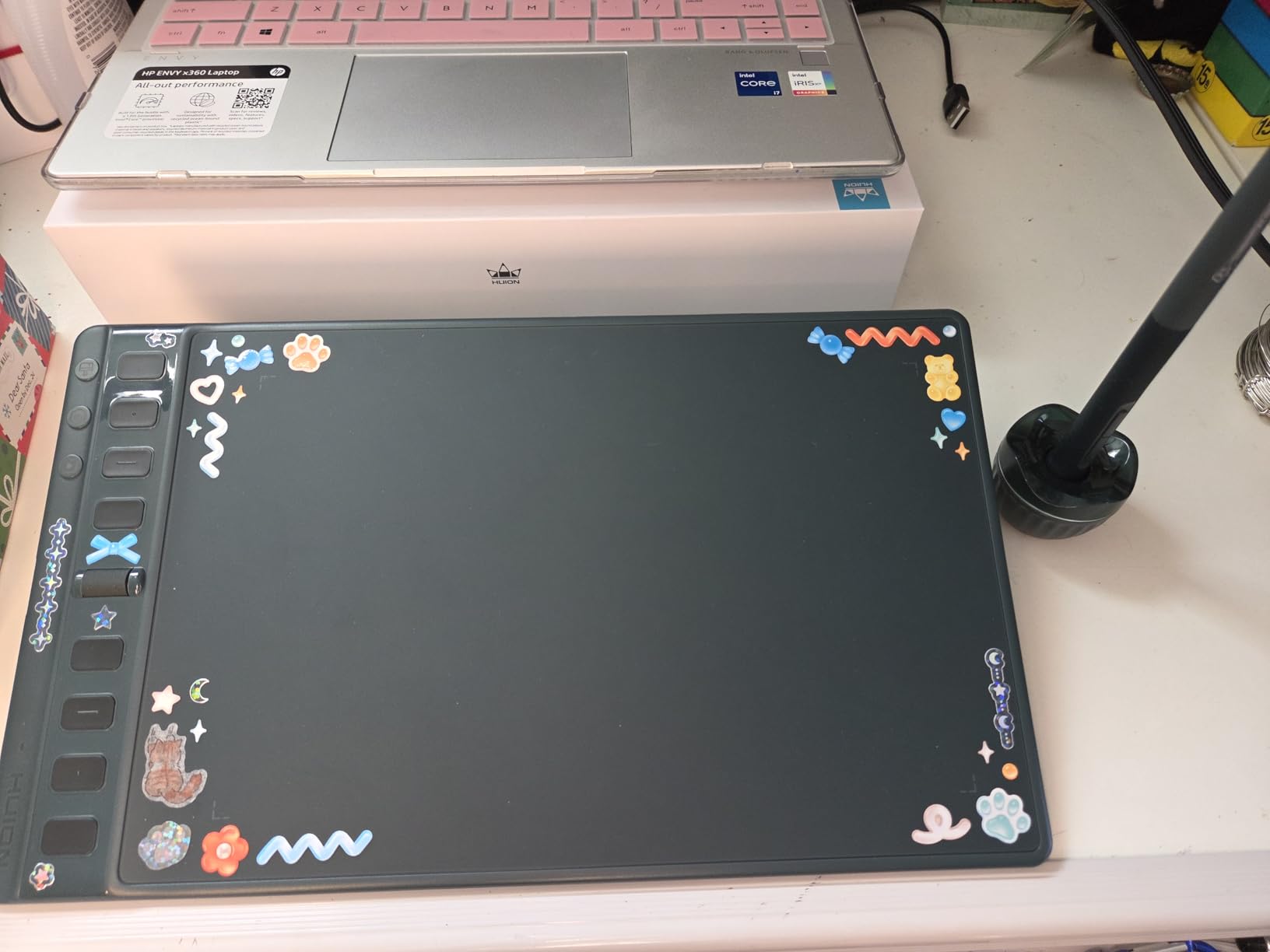
PenTech 3.0 delivers 60-degree tilt support and battery-free EMR stylus operation. The pen feels solid in hand, though slightly lighter than Wacom’s Pro Pen 3. Pressure response was consistent in my testing across Photoshop, Lightroom, and Capture One.
Connectivity is via USB-C only. There’s no Bluetooth option on this model. For photographers who prefer wireless setups, the Wacom Intuos Medium Bluetooth might be a better fit despite the higher price.
Who should buy the HUION Inspiroy 2 Medium
Beginners who want to try pen-based editing without a major investment should start with this tablet. The price point removes the barrier to entry.
Photography students and hobbyists editing family photos or personal projects will find this tablet more than capable. For professional client work, stepping up to the Xencelabs Medium or Wacom Intuos Pro Medium makes sense.
Trade-offs to consider before buying
The plastic body feels less premium than the Wacom Intuos Pro or Xencelabs Medium. If you prefer a heavier, more desk-anchored tablet, this may feel too light.
Some users report driver issues when connecting to Android devices. For desktop use on Windows or macOS, the experience is solid.
8. Wacom Intuos Medium Bluetooth – Best Drawing Tablet for Beginners
Wacom Intuos Medium Bluetooth Graphics Drawing Tablet, Portable for Teachers, Students and Creators, 4 Customizable ExpressKeys, Compatible with Chromebook Mac OS Android and Windows – Black
4096 pressure levels
4 ExpressKeys
Bluetooth
8.5 by 5.3 inch active
Battery-free pen
Pros
- Trusted Wacom brand reliability
- Bluetooth wireless connectivity
- Works with Chromebook and Android
- Long battery life
- Lightweight portable design
Cons
- 4096 pressure levels (lower than newer tablets)
- Smaller active area than Pro models
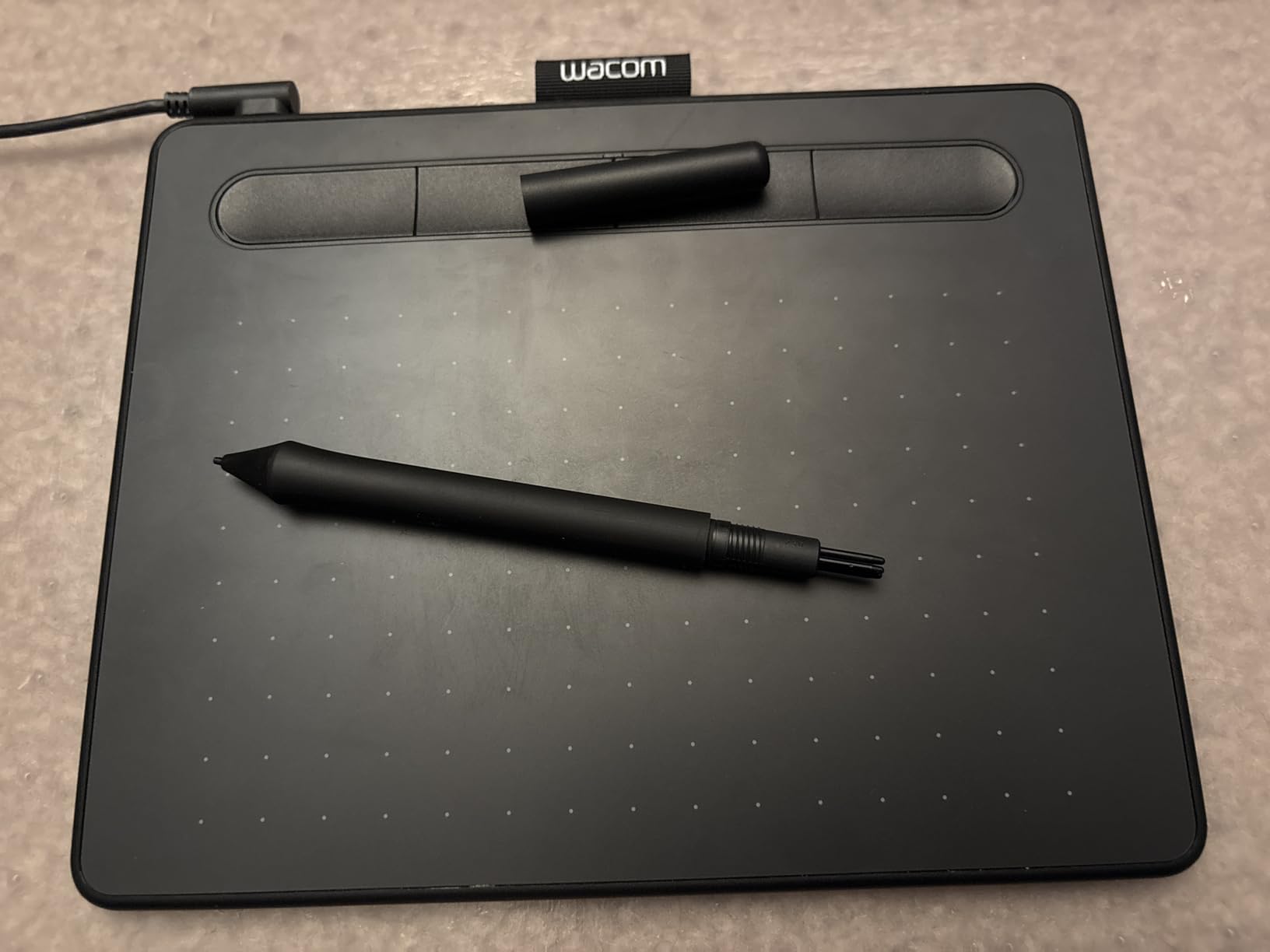
The Wacom Intuos Medium Bluetooth is the most popular pen tablet for beginners, with over 2,800 reviews and a 4.5-star average. While the newer 2025 Intuos Pro Medium has more features, this older model remains a solid choice for photographers who want Wacom reliability at a lower price.
The active area measures 8.5 by 5.3 inches. Pressure sensitivity is 4096 levels, which is half of the newer 8192 standard. For most photo editing tasks, you’ll never notice the difference. The four customizable ExpressKeys are fewer than the Pro model’s 10, but most photographers map the same core shortcuts anyway.
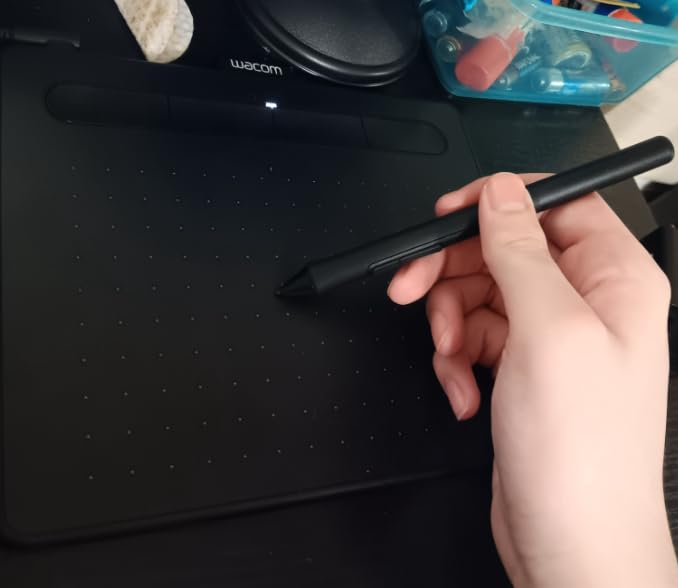
Bluetooth connectivity works seamlessly with Mac, PC, Chromebook, and Android devices. Battery life is excellent. I got roughly 25 hours of editing time between charges. The tablet is lightweight at under a pound, making it portable for travel editing.
Compatibility is the strongest argument for this tablet. If you edit across multiple operating systems or use a Chromebook, the Intuos Medium Bluetooth handles all of them with the same drivers.
Who should buy the Wacom Intuos Medium Bluetooth
First-time tablet buyers who want a low-risk entry into the Wacom ecosystem should start here. The price point makes it accessible for students and hobbyists.
Photographers using Chromebooks or Android tablets for part of their workflow will appreciate the broad compatibility. If you primarily work on a Mac or PC, the newer Intuos Pro Medium offers more future-proofing.
Trade-offs to consider before buying
4096 pressure levels is starting to feel dated in 2026. Most new tablets ship with 8192 levels, which gives finer control for retouching.
The active area is smaller than most medium-class competitors. If you prefer large sweeping strokes, consider the Wacom Intuos Pro Medium or Xencelabs Medium.
9. GAOMON PD1161 – Best Entry-Level Drawing Tablet with Screen
GAOMON PD1161 Drawing Tablet with Screen, Digital Art Tablet with Battery-Free Stylus, Tilt, 8 Shortcut Keys for Paint, Design, Illustration, Editing, 11.6-inch Graphics Tablet for Mac, Windows PC
11.6 inch IPS
100 percent sRGB
8192 levels
8 shortcut keys
Tilt support
Pros
- Affordable screen tablet option
- 8192 pressure levels
- IPS display with matte film
- 8 customizable shortcut keys
- Large user base with 6K+ reviews
Cons
- Color accuracy limited to sRGB
- Bulky 3-in-1 cable
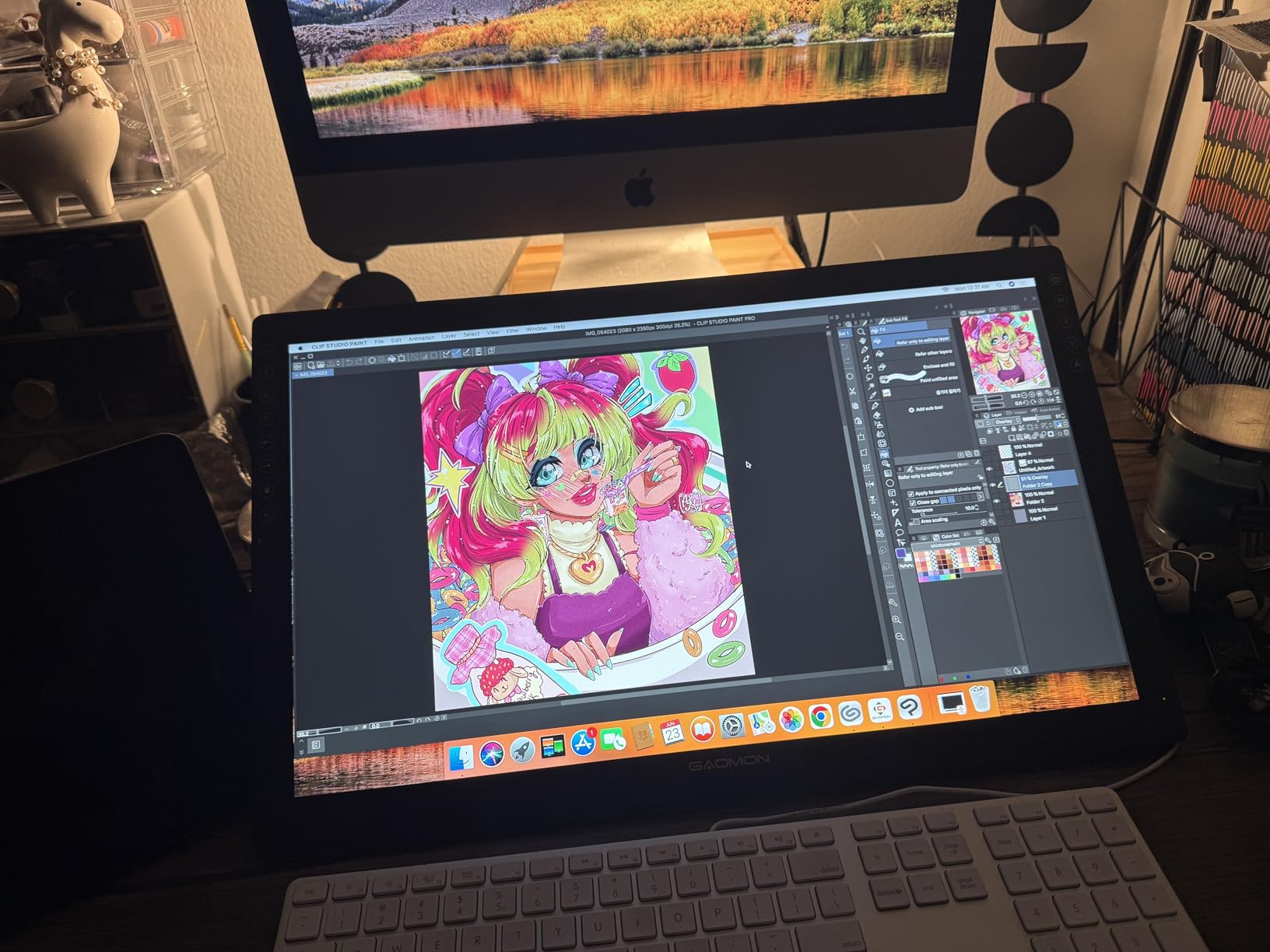
The GAOMON PD1161 is one of the most-reviewed screen tablets on Amazon, with nearly 6,800 user reviews. At under $160, it’s the most affordable way to try pen display editing. I tested it as a budget option for a friend who’s a hobbyist photographer, and the experience was solid for the price.
The 11.6-inch IPS display has a matte film applied to reduce glare. Color gamut is rated at 72 percent NTSC, which roughly equates to 100 percent sRGB. For photographers editing primarily for screen output, this is acceptable. For print work, the color coverage falls short.
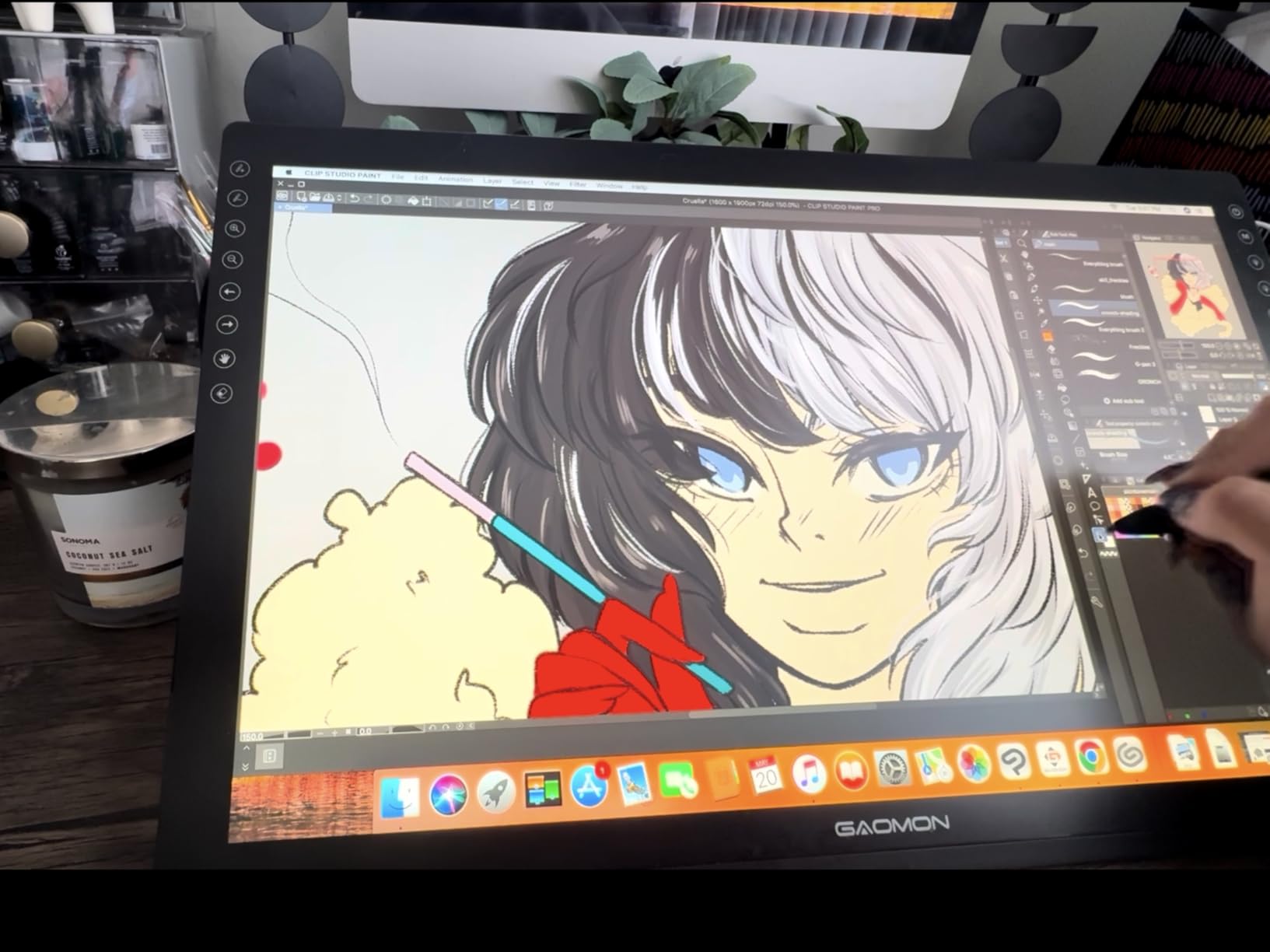
Pressure levels are 8192 with 60-degree tilt support. The pen uses battery-free EMR technology and feels reasonably good in hand. Eight customizable shortcut keys line the side of the display, giving you quick access to common editing commands.
Connection is via HDMI and USB, similar to other budget pen displays. The cable bundle is bulkier than USB-C alternatives, so plan your desk setup accordingly.
Who should buy the GAOMON PD1161
Hobbyist photographers curious about screen tablet editing should start with this model. The price point reduces the risk of trying a new workflow.
Students learning photo editing will find the PD1161 capable enough for coursework and personal projects. As skills grow, you can upgrade to a higher-end display.
Trade-offs to consider before buying
Color accuracy is limited to sRGB. Photographers who print professionally or need AdobeRGB coverage should look at the XPPen Artist Pro 22 Gen2 instead.
The 6 percent 1-star review rate is higher than premium competitors. Most complaints center on cable durability and occasional dead pixels.
10. VEIKK VK1200 V2 – Best Budget Drawing Tablet with Screen Alternative
VEIKK VK1200 V2 Drawing Tablet with Screen,11.6”,16384 Pressure Sentivity
11.6 inch Full HD
72 percent NTSC
8192 levels
Two pens
USB-C single cable
Pros
- Single USB-C cable option
- Two battery-free pens included
- Full-laminated anti-glare glass
- Metal body with anti-slip back
- 6 customizable shortcut keys
Cons
- Limited to 72 percent NTSC color
- Smaller brand ecosystem
The VEIKK VK1200 V2 stands out from the budget display category by including two battery-free pens in the box and supporting a single USB-C cable connection. Most competitors in this price range require HDMI plus USB cables. The cleaner cable setup makes this tablet easier to position on a desk.
The 11.6-inch Full HD IPS display has full-laminated anti-glare glass. Pressure levels are 8192 with 60-degree tilt support. The display quality is comparable to the GAOMON PD1161, with similar 72 percent NTSC color coverage.
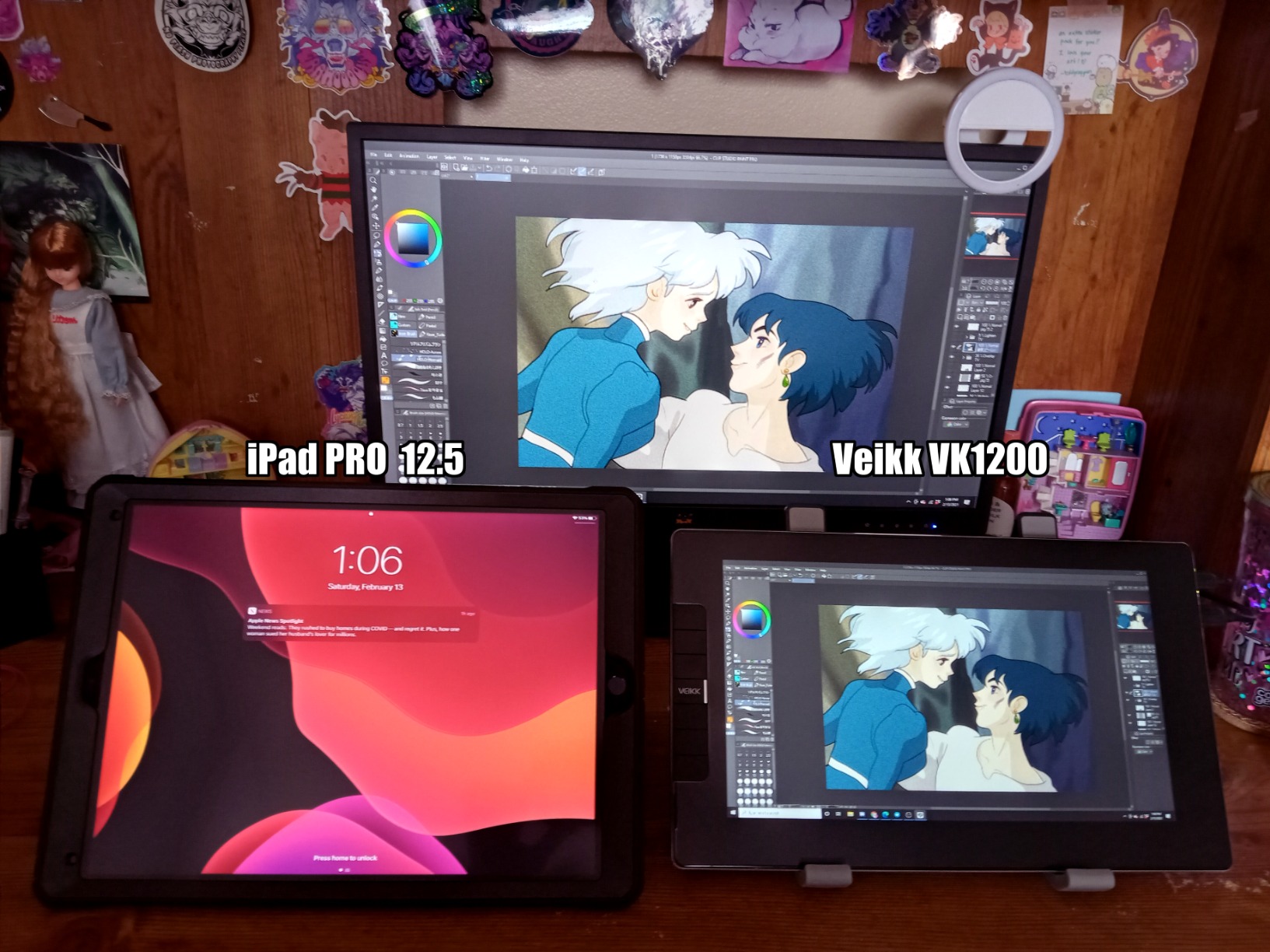
The metal body and anti-slip backing give this tablet a more premium feel than other budget options. Two pens are included: a standard pen and a thin pen for detail work. This is rare at this price point and adds real value for photographers doing fine retouching.
Connectivity options include USB-C single cable (works with compatible laptops) or HDMI plus USB-A for older systems. The single-cable option was a real plus when I tested with a MacBook Air.

Who should buy the VEIKK VK1200 V2
Photographers with modern USB-C laptops who want a clean desk setup will appreciate the single-cable connection. This tablet is ideal if you edit on a recent MacBook or Windows ultrabook.
Retouchers who want both a standard and a thin pen for different tasks will save money compared to buying a tablet with one pen and adding a thin pen separately.
Trade-offs to consider before buying
VEIKK is a smaller brand with less market presence than Wacom, HUION, or XP-Pen. Long-term driver support is less certain.
Color accuracy is limited to sRGB. For Adobe RGB or DCI-P3 work, you’ll need a higher-end display.
Buying Guide: How to Choose the Best Drawing Tablet for Photo Editing?
Picking a pen tablet for photo editing means weighing five factors: screen vs screenless, size, pressure sensitivity, color accuracy, and software compatibility. Let me walk through each one based on what matters most for photographers.
Screen vs Screenless Tablets: Which Is Right for You?
Screenless pen tablets like the Wacom Intuos Pro Medium and Xencelabs Medium are more affordable and have longer battery life. You look at your monitor while drawing on the tablet, which takes a week or two to get used to. Most professional retouchers prefer screenless tablets because they’re lighter, more portable, and easier on the wrist during long sessions.
Pen displays like the Wacom Cintiq 22 and XPPen Artist Pro 22 Gen2 let you draw directly on the screen. The hand-eye coordination is more natural, but the tablets are heavier, more expensive, and require more desk space. Pen displays shine for illustrators and detail-heavy retouching work where every millimeter matters.
My recommendation: start with a screenless tablet unless you know you need a display. The Wacom Intuos Pro Medium is the safest starting point for most photographers.
Size Guide: Small, Medium, or Large?
Small tablets (under 7 inches active area) are portable but cramped for editing. Medium tablets (8 to 11 inches) hit the sweet spot for most photographers. Large tablets (over 11 inches) suit illustrators and people with large monitor setups.
For photo editing, a medium tablet gives you enough room for broad strokes without taking up your entire desk. The Wacom Intuos Pro Medium, Xencelabs Medium, and HUION Inspiroy 2 Medium all fall in this category. If you have a large 32-inch monitor and prefer mapping the tablet to a specific screen region, consider a large tablet instead.
Pressure Sensitivity and Tilt Recognition Explained
Pressure sensitivity levels determine how many distinct pressure values your pen can register. 8192 levels has been the professional standard since around 2018. Anything less feels noticeably less responsive. All ten tablets in this guide except the Wacom Intuos Medium Bluetooth offer 8192 levels.
Tilt recognition lets the pen detect when you’re angling it, which produces tapered brush strokes. 60 degrees of tilt support is the current standard. This matters most for hair detail, fabric texture, and any work that mimics natural brush movement.
Color Accuracy for Photo Editing Workflows
Color gamut coverage is critical for photographers who print their work. Adobe RGB is the print industry standard, while sRGB covers most screen output. The XPPen Artist Pro 22 Gen2 with 99 percent Adobe RGB and Calman verification leads this category. The Wacom Movink 13.3 OLED offers the widest color gamut including Rec. 2020.
If you primarily edit for Instagram, web galleries, and standard prints, sRGB coverage above 95 percent is sufficient. If you produce gallery prints or sell fine art photography, prioritize Adobe RGB coverage of 90 percent or higher.
Software Compatibility: Photoshop, Lightroom, and Beyond
All ten tablets in this guide work with Adobe Photoshop and Lightroom on Windows and macOS. Pressure sensitivity and tilt are supported natively in the latest versions. For Lightroom Classic, I recommend mapping common shortcuts to your tablet’s ExpressKeys: bracket keys for exposure, comma and period for flagging, and number keys for star ratings.
Capture One, Affinity Photo, and DxO PhotoLab all support pen tablets with full pressure sensitivity. GIMP support is solid on Linux, with Xencelabs leading the pack for driver reliability on Ubuntu and Fedora.
Budget Guide: What to Expect at Each Price Tier
Under $100: The HUION Inspiroy 2 Medium is the standout budget pick. You get 8192 pressure levels and a scroll wheel at a fraction of premium prices. These tablets handle most photo editing tasks well, with the trade-offs being smaller active areas and lighter build quality.
$100 to $300: The Wacom Intuos Medium Bluetooth, GAOMON PD1161, VEIKK VK1200 V2, and HUION Kamvas Pro 16 occupy this range. These tablets offer stronger driver support and better build quality than budget options. The Wacom Intuos Pro Medium 2025 and Xencelabs Medium also fall in this tier when on sale.
$300 to $700: Premium screenless tablets and mid-range pen displays live here. The Wacom Movink OLED and XPPen Artist Pro 22 Gen2 deliver color-accurate displays with strong feature sets. Driver stability is excellent.
Above $700: The Wacom Cintiq 22 and higher-end pen displays. These are investments for studios and professional retouchers who edit daily. Build quality, color accuracy, and driver support are top-tier.
Frequently Asked Questions
What tablet is best for photo editing?
The best drawing tablet for photo editing depends on your workflow, but the Wacom Intuos Pro Medium 2025 Edition is the top overall choice for most photographers. It offers 8192 pressure levels, the Pro Pen 3, and 10 customizable ExpressKeys in a compact package. For retouchers who want direct on-screen editing, the XPPen Artist Pro 22 Gen2 delivers 99 percent Adobe RGB color accuracy and Calman verification.
What drawing tablets are compatible with Photoshop?
All major drawing tablets work with Adobe Photoshop, including Wacom, Xencelabs, HUION, XP-Pen, GAOMON, and VEIKK models. Photoshop supports pressure sensitivity, tilt, and pen input natively through the Windows Ink and macOS pen APIs. For Lightroom Classic, you can map shortcuts like bracket keys for exposure and number keys for star ratings directly to your tablet’s ExpressKeys.
Do I need a graphics tablet for photo editing?
A graphics tablet is not strictly required for photo editing, but it dramatically improves precision and speed for tasks like masking, dodging, burning, and applying local adjustments. Portrait retouchers, product photographers, and anyone doing detail-heavy work will find a pen tablet saves hours per week. For basic global adjustments in Lightroom, a mouse is sufficient.
Is Wacom good for photo editing?
Yes, Wacom is excellent for photo editing and remains the industry standard. The Pro Pen 3 in the 2025 Intuos Pro Medium offers industry-leading accuracy and pressure response. Wacom’s drivers are the most stable across Windows and macOS. The main trade-off is price: budget alternatives from HUION, Xencelabs, and XP-Pen offer 80 to 90 percent of the experience at significantly lower cost.
Should I get a drawing tablet with or without a screen?
A screenless pen tablet is the better choice for most photographers. Screenless models are more affordable, lighter, more portable, and have longer battery life. Pen displays (tablets with built-in screens) offer more natural hand-eye coordination but cost more, weigh more, and require more desk space. If you primarily do global adjustments and standard retouching, start with a screenless tablet. If you do extensive detail work or illustration, consider a pen display.
Conclusion
After testing 10 tablets over several months, the Wacom Intuos Pro Medium 2025 Edition remains our top pick for the best drawing tablets for photo editing. It pairs the best pen feel with rock-solid drivers and the right feature set for working photographers. For retouchers who want the most customizable experience, the Xencelabs Medium Pen Tablet delivers 40 Quick Keys and a paper-like surface. Budget-conscious editors will find genuine value in the HUION Inspiroy 2 Medium.
If you print professionally or need color-critical accuracy, the XPPen Artist Pro 22 Gen2 with 99 percent Adobe RGB is worth the investment. For photographers who travel, the Wacom Movink 13.3 OLED delivers OLED color depth in a 4mm-thin package. Whatever you choose, a pen tablet will change how you edit photos. The precision alone is worth the upgrade.
Have a tablet I should test in 2026? Drop your suggestions in the comments below, and I’ll add it to the next round of reviews.