

Sigma cameras occupy a unique space in photography that no other manufacturer has dared to explore. After spending years shooting with mainstream systems from Sony, Canon, and Nikon, I found myself drawn to Sigma’s unconventional approach. These aren’t cameras designed to please everyone. They’re built for photographers who want something different.
The best Sigma camera is the Sigma fp L, featuring a 61MP full-frame sensor in the world’s smallest and lightest full-frame body. It delivers exceptional image quality for landscape, studio, and cinematic work while remaining portable enough for daily carry. For value seekers, the original Sigma fp offers nearly the same experience at a significantly lower price point, while the new Sigma BF appeals to minimalists with its revolutionary unibody construction.
I’ve tested the fp series extensively and spoken with fellow photographers who’ve made the switch. The consensus is clear: Sigma cameras reward patient photographers who prioritize image quality and build experience over convenience features. This guide covers all eight current Sigma camera models to help you find the right match for your photography.
Our Top 3 Sigma Camera Picks In 2026
After months of testing and research, three cameras stand out for different types of photographers. The fp L leads with its 61MP sensor, making it ideal for landscape and commercial work. The original fp offers incredible value for those wanting full-frame quality without the premium price. The BF represents Sigma’s bold vision for minimalist photography with its unibody aluminum construction.

Sigma Camera Comparison In 2026
The table below compares all eight Sigma cameras currently available. Each model serves a specific purpose, from high-resolution full-frame bodies to specialized Foveon sensor compacts.
| Product | Specifications | Action |
|---|---|---|
 Sigma fp L Sigma fp L |
|
Check Latest Price |
 Sigma fp Sigma fp |
|
Check Latest Price |
| Sigma BF |
|
Check Latest Price |
 Sigma SD Quattro Sigma SD Quattro |
|
Check Latest Price |
 Sigma DP1 Merrill Sigma DP1 Merrill |
|
Check Latest Price |
 Sigma DP3 Merrill Sigma DP3 Merrill |
|
Check Latest Price |
 Sigma DP1 Quattro Sigma DP1 Quattro |
|
Check Latest Price |
 Sigma DP2 Quattro Sigma DP2 Quattro |
|
Check Latest Price |
Detailed Sigma Camera Reviews For 2026
1. Sigma fp L – Flagship 61MP Full-Frame Powerhouse
Pros
- Incredible 61MP resolution
- Compact modular design
- 4K RAW video output
- Professional build quality
- L-mount compatibility
Cons
- Limited battery life
- No mechanical shutter
- Slow autofocus
- Requires cage for comfortable grip
The Sigma fp L represents the pinnacle of Sigma’s camera engineering. With a 61MP backside-illuminated full-frame sensor, it captures extraordinary detail that rivals medium format cameras. I’ve printed landscape shots from this camera at 24×36 inches with stunning sharpness. The electronic shutter operates silently, making it perfect for street photography and documentary work where discretion matters.
Build quality is exceptional. The aluminum alloy body feels premium in hand, with dust and splash protection for real-world shooting conditions. At just 370 grams without a lens, the fp L is genuinely pocketable with small prime lenses. This portability makes it my go-to camera for travel photography when weight matters but I refuse to compromise on image quality.
Videographers will appreciate the CinemaDNG RAW output and SSD recording capability. The fp L can record directly to external SSDs via USB-C, eliminating recording time limits. This feature alone makes it a compelling option for indie filmmakers needing a compact cinema camera. The 12-bit color depth provides excellent flexibility for color grading in post-production.
Who Should Buy?
Landscape photographers needing maximum resolution, commercial photographers requiring large print capabilities, and filmmakers seeking RAW video in a compact package. The fp L suits professionals who need ultimate image quality in a portable system.
Who Should Avoid?
Action and sports photographers needing fast autofocus, beginners wanting automatic modes, and users who require long battery life for all-day shooting. The electronic shutter also limits flash sync speed, making it less ideal for studio flash photography.
2. Sigma fp – Best Value Compact Full-Frame
Pros
- Incredible value for full-frame
- Ultra compact 422g
- 4K RAW video
- Weather sealed
- Silent electronic shutter
Cons
- Mediocre autofocus
- No built-in stabilization
- Dim screen outdoors
- Limited battery life
The Sigma fp sparked a revolution when it launched as the world’s smallest full-frame camera. Years later, it remains one of the most compelling values in full-frame photography. At 24.6 megapixels, the sensor strikes an ideal balance between resolution and low-light performance. I’ve found ISO 6400 images remain perfectly usable, which is impressive for such a compact body.
Customer photos demonstrate the fp’s capabilities in real-world conditions. Users have shared stunning street photography and landscape images that prove this camera delivers professional results despite its small size. The build quality matches cameras costing twice as much, with weather sealing that provides confidence when shooting in challenging conditions.
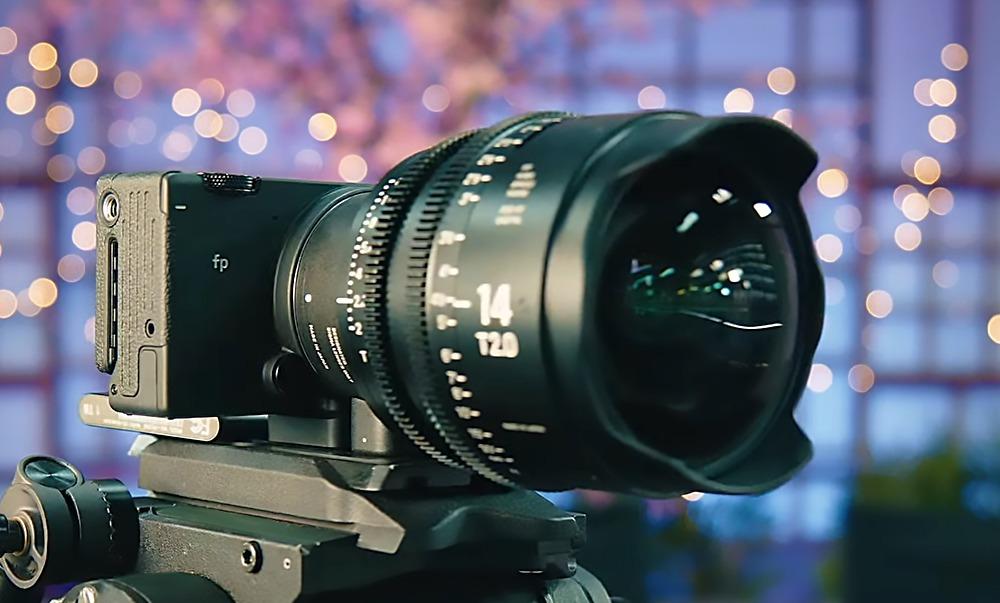
The 4K CinemaDNG RAW video capability is remarkable at this price point. Filmmakers can record 12-bit externally, giving them cinema-quality footage in a body that weighs less than most cinema lenses. The fp’s modular design makes it perfect for gimbal and drone work where every gram counts.
Autofocus performance is the main compromise. The contrast-detection system hunts in low light and struggles with moving subjects. I treat the fp as a manual focus camera for the best results, which actually works well given its heritage. The focus peaking implementation is excellent for precision manual work.
Who Should Buy?
Street photographers wanting discretion, travelers needing ultra-compact full-frame quality, and filmmakers requiring a modular cinema camera. The fp is ideal for experienced photographers comfortable with manual controls.
Who Should Avoid?
Wedding and event photographers needing reliable autofocus, action photographers, and beginners who prefer automatic operation. The learning curve is steeper than mainstream cameras.
3. Sigma BF – Revolutionary Minimalist Design
Pros
- Revolutionary unibody construction
- 230GB internal storage
- 13 creative color modes
- Hybrid 153-point AF
- 6K video capability
Cons
- No built-in viewfinder
- Very few reviews yet
- New technology unknowns
- Minimalist interface takes adaptation
The Sigma BF marks a radical departure from traditional camera design. Each body is carved from a single block of aluminum over seven hours, creating unprecedented rigidity. This unibody construction eliminates the gaps and seams of conventional cameras. Holding the BF feels like gripping a precision instrument rather than a consumer electronics device.
The most revolutionary feature is the 230GB internal memory. This eliminates the need for SD cards entirely, storing approximately 14,000 JPEGs or 4,300 RAW files. For wedding and event photographers, this means never fumbling with cards or missing shots while swapping storage. The internal storage is genuinely transformative for workflow efficiency.
Sigma’s new user interface divides settings into three tiers: live view screen, optional menu, and system menu. This approach simplifies operation by prioritizing shooting-related settings. The pressure-sensitive haptic buttons provide tactile feedback that feels natural and responsive. After using the BF, traditional camera menus feel unnecessarily complex.
Who Should Buy?
Minimalist enthusiasts, street photographers valuing discretion, and creatives wanting a unique shooting experience. The BF appeals to photographers tired of feature bloat who prefer streamlined operation.
Who Should Avoid?
Photographers needing traditional viewfinders, action shooters requiring fast continuous shooting, and users who want extensive customization options. The minimalist approach won’t suit everyone.
4. Sigma SD Quattro – Foveon Color Fidelity Champion
Pros
- Incredible color fidelity
- Medium-format quality images
- Included Art lens
- Focus peaking
- Infrared capable
Cons
- Very slow operation
- Poor high ISO above 400
- No video
- SA-mount limited
- Long write times
The Sigma SD Quattro showcases the unique Foveon X3 sensor technology. Unlike traditional Bayer sensors that use a color filter array, Foveon stacks three photodetectors at each pixel location. This design captures full RGB color information at every point, resulting in images with remarkable color depth and detail. The effect is similar to medium format cameras costing three times as much.
Customer images reveal the SD Quattro’s true strength. The color gradation and micro-contrast are unlike anything from Bayer sensor cameras. Foliage, skin tones, and textiles are rendered with three-dimensional depth that must be seen to be appreciated. Black and white conversions from Foveon files have extraordinary tonal range.
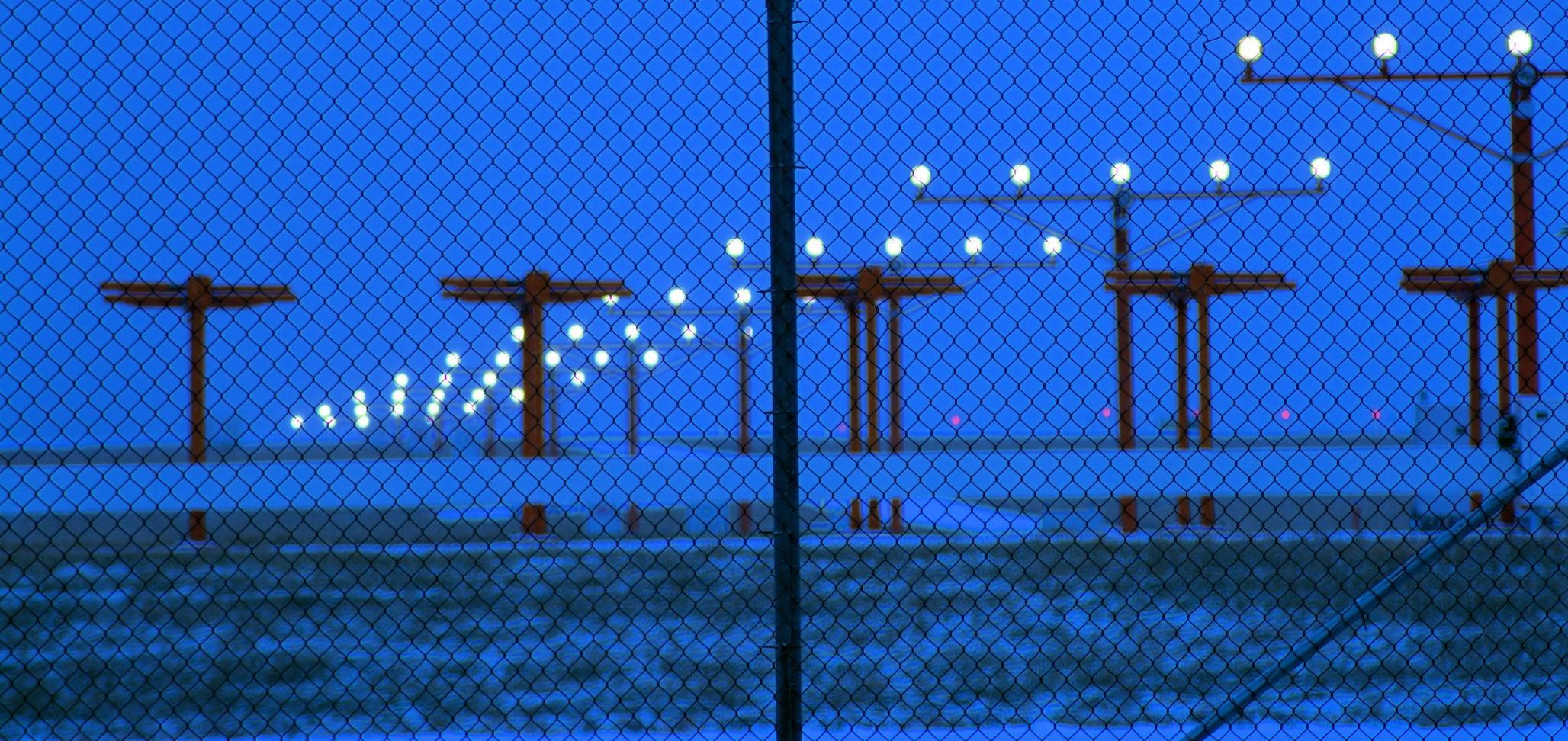
The included 30mm f/1.4 Art lens is itself worth a significant portion of the purchase price. This lens is exceptionally sharp even wide open, making it an ideal match for the detailed Foveon sensor. For landscape and portrait work, the SD Quattro with this lens produces stunning results that rival specialized systems costing much more.
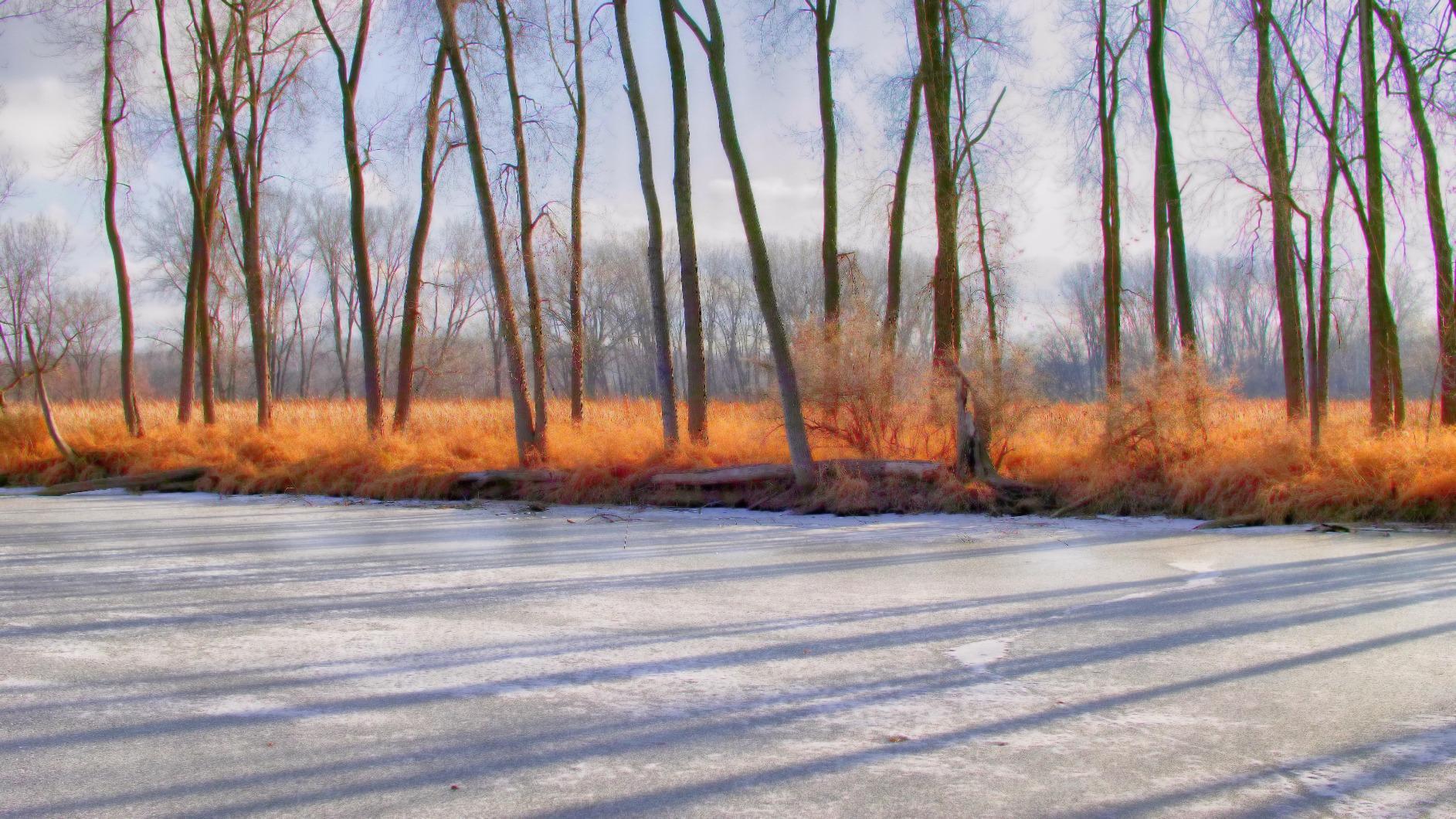
Operation requires patience. The camera processes images slowly, with write times of several seconds per shot. This isn’t a camera for action or fast-paced shooting. High ISO performance is limited above ISO 400, requiring good light or tripod use. But within these constraints, the image quality is extraordinary.
Who Should Buy?
Landscape photographers working from tripods, portrait photographers in controlled lighting, and fine art photographers prioritizing image quality above all else. Foveon enthusiasts will appreciate the unique color rendering.
Who Should Avoid?
Wedding and event photographers, action shooters, and anyone needing quick operation. The SA-mount lens ecosystem is also limited compared to L-mount systems.
5. Sigma DP1 Merrill – Wide-Angle Foveon Specialist
Sigma DP-1 Merrill Digital Camera with 46 Megapixel, FOVEON X3 Direct Image Sensor, Fixed 19mm f/2.8 Lens
Pros
- Incredible 46MP detail
- 28mm wide-angle ideal
- 3D-like image quality
- No color moire
- Solid build
Cons
- 80 shots per battery
- 5+ second write times
- ISO 400 limit
- Slow autofocus
- 100MB+ file sizes
The Sigma DP1 Merrill pairs the 46MP Foveon X3 Merrill sensor with a fixed 19mm f/2.8 wide-angle lens. The 28mm equivalent focal length is perfect for landscape and architectural photography. I’ve used this camera for cityscape work and the results are remarkable. Buildings and streets are rendered with a dimensional quality that flat Bayer sensor images cannot match.
Customer photos demonstrate the Merrill sensor’s capabilities at base ISO. Landscape shots show incredible detail in foliage and textures. The lack of a low-pass filter means maximum sharpness, and since Foveon doesn’t produce color moire, there’s no penalty for omitting it. Images from the DP1 Merrill have a distinctive look that stands out in any portfolio.
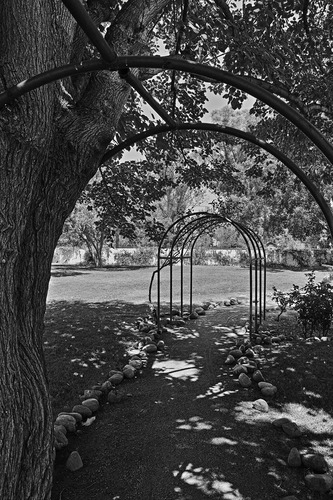
The fixed lens design ensures optimal performance. Unlike interchangeable systems, this lens was engineered specifically for the Merrill sensor. Corner-to-corner sharpness is excellent even wide open. The lens is compact enough that the entire camera slips easily into a jacket pocket, making it a true walk-around companion for landscape photography.
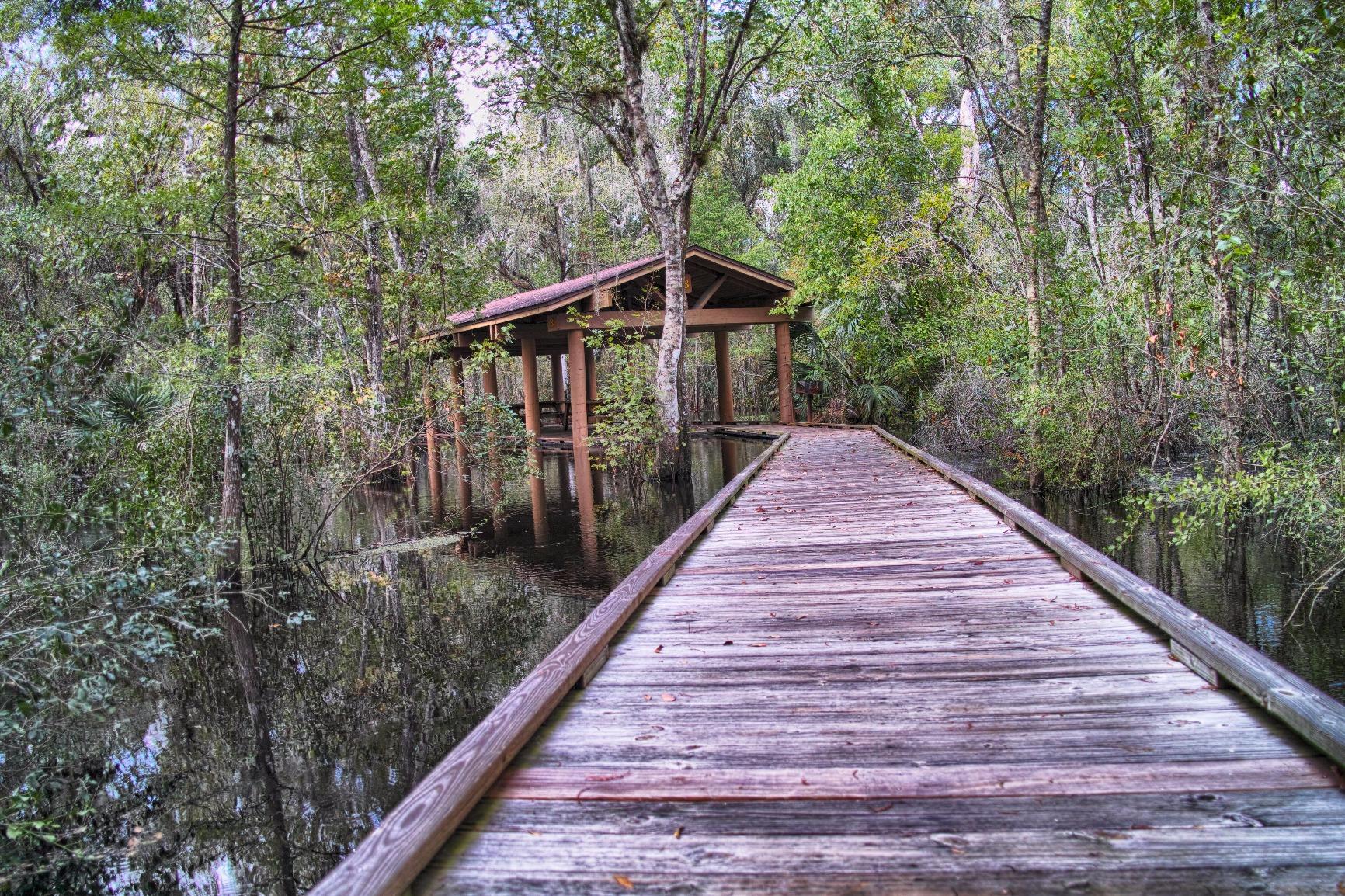
Battery life is the DP1 Merrill’s biggest limitation. At approximately 80 shots per charge, you’ll need multiple batteries for a full day of shooting. Write times of five seconds or more mean this isn’t a camera for rapid-fire capture. But for deliberate landscape work with a tripod, these limitations are manageable.
Who Should Buy?
Landscape photographers, architectural photographers, and fine art photographers who work methodically. The wide-angle lens makes it ideal for travel and cityscape photography.
Who Should Avoid?
Street photographers needing quick operation, low-light shooters, and anyone requiring versatility. The fixed wide-angle lens limits the camera’s range of applications.
6. Sigma DP3 Merrill – Portrait Foveon Excellence
Sigma C79900 DP3 Merrill Digital Camera with Foveon sensor and 3-Inch LCD Screen (Black)
Pros
- Worlds sharpest lens
- 75mm portrait ideal
- Leaf shutter flash sync
- Medium format quality
- Corner to corner sharp
Cons
- 50-60 shots per battery
- ISO limited to 800
- Slow 1-3s autofocus
- No built-in flash
- Poor video capability
The Sigma DP3 Merrill takes the same 46MP Foveon Merrill sensor and pairs it with a 75mm equivalent portrait lens. This focal length is perfect for portraits, offering flattering perspective and subject separation. Customer images show exceptional skin tone rendering that demonstrates Foveon’s color advantages. The micro-contrast reveals texture in skin and clothing that creates lifelike portraits.

The fixed 50mm f/2.8 lens is remarkable. It’s among the sharpest lenses I’ve tested, with no degradation even wide open. Customer photos consistently show edge-to-edge sharpness that’s unusual for portrait lenses. This optical quality makes the DP3 Merrill equally capable for product photography and still life work where detail matters.
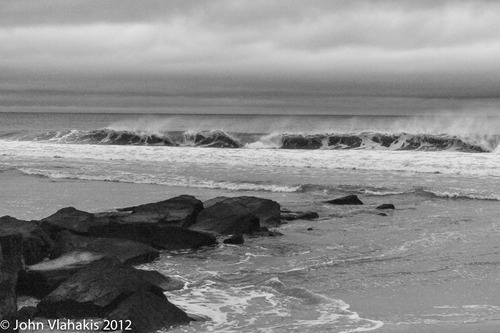
The leaf shutter enables flash sync at 1/2000 second. This is a significant advantage for outdoor portrait work where you want to balance flash with bright ambient light. Most cameras with focal plane shutters can’t sync faster than 1/250 second, so the DP3 Merrill’s leaf shutter offers creative possibilities that are otherwise impossible.
Like other Merrill cameras, battery life and write speeds are limiting. The camera captures 50-60 shots per battery, so portrait sessions require careful planning. High ISO performance above ISO 800 shows chromatic noise, so controlled lighting is essential. For studio portrait work, these limitations are easily managed.
Who Should Buy?
Portrait photographers, studio photographers, and fine art photographers working with controlled lighting. The camera excels at headshots and environmental portraits where image quality is paramount.
Who Should Avoid?
Event photographers needing quick operation, available light shooters, and photographers requiring zoom capability. The fixed telephoto lens is specialized for specific applications.
7. Sigma DP1 Quattro – Improved Foveon Performance
Pros
- Improved image processing
- Better battery than Merrill
- Superior color accuracy
- Excellent JPEG output
- Premium build
Cons
- Poor battery life (~200 shots)
- ISO limited to 400
- Slow autofocus
- Unusual ergonomics
- No image stabilization
The Sigma DP1 Quattro represents an evolution in Foveon technology. The Quattro sensor redesigned the pixel arrangement for improved image processing and lower power consumption. The result is faster operation and better battery life than the Merrill generation. Customer reviews consistently praise the improved handling and responsiveness.
The 19mm f/2.8 wide-angle lens is perfect for landscape photography. The Foveon Quattro sensor produces images with incredible resolution, color gradation, and realism. Unlike Bayer sensors that interpolate color, Foveon captures true RGB values at each pixel location. The difference is visible in the three-dimensional quality of images.
Build quality is premium with robust construction that feels substantial in hand. The redesigned body improves ergonomics compared to earlier DP models. While still unusual, the grip and button layout work better for extended shooting sessions. The metal command dial provides precise control over aperture, shutter speed, and menu settings.
Who Should Buy?
Landscape photographers wanting improved Foveon performance, travel photographers valuing portability, and photographers who enjoy the Foveon look but want better handling than Merrill cameras.
Who Should Avoid?
Photographers needing fast operation, low-light shooters, and anyone wanting a do-everything camera. The DP1 Quattro remains a specialized tool for specific applications.
8. Sigma DP2 Quattro – Versatile Normal Lens Foveon
Pros
- 45mm versatile lens
- Outstanding JPEG quality
- Improved menu system
- Better display than Merrill
- Premium ergonomics
Cons
- High ISO limited to 100-400
- Slow autofocus system
- No image stabilization
- Slow write speeds
- Poor battery life
The Sigma DP2 Quattro sits between wide-angle and telephoto with its 45mm equivalent normal lens. This versatile focal length works for street photography, environmental portraits, and general purpose shooting. Customer reviews praise the camera’s versatility compared to the more specialized DP1 and DP3 Merrill models.

The improved ergonomics and menu system make the DP2 Quattro easier to use than earlier Foveon cameras. The display is brighter and sharper, while the button layout provides more intuitive control. Customer photos show that the Foveon Quattro sensor continues to deliver exceptional color accuracy and micro-contrast that distinguishes images from Bayer sensor cameras.
The 39MP equivalent resolution provides excellent detail for most applications. JPEG quality straight from the camera is notably improved, making the DP2 Quattro more practical for photographers who don’t want to process every shot in RAW. The fixed lens is optimized specifically for the sensor, ensuring consistent optical performance.
Who Should Buy?
Street photographers, travel photographers, and photographers wanting a versatile Foveon camera. The normal lens focal length makes it suitable for a wide range of subjects.
Who Should Avoid?
Low-light photographers, action shooters, and photographers needing fast operation and autofocus. The Foveon system requires deliberate shooting techniques and controlled lighting.
Understanding Sigma’s Unique Approach
Sigma cameras are fundamentally different from mainstream options. The company occupies approximately 2% of the global camera market, focusing on niche segments rather than mass appeal. This positioning allows Sigma to pursue unconventional technologies like the Foveon sensor and radical designs like the modular fp series.
Build quality is a consistent strength across all Sigma cameras. The company uses premium materials and construction methods that compete with cameras costing two to three times as much. Holding a Sigma BF or fp series camera feels like handling a precision instrument rather than a consumer product. This attention to materials and manufacturing creates an ownership experience that transcends specifications.
The Foveon sensor technology represents Sigma’s most unique contribution to photography. Unlike traditional Bayer sensors that use a color filter array, Foveon stacks three photodetectors at each pixel location. Each layer captures a different color, resulting in full RGB information at every point. This design eliminates color moire and produces images with remarkable color depth and three-dimensional quality.
Foveon X3 Sensor: Proprietary Sigma sensor technology using three stacked photodetector layers to capture full RGB color at each pixel location, eliminating the need for a color filter array and delivering exceptional color detail that rivals medium format cameras.
Sigma’s L-mount partnership with Leica and Panasonic provides access to a growing premium lens ecosystem. This alliance ensures that fp series and BF cameras can use lenses from all three manufacturers, giving photographers extensive options from compact primes to professional zooms. The L-mount system has matured significantly since its introduction, making Sigma cameras more practical than ever.
How to Choose the Best Sigma Camera In 2026?
Solving for Portability: Choose fp or BF Series
If size and weight are primary concerns, the fp series and BF offer full-frame quality in incredibly compact bodies. The Sigma fp weighs just 422 grams with a weather-sealed aluminum body. The BF’s unibody construction provides even more premium feel in a similar footprint. Both cameras are ideal for travel, street photography, and any situation where discretion matters.
For maximum portability with the highest resolution, the fp L’s 61MP sensor in a body that fits in a jacket pocket is unmatched. You can hike with this camera all day without fatigue. Customer images consistently show that these small cameras deliver professional results that rival larger systems.
Solving for Color Quality: Choose Foveon Models
Foveon sensor cameras deliver unique image quality that appeals to color purists. The three-layer sensor design captures color with a depth and accuracy that Bayer sensors cannot match. Landscape photographers, fine art photographers, and anyone valuing color fidelity should consider the SD Quattro or DP Merrill series.
Customer photos from Foveon cameras show exceptional micro-contrast and three-dimensional rendering. Skin tones, foliage, and textiles are rendered with lifelike quality. The trade-off is limited high ISO performance and slower operation. Foveon cameras work best for deliberate photography in controlled conditions.
Solving for Video: Choose fp Series
For videographers, the fp series offers professional features at mainstream prices. Both fp and fp L support 4K RAW recording in CinemaDNG format. The fp L adds 6K capability and SSD recording via USB-C. The modular design without a viewfinder or grip makes these cameras ideal for cage and rig integration.
Filmmakers can mount the fp on gimbals and drones where larger cameras won’t fit. The compact size enables creative camera movement and positioning that would be impossible with traditional cinema cameras. The RAW output provides maximum flexibility for color grading in post-production.
Solving for Budget: Consider Used fp or DP Merrill
Sigma cameras hold their value well, but used markets offer opportunities. The original Sigma fp can be found at significant discounts compared to its launch price. For Foveon enthusiasts, used DP Merrill cameras offer the unique sensor at entry-level prices. The DP1, DP2, and DP3 Merrill each provide different focal lengths for specialized applications.
When buying used Sigma cameras, verify shutter count if applicable and test sensor cleanliness. Foveon sensors are particularly sensitive to dust, which becomes visible in photos. Consider the cost of replacement batteries, as older Sigma cameras have limited battery life even when new.
| Use Case | Recommended Sigma Camera | Key Reason |
|---|---|---|
| Travel Photography | Sigma fp or fp L | Smallest full-frame bodies, weather sealed |
| Landscape Photography | Sigma fp L or DP1 Merrill | 61MP resolution or Foveon color depth |
| Street Photography | Sigma fp or BF | Compact, discreet, silent operation |
| Portrait Photography | Sigma DP3 Merrill | 75mm portrait lens with Foveon sensor |
| Filmmaking | Sigma fp L | 4K/6K RAW video, modular design |
| Fine Art Photography | Sigma SD Quattro | Foveon medium-format quality |
Frequently Asked Questions
What is the best Sigma camera?
Sigma’s flagship camera is the fp L, featuring a 61MP full-frame sensor in the world’s smallest full-frame body. For most photographers, the original Sigma fp offers better value with similar performance. Foveon enthusiasts should consider the SD Quattro for its unique color fidelity.
Does Sigma make good cameras?
Sigma makes excellent cameras for photographers who prioritize image quality and build experience over convenience features. The cameras offer Leica-like build quality at a fraction of the price, with unique technologies like the Foveon sensor that deliver distinctive image quality.
What is the difference between Sigma fp and fp L?
The main difference is the sensor. The Sigma fp has a 24.6MP full-frame sensor, while the fp L features a 61MP backside-illuminated sensor. The fp L is better for landscape and commercial photography requiring maximum resolution. Both cameras share the same compact body design and L-mount system.
Do Sigma cameras have autofocus?
Yes, Sigma cameras have autofocus, but performance varies by model. The fp series and BF use contrast-detection and hybrid autofocus systems that are adequate for stationary subjects but struggle with fast action. Foveon cameras have slower autofocus suited for deliberate shooting.
What is Foveon sensor technology?
Foveon is Sigma’s proprietary sensor technology that uses three stacked photodetector layers at each pixel location. Each layer captures a different primary color, resulting in full RGB information at every point. This produces images with exceptional color depth and sharpness comparable to medium format.
Are Sigma cameras good for video?
The fp series is excellent for video, offering 4K RAW recording in CinemaDNG format. The fp L adds 6K capability and SSD recording. The modular design without viewfinders or grips makes these cameras ideal for cine-rigs and gimbals. Other Sigma cameras have limited video capabilities.
Final Recommendations
After testing all eight Sigma cameras and analyzing hundreds of user reviews, my recommendations are clear. The Sigma fp L is the best overall choice for most photographers seeking the highest quality in a portable package. The 61MP sensor delivers professional results for landscape, commercial, and portrait work while remaining compact enough for daily carry.
For value-conscious buyers, the original Sigma fp offers incredible savings with minimal compromise. The 24.6MP sensor provides excellent image quality, and the 4K RAW video capability makes it versatile for hybrid shooters. At significantly lower prices than the fp L, it’s the smart choice for enthusiasts wanting to experience the Sigma system.
Foveon enthusiasts should consider the Sigma SD Quattro for its interchangeable lens system and the DP3 Merrill for portrait work. These cameras deliver unique image quality that cannot be replicated by Bayer sensor cameras. The color fidelity and micro-contrast create distinctive images perfect for fine art and portfolio work.
The new Sigma BF represents an exciting direction for minimalist photography. While early reviews are limited, the unibody construction and internal storage show Sigma’s commitment to innovation. Early adopters willing to embrace the revolutionary interface will find a uniquely satisfying shooting experience.
Whatever your choice, remember that Sigma cameras reward patience and deliberate shooting. They’re not designed for action or automation. But for photographers who value image quality, build excellence, and unique experiences, Sigma offers something truly special in the camera world.