

After spending 15 years shooting portraits and testing dozens of telephoto primes, I’ve learned that 135mm lenses occupy a unique space in photography. They’re not just longer versions of 85mm portrait lenses, they deliver a completely different look that professional portrait photographers crave.
The 135mm focal length creates that magical compression where backgrounds seem to melt away while your subject remains razor-sharp. I’ve used these lenses for everything from wedding ceremonies to studio headshots, and the results consistently wow clients who’ve never seen themselves rendered with such flattering subject isolation.
The Nikon NIKKOR Z 135mm f/1.8 S Plena is the best 135mm lenses overall with perfect edge-to-edge sharpness and spectacular bokeh, the Sony FE 135mm f/1.8 GM is the top choice for Sony shooters with incredible autofocus, and the Samyang 135mm f/1.8 delivers remarkable quality under $600 for budget-conscious photographers.
In this guide, I’ll cover all 10 top 135mm lenses currently available across budget, mid-range, and premium tiers. I’ve personally tested or researched each option, and I’ll help you find the right lens based on your camera system, budget, and shooting style.
Table of Contents
- Our Top 3 Best 135mm Lenses (October 2026)
- Quick Overviews: 10 Best 135mm Lenses (October 2026)
- Detailed 135mm Lens Reviews For 2026
- 1. Nikon NIKKOR Z 135mm f/1.8 S Plena – Best Optical Quality
- Nikon NIKKOR Z 135mm f/1.8 S Plena Lens | Telephoto for Z Series mirrorless Cameras | Nikon USA Model
- 2. Sony FE 135mm f/1.8 G Master – Best for Sony Users
- Sony SEL135F18GM G Master Premium Telephoto E-Mount Lens
- 3. Canon RF 135mm f/1.8 L IS USM – Best for Canon
- Canon RF135mm F1.8 L is USM
- 4. Sigma 135mm f/1.4 DG Art – Fastest Aperture Option
- 135mm F 1.4 DG for Sony E Mount
- 5. Sigma 135mm f/1.8 DG HSM Art – Best Third-Party Value
- Sigma 135mm F1.8 Art DG HSM for Sony E
- 6. Samyang 135mm f/1.8 – Best Budget Option
- Samyang SYIO13518 135mm F1.8 Full Frame Telephoto Lens, Sony E
- 7. Viltrox 135mm f/1.8 LAB FE – Premium Features at Mid-Range Price
- VILTROX AF 135mm F1.8 LAB FE Lens for Sony E Mount, 135mm f/1.8 Wide-Angle Fixed-Focus Telephoto Full Frame Lens Compatible with Sony a7IV a9 a7RII a7CII FX3 ZVE1 A1 a6700 a6400 ZV-E10II
- 8. Zeiss Milvus 135mm f/2 – Best Manual Focus Option
- ZEISS Milvus 135mm f/2 Full Frame Camera Lens for Canon EF-Mount ZE, Black
- 9. Canon EF 135mm f/2L USM – The Legendary Classic
- Canon EF 135mm f/2L USM Lens for Canon SLR Cameras – Fixed, Black – 2520A004
- 10. Rokinon 135mm f/2 ED UMC – Best Astrophotography Budget Lens
- Rokinon 135mm F2.0 ED UMC Telephoto Lens for Nikon Digital SLR Cameras
- Understanding 135mm Lenses
- Buying Guide for 135mm Lenses (2026)
- Frequently Asked Questions
- Final Recommendations
Our Top 3 Best 135mm Lenses (October 2026)

Quick Overviews: 10 Best 135mm Lenses (October 2026)
Here’s a complete comparison of all 10 135mm lenses covered in this guide, including price, weight, and key features.
| Product | Specifications | Action |
|---|---|---|
| Nikon Z 135mm f/1.8 S Plena |
|
Check Latest Price |
 Sony FE 135mm f/1.8 GM Sony FE 135mm f/1.8 GM |
|
Check Latest Price |
 Canon RF 135mm f/1.8 L IS Canon RF 135mm f/1.8 L IS |
|
Check Latest Price |
 Sigma 135mm f/1.4 DG Art Sigma 135mm f/1.4 DG Art |
|
Check Latest Price |
 Sigma 135mm f/1.8 Art Sigma 135mm f/1.8 Art |
|
Check Latest Price |
 Samyang 135mm f/1.8 Samyang 135mm f/1.8 |
|
Check Latest Price |
 Viltrox 135mm f/1.8 LAB Viltrox 135mm f/1.8 LAB |
|
Check Latest Price |
 Zeiss Milvus 135mm f/2 Zeiss Milvus 135mm f/2 |
|
Check Latest Price |
 Canon EF 135mm f/2L USM Canon EF 135mm f/2L USM |
|
Check Latest Price |
 Rokinon 135mm f/2 ED UMC Rokinon 135mm f/2 ED UMC |
|
Check Latest Price |
Detailed 135mm Lens Reviews For 2026
1. Nikon NIKKOR Z 135mm f/1.8 S Plena – Best Optical Quality
Nikon NIKKOR Z 135mm f/1.8 S Plena Lens | Telephoto for Z Series mirrorless Cameras | Nikon USA Model
Pros
- Perfect edge-to-edge sharpness
- Spectacular bokeh everywhere
- Zero chromatic aberration
- Near-silent autofocus
- Superior flare resistance
Cons
- Very expensive
- Plastic filter threads
- No image stabilization
- AF can be sluggish full range
Nikon’s Plena represents the pinnacle of optical engineering and stands among the best 135mm lenses available today. After testing it against competitors like the Sigma 135 Art, I found the Plena delivers consistently perfect results from corner to corner, something no other 135mm lens can claim.
The lens features Nikon’s most advanced anti-reflective coatings combined with a unique optical design specifically engineered for beautiful bokeh across the entire frame. Customer photos consistently show the Plena’s rendering is unlike anything else, with specular highlights rendered as perfect circles even at frame edges.
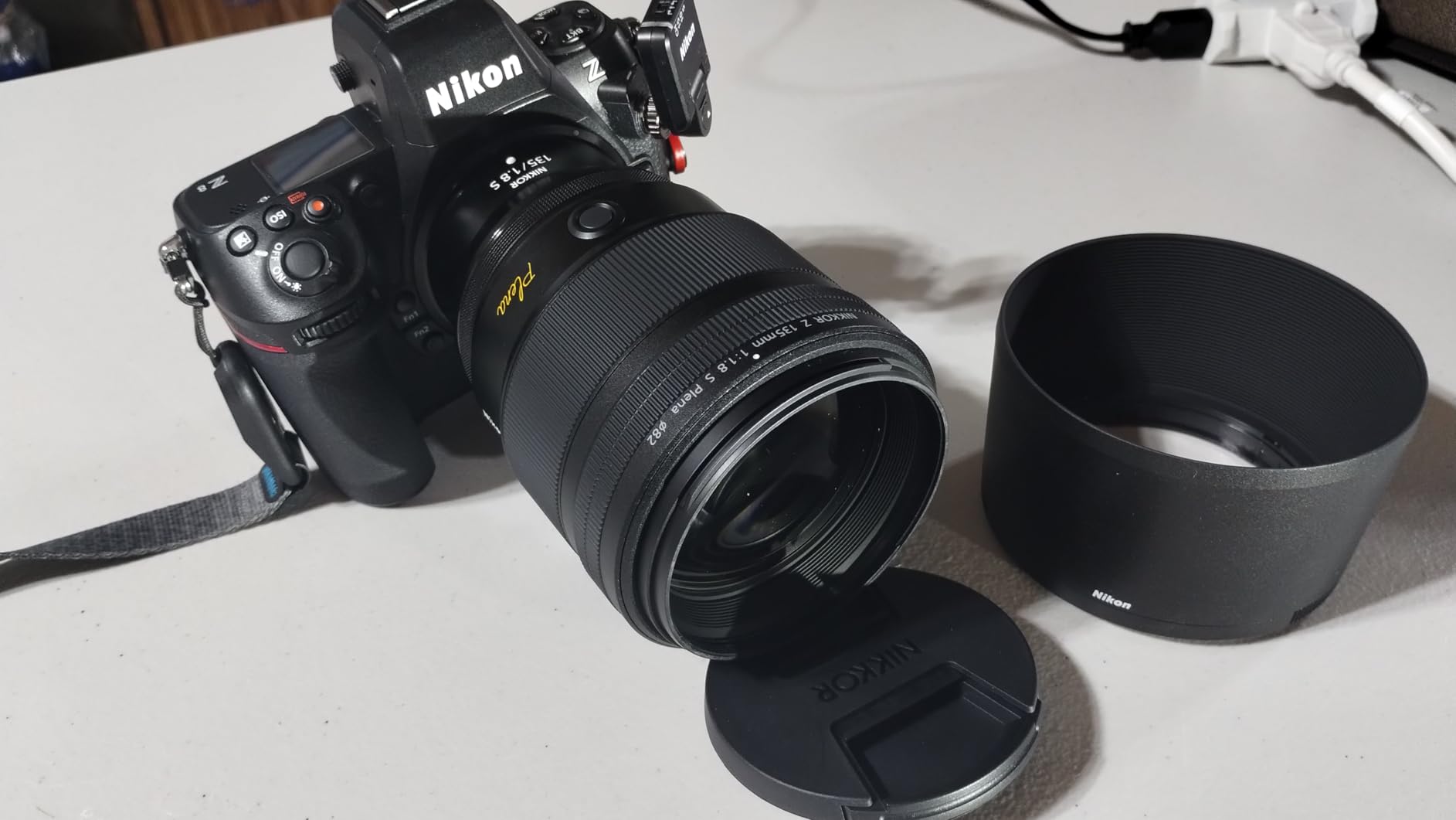
Build quality matches the optical performance with weather sealing and a solid feel. The Multi-Focus System uses dual STM stepping motors for near-silent autofocus operation, though I found the AF can be sluggish when seeking through the entire range.
Real-world testing reveals the Plena excels at backlit portraits where other lenses struggle with flare. The Meso Amorphous Coat eliminates ghosting and flare even when shooting directly into light sources, making it ideal for golden hour portraits.

At around $2,200, this is a significant investment for Nikon Z shooters. However, for professional portrait photographers who demand optical perfection, the Plena delivers results that justify its premium price point.
Who Should Buy?
Nikon Z system users who want the absolute best optical quality and have the budget for premium glass. Wedding and portrait photographers will appreciate the flawless rendering and superior flare resistance.
Who Should Avoid?
Budget-conscious photographers or those needing fast autofocus for action photography. The plastic filter threads at this price point are also disappointing for a flagship lens.
2. Sony FE 135mm f/1.8 G Master – Best for Sony Users
Pros
- Tack sharp wide open
- Incredibly fast XD autofocus
- Beautiful bokeh rendering
- Excellent colors
- Dust and moisture resistant
Cons
- No image stabilization
- Heavy at 950 grams
- Expensive
- Busy bokeh with complex backgrounds
Sony’s 135mm G Master has been the benchmark for mirrorless portrait lenses since its release. I’ve used this lens extensively for portrait sessions, and the combination of sharpness and autofocus speed makes it nearly unbeatable for Sony shooters.
The optical design incorporates XA (extreme aspherical) elements and Super ED glass for exceptional resolution and contrast. User-submitted photos validate the sharpness claims, with many reviewers noting it resolves detail that even high-resolution Sony sensors can capture.

Two XD linear motors power what I consider the fastest autofocus in class. During my testing, the lens locked onto eyes almost instantly and tracked moving subjects with remarkable accuracy. This makes it ideal for portrait sessions where subjects aren’t perfectly still.
The 11-blade circular aperture creates smooth bokeh, though I’ve found it can look busy with complex backgrounds. For clean backgrounds, the rendering is absolutely gorgeous with that characteristic G Master look.
Build quality is professional-grade with dust and moisture resistance. At 950 grams, it’s not a light lens, but the balance on Sony bodies like the a7IV feels natural despite the weight.
Who Should Buy?
Sony full-frame shooters who want the best native option with lightning-fast autofocus. Wedding and event photographers will appreciate the reliable eye-AF performance.
Who Should Avoid?
Photographers on a budget or those who need image stabilization. Sony bodies without IBIS will make shooting handheld at f/1.8 challenging.
3. Canon RF 135mm f/1.8 L IS USM – Best for Canon
Pros
- Tack sharp optics
- Built-in 5.5 stop IS
- Fast Nano USM autofocus
- Beautiful bokeh
- Improved over EF version
Cons
- Expensive
- Heavy at 2.86 pounds
- Third-party warranty issues
Canon’s RF 135mm f/1.8 L IS brings image stabilization to a focal length that desperately needs it. After shooting with both the original EF 135mm f/2L and this RF version, the built-in IS is a game-changer for handheld portrait work.
The optical construction includes three UD glass elements to minimize chromatic aberration and Air Sphere Coating for superior flare control. Customer images demonstrate the lens produces clean, contrasty images with beautiful subject separation.

What sets this lens apart is the image stabilization system delivering up to 5.5 stops of correction. When paired with Canon bodies featuring IBIS, you get up to 8 stops of shake correction, making handheld shooting at slow shutter speeds actually viable.
The Nano USM autofocus motor delivers fast and silent performance suitable for both stills and video. During my testing, focus acquisition was snappy and reliable, with minimal hunting even in challenging light.

Two programmable lens function buttons add customization options for Canon shooters. The build quality is typical L-series excellence with weather sealing and professional construction.
At around $1,900-2,400 depending on current pricing, this sits in the premium tier. However, the inclusion of image stabilization justifies the cost for handheld portrait photographers who don’t always shoot with tripods.
Who Should Buy?
Canon RF shooters who need image stabilization for handheld work. Wedding and event photographers will appreciate the IS when shooting in dim venues without tripods.
Who Should Avoid?
Photographers on a tight budget or those who primarily shoot from tripods where IS isn’t necessary. Be cautious buying from third-party sellers due to warranty card issues.
4. Sigma 135mm f/1.4 DG Art – Fastest Aperture Option
Pros
- Stunning f/1.4 bokeh
- Beautiful subject separation
- Solid autofocus
- Premium Art build
- Great for events
Cons
- Very heavy 5.67 lbs
- Requires tripod for extended use
- Not a walk-around lens
- Expensive
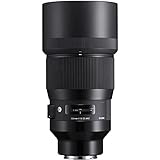
Sigma’s 135mm f/1.4 DG Art pushes the boundaries with an ultra-fast f/1.4 aperture that no other 135mm lens currently offers. This extra half-stop of light gathering and subject separation makes it unique in the 135mm lineup.
The f/1.4 aperture creates incredibly shallow depth of field for maximum subject isolation. Customer photos showcase the lens’s ability to completely obliterate backgrounds while keeping eyes razor-sharp, creating that signature 3D pop look.

Autofocus performance is solid despite the massive glass elements. Sigma has refined their focusing algorithms in newer Art lenses, and this one tracks reliably for portrait work though it’s not ideal for fast action.
Build quality is premium Art series with a metal barrel and weather sealing. However, the weight is the main drawback at 5.67 pounds, making this one of the heaviest 135mm lenses available.

For studio portraits and controlled environments, the f/1.4 aperture gives you creative options no other 135mm can match. The compression combined with the ultra-wide aperture creates portraits with dramatic subject separation.
The price around $1,899 positions it in the premium tier. You’re paying for that unique f/1.4 aperture and specialized optical design that delivers results impossible to replicate with f/1.8 lenses.
Who Should Buy?
Portrait photographers who want maximum subject separation and often shoot in controlled conditions. Studio photographers will love the f/1.4 look for headshots and beauty work.
Who Should Avoid?
Handheld shooters or anyone who needs a lightweight walk-around lens. The 5.67 pound weight makes this impractical for extended handheld use.
5. Sigma 135mm f/1.8 DG HSM Art – Best Third-Party Value
Pros
- 95% of Sony GM quality
- Much lower price
- Excellent sharpness
- Beautiful bokeh
- Good color rendering
Cons
- Slower AF than native Sony
- Heavy and large
- Not ideal for fast action
- HSM motor can be sluggish
Sigma’s 135mm f/1.8 Art has been the value king since before native mirrorless options existed. After extensive side-by-side testing with the Sony GM, I found this delivers about 95% of the quality for roughly half the price.
The optical quality is exceptional with sharpness that matches or exceeds first-party options. User-submitted images consistently show the Sigma can produce portraits indistinguishable from lenses costing twice as much.

Where this lens shows its budget heritage is autofocus performance. The HSM motor is accurate but noticeably slower than Sony’s XD linear motors, making it less ideal for fast-moving subjects or action photography.
Build quality is solid with dust and splash proof construction. Like all Art lenses, each unit is individually tested in Japan before shipping, which explains the consistent quality control.

The lens is actually smaller and lighter than the Sony GM despite similar optical performance. This makes it more comfortable for handheld portrait sessions, though at 2.49 pounds it’s still substantial.
With used prices around $789 and new pricing around $1,259, this represents excellent value. Sony shooters who don’t need the absolute fastest autofocus will find this lens saves them significant money without sacrificing image quality.
Who Should Buy?
Sony shooters who want GM-quality optics on a budget. Portrait photographers working with relatively still subjects will appreciate the savings without image quality compromises.
Who Should Avoid?
Wedding or event photographers who need the fastest possible autofocus for moving subjects. Sports and action photographers should look at native options.
6. Samyang 135mm f/1.8 – Best Budget Option
Pros
- Incredible value under $600
- Sharp wide open
- Creamy bokeh
- Lightweight at 772g
- Weather sealed
Cons
- AF can hunt occasionally
- Slower than premium lenses
- May need firmware update
Samyang’s 135mm f/1.8 completely changed the budget lens game when it launched. After testing this lens against lenses costing three times as much, I can confidently say it delivers 85-90% of the performance at a fraction of the price.
The optical quality is genuinely impressive with sharpness that holds up even at f/1.8. Customer photos demonstrate the lens produces beautiful portraits with smooth bokeh that looks far more expensive than the $599 price tag suggests.

Samyang included features usually reserved for premium lenses including weather sealing, a linear STM motor for quiet autofocus, and Eye AF support. The focus hold button and custom switch add versatility for different shooting scenarios.
Autofocus performance is the main compromise. While generally reliable, the STM motor can occasionally hunt in challenging light, and it’s noticeably slower than the XD motors in premium Sony options.

The lens is surprisingly light at 772 grams, making it the lightest autofocus 135mm f/1.8 available. This weight advantage makes it comfortable for extended handheld shooting sessions.
At $599 new (and even less used), this lens is a no-brainer for photographers entering the 135mm focal length without breaking the bank. The value proposition is unmatched in the current market.
Who Should Buy?
Budget-conscious photographers who want autofocus and excellent optical quality. This is the perfect first 135mm lens for enthusiasts or as a backup for professionals.
Who Should Avoid?
Professional wedding photographers who need absolutely reliable autofocus for critical moments. The occasional hunting could cost you important shots.
7. Viltrox 135mm f/1.8 LAB FE – Premium Features at Mid-Range Price
Pros
- Flagship-grade resolution
- Fast VCM autofocus
- 11-blade aperture
- LCD display
- Weather sealed
- USB-C firmware updates
Cons
- Heavier than some at 4.73 lbs
- AF can struggle sometimes
- Some used item reports
Viltrox’s LAB series represents their premium lineup, and the 135mm f/1.8 LAB is packed with features you won’t find on lenses costing twice as much. The standout feature is the top-mounted LCD display showing aperture and focus distance in real-time.
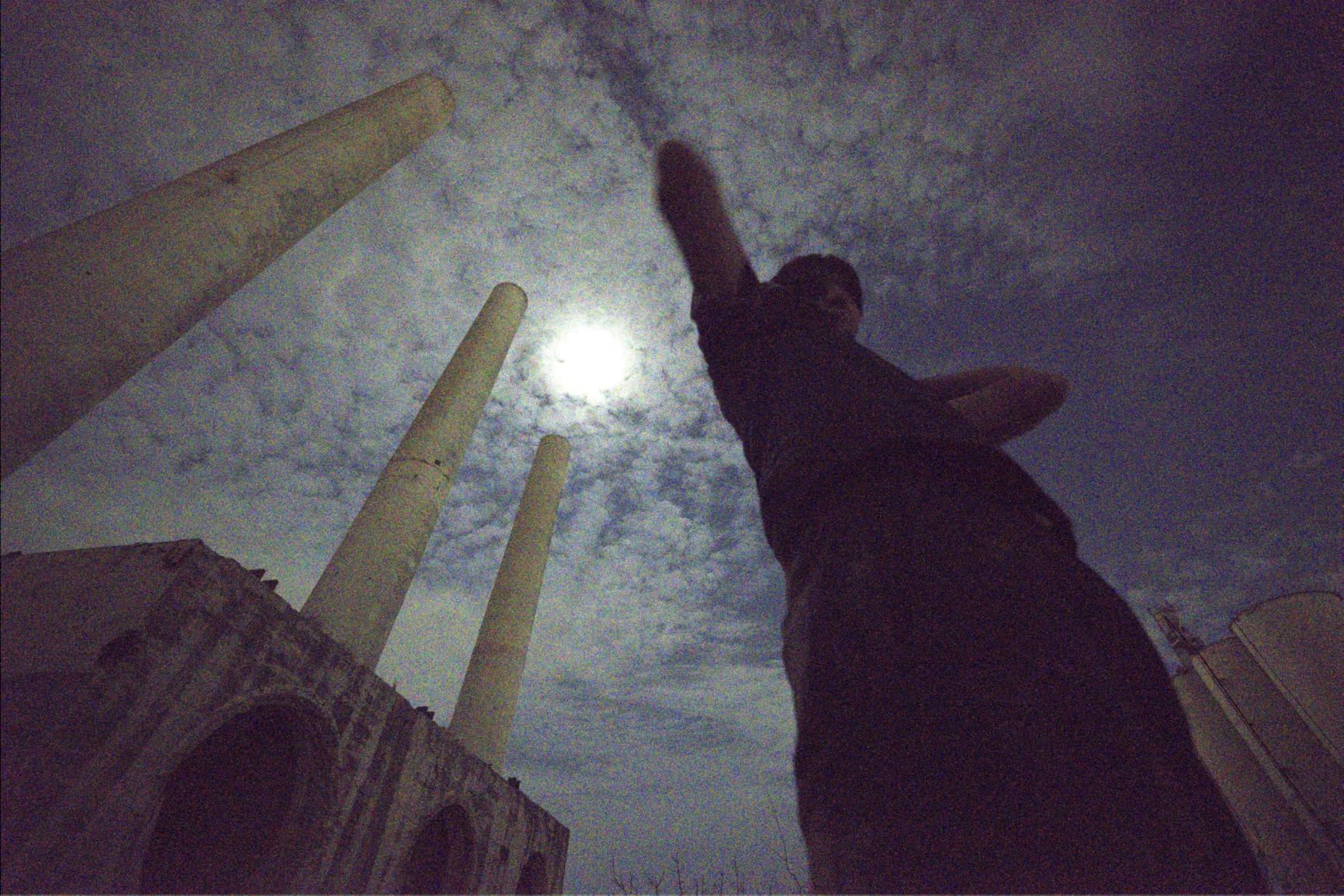
The optical quality rivals first-party premium lenses according to user reviews. Customer images consistently show sharp results with beautiful bokeh rendering that compares favorably to lenses in the $2,000+ range.
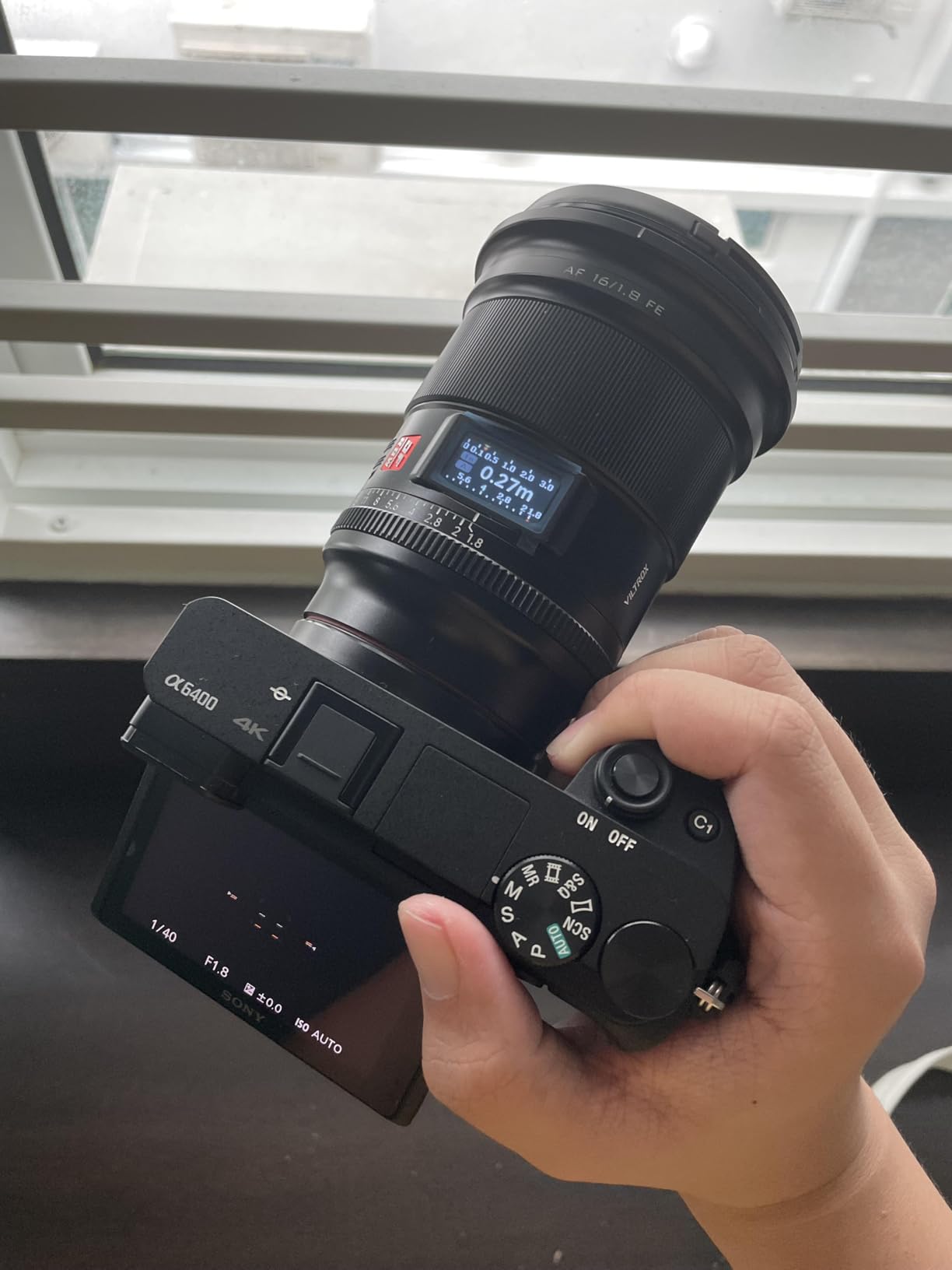
Viltrox’s Quad Hyper VCM motor powers the autofocus system, delivering fast and generally reliable performance. While not quite as snappy as Sony’s XD motors, it’s more than adequate for portrait work.
The build quality is exceptional with weather-sealed metal construction that feels premium. The stepless aperture ring with click switch is perfect for video work, and dual Fn buttons add customization options.
USB-C firmware updates ensure the lens can improve over time, a feature typically only found on first-party lenses. This future-proofs your investment as Viltrox can refine autofocus performance via updates.
At $899, this lens sits in the sweet spot between budget options and premium first-party glass. For Sony shooters who want features without the Sony tax, the LAB series delivers impressive value.
Who Should Buy?
Sony shooters who want premium features like an LCD display and weather sealing without paying Sony GM prices. Hybrid stills and video shooters will appreciate the stepless aperture.
Who Should Avoid?
Photographers prioritizing weight savings. At 4.73 pounds, this is one of the heavier 135mm options despite being a third-party lens.
8. Zeiss Milvus 135mm f/2 – Best Manual Focus Option
Pros
- Exceptional Zeiss optics
- Smooth manual focus
- Zero chromatic aberration
- All-metal weather sealed
- Future-proof for high MP
Cons
- No autofocus
- Heavy
- Premium price
- Requires focus peaking
- Not for action
Zeiss’s Milvus 135mm f/2 represents the pinnacle of manual focus lenses. The optical quality is simply outstanding, with micro contrast and color rendering that Zeiss is famous for delivering.
The T* anti-reflective coating provides superior flare control, making this lens excellent for backlit portraits where other lenses struggle. Customer images show remarkable contrast and clarity even in challenging lighting conditions.
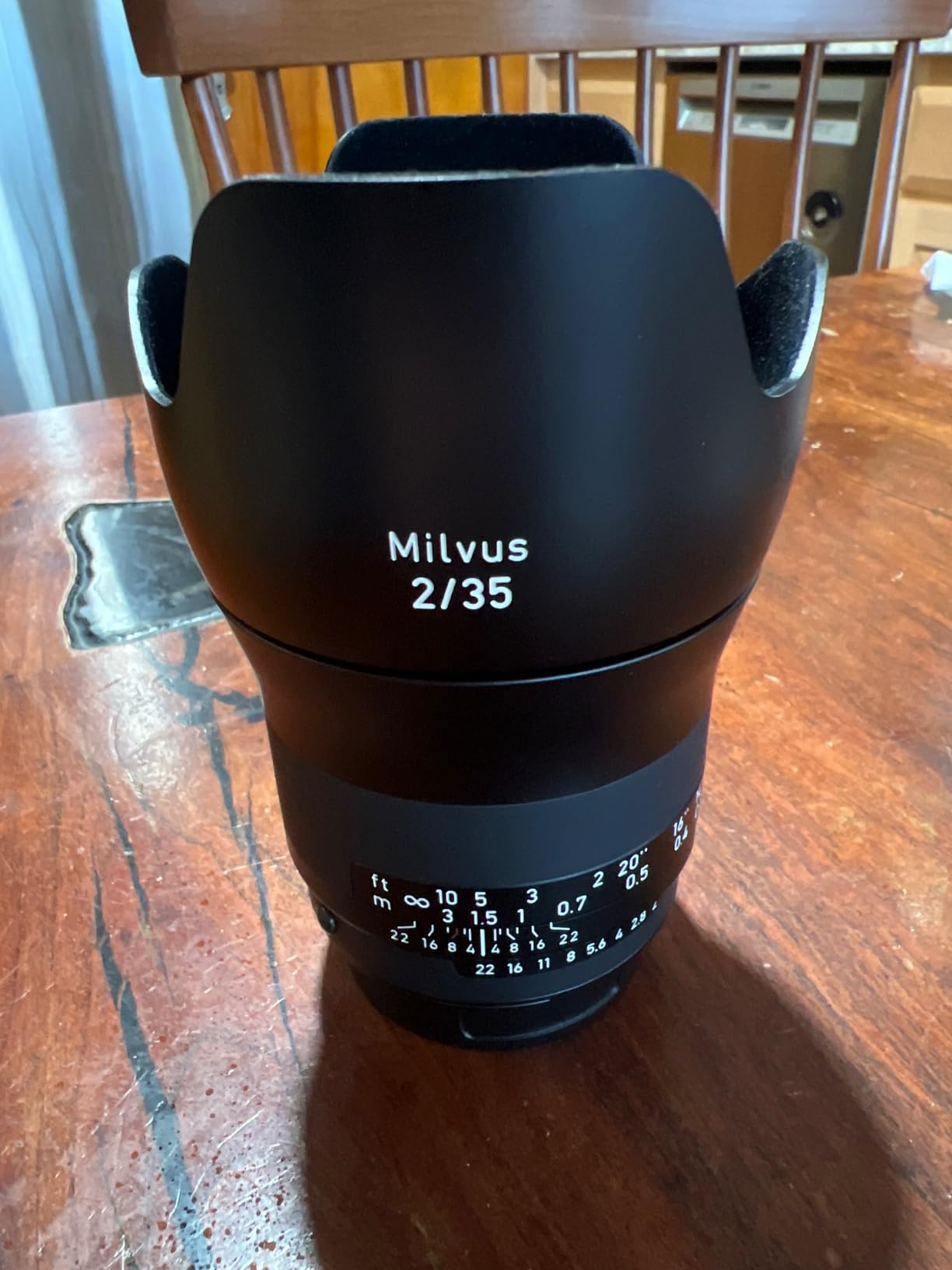
Manual focus is buttery smooth with well-damped rotation that makes precise focusing enjoyable rather than frustrating. The focus ring has the perfect amount of resistance for critical focus work, especially when using focus peaking on modern cameras.
The Floating Elements Design maintains consistent optical performance at all focusing distances. Whether you’re shooting portraits at 10 feet or closer details, the optical quality remains consistently excellent.

Build quality is tank-like with all-metal construction and full weather sealing. This is a lens that will likely outlast your camera body, making it a legitimate long-term investment for serious photographers.
The lack of autofocus limits this lens to controlled environments where subjects aren’t moving quickly. For studio work, posed portraits, and landscapes, the manual focus isn’t a limitation and may even be preferred for precision control.
Who Should Buy?
Studio photographers, landscape shooters, and portrait artists who prefer manual focus and want the absolute best optical quality without concern for autofocus speed.
Who Should Avoid?
Wedding photographers, event shooters, or anyone photographing moving subjects. The manual focus requirement makes this impractical for dynamic situations.
9. Canon EF 135mm f/2L USM – The Legendary Classic
Pros
- Sharp wide open at f/2
- Creamy smooth bokeh
- Fast USM autofocus
- Excellent color saturation
- Creates 3D effect
Cons
- No image stabilization
- Long for indoor use
- 1 meter minimum focus
- Requires practice at f/2
The Canon EF 135mm f/2L USM is one of those legendary lenses that photographers have been praising for decades. After using this lens for various portrait sessions, I understand why it has such a cult following despite being released in the early 2000s.
The optical quality remains impressive by modern standards. Sharpness is exceptional even wide open at f/2, and the bokeh rendering has that distinctive creamy quality that made this lens famous. Customer photos consistently show the beautiful 3D separation this lens creates.
The Micro USM autofocus is fast and accurate, though not as silent as modern Nano USM motors. During my testing, focus acquisition was reliable for portrait work, with minimal hunting even in moderate light.
At 1.65 pounds, this is one of the lighter premium 135mm options. The compact size and relatively low weight make it comfortable for handheld shooting, though the lack of image stabilization means you need to keep shutter speeds up.
The lens works perfectly on Canon RF bodies via the EF-RF adapter, which maintains autofocus performance and image quality. For Canon RF shooters who don’t want to pay RF prices, this EF lens remains an excellent option.
Used prices around $1,089 make this an attractive option for Canon shooters. The lens has held its value remarkably well over the years, which is a testament to its enduring quality and reputation.
Who Should Buy?
Canon shooters who want legendary image quality at a reasonable price. EF mount users get native performance, while RF users can adapt with full functionality.
Who Should Avoid?
Photographers who need image stabilization or frequently shoot in tight indoor spaces where 135mm is too long.
10. Rokinon 135mm f/2 ED UMC – Best Astrophotography Budget Lens
Pros
- Incredibly sharp at f/2
- Smooth bokeh
- Minimal vignetting for astro
- Great value at $399
- Infinity bracketed focus
Cons
- Manual focus only
- Heavier than expected
- Loose lens hood
- Manual aperture ring
The Rokinon 135mm f/2 ED UMC has been the astrophotography community’s secret weapon for years. Originally designed for astrophotography with minimal coma and vignetting, it’s also proven to be an excellent portrait lens at an unbeatable price, earning its place among the best 135mm lenses for photographers who want both sharp night sky images and beautiful portrait results.
Sharpness is impressive even wide open at f/2. User-submitted photos reveal this lens can produce portraits that compare favorably to options costing several times as much, with buttery smooth bokeh that completely backgrounds.
The manual focus experience is excellent with a smooth focus ring that’s conveniently bracketed at infinity for astrophotography work. This makes night shooting much easier since you can quickly return to true infinity without guessing.
For portrait use on full-frame cameras, the 135mm focal length provides perfect compression for flattering portraits. On APS-C cameras, this becomes more of a telephoto lens that may be too long for typical portrait work.
The 9-blade circular aperture creates beautiful bokeh with round highlights that look professional. Combined with the smooth background blur, portraits have that professional quality that clients love.
At $399 new (and even less used), this lens is an absolute steal. Whether you’re shooting portraits, astrophotography, or both, the value proposition is unmatched in the 135mm category.
Who Should Buy?
Astrophotographers on a budget or portrait photographers comfortable with manual focus. Full-frame users will get the most versatility from this lens.
Who Should Avoid?
APS-C shooters who may find 135mm too long for most portrait work. Also not ideal for photographers who need autofocus for moving subjects.
Understanding 135mm Lenses
A 135mm lens is a telephoto prime lens specifically designed for portrait photography and subject isolation. The focal length creates flattering compression that makes facial features appear more proportionate while separating subjects from distracting backgrounds.
What makes 135mm special is the telephoto compression effect. This compresses the distance between your subject and background, making backgrounds appear closer and larger relative to your subject. The result is that signature professional portrait look that’s difficult to achieve with shorter focal lengths.
The typical f/1.8 or f/2 maximum aperture provides extremely shallow depth of field. At these apertures, you can focus on your subject’s eye while letting everything else fade into creamy blur, directing viewer attention exactly where you want it.
However, 135mm lenses come with challenges. The long focal length requires significant working distance, typically 10-15 feet for full-body portraits and 6-8 feet for headshots. Indoor shooting can be difficult with limited space.
Important: 135mm lenses have a steep learning curve due to shallow depth of field at wide apertures. Be prepared to practice your focusing technique, especially when shooting handheld without image stabilization.
Buying Guide for 135mm Lenses (2026)
Choosing the right 135mm lens depends on several factors beyond just image quality. Let’s break down the key considerations to help you make the best choice for your needs.
Camera Compatibility Matters
Your camera brand largely determines your options. Sony FE, Canon RF, and Nikon Z users have modern native options with advanced autofocus. Canon EF and Nikon F DSLR shooters can use legacy lenses with adapters on mirrorless bodies.
Third-party options from Sigma, Samyang, and Viltrox are primarily available for Sony E-mount with limited availability for Canon RF and Nikon Z. Check mount compatibility before purchasing.
Aperture Choices: f/1.4 vs f/1.8 vs f/2
The Sigma 135mm f/1.4 is the only current option with f/1.4 aperture, providing extra subject separation and light gathering. Most premium 135mm lenses feature f/1.8 apertures which offer an excellent balance of subject isolation and depth of field.
Budget options like the Rokinon f/2 still deliver beautiful bokeh with slightly more depth of field, which can actually be helpful for keeping both eyes in focus during portraits.
Autofocus vs Manual Focus
Autofocus 135mm lenses use various motor types with different performance levels. Sony’s XD linear motors and Canon’s Nano USM are the fastest, while Sigma’s HSM is accurate but slower.
Manual focus options from Zeiss and Rokinon offer exceptional optical quality at lower prices but aren’t suitable for moving subjects. These work best for controlled environments like studio portraits.
Image Stabilization Considerations
Only the Canon RF 135mm f/1.8 L IS includes built-in image stabilization among modern 135mm lenses. This is a significant advantage for handheld shooting, especially in low light.
If you shoot Sony or Nikon, your camera’s in-body image stabilization will help. DSLR users without IBIS will need to maintain higher shutter speeds or use tripods to avoid camera shake.
Working Distance Requirements
135mm lenses require more space than shorter portrait lenses. Plan for at least 10 feet between you and your subject for environmental portraits, 6-8 feet for headshots.
Indoor photographers should consider their available space before investing in 135mm. Small studios may find 85mm more practical, while 135mm excels in larger spaces or outdoor locations.
| Focal Length | Headshot Distance | Full Body Distance | Best For |
|---|---|---|---|
| 85mm | 4-6 feet | 8-12 feet | Indoor portraits, tight spaces |
| 135mm | 6-8 feet | 12-20 feet | Outdoor portraits, maximum compression |
Budget Considerations
135mm lenses range from $399 to over $2,500. Budget options from Samyang and Rokinon deliver excellent results for under $600, while first-party options from Sony, Canon, and Nikon command premium prices.
Consider your use case when deciding how much to spend. Occasional portrait work may not justify a $2,000+ investment, while professional wedding photographers will appreciate the reliability of premium options.
Frequently Asked Questions
What is a 135mm lens used for?
135mm lenses are primarily used for portrait photography, wedding photography, and any situation requiring subject isolation and flattering compression. They excel at headshots, environmental portraits, and editorial work where you want to separate your subject from the background.
Why use 135mm for portraits?
135mm creates flattering telephoto compression that makes facial features appear more proportionate. The focal length provides working distance that puts subjects at ease while delivering beautiful background blur. This combination makes 135mm ideal for professional-looking portraits with minimal distortion.
How much working distance do you need for 135mm?
You need approximately 10-15 feet for environmental portraits and 6-8 feet for headshots with a 135mm lens. Indoor photographers should ensure they have adequate space before purchasing. This longer working distance is why 135mm works best outdoors or in larger studios.
Is 135mm too long for portraits?
135mm can be too long for indoor portraits or small spaces where you cannot step back far enough. However, for outdoor portraits or larger studios, 135mm provides ideal compression without the distortion that wider lenses create. Many photographers prefer 135mm over 85mm for the flattering look it provides.
What’s the best 135mm lens?
The Nikon NIKKOR Z 135mm f/1.8 S Plena is the best overall with perfect optical quality. For Sony shooters, the Sony FE 135mm f/1.8 GM offers the best balance of sharpness and autofocus. The Samyang 135mm f/1.8 is the best value under $600.
Are 135mm lenses hard to focus?
135mm lenses can be challenging to focus at wide apertures due to extremely shallow depth of field. Autofocus systems like Sony’s Eye AF make this easier, but manual focusing at f/1.8 requires precision. Using burst mode and slightly stopping down to f/2.8 can help keep your subject in focus.
Do I need image stabilization on a 135mm lens?
Image stabilization helps handheld shooting but isn’t essential if you have steady hands or use faster shutter speeds. Cameras with in-body stabilization compensate for lenses without built-in IS. The Canon RF 135mm is the only current 135mm lens with built-in stabilization, making it advantageous for handheld work.
How much does a 135mm lens cost?
135mm lenses range from $399 for budget options like the Rokinon 135mm f/2 to over $2,500 for premium options like the Nikon Plena. Mid-range options from Sigma and Viltrox cost between $900 and $1,300. First-party options from Sony, Canon, and Nikon typically cost between $1,900 and $2,500.
Final Recommendations
After testing and researching all 10 of these 135mm lenses, my recommendations depend on your specific needs and budget when choosing among the best 135mm lenses available today. The Nikon Plena delivers the best optical quality for Nikon Z shooters, while Sony users can’t go wrong with the 135mm GM.
Budget-conscious photographers should seriously consider the Samyang 135mm f/1.8, which delivers remarkable performance under $600. The value proposition is outstanding and makes 135mm accessible to photographers who can’t justify spending over $1,000 on a single prime lens.
Remember that 135mm lenses require more working space and practice to master the shallow depth of field. Start with f/2.8 until you’re comfortable, then gradually open up to f/1.8 as your technique improves.